Why both left and right have rejected free markets


Add Axios as your preferred source to
see more of our stories on Google.
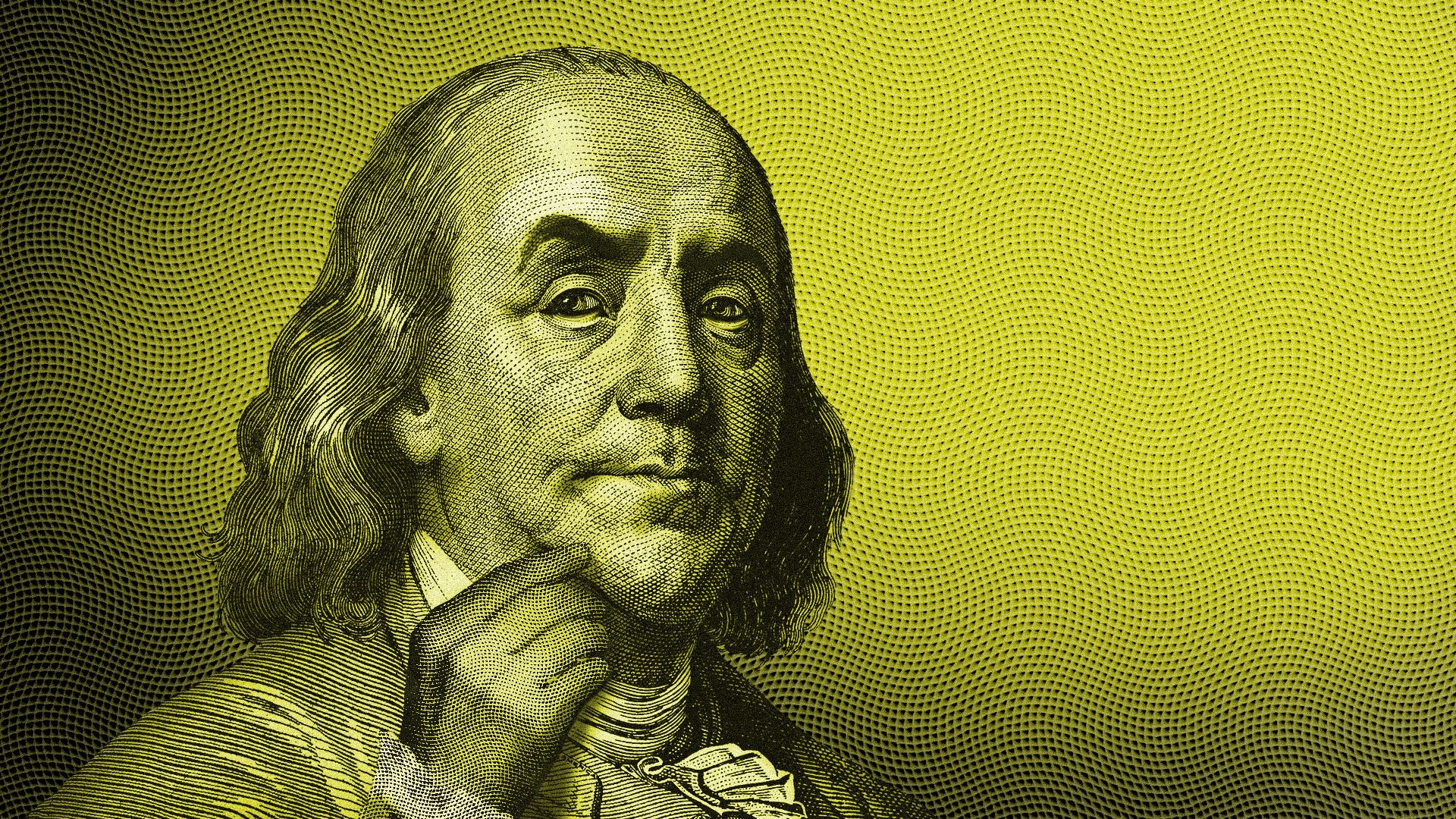
Illustration: Sarah Grillo/Axios. Stock: Getty Images
American political leaders on the left and right are rebelling against the market-first consensus that dominated Washington for four decades.
Why it matters: The result is one of the biggest shifts in U.S. economic policy since the Reagan revolution, overturning decades of orthodoxy on trade, manufacturing, housing, health care and corporate power.
- The shared skepticism of the old economic consensus masks vastly different visions for what comes next.
- It's evident in everything from the Trump administration taking government stakes in dozens of private companies to socialist candidates winning Democratic primaries promising a more active government role in the economy.
On the right: "American economic policy on the right is now much more Alexander Hamilton than it is Milton Friedman," Vice President Vance told right-wing political commentator Michael Knowles last month.
- Translation: Vance believes the GOP's intellectual center of gravity is shifting away from free markets to a more interventionist government that promotes domestic industry. He joked that President Trump threatened to seize the equity of an AI company and "no one protested."
- In practice, the pivot means that Trump has embraced tariffs and industrial policy, and taken stakes in individual companies, among other policies.
- On Monday, Trump celebrated Walmart's decision to lower prices "at my Administration's request" and urged other retailers to follow suit — an example of how the administration views the government's role in influencing markets.
On the left: Democratic socialists like New York City Mayor Zohran Mamdani argue that government, not markets, should guarantee affordable housing, health care and other basic necessities.
- The movement is showing fresh political muscle following Mamdani's rise in New York and a wave of DSA-backed victories there and in Colorado that have establishment Democrats increasingly on edge.
- The new socialist candidates campaign against the idea that markets should decide who gets health care, housing, child care or power at work — a close left-wing mirror image of Vance's belief that markets should serve broader social goals, not dictate them.
What they're saying: "Free-market fundamentalism no longer being in vogue in either party is a response to the fact that Americans don't think that economic system has worked for them," Lindsay Owens, the executive director of the Groundwork Collaborative, a progressive think tank, tells Axios.
- "It has delivered an economy that is highly unequal, in which a huge percentage of Americans feel a large amount of economic anxiety and don't feel like they can get ahead," Owens adds.
The intrigue: It leaves Washington's free-market faithful with a representation problem.
- "It eliminates a check that has been around for the last 40 years — a check on the more interventionist actions by the more leftist side of the Democratic Party," Scott Lincicome, vice president of general economics at the Cato Institute, tells Axios.
The big picture: No single economic event explains the unraveling of the market-first consensus. Instead, consider the slow-moving economic forces that have built on one another:
- The China shock, the 2008 financial crisis, decades of soaring housing and health care costs, the pandemic and the inflation surge — all have eroded confidence in the economic status quo.
- Social media amplified the shocks above, giving Americans a window into how other people live, making wealth disparities, housing inequities and economic frustration feel more immediate and personal.
Reality check: Economic anxiety alone doesn't explain the revolt.
- "I think the price level being 25% higher than it was five years ago certainly is a major factor in the desire of these Democratic voters to veer away from establishment Democrats — but I think it's more broadly reactionary to Trump," says Michael Strain, director of economic policy studies at the American Enterprise Institute.
The other side: The shift is far from universal. Trump paired tariffs and industrial policy with traditional Republican priorities — including corporate tax cuts, deregulation and a generally business-friendly agenda.
- Even some democratic socialists have embraced supply-side ideas in housing, arguing that government should both build more homes and lower barriers to construction.
- There's a huge test still to come: whether Democratic socialists can keep momentum across the nation.
