Elon Musk's SpaceXAI is launching Grok 4.5, its smartest model yet, and its first release since going public and acquiring the AI coding startup Cursor.
Why it matters: The new model is being pitched as a coding and agentic-work tool, more than a consumer-facing chatbot — one that Musk says is "maximally truth-seeking" compared to its competitors.
OpenAI is rolling out a new generation of voice models for ChatGPT, aiming to make conversations with its AI sound more natural while routing these queries to its best models.
Why it matters: The company sees this as a step toward a future where voice is the primary way people interact with AI.
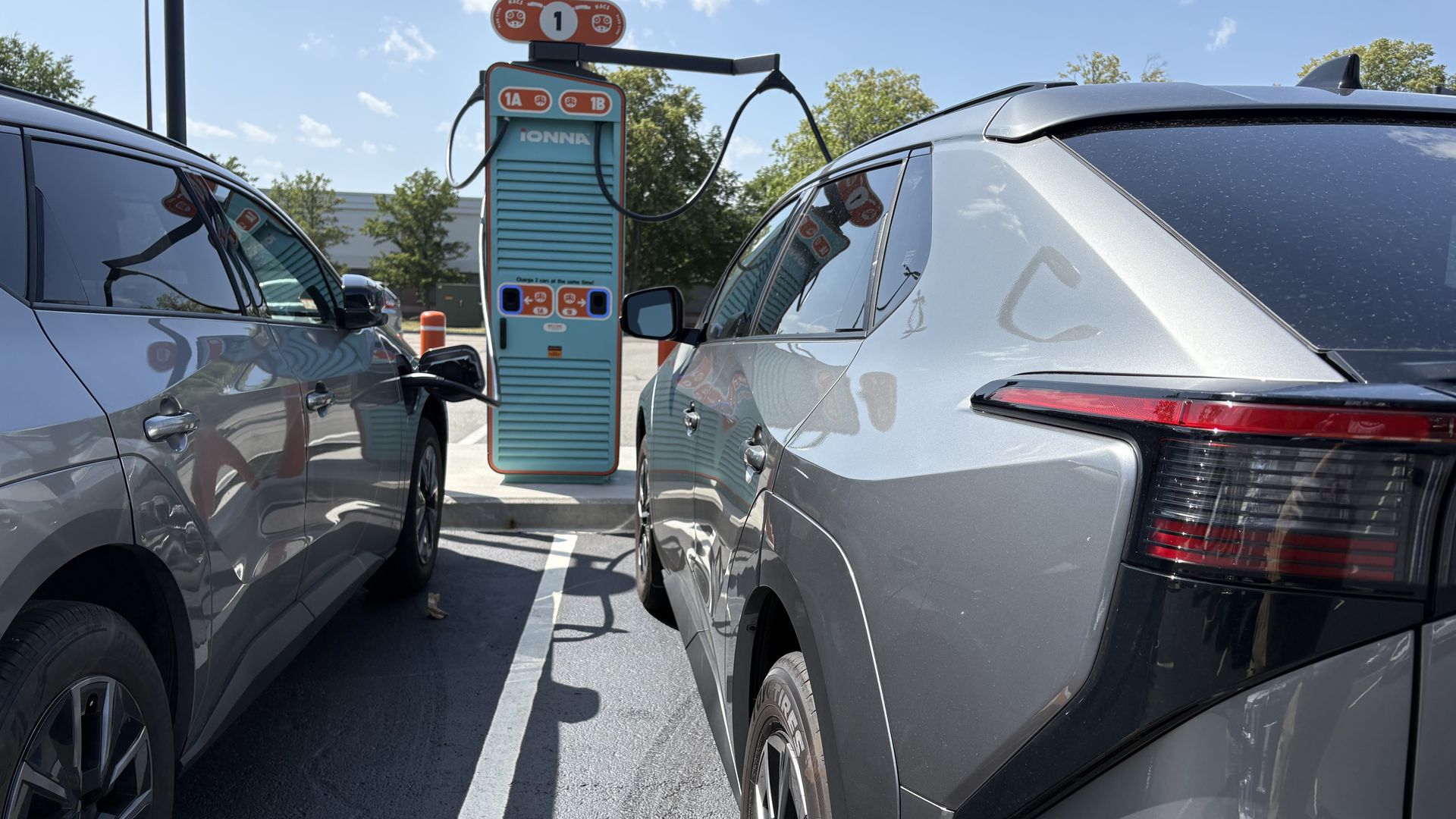
Electric vehicle sales momentum may have slowed in the U.S., but for charging company Ionna, backed by eight carmakers, it's full speed ahead.
Why it matters: Ionna is on track to open 30,000 high-speed charging bays across the U.S. by 2030, a network its founding automakers see as a key to EV adoption.
My 1,900-mile road trip last week in an electric vehicle proved it's easily doable, but the charging experience is still not as seamless and convenient as pumping gas.
Why it matters: Driving an EV is delightful. Charging an EV is what gives people anxiety. Until that problem is solved, EV sales in the U.S. will remain lackluster.
UniCredit of Italy has increased its stake in German lender Commerzbank to 47.6% of outstanding shares and 49.65% of voting shares, after securing 17.6% via a tender offer.
Why it matters: This gives UniCredit de facto control of Commerzbank's shareholder meetings, ahead of what would be Europe's biggest bank merger in nearly two decades.
Arya Bolurfrushan is founder of an AI startup that's raised over $60 million from brand-name investors.
He's also a crook.
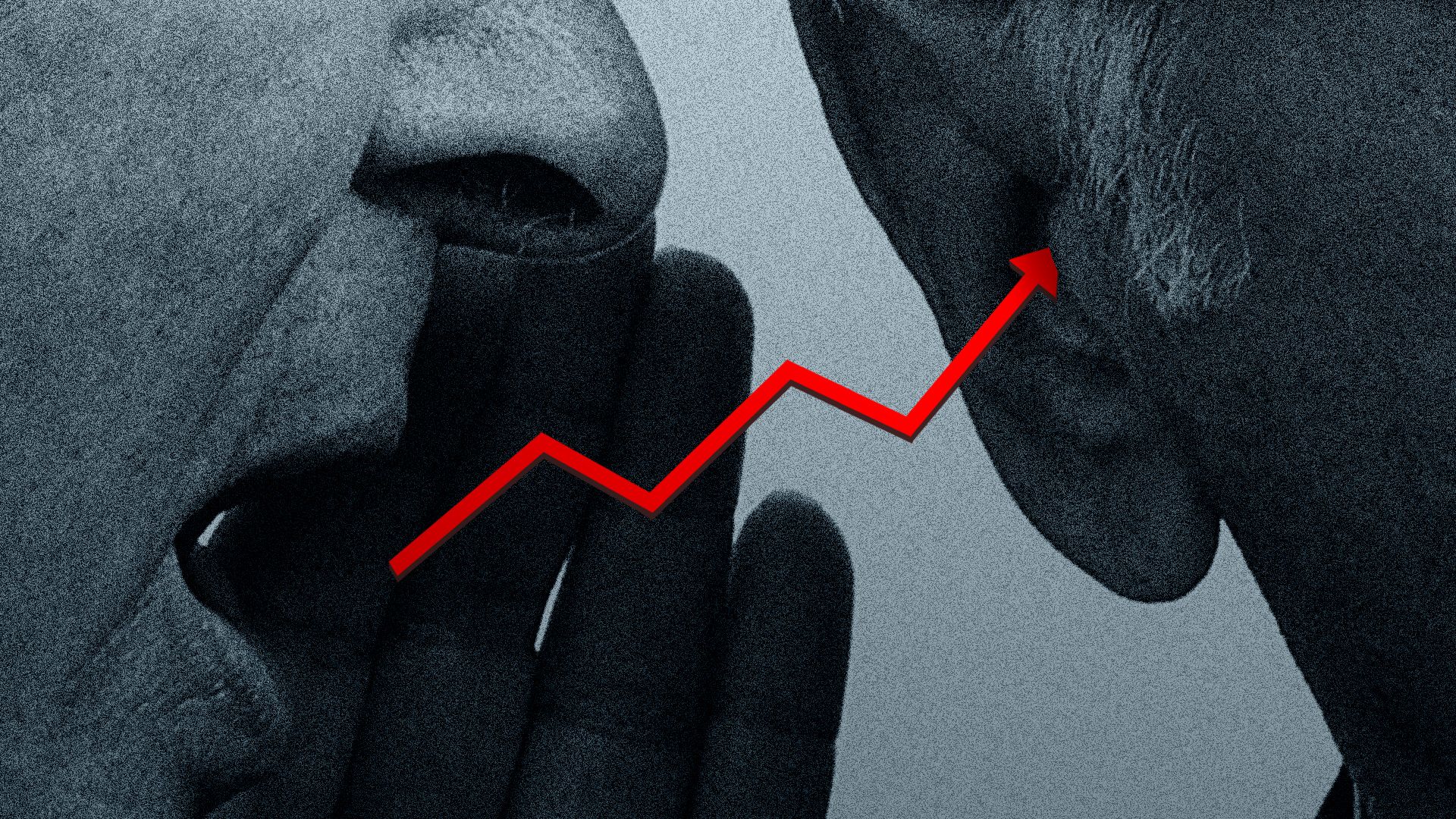
Driving the news: Federal prosecutors this week unsealed documents showing that Bolurfrushan secretly pleaded guilty in June 2025 to participating in a large insider trading scheme tied to mergers and acquisitions.
As America reflects on its 250th anniversary, New York City offers a powerful lens on the ideas, institutions and ambition that continue to shape the country.
But the milestone is more than a commemoration of the past. It's a chance to ask what kind of nation we hope to become — and who will help build it.
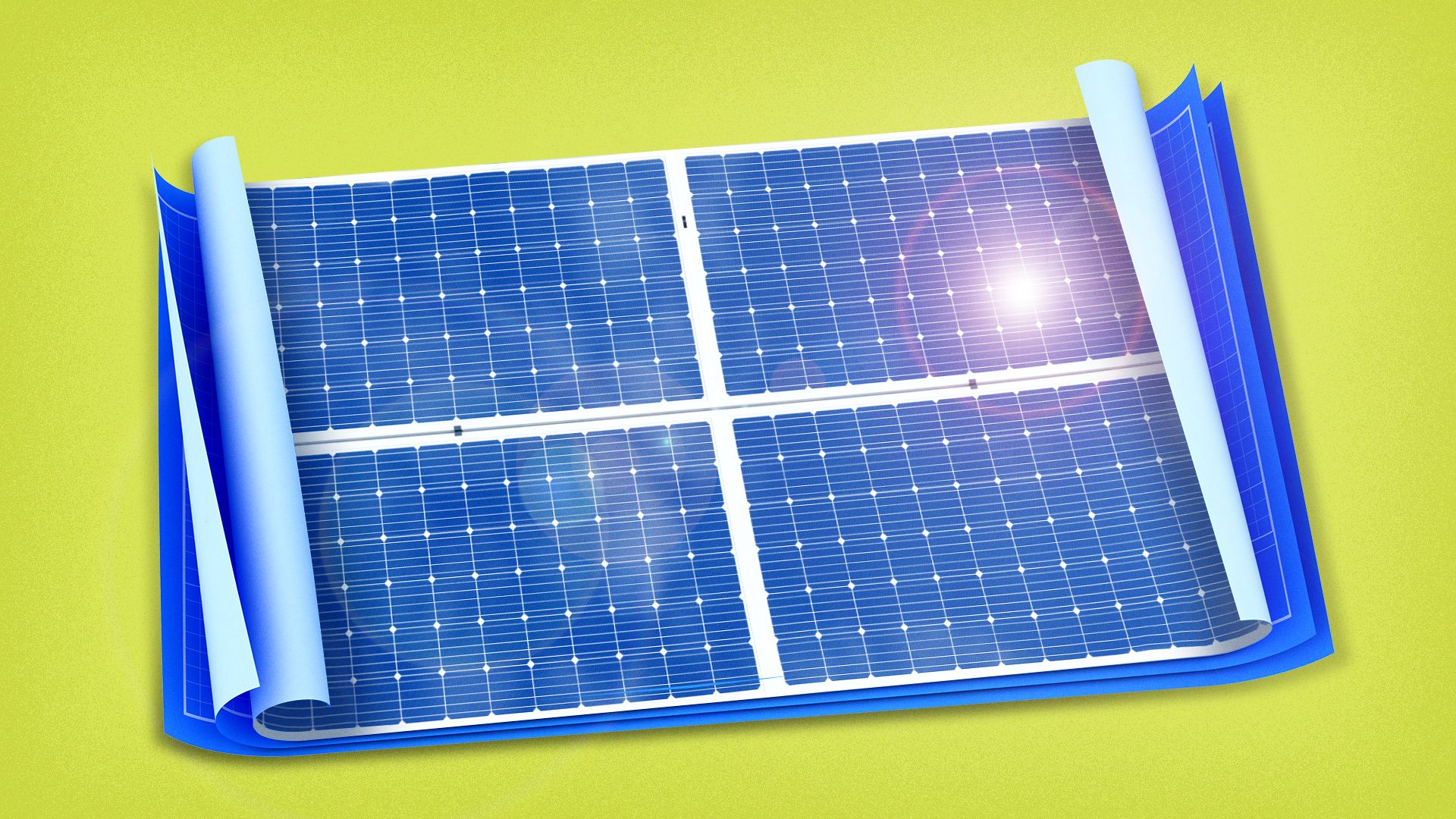
A top renewables and storagegroupsees openings for progress onCapitol Hill as it looks to build more nationwide power on the political right.
Why it matters: Trump officials are targeting wind power, which the president overtly despises, and last year's GOP budget law phased out tax credits for wind and solar generation projects.
Wall Street's sell-side analysts published a slew of bullish reports on SpaceX Tuesday, while cautioning that years of massive investments will be needed to bring Elon Musk's vision for the company to fruition.
Why it matters: These notes are some of the clearest and most well-informed public statements yet on the financial prospects for SpaceX.
South Korea's other massive memory chipmaker, SK Hynix, plans to sell $28 billion in stock in the U.S. later this week, even as waves of volatility batter the chip shares.
Why it matters: The offering will be a major test of whether investors are still gaga for memory chip stocks.
SK Hynix's offering comes just a month after the market absorbed the enormous SpaceX IPO.
Taylor Cavazos, whose tiny paintings have spread like wildfire across social media in recent months, is saying farewell to Miami after a decade in the local art scene.
Why it matters: Big or small, her work has left a mark on the 305, and it's bound to be missed as she embarks on her new chapter in Austin, Texas.
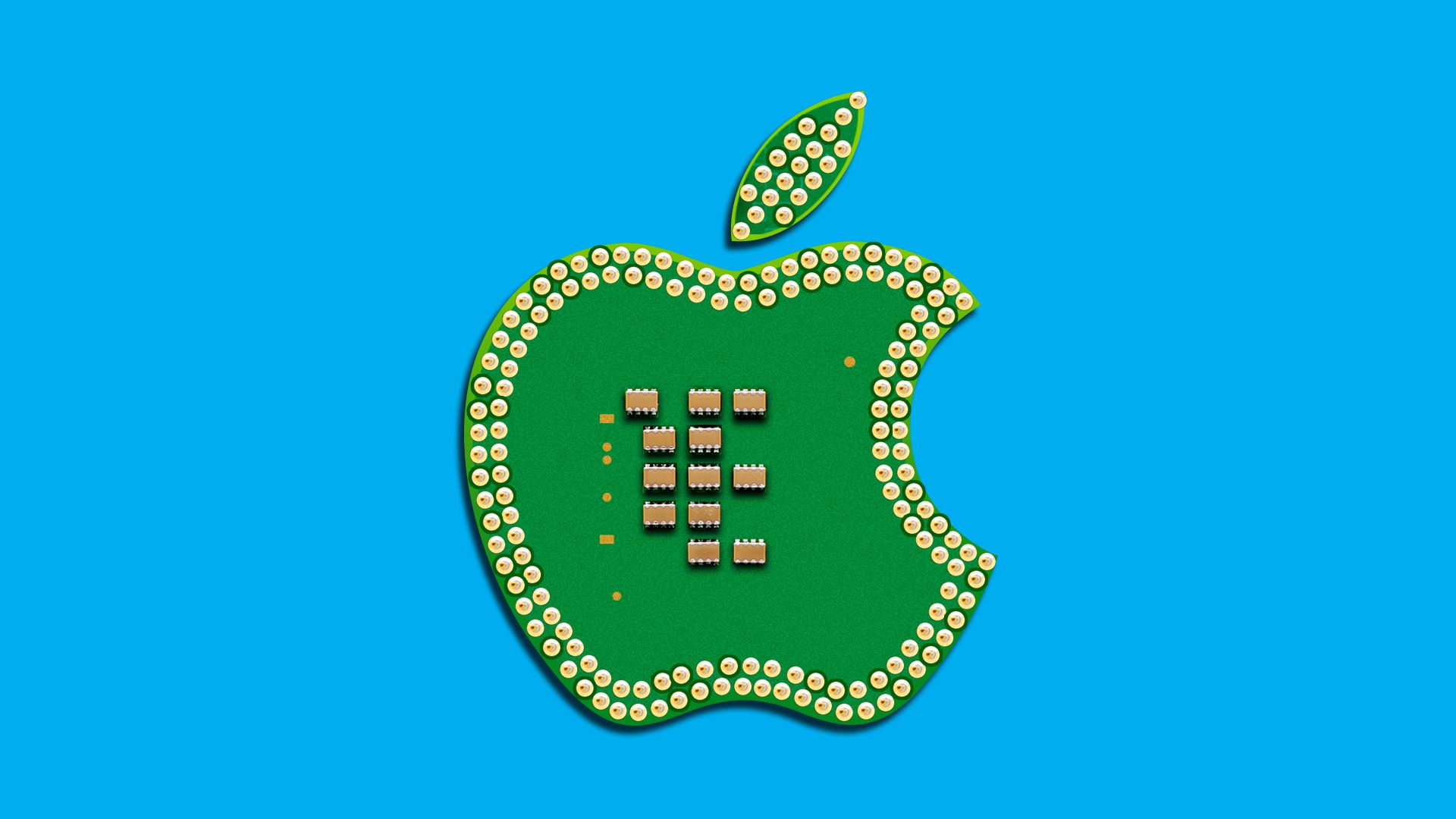
Apple said Wednesday it expects to spend over $30 billion in its expanded partnership with Broadcom that will lead to more than 15 billion chips being made in the U.S.
Why it matters: It's the largest element to date in an Apple program designed to have more components made in the U.S., even as nearly all of its devices are made elsewhere.
Those disclaimers in TV drug ads could get longer if the Trump administration makes good on plans to require all safety risks to be disclosed in the ads instead of referring consumers to anothersource.
The big picture: The administration saysthe current practice of focusing on key risks is a loophole that needs to be closed amid a proliferation of direct-to-consumer drug ads.
The U.S. military said it struck Iranian military targets in the area of the Strait of Hormuz on Tuesday in retaliation for renewed Iranian attacks on commercial ships.
Why it matters: The exchange of fire risks plunging the U.S. and Iran into a new cycle of retaliation, threatening the fragile memorandum of understanding signed by President Trump less than three weeks ago.