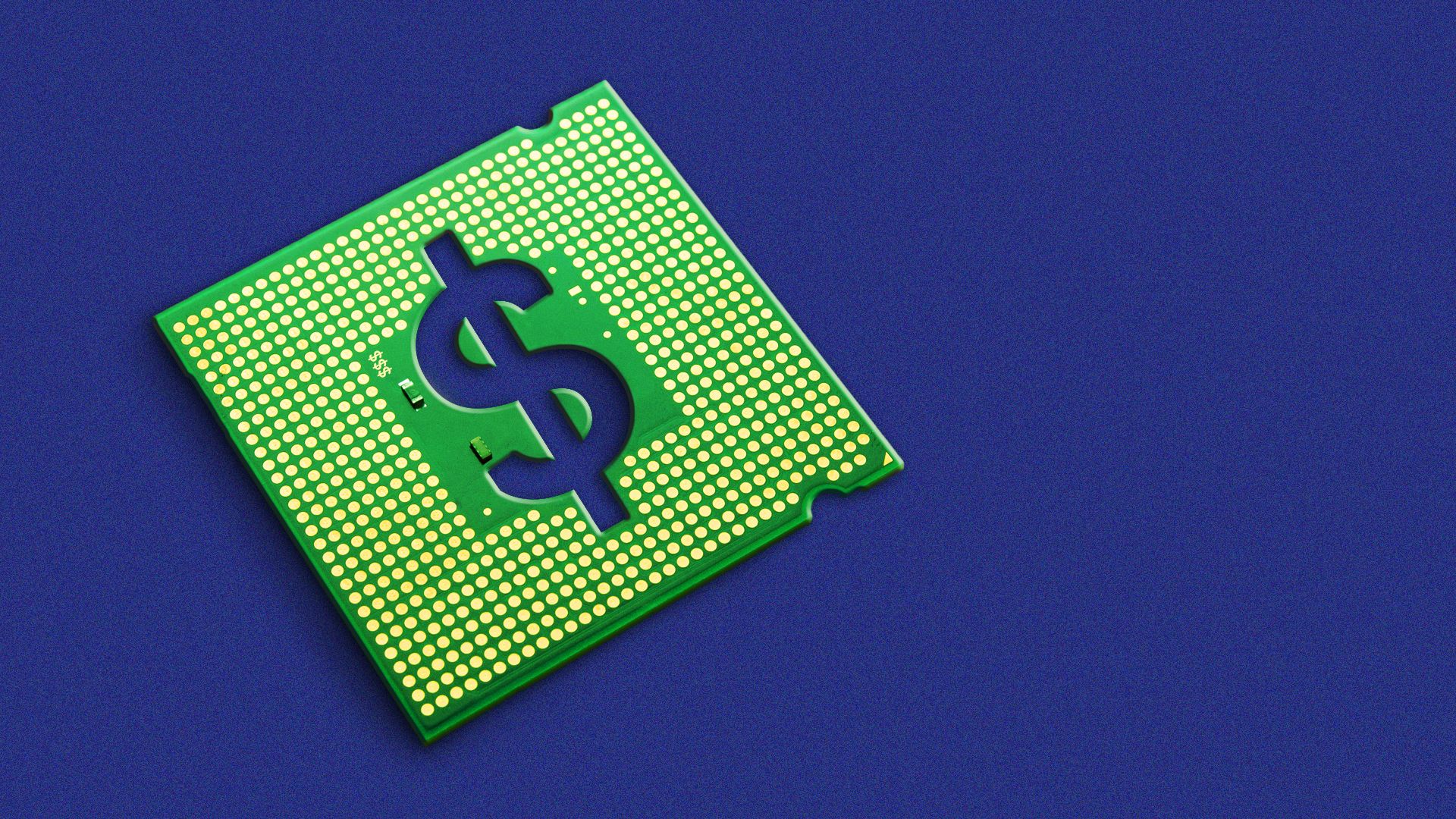
Chip stocks were hammered again Tuesday, despite some reassuring news from a major player, extending their recent slide into a second week.
The big picture: Investors continue to question the sustainability of the AI spending cycle that has fueled record profits for chipmakers and sent stock valuations soaring.
The Trump administration on Tuesday revoked the temporary waivers it issued as part of the memorandum of understanding (MOU) with Iran that had allowed Tehran to sell oil, the Treasury Department announced.
Why it matters: The revocation of the waivers, issued less than three weeks ago, came in response to the renewed Iranian attacks against ships in the Strait of Hormuz over the past 24 hours.
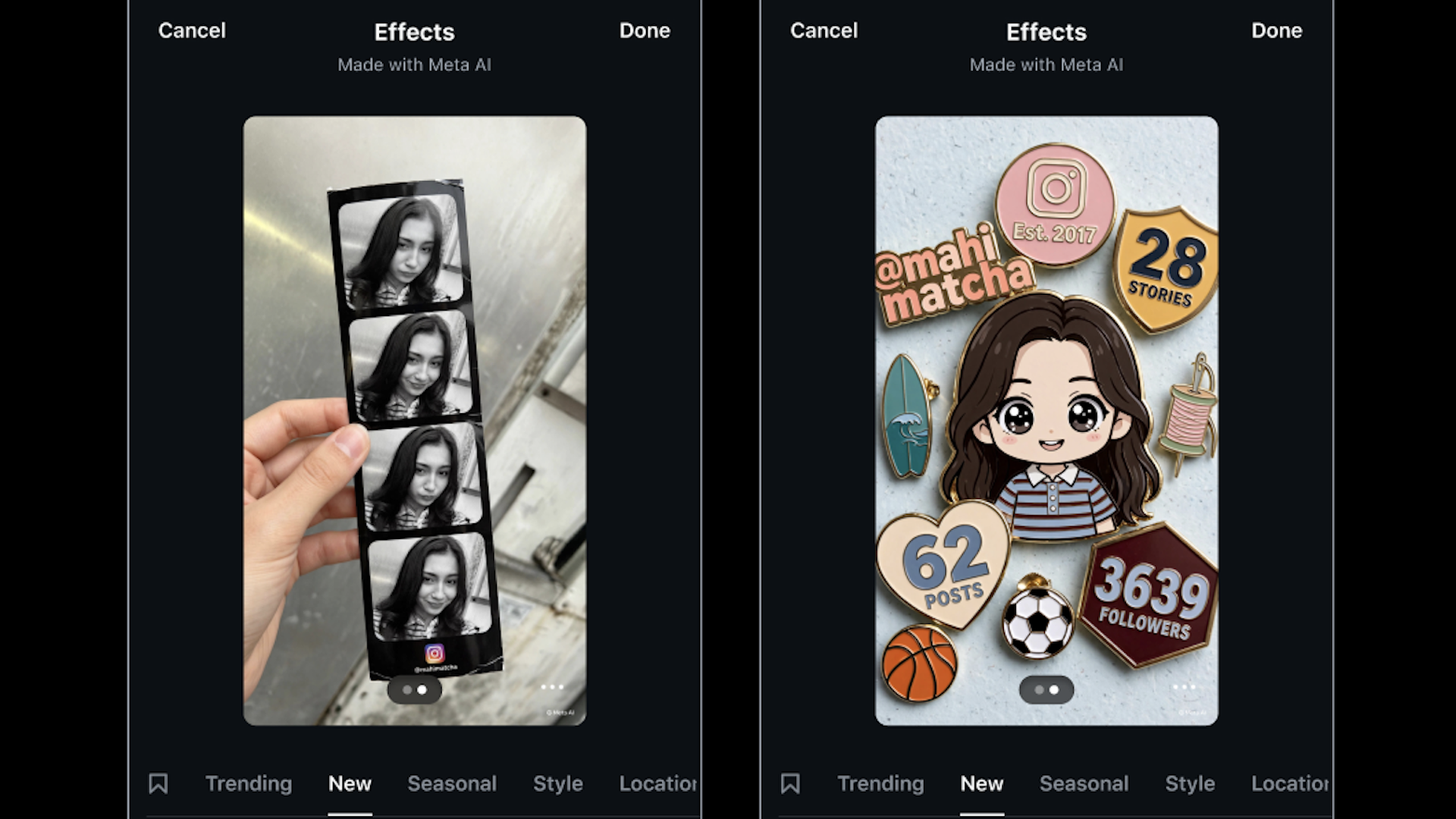
Facebook's parent company on Tuesday announced Muse Image, its first picture-generating model developed within the Alexandr Wang-led Meta Superintelligence Lab.
Why it matters: The model is the latest test of Meta's effort to close the gap with cutting-edge AI rivals, even as those companies continue to push forward.
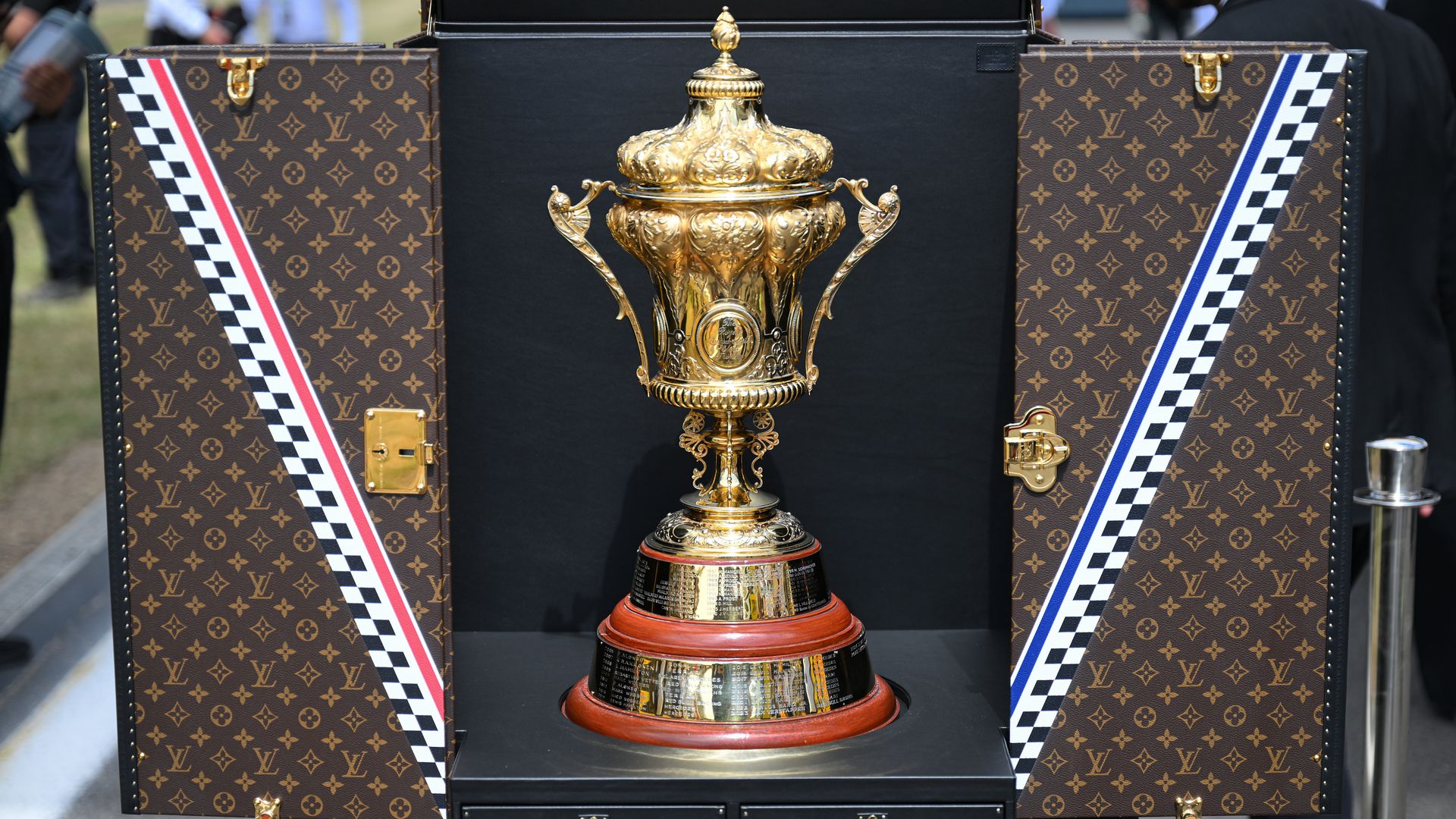
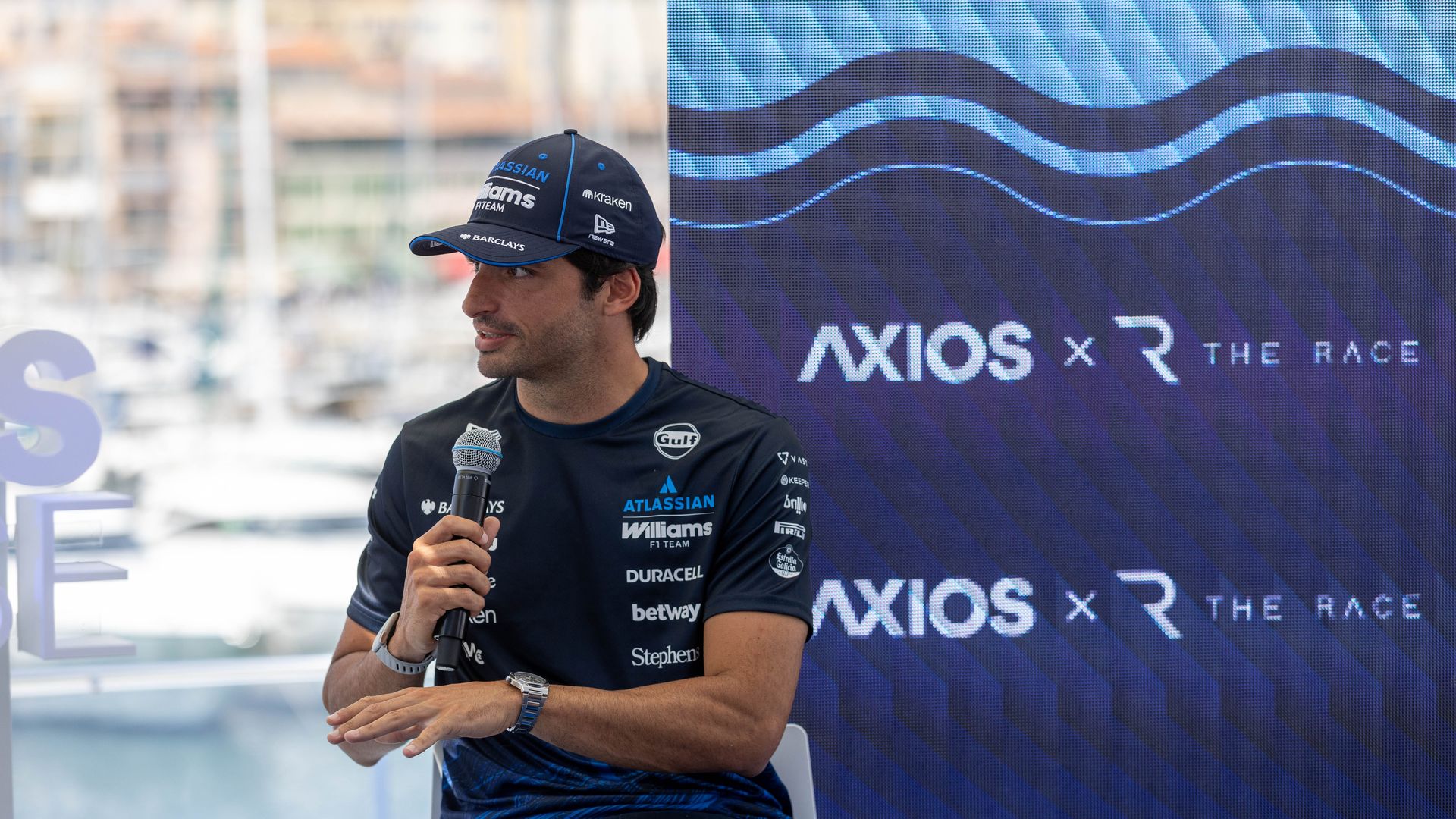
Luxury brands are investing more in Formula One, moving beyond traditional sponsorships to owning major pieces of the F1 experience.
Why it matters: Luxury companies tend to invest heavily in hospitality and VIP experiences, turning race weekends into lifestyle events that go viral online.
F1 executives see Apple's exclusive five-year U.S. streaming deal as another step forward for the sport, despite the potential risk of a more limited audience on streaming than cable in the short term.
Why it matters: Apple has yet to release viewership data for any of the nine race weekends it's aired this year, so there's no way to independently verify how the distribution deal is going.
While Netflix has not released viewership figures for the Canadian Grand Prix, president of advertising Amy Reinhard told Axios that she anticipates more opportunities to broadcast F1 content.
Why it matters: Netflix's simulcast partnership with Apple for the May race served as an important proof point that sublicensing streaming rights for select races could be a win-win as both companies look to expand their audiences.
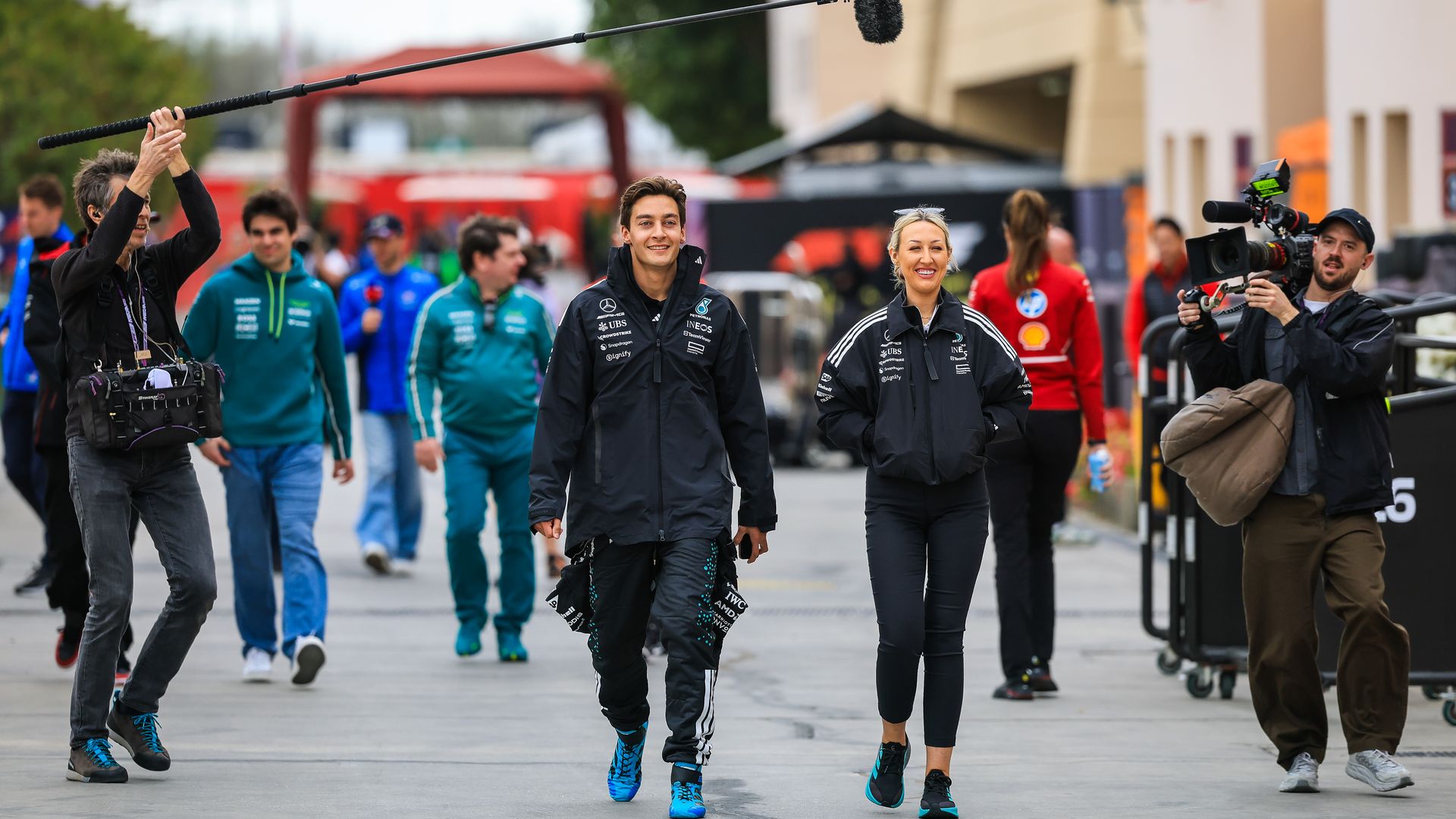
F1 drivers credit Netflix's global hit "Formula 1: Drive to Survive" not just for boosting F1's global popularity, but also for helping to humanize what is otherwise a very inaccessible sport.
Why it matters: The docuseries showed the world for the first time how high the emotional stakes are for drivers whose faces are hardly visible from the track.
Microsoft for years has been an active acquirer of gaming companies, including small independent ones. But that may be changing.
Driving the news: The tech giant on Monday announced a giant restructuring of its Xbox unit, including thousands of job cuts and the divestiture of five gaming studios.
ABC said Federal Communications Commission chair Brendan Carr's assertion that its awareness campaign around the agency's probe of "The View" is misinformation and "understates the depth of the commenters' commitment to bedrock First Amendment principles."
Why it matters: The comments suggest Carr is committed to politics over the public's consensus on the issue.
The oil market is shifting quickly from a focus on war-related shortages to an emerging supply glut.
Why it matters: Oil prices drive inflation expectations, which, in turn, drive the interest rates that have been closely correlated to the stock market.
Wall Street expects second-quarter earnings will be massive, although some wonder if the hurdle has been set too high.
Why it matters: Earnings season is a psychological process, and the reaction of the markets to seemingly objective things like profits, sales and earnings-per-share data can hinge on how high the expectations for them have been set.