F1 drivers say Netflix changed the race


Add Axios as your preferred source to
see more of our stories on Google.

F1 champion Lando Norris speaks at an Axios House Cannes event on June 24. Photo: Nicolas Gavet for Axios
F1 drivers credit Netflix's global hit "Formula 1: Drive to Survive" not just for boosting F1's global popularity, but also for helping to humanize what is otherwise a very inaccessible sport.
Why it matters: The docuseries showed the world for the first time how high the emotional stakes are for drivers whose faces are hardly visible from the track.
- "The thing you don't necessarily see on TV, but it's something that Netflix has done very well, is obviously showcase what goes into a season," F1 2025 world champion Lando Norris told me on stage at the Axios House in Cannes Lions in late June.
- Norris said the show helped expose fans to the intensity of the training and the physical aspect of the job. "To prepare for these kinds of things is something you don't see very often," he said, referring to the physical demands of racing in extreme temperatures.
- "People love to say we just sit in the car and go in circles, but it's a lot more than that, and it takes a lot more to drive the car."
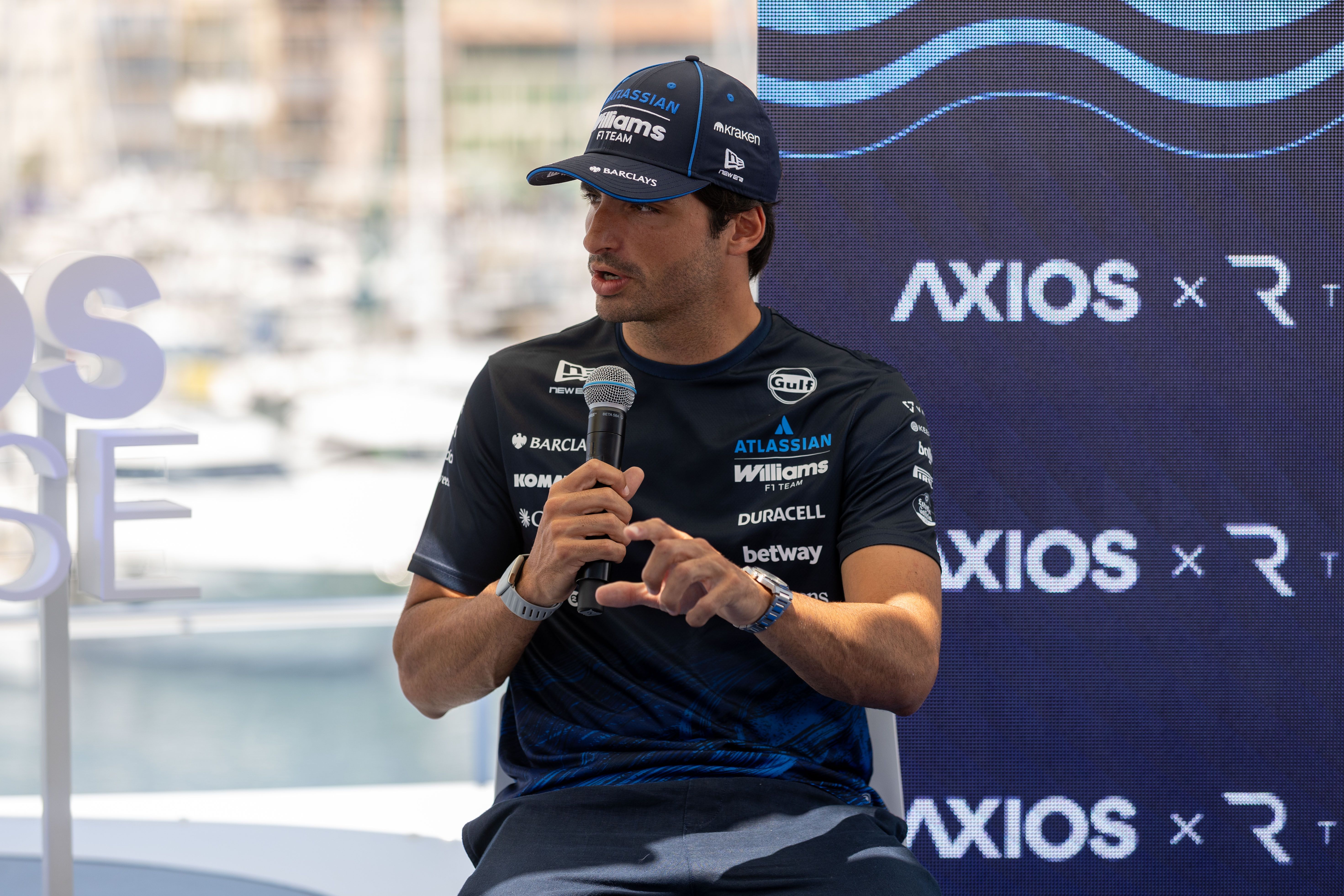
Between the lines: For drivers, letting Netflix into their lives meant sharing some of their most vulnerable moments, but the payoff has been worth it, argued Atlassian Williams F1 driver Carlos Sainz.
- Sainz said he recognized the Netflix series could be a major opportunity in 2018, despite his aversion to having cameras documenting his private life or contract negotiations.
- "I said, look, this could be game-changing, so let's give Netflix access, at least the first year until we see how this pans out," he told Darren Cox, founder of The Race Media, at an Axios House Cannes event in June.
- The first season of the show included a full episode featuring Sainz and his career. He gained 500,000 followers in two weeks after it was released, which made him feel like "it's paying off and it's worth it."
- "From then on, everyone realized this was going to be a big help for Formula One, and we all started opening up a bit more," he said.
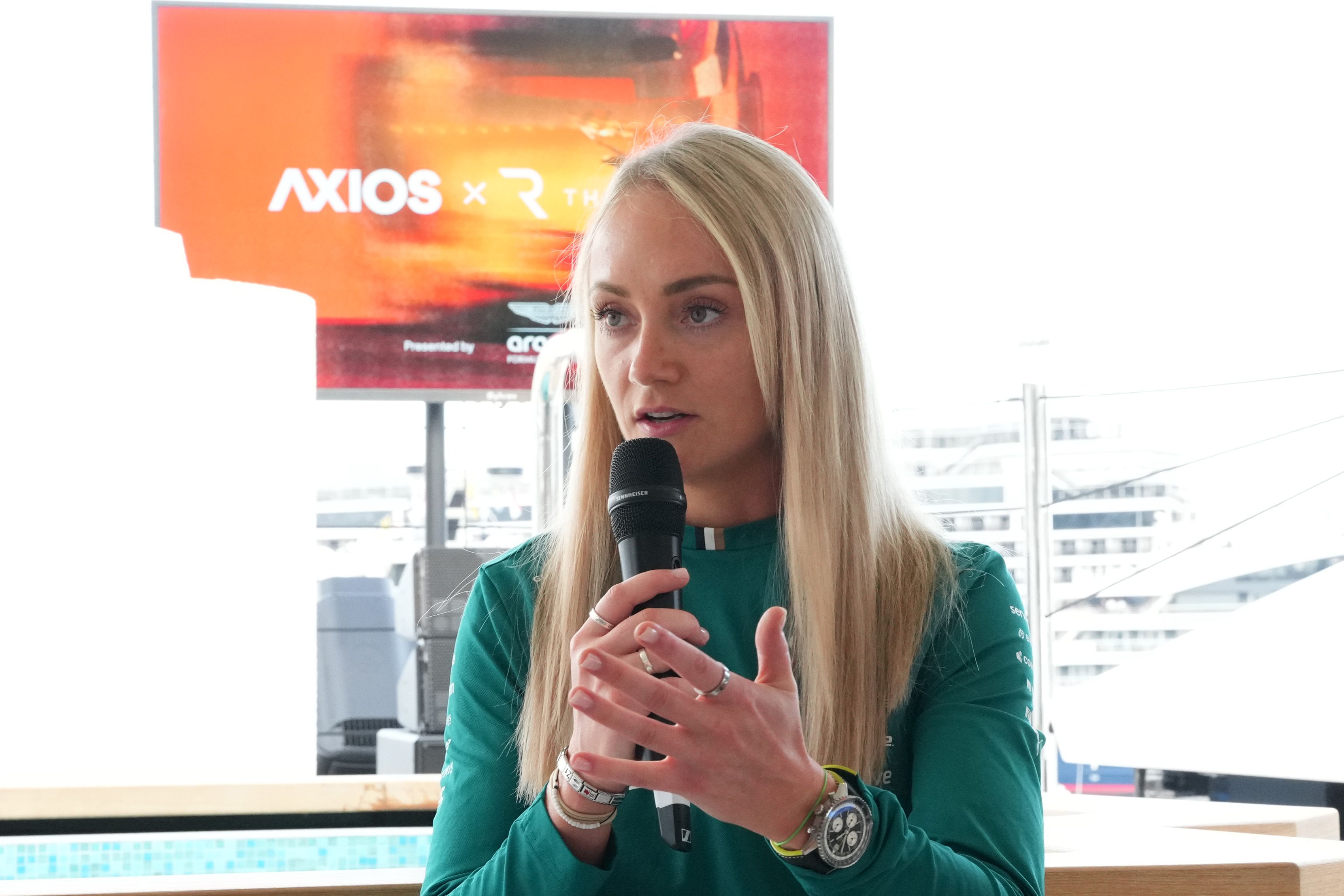
Zoom out: F1 stars recognize that "Drive to Survive" has been critical to the league's commercial expansion, in addition to boosting their personal brands.
- The show "was a big turning point," Jessica Hawkins, head of F1 Academy and driver ambassador for Aston Martin Aramco, told me at an Axios event at the Monaco Grand Prix last month. "Now everybody wants a piece of Formula One."
- "It's turned it from an amazing sport to a global platform that everybody wants a piece of."
By the numbers: There's no question the docuseries helped propel F1 to new heights around the globe, but especially in the U.S.
- ESPN's average F1 race audience jumped from roughly 550,000 viewers in 2018 before the show was released to around 950,000 in 2021, per Sports Business Journal. Subsequent seasons saw individual races exceed 1.1 million to 1.3 million viewers.
- Formula One says its global fanbase has surged 63% since 2018.
What to watch: While many new fans discovering F1 through Netflix are women, they currently don't see themselves reflected on the grid.
- Some women have participated in F1 as testing or development drivers, including Hawkins, but none have driven even a practice session since Susie Wolff in 2015.
- Wolff is now managing director of F1 Academy, a racing championship launched by F1 to develop young female drivers and help them progress through other junior motorsport series. Netflix has a separate documentary show about the series.
- "It would be great to see a woman in 'Drive to Survive,'" Hawkins said. "Hopefully, we'll start seeing more women on 'Drive to Survive' when we start to see more women in the sport."
