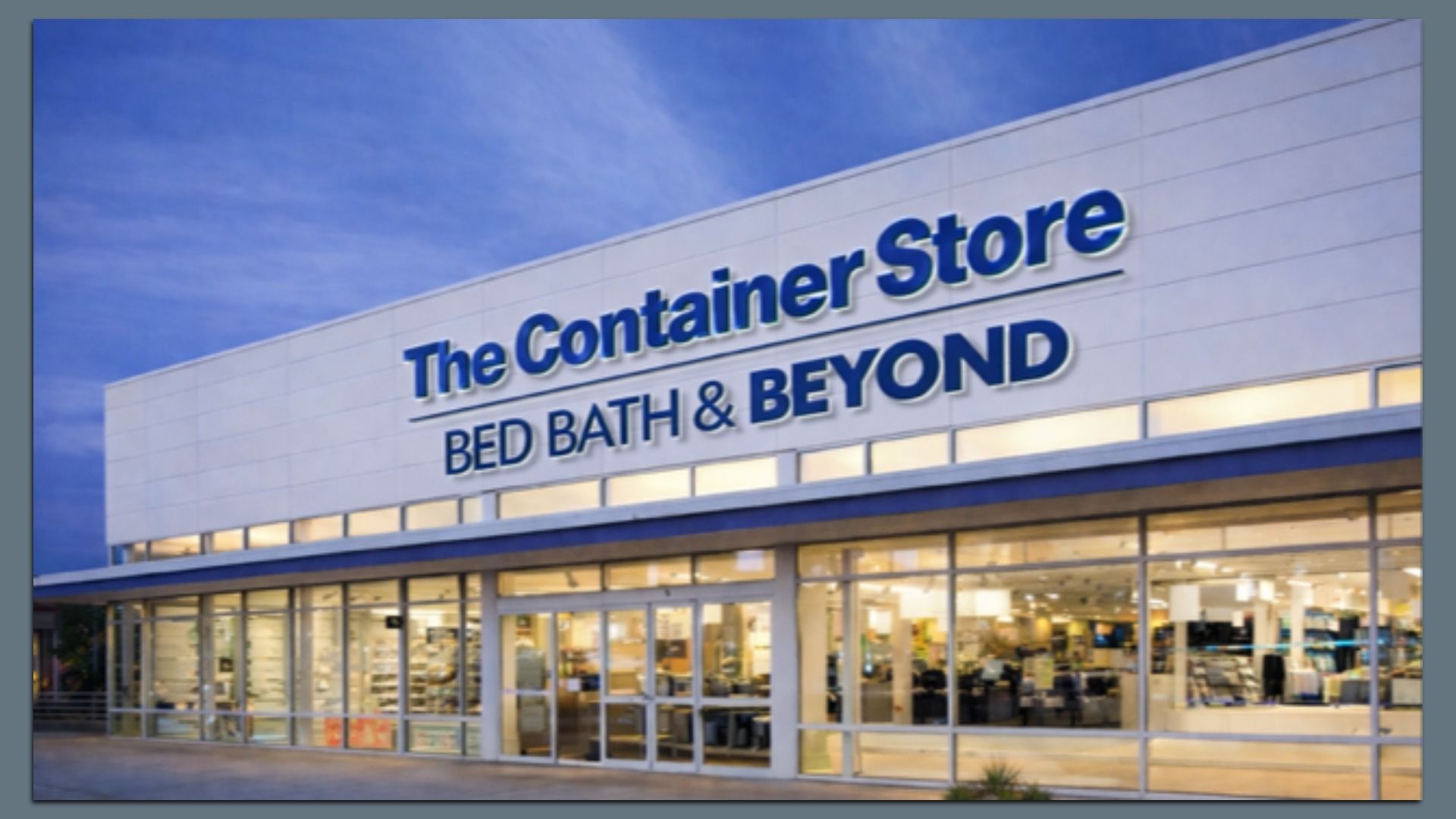
Bed Bath & Beyond is staging a comeback — with physical stores, the return of its iconic coupon and a deal to acquire The Container Store, its president Amy Sullivan told Axios in an exclusive interview.
Why it matters: The company is reinventing itself beyond traditional retail by combining stores, services and digital — a strategy that could unlock new growth but carries execution risk.
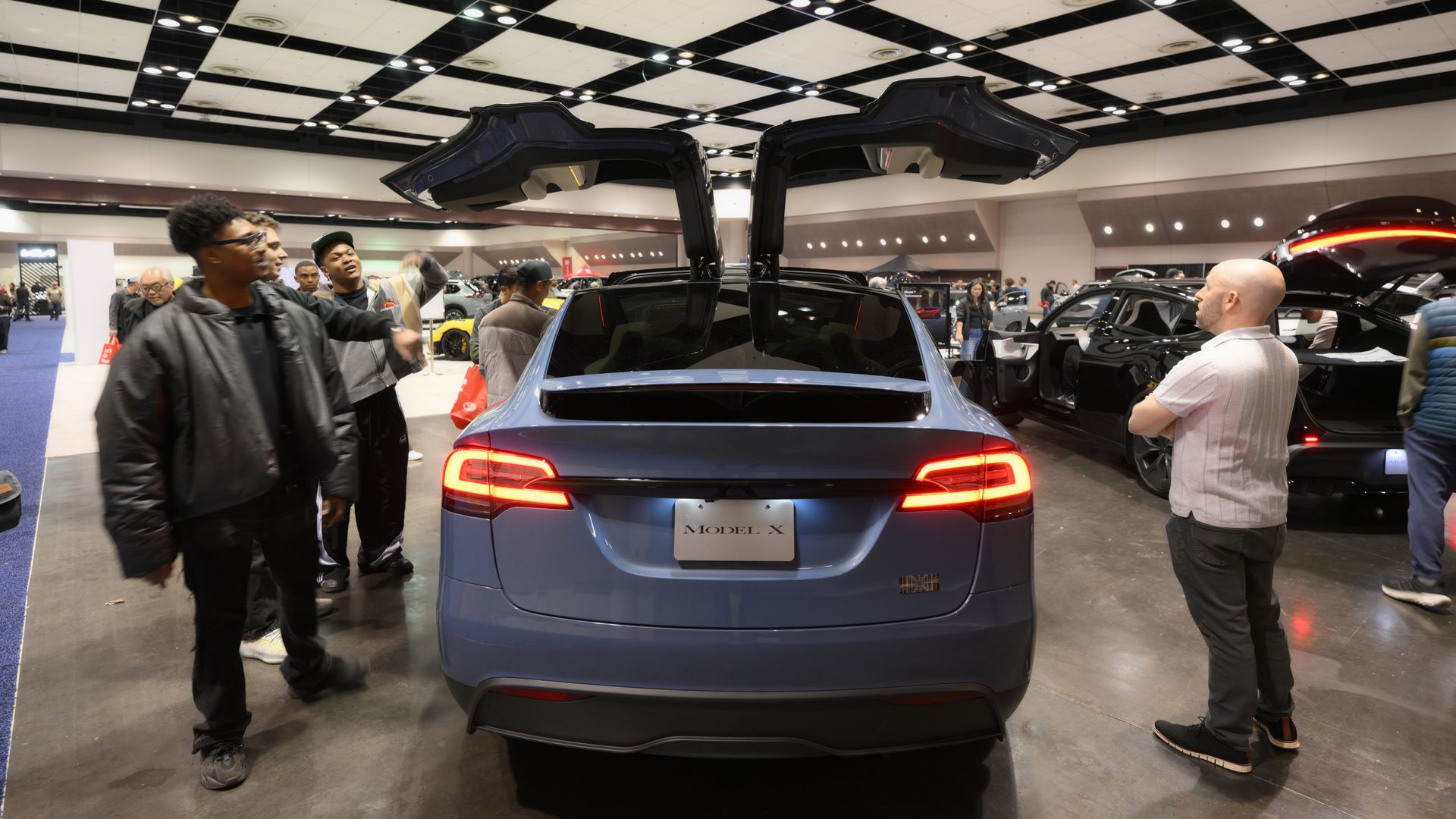
Why it matters: EV sales still pay the bills for Tesla, providing critical cash flow to fund costly endeavors like humanoid robots and self-driving car technology.
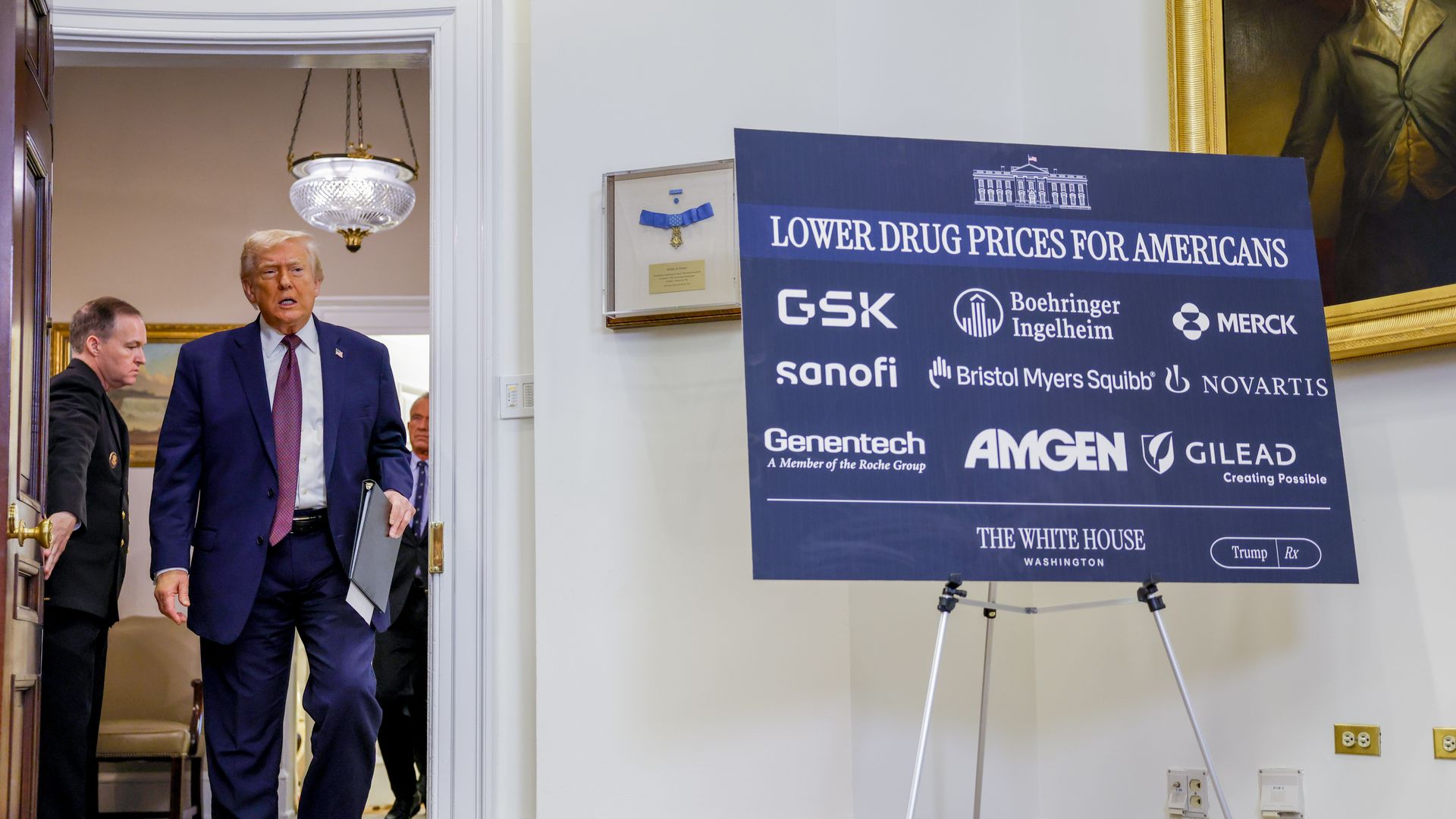
The Trump administration said on Thursday that it would impose 100% tariffs on patented pharmaceuticals to force deals for lower drug prices and move manufacturing to America.
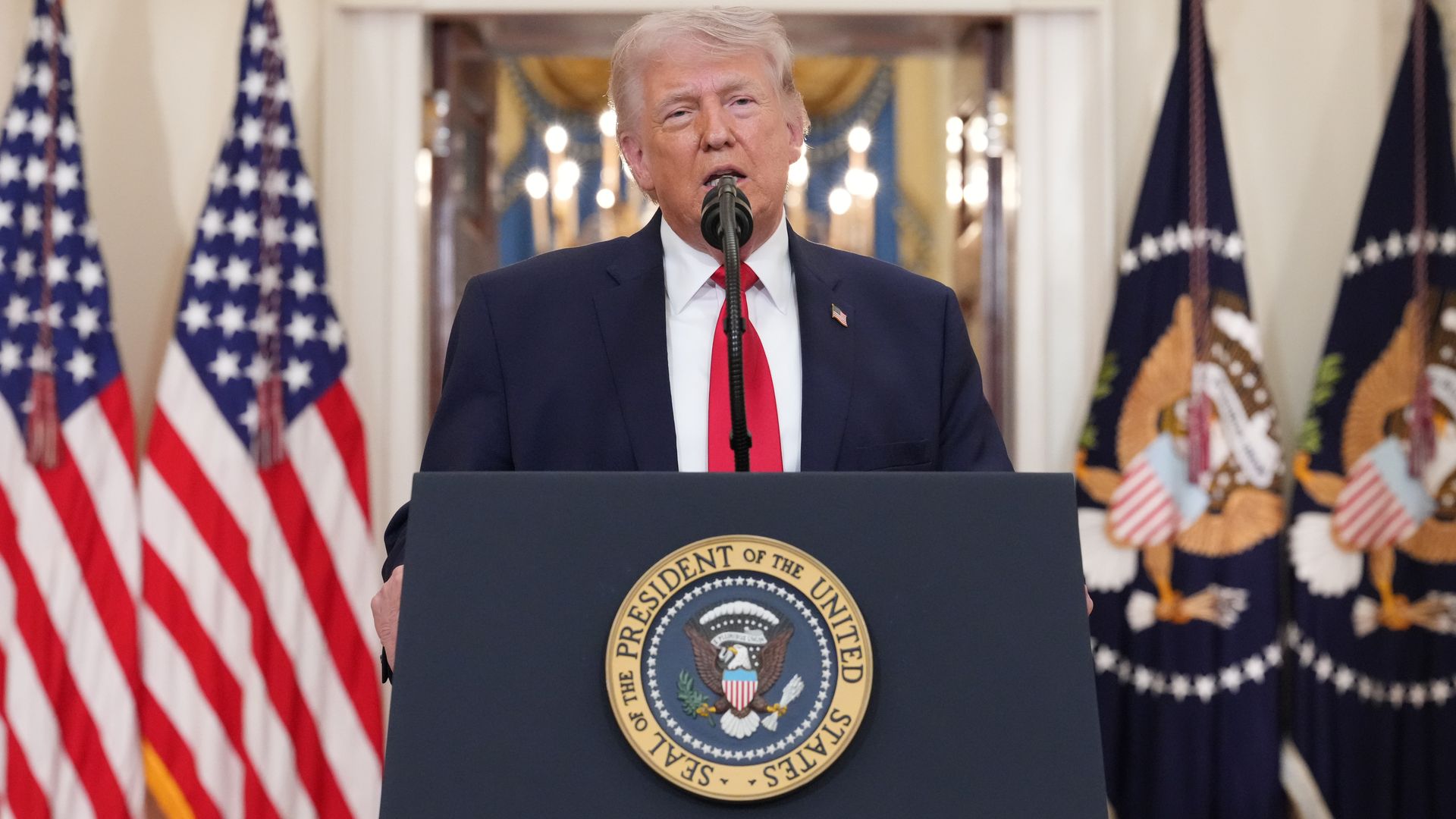
Why it matters: It is the latest example of President Trump using tariffs as leverage over corporate America.
AI is going to change the way people work, but it's not going to replace them en masse, according to new research from MIT's Computer Science and Artificial Intelligence Laboratory.
Why it matters: This directly pushes back on fear-based narratives coming from some AI leaders and reframes the debate from "when do jobs disappear?" to "how quickly do tasks shift?"
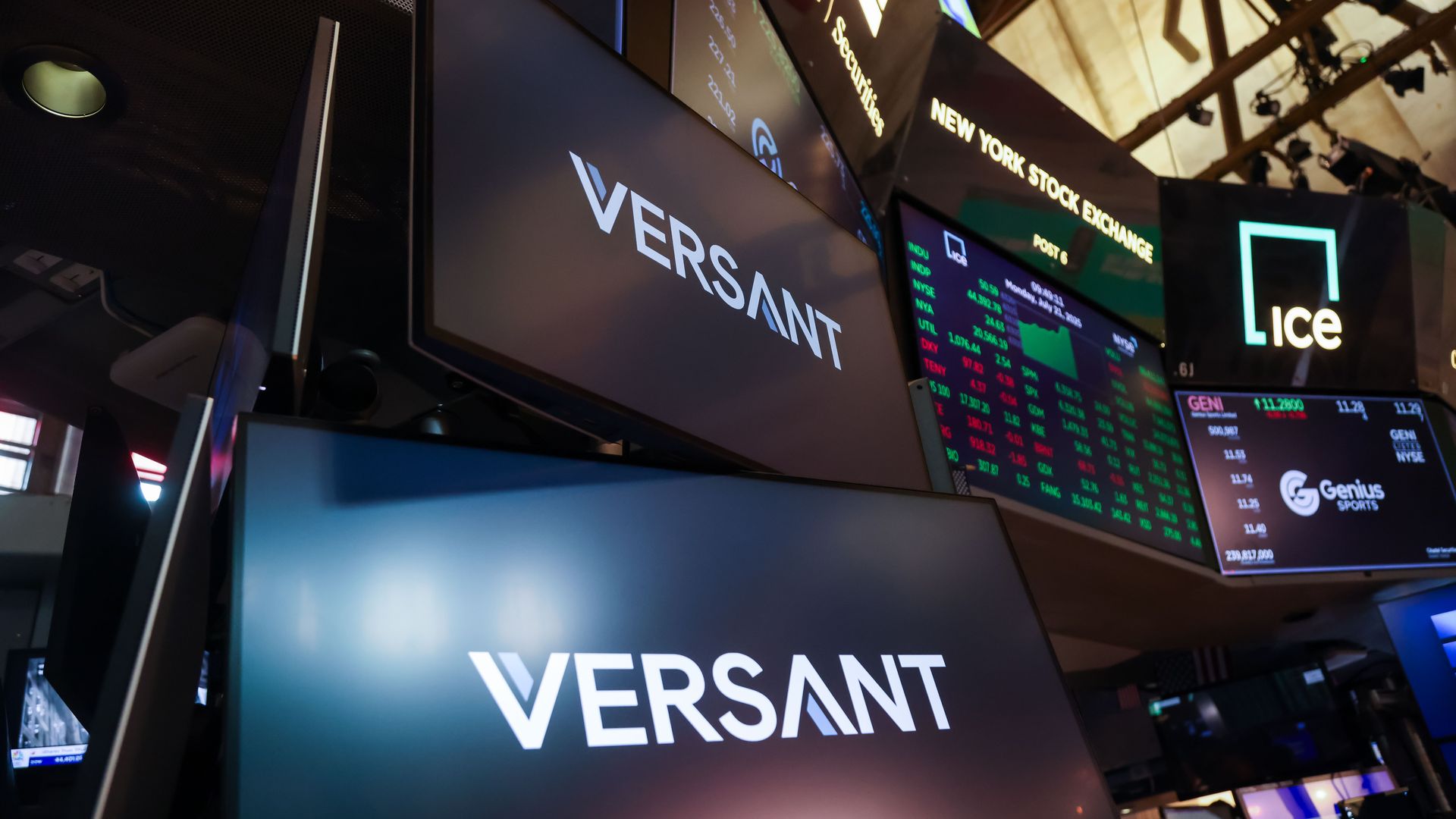
Versant, the publicly traded cable spinoff from Comcast, has acquired StockStory, an AI-powered platform that generates reports with investment advice, financial analysis and market insights for individual investors.
Why it matters: The deal is part of Versant's strategy to diversify its business away from cable by focusing on key content verticals that it can expand into digital platforms.
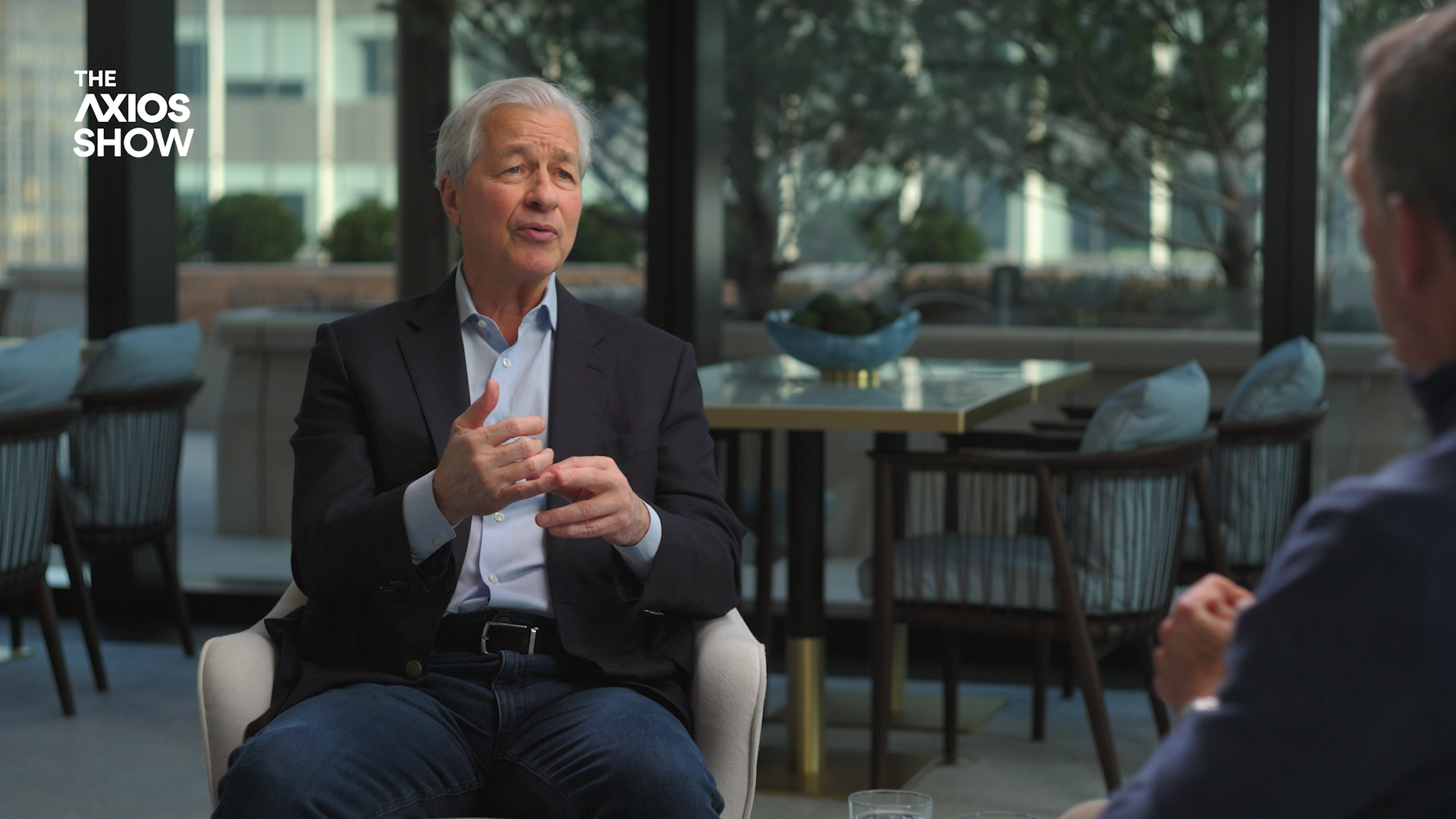
JPMorgan Chase CEO Jamie Dimon teased to Axios' Jim VandeHei in an interview for "The Axios Show" that he may look to start a media venture after he's done leading one of the world's most influential banks.
Why it matters: Dimon believes many of the country's economic problems can be fixed with stronger policies, but argues there isn't a strong enough media infrastructure to educate opinion leaders and policymakers about what to do.
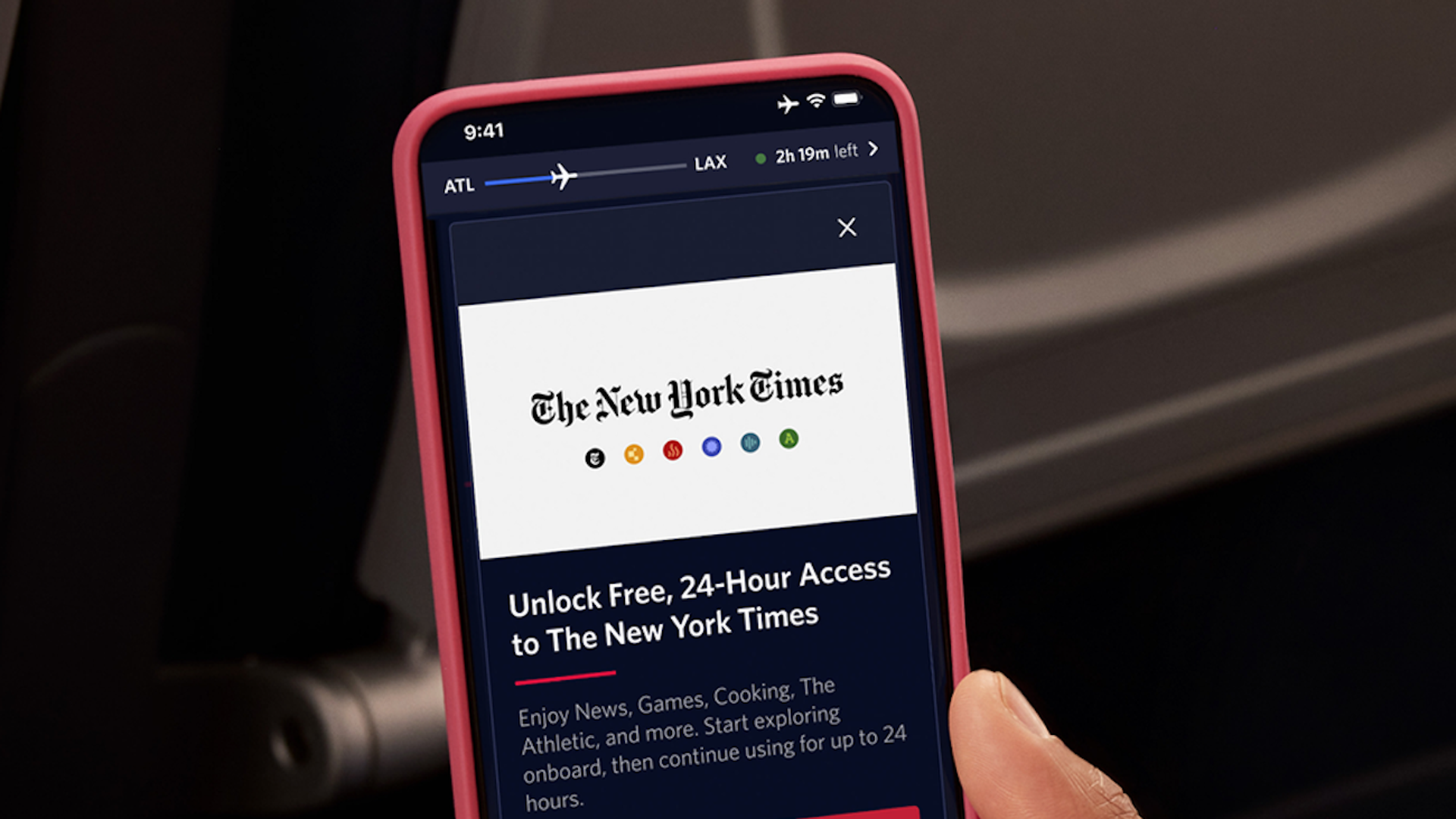
The New York Times struck a multiyear distribution partnership with Delta Air Lines that brings its journalism and products to Delta customers via the airline's in-flight experience and beyond, executives told Axios.
Why it matters: This partnership expands the Times' reach to millions of Delta SkyMiles members globally and adds to the suite of high-end content options Delta makes available to its customers.
Business and tech professionals are the most likely to own a home in Dallas-Fort Worth but their rate of ownership has dropped in a decade, according to a real estate analysis shared exclusively with Axios.
The big picture: The occupations with the highest homeownership rates in North Texas mirror national trends, per the National Association of Realtors analysis of Census Bureau data.
Kalshi, the fast-growing prediction market, is adding Stephanie Cutter, a longtime Democratic strategist who's managing partner of Precision Strategies, as a policy adviser as part of a bipartisan overture.
Why it matters: Kalshi, which named Donald Trump Jr. as a strategic adviser last year, is working to educate the Hill and administration about the value of prediction markets. Since opening a D.C. office in January, Kalshi has held nearly 200 meetings with policymakers on both sides of the aisle.
Sunfish — an AI-powered fertility platform — is introducing an egg-freezing program that uses predictive models to estimate the cost of reaching a target number of eggs.
Why it matters: Fertility treatments are a significant contributor to debt for many families in the U.S.,but unlike mortgages, student debt or car payments, the treatments usually give people little transparency into what the final bill will be.
Companies simply don't need as much office space these days.
Why it matters: The pandemic triggered a permanent, fundamental shift in how people work.
The latest: Vacancy rates hit a record high in the first three months of the year, per data Moody's shared exclusively with Axios.
By the numbers: 21% of the office space across 79 markets in the U.S., mostly cities, was vacant in the first quarter — up from 17% in 2020.
Zoom in: Although the return-to-office trend was certainly real, plenty of people still work remotely or on hybrid schedules.
That means office spaces have shrunk — continuing a pre-pandemic shift in which employers leaned toward more collaborative workspaces, with fewer cubicles and personal offices, Moody's says.
There's also been a surge of interest in pricier premium spaces known as Class A. Some companies are choosing to downsize into these kinds of offices — trading off extra space for prem-o property.
"Companies are adjusting to decreased office space requirements as flexibility and collaborative environments for in-office days have become the norm," writes Moody's associate economist Nick Luettke.
Follow the money: The slowing labor market and questions over how the AI transition will shake out are also holding back demand for offices.
The big picture: Even after an aggressive return-to-office push by employers, workers spend about a quarter of their working days away from its confines — compared with 7% in January 2020.
Friction point: The still surging vacancy rate is a sign of just how slow the commercial real estate market moves.
There are long leases in the office sector, five or even 10-year terms, and companies change their arrangements slowly.
What to watch: With the whole sector changing,the "office" is getting a rebrand, write the authors of another soon-to-be-published report from Moody's commercial real estate team.
Out: offices in isolated central business districts.
In: workspaces that are more integrated into their surroundings, close to residential areas and featuring hybrid-friendly spaces. Food options don't hurt either.
"More than ever, the office is no longer viewed solely as a place to work, but as a tool to attract and retain young talent, reinforce company branding, and elevate the in‐person experience," write the authors of the report.
Between the lines: The office transformation is similar to what's happened to the retail sector. Brick-and-mortar stores had to adapt to online shopping and become more enticing to shoppers by being more experiential.
The bottom line: The office as we knew it is changing for good.
Google is weighing greater use of natural gas to power its AI ambitions than previously known, according to a report released Wednesday.
Why it matters: Google has earned a reputation for prioritizing clean energy in the rush to build data centers, but new findings from a market intelligence firm suggest it may also lean more on a fossil fuel.
Two prominent fusion companies — Commonwealth Fusion Systems and Realta Fusion — said Thursday they're teaming up to give the frantic push toward commercial fusion even better odds.
Why it matters: Executives said the successful development of fusion — the energy powering the sun — has become even more urgent at a time when the Iran war has shown a pressing need to diversify energy supplies.
JPMorgan Chase chairman and CEO Jamie Dimon tells me the U.S. is facing the most concurrent risks in 80 years — and that's before AI starts displacing a large number of American workers.
Why it matters: Dimon, in an interview for "The Axios Show," says American business leaders need to step up, and speak up, to help guide the country through these high-risk, tumultuous times.
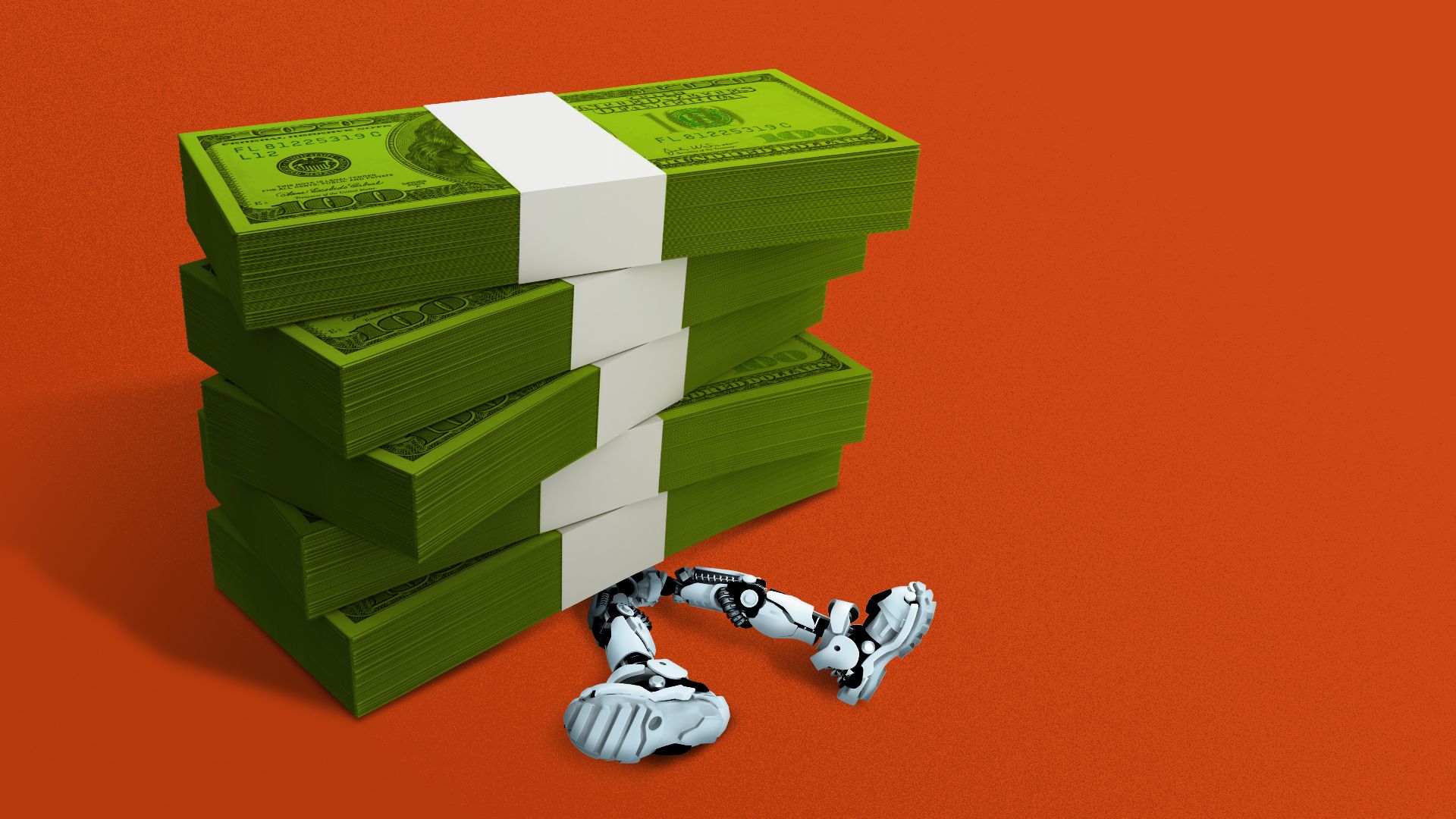
Anthropic's runaway success is exposing AI's core problem: compute costs.
Why it matters: The closer AI labs get to IPOs, the harder it becomes to hide a structural margin problem: The more customers they win, the more they spend on the compute to serve them.
Nearly half of college students say they've thought at least a fair amount about changing their major or studies because of AI's potential impact, according to newly released polling.
The big picture: College graduates are entering a job market that's been rocked by a massive tech evolution, reshaping career prospects for entry-level workers.
President Trump said in a prime time address that the U.S. was close to ending its war in Iran but would spend the next two to three weeks bombing the country "back to the stone ages."
The big picture: If a deal to end the war cannot be reached, he said, the U.S. would bomb all of Iran's power plants and perhaps its oil fields. That would have devastating consequences for Tehran's civilian population and the future of the country, while likely inciting retaliation on America's allies in the region.
I was telling some friends recently that my newly adopted dog is such a nudnikin the mornings. They stared at me blankly. "A what?"
A nudnik — you know, a pest. But an especially persistent one.
They didn't know the word. I forget sometimes it's not English.
The big picture: Yiddish has long seeped into everyday American speech, far beyond the homes where it was first spoken. I grew up with Yiddish words folded into everyday conversation — words my mother used at the dinner table, in exasperation and affection.