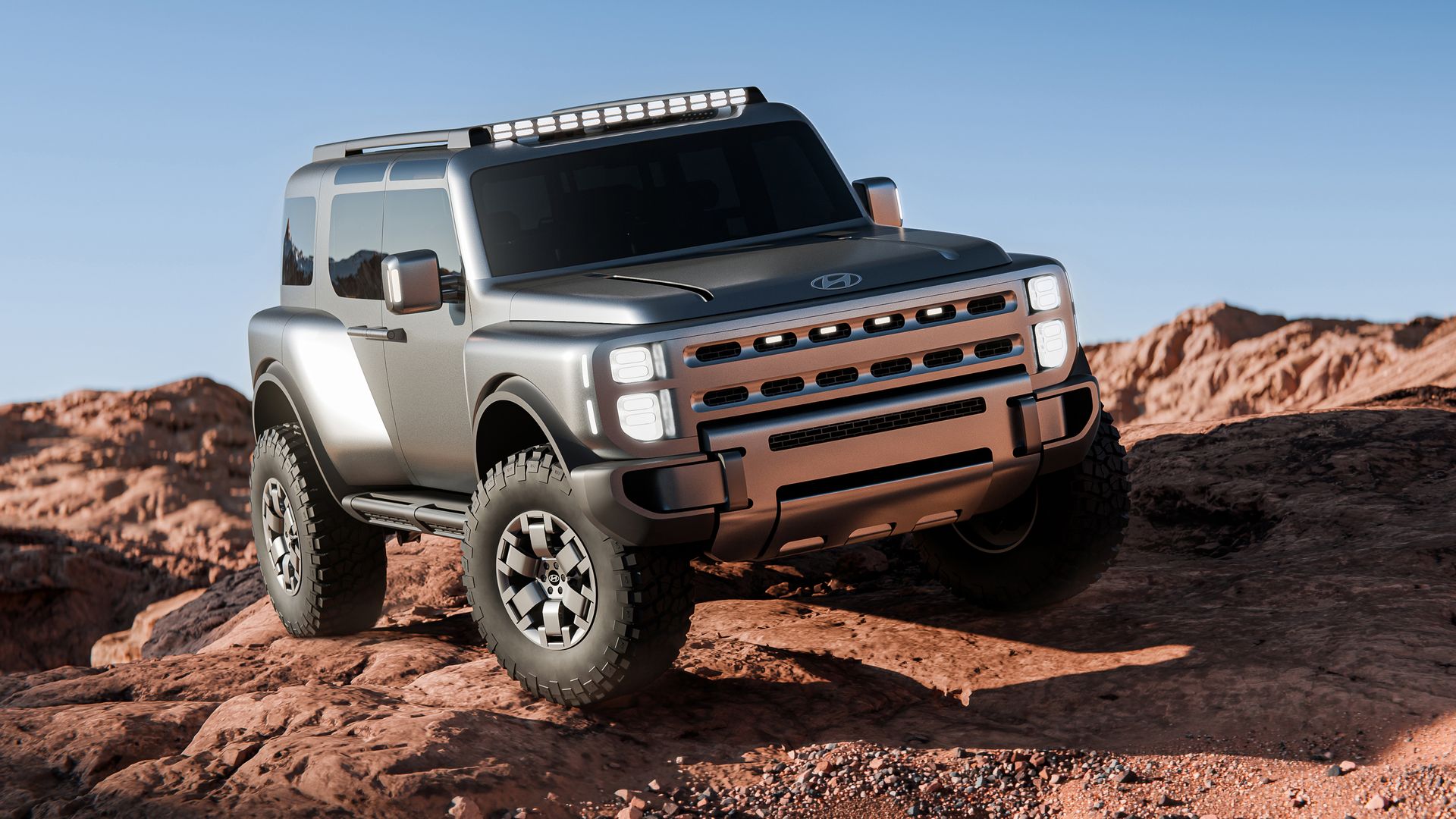
Hyundai's reveal of the rugged Boulder concept vehicle at this week's New York International Auto Show is proof that automotive trade shows can still generate excitement.
Why it matters: It's the Korean auto giant's first true truck platform and a shot across the bow of Detroit's domestic automakers, who dominate the category.
Delivery robots roll through cities with ease — but can't open doors or push elevator buttons, driving new AI that lets them ask humans for help.
Why it matters: People and robots will increasingly interact in the real world — at work, stores and even on the street. But the technology needs to be seamless to avoid chaos and frustration.
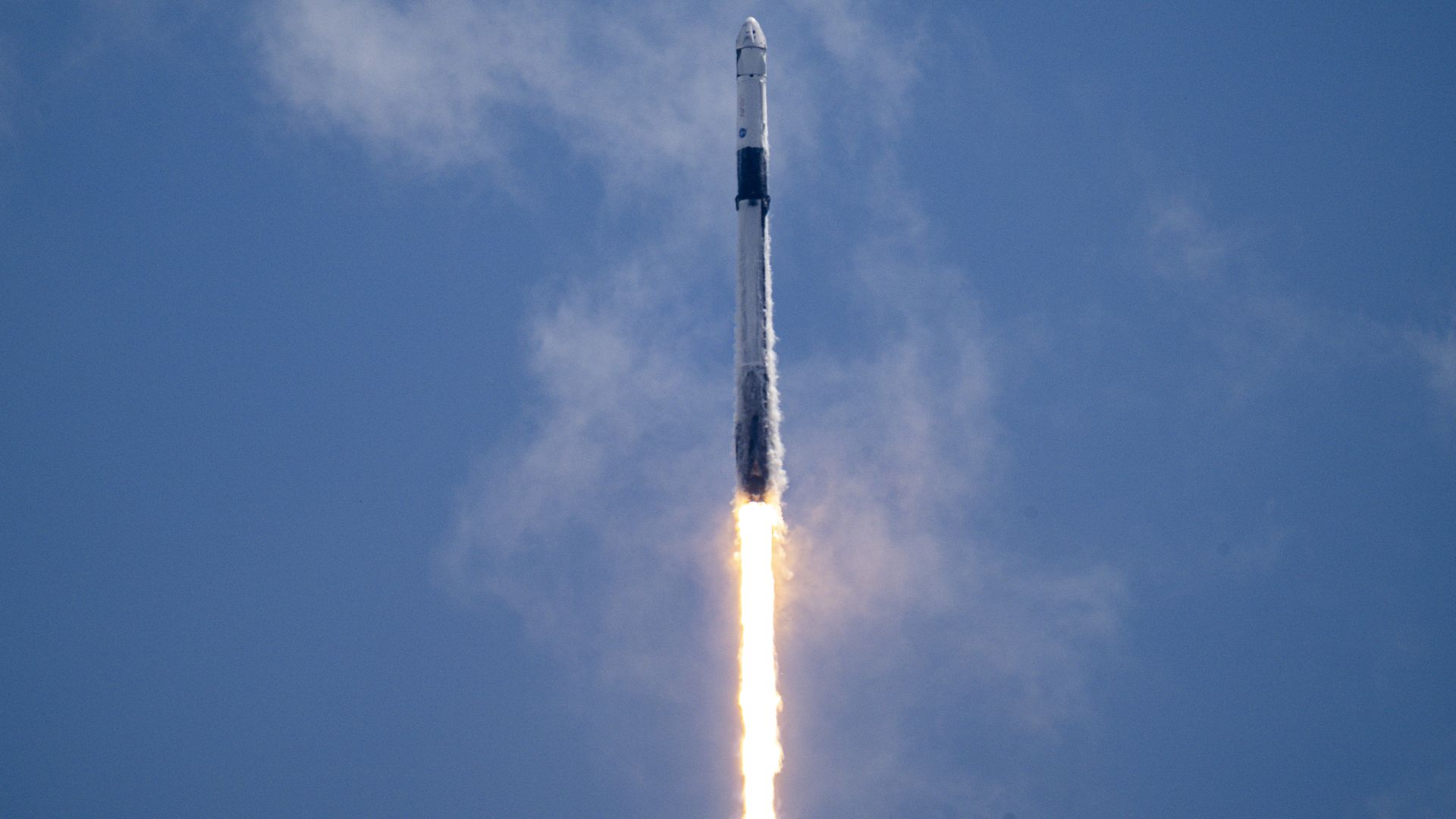
SpaceX has filed confidentially for an initial public offering, permultiplereports, with expectations that Elon Musk's company will go public this summer.
Why it matters: This could be the largest IPO ever, eclipsing oil giant Saudi Aramco in 2019.
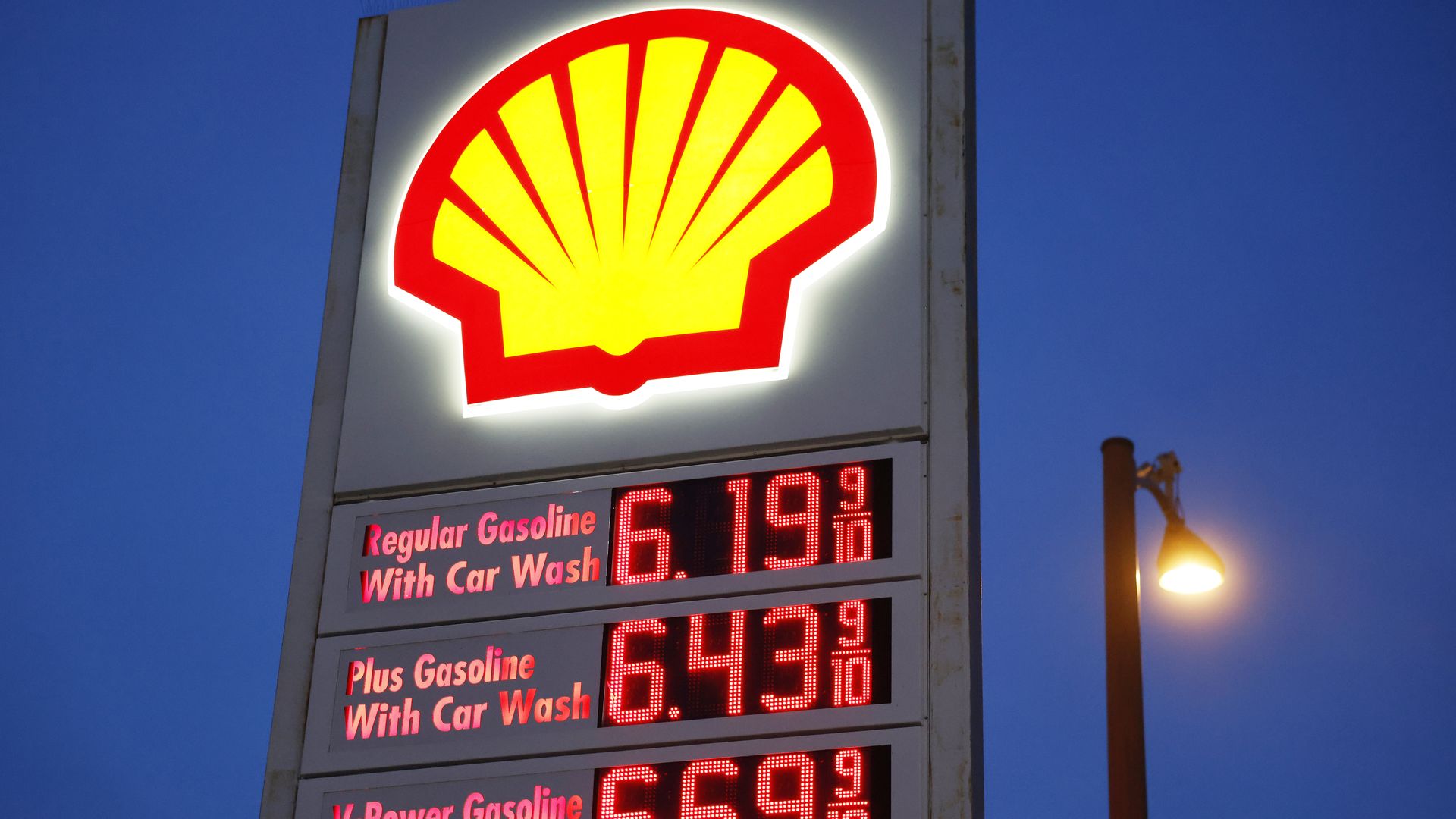
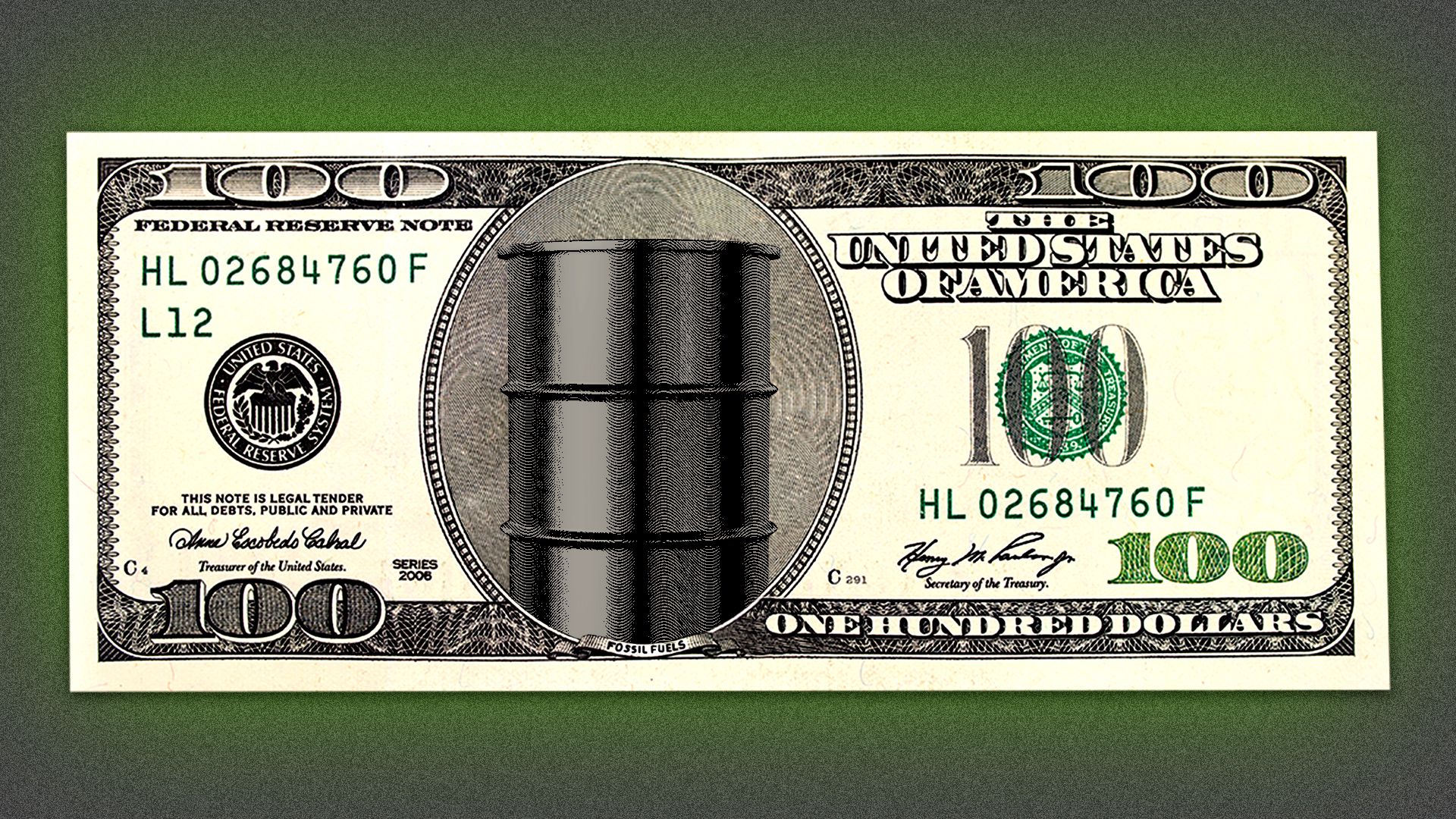
When energy observers wondered when U.S. gas prices would hit $4 due to the Iran war, they looked at the cost of crude oil.
The big picture: Watching shifting crude oil prices — which can change because of demand, market expectations and taxes — can help you understand why costs at the pump might rise, but it's far from a perfect predictor.
JPMorgan Chase CEO Jamie Dimon gave an impassioned defense of the Iran war, dismissed the idea of running for office and pointed at plans for his post-CEO future in an interview with Jim VandeHei for a new episode of "The Axios Show."
Why it matters: Dimon, who once served as chairman of the Business Roundtable, has outsized influence in the American business landscape.
We don't know yet how the Iran war and the resulting surge in energy prices will ripple through the U.S. economy. We do know that American consumers were in pretty solid shape before it all began.
The big picture: New retail sales and employment data out Wednesday morning point to an underlying strength in consumer demand, propped up by wages that have kept rising.
The question for the months ahead is whether the underlying trends that have kept consumers afloat — including a buoyant stock market and a low-layoff job market — can power it through an era of war-induced shocks and weak hiring.
There's a big shift happening in Big Tech as the AI transition enters a new era.
Why it matters: Investors are changing the way they price these superstar stocks, but judging by what happened in the market Tuesday, they are not totally sure how to do so.
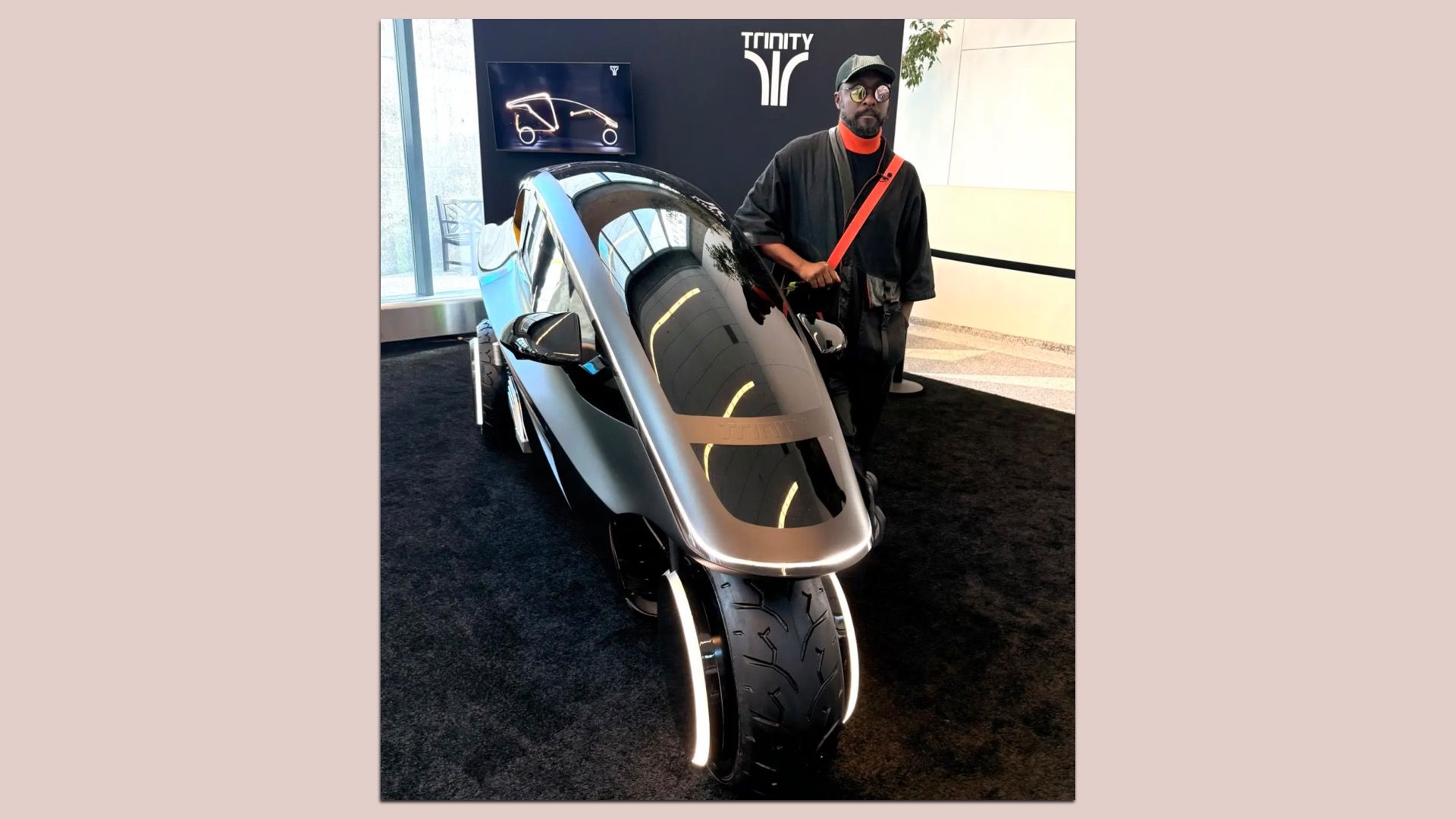
Pioneering a whole new class of car is hard enough, but musician will.i.am tells Axios he also wants his Trinity three-wheeled electric vehicle to be an AI agent, helping its driver plow through emails or plot out strategy.
Why it matters: Trinity is the epitome of the kind of ambition sweeping Silicon Valley: that AI can turn even a single-seat vehicle into a platform — and that building it can revive left-behind communities.
Oil prices could surge to an unprecedented $200 a barrel if the Strait of Hormuz remains closed, analysts warn.
Why it matters: President Trump is weighing ending the U.S. war on Iran without reopening the strait — raising the once-unthinkable prospect that this key energy artery could stay shut indefinitely.
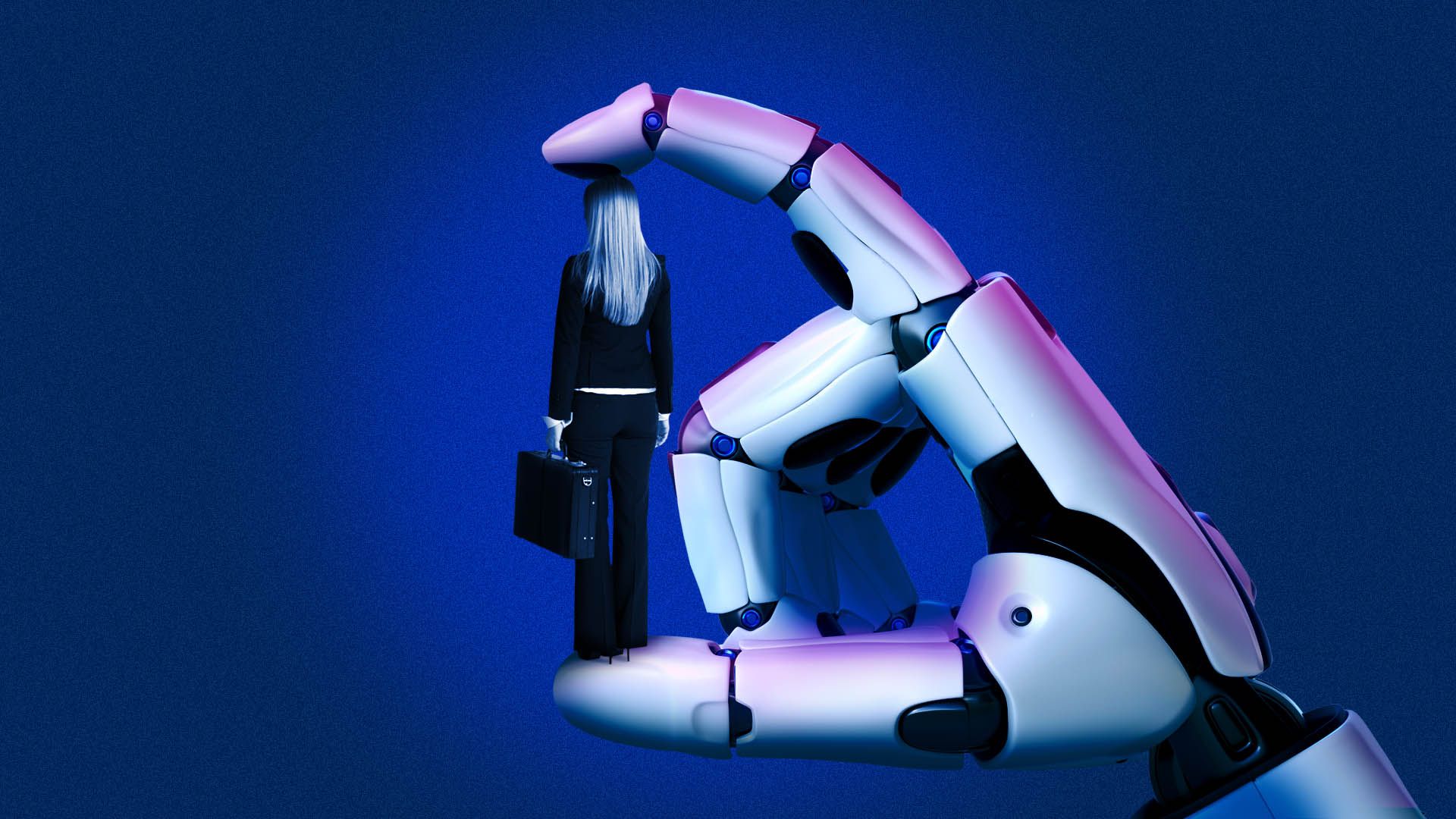
Women are less likely to use AI at work — and even when they do, they get less recognition for the effort, finds a new survey from Lean In, the women's advocacy group.
Why it matters: Right now, AI ability is the skill many employers say they value most.
JPMorgan Chase chairman and CEO Jamie Dimon told "The Axios Show" that while the ongoing Iran war involves some "short-term risks" for the economy, the country's regime has been a malign actor since its inception.
"Having those folks, their [grip] on the Strait of Hormuz and funding all these proxy wars — why the Western world put up with these proxy wars for 45 years is kind of beyond me," Dimon told Axios CEO Jim VandeHei.
Why it matters: Those are strikingly hawkish comments from the leader of America's largest bank, making him one of the corporate world's most prominent defenders of a war that currently appears politically unpopular and economically damaging.
Illustration: Sarah Grillo/Axios. Stock: Getty Images
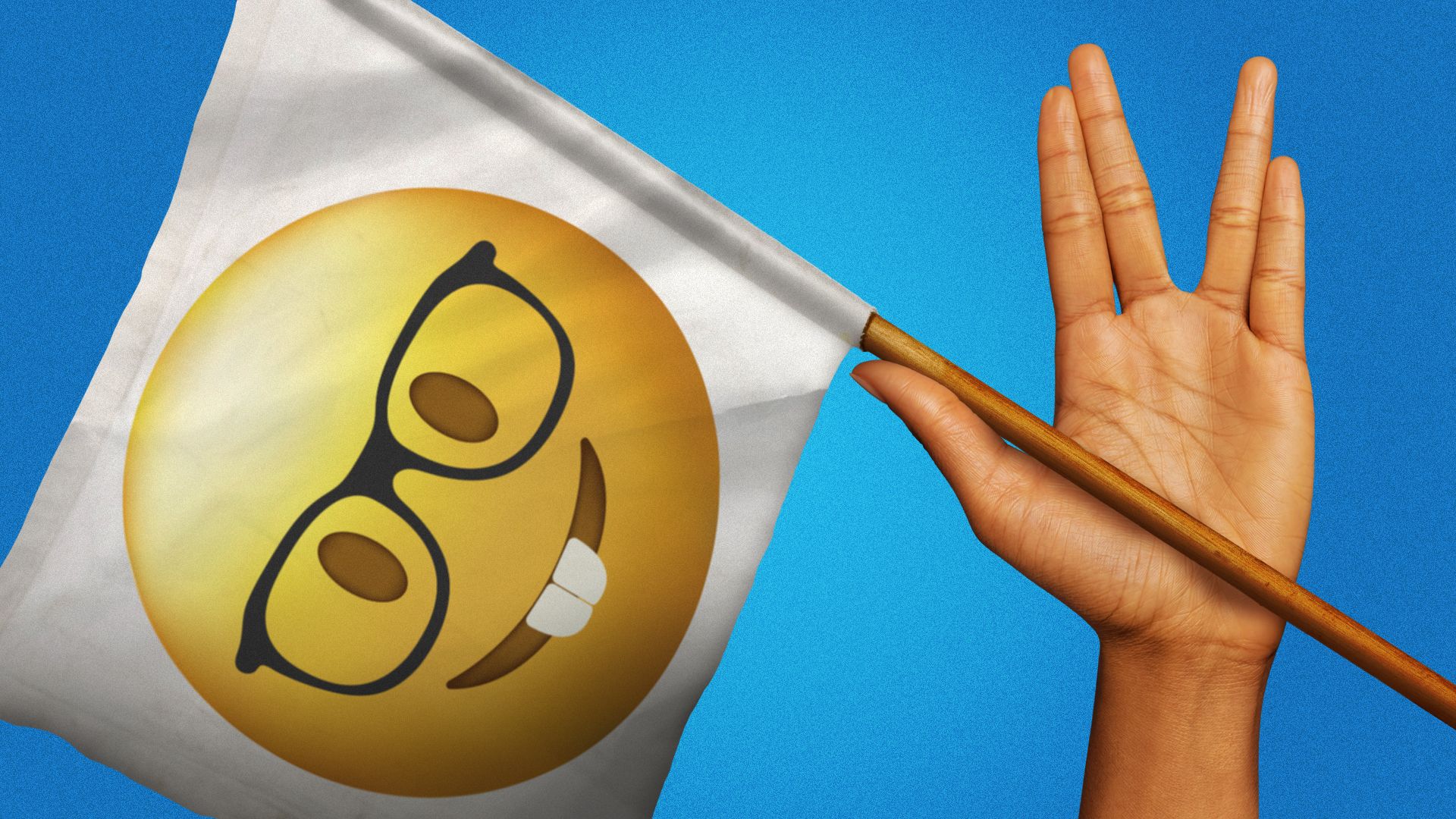
Growing up as a scrawny Star Trek nerd in the '90s, I learned pretty quickly to hide that part of myself to avoid being bullied just because I knew a little Klingon (Qapla'!).
Now, approaching my 40s, I've learned to let my geek flag fly — and I'm glad for it.
The big picture: Part of what makes this easier is that the world has changed, and yes, I'm older. But geek culture is mainstream culture now.
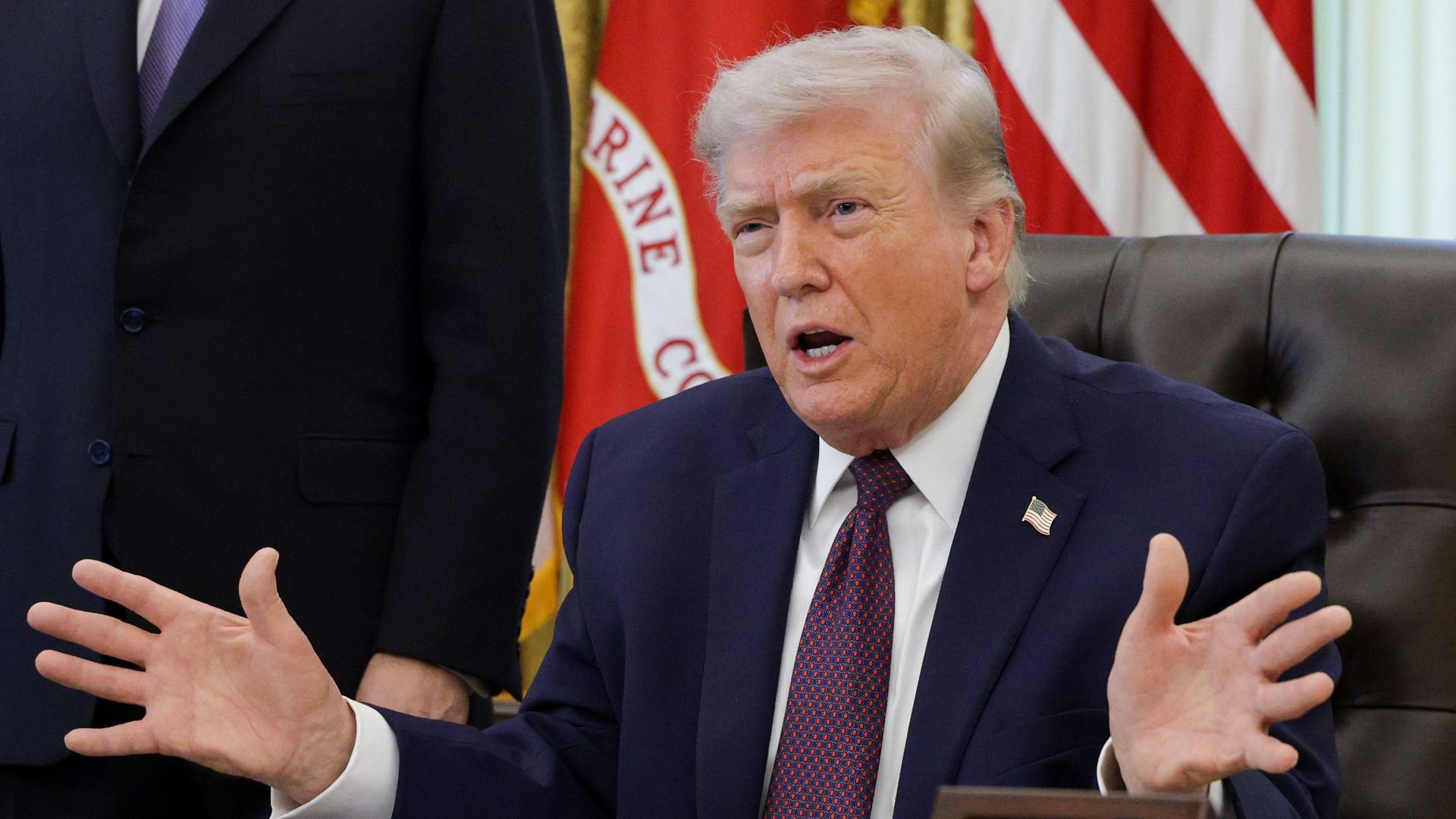
President Trump will address the nation on Wednesday evening on the war in Iran, White House press secretary Karoline Leavitt said.
Why it matters: Leavitt's Tuesday evening announcement on X came soon after Trump told reporters at the White House that U.S. forces could leave the Middle East in "two or three weeks."