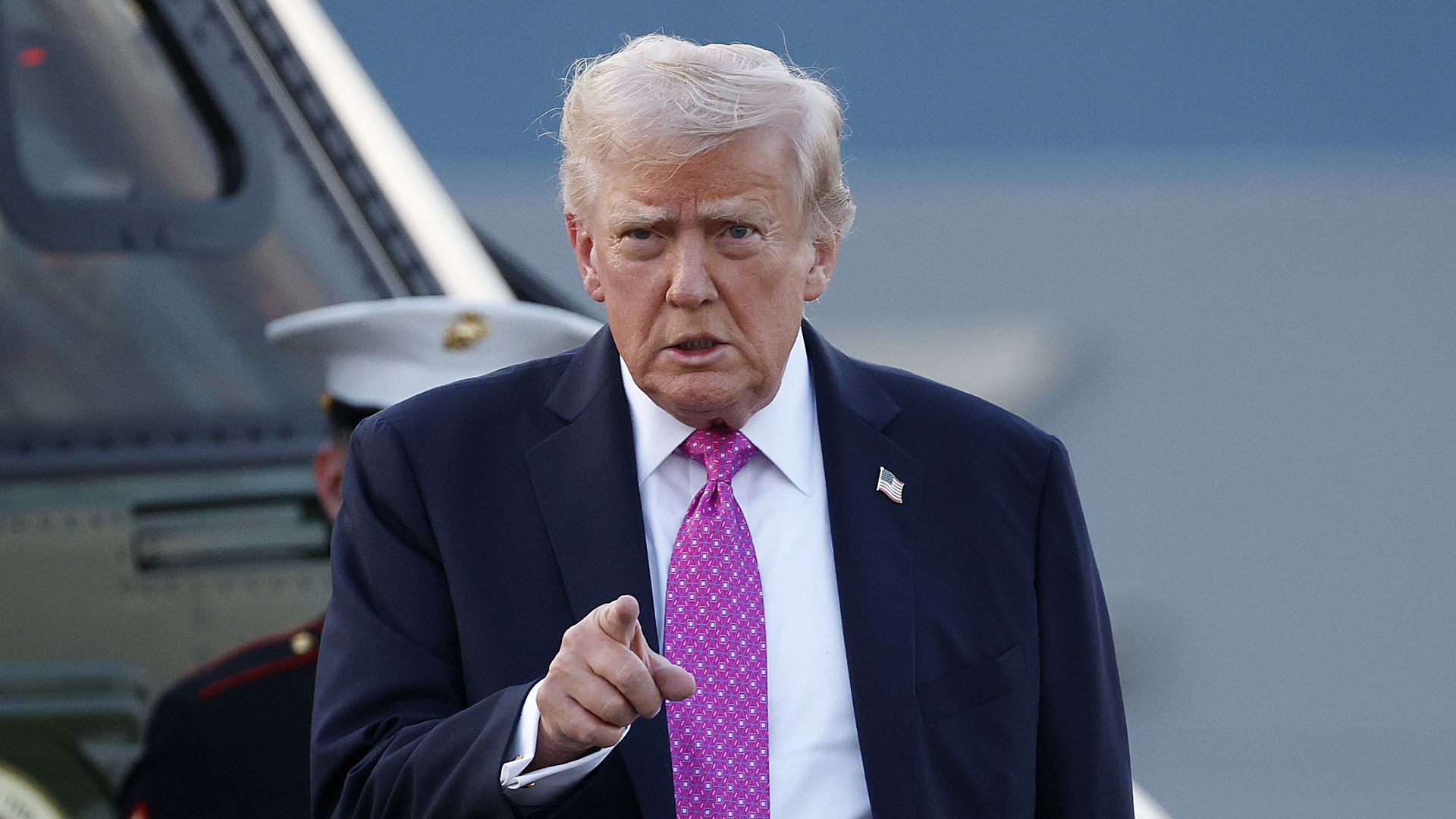
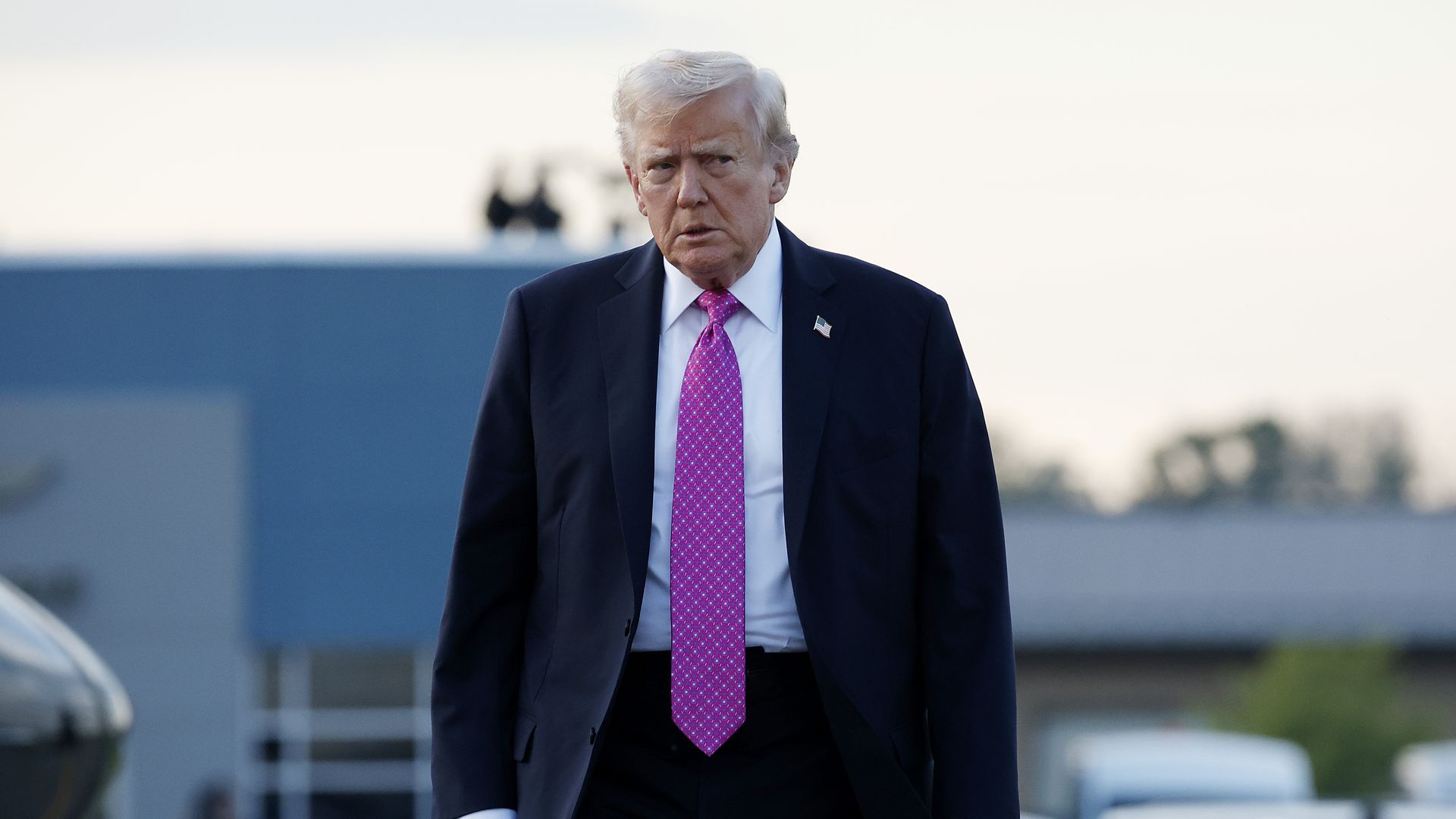
President Trump on Monday suggested U.S. public companies should no longer have to report earnings quarterly, but on a six-month schedule instead.
Why it matters: It would be a fundamental change in the way American companies do business, and more closely aligned with how public companies report results in Europe and elsewhere.
President Trump proposed on Monday that U.S. public companies report earnings every six months instead of quarterly.
Why it matters: Moving to a six-month schedule could significantly change corporate transparency, reporting practices, and how Wall Street values public companies.
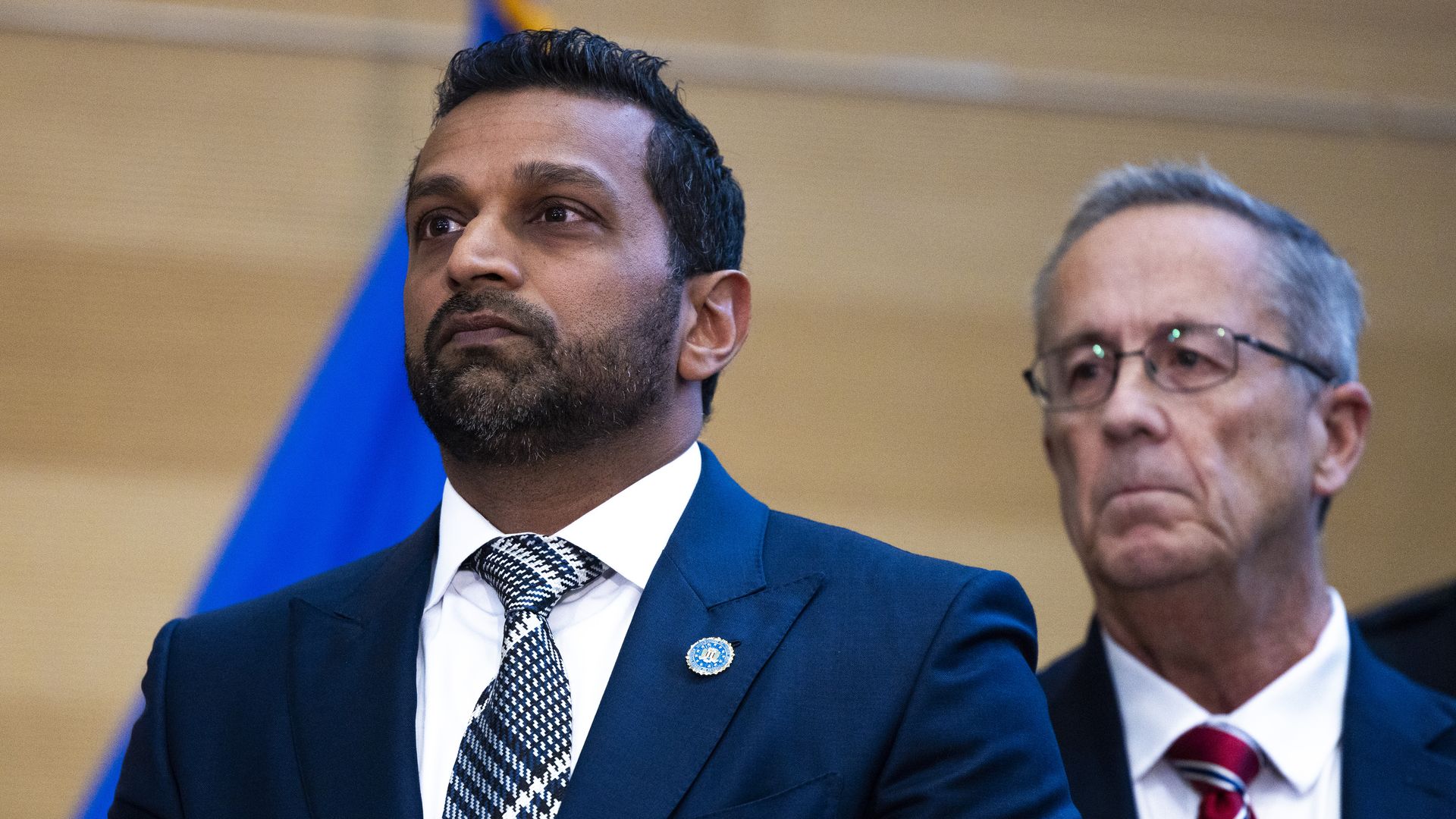
President Trump is rallying behind Kash Patel as Trump's MAGA base fractures over the FBI chief's handling of the investigation into Charlie Kirk's assassination.
Why it matters: Trump's support is crucial for any administration official hoping to keep their job — and the president's backing has been enough to satisfy some MAGA backers, despite Patel's missteps early in the Kirk investigation.
A framework deal is in place for the sale of TikTok, with the U.S. guaranteeing certain "Chinese characteristics" of the app can remain, Treasury Secretary Scott Bessent told multiple news outlets on Monday.
Why it matters: Congress banned TikTok last year in a rare show of bipartisanship over fears of Chinese influence over American kids.
Google, the biggest search company in the world by far, has faced relatively few legal threats from publishers over AI scraping, but public criticism is starting to ramp up.
Why it matters: IP owners that are heavily reliant on Google's search engine for traffic have been reluctant to target the tech giant. Now that their traffic has started to dramatically decline, any incentive to play nice is over.
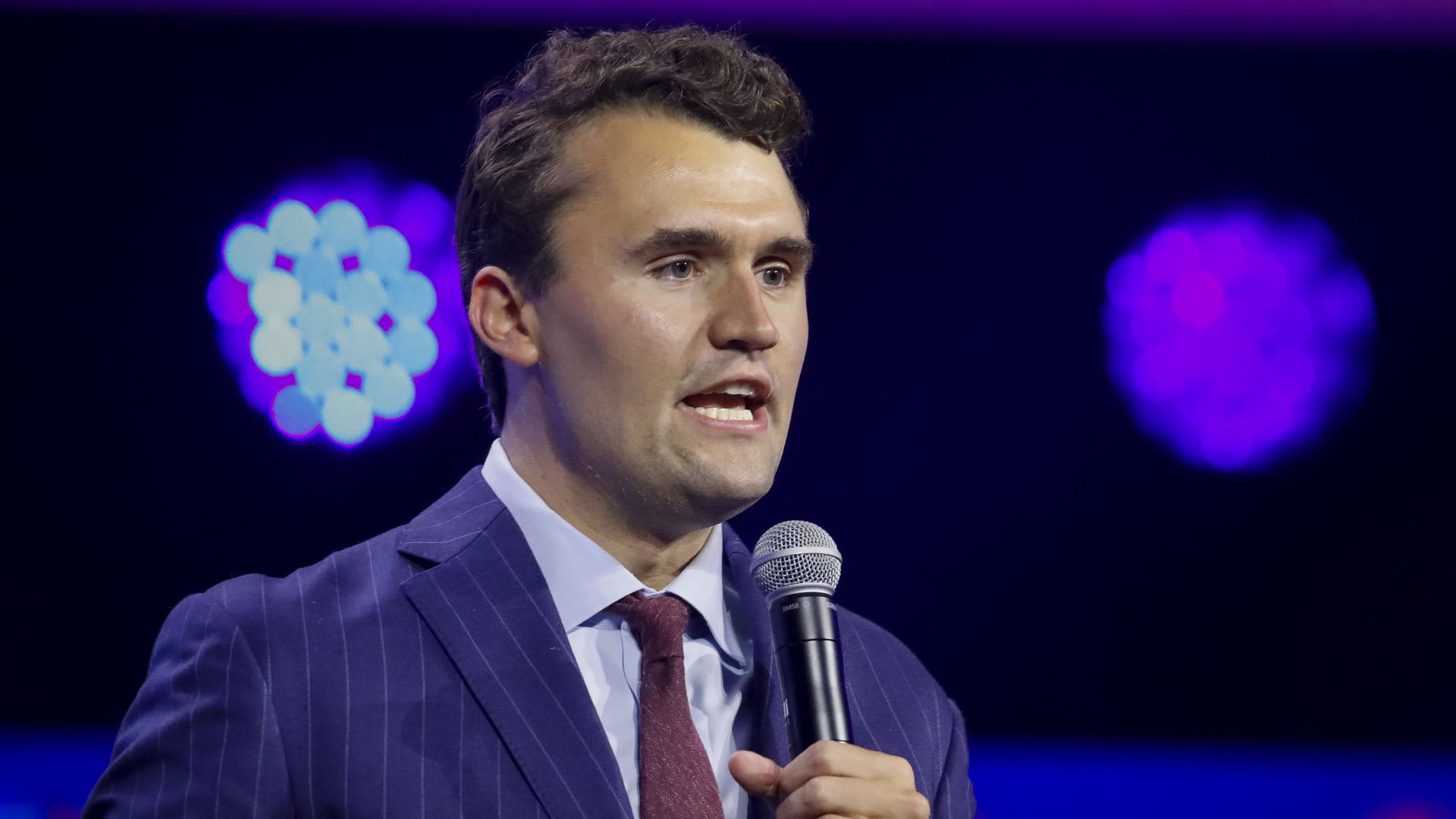
An online group known as the Charlie Kirk Data Foundation is crowdsourcing a database of social media users who purportedly criticized the late conservative activist or celebrated his death last week.
Why it matters: The anonymous organizers say their goal is to "clear out Leftwing Radicals" and "reshape the rank-and-file of America's institutions."
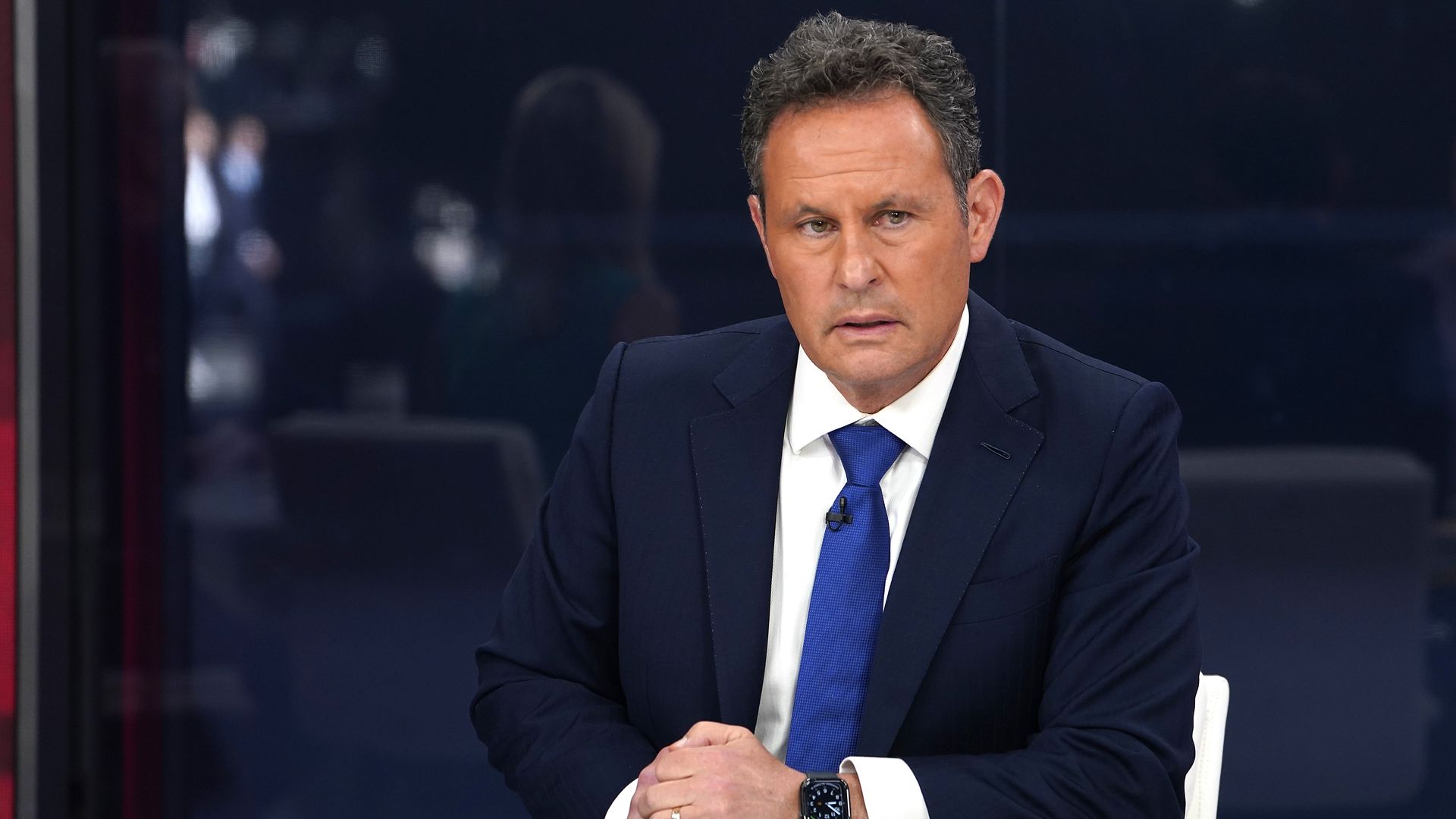
Fox News anchor Brian Kilmeade apologized Sunday for suggesting last week that mentally ill homeless people should be killed by "involuntary lethal injection."
The big picture: Kilmeade's original remarks, made last week on "Fox & Friends," came after the deadly stabbing of 23-year-old Iryna Zarutska in Charlotte, North Carolina, which prompted widespread outrage from MAGA and far-right influencers.
Stephen Miller, White House deputy chief of staff, on Monday blamed "terrorist networks" for Charlie Kirk's killing, despite law enforcement saying the suspected shooter acted alone.
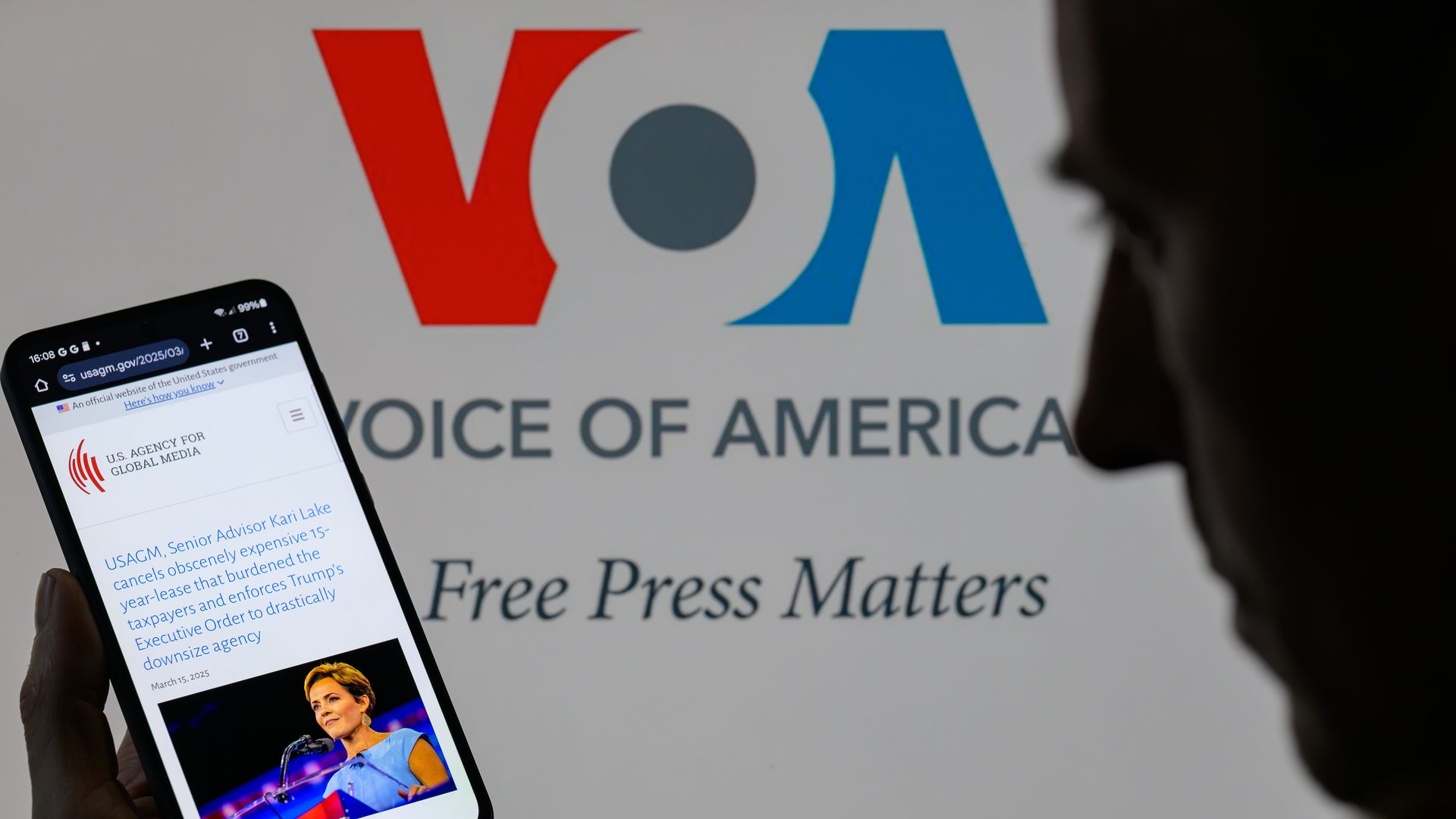
Rep. Young Kim (R-Calif.) on Monday is set to introduce a new bill to consolidate government-funded broadcasters overseen by the embattled U.S. Agency for Global Media and give the State Department more control as a way to preserve their funding and continue their efforts to counter foreign disinformation.
Why it matters: The bill aims to salvage decades-long efforts by government-funded broadcasters to provide news reports to countries with little or no access to independent reporting, while appeasing conservatives who think USAGM should be abolished.
The U.S. Army on Monday launched its "Fuze" program, motivated by Secretary Dan Driscoll's desire to instill venture-capitalist thinking into the service's trying-and-buying practices.
Why it matters: The Defense Department has long been chided for its poor behavior as a customer: product tunnel vision, slow uptake and failed launches.
Driscoll, sworn in some six months ago, told Axios he has become "frustrated by the calcified bureaucracy that slows our acquisition system."
Fuze, he said, "will finally unite the Army innovation ecosystem to speed acquisition."
After the 2008 financial crisis, decisionmakers in the public, private and nonprofit sectors lacked the critical economic information they needed to navigate challenges and opportunities.
That's whyJPMorganChase created the JPMorganChase Institute.
Why it's important: Over the past 10 years, the JPMorganChase Institute has provided timely, actionable, data-driven research and insights to help leaders make better, evidence-based decisions.
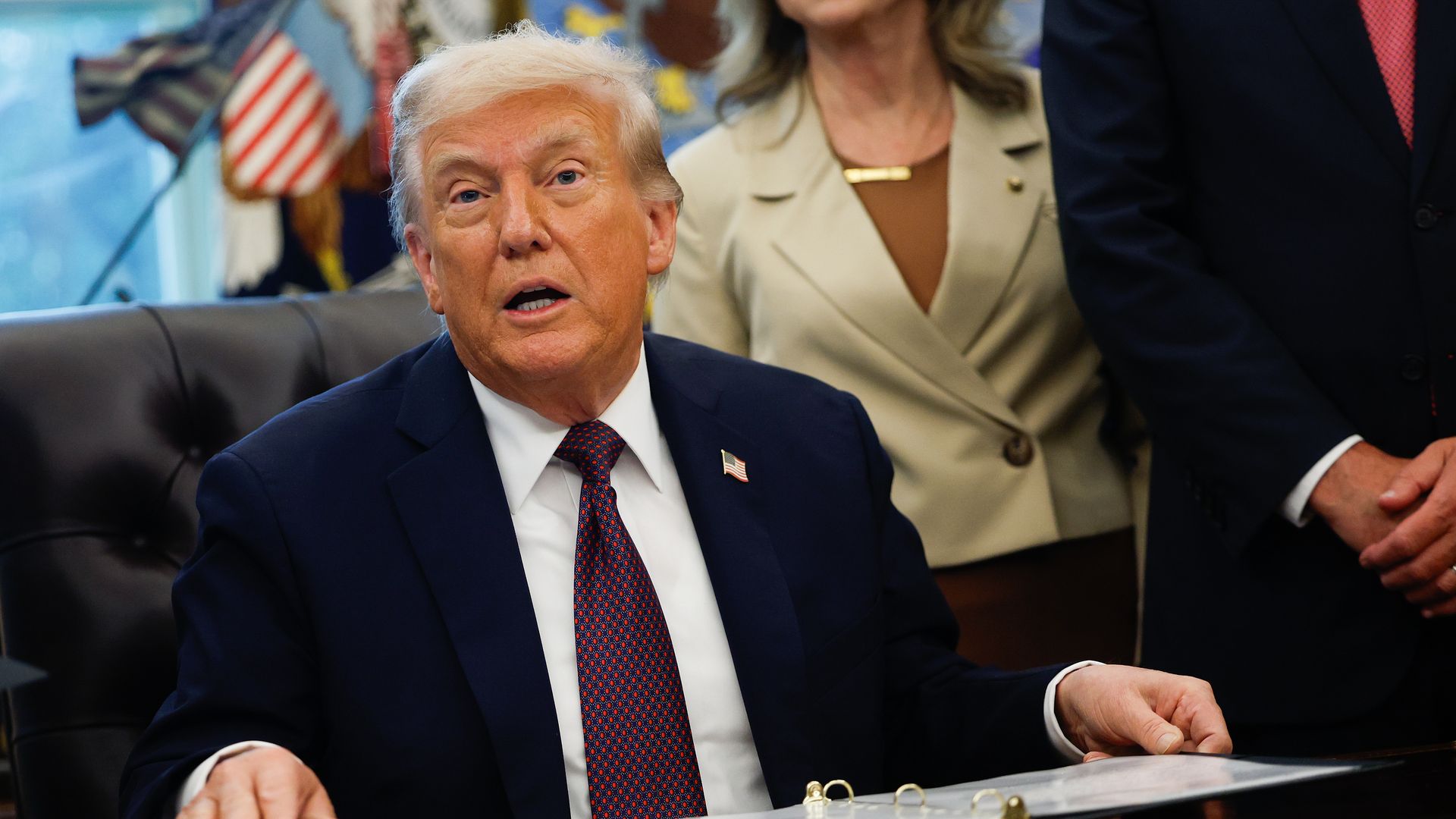
President Trump on Monday took a hack at one of the hottest debates in golf: whether golf balls have become so good that their flight should be intentionally reduced.
Why it matters: The PGA Tour, the U.S. Golf Association, the four major golf tournaments and players — both amateur and professional — have been engaged in a fierce debate over the proposed golf "rollback."
AI's backers are touting lofty visions for how the technology can change our lives for the better — claiming it will cure cancer, solve climate change and make us all rich.
Why it matters: The hype sounds outlandish, but it will need to deliver.
Pakistani politician Hina Rabbani Khar remembers the horrific 2022 floods in her country as a turning point in the debate over climate change — and to what extent the practice of solar geoengineering should be considered.
Why it matters: Solar geoengineering — reflecting a small portion of the Sun's rays back into space to temporarily cool the planet — is increasingly being considered as climate change worsens extreme weather.
Stocks keep hitting record highs in large part due to excitement over artificial intelligence. That growth is clouding recessionary signals in more cyclical corners of the market.
Why it matters: Don't confuse record highs for signs of economic growth.
Best Buy is making televisions the star of its holiday lineup — and not just any TVs, but units so big they could double as a wall.
Why it matters: The Minneapolis-based retailer is betting that shoppers will splurge on massive screens, even as high inflation and cautious spending shape this holiday season.
President Trump on Sunday said the U.S. welcomes foreign experts to train Americans how to build high-tech goods, days after hundreds of arrested South Korean workers left the country.
Why it matters: The tension between the administration's economic and immigration policies appears to be working itself out in favor of the economic goals.
Two men were arrested in Utah after an "incendiary" device was placed under a news media vehicle in Salt Lake City, officials said Sunday.
The big picture: Officials allege the device that was left under a vehicle on Friday, as outlets descended on the Utah state capital to cover the killing of Turning Point USA co-founder Charlie Kirk, was lit but "failed to function," per Fox 13, a Salt Lake City-based Fox News affiliate that said it was the target.
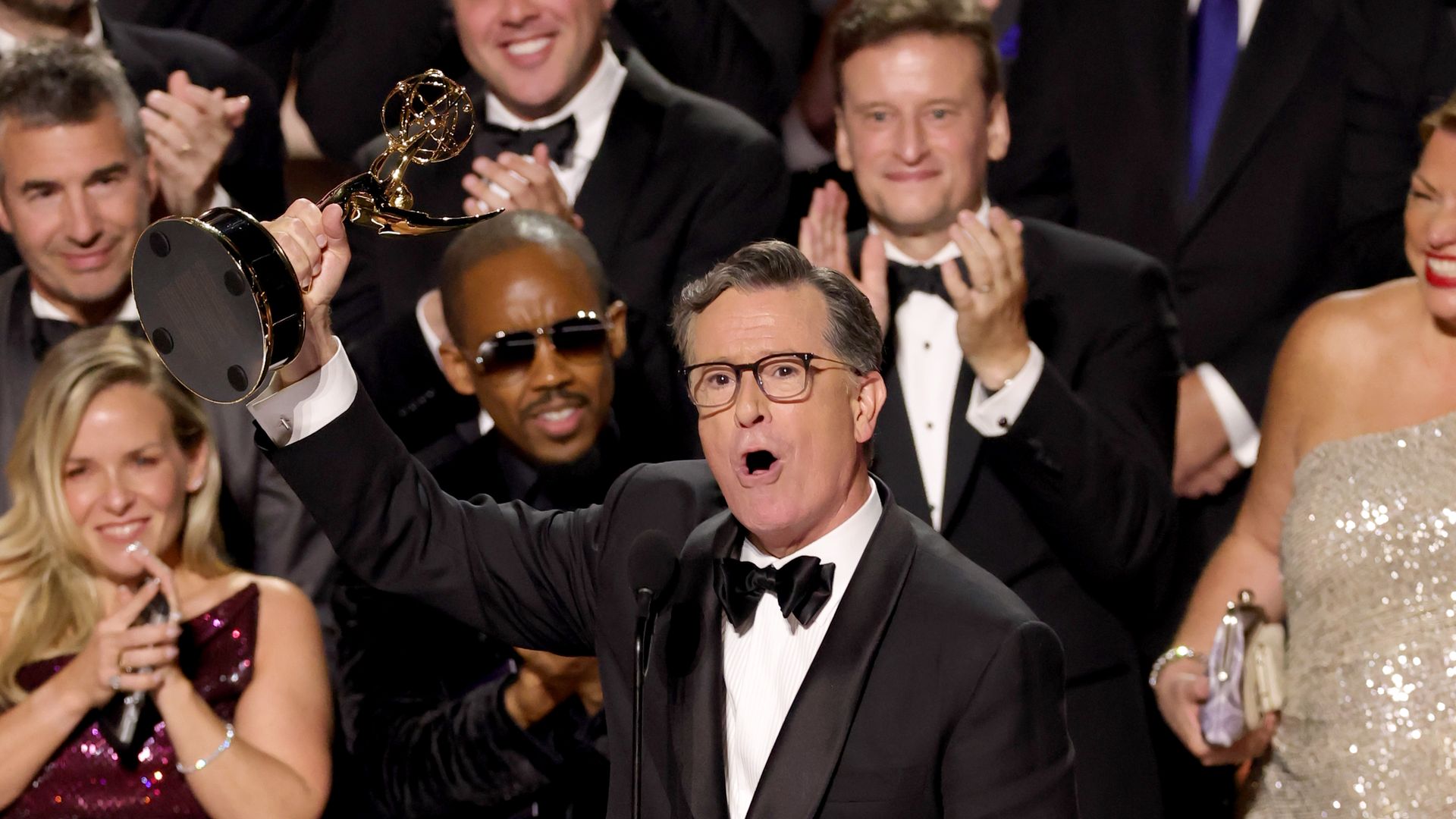
Stephen Colbert's Emmy win for Outstanding Talk Series was met with raucous applause, a standing ovation and chants of "Stephen! Stephen!" on Sunday night.
Why it matters: It's the first time "The Late Show With Stephen Colbert" has won the category and it comes two months after CBS announced it's canceling the show after the next season, citing financial reasons.
President Trump indicated Sunday he could again extend this week's deadline for TikTok to be sold or banned.
What he's saying: "I may or may not, we're negotiating TikTok right now," Trump said when asked by a reporter in Morristown, New Jersey, if he'd extend the deadline beyond Wednesday.