As the Trump administration pushes for legal consequences for those who criticize Charlie Kirk or minimize his death, employers are likewise handing down disciplinary actions and firings.
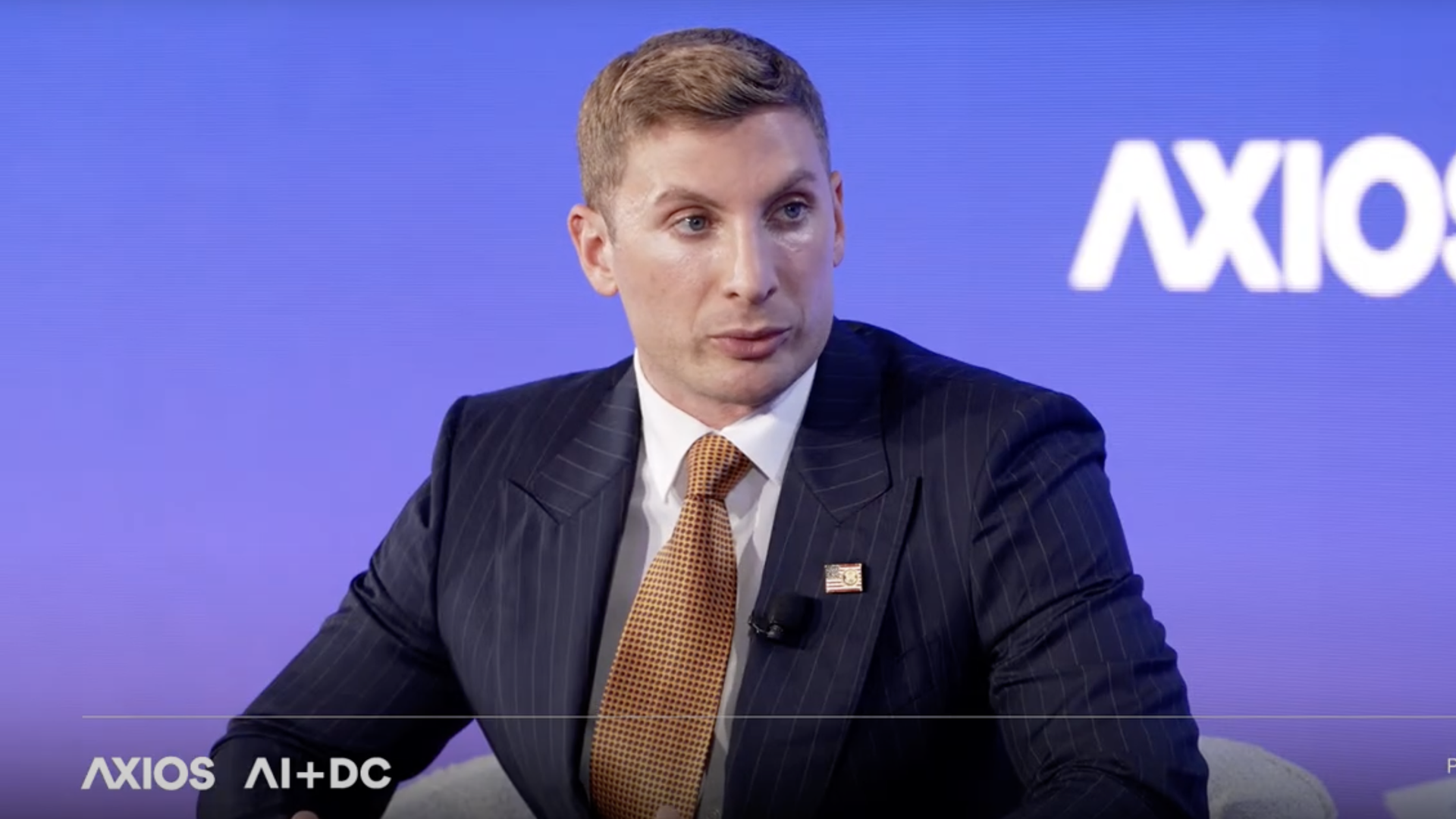
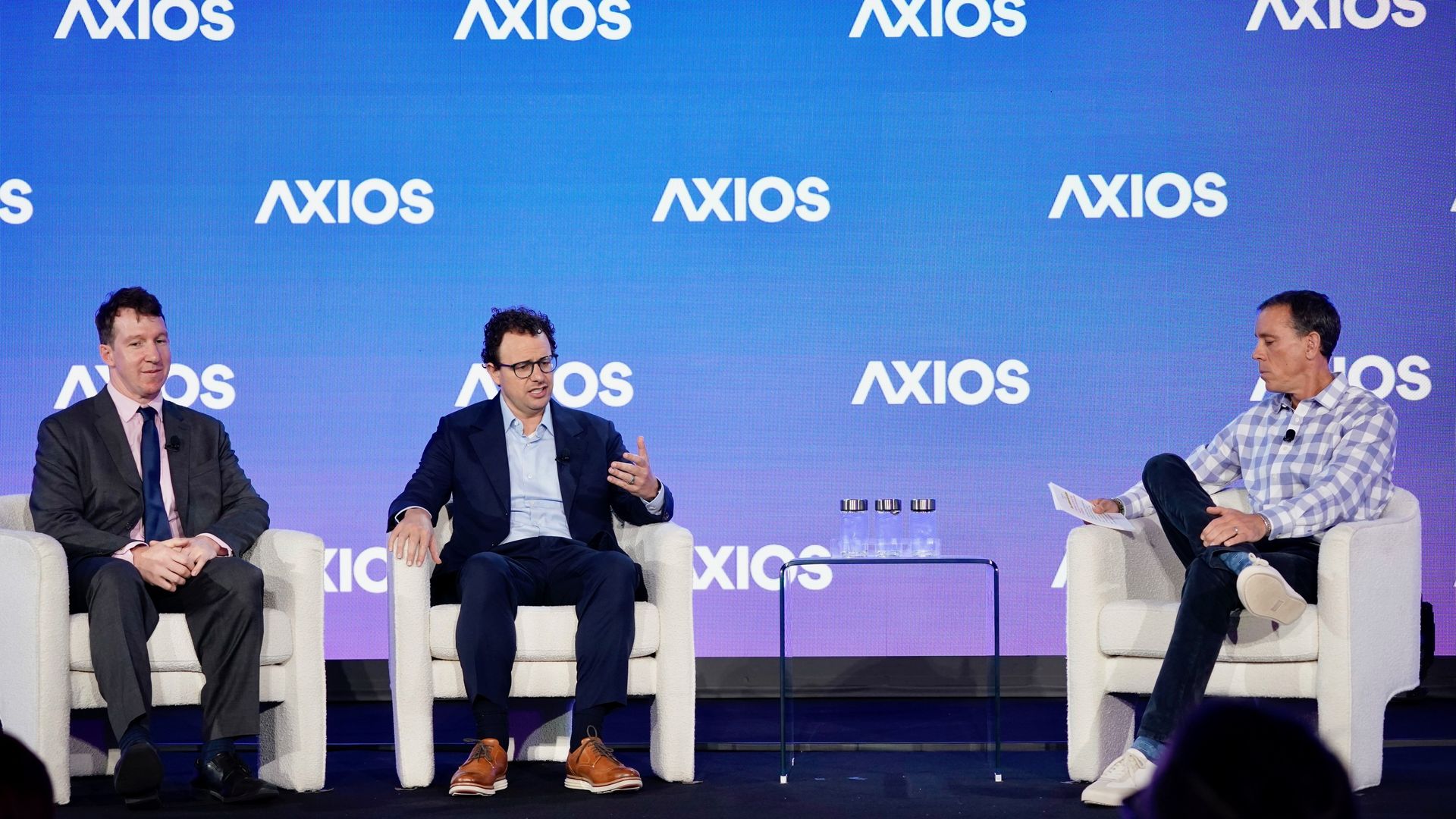
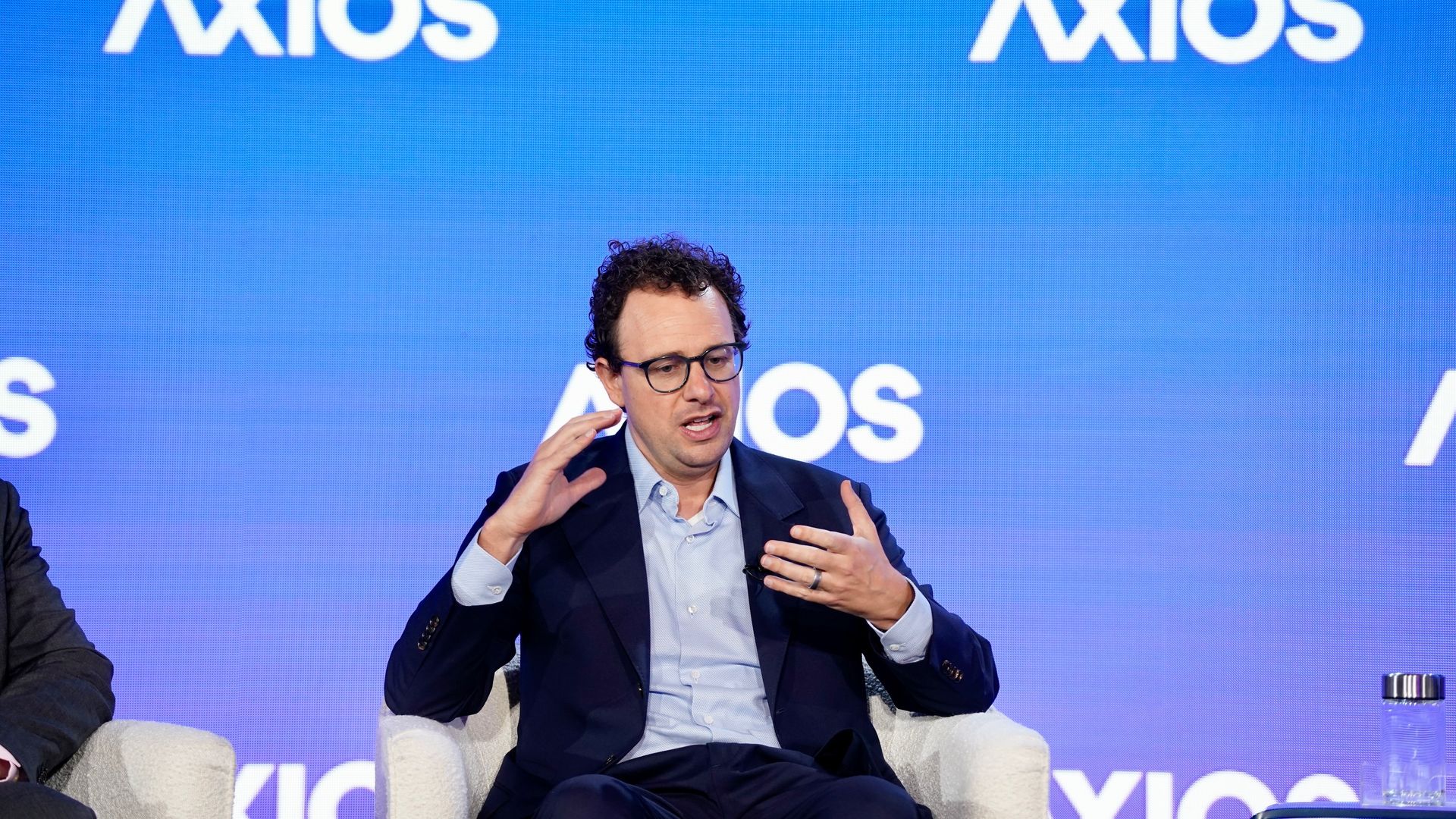
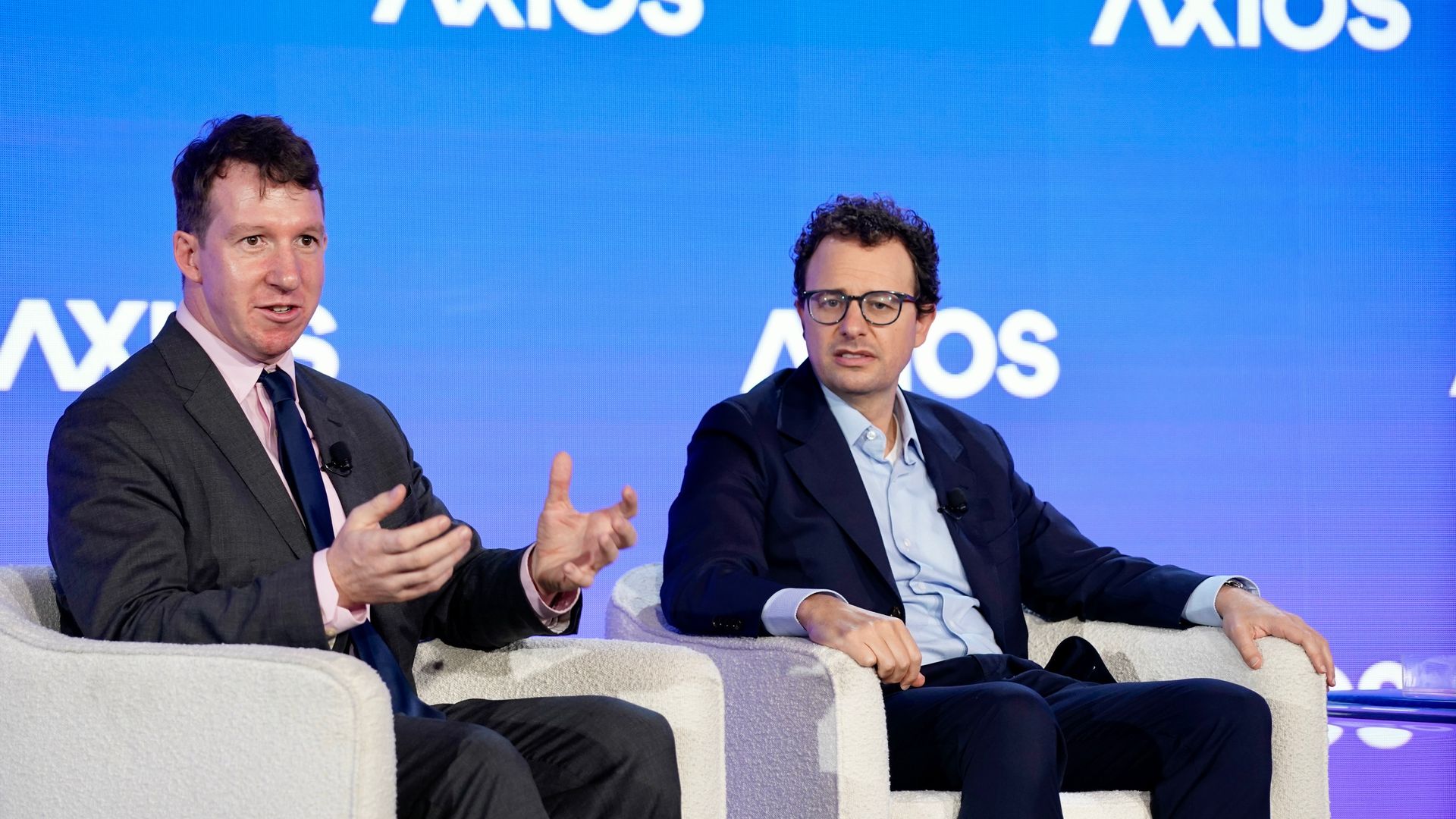
Fears that AI will cause huge swaths of Americans to lose their jobs are overhyped, White House adviser Jacob Helberg said during Axios' AI+ DC Summit on Wednesday.
Why it matters: Several AI leaders have warned of a potential white-collar bloodbath in a few years as AI gets more advanced, but Helberg thinks workers and private companies will adapt to the changing times.
Bank of America said Wednesday that it raised its U.S. minimum hourly wage to $25 an hour, making the starting salary for full-time employees more than $50,000 a year while committing to doubling its hires for community college graduates.
Why it matters: The move is in contrast to the labor market data indicating weaker wage growth and fewer jobs for young people.
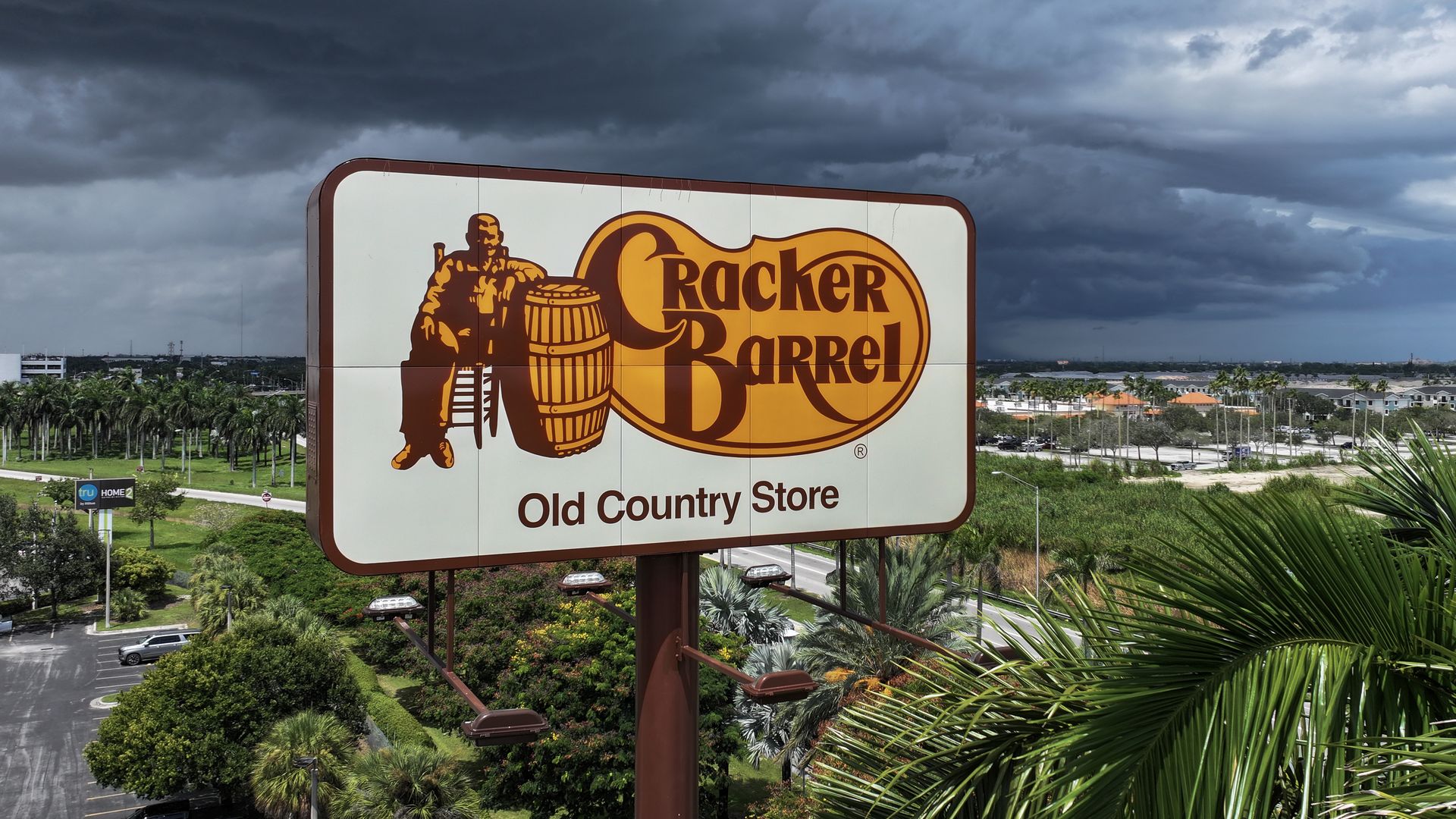
Why it matters: The restaurant-and-retail chain is reeling from a firestorm over an aborted decision to redo its logo and stores, abandoning the "Old Timer" design.
MAGA critics blasted the move, assailing it as an example of the company's "woke" turn.
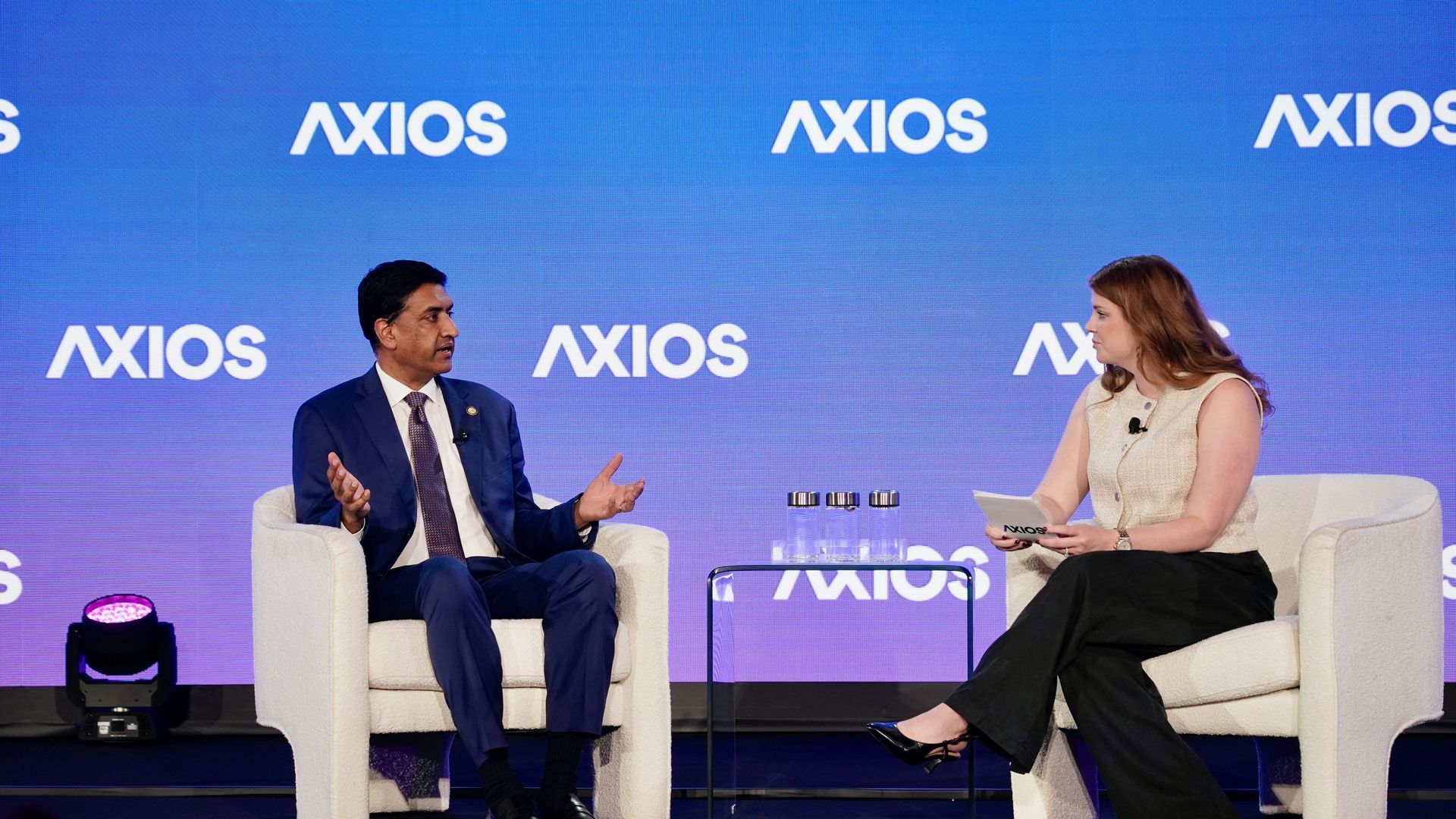
Rep. Ro Khanna (D-Calif.) talked about "woke AI," supporting young workers anxious about AI-driven job displacement, and creating more guardrails around the tech at the Axios AI+ DC Summit on Wednesday.
Why it matters: Khanna's district is in Silicon Valley, where he's getting a front-row seat to the generative AI boom unfolding in real time.
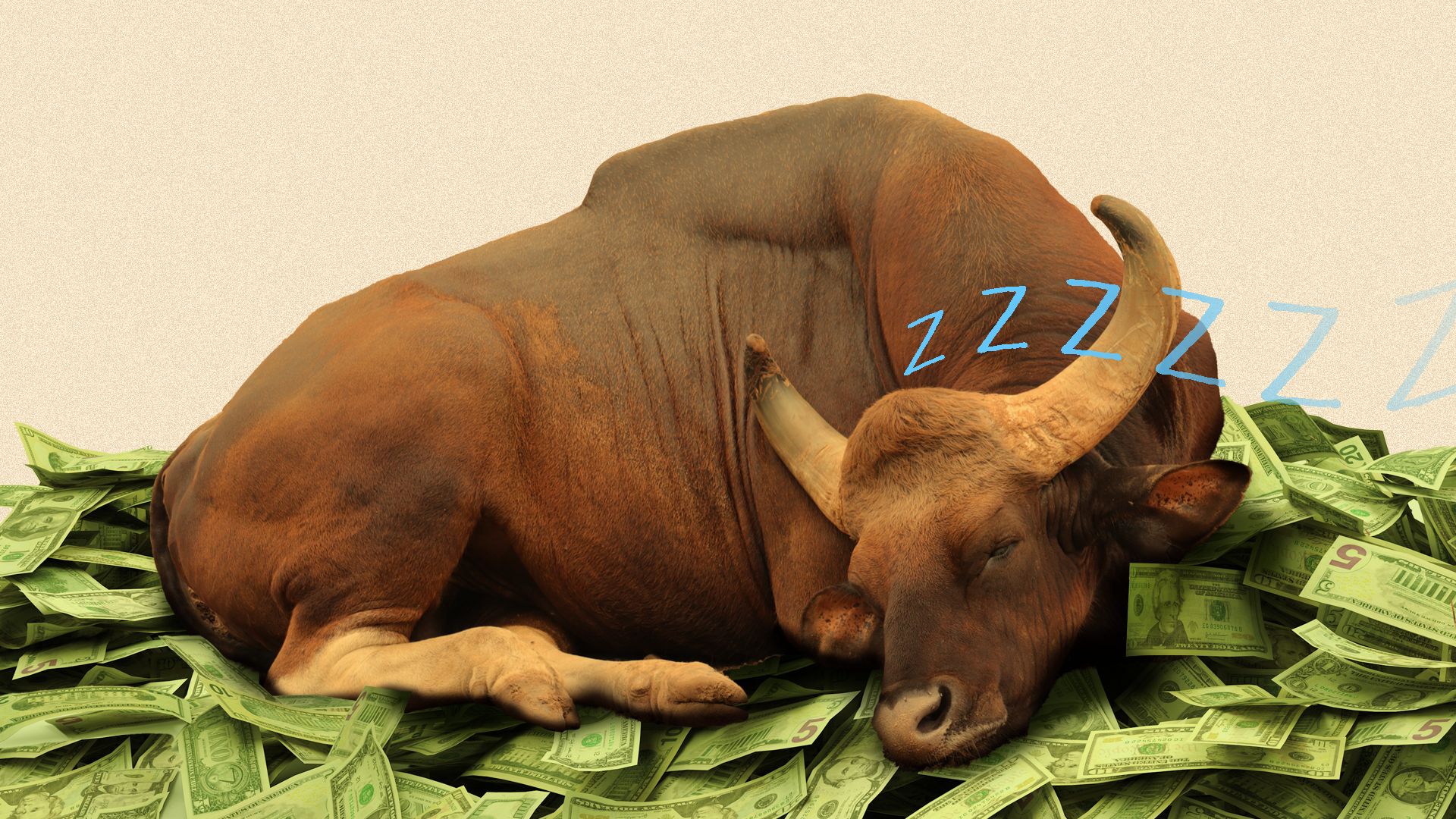
Wall Street got its wish with the first rate cut of 2025, but the Federal Reserve's mixed signals about the health of the economy could put near-term pressure on stocks, potentially triggering a correction.
Why it matters: With few if any near-term catalysts like earnings or an upcoming Fed meeting to focus on, investors may finally find themselves confronting market risks they've ignored for months.
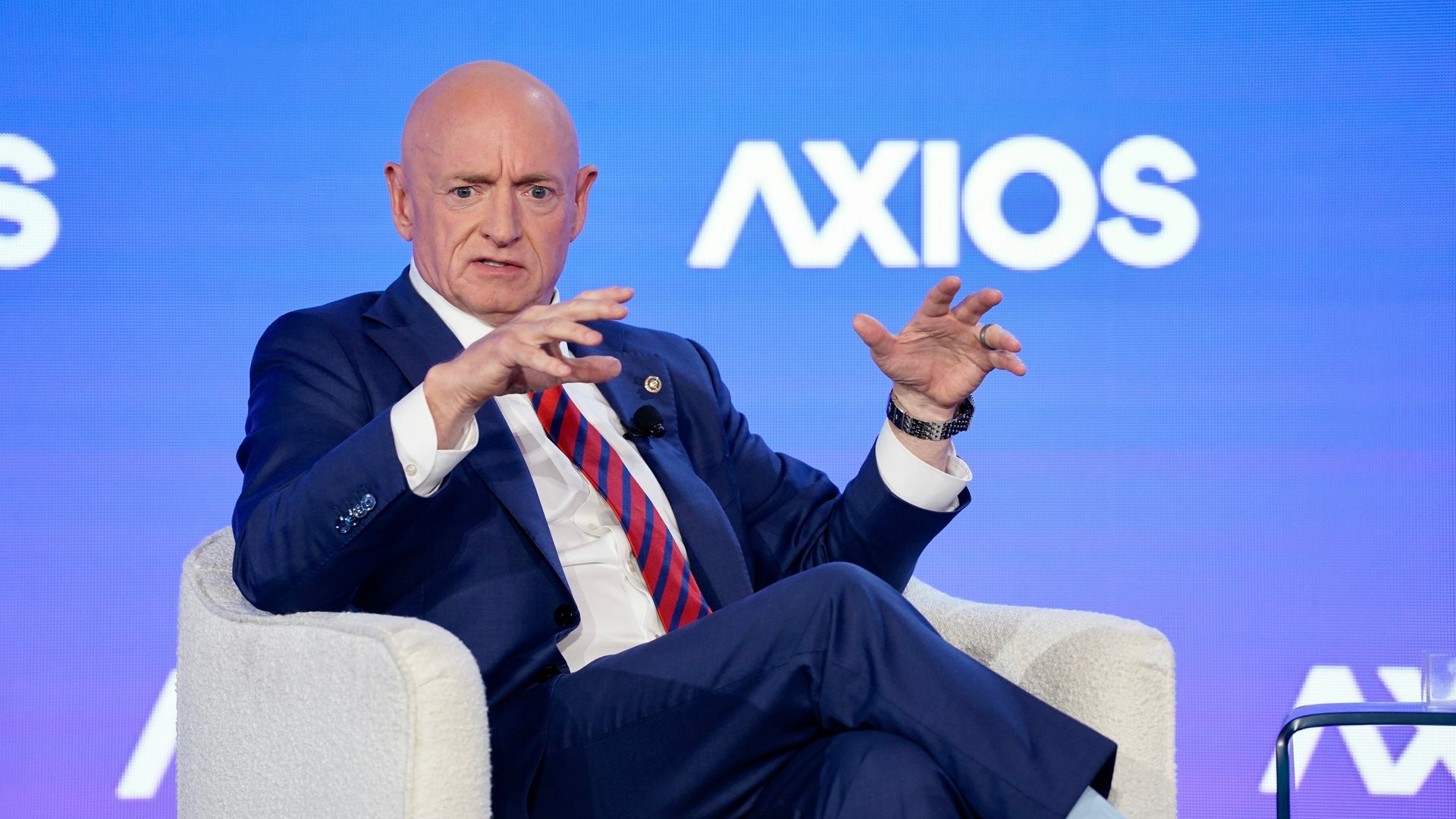
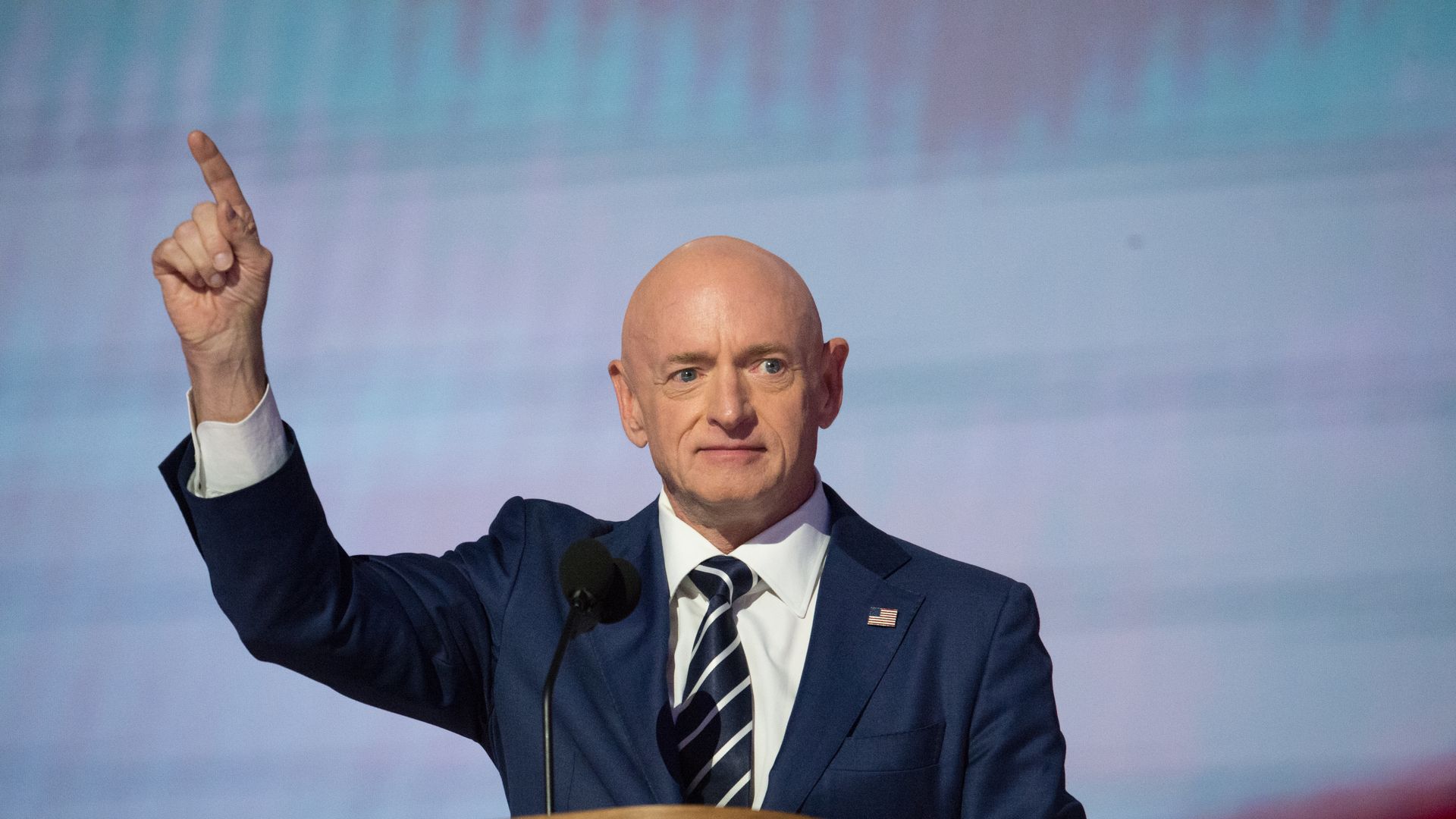
Sen. Mark Kelly (D-Ariz.) said the U.S. needs "the right framework in place to lead the world in AI" and pitched his new AI policy roadmap to make sure the country doesn't fall behind China at Wednesday's AI+ DC Summit.
Why it matters: Kelly, a potential 2028 presidential candidate, is attempting to position himself as a major Democratic voice on the future of AI policy.
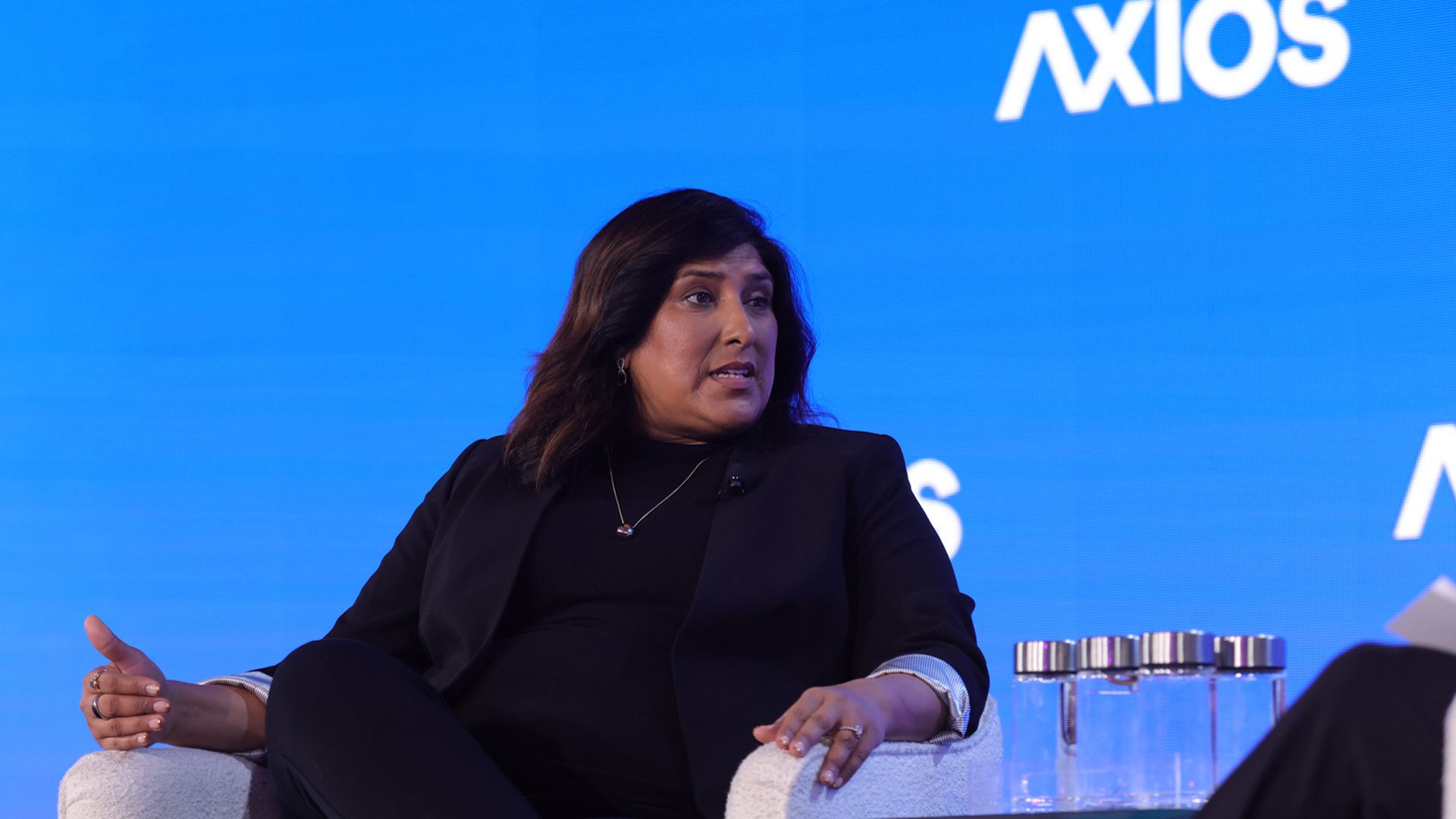
Credo AI CEO Navrina Singh warned that America will lose the artificial intelligence race with China if the industry doesn't implement tougher safety standards during a sit down interview at Axios' AI+ DC Summit on Wednesday.
Why it matters: Many AI leaders and the Trump administration argue that the industry needs loose guardrails to guarantee that American tech companies can keep up with foreign competitors.
There's a 25% chance that the future of AI will go "really, really badly," Anthropic CEO Dario Amodei said at the Axios AI+ DC Summit on Wednesday.
Why it matters: Amodei gave the percentage after being asked his "(p)doom number," which is the probability that things go south with AI — specifically that it destroys humanity.
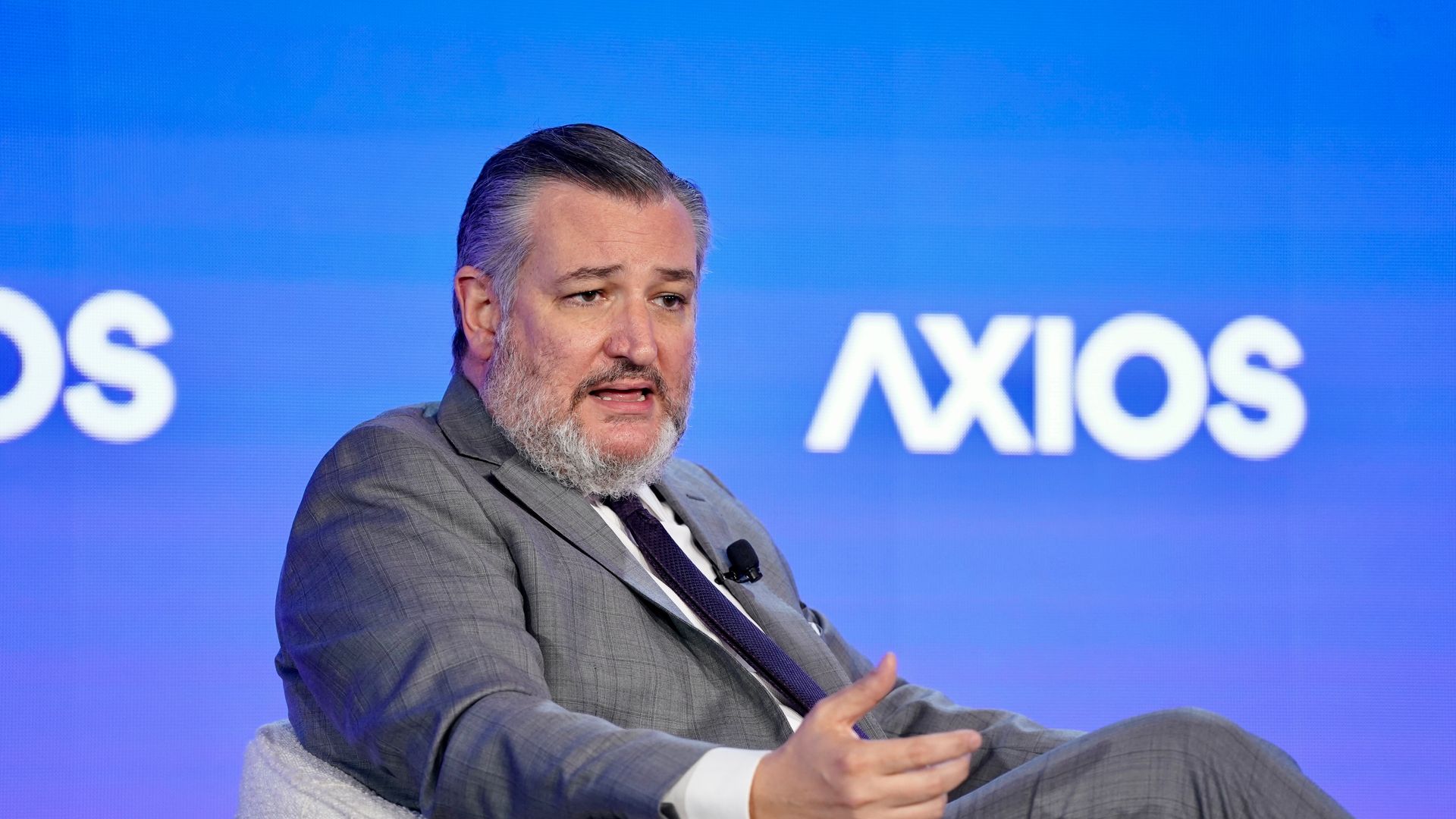
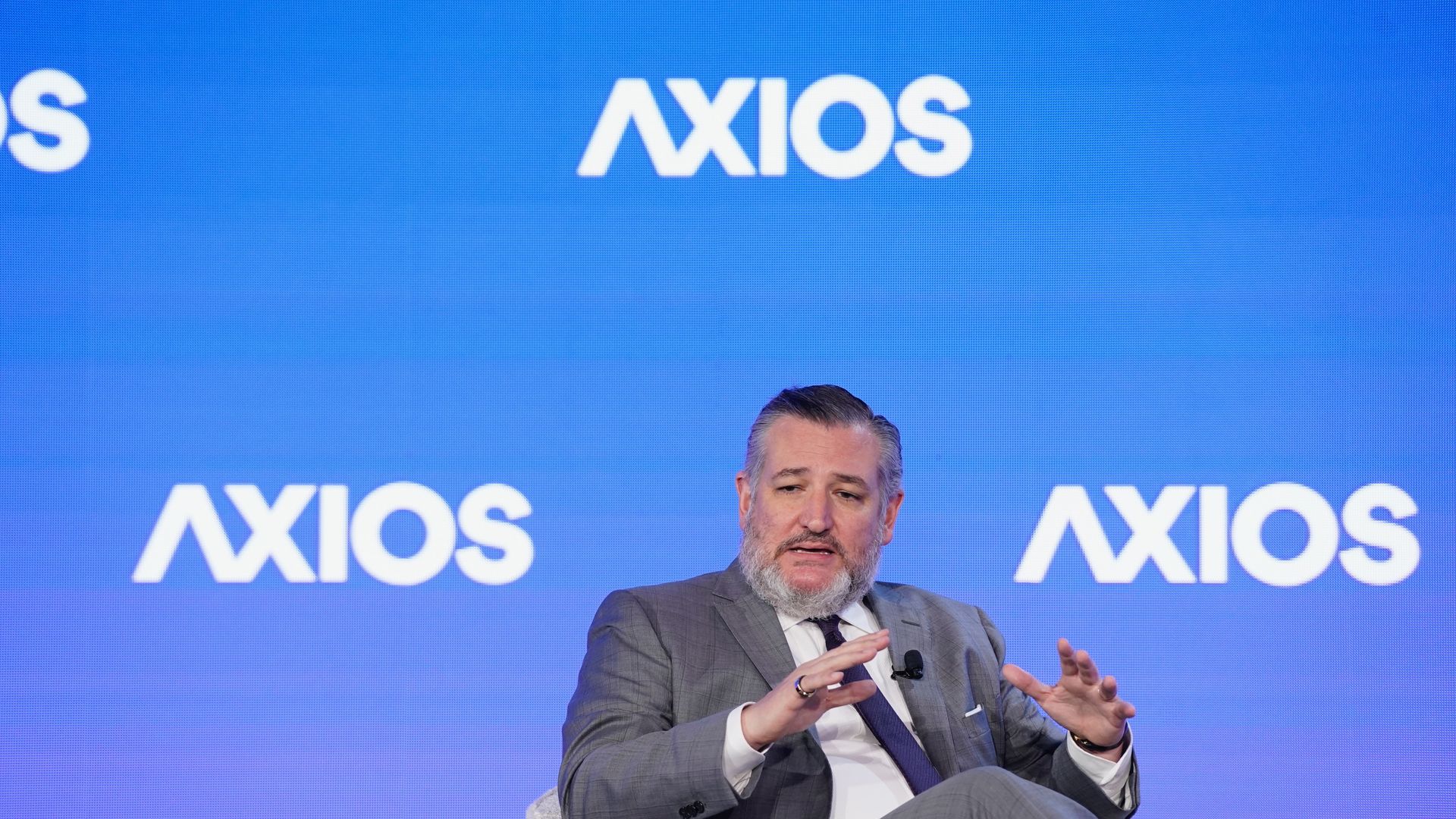
Courts will probably find that AI companies are protected by Section 230 regulations on speech on online platforms, Sen. Ted Cruz said at the Axios AI+ DC Summit on Wednesday.
Why it matters: Whether Section 230 should protect AI companies is a much different question — and one for which Cruz doesn't have a simple answer yet.
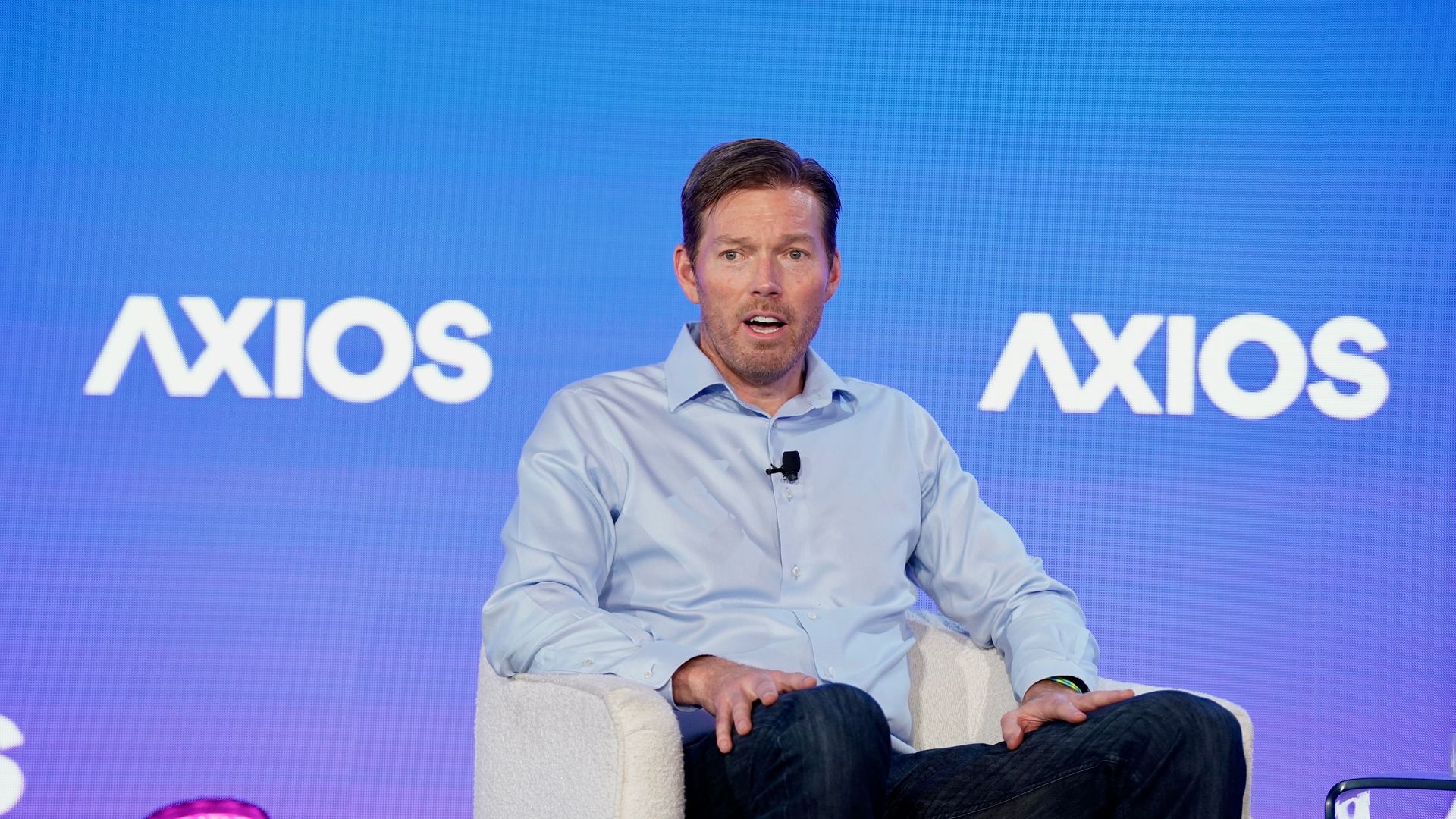
Scale AI faced questions about its future after Meta poached its star founder and CEO in June, but interim CEO Jason Droege sought to make the case at Axios AI+ DC Summit that it's still a growing, thriving AI firm.
Why it matters: Droege, in his first public interview since taking Scale's helm, told Axios' Maria Curi on Wednesday that the company is moving beyond its data-labeling business into the AI applications and services realm, with a focus on government.
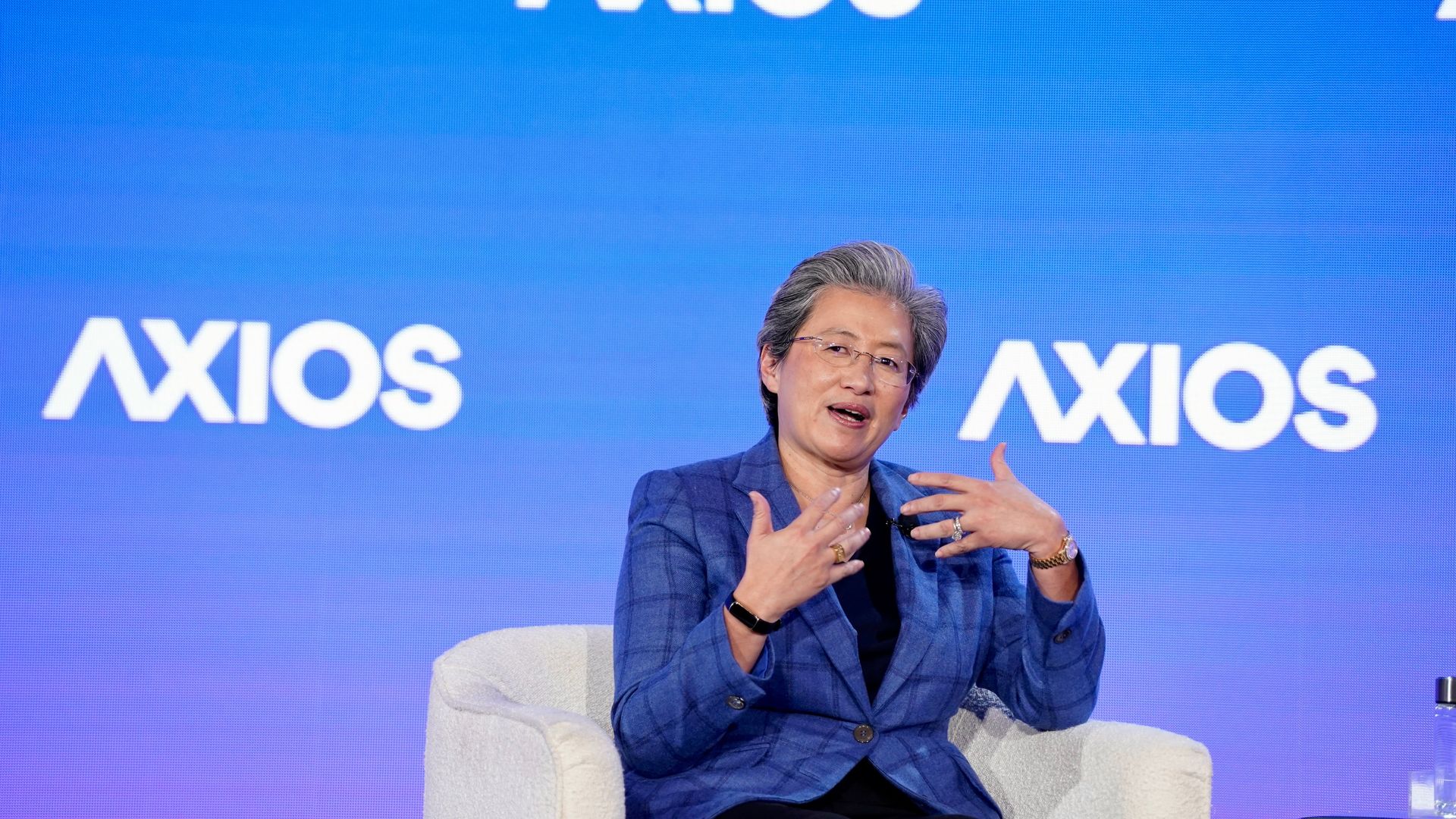
We're only in year two of a "massive ten-year cycle" of rapid AI advancements and infrastructure build-out, AMD CEO Lisa Su said Wednesday at the Axios AI+ Summit in Washington, D.C.
Why it matters: The enormous investments being poured into data centers, chip development, and AI models are reorienting the U.S. economy, pumping up Wall Street valuations and gobbling up huge amounts of energy.
A push to impose a moratorium on state-level AI regulations is not dead, but the vehicle to advance it is still unclear, Sen. Ted Cruz said at the Axios AI+ DC Summit on Wednesday.
Why it matters: The moratorium was one of the most controversial parts of the "Big, Beautiful Bill," and only died at the very end of the process.
U.S. dominance in chips may be the only advantage the countrystill has over China, and should be protected, Anthropic CEO Dario Amodei said at the Axios AI+ DC Summit on Wednesday.
Why it matters: Access to chips has become the hottest friction point between the world's two largest economies.
The ability of AI to displace humans at various tasks is accelerating quickly, Anthropic CEO Dario Amodei said at the Axios AI+ DC Summit on Wednesday.
Why it matters: Amodei and others have previously warned of the possibility that up to half of white-collar jobs could be wiped out by AI over the next five years.
Nvidia shares were trading down 3% Wednesday afternoon as the chip maker's China problem continues to escalate.
Why it matters: The world's most valuable company is being shut out of the second-biggest market in AI computing, a result of U.S. export restrictions and a deepening AI race between Beijing and Washington.
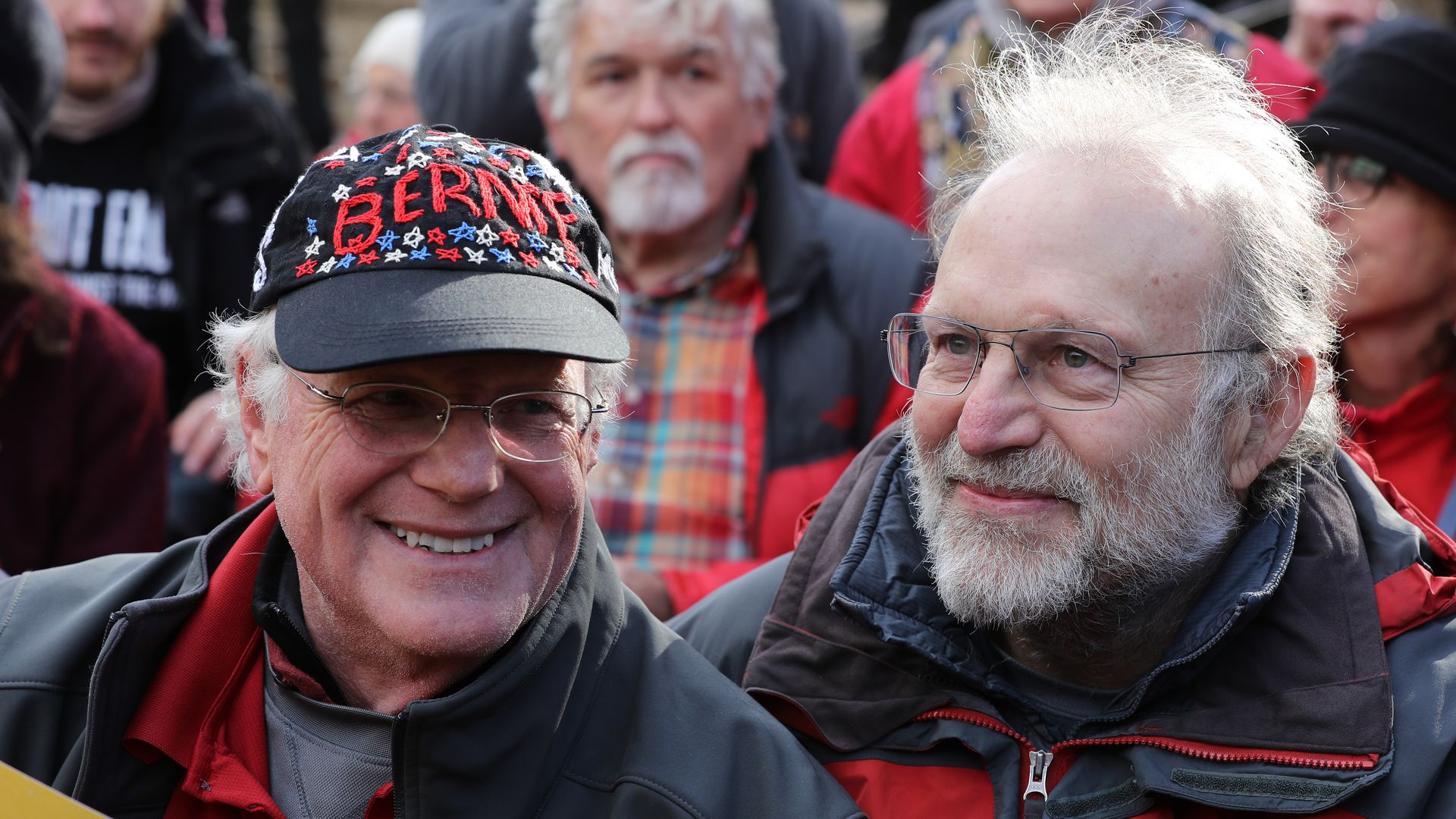
Jerry Greenfield, the co-founder of Ben & Jerry's, announced he is stepping down from the beloved ice cream brand after 47 years, accusing parent company Unilever of discouraging his activism.
Why it matters: The Vermont-based brand and its founders are known for their involvement in social justice causes, but now Greenfield says they are being muzzled.
A forgotten collection of drawings discovered at a farm estate sale in upstate New York offers a rare glimpse into the history of automotive design.
Why it matters: The cars depicted in the dusty binder never made it into production, but the student artists who drew them went on to become some of the industry's most influential car designers, including:
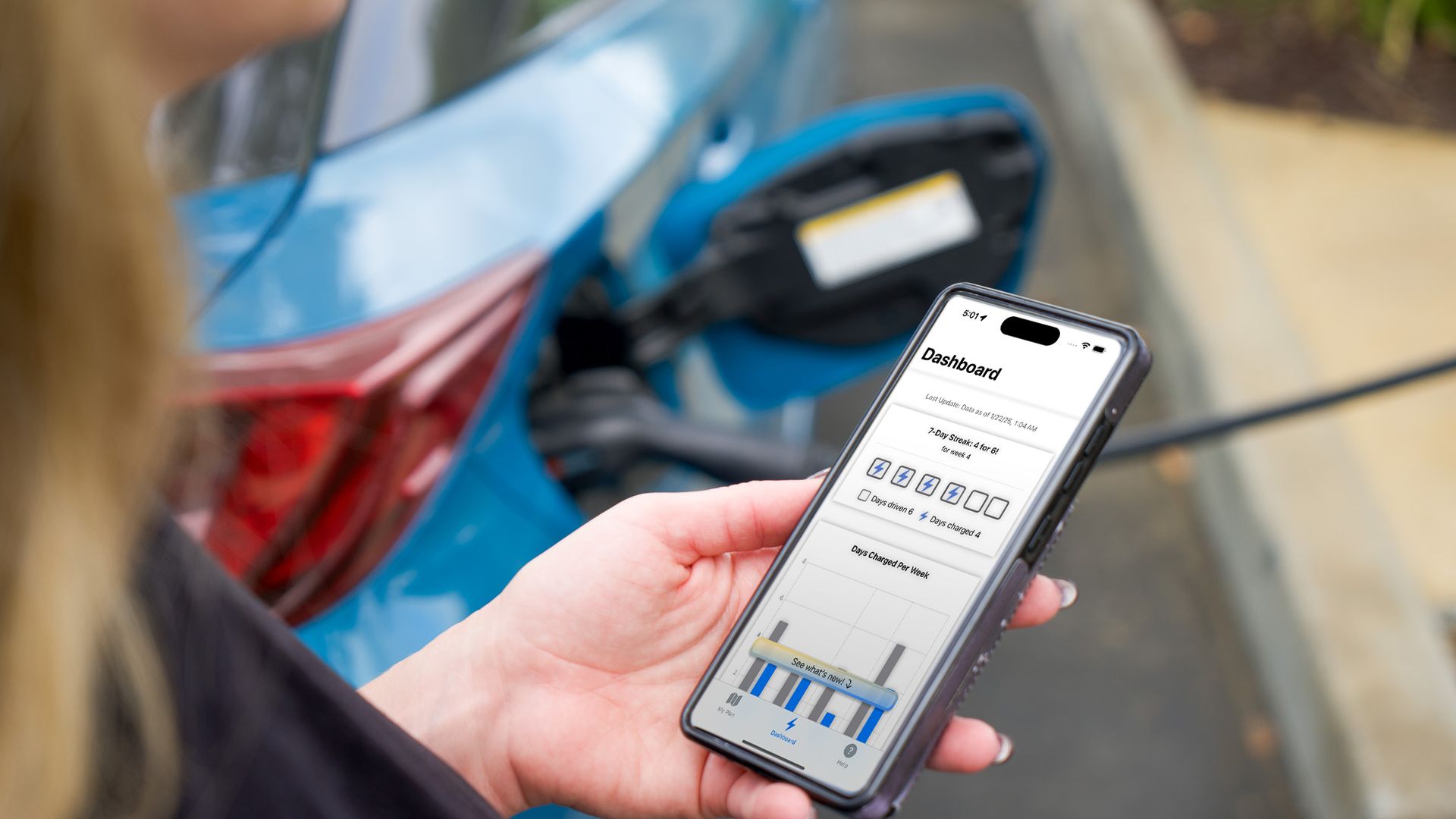
Plug-in hybrid vehicles are good for the environment only if car owners regularly charge them. (Many don't.)
But behavioral scientists at Toyota have discovered that subtle interventions can get people to improve their charging habits, reducing carbon emissions.
Why it matters: Technology is not the only path to lower emissions. People's choices matter, too.
StubHub on Tuesday night raised $800 million in its IPO, pricing at the midpoint of its $22 to $25 per share range.
That gives the ticket resale giant an $8.5 billion initial market cap, although that may climb when shares begin trading today on the NYSE under the ticker "STUB."
Axios spoke with StubHub co-founder and CEO Eric Baker about the IPO the business, and President Trump's efforts to end ticket price gouging. What follows is an edited transcript of our conversation:
Americans say they're comfortable with AI helping develop new medicines or forecast the weather, but most don't think it should play a role in relationships, religion or creative tasks, according to a new report released Wednesday from Pew Research Center.
Why it matters: Americans are starting to set boundaries for what they want to turn over to AI — and what they don't.
Chaos Industries has for three years worked quietly, talking little of its defense-tech push stateside and overseas, including in the Middle East and Ukraine.
It's now slowly coming out of its shell.
Why it matters: The company concerns itself with what may be the hottest topic of today and tomorrow: overhead defense.
Alex Pfeiffer — the White House's principal deputy communications director, and a key voice in the West Wing — is joining Watchtower Strategy, a rising public affairs firm in President Trump's Washington, as a managing director specializing in strategy and crisis communications.
Why it matters: Pfeiffer is one of the most senior officials to leave the administration, which has had little Year 1 turnover — and is a veritable Rock of Gibraltar compared with Trump I.
Sen. Mark Kelly (D-Ariz.) on Wednesday released an "AI for America" plan that would require tech companies to contribute to a fund intended to help society adjust to the technology's impact on jobs, infrastructure and the environment.
Why it matters: The policy proposals are a sharp departure from the Trump White House's pro-growth AI Action Plan — but there's no clear path to see them enacted any time soon.