Data centers will cause higher electricity prices, study finds

Add Axios as your preferred source to
see more of our stories on Google.
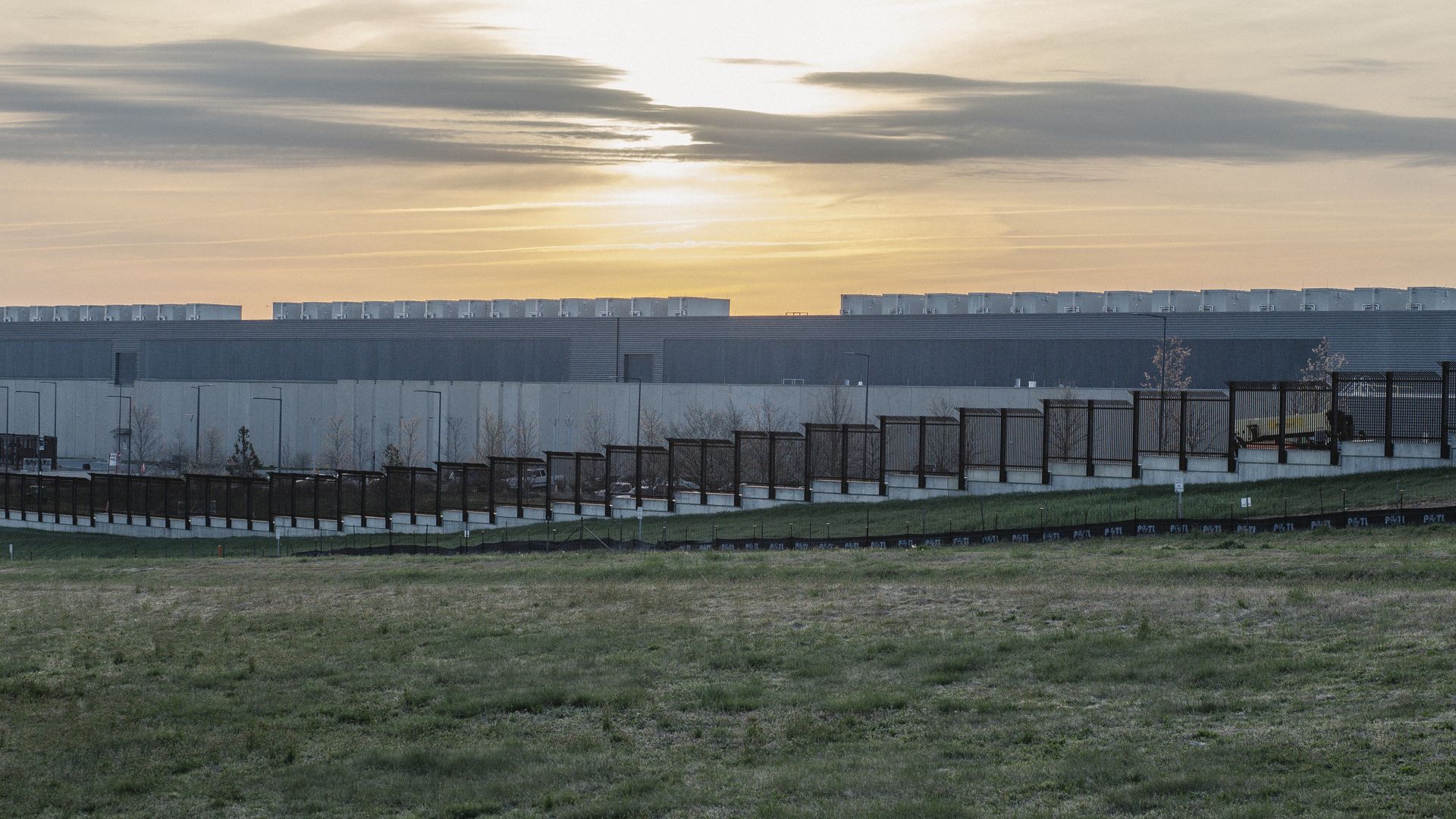
A Facebook-owned data center in Forest City, N.C. Photo: Jacob Biba for The Washington Post via Getty Images
The rising number of data centers being built across the U.S. is expected to drive up electricity bills on average by 8% nationwide through 2030, according to a new analysis from N.C. State University and Carnegie Mellon University.
- That spike in prices could be even higher in data center hot spots, like up to 25% in northern Virginia, which has seen some of the heaviest concentrations of data centers.
Why it matters: Data center construction — booming because of investments into artificial intelligence — is expected to keep growing in North Carolina, too.
- Earlier this year, Amazon announced it would invest $10 billion into building data centers in Richmond County, and Microsoft is reportedly considering a large data center project in Person County.
- And a new law in North Carolina scraps some of Duke Energy's carbon reduction goals, after Duke argued it needed more flexibility to meet forecasted demand growth for electricity.
What they're saying: "Over the last six months, we've seen really rapid data center growth, and they obviously want to be able to connect quickly," Joe DeCarolis, an N.C. State professor who works on energy modeling, told Axios.
- "But grid planning usually takes place over a longer period of time, so that is creating some stress on the grid and has led to higher prices," he added.
State of play: The data centers are also expected to fuel more greenhouse gas emissions, according to the analysis. More than 25 gigawatts of aging coal plants are expected to continue operations to meet the added electricity demands from data centers, instead of being on track to retire.
Between the lines: Electricity prices vary regionally and have many influences, from basic supply and demand to fuel rates and infrastructure costs.
- Yet many analysts point to power-hungry data centers as a driver of rising rates, especially in data center hotspots, Axios' Alex Fitzpatrick writes.
- That's partly because of data centers' immediate demand for energy, but also because grid operators are investing in new transmission lines and other gear to handle their expected proliferation — and passing those costs along to customers.
Zoom in: The response by most utilities to the rising demand, DeCarolis said, is to focus on building up natural gas facilities in the short term, while hoping to add more nuclear plants in the coming decades.
- Duke Energy, for example, wants to build new natural gas plants while it works on a long-term plan to add a new nuclear facility in Stokes County.
Zoom out: A Duke Energy representative said data centers can bring a significant investment to local economies. "Whatever industry they want to attract, we'll work with them to deliver the power necessary," company spokesperson Bill Norton said in a statement.
- "Ultimately, energy modernization has a cost that will impact all utilities nationwide, and all utility customers," Norton added. "We're in a stronger position than most because our rates are far below the national average ... and we're doing everything we can to ensure that remains the case."
What's next: The long-term demand for data centers remains to be seen, so projecting out their construction can be uncertain.
- At the same time, more communities appear to be growing wary of letting data centers be built. Tarboro, for one, is debating the future of a $6 billion data farm, and a project in southern Wake County is also facing scrutiny.
DeCarolis said there are some policy initiatives the state and federal government can consider to ease pressures on the grid, including:
- Creating new rate structures for data centers, which Oregon and Utah have done.
- Reforming how new transmission lines are approved to prevent a gap between demand and new infrastructure.
- And requiring data centers to be more flexible in their power demands during times of stress on the grid, like Texas now does.