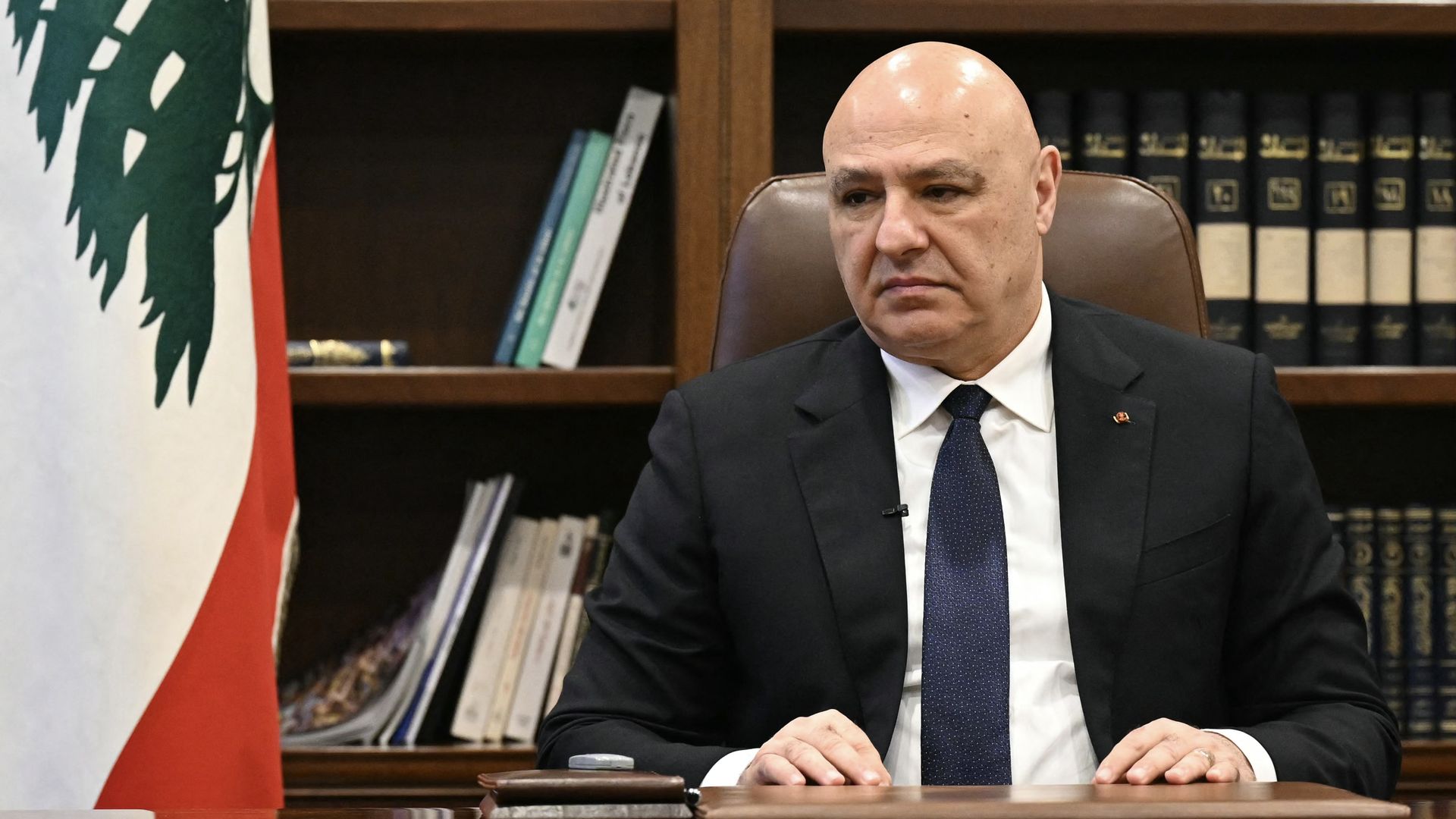
Secretary of State Marco Rubio pressed Lebanese President Joseph Aoun not to return a truckload of explosives to Hezbollah after the group tried to smuggle them into Beirut last week, according to a State Department official and another source with knowledge of their call.
Why it matters: The issue is a test case for the Lebanese government's resolve to stand up to Hezbollah and implement its policy of keeping weapons outside the control of state security forces.
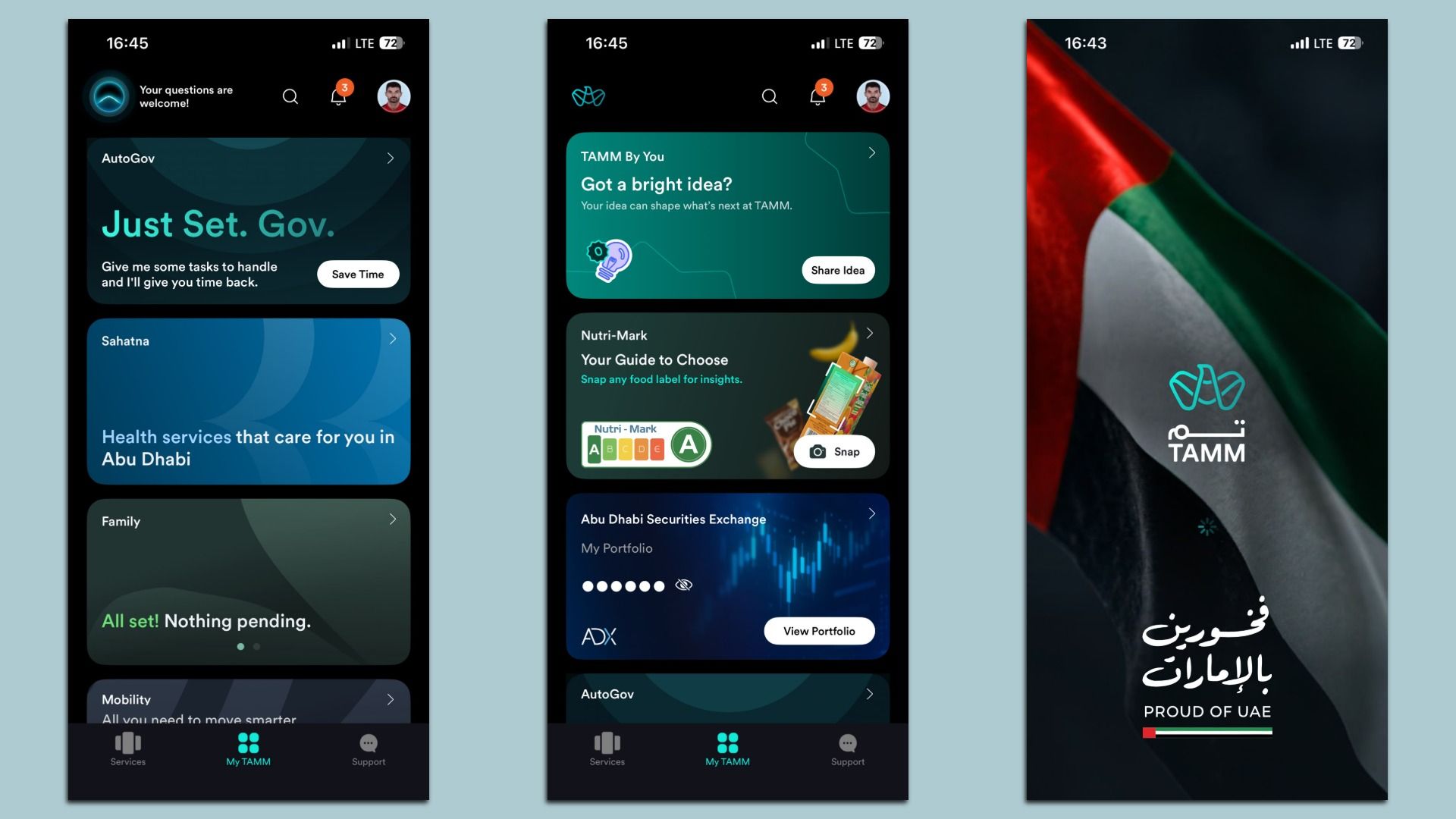
Abu Dhabi — which pioneered TAMM, an AI-driven app that eases citizens' day-to-day interactions with government — is launching TAMM Global, a new company that will make TAMM's technology and operating model available to governments worldwide.
Other governments now can modernize service delivery by licensing and deploying "bespoke versions of TAMM, adapting the platform to their own laws, policies, public services and citizen needs," the announcement says.
The Trump administration is suing California and two election officials over claims that there are suspected ineligible voters who received mail-in ballots for this November's election.
Why it matters: The lawsuit is asking the court to prevent about 20,000 voters from having their ballots counted until their citizenship status is confirmed.
Ukraine's Starlink and Starshield satellite services — critical tools in its war against Russia that were unexpectedly throttled this week — have been restored to full capacity, a Ukrainian official tells Axios.
The official also said that Ukraine conducted a strike overnight against a Russian oil refinery — defying President Trump's demand that it stop hitting those facilities.
The Russian plague threat appears to have just been a fire drill, but it revealed an important lesson for pandemic preparedness: If something goes wrong in certain countries, don't expect them to be forthcoming about it.
Why it matters: The best outbreak response plans call for immediate action targeting the specific pathogen that's posing a threat. But that information may not be readily available at the onset.
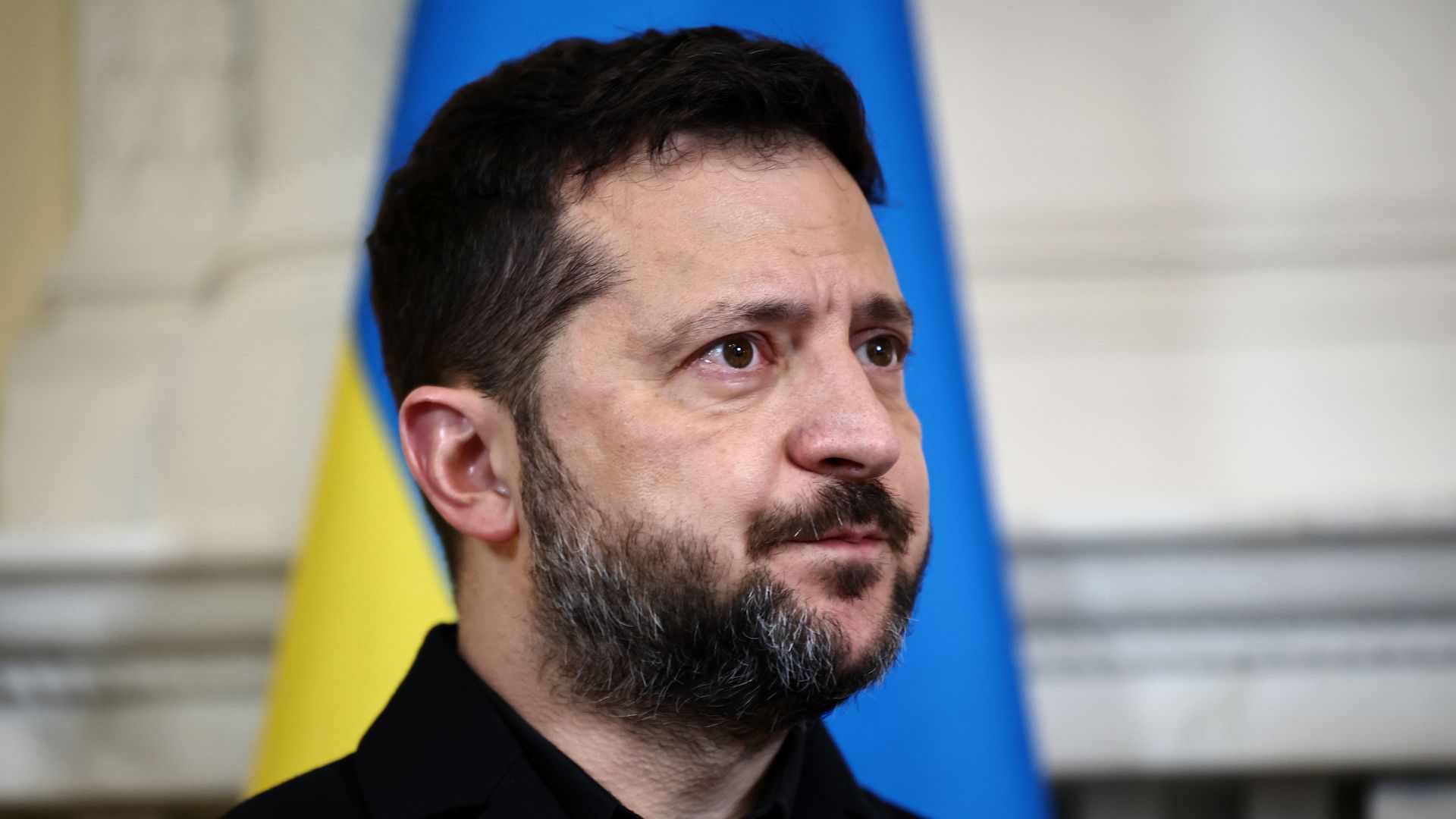
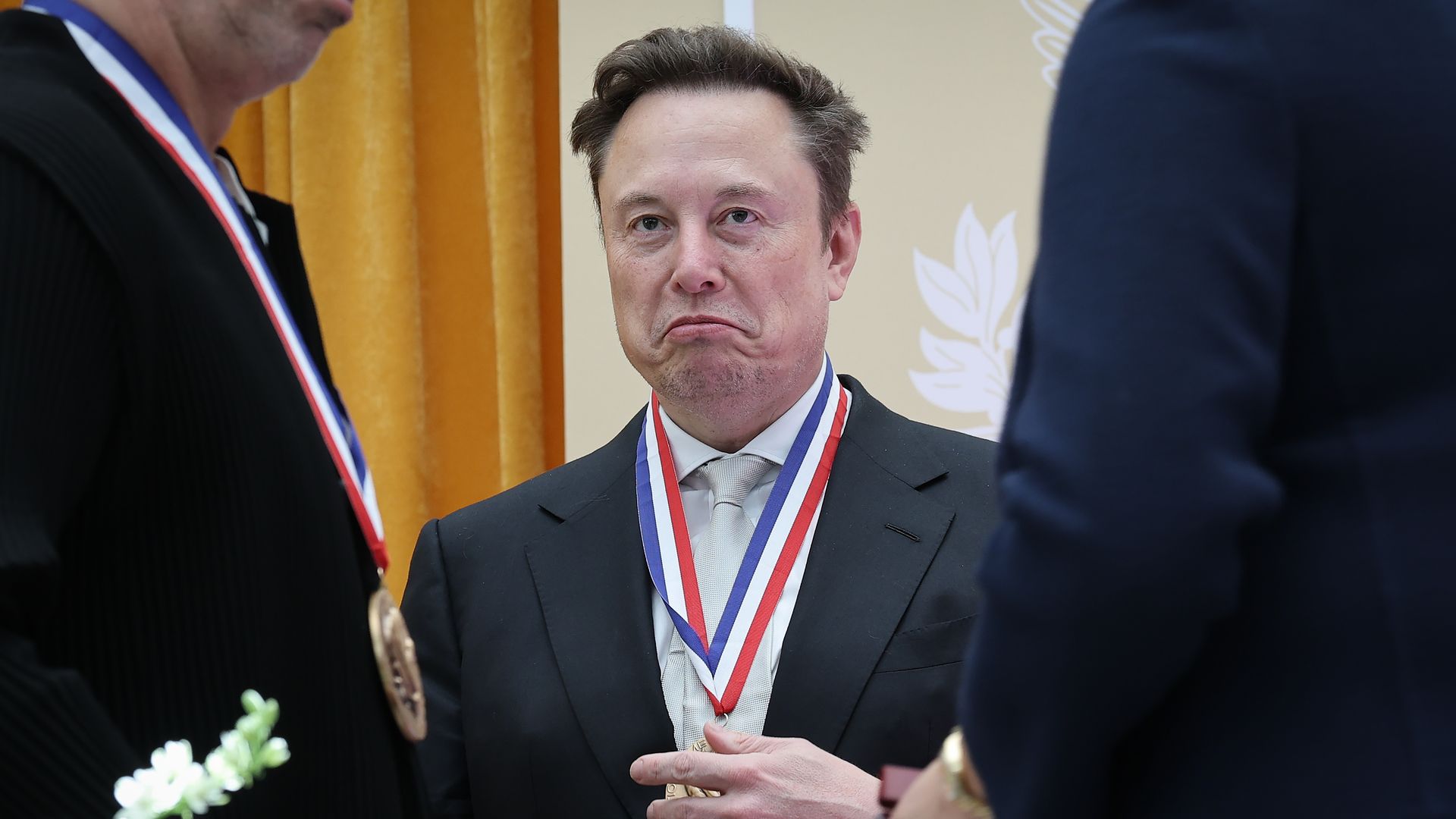
The rupture between President Trump and Ukrainian President Volodymyr Zelensky over last week's diesel deal deepened Wednesday after an Elon Musk-owned satellite system used by Ukraine unexpectedly restricted service — undercutting Ukraine's fight against Russia.
Why it matters: The Ukrainian military uses SpaceX's Starlink satellite communications system to control and operate its reconnaissance and intercept drones. When Starlink doesn't operate at full capacity, Ukraine's ability to gather intelligence, use interceptor drones and conduct long-range strikes against Russia is impeded.
AI tools are now exacerbating a largely hidden problem that frontier AI companies have been contending with for years: the risk that employees will exploit their access to spy on their employers.
Why it matters: The same AI tools that companies are racing to release can also help people plan crimes and develop the technology to carry them out, creating another security headache for the companies building them.
France is grappling with a barrage of crises right now, including destructive fires in Paris, hackers rattling supermarkets, widespread student protests and a significant national debt.
Why it matters: The chaos in France comes as the country faces pressures also affecting the U.S. — rising costs from the Iran war and a ballooning national deficit ahead of an election.
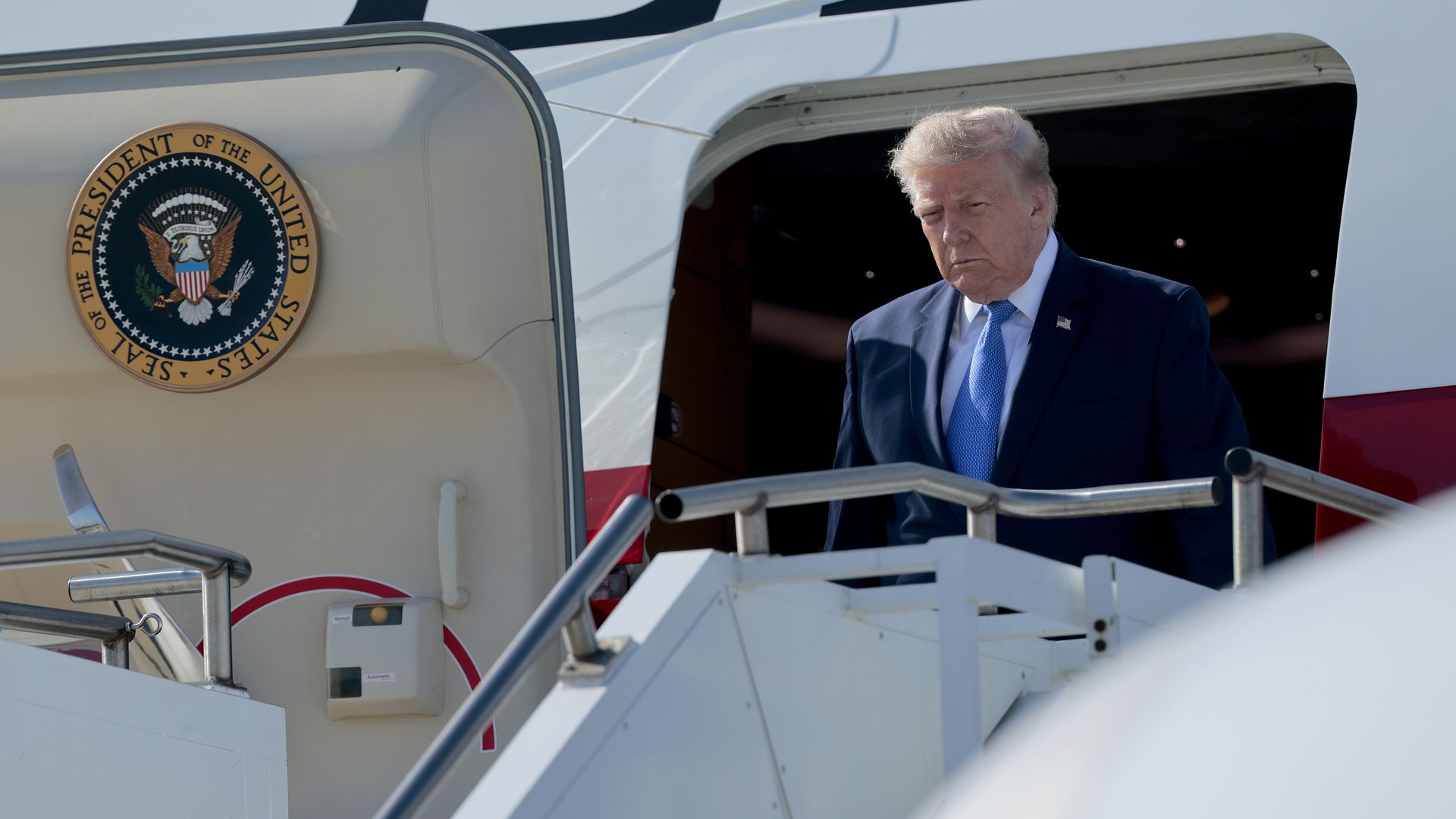
President Trump is indulging his fondness for Vladimir Putin at a moment of acute political peril, forcing Republicans in the midterms to take cover as he showers Moscow with one-sided concessions.
Why it matters: With just three weeks until the election, Trump is rekindling a decade-long, scandal-scarred relationship with a dictator reviled by most Americans — including his own supporters.