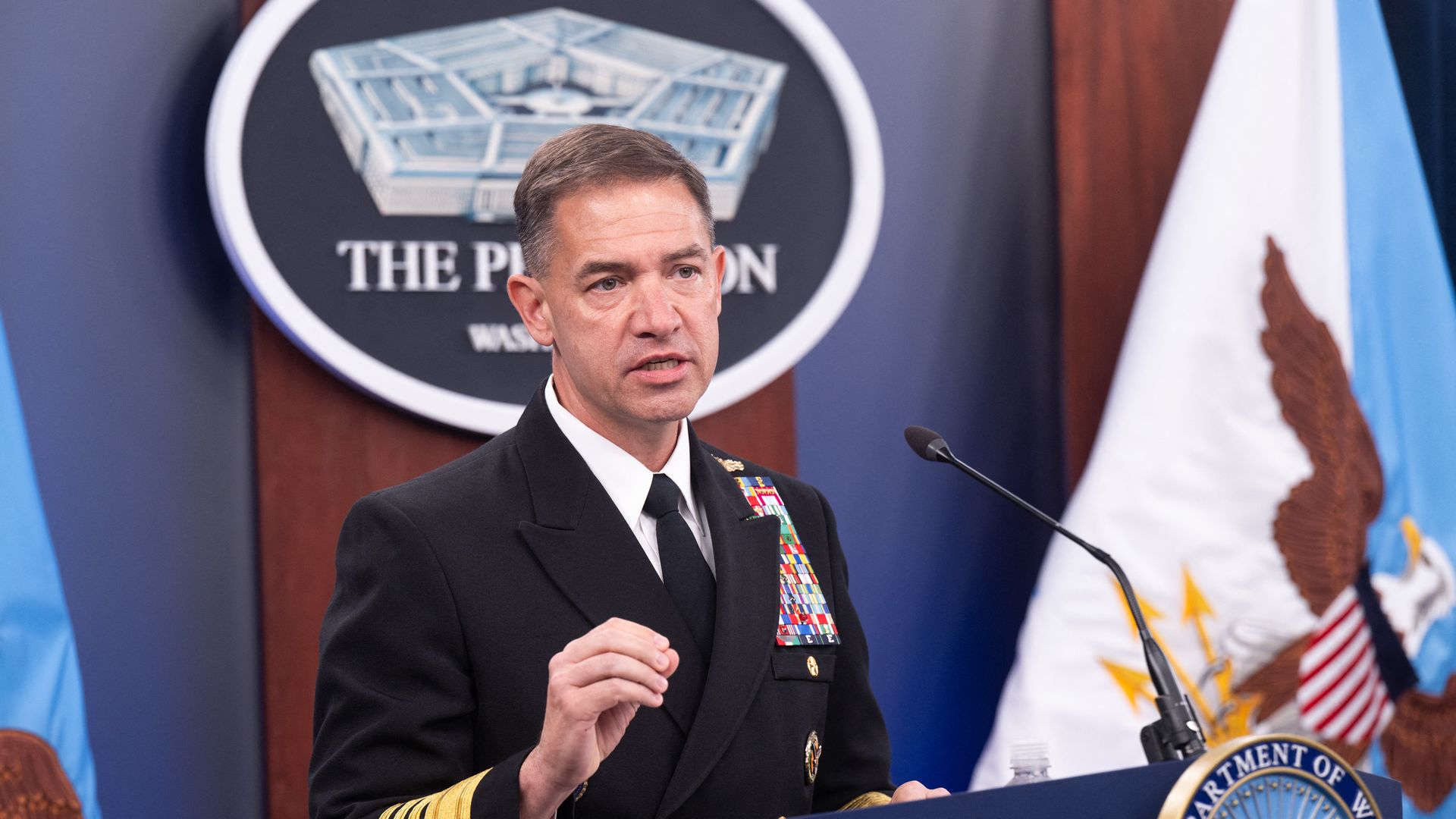
Iran-backed militias in the region have been sending money back to the Islamic Revolutionary Guard Corps to relieve the economic pressure it's under after nine months of war, U.S. CENTCOM Commander Adm. Brad Cooper said Friday.
Why it matters: While the U.S. military has been preparing for a possible resumption of major combat operations against Iran, the Trump administration continues to put immense pressure on the regime with its naval blockade and severe sanctions.
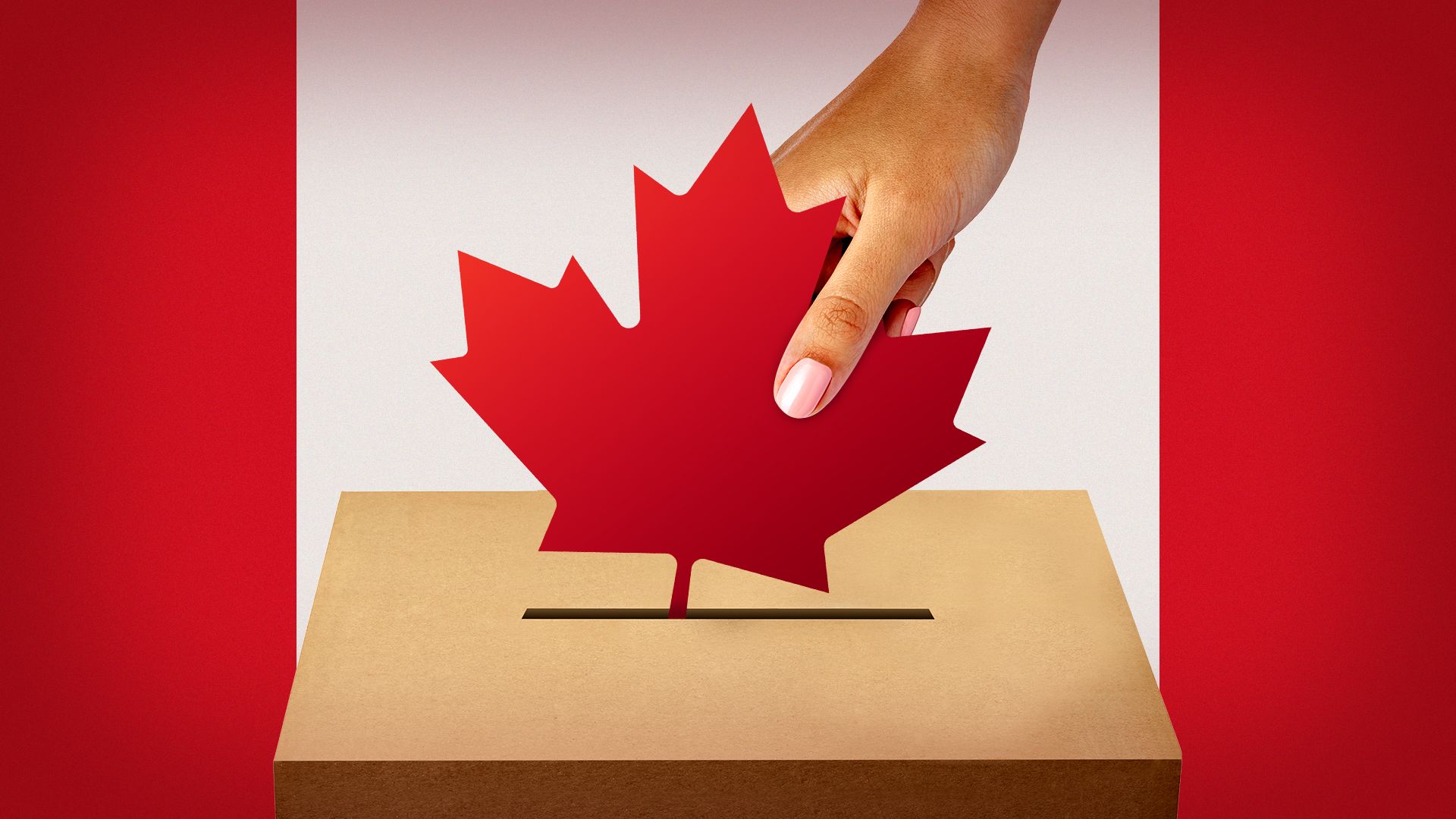
A push for independence by vocal Canadian separatists is colliding with heightened tensions between President Trump and Prime Minister Mark Carney.
Why it matters: As internal and external feuds threaten the country, Carney is using the moment as a rallying cry for Canada's economic independence and national pride.
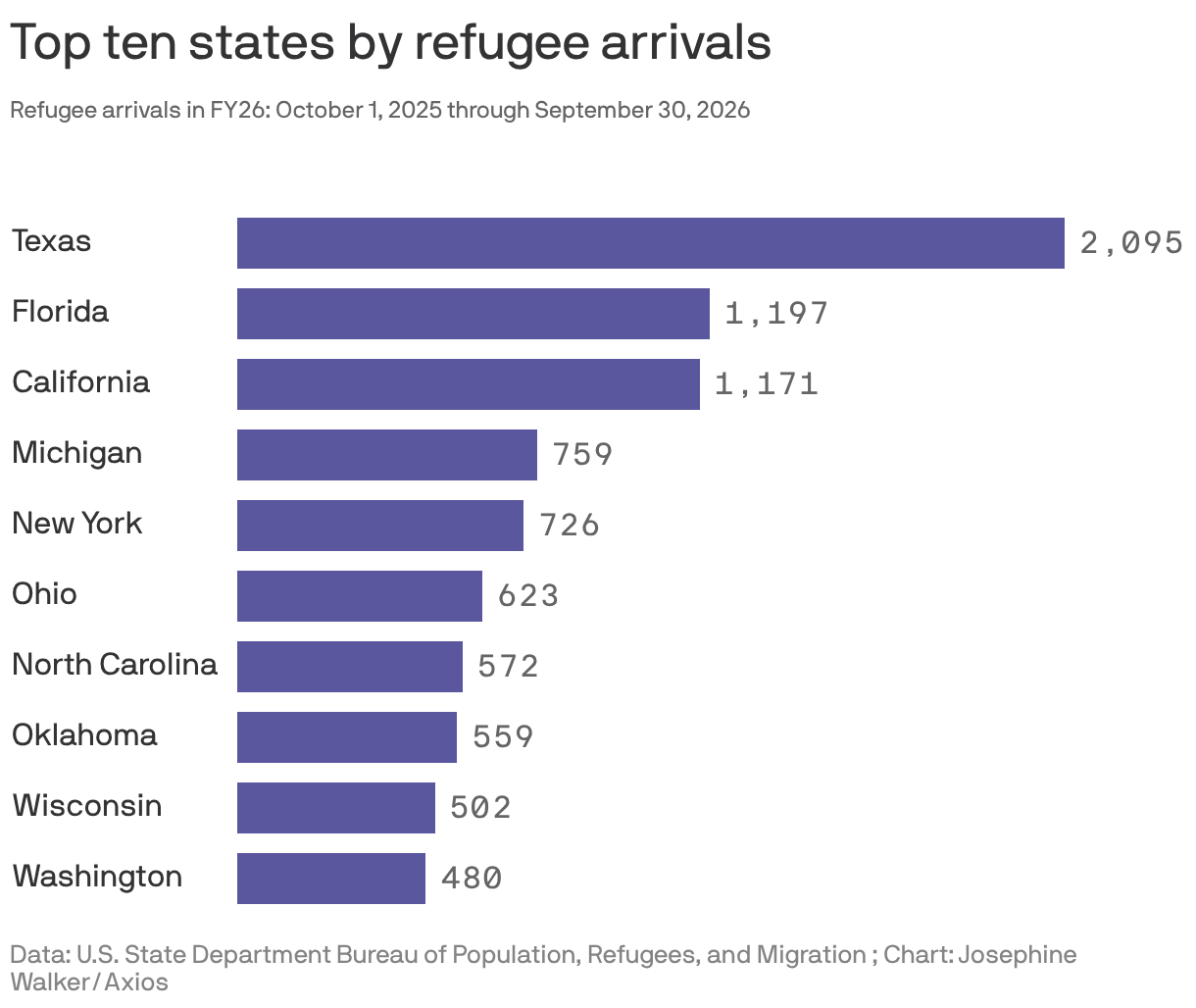
The Trump administration admitted 16,292 refugees in fiscal year 2026 — almost exclusively white South Africans — after issuing an emergency declaration midyear that more than doubled the initial refugee cap.
Why it matters: The admissions cap is still far below the number of refugees admitted under previous administrations and prioritizes white South Africans based on contested claims of persecution over millions of other refugees.
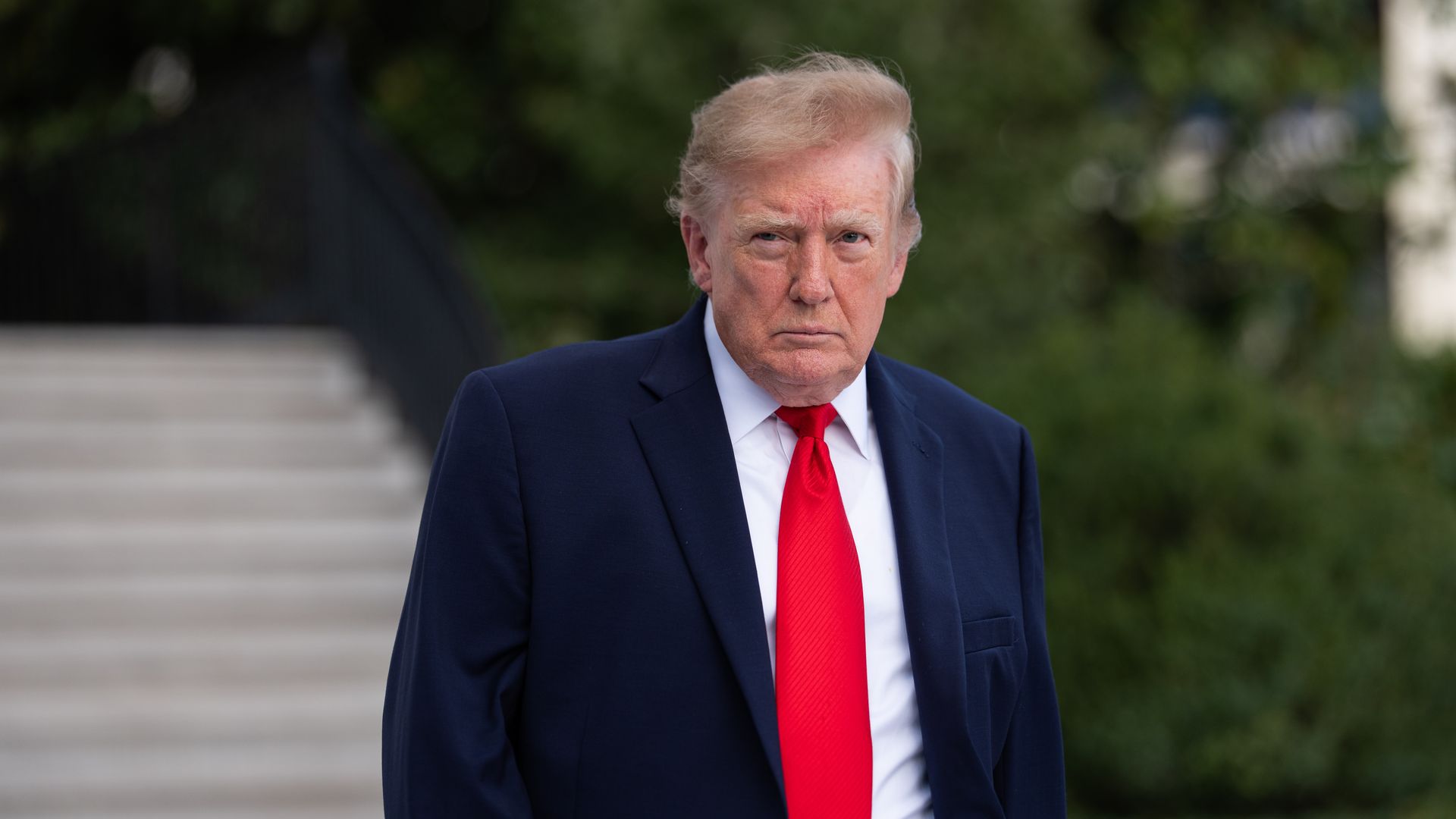
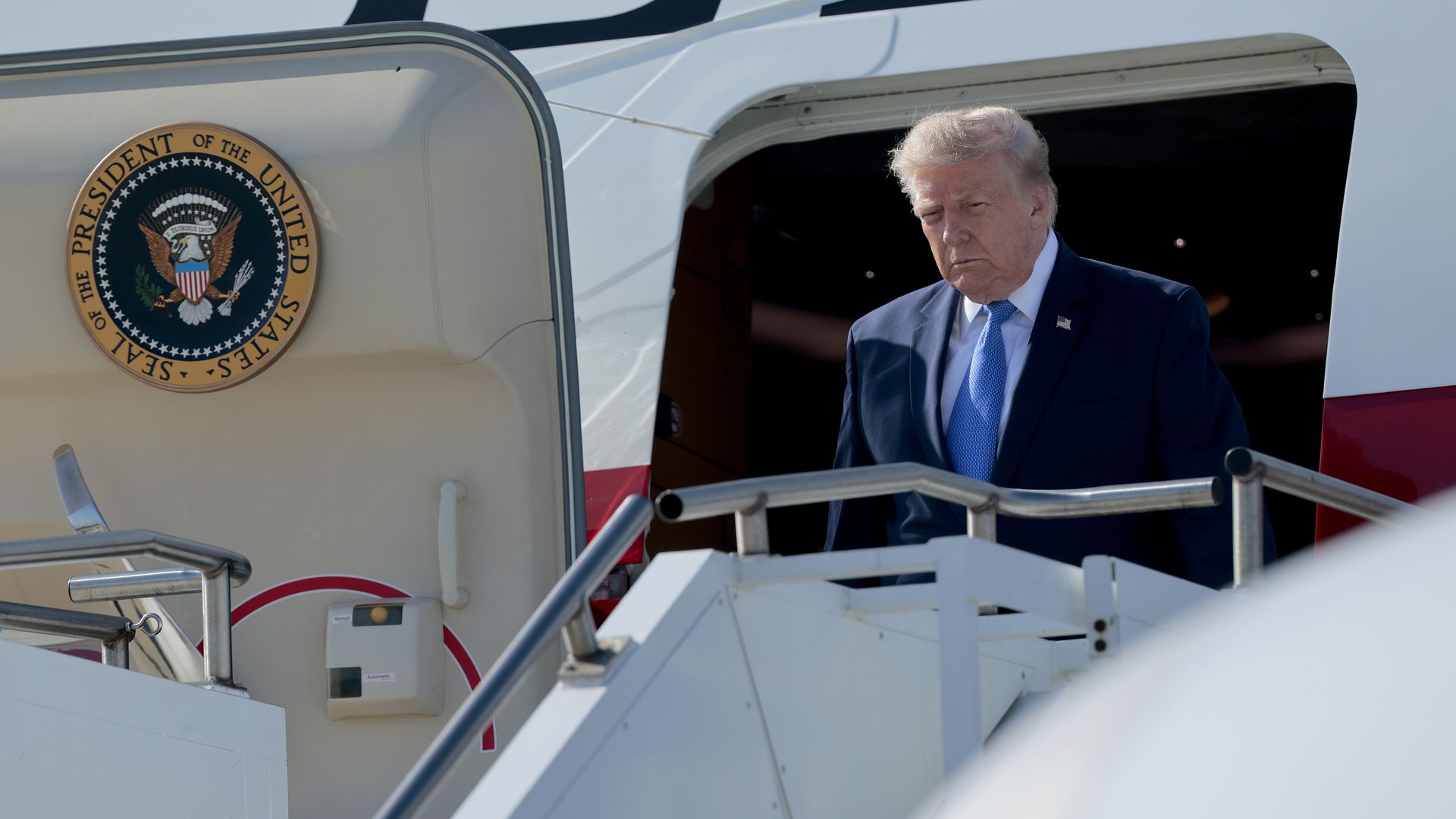
President Trump said Friday that his administration did not disrupt an Elon Musk-owned satellite system used by Ukraine to wage war against Russia.
Why it matters: The restrictions imposed earlier this week on the system hampered the Ukrainian military's ability to intercept Russian attack drones for 24 hours.
It raised concerns that the Trump administration and possibly Musk were retaliating against Ukraine for its attacks on Russian oil refineries and President Volodymyr Zelensky's criticism of Trump's diesel deal with Russia.
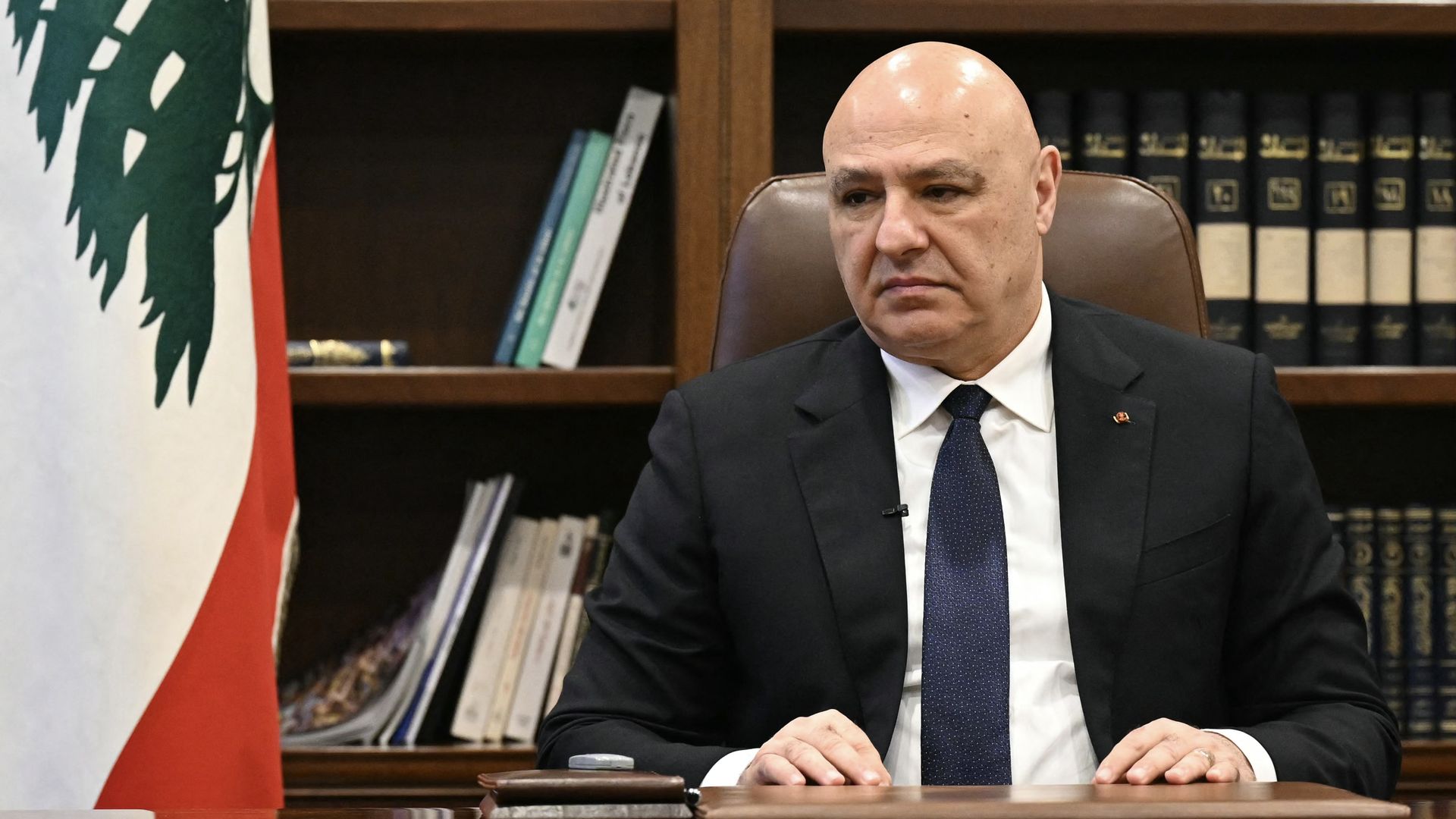
Secretary of State Marco Rubio pressed Lebanese President Joseph Aoun not to return a truckload of explosives to Hezbollah after the group tried to smuggle them into Beirut last week, according to a State Department official and another source with knowledge of their call.
Why it matters: The issue is a test case for the Lebanese government's resolve to stand up to Hezbollah and implement its policy of keeping weapons outside the control of state security forces.
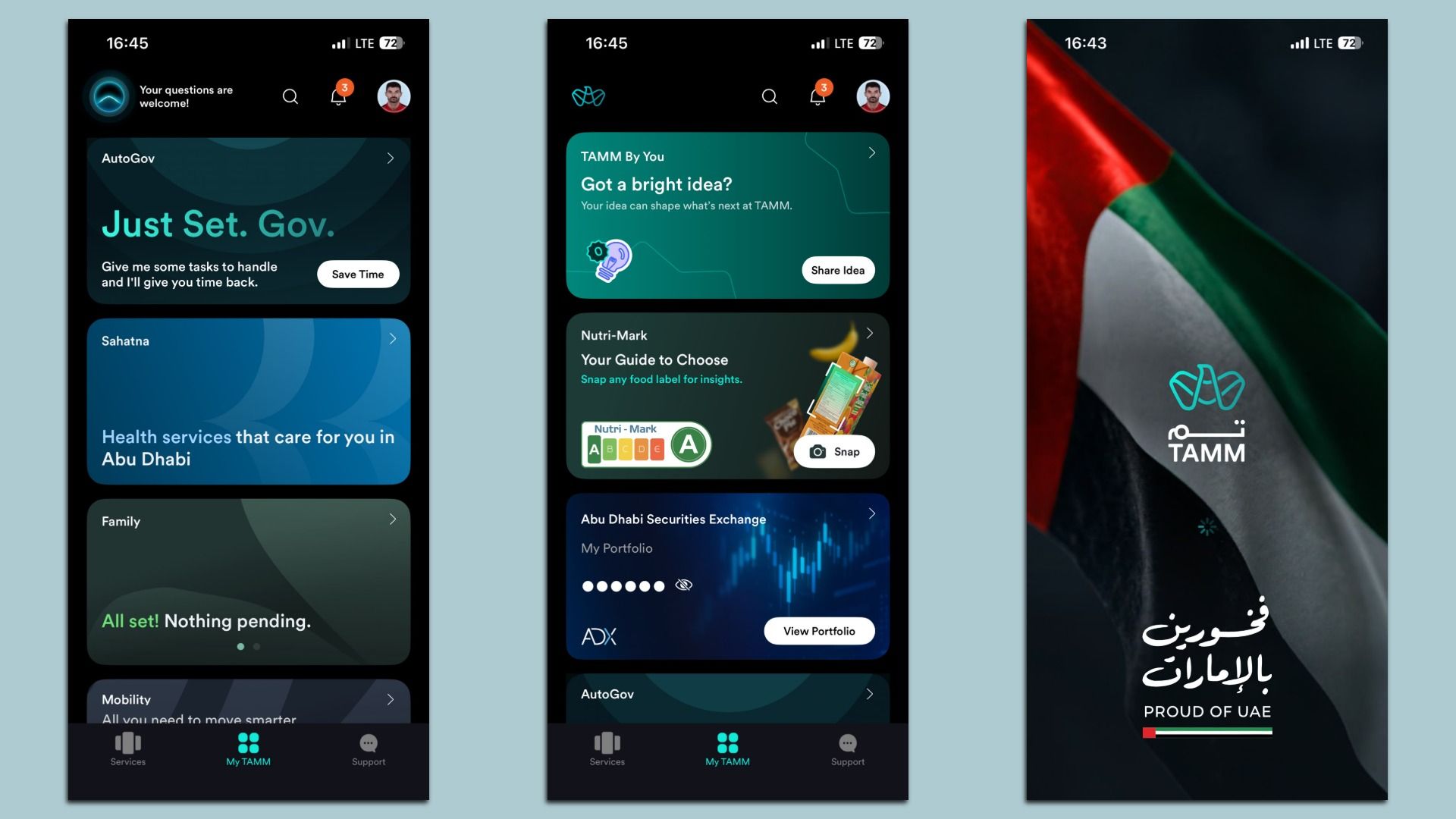
Abu Dhabi — which pioneered TAMM, an AI-driven app that eases citizens' day-to-day interactions with government — is launching TAMM Global, a new company that will make TAMM's technology and operating model available to governments worldwide.
Other governments now can modernize service delivery by licensing and deploying "bespoke versions of TAMM, adapting the platform to their own laws, policies, public services and citizen needs," the announcement says.
The Trump administration is suing California and two election officials over claims that there are suspected ineligible voters who received mail-in ballots for this November's election.
Why it matters: The lawsuit is asking the court to prevent about 20,000 voters from having their ballots counted until their citizenship status is confirmed.
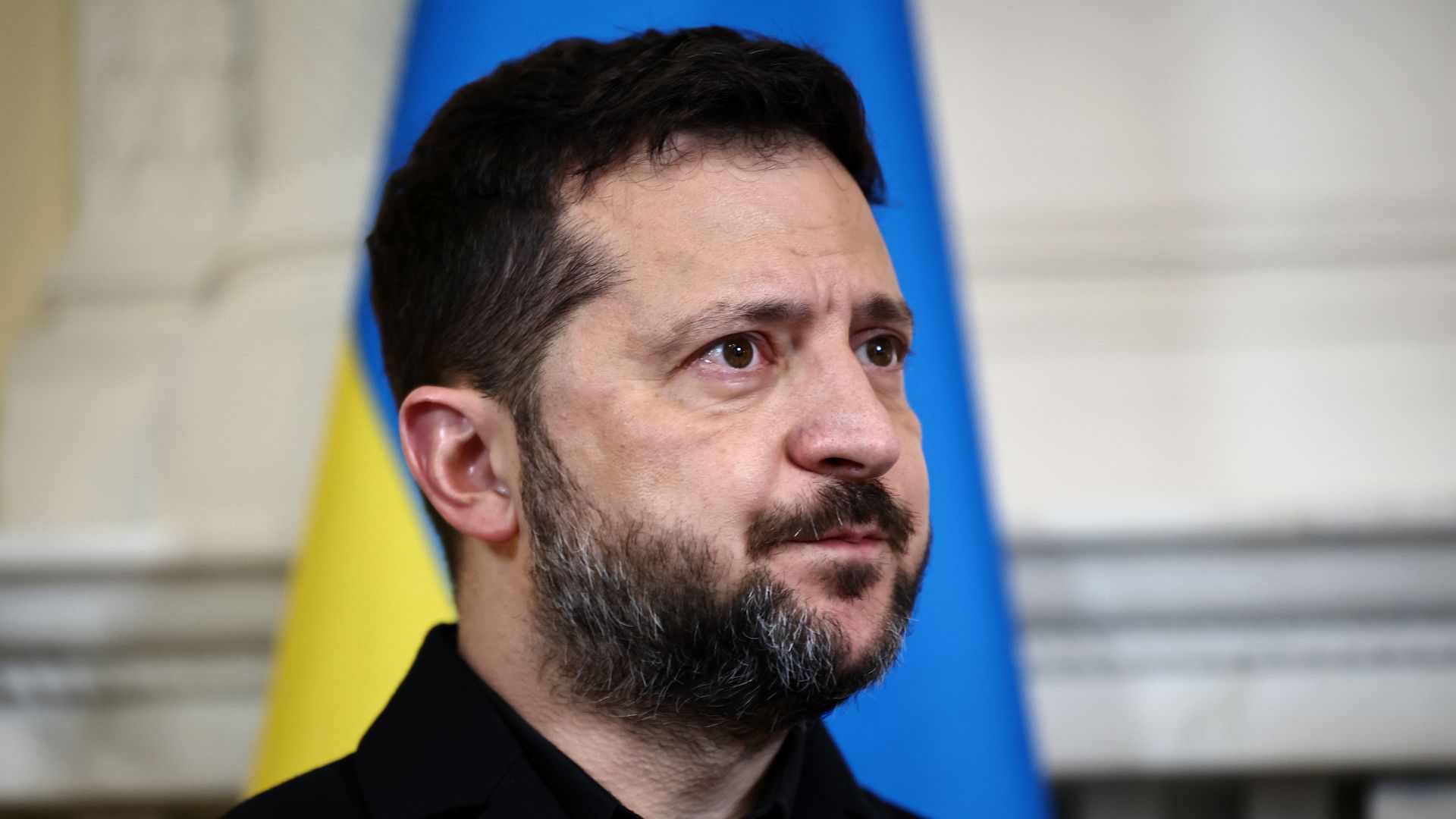
Ukraine's Starlink and Starshield satellite services — critical tools in its war against Russia that were unexpectedly throttled this week — have been restored to full capacity, a Ukrainian official tells Axios.
The official also said that Ukraine conducted a strike overnight against a Russian oil refinery — defying President Trump's demand that it stop hitting those facilities.
The Russian plague threat appears to have just been a fire drill, but it revealed an important lesson for pandemic preparedness: If something goes wrong in certain countries, don't expect them to be forthcoming about it.
Why it matters: The best outbreak response plans call for immediate action targeting the specific pathogen that's posing a threat. But that information may not be readily available at the onset.