A federal appeals court struck down the Trump administration's mandatory detention policy on Wednesday.
Why it matters: The Miami, Florida-based 11th Circuit ruling is the latest case to weigh the administration's controversial policy to hold people in immigration detention with the possibility for bond.
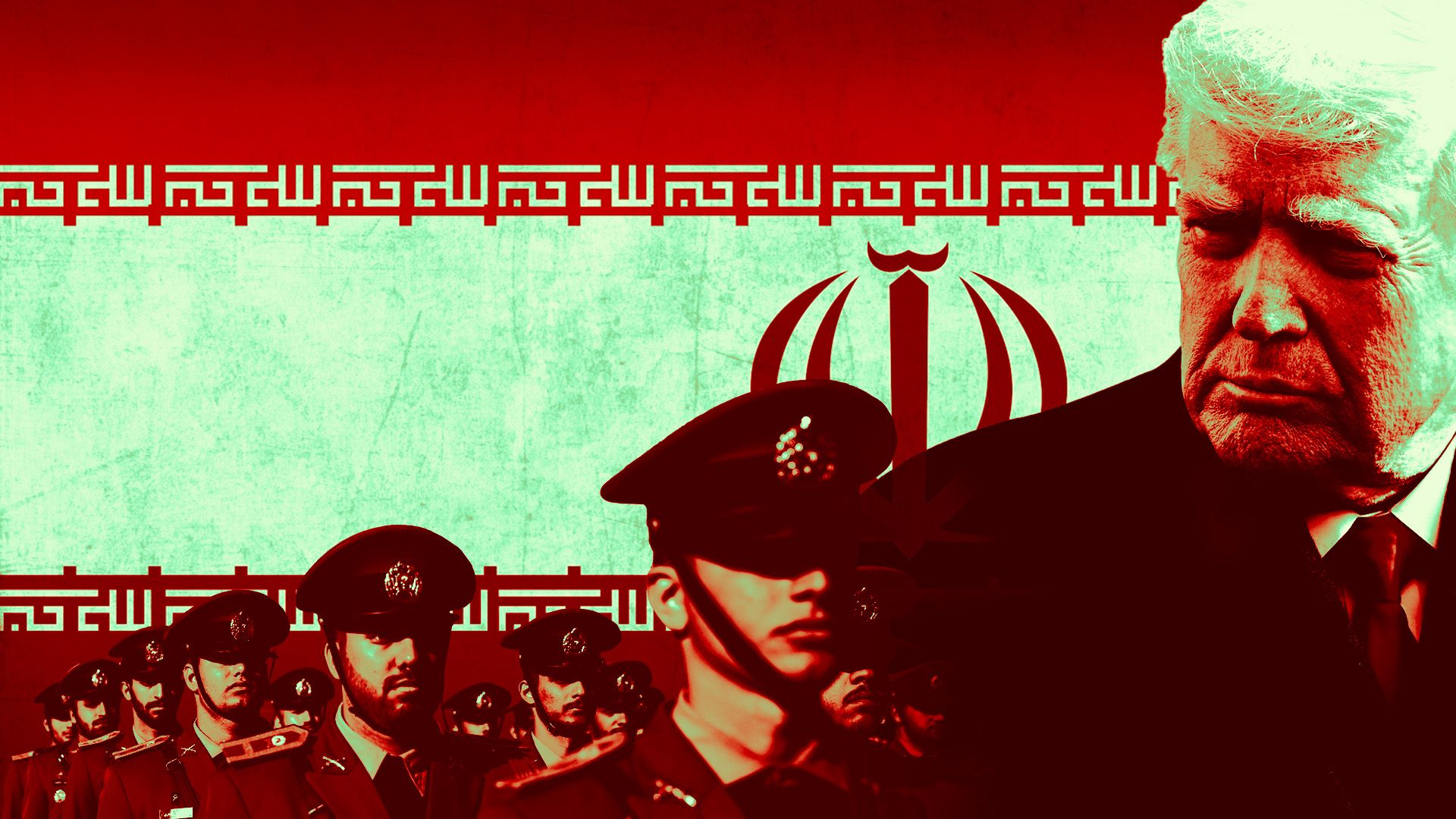
President Trump said Wednesday that the U.S. and Iran have had "good talks over the last 24 hours," and expressed confidence that a deal is possible in the coming days.
Why it matters: The White House is waiting for Iran's response to a one-page memorandum of understanding (MOU) to end the war and set a framework for more detailed nuclear negotiations, as Axios first reported.
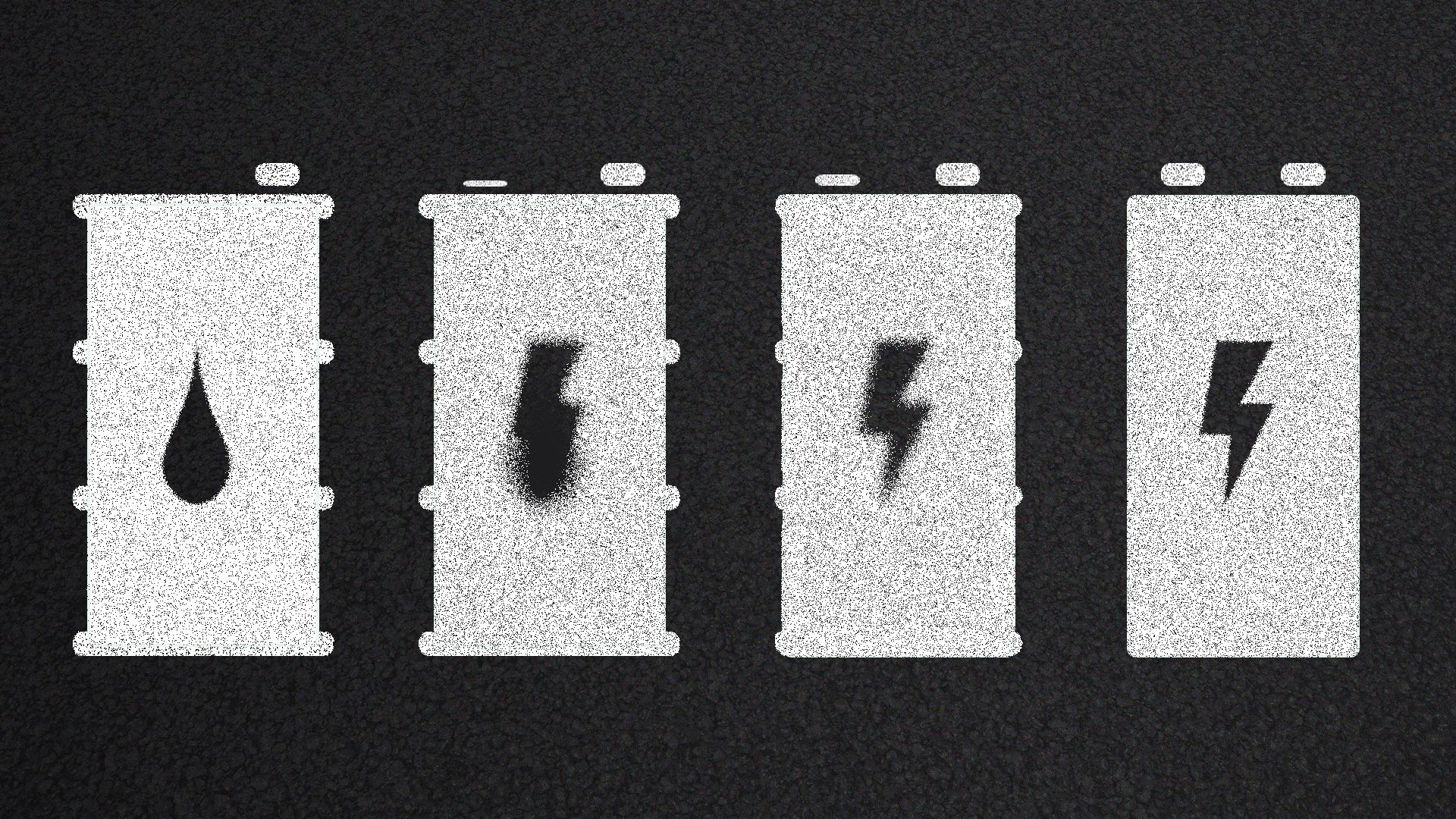
Nearly 10 weeks into the Iran war, there's new — if still anecdotal — evidence that it could bring tailwinds for global uptake of clean energy tech.
Why it matters: The energy shock highlights many nations' vulnerability to the expensive disruption of oil and gas imports — and the security case for diversifying.
The U.S. has killed more than 180 people in eight months in the Caribbean Sea and Pacific Ocean. While the headlines have slowed, the Southern Spear strikes on alleged drug runners have not.
Why it matters: The Trump administration says it's reprioritizing security in "America's neighborhood." Critics say it's carrying out an indefinite campaign of extrajudicial killings.
Public scrutiny of the operation, meanwhile, has largely faded.
The White House believes it's getting close to an agreement with Iran on a one-page memorandum of understanding to end the war and set a framework for more detailed nuclear negotiations, according to two U.S. officials and two other sources briefed on the issue.
The big picture: The U.S. expects Iranian responses on several key points in the next 48 hours. Nothing has been agreed yet, but the sources said this was the closest the parties had been to an agreement since the war began.
President Trump said Tuesday he's suspending the new U.S. military operation in the Strait of Hormuz due to progress in the negotiations with Iran on an agreement to end the war.
Why it matters: The operation to "guide" ships through the Strait of Hormuz, which was launched Monday, led to an exchange of fire between the U.S. and Iran and to Iranian missile attacks on the United Arab Emirates for the first time since the ceasefire was announced a month ago.
The downfall of Spirit Airlines is casting a spotlight on the future of its budget carrier rival, Frontier Airlines, which is facing many of the same challenges.
Why it matters: The jet fuel price spike was the last straw for Spirit — which ceased operations early Saturday — and it's posing a serious challenge to Frontier, as well.
President Trump's immigration crackdown has not expanded job opportunities for American workers, a new study found — in fact, it's associated with an employment drain for some U.S.-born men.
Why it matters: The narrative of undocumented immigrants "taking" Americans' jobs has long been a propelling force behind the president's ICE enforcement push. But research suggests his mass deportations aren't clearing the way for U.S.-born workers in the job market.
Even with rising inflation, uncertainty around the war in Iran and surging oil prices, advertising-based companies continue to forecast strong growth, thanks to broad optimism in the markets fueled by AI.
Why it matters: For now, forecasters aren't baking macroeconomic chaos — including possible constraints on the supply chain — into their projections, but that could change if the Strait of Hormuz remains blocked.
A high-level Trump administration official informed Iran on Sunday of the impending U.S. operation to "guide" ships through the Strait of Hormuz and warned Tehran not to interfere, according to a U.S. official and a source with knowledge.
Why it matters: The private message suggests the White House wanted to mitigate the risk of potential escalation. But despite the warning, the Iranians launched a string of attacks on U.S. Navy ships, commercial vessels and the United Arab Emirates.
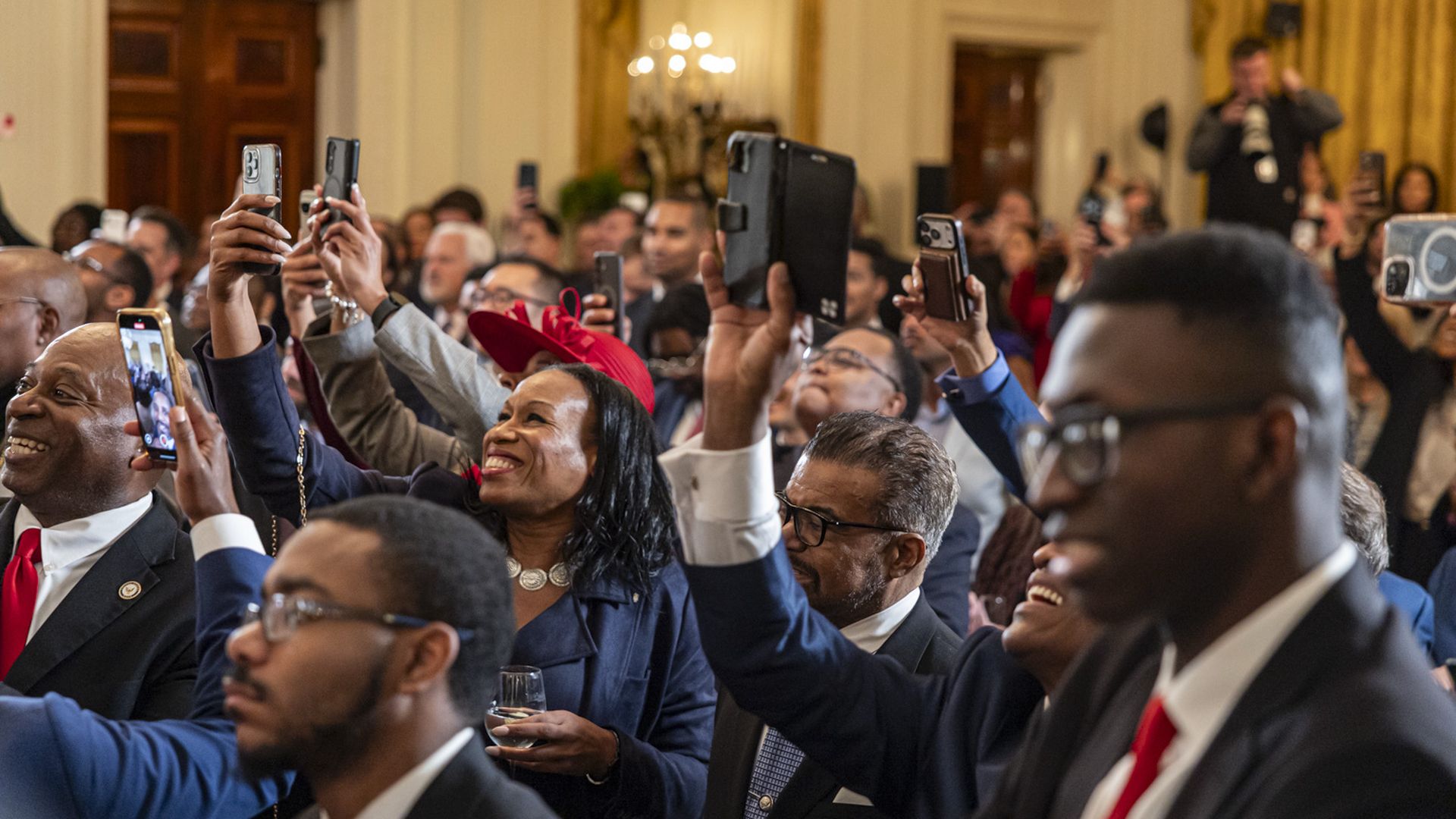
A generational and structural shift is decoupling Black identity from Democratic Party loyalty, transforming a once-reliable voting bloc into a cohort of "political free agents" that the GOP is uniquely positioned to exploit.
Why it matters: Even modest GOP gains — combined with weakening party loyalty — could make a big difference in close elections in a post-Voting Rights Act world.
The gasoline price surge is reigniting political chatter about suspending the federal tax on the fuel to help consumers, thanks to a recent round of populist proposals from high-profile Democrats.
Why it matters: It's one of those go-to ideas that never actually happens, but often surfaces when prices climb.