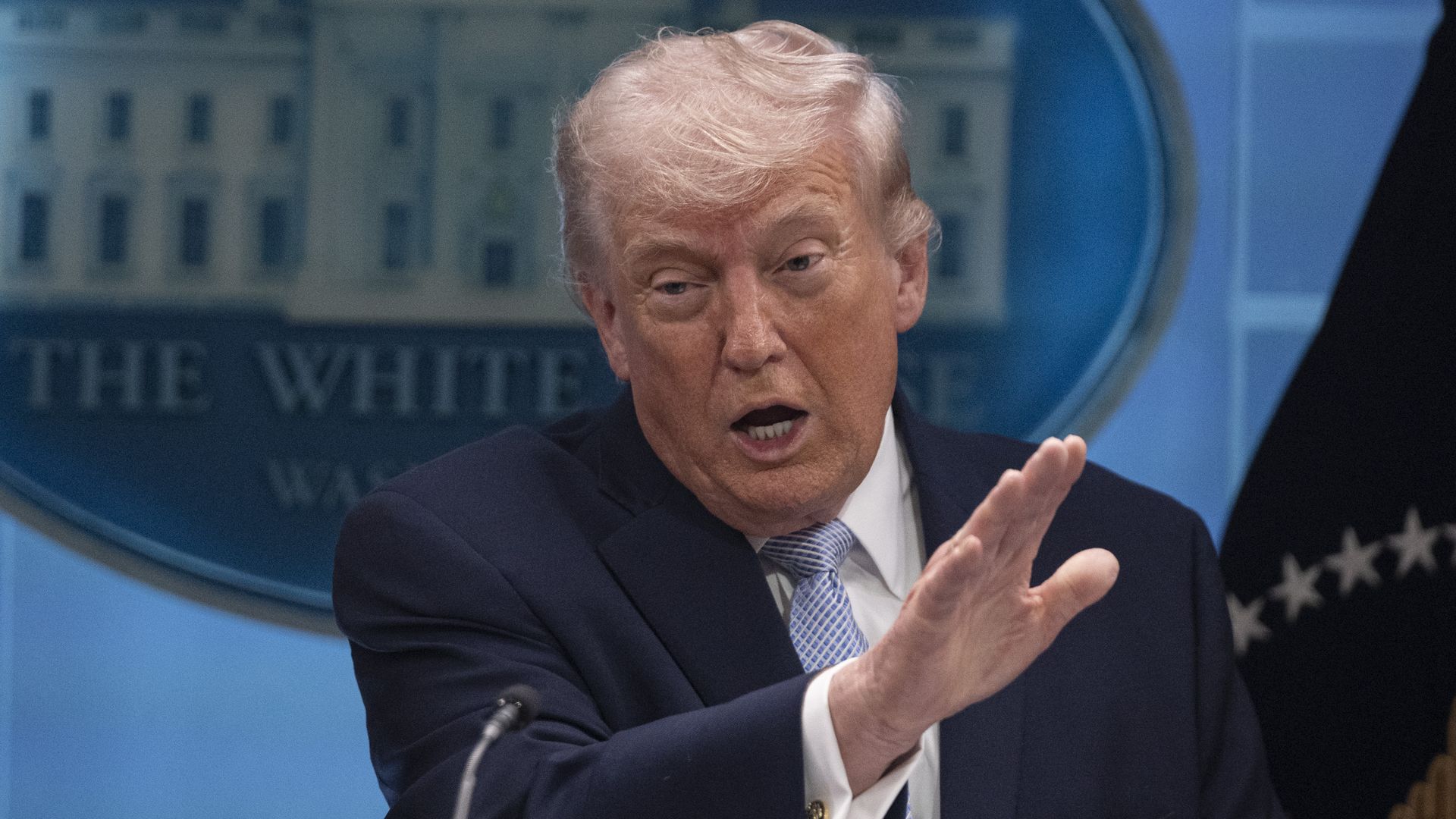
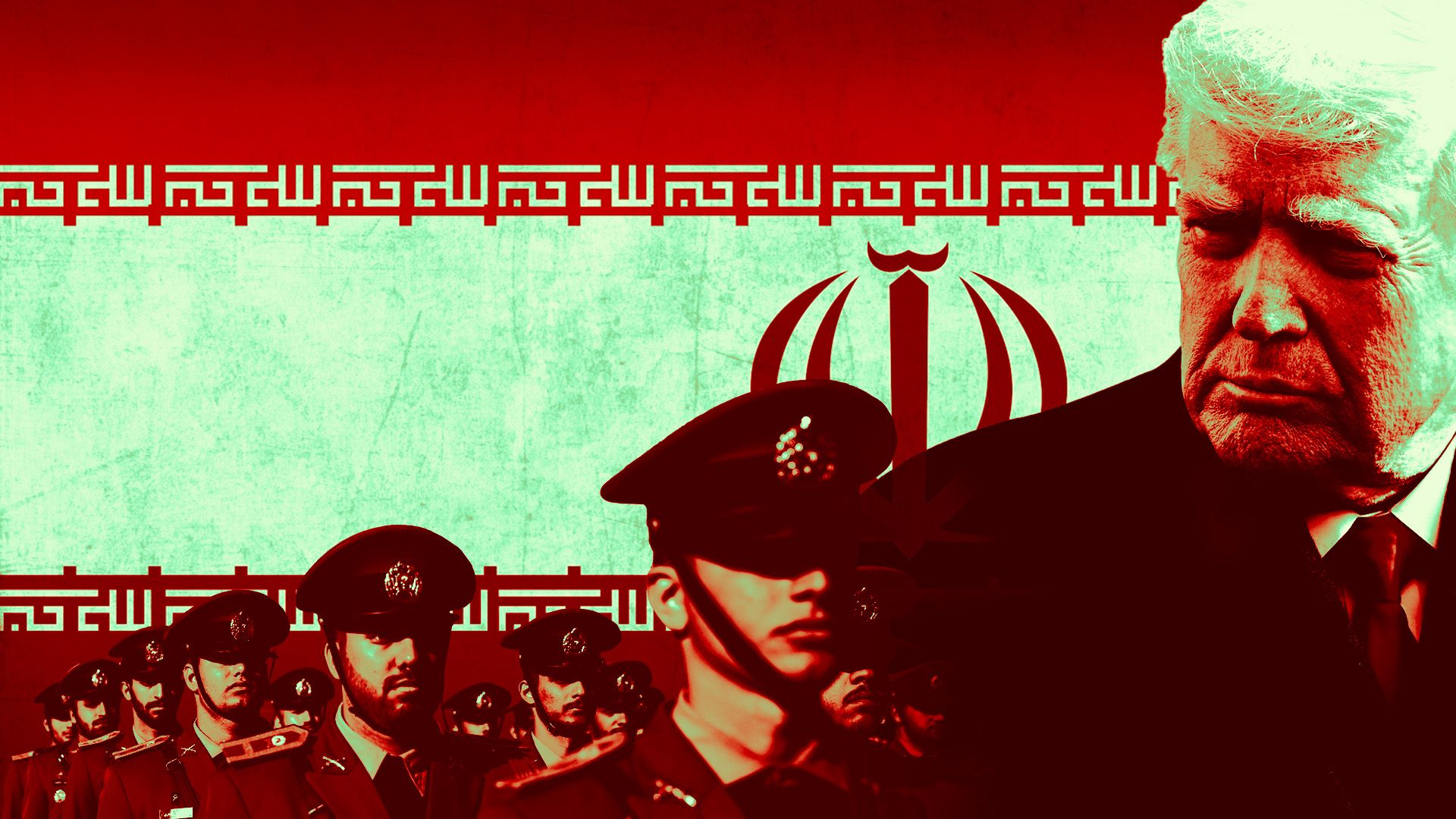
President Trump's declaration that hostilities with Iran are "terminated" has thrown Democrats' strategy around congressional war powers into turmoil, Axios has learned.
Why it matters: House Democrats, led by the Congressional Progressive Caucus, had been planning to force a war powers vote every day. It is now unclear whether that will — or even can — happen.
The U.S. and Iran both conducted attacks in the Strait of Hormuz on Thursday, with Iran firing missiles and drones at three U.S. naval vessels and the U.S. striking a range of Iranian targets.
Why it matters: A U.S. official told Axios the exchange did not constitute a resumption of the war, but the Iranian military described the U.S. strikes as a ceasefire violation and threatened retaliation.
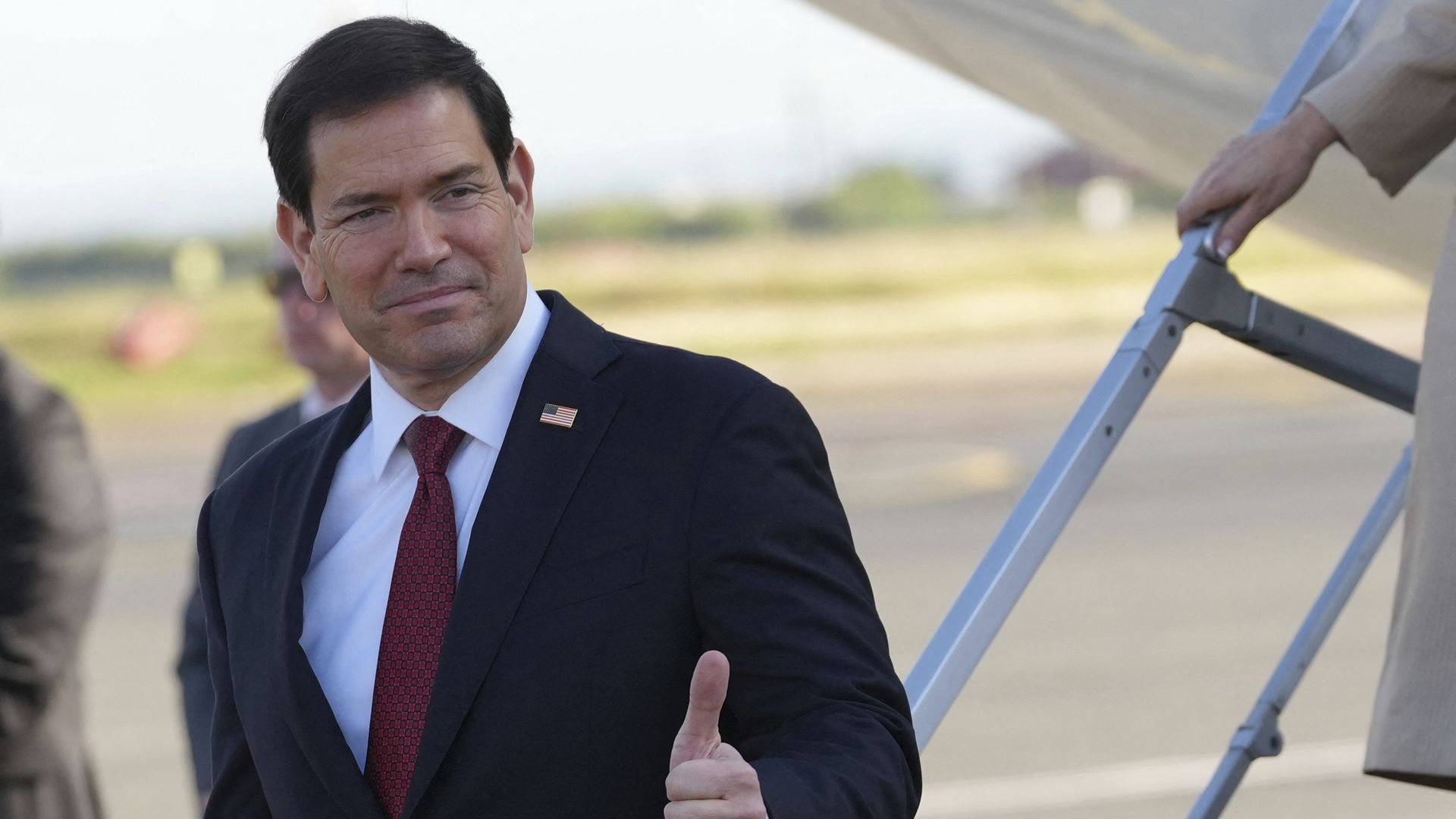
Secretary of State Marco Rubio announced new sanctions Thursday on Cuba's military-industrial enterprise, its leader and a state-owned natural resources company.
Why it matters: The new sanctions show the Trump administration is pushing forward for regime change in Cuba, a long-held goal of Rubio and President Trump.
If the U.S. stock market is now largely a bet on the AI boom, then South Korea's market is a supersized, turbocharged version of that wager.
Why it matters: Investors' optimism about the promise of AI is global, but such a concentration of wealth in one sector could be risky in a market downturn.
If a U.S.-Iran peace deal actually happens this time — and that's still a big if — consumers have a long road ahead before filling up returns all the way to the good old days of early 2026.
Why it matters: Even if the Strait of Hormuz opened right away, pump prices will likely remain higher — maybe a lot higher — than pre-war levels at least through the midterm elections.
A federal appeals court struck down the Trump administration's mandatory detention policy on Wednesday.
Why it matters: The Miami, Florida-based 11th Circuit ruling is the latest case to weigh the administration's controversial policy to hold people in immigration detention with the possibility for bond.
President Trump said Wednesday that the U.S. and Iran have had "good talks over the last 24 hours," and expressed confidence that a deal is possible in the coming days.
Why it matters: The White House is waiting for Iran's response to a one-page memorandum of understanding (MOU) to end the war and set a framework for more detailed nuclear negotiations, as Axios first reported.
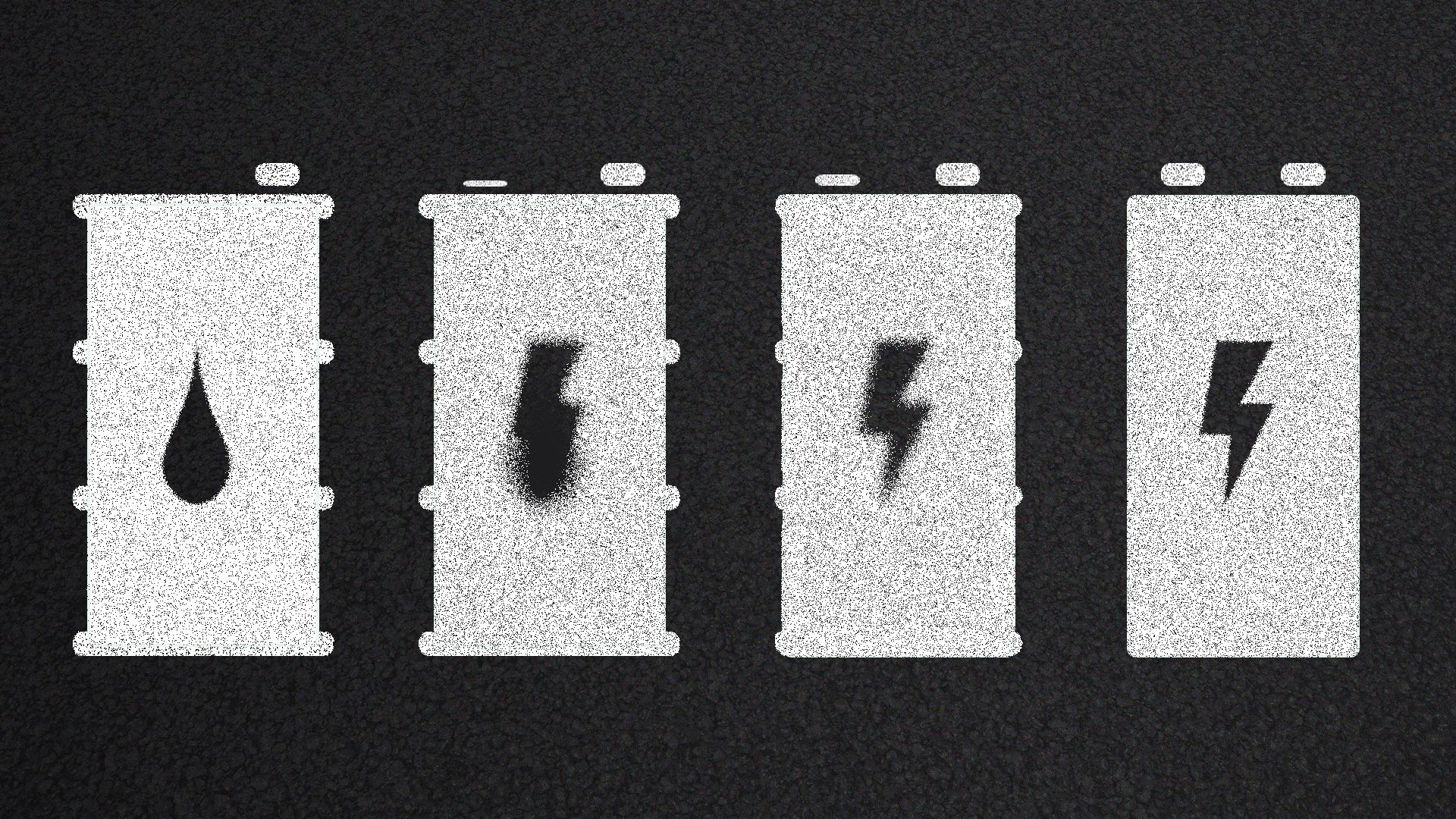
Nearly 10 weeks into the Iran war, there's new — if still anecdotal — evidence that it could bring tailwinds for global uptake of clean energy tech.
Why it matters: The energy shock highlights many nations' vulnerability to the expensive disruption of oil and gas imports — and the security case for diversifying.
The U.S. has killed more than 180 people in eight months in the Caribbean Sea and Pacific Ocean. While the headlines have slowed, the Southern Spear strikes on alleged drug runners have not.
Why it matters: The Trump administration says it's reprioritizing security in "America's neighborhood." Critics say it's carrying out an indefinite campaign of extrajudicial killings.
Public scrutiny of the operation, meanwhile, has largely faded.
The White House believes it's getting close to an agreement with Iran on a one-page memorandum of understanding to end the war and set a framework for more detailed nuclear negotiations, according to two U.S. officials and two other sources briefed on the issue.
The big picture: The U.S. expects Iranian responses on several key points in the next 48 hours. Nothing has been agreed yet, but the sources said this was the closest the parties had been to an agreement since the war began.