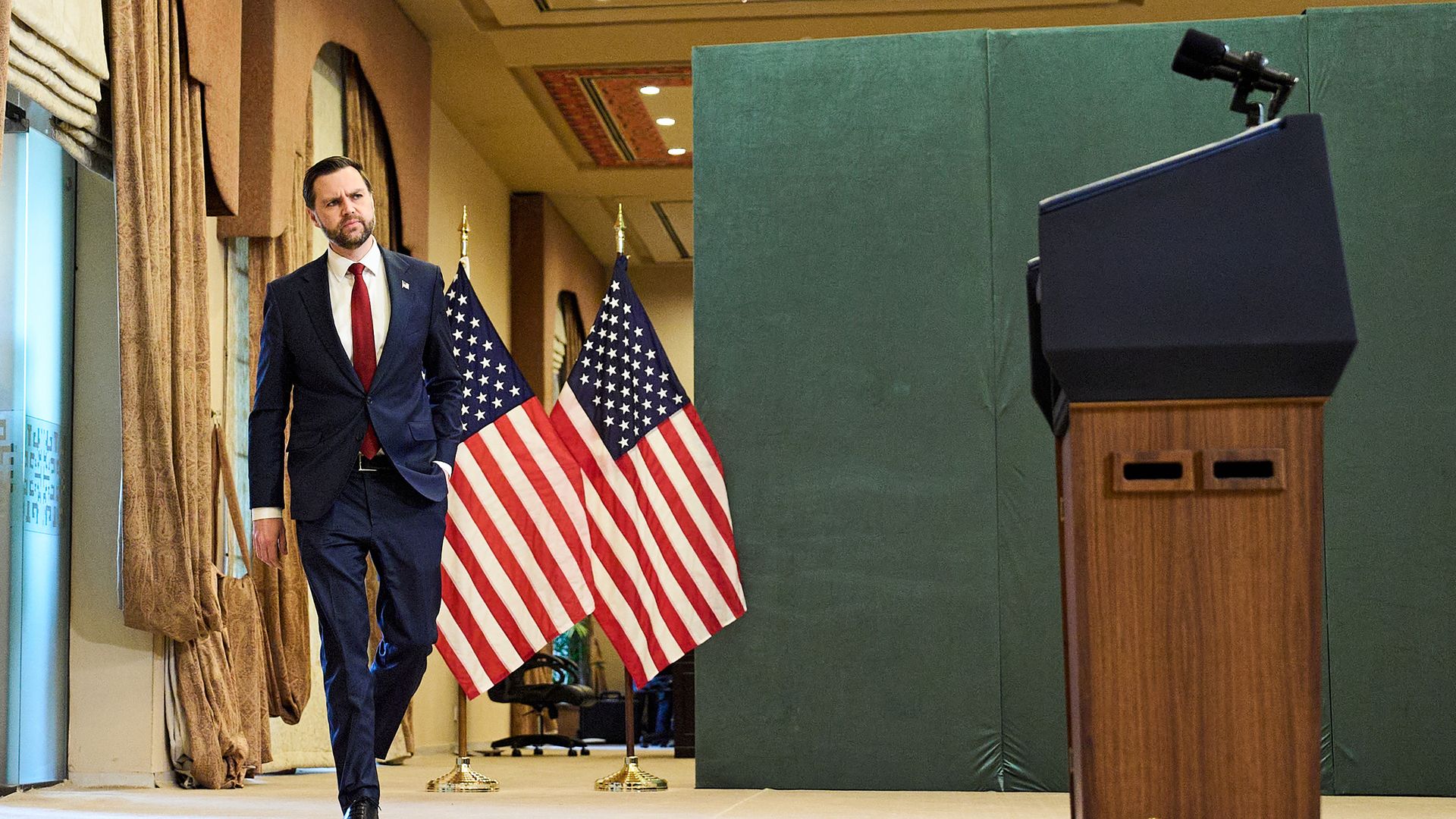
As the U.S. awaits the Iranian response to the draft agreement to end the war, Vice President Vance met Friday with one of the key mediators, Qatari Prime Minister Sheikh Mohammed Bin Abdul Rahman al-Thani.
Why it matters: While Pakistan has been the official mediator between the U.S. and Iran since the beginning of the war, the Qataris have continued working behind the scenes. The White House views them as especially effective in negotiations with Iran, U.S. officials say.
The U.S. labor market has found its footing: A yearlong pattern of whipsawing between job gains and losses is finally breaking, a sign that stabilization is taking hold.
Why it matters: The labor market is holding up despite a wall of headwinds, including an energy shock stemming from the Iran war and the uncertainty that comes with the conflict. So far, the damage that was expected to ripple through hiring simply hasn't shown up.
The Court of International Trade on Thursday ruled that President Trump's newest round of tariffs were illegal — but the duties will keep collecting for most importers while the administration appeals.
Why it matters: It is yet another legal setback for the White House's trade policy — this time ruling against the suite of tariffs that officials imposed to replace those struck down by the Supreme Court.
The U.S. economy added 115,000 jobs in April, while the unemployment rate held at 4.3%, the Labor Department said on Friday.
Why it matters: Employers kept hiring through the Iran war's energy shock, a sign of labor market resilience that complicates the case for the Federal Reserve to cut interest rates.
The Trump administration appears poised to reshape the U.S. approach to AI security ahead of President Trump's trip to China next week.
Why it matters: What happens next could be the turning point for how the Trump White House handles the proliferation of the most advanced AI models in the world.
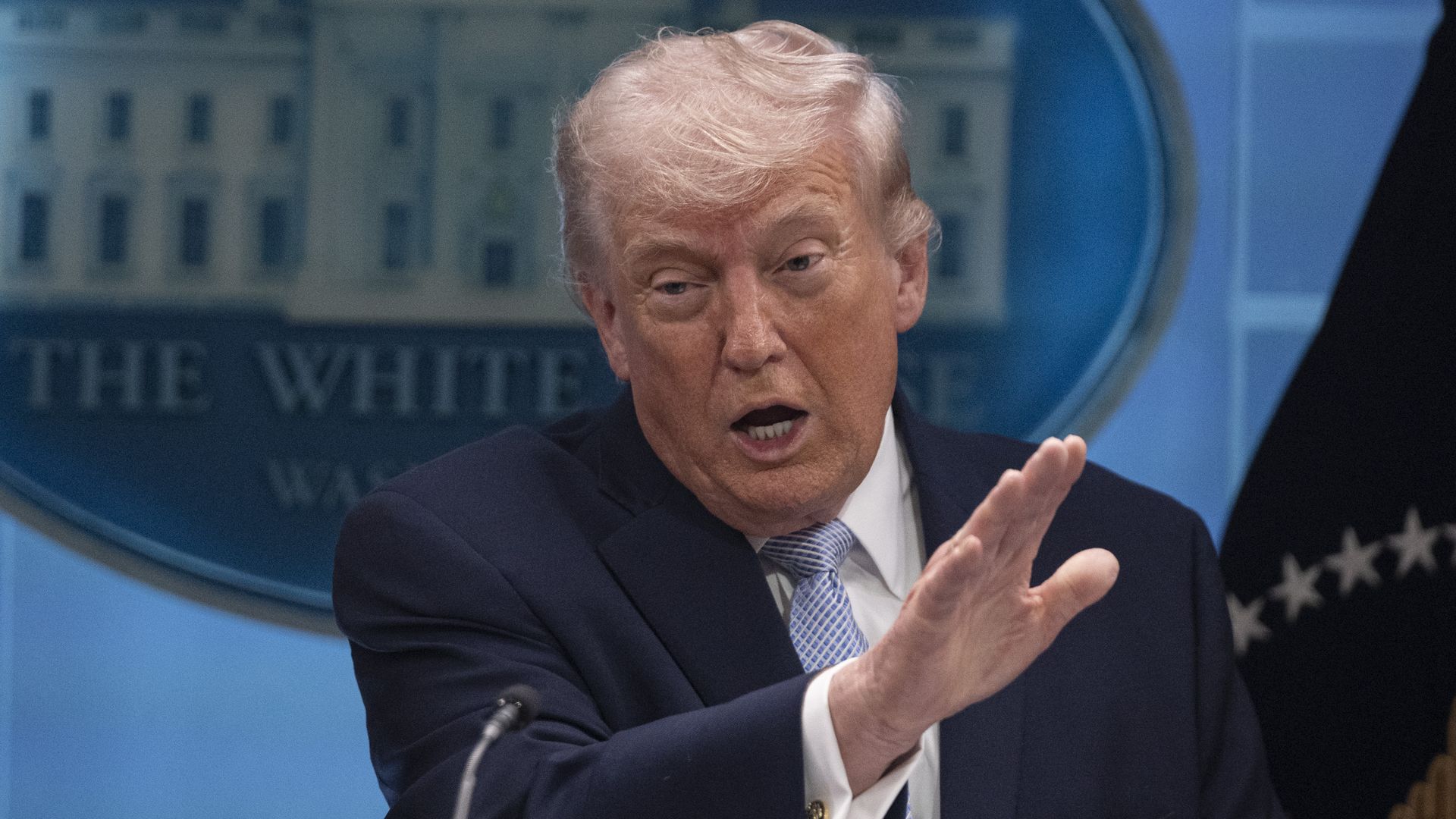
President Trump's declaration that hostilities with Iran are "terminated" has thrown Democrats' strategy around congressional war powers into turmoil, Axios has learned.
Why it matters: House Democrats, led by the Congressional Progressive Caucus, had been planning to force a war powers vote every day. It is now unclear whether that will — or even can — happen.
The U.S. and Iran both conducted attacks in the Strait of Hormuz on Thursday, with Iran firing missiles and drones at three U.S. naval vessels and the U.S. striking a range of Iranian targets.
Why it matters: A U.S. official told Axios the exchange did not constitute a resumption of the war, but the Iranian military described the U.S. strikes as a ceasefire violation and threatened retaliation.
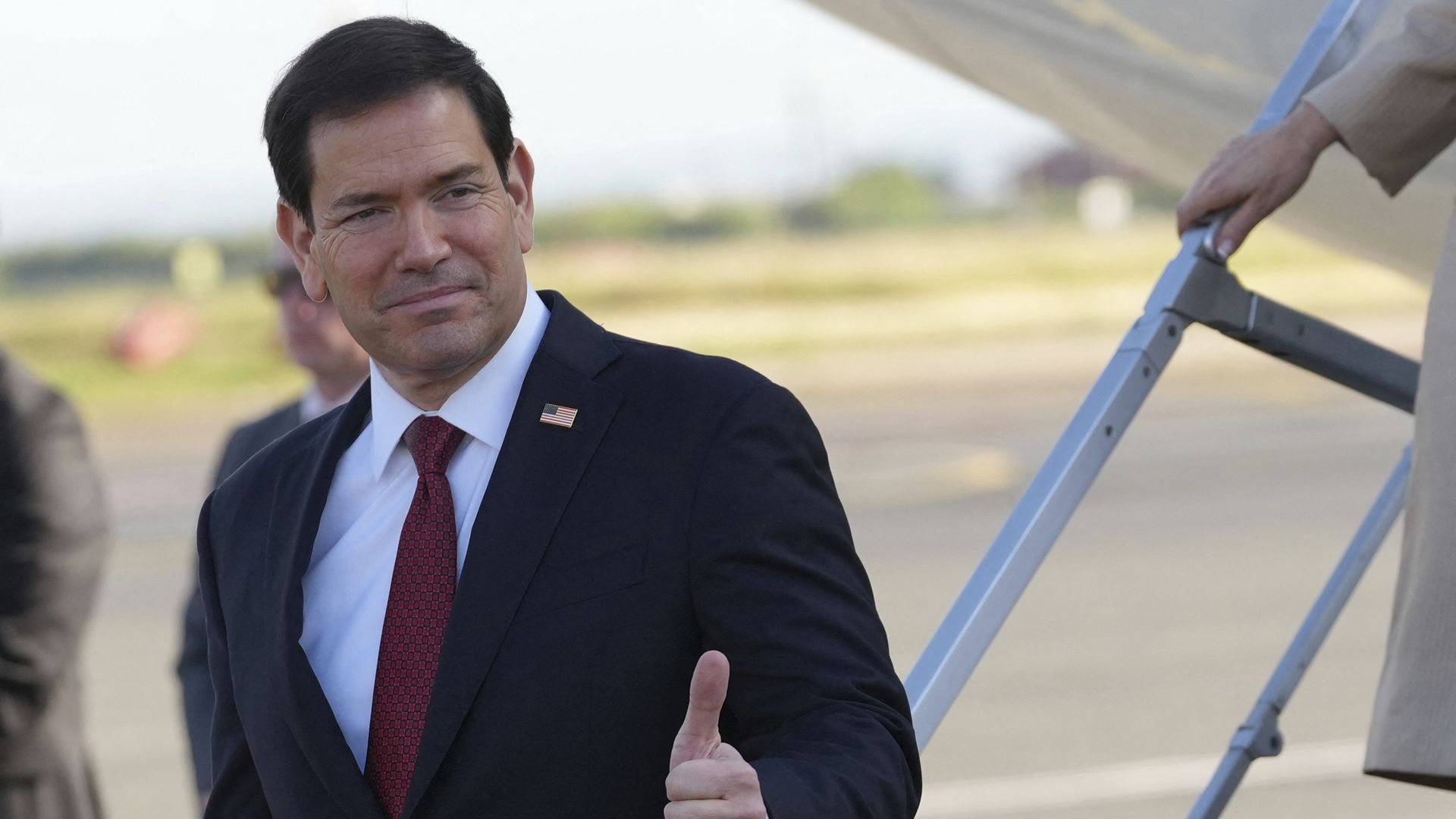
Secretary of State Marco Rubio announced new sanctions Thursday on Cuba's military-industrial enterprise, its leader and a state-owned natural resources company.
Why it matters: The new sanctions show the Trump administration is pushing forward for regime change in Cuba, a long-held goal of Rubio and President Trump.
If the U.S. stock market is now largely a bet on the AI boom, then South Korea's market is a supersized, turbocharged version of that wager.
Why it matters: Investors' optimism about the promise of AI is global, but such a concentration of wealth in one sector could be risky in a market downturn.