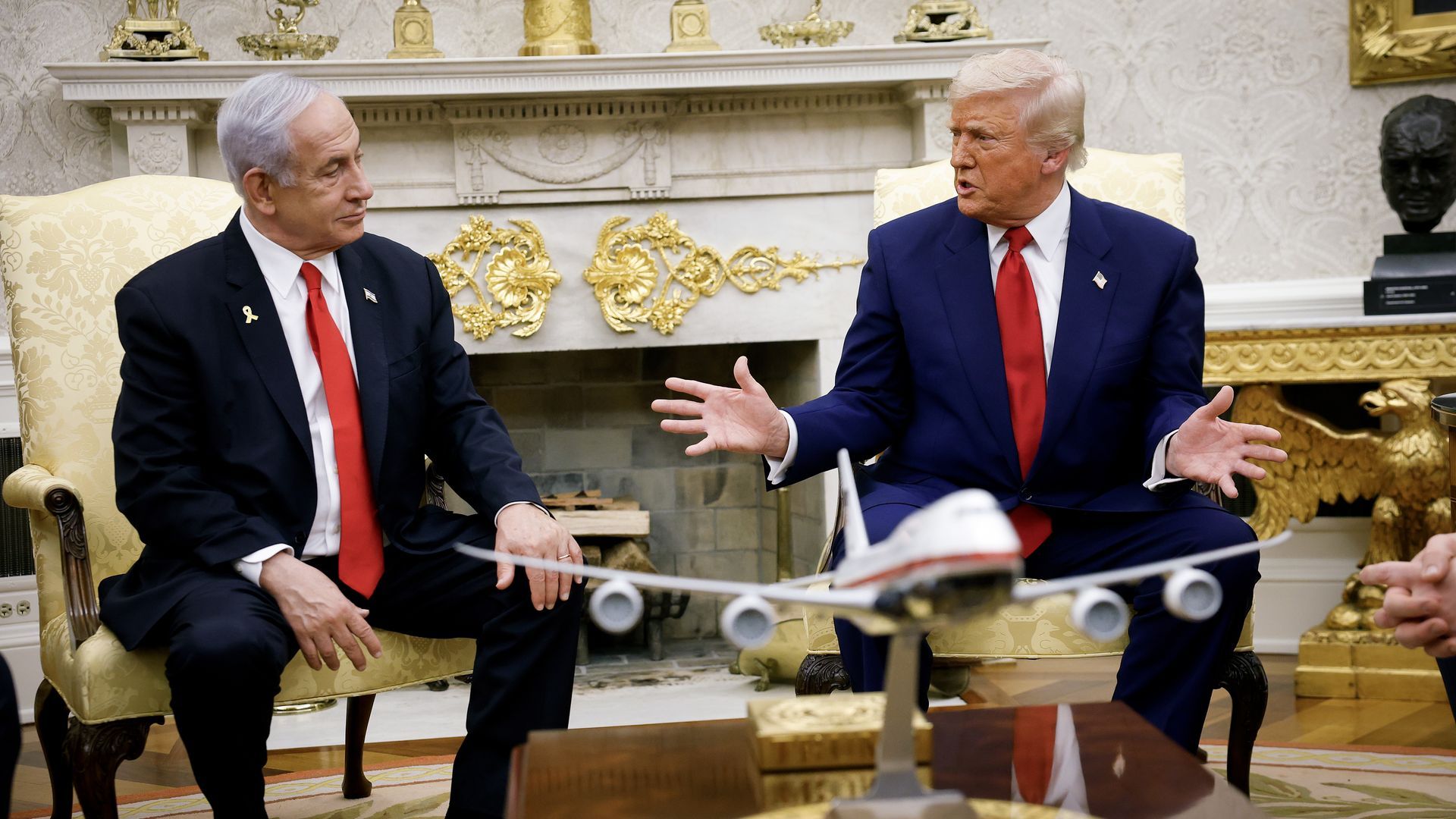
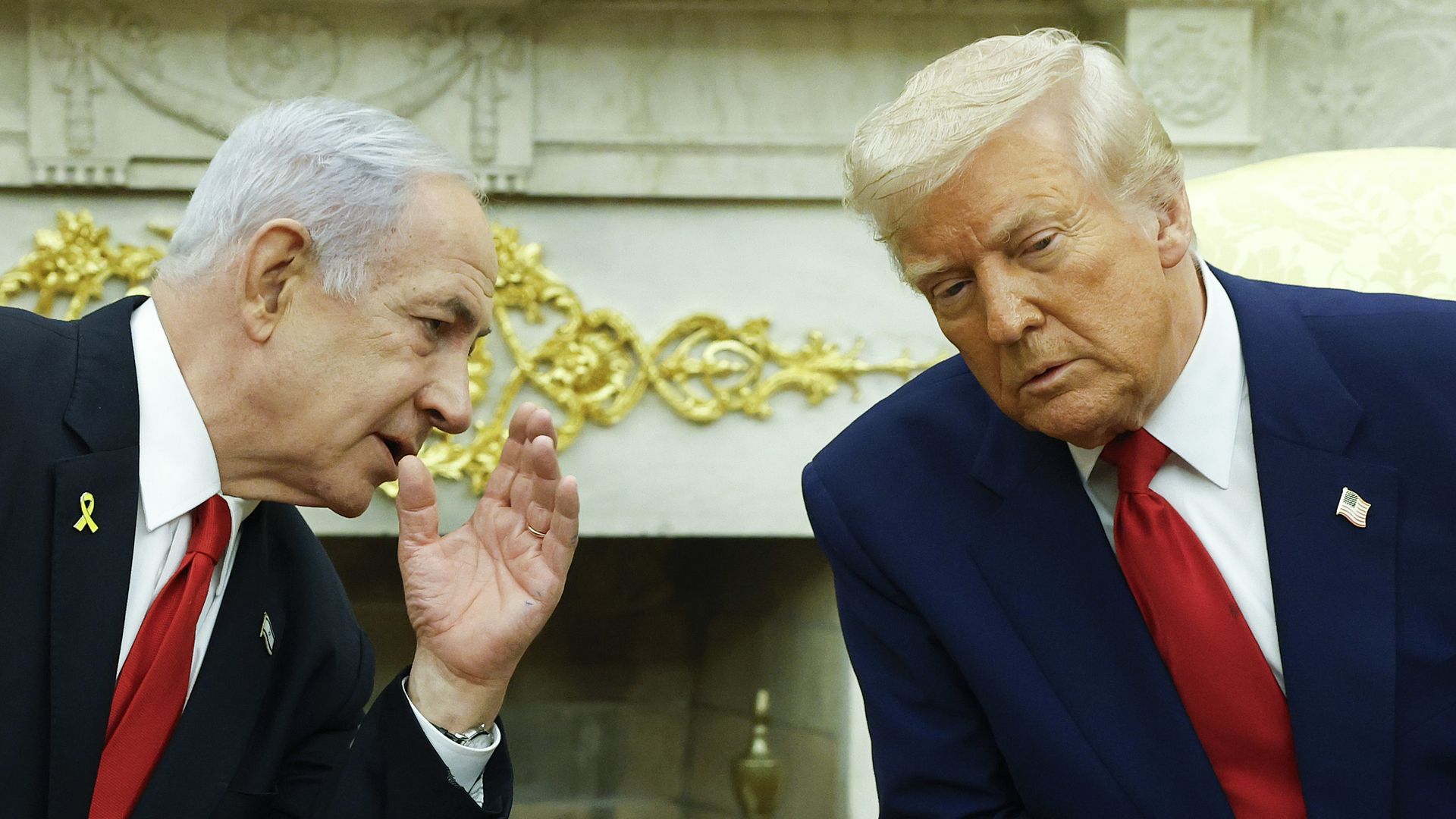
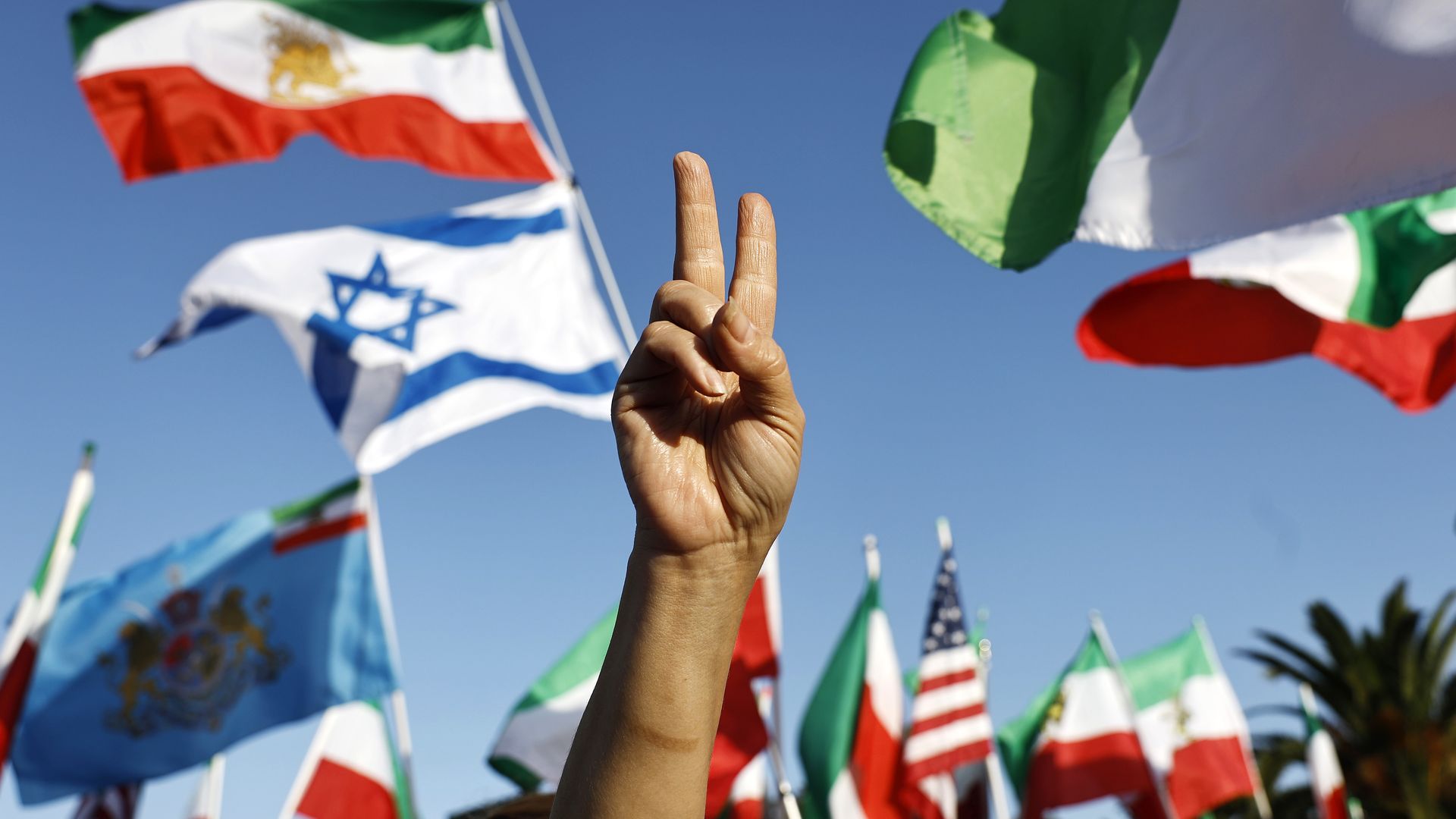
President Trump called on Wednesday for Israeli Prime Minister Benjamin Netanyahu's corruption trial to be "cancelled immediately" or for giving him a pardon.
Why it matters: Trump's comments in a post on his Truth Social account were an unprecedented intervention by a U.S. president in a legal proceeding in another democratic ally.
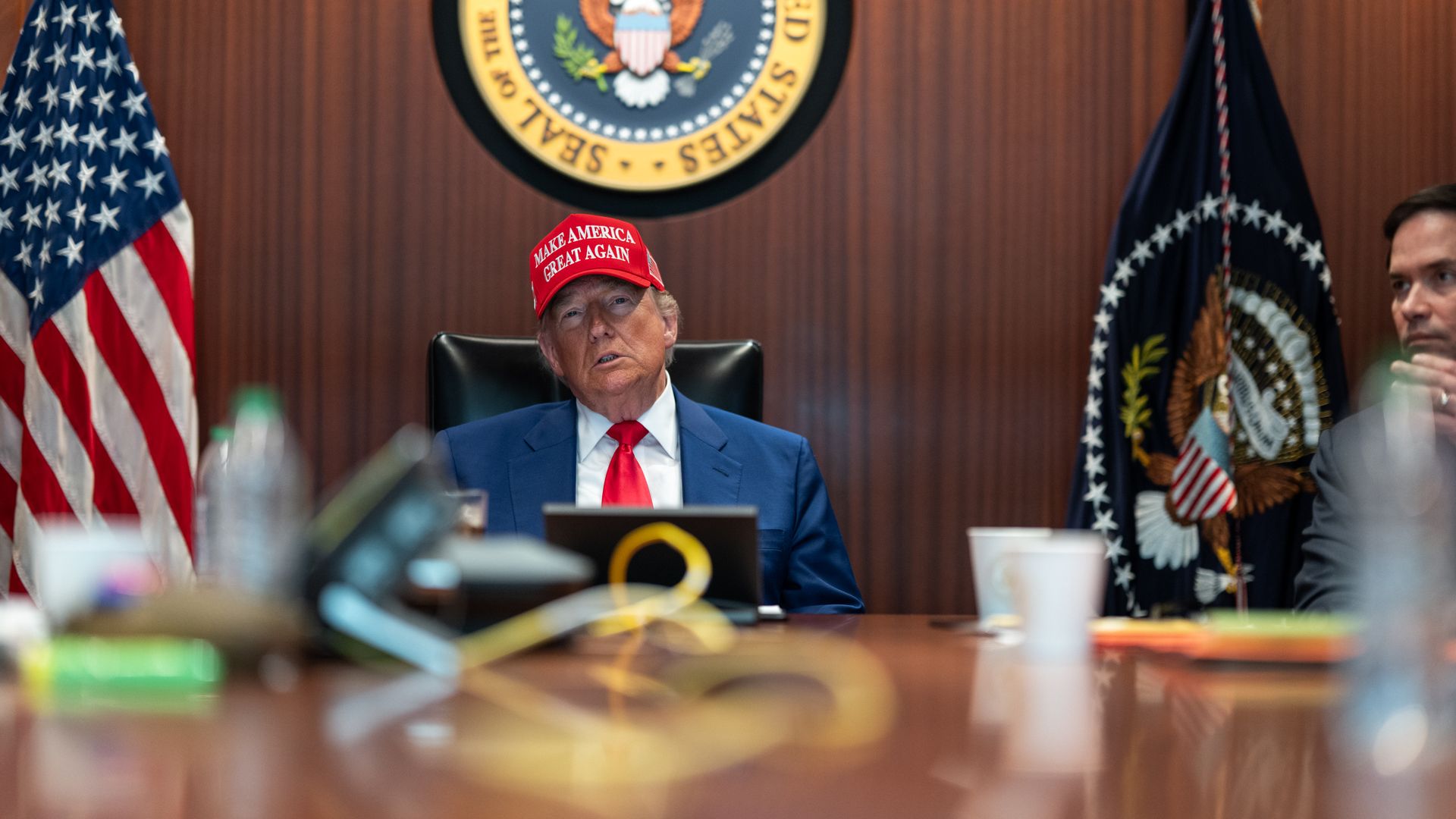
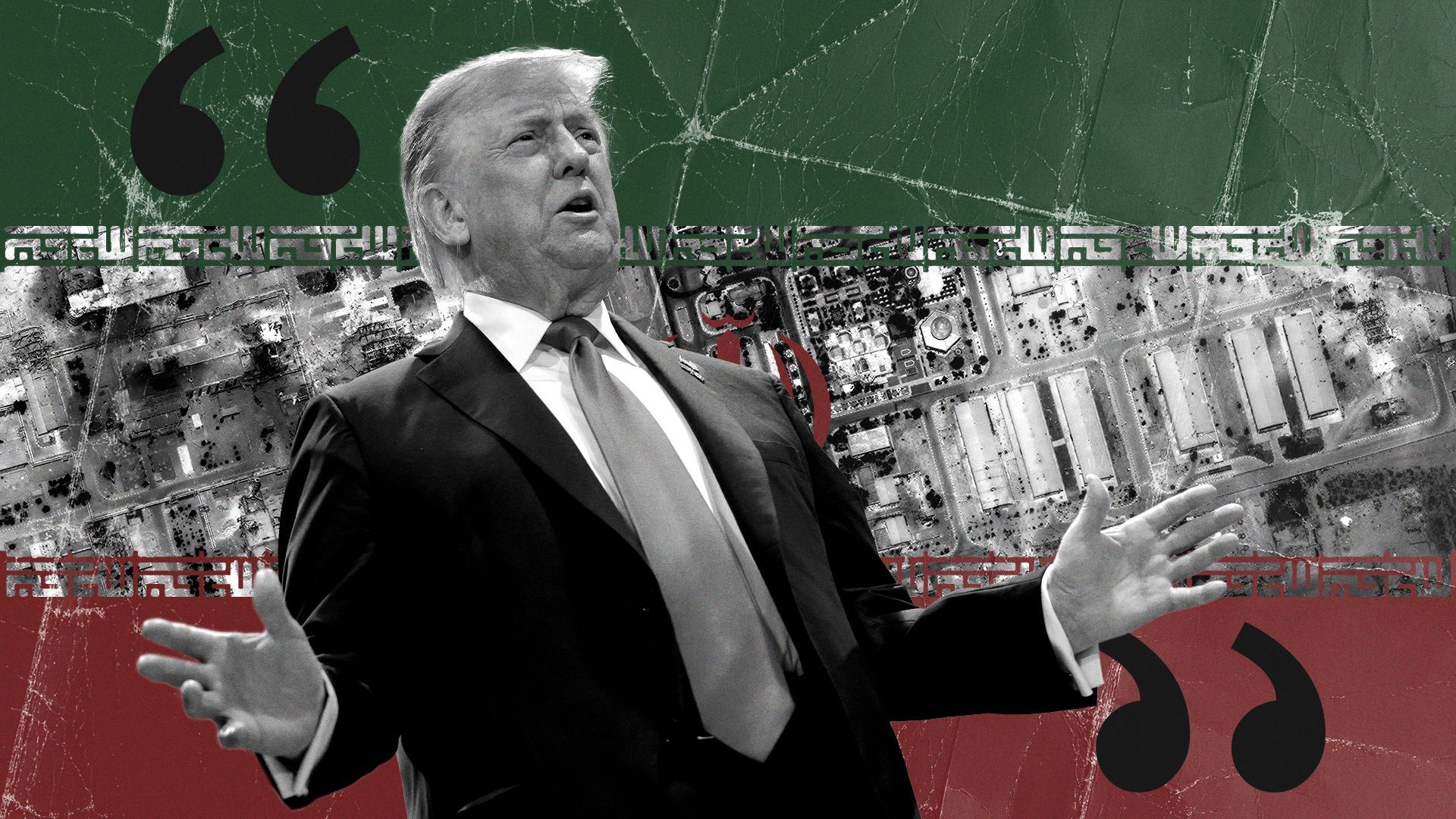
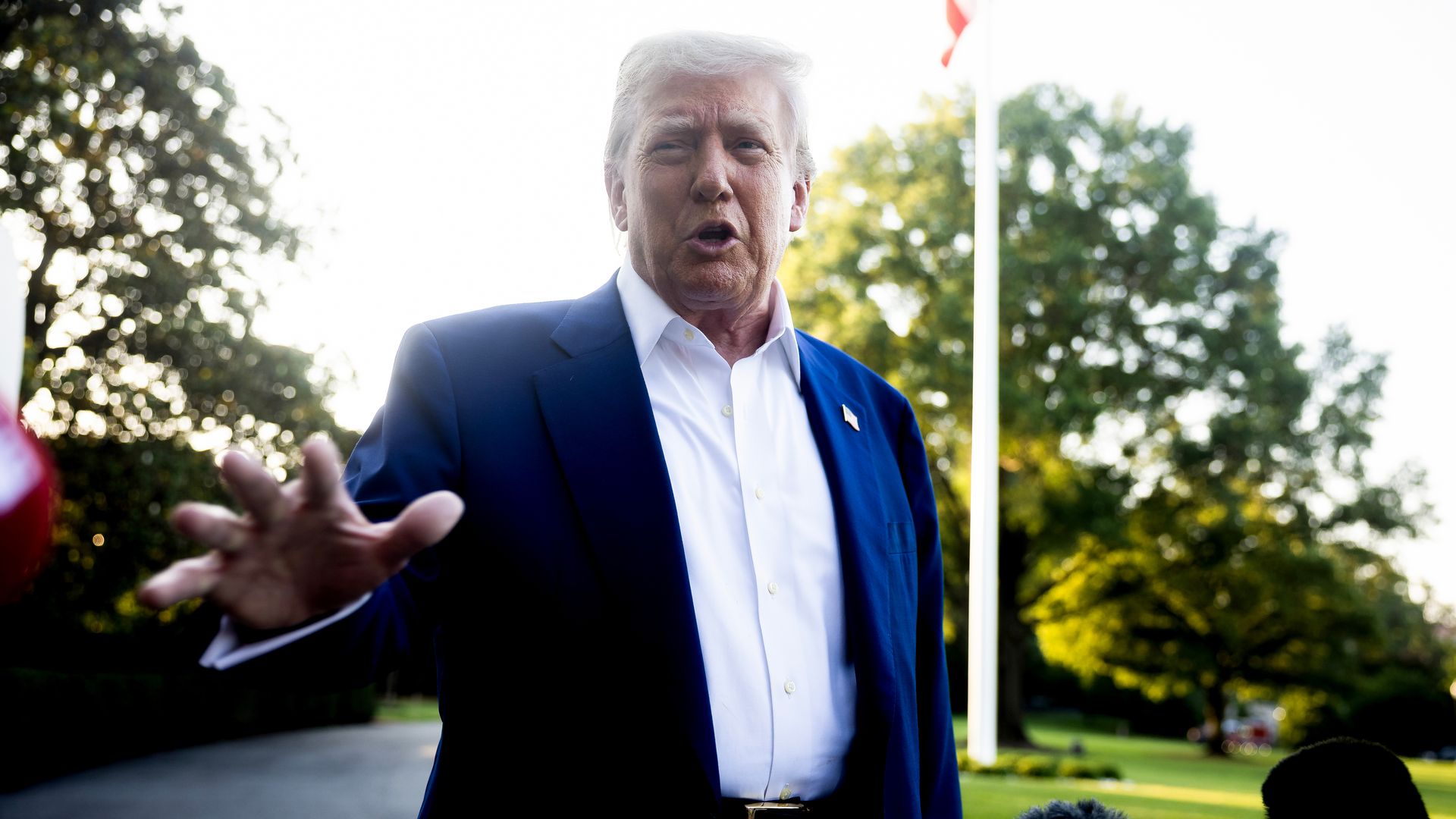
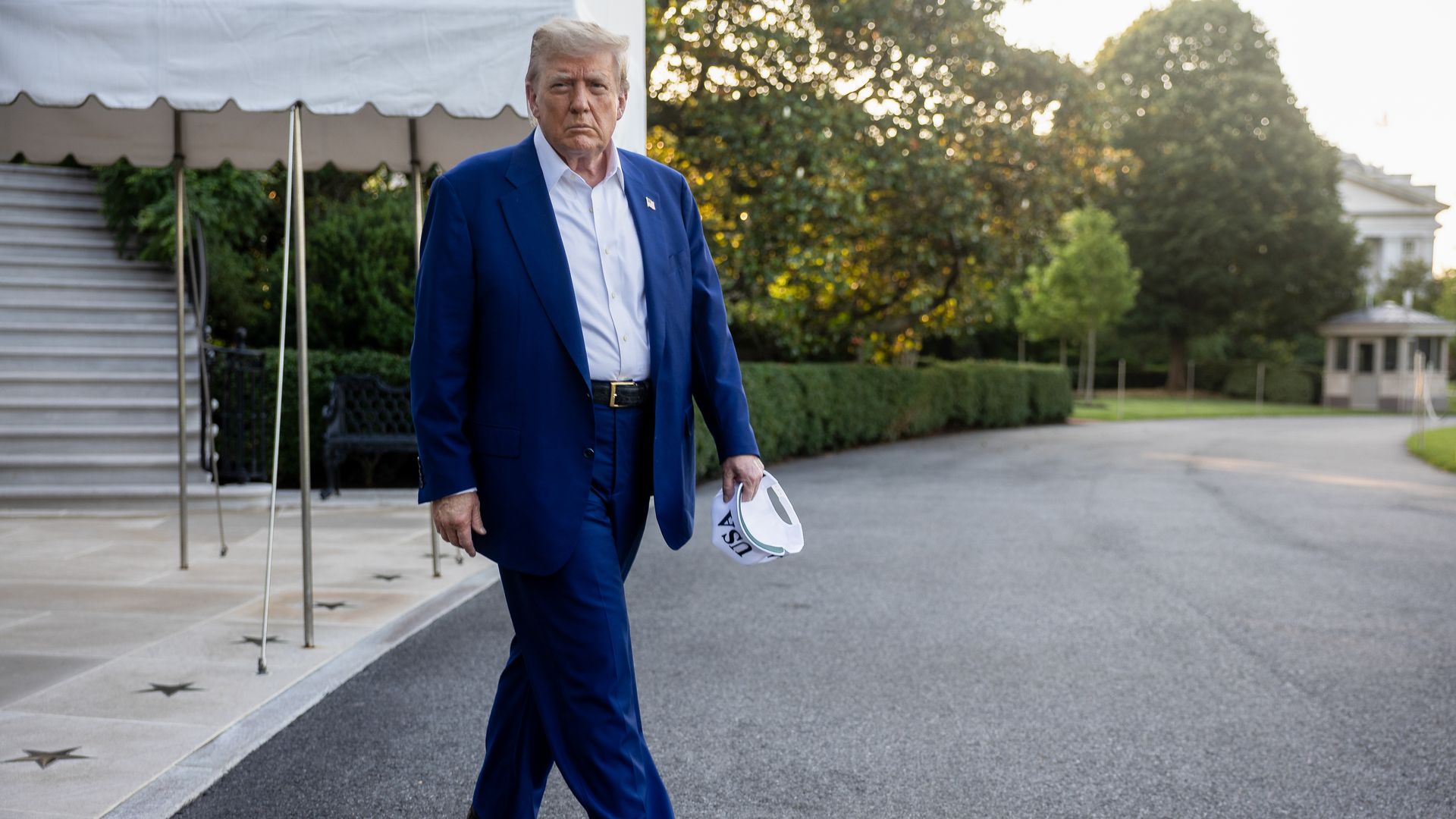
President Trump is going to extraordinary lengths to defend his claim that U.S. airstrikes "obliterated" Iran's nuclear program, determined to cement the operation as a defining victory of his presidency.
Why it matters: Trump has staked his credibility — and major parts of his foreign policy legacy — on the success of Saturday's military intervention, which punctuated decades of U.S. debate over the threat of a nuclear-armed Iran.
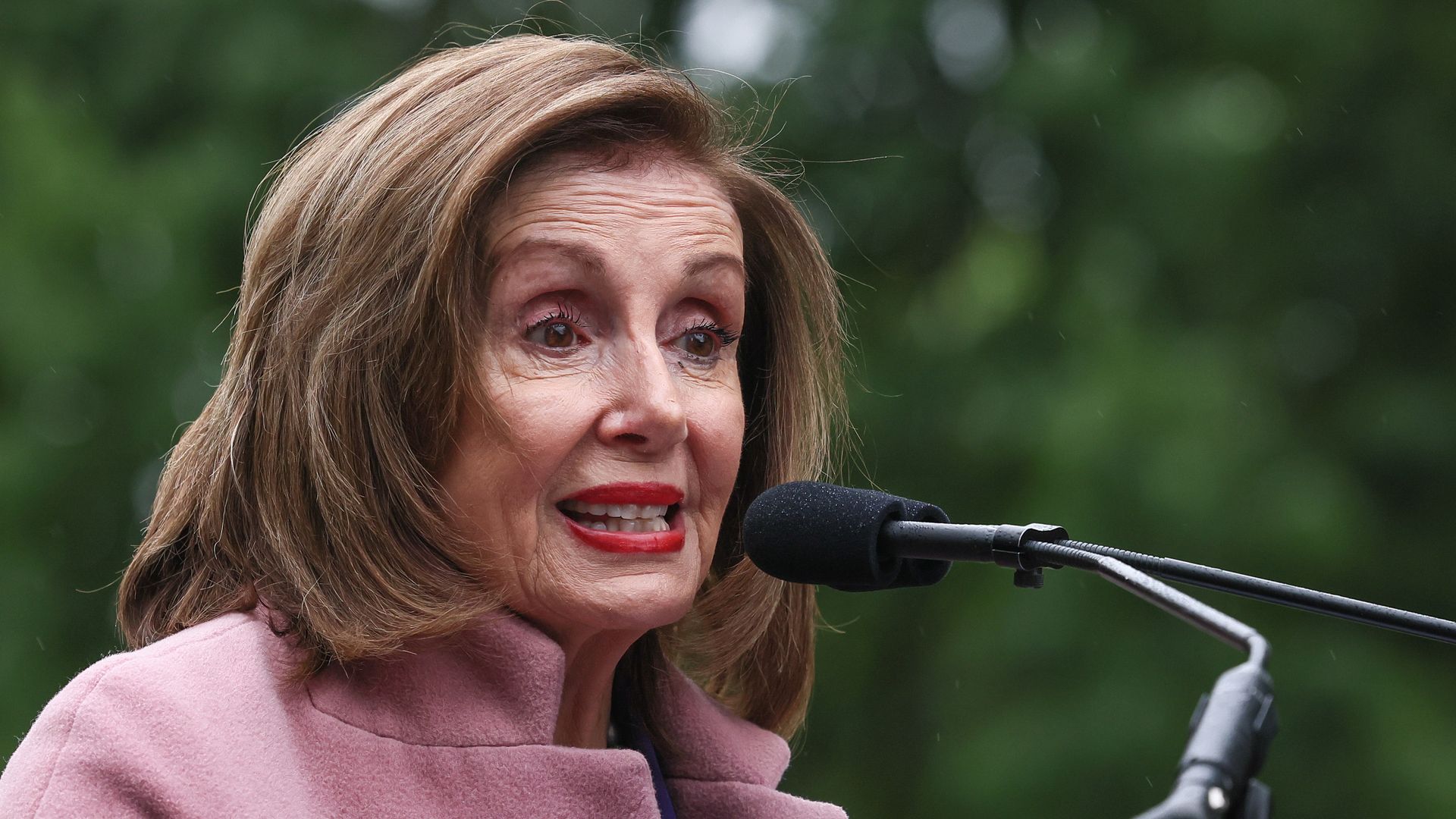
House Speaker Emerita Nancy Pelosi (D-Calif.) on Wednesday threw her weight behind a rapidly accelerating effort by Democratic lawmakers to limit Trump's power to unilaterally strike Iran.
The spectacular rise of China's auto industry — seemingly overnight — has rattled industry leaders and policymakers, catching many off guard.
Why it matters: There's a dawning realization across the industry that China's ascendance is both an existential business threat and a national security risk.
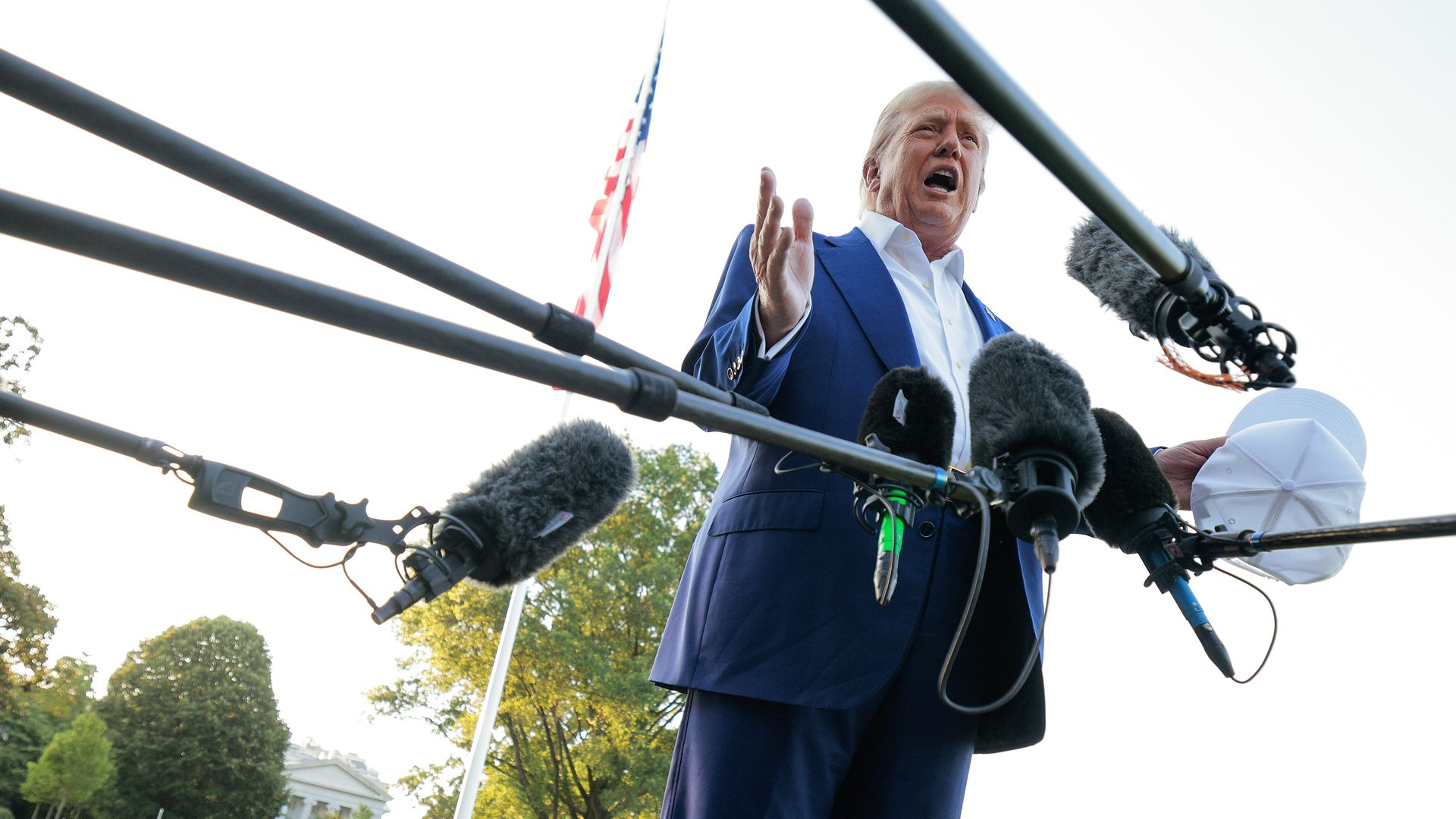
The U.S. and Iran will meet next week to discuss a potential nuclear deal, President Trump claimed at a press conference at the end of the NATO summit on Wednesday.
Why it matters: Iran has not publicly confirmed any planned meeting with U.S. officials, which would come just a week after Trump ordered an unprecedented military strike on Iran's nuclear facilities.
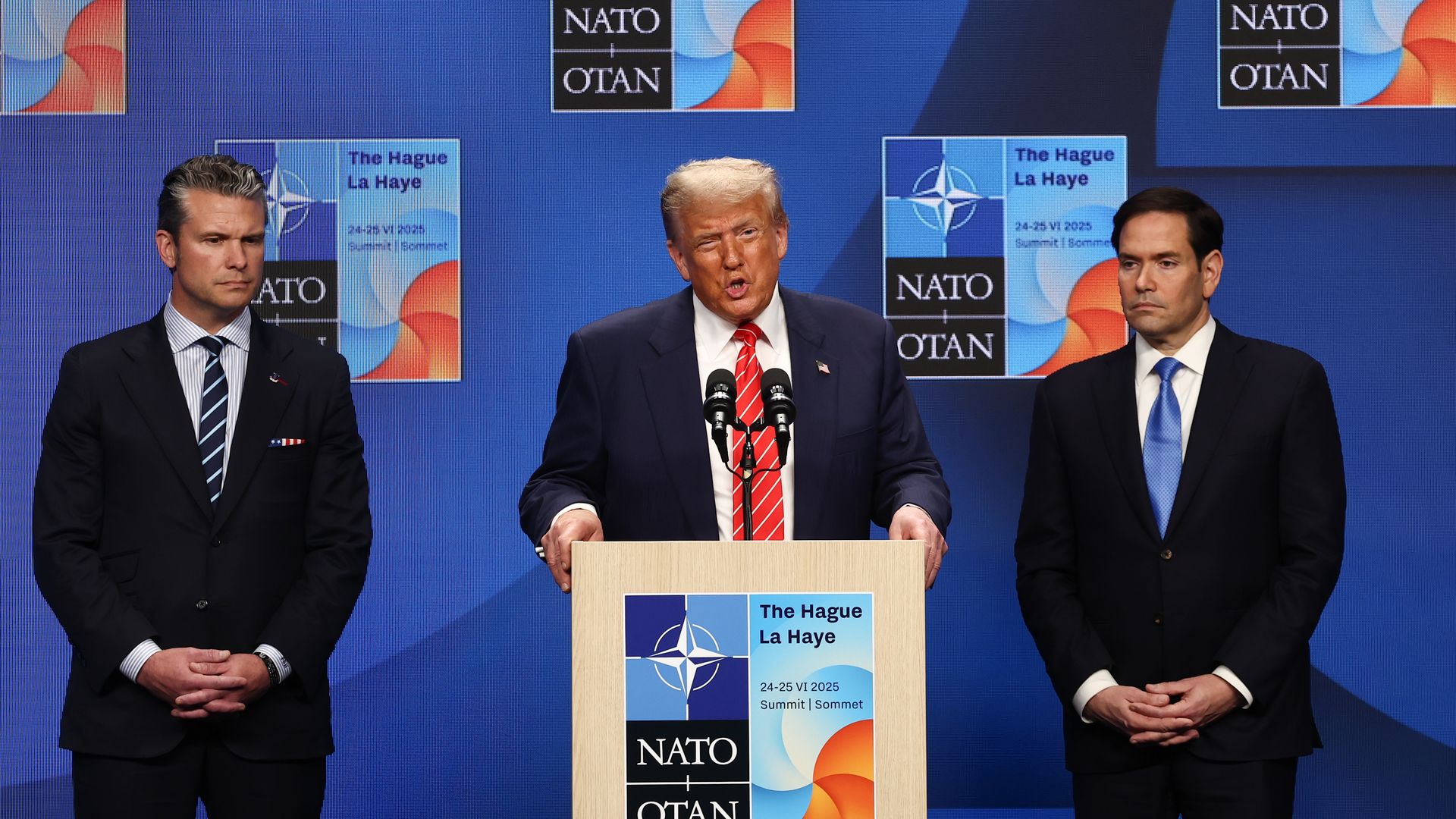
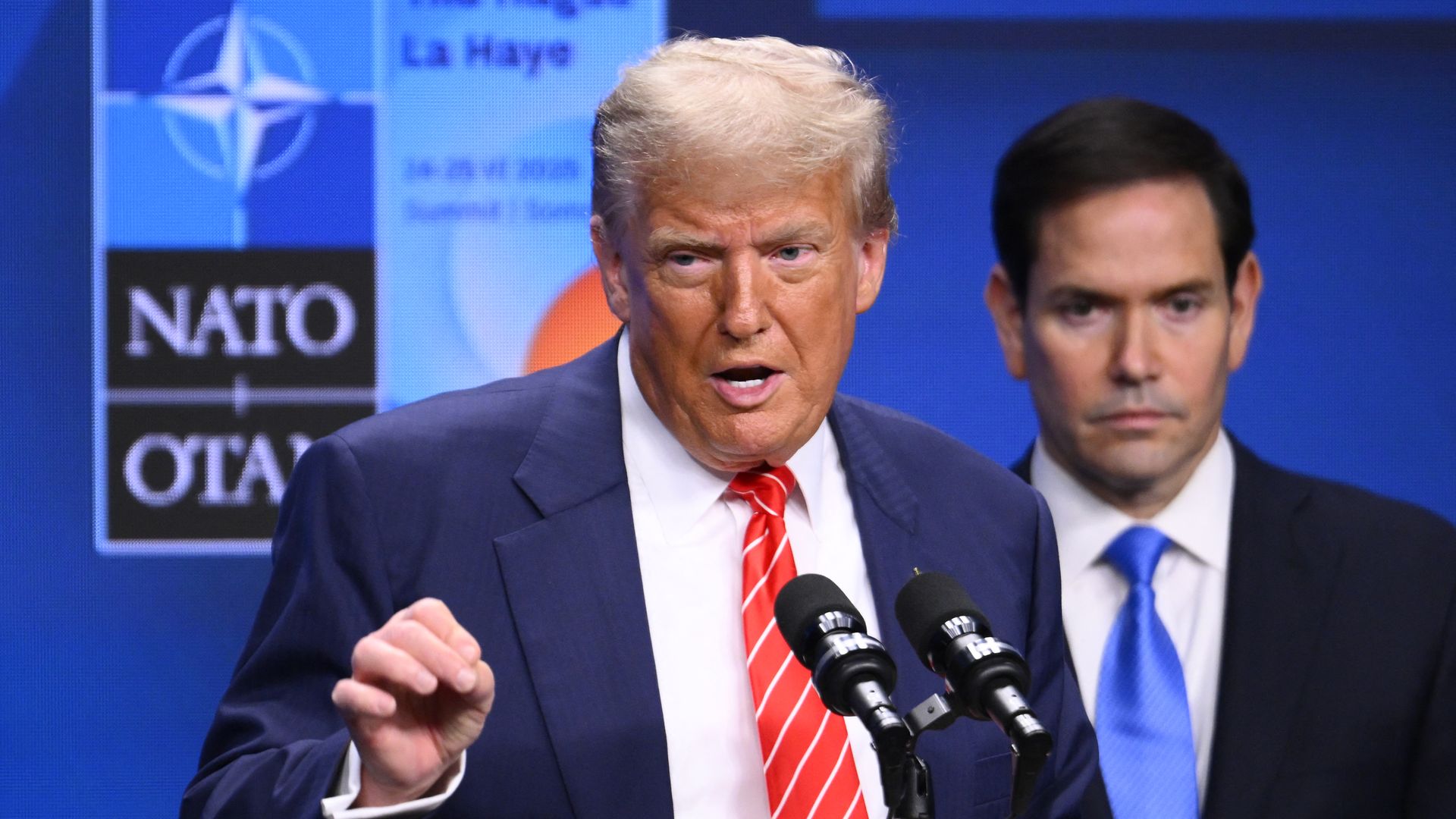
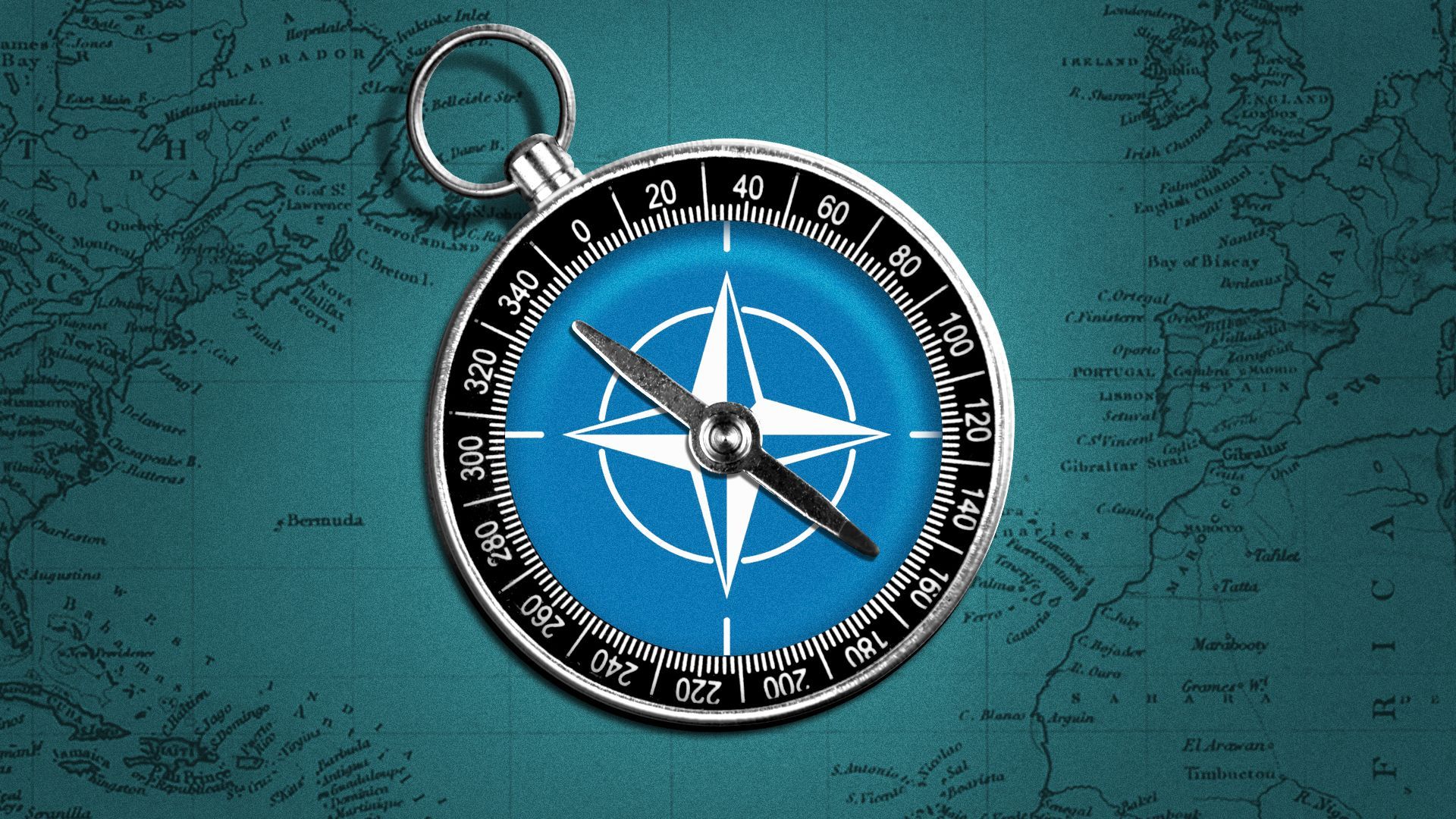
President Trump on Wednesday applauded NATO allies' increased defense spending target, patting himself on the back for a "monumental win" for the U.S. — and lambasting Spain for negotiating an exemption.
The big picture: Trump has long demanded that NATO members to commit more to defense spending and for years criticized nations that did not reach the prior 2% benchmark.
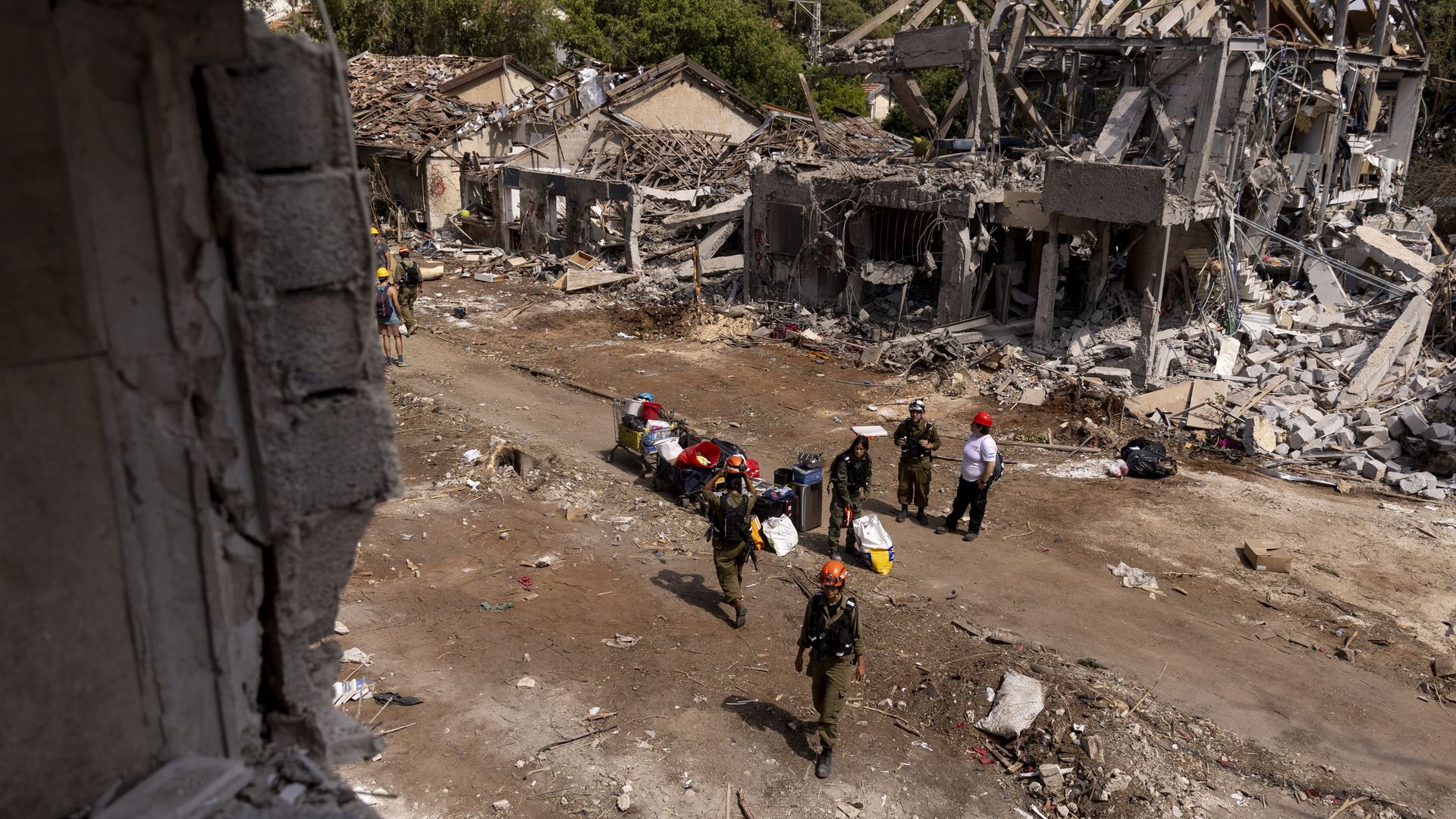
Israeli intelligence services believe U.S. and Israeli strikes caused "very significant" damage to Iran's nuclear facilities, with some officials perplexed by a leaked U.S. intelligence report that suggested otherwise.
Like the U.S., Israel has not produced a final assessment on how far back the bombing campaign has set Iran's nuclear program, three officials told Axios.
Why it matters: The emerging Israeli assessment presents a far more optimistic view of the operation than a preliminary report from the Defense Intelligence Agency, which assessed the strikes may have set Iran back only a few months.
OpenAI says Chinese competitor Zhipu AI is aggressively courting governments in developing countries, aiming to entrench Chinese AI systems ahead of Western rivals.
Why it matters: OpenAI and others argue that it's a must-win race between U.S. and China over whose technology will control a bot-filled world.
House Democrats overwhelmingly joined with their Republican colleagues Tuesday against holding a vote to impeach President Trump for striking Iranian nuclear sites unilaterally.
Why it matters: It is the clearest signal to date of the distaste many Democrats have with the idea of even attempting to impeach Trump — an effort that would likely fail in either chamber of Congress.
The big picture: Volatility in the Middle East and the years-long Russia-Ukraine war persist despite Trump administration pressure. And after years of public lobbying for the prize, Trump has not joined the small group of presidents who have earned one.
New York circuit judges ordered the Trump administration on Tuesday to return another wrongly deported man from El Salvador.
Why it matters: It's the latest instance of the Trump administration fighting to return an undocumented immigrantgovernment officials conceded in court was wrongly deported.
Briefings for House members and senators on the situation in the Middle East that were scheduled for Tuesday have been postponed, Axios has learned.
Why it matters: The development comes after President Trump announced a ceasefire between Israel and Iran following a 12-day war that had lawmakers clamoring for information.
Under pressure from President Trump, Israeli Prime Minister Benjamin Netanyahu significantly scaled back planned retaliation against Iran's violation of a ceasefire agreement, Israeli and U.S. officials said Tuesday.
Why it matters: The crisis happened only hours after the shaky, U.S.-brokered ceasefire between Israel and Iran had come into effect.
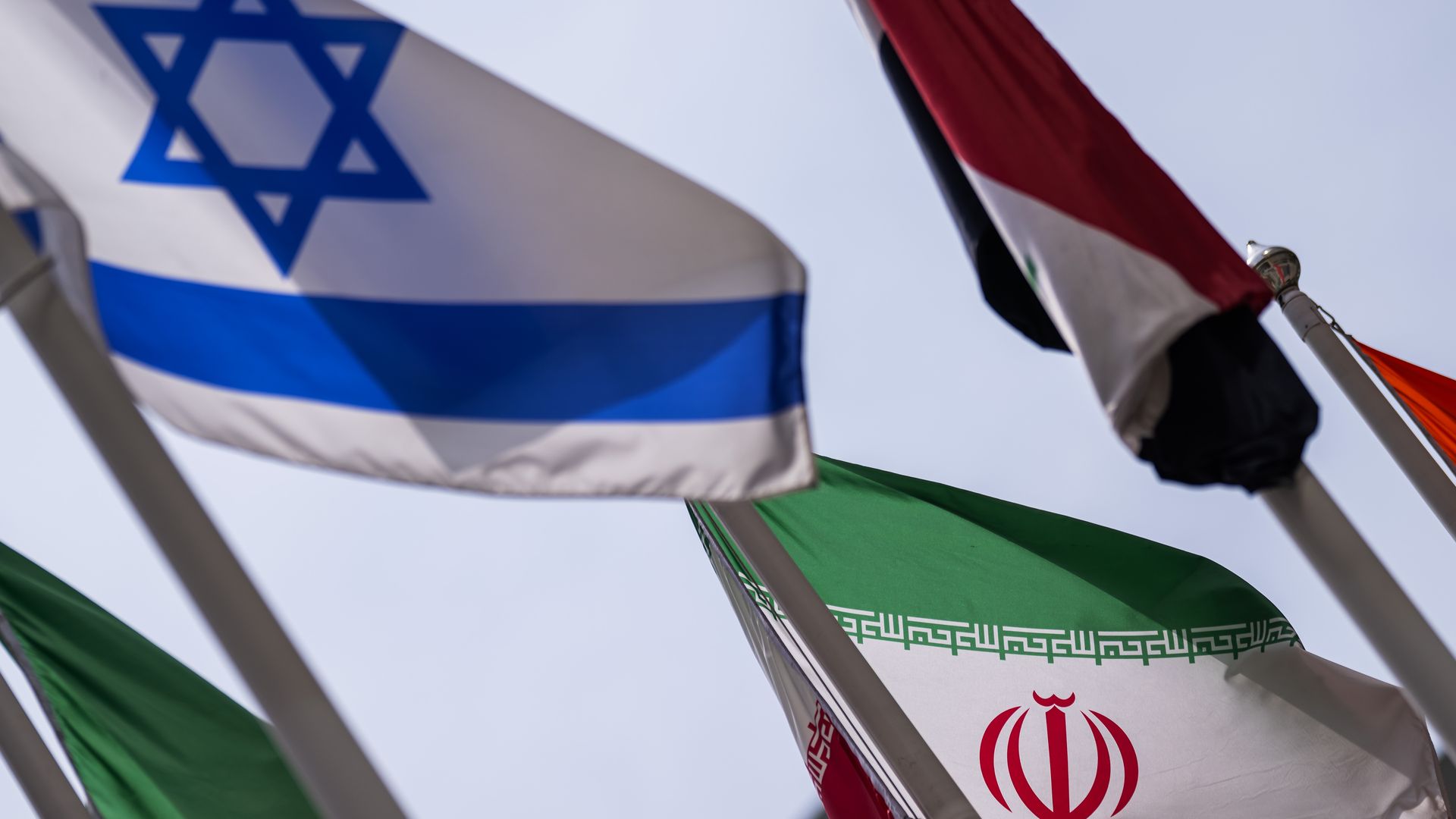
The Trump-brokered ceasefire between Iran and Israel has, for now, brought an abrupt and extraordinary end to one of the Middle East's most explosive confrontations in decades.
Why it matters: The 12-day war sent shockwaves through a region already reeling from nearly two years of historic volatility and violence, beginning with Hamas' Oct. 7 terrorist attack on Israel.
European, Canadian and American business groups are committing to improved industrial capacity and weapons production among NATO countries as the alliance gathers in the Netherlands this week.
Why it matters: "The safety of our societies and the resilience of our economies can no longer be taken for granted," Ingrid Thijssen, the president of the Confederation of Netherlands Industry and Employers (VNO-NCW), told Axios.
"Deterrence and defense demand not just military strength, but a strong industrial base."
President Trump's most fervent backers normally revel in his wild unpredictability and improvisation. But in the past few days, they've been rattled by it.
Driving the news: Many in his anti-war MAGA flock were alarmed when he ordered the bombing of Iran's nuclear sites. But they mostly withheld criticism as he promised the attacks would be limited, not aimed at ousting Iran's leaders, and wouldn't lead Americans into a prolonged war.
President Trump has announced a ceasefire agreement between Israel and Iran that will begin at midnight.
"This is the end of the war. It is a great thing for Israel and the world," Trump told Axios on Monday evening.
The latest: Iran fired at least six missile barrages at Israel for hours before — and minutes after — the ceasefire was supposed to take effect. Multiple casualties were reported.
President Trump's abrupt announcement Monday that a ceasefire in the Iran-Israel war is imminent threatens a congressional effort to limit his power to initiate unilateral military strikes on Iran.
Why it matters: The lead House Republican on the push is getting cold feet, but non-interventionist Democrats still want to have the vote in order to send a broader message about congressional war powers.














/2025/06/23/1750717142595.gif?w=3840)