Trump successfully pressures Israel to scale back retaliation strike in Iran

Add Axios as your preferred source to
see more of our stories on Google.
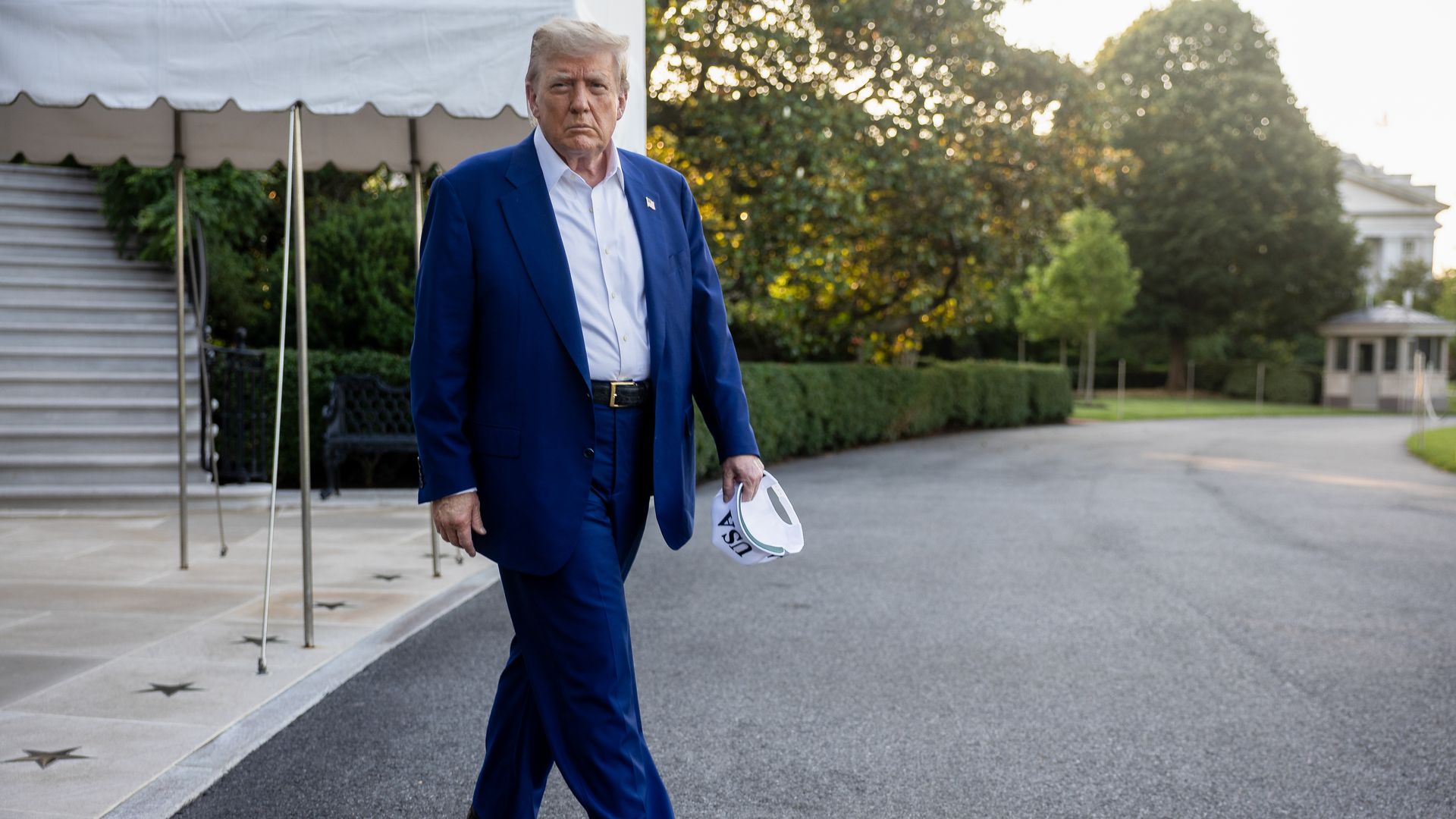
President Trump walks on the South Lawn of the White House before boarding Marine One in Washington, D.C., on June 24. Photo: Francis Chung/Politico/Bloomberg via Getty Images
Under pressure from President Trump, Israeli Prime Minister Benjamin Netanyahu significantly scaled back planned retaliation against Iran's violation of a ceasefire agreement, Israeli and U.S. officials said Tuesday.
Why it matters: The crisis happened only hours after the shaky, U.S.-brokered ceasefire between Israel and Iran had come into effect.
- Bombing Tehran — as Israel planned to do on Tuesday — could have led to a massive Iranian response and the collapse of the ceasefire.
Driving the news: The Israeli Prime Minister's Office said that Iran launched three missiles toward Israel after the ceasefire went into effect — one at 7:06am and two at 10:25am local time — but that the missiles were "intercepted or landed in open areas without causing injuries or damage."
- Israeli Minister of Defense Israel Katz said he ordered the Israel Defense Forces to engage in retaliation for Iran's violation of the ceasefire.
- Trump left for the NATO summit in Europe as the Israeli fighter jets were making their way to Iran. While walking to board Marine One, a visibly frustrated Trump told reporters that he was unhappy with both Iran and Israel for violating the ceasefire.
What they're saying: "When I say 12 hours [of ceasefire], you don't go out in the first hour and drop everything you have on them," Trump said. "I am not happy with Israel going out this morning because of one rocket that was shot [by Iran], perhaps by mistake."
- "We have two countries that have been fighting so long and so hard that they don't know what the f--k they are doing," he said.
After speaking to reporters, Trump posted to his Truth Social account and told Israel not to retaliate against Iran.
- "ISRAEL. DO NOT DROP THOSE BOMBS. IF YOU DO IT IS A MAJOR VIOLATION. BRING YOUR PILOTS HOME, NOW!" he wrote.
Behind the scenes: Trump spoke to Netanyahu before Air Force One departed from Maryland and asked the prime minister not to attack Iran.
- A senior Israeli official said Netanyahu told Trump that he could not cancel the strike completely and that some response was needed to Iran's ceasefire violation.
- "In the end, it was decided to significantly scale back the strike, cancel the attack on a large number of targets and strike only one radar system outside of Tehran," the Israeli official said.
A White House source said Trump spoke to Netanyahu in "an exceptionally firm and direct way" about his objections to the Israeli strike.
- "The president told Netanyahu what needed to happen to sustain the ceasefire. The prime minister understood the severity of the situation and the concerns President Trump expressed," the source said.
- The Prime Minister's Office said in a statement that during the call, Trump "expressed his deep appreciation for Israel — which achieved all of the war's objectives. He also expressed his confidence in the stability of the ceasefire."
State of play: After the call with Netanyahu, Trump posted again to Truth Social to say he had convinced Israel to abort its mission.
- "ISRAEL is not going to attack Iran. All planes will turn around and head home, while doing a friendly 'Plane Wave' to Iran. Nobody will be hurt, the Ceasefire is in effect! Thank you for your attention to this matter!" Trump wrote.
Go deeper: Trump's swings on Iran leave MAGA with whiplash
Editor's note: This story has been updated with additional information from the office of Israeli Prime Minister Benjamin Netanyahu.
