Why it matters: While officials are still assessing the validity of the documents, an interagency effort is being assembled to determine what impact the leak could have on U.S. national security.
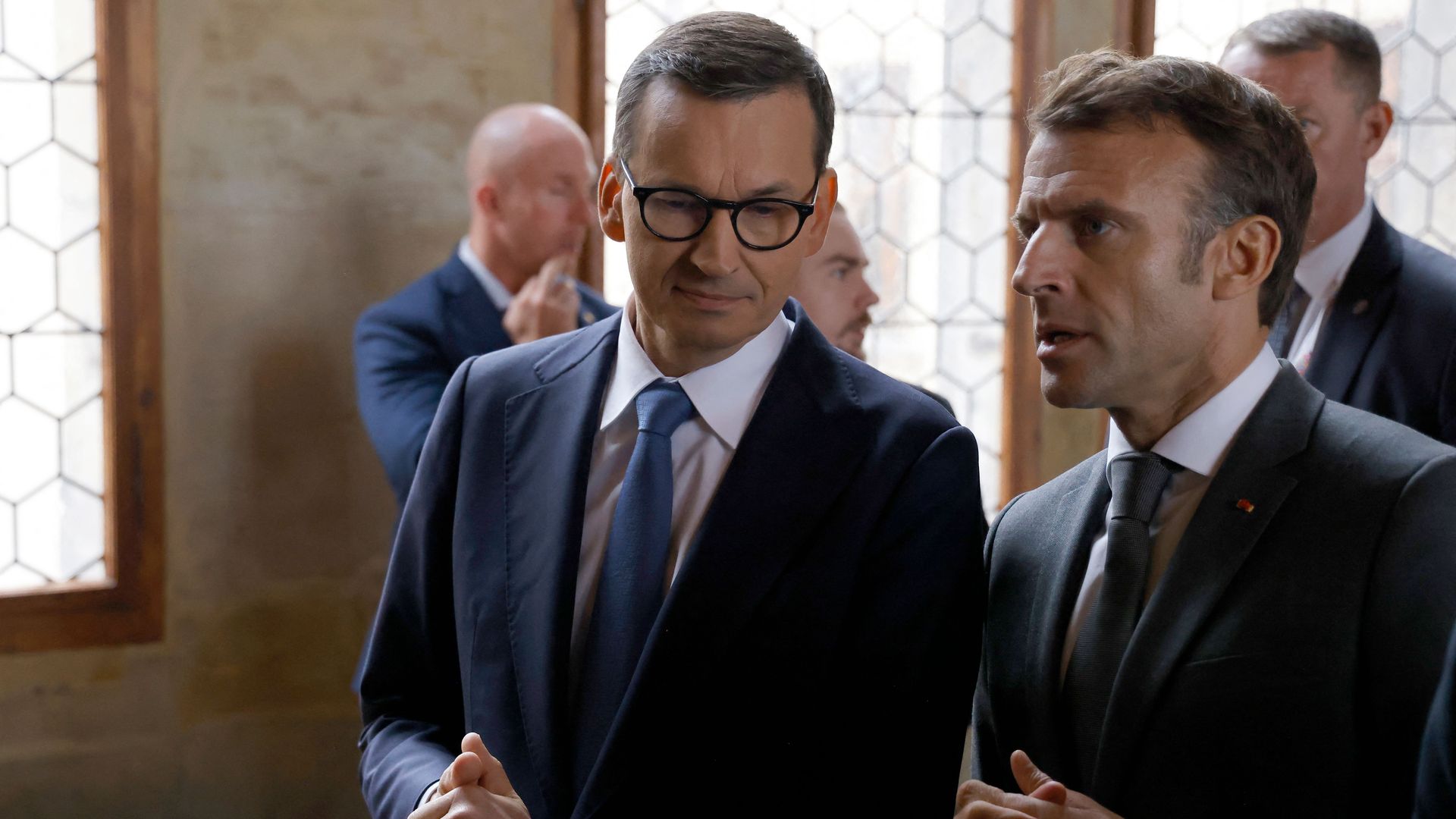
Polish Prime Minister Mateusz Morawiecki criticized some of his NATO and EU allies during an appearance in Washington on Thursday for offering insufficient support to Ukraine and cozying up to Beijing.
Why it matters: Although several European leaders have sought to downplay any divisions over those two key issues — the path forward on Ukraine and relations with China — Morawiecki expressed deep reservations about the positions of certain "Western European countries." Asked specifically about France and Germany by Axios, Morawiecki cast doubts on the commitment of both European powers to ensure a Ukrainian "victory."
Daddy Yankee's "Gasolina," the first mariachi recordings known to ever be made, and the late Irene Cara's "Flashdance ... What a Feeling" are among the 25 works inducted into the Library of Congress' national recording registry this year.
Driving the news:The Library of Congress announced on Wednesday its annual list of 25 titles that will be preserved because they are “culturally, historically, or aesthetically significant” and are at least 10 years old.
Latino finalists for the most significant food awards in the U.S. tell Axios Latino their nominations are a sign of increasing openness to diverse cuisines among culinary gatekeepers.
Why it matters: The James Beard Chef and Restaurant awards are considered the Oscars of the culinary world, but they've long struggled with diversity.
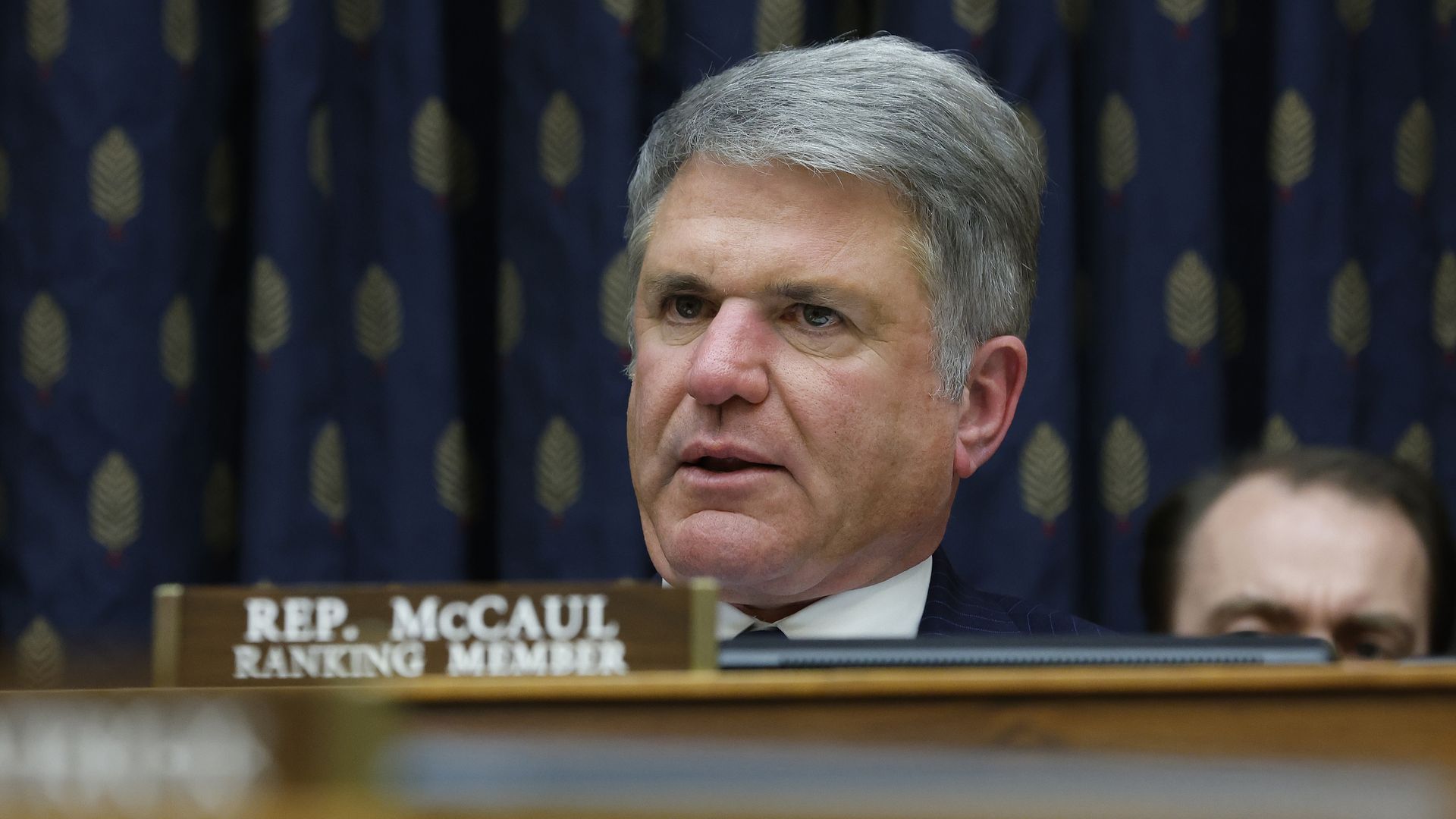
China on Thursday sanctioned Rep. Michael McCaul (R-Texas), chair of the U.S. House Foreign Affairs Committee, for visiting Taiwan.
The big picture: McCaul met with Taiwanese President Tsai Ing-wen in Taipei last week and said that the U.S. would provide training for Taiwan's armed forces and deliver more weapons to the self-governing island to support its defense capabilities.
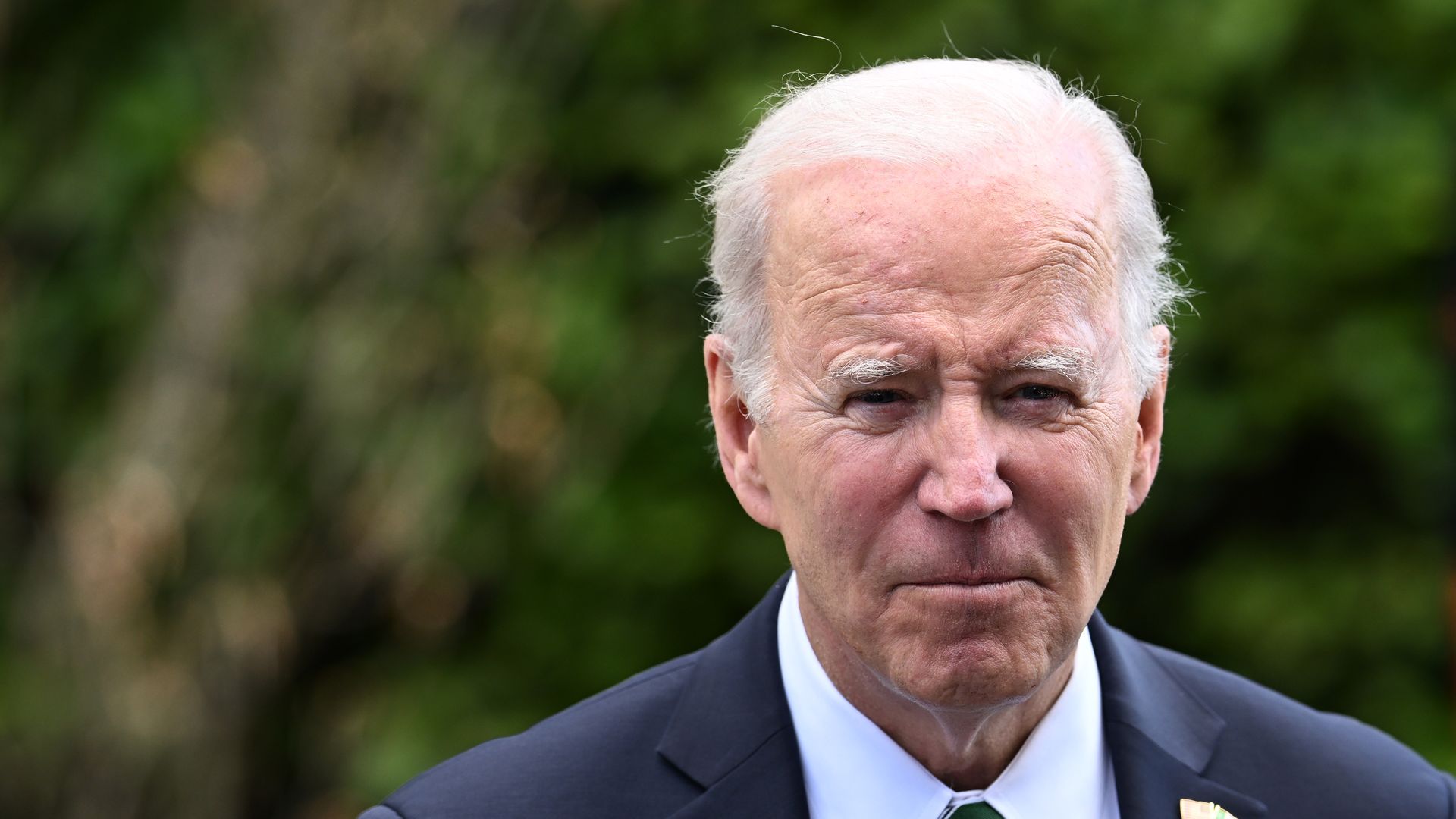
President Biden vowed Thursday that the U.S. is "getting close" to getting answers in the investigation into the leak of a trove of classified Pentagon documents.
Why it matters: The leaked documents contained stunning revelations about the extent of the U.S.' knowledge of Russia's intelligence and security services, but also outline U.S. efforts to spy on some of its allies.
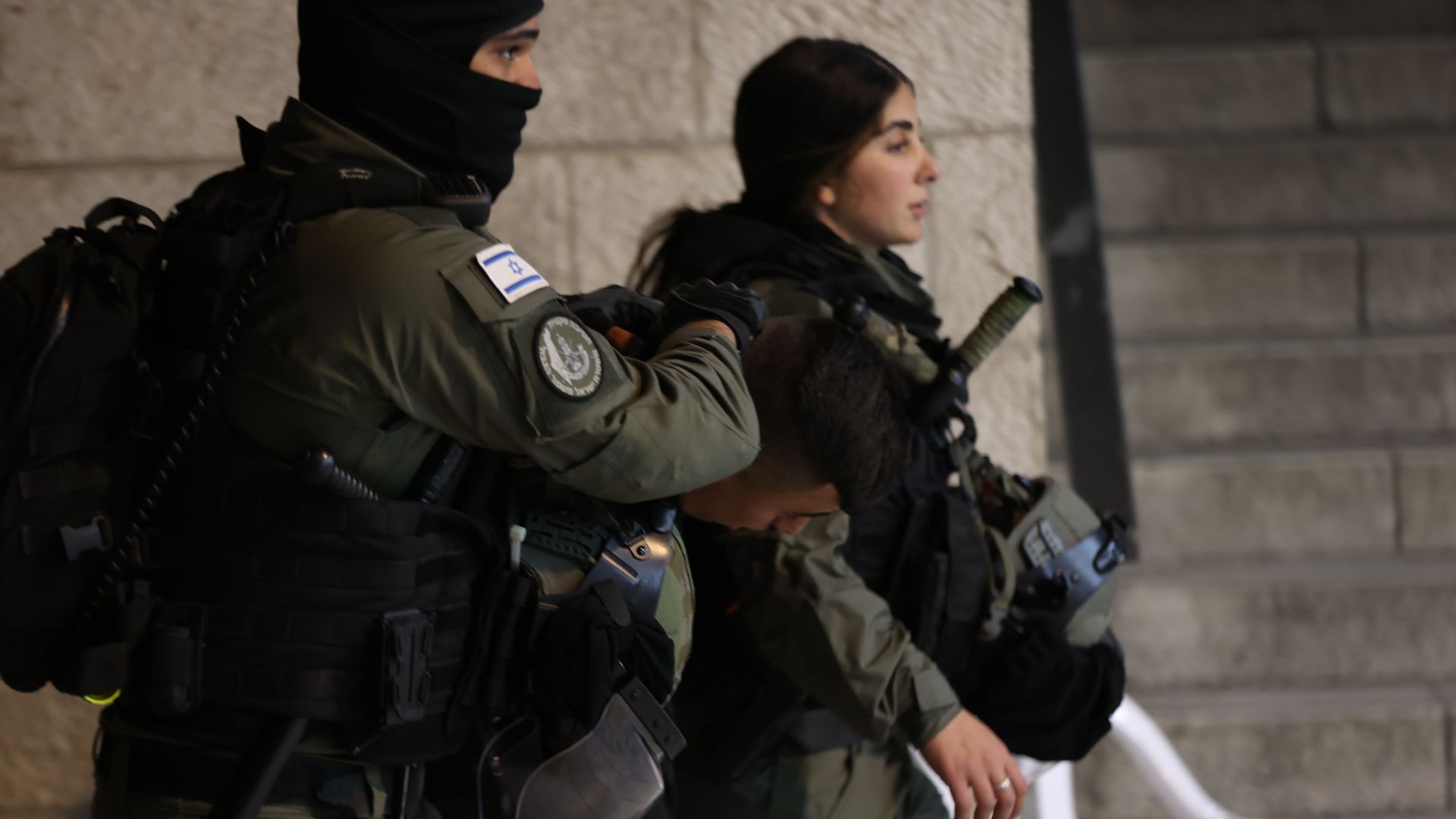
Escalating tensions and violence at Jerusalem's Al-Aqsa Mosque compound over the last few weeks have exacerbated the already strained relations between Jordan and Israel, twoU.S. and two Israeli officials said.
Why it matters: Jordan’s King Abdullah II is the custodian of the Muslim holy sites in Jerusalem. Because of Jordan's huge Palestinian population, any tensions in Jerusalem, and specifically at the Al-Aqsa Mosque, immediately become a domestic political issue.
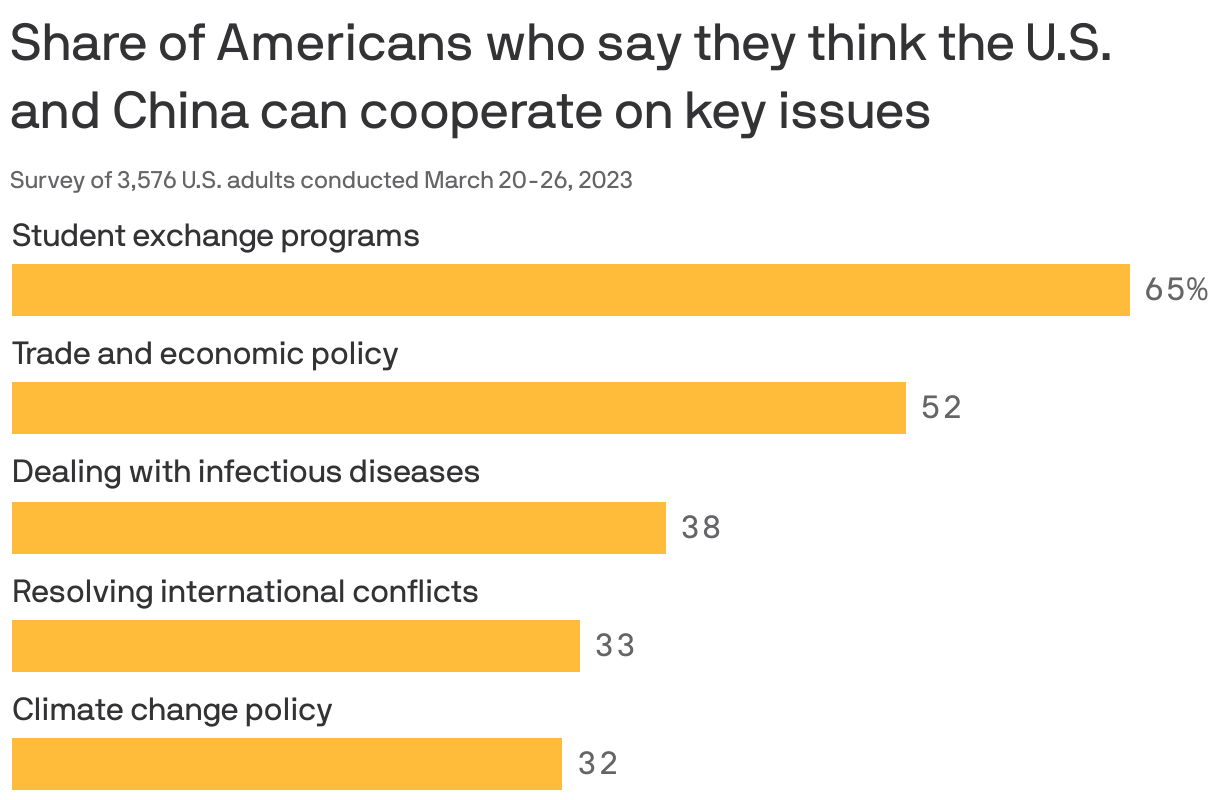
About 83% of Americans view China negatively, and most believe Washington and Beijing can't cooperate on issues like climate change and infectious diseases, according to a new survey from Pew.
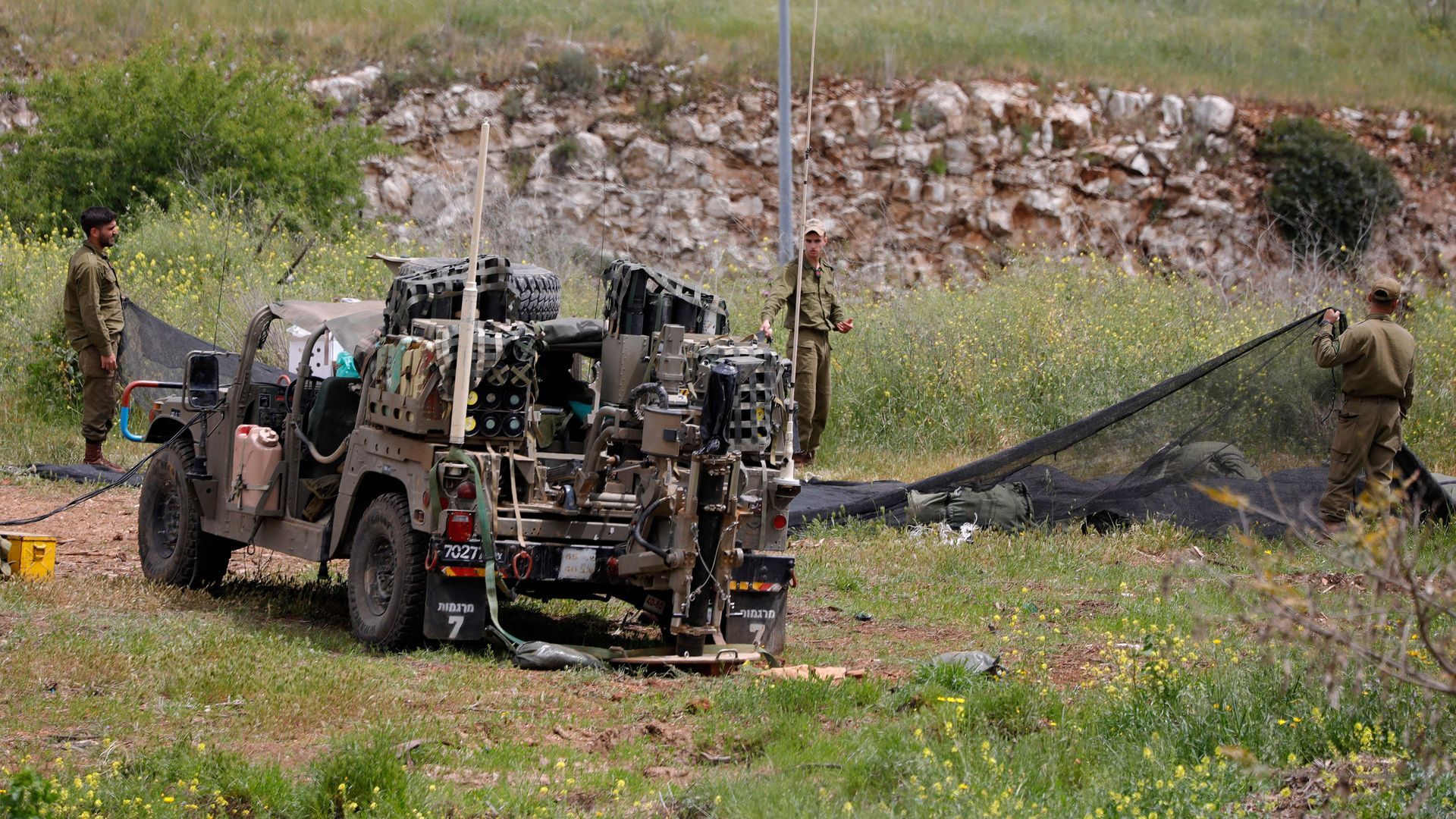
BEIRUT — Last week’s intense exchange of rocket fire over Lebanon’s southern border with Israel left Lebanon in fear of being dragged into another war, which would be catastrophic as the country faces an unprecedented economic crisis.
The big picture: The rocket attack — the worst escalation since the 2006 war — also demonstrated the increasing coordination between Lebanon’s Iran-backed Hezbollah and Palestinian armed group Hamas, experts say.
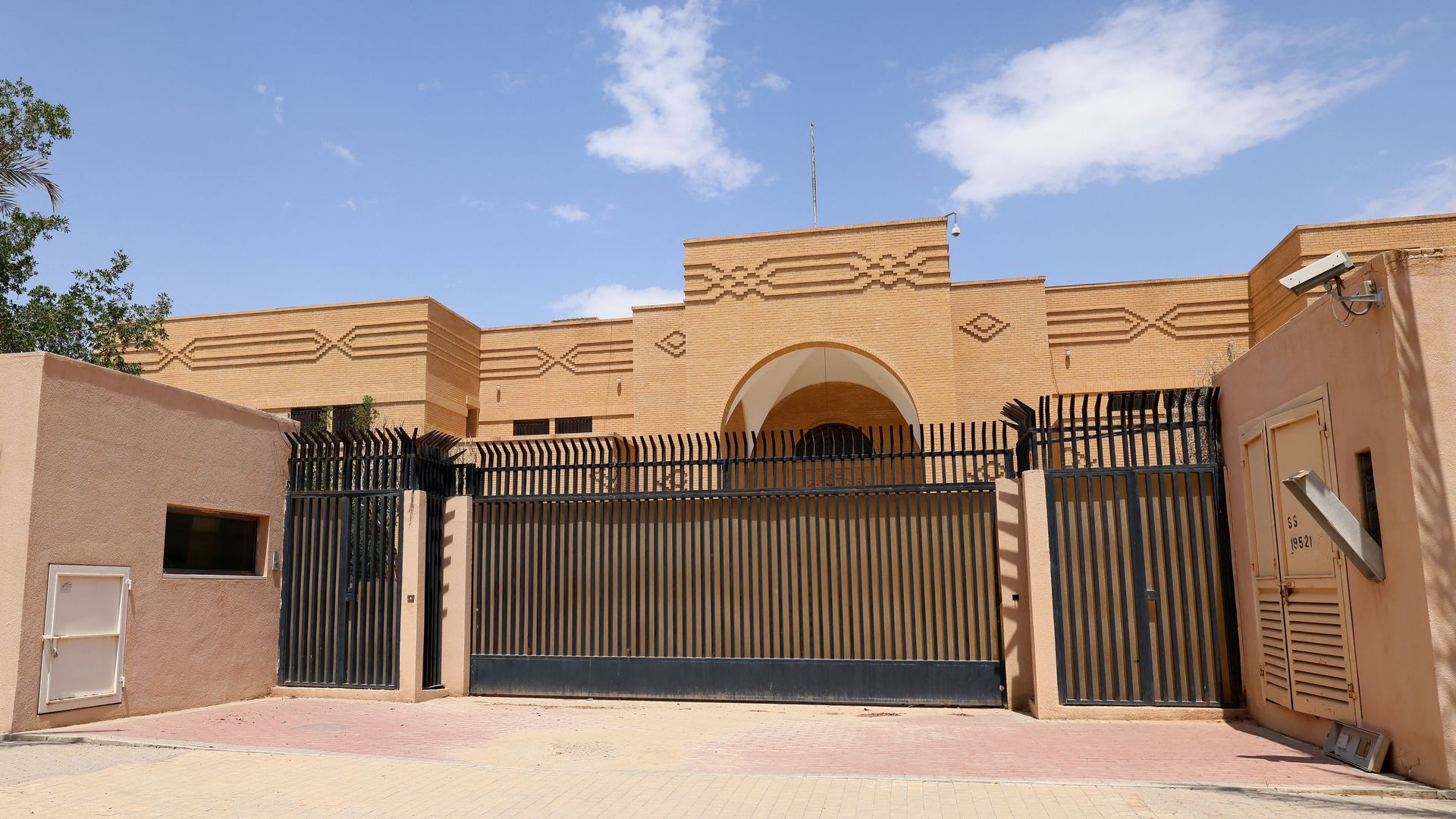
Saudi Arabia and Iran started working this week on reopening their embassies in Tehran and Riyadh.
Why it matters: The step is a key element in the normalization process between the countries, which started several weeks ago after Saudi and Iranian officials signed a China-mediated agreement to reestablish diplomatic relations.
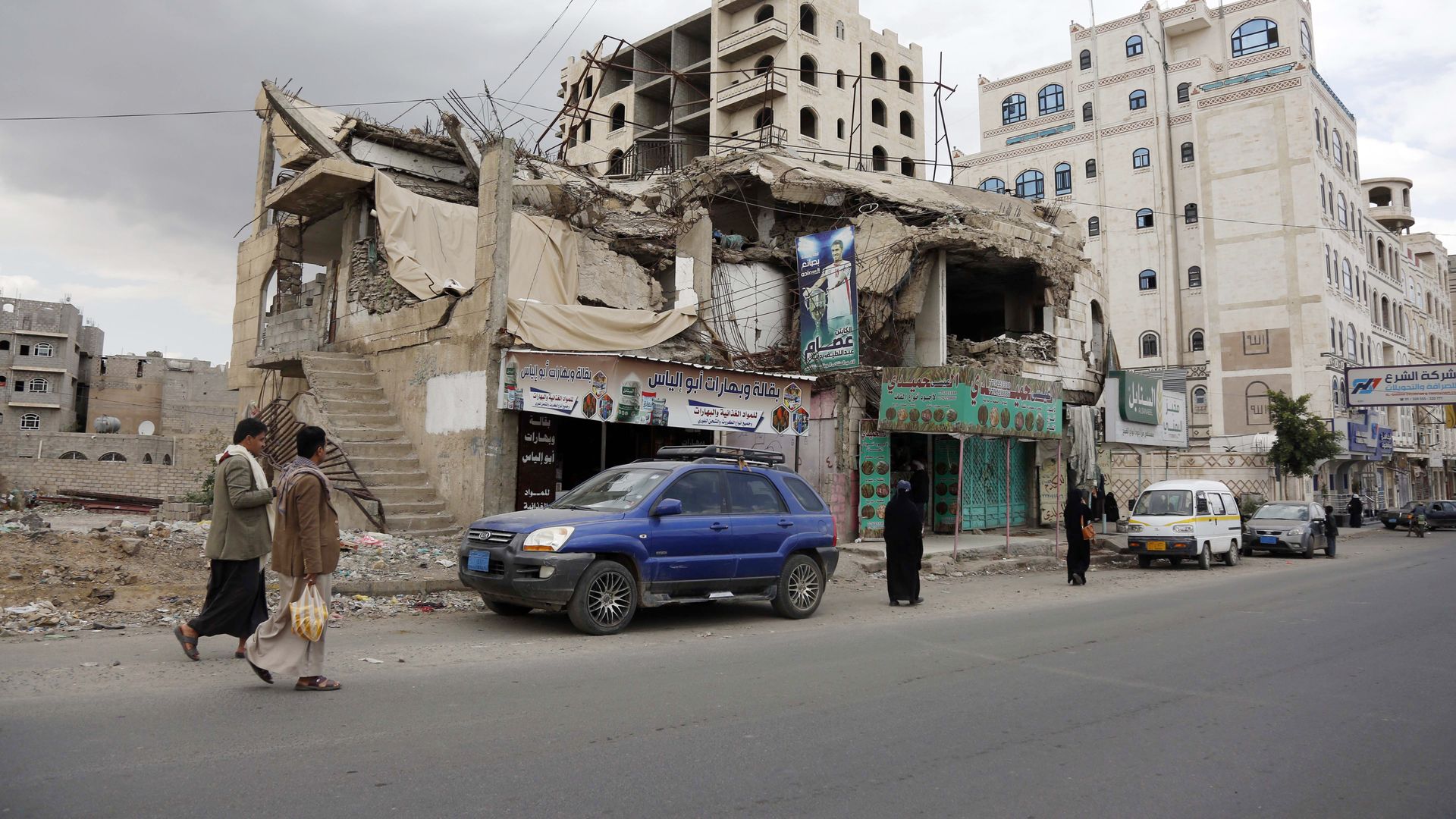
There's growing optimism that the Iranian-backed Houthi rebels and the Saudi-backed Yemeni government are inching closer to a truce and establishing a road map to end the yearslong war.
The big picture: The progress in the peace talks in Yemen comes as part of a broader wave of normalization after Iran and Saudi Arabia agreed to reestablish full diplomatic relations easier this year.
A bipartisan group of lawmakers is askingU.S. Customs and Border Protection (CBP) to provide more information to Congress about why many products made in Xinjiang are still reaching U.S. shores, according to a letter viewed by Axios.
Why it matters: Media reports last year found that China's Xinjiang region was still exporting tens of millions of dollars of products, despite a new U.S. law banning imports from the region unless importers can prove that the goods are not made with forced labor.