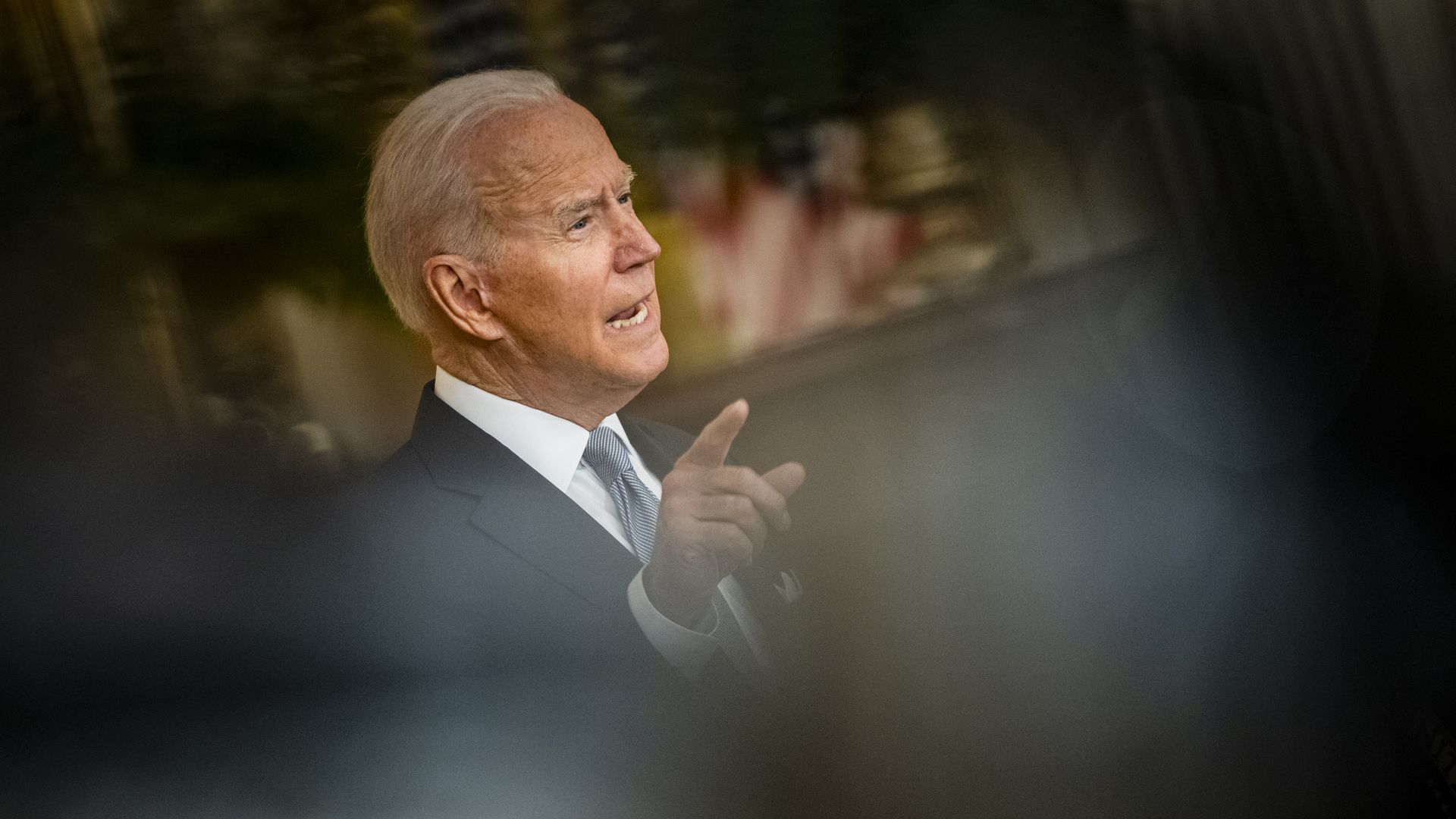
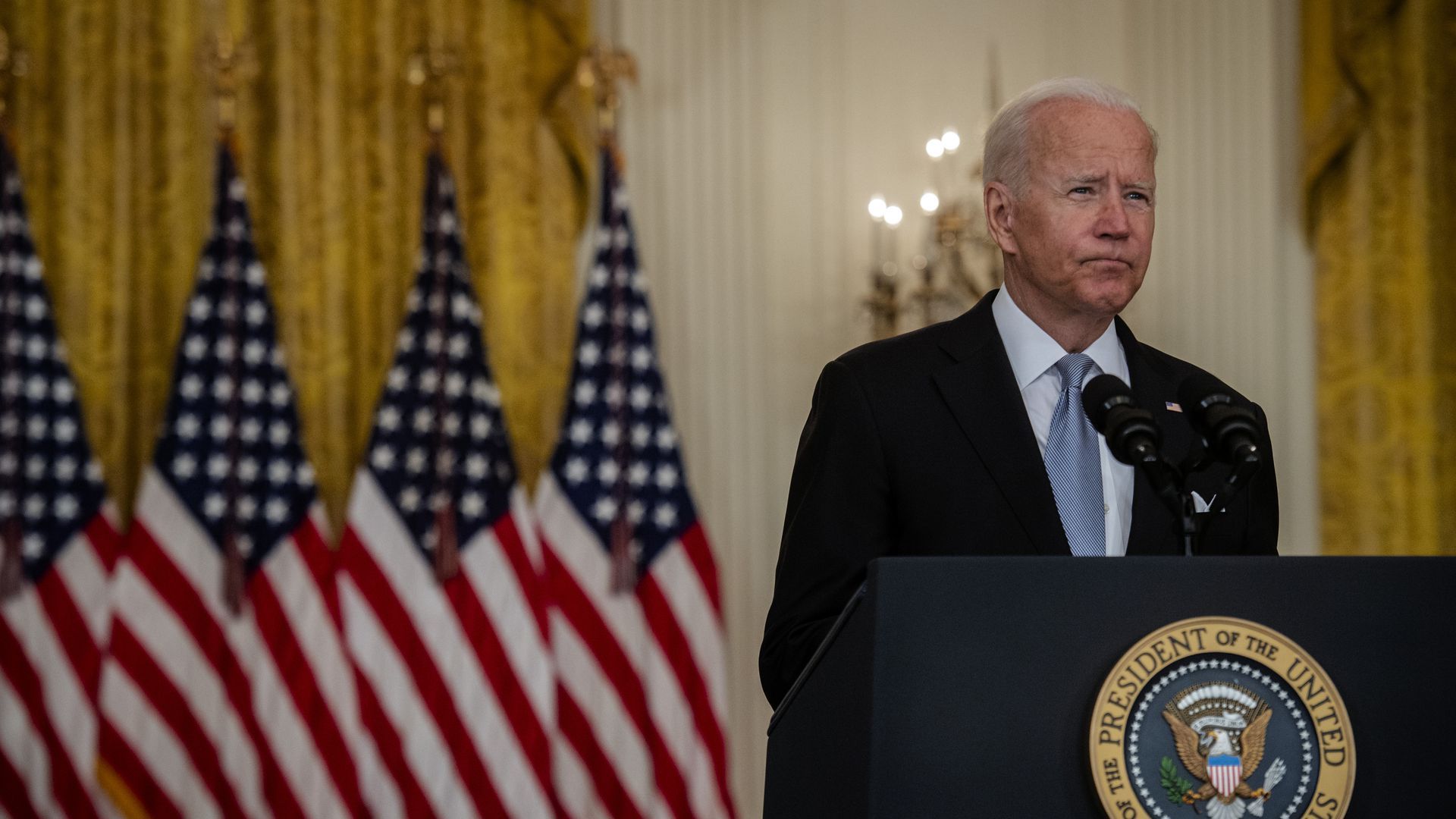
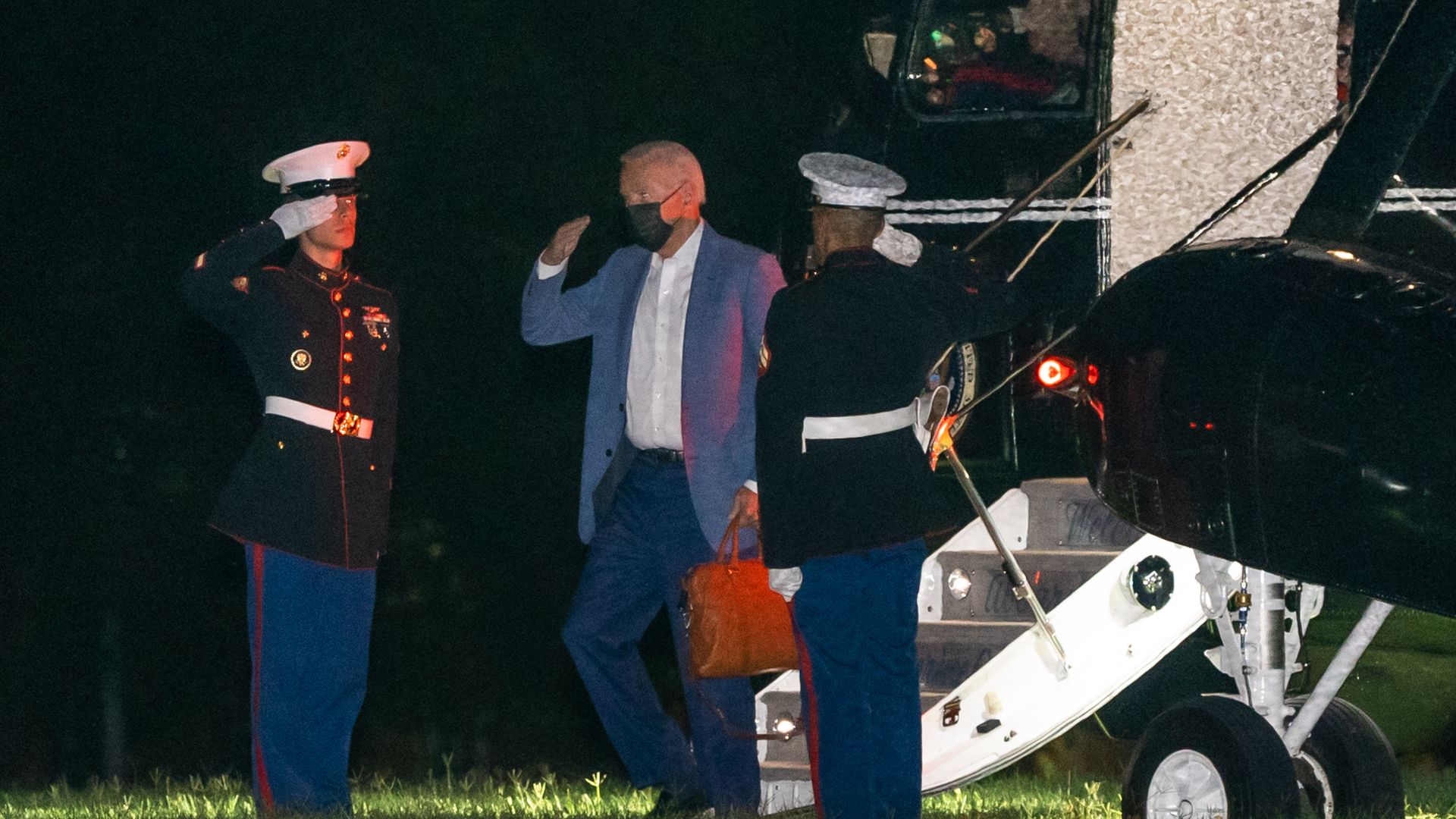
President Biden said he saw no way to withdraw U.S. troops from Afghanistan "without chaos ensuing" in an interview with ABC News' George Stephanopoulos that was previewed Wednesday evening.
Why it matters: Critics have slammed the Biden administration for failing to plan a measured and managed departure, which the Taliban used to their advantage. But in his first on-camera interview since the fall of Afghanistan, Biden defended the withdrawal, calling it "a simple choice."
U.S. troops will remain in Afghanistan until every American is evacuated, even if that means staying past the White House's Aug. 31 deadline, President Biden said in an interview with ABC News' George Stephanopoulos that was previewed Wednesday evening.
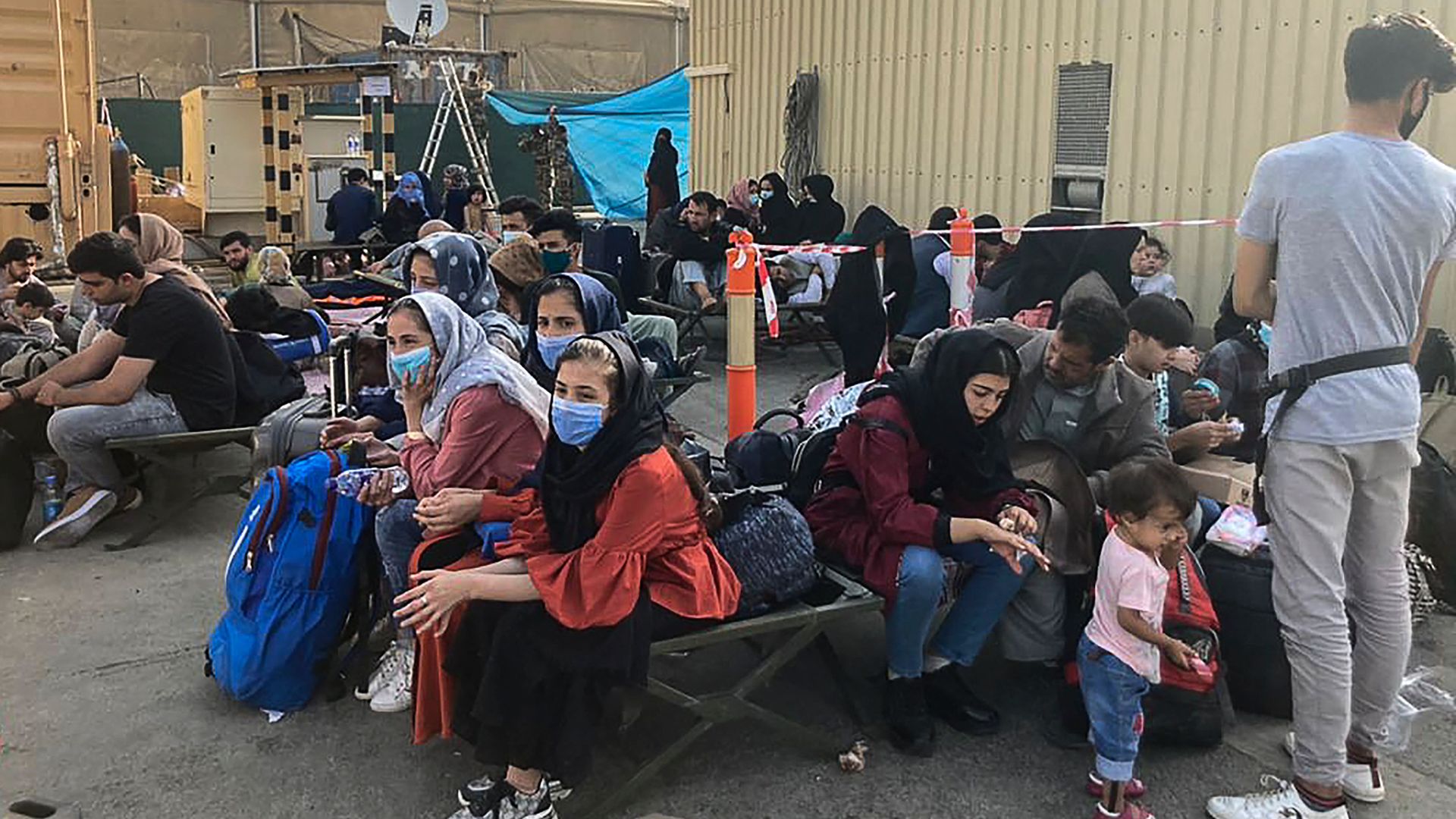
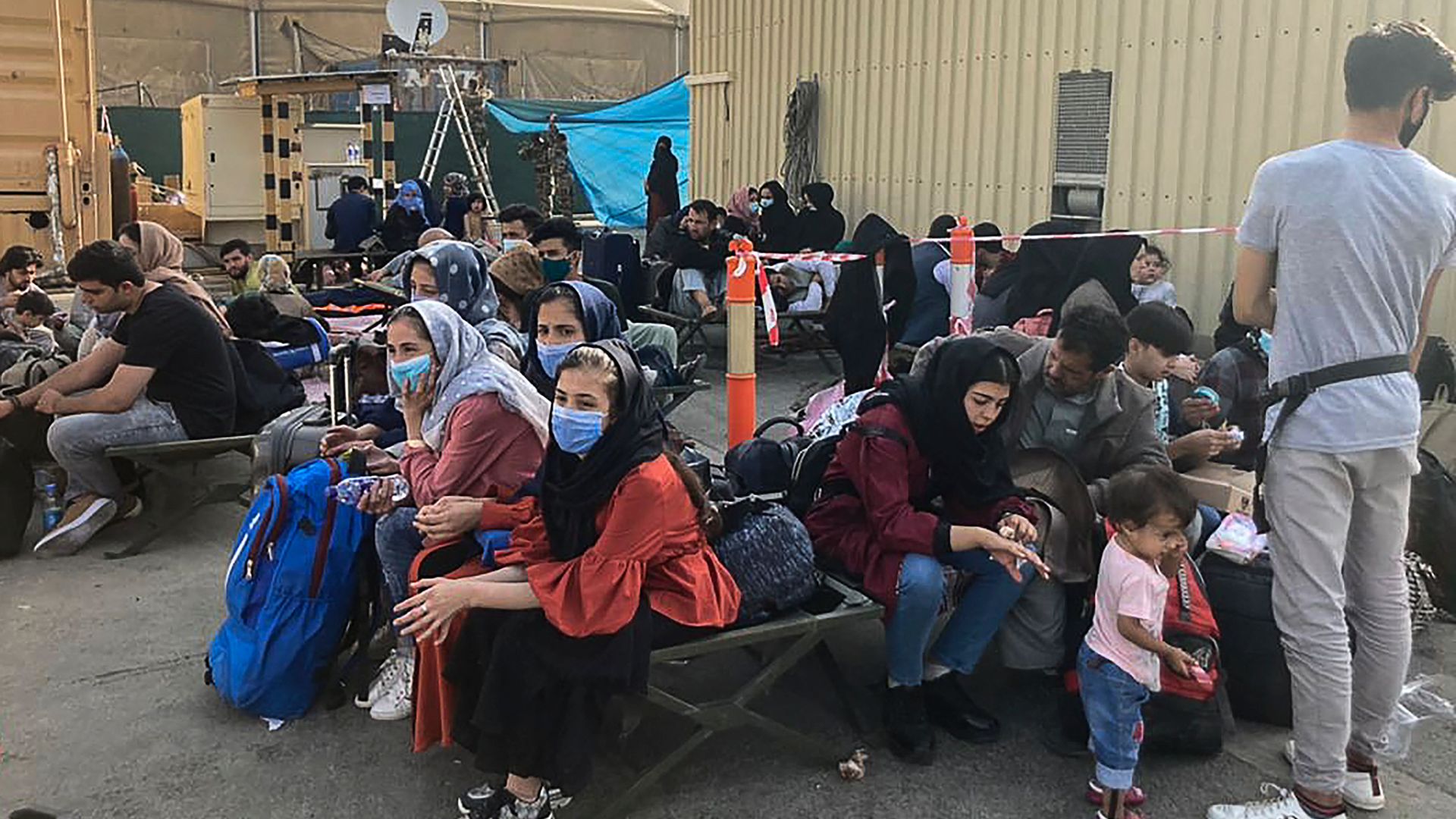
Why it matters: Around 10,000 to 15,000 Americans are still in the country now controlled by the Taliban according to various reports; between 50,000 and 65,000 Afghans and their families await evacuation assistance from the U.S, according to Biden.
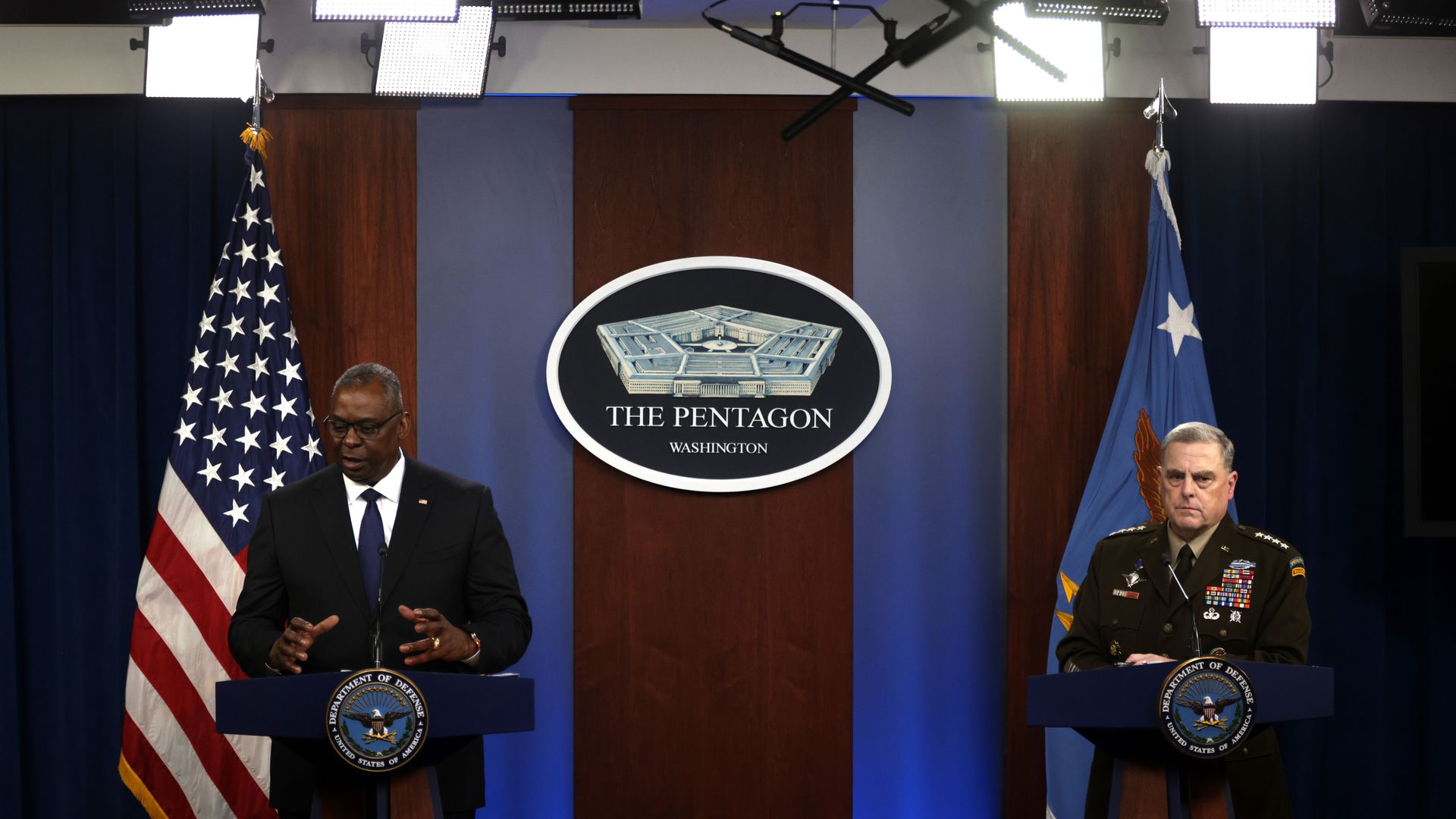
The U.S. forces in Afghanistan lack the “capability” to pick up large numbers of Americans stranded in Kabul and bring them to the airport, Defense Secretary Lloyd Austin said Wednesday, leaving the U.S. evacuation effort reliant on the Taliban’s willingness to let them travel safely.
Why it matters: Thousands of Americans remain in Afghanistan along with tens of thousands of Afghans waiting on Special Immigrant Visas, but those who aren’t in the airport — or even in Kabul — face a perilous journey to get there, and it’s unclear how long the window to evacuate them will remain open.
Gen. Mark Milley, chairman of the Joint Chiefs of Staff, said Wednesday that the U.S. military's intelligence did not indicate that Afghanistan would fall as quickly as it did to the Taliban.
The big picture: Milley's comments come as intelligence communities have pushed back on claims that the Afghan collapse was a surprise. Several leaks have asserted that the intelligence agencies provided substantial information regarding Afghanistan's potential fall.
The Biden administration was scrambling to clear a backlog of thousands of Special Immigrant Visa (SIV) applications to the U.S. that had piled up in Afghanistan for a year after in-person interviews with applicants were suspended.
The big picture: They felt they were starting to make some progress — until Kabul suddenly fell — two senior officials familiar with the situation tell Axios.
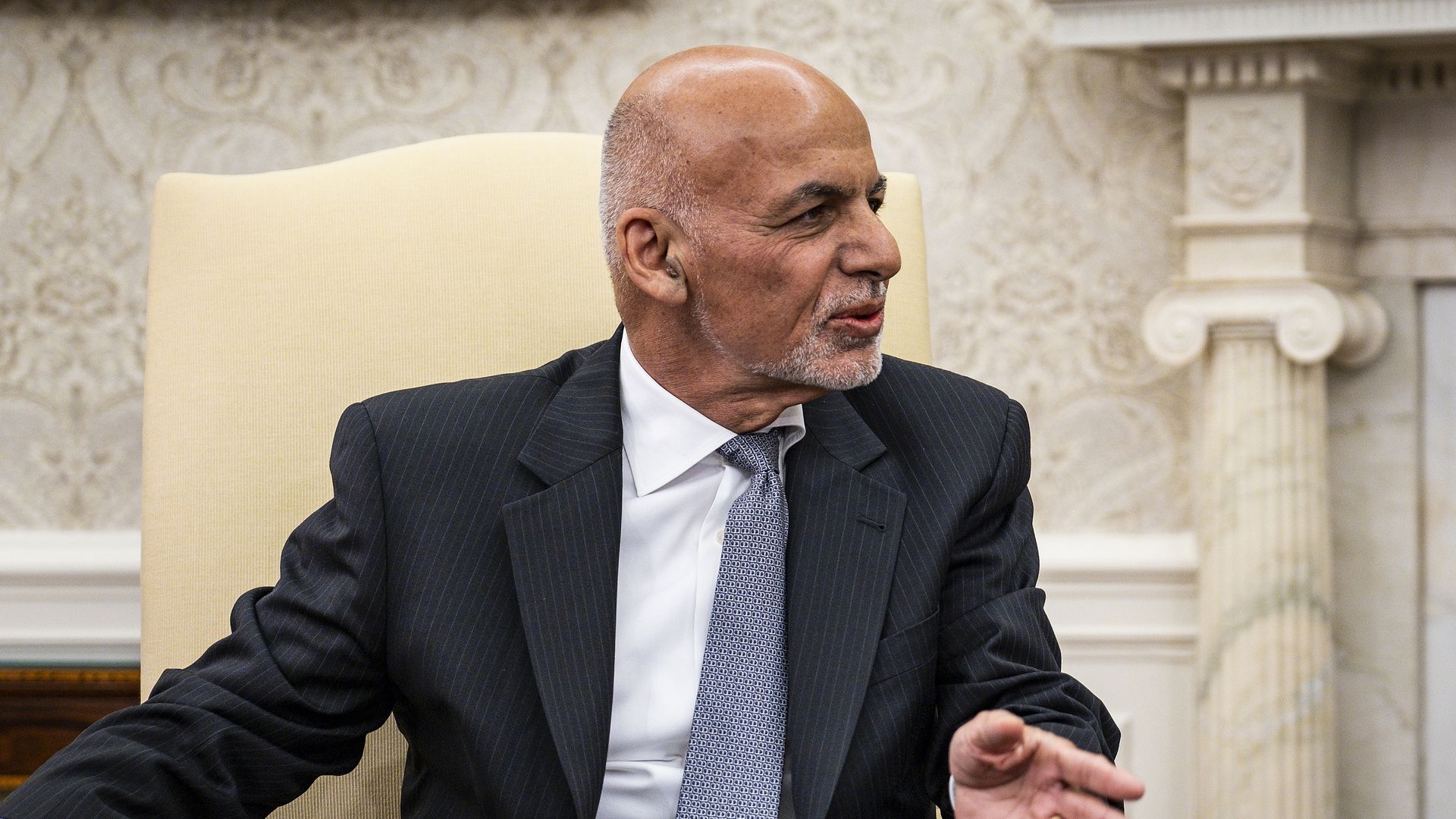
Former Afghan President Ashraf Ghani — speaking from exile in the United Arab Emirates — said he fled the country to avoid being killed by the Taliban and denied allegations that he took a large sum of money with him.
The latest: In a video posted to Facebook Wednesday, Ghani said he left Kabul to prevent bloodshed and accused the Taliban of breaking an agreement to remain on the outskirts of the city.
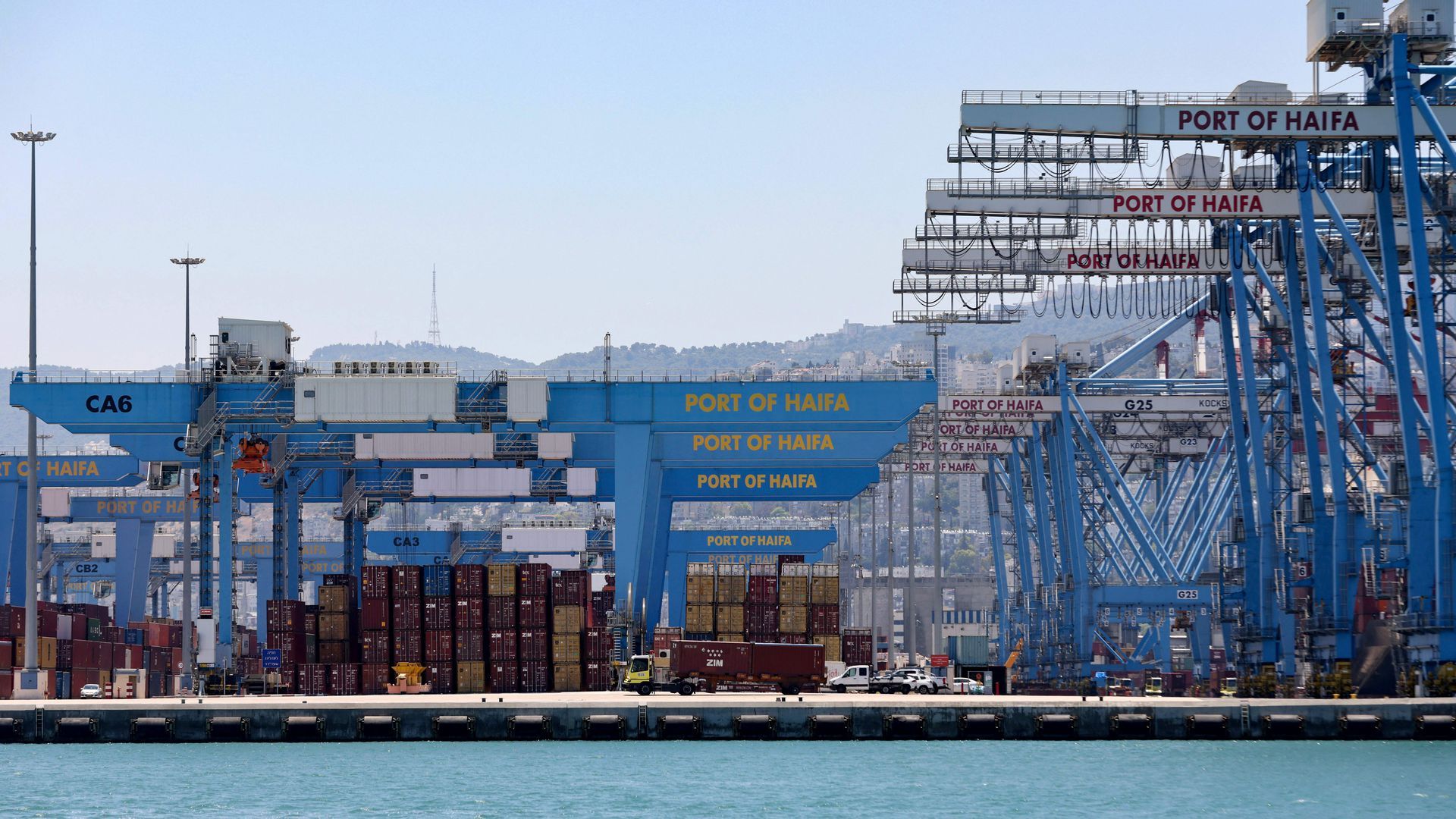
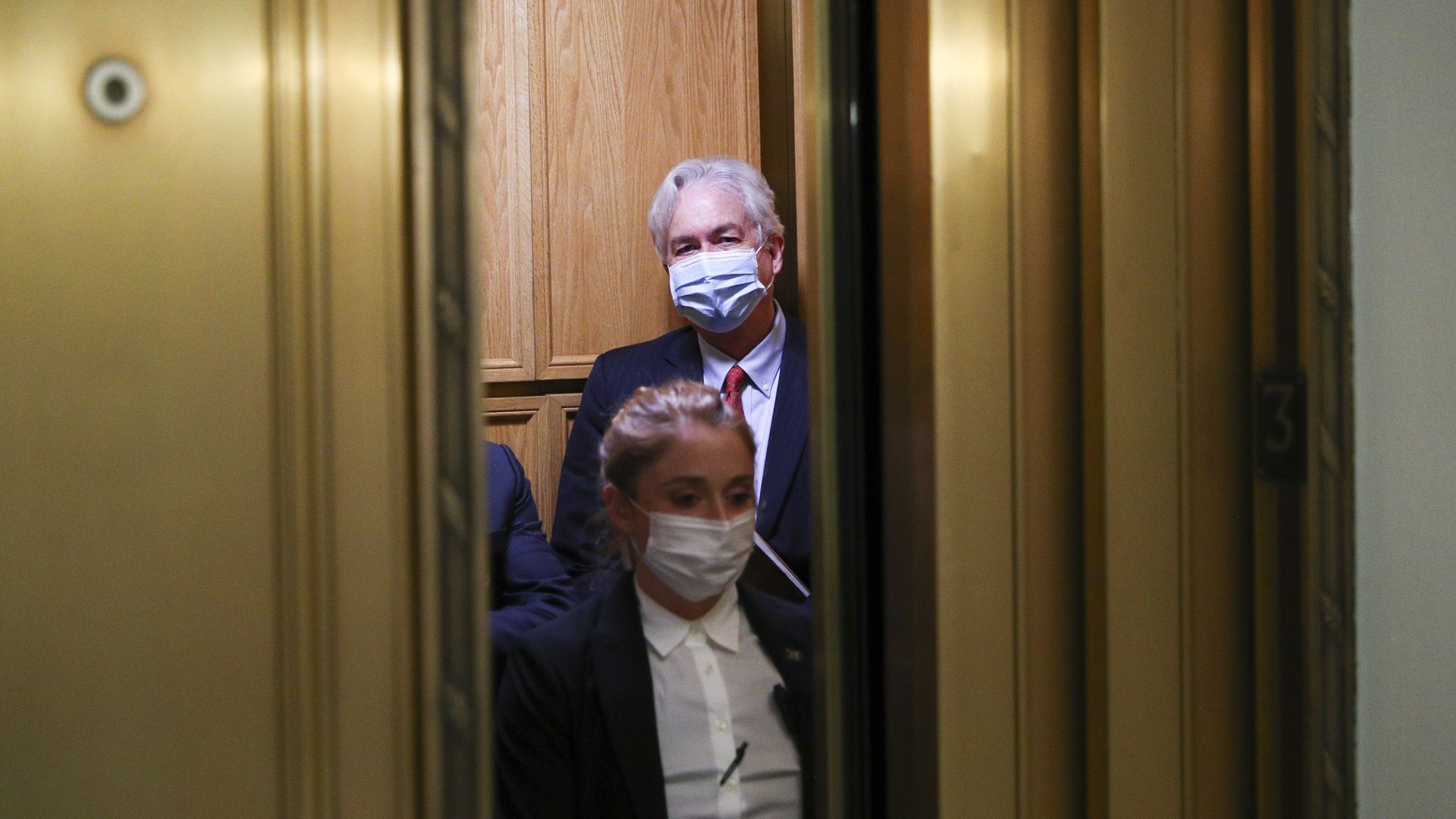
While visiting Israel last week, CIA director Bill Burns told Prime Minister Naftali Bennettthe U.S. was concerned about Chinese investments in Israel, particularly in the tech sector, and involvement in major infrastructure projects, Israeli officials tell Axios.
Why it matters: That's the highest level at which the Biden administration has raised an issue that previously became a rare point of contention between the Trump and Netanyahu governments.
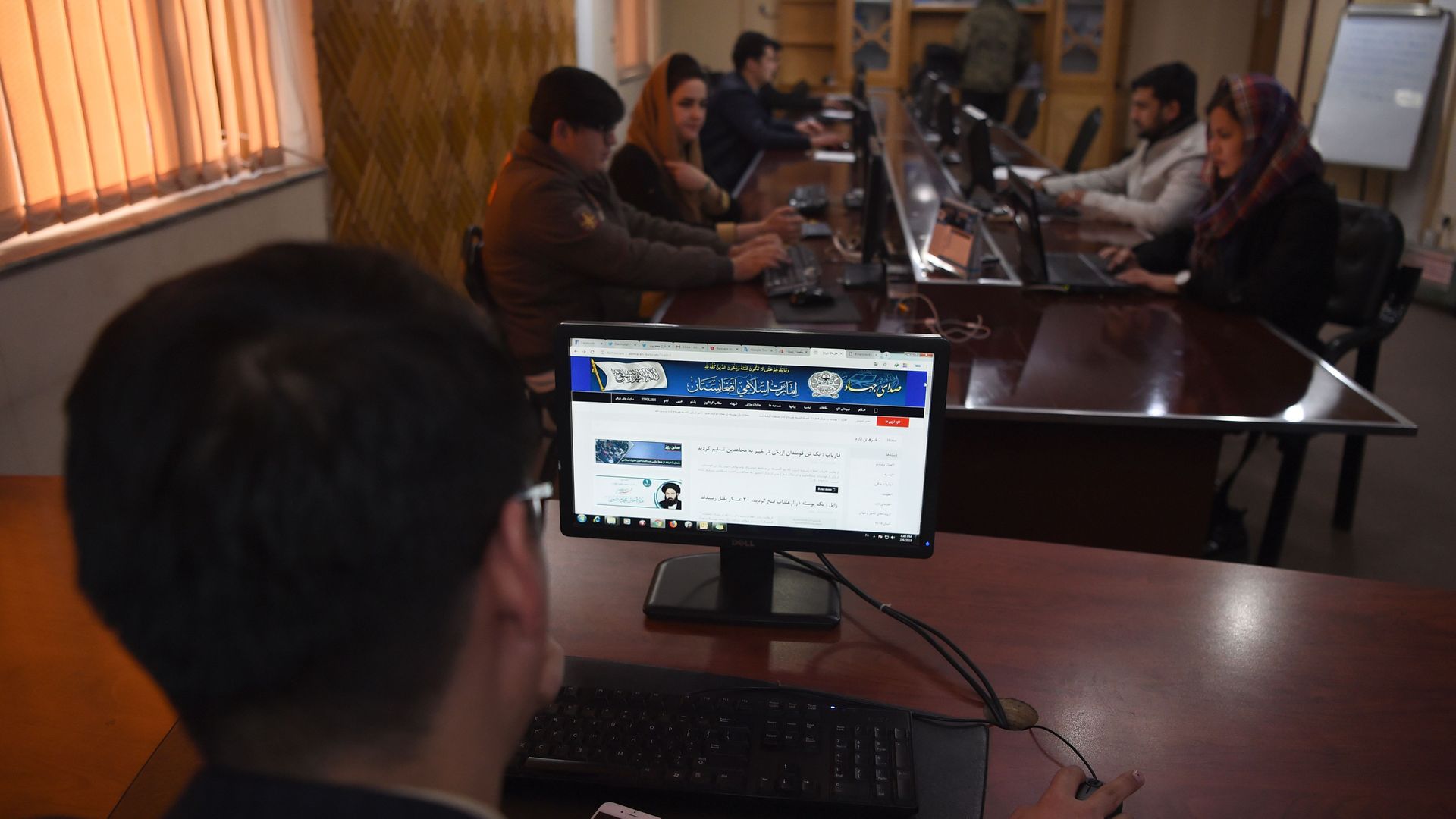
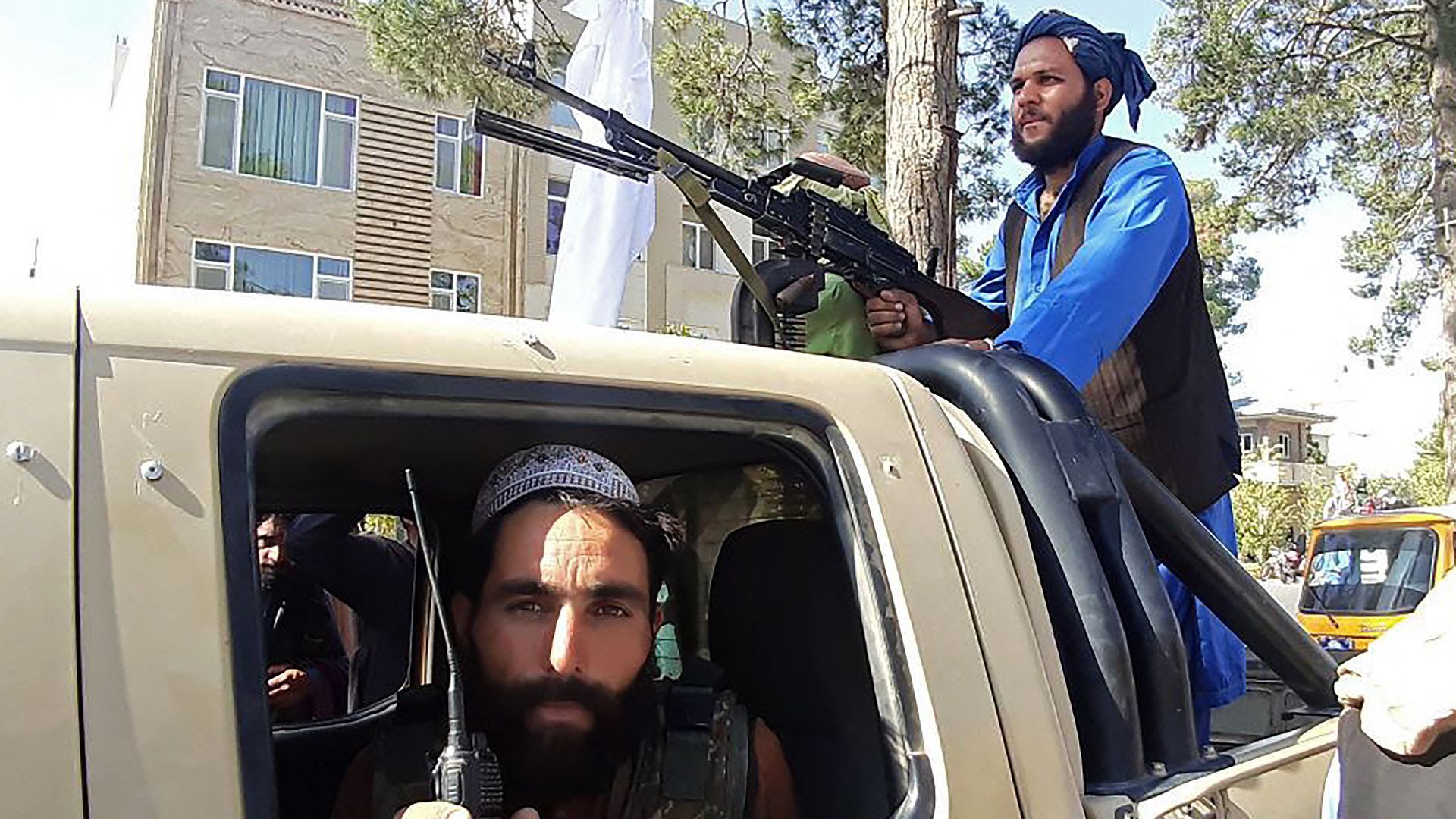
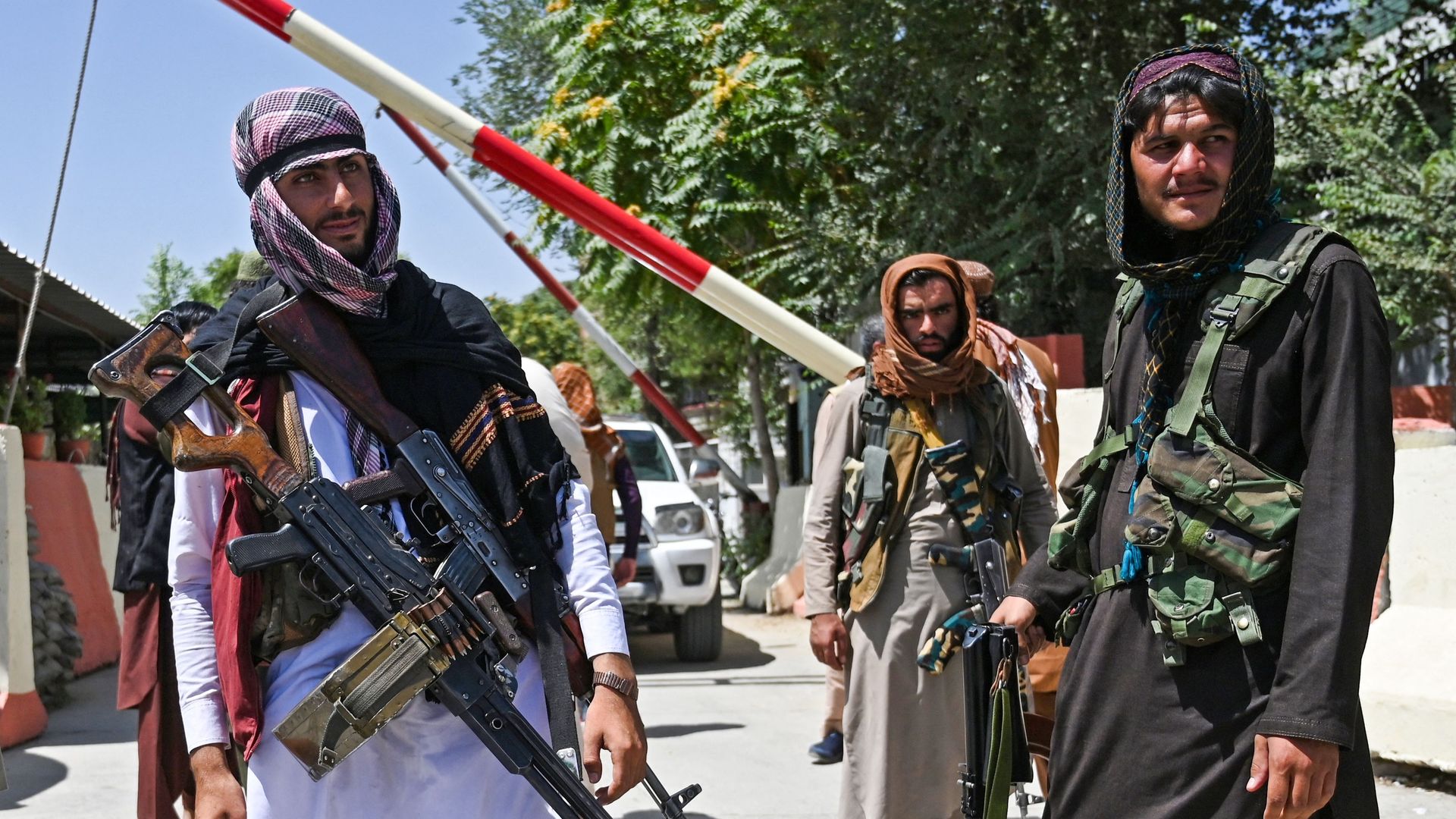
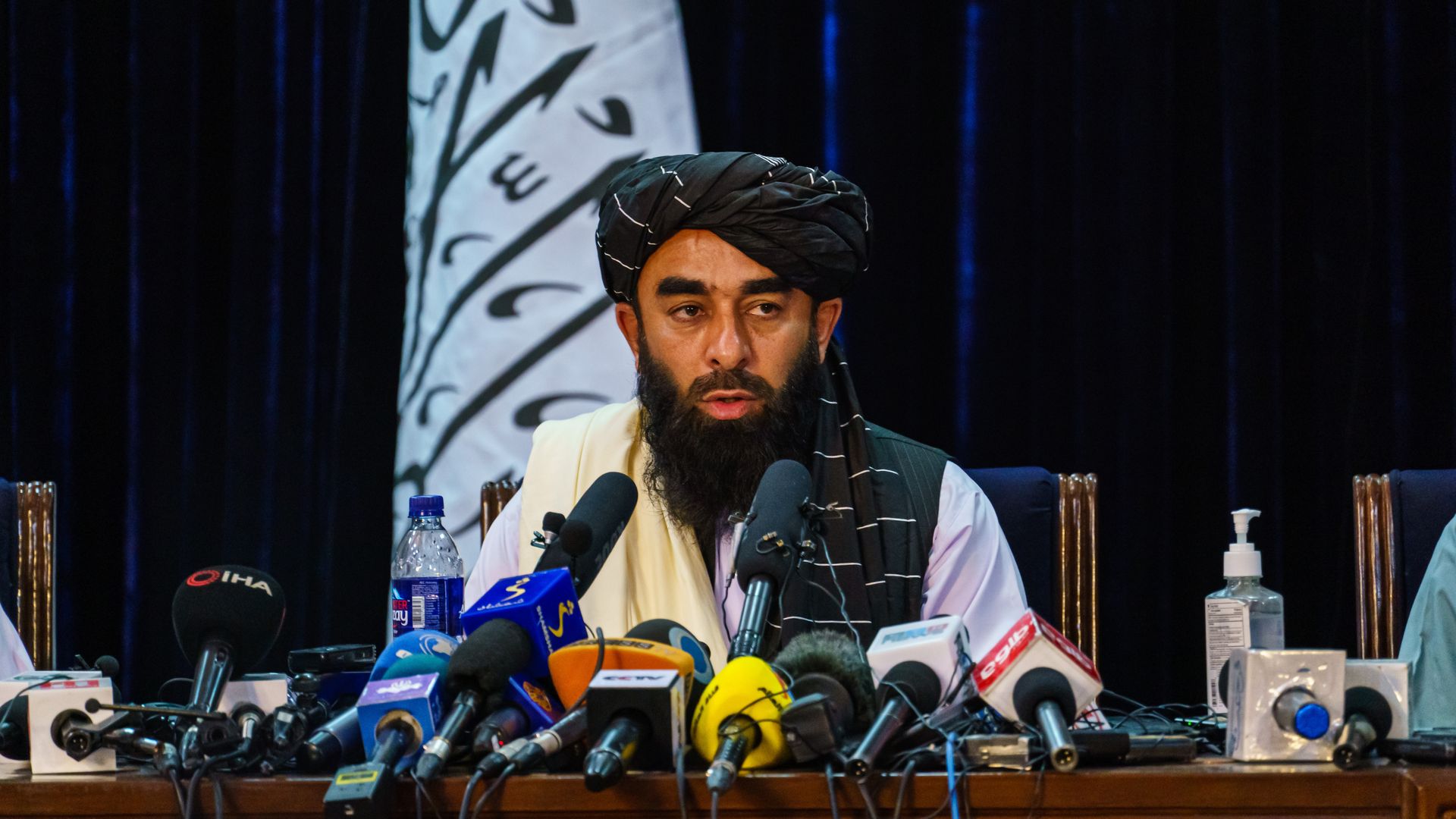
Why it matters: How social media companies choose to handle the Taliban's victory in Afghanistan will impact how effectively the group is able to communicate to the people it will now govern.
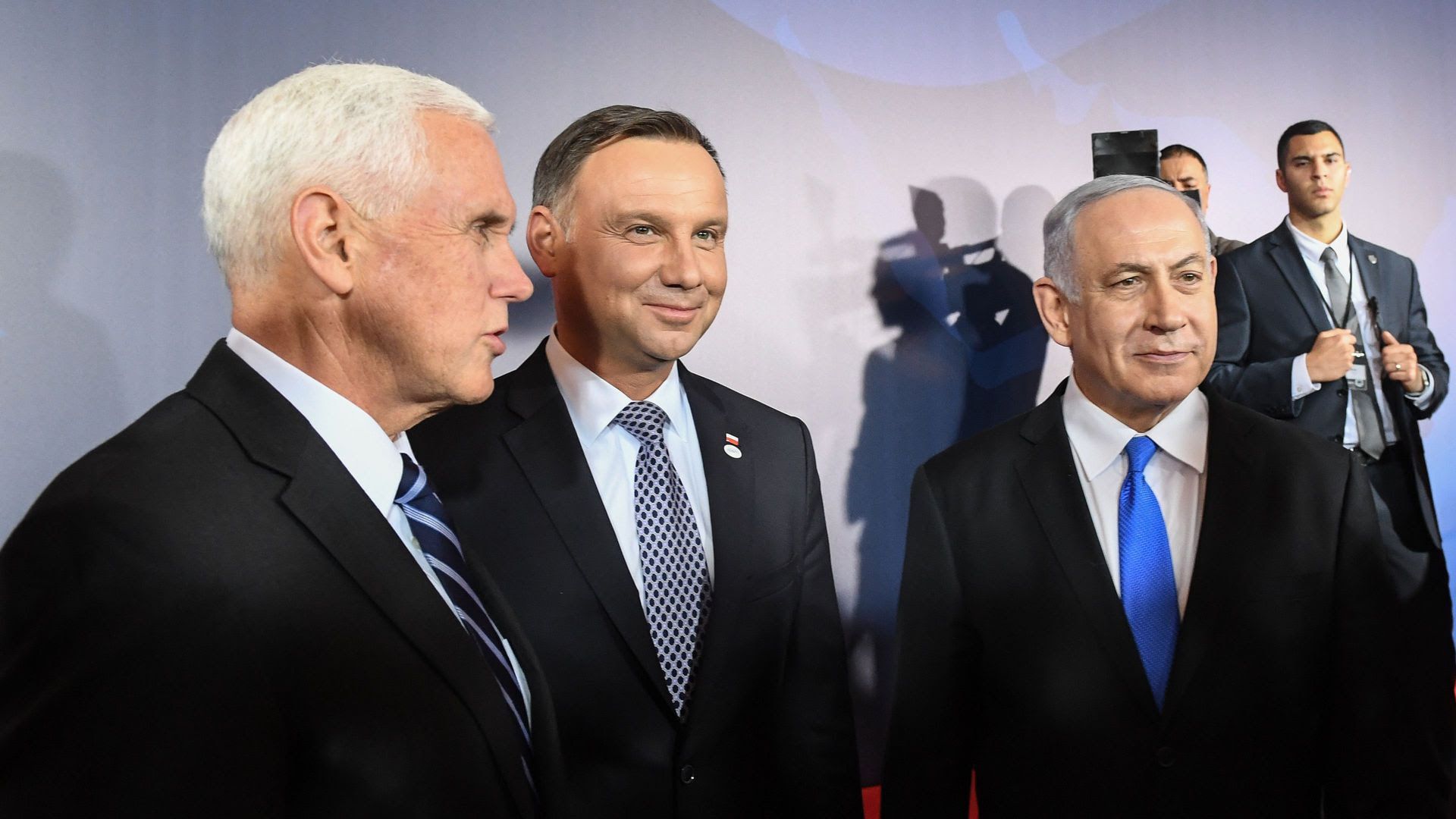
The diplomatic crisis over a Polish law limiting the ability to introduce claims to property confiscated during World War II is a manifestation of the shift in Israeli policy toward Europe under the new government.
Why it matters: The bill will mostly impact Holocaust survivors and their descendants, and it's seen by the Israeli government and the Biden administration as another step by Poland's government to rewrite the country's history around the Holocaust.
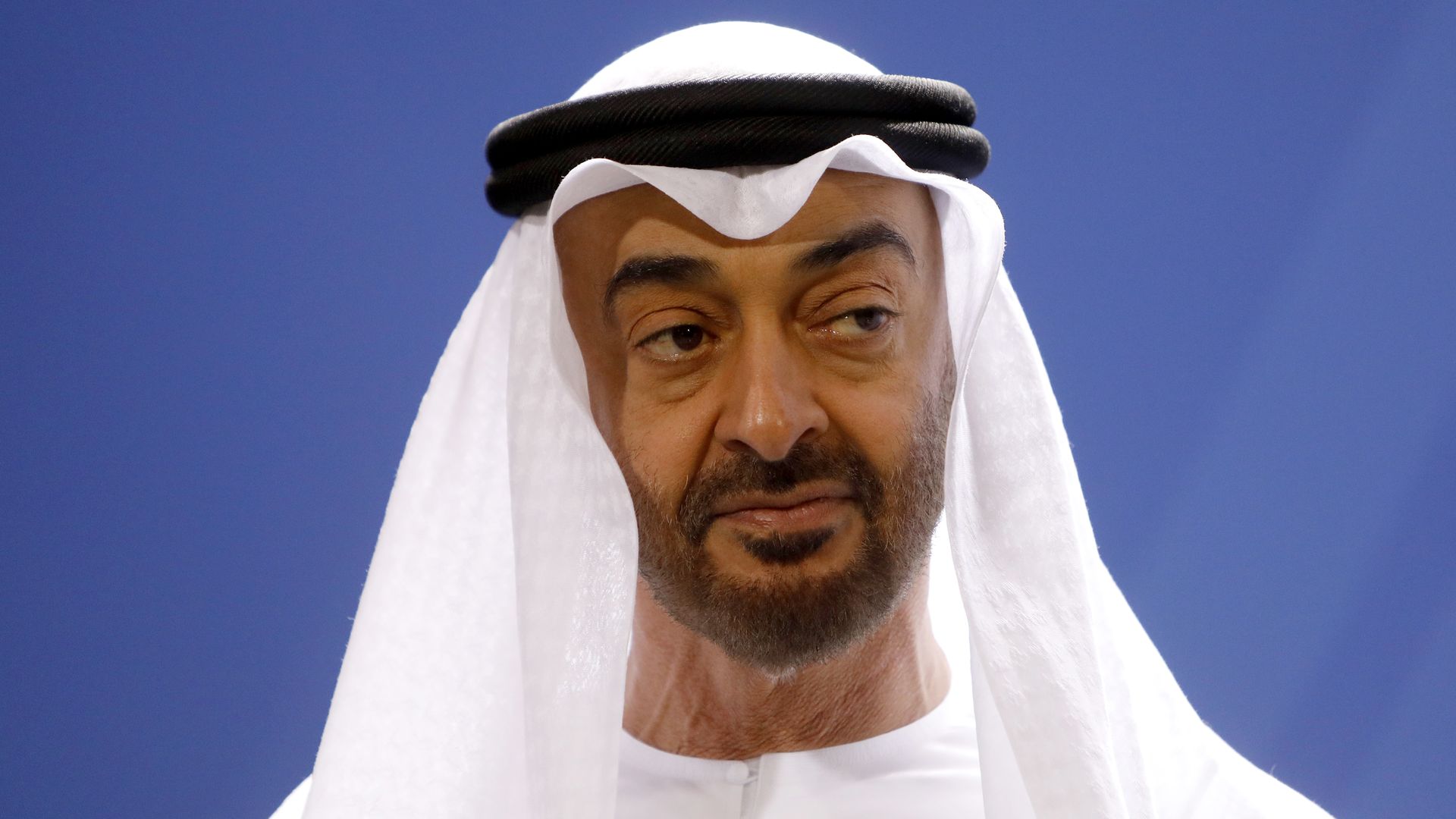
DUBAI -- The scenes of panic at Kabul airport have been uncomfortable to watch for many people in the Gulf.
Why it matters: Governments in the region, particularly the UAE, have supported NATO’s mission and provided Afghanistan with aid, building up ties with successive governments in Kabul over the years since the 2001 U.S.-led invasion.
While the drama in Kabul was unfolding over the weekend, CIA director Bill Burns was on a six-day trip to the Middle East.
Why it matters: The CIA and the rest of the U.S. intelligence community have been highly criticized in recent days for an apparent intelligence failure over the swift Taliban takeover. The fact that Burns was on an overseas trip suggests the agency didn’t think a collapse was imminent.
Israeli Prime Minister Naftali Bennett's first visit to the White House will come with President Biden attempting to manage the worst foreign policy crisis of his presidency.
Why it matters: Bennett will visit next Thursday, the White House confirmed, which will likely make him the first world leader to meet Biden during his "Saigon moment."
Afghanistan's two Paralympians — including its first female Paralympian — won't be able to make it to Tokyo with airports closed in the wake of the Taliban's takeover.
Why it matters: Sports are hardly the biggest concern in Afghanistan right now, but the changes set to take place therein — particularly for women — reflect the country's uncertain future.
The Taliban blew up a statue of a Shiite military leader who fought against the militant group during Afghanistan’s civil war in the 1990s, photos circulating on Wednesday show, according to AP.
Why it matters: The destruction of the statue of Abdul Ali Mazari is a reminder of the destruction of 1,500-year-old statues of Buddha in 2001, when the Taliban previously ruled and strictly limited women's and other human rights.
The Special Inspector General for Afghanistan Reconstruction released (by coincidence) a new "Lessons Learned" report on Tuesday. My heart sankwhen I read the seven takeaways in "What We Need to Learn: Lessons from Twenty Years of Afghanistan Reconstruction." (The 11th in a series)
Why it matters: It's like we never knewor learned anything.
You saw this one coming:The more talk of an intelligence failure, the more likely that intel world would strike back. Sure enough,we now have a spate of leaks asserting that the intelligence agencies provided prescient reads on Afghanistan.
Driving the news: "Classified assessmentsby American spy agencies over the summer painted an increasingly grim picture of the prospect of a Taliban takeover of Afghanistan and warned of the rapid collapse of the Afghan military," The New York Times reports (subscription).
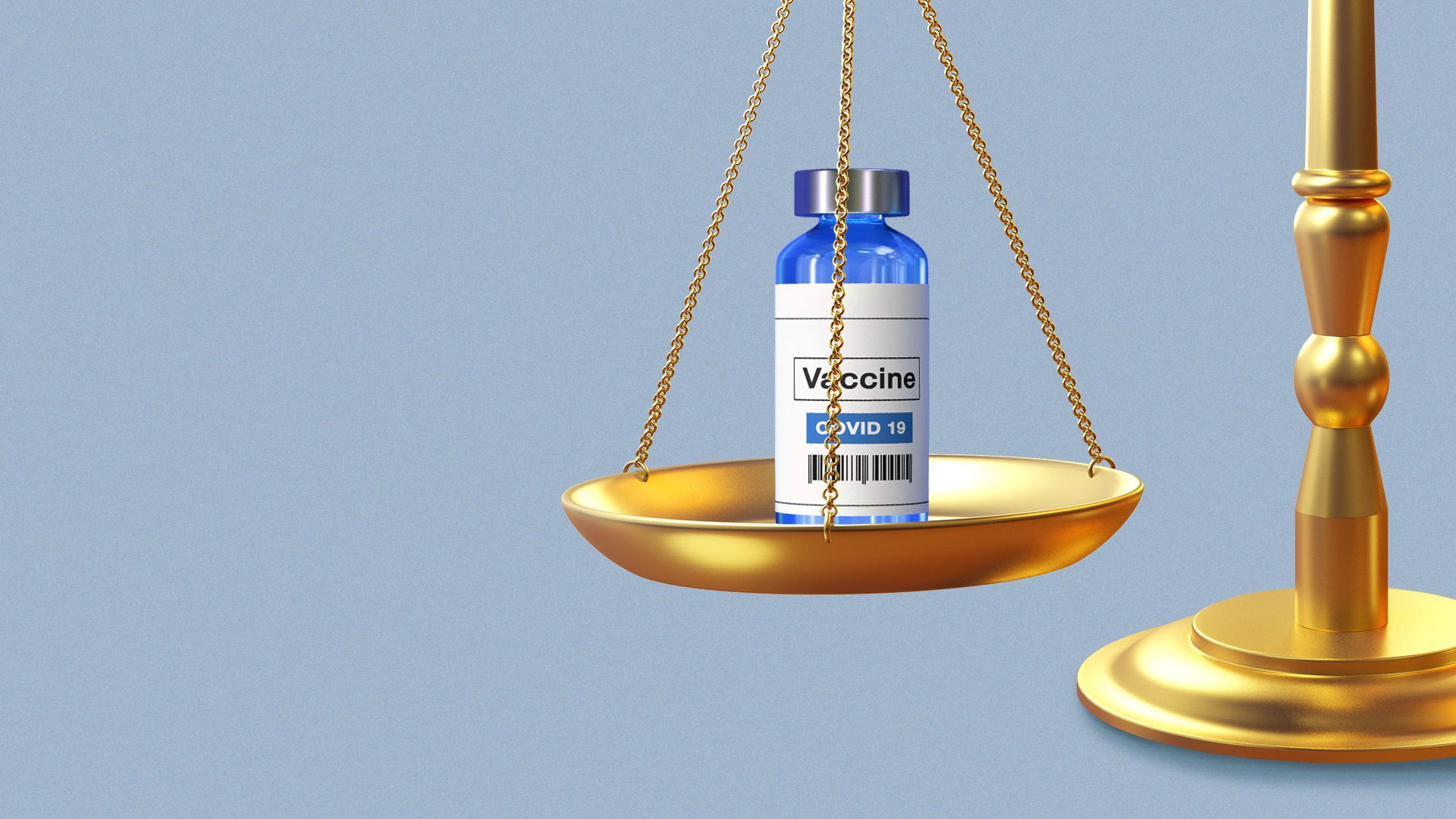
The Biden administration is expected to soon recommendbooster doses of the COVID-19 vaccine for everyone, but that decision fails fundamental ethics tests, according to interviews with physicians and medical ethicists.
Why it matters: There is still a global shortage of vaccines. Even amid concerns of the spreading Delta variant, experts say it's difficult to justify a third dose for relatively healthy people in the U.S. when many others haven't gotten their first.
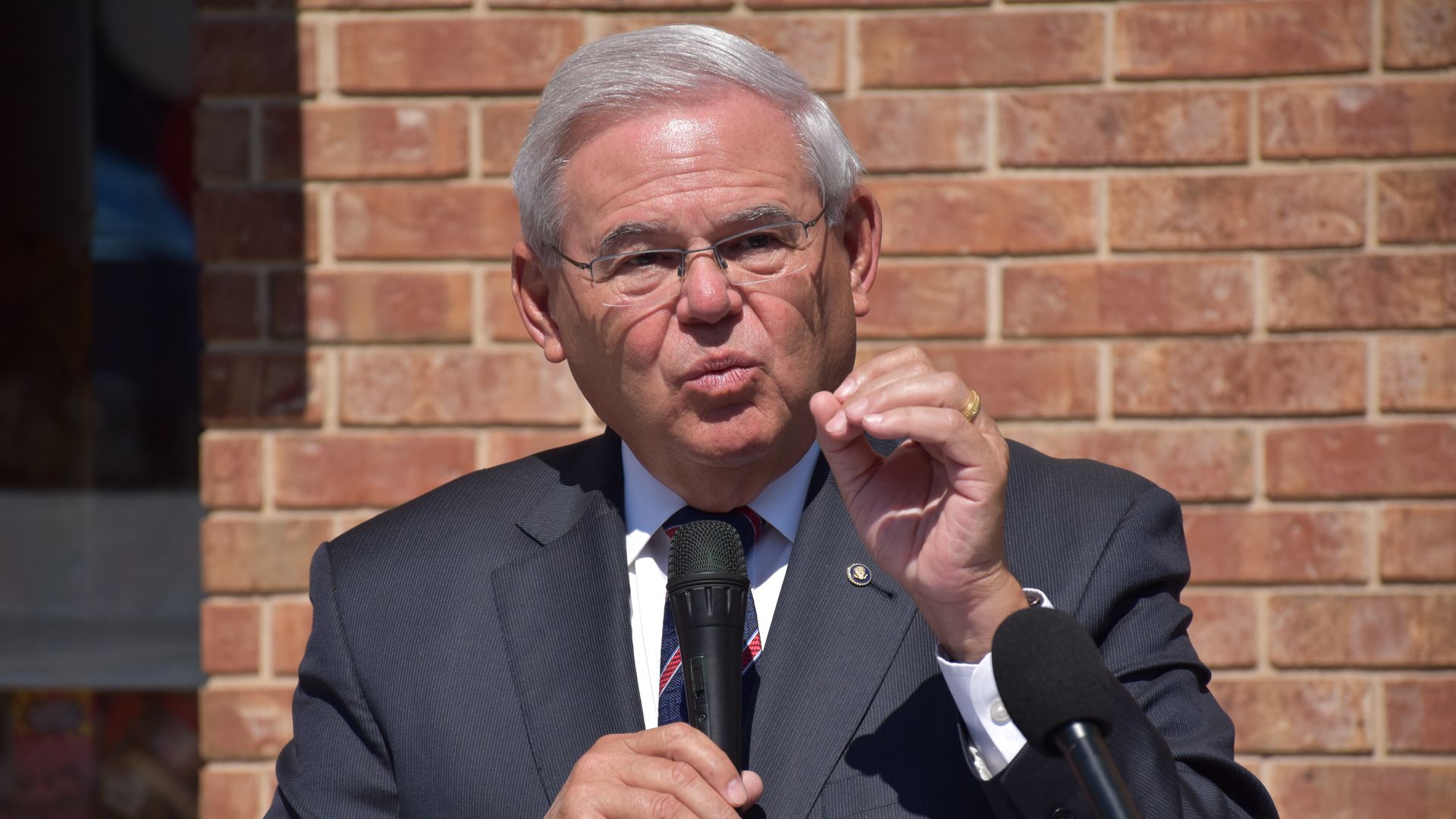
Senate Foreign Relations Committee Chair Bob Menendez (D-N.J.) said Tuesday he would hold hearings into the "flawed" U.S. troop withdrawal of Afghanistan.
Driving the news: Menendez, who blamed both the Biden and Trump administrations for the crisis unfolding in the Taliban-controlled country, is one of three top Democrats who head Senate committees who've vowed to investigate the Afghanistan crisis.
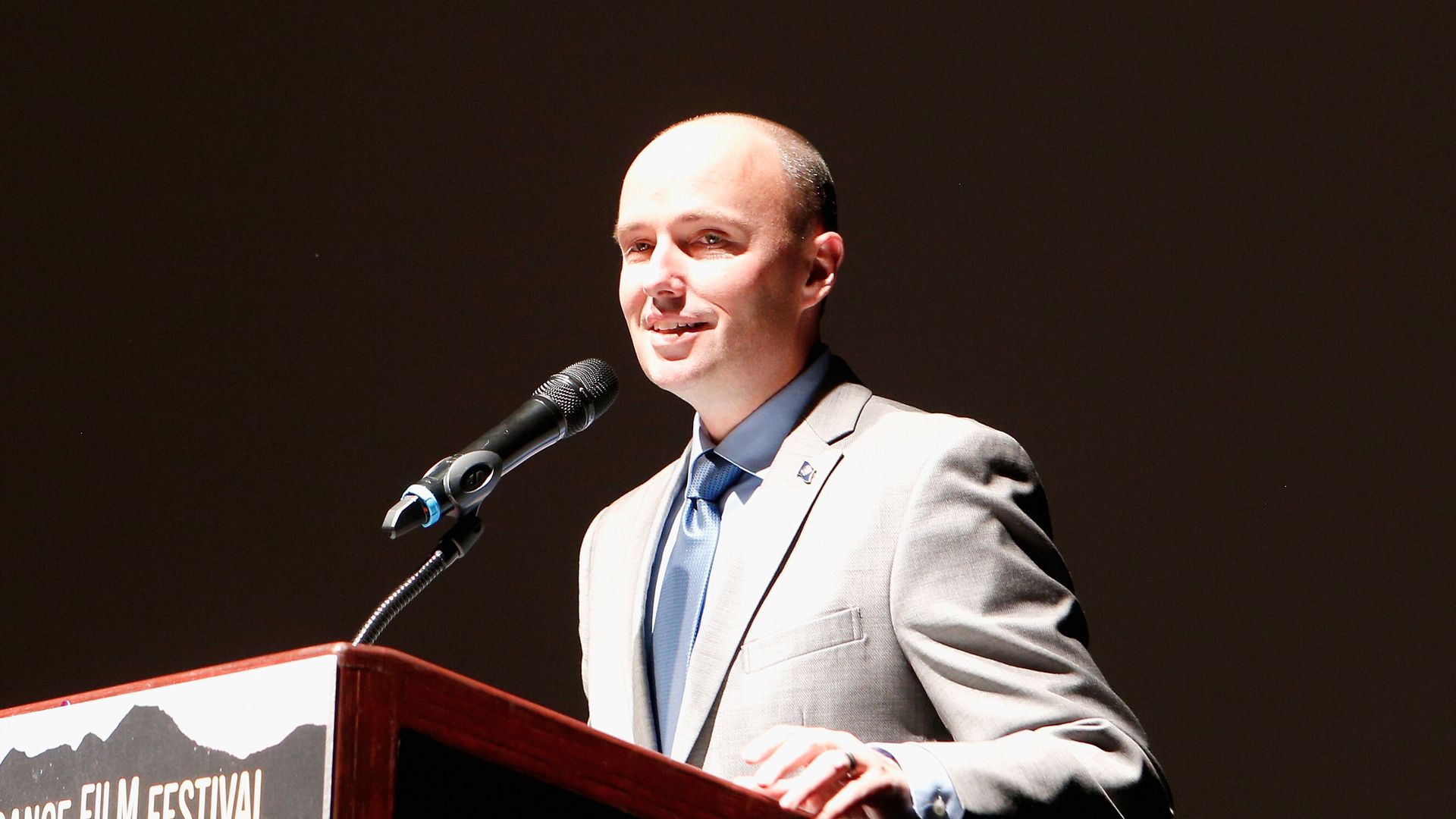
Utah Gov. Spencer Cox wrote to President Biden on Tuesday to offer his state's assistance in resettling Afghan refugees.
Driving the news: The Biden administration has yet to announce how many refugees the U.S. will take, but the Republican governor noted in his letter that Utah has a "long history of welcoming refugees" and the state was "eager to continue that practice and assist with the resettlement of individuals and families fleeing Afghanistan."
Western officials have stepped up evacuation efforts in Kabul, with over 2,200 diplomats and other civilians flown from Afghanistan on military flights Wednesday, per Reuters.
The big picture: The Taliban has said it will honor women's rights and an independent media within the "frameworks" of Islamic law. But many Afghan women and girls fear they will again face the threat of human rights abuses they endured when the Taliban last ruled in the 1990s — when it carried out public executions for "offenses" including adultery.
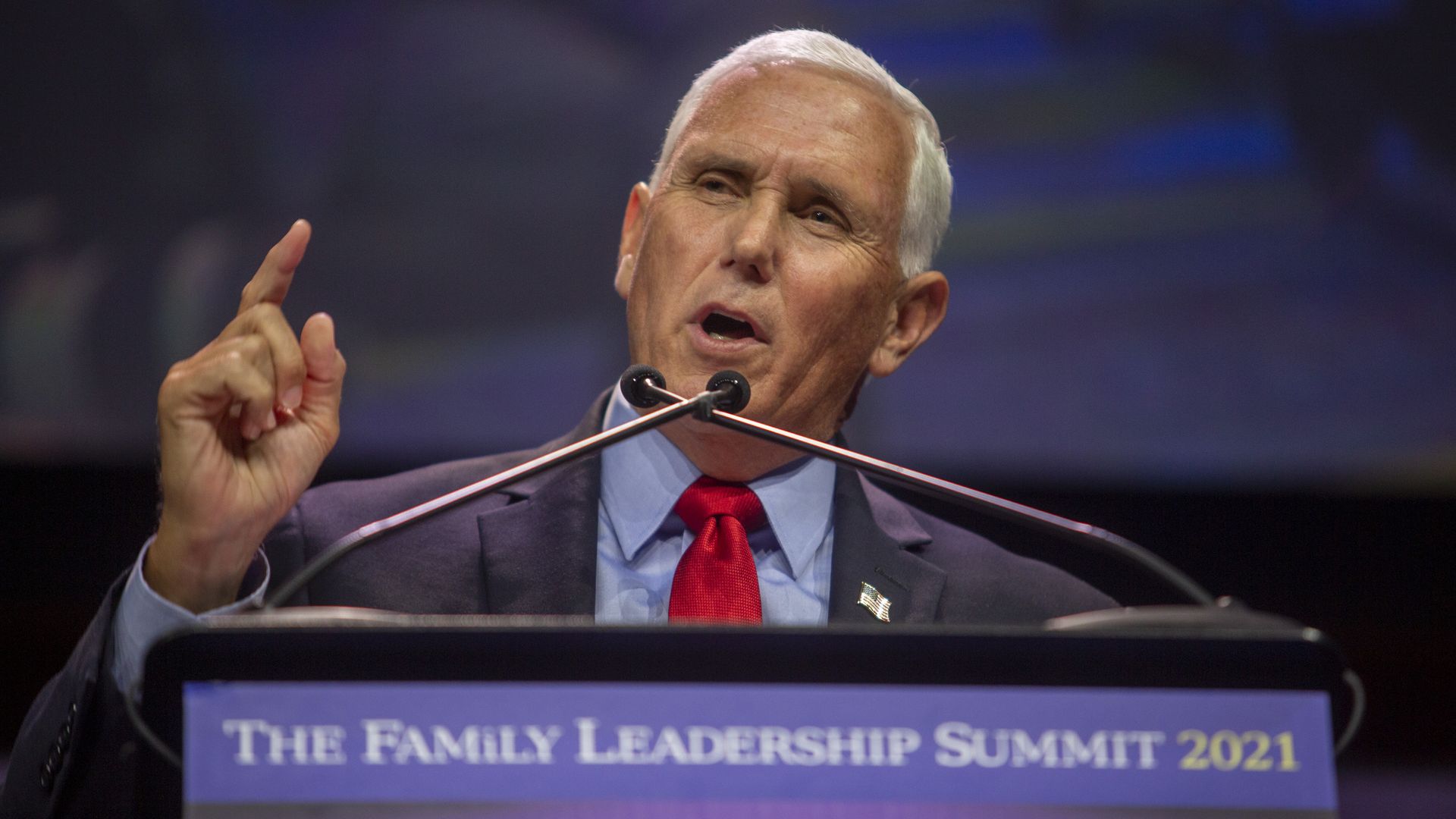
Former Vice President Mike Pence accused President Biden in a Wall Street Journal op-ed Tuesday of showing "weakness" toward the Taliban and insisted the crisis in Afghanistan wouldn't have happened if U.S. troops left the country sooner.
Why it matters: There's a hot debate about which U.S. administration owns this disaster. Biden blames his predecessor, former President Trump, for empowering the Taliban and leaving them "in the strongest position militarily since 2001." Now Pence says it's the fault of Biden alone.