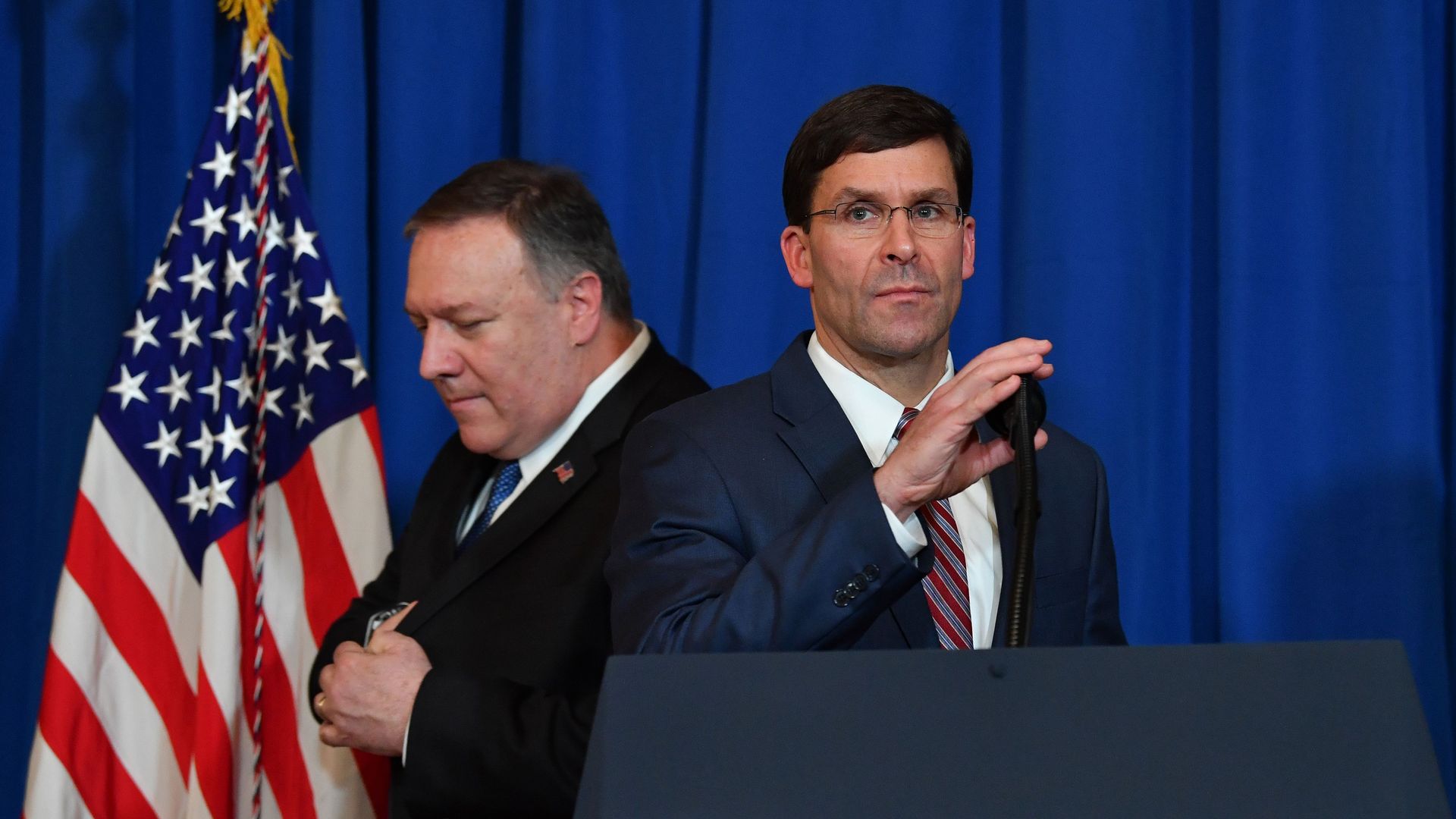
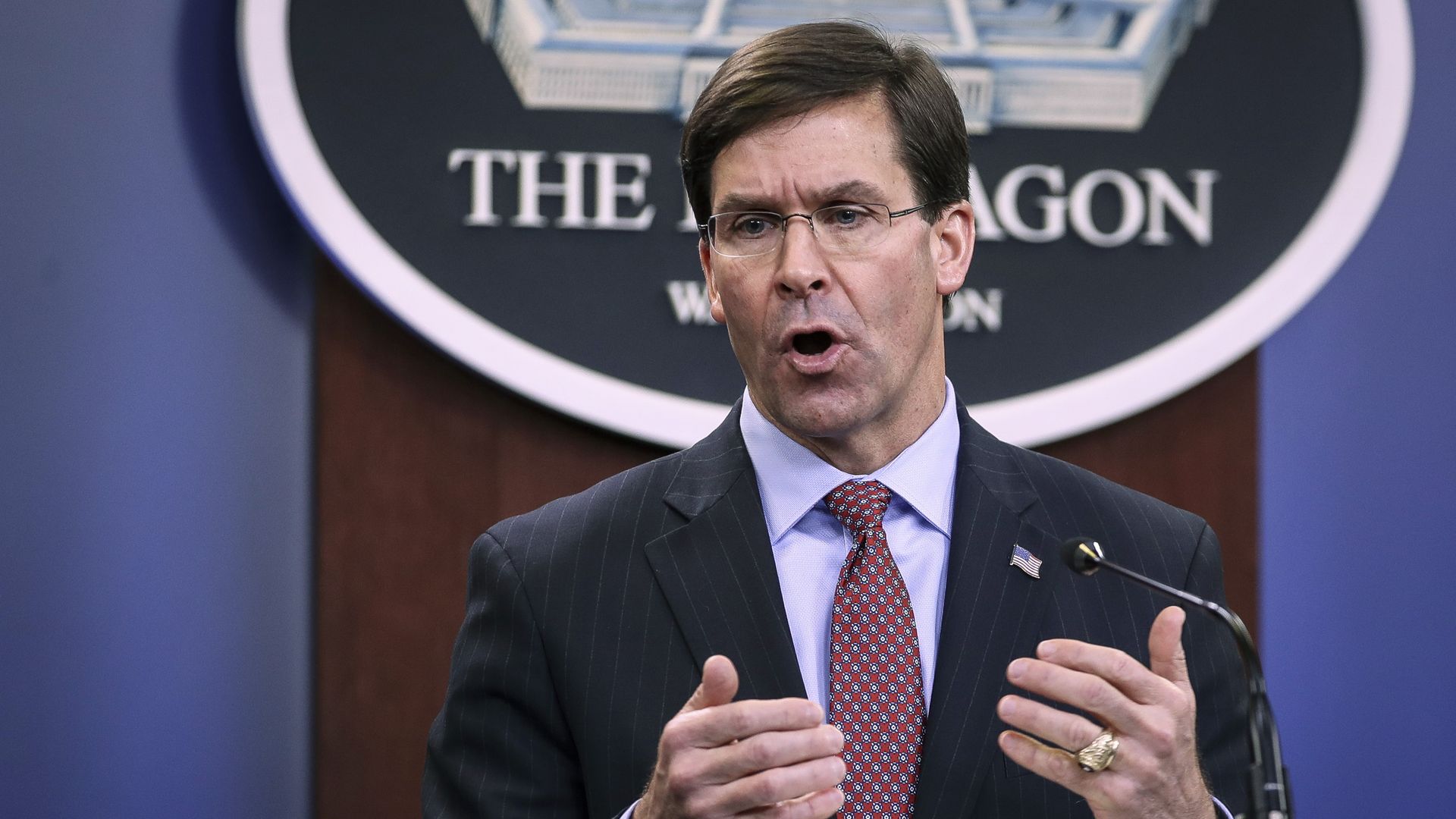
Secretary of Defense Mark Esper said Monday that "we will follow the laws of armed conflict" as they relate to the targeting of cultural sites, which is considered a war crime, CNN reports.
Why it matters: The remark appears to contradict President Trump's threat Sunday to target 52 Iranian sites — including ones "important" to Iranian culture — as a response to a potential retaliatory attack by Iran.
With multiple media outlets reporting on a letter appearing to reveal U.S. plans to withdraw from Iraq, Secretary of Defense Mark Esper told reporters Monday afternoon that no such decision has been made.
Driving the news: AFP and Reuters set off a frenzy by publishing a letter from Marine Corps Brig. Gen. William Seely informing the Iraqi military that the coalition to fight ISIS would be "repositioning forces" and preparing to move "out of Iraq" in the coming days and weeks out of respect for Iraqi sovereignty. Joint Chiefs of Staff chairman Gen. Mark Milley told reporters that the letter was simply a draft and was not meant to be released.
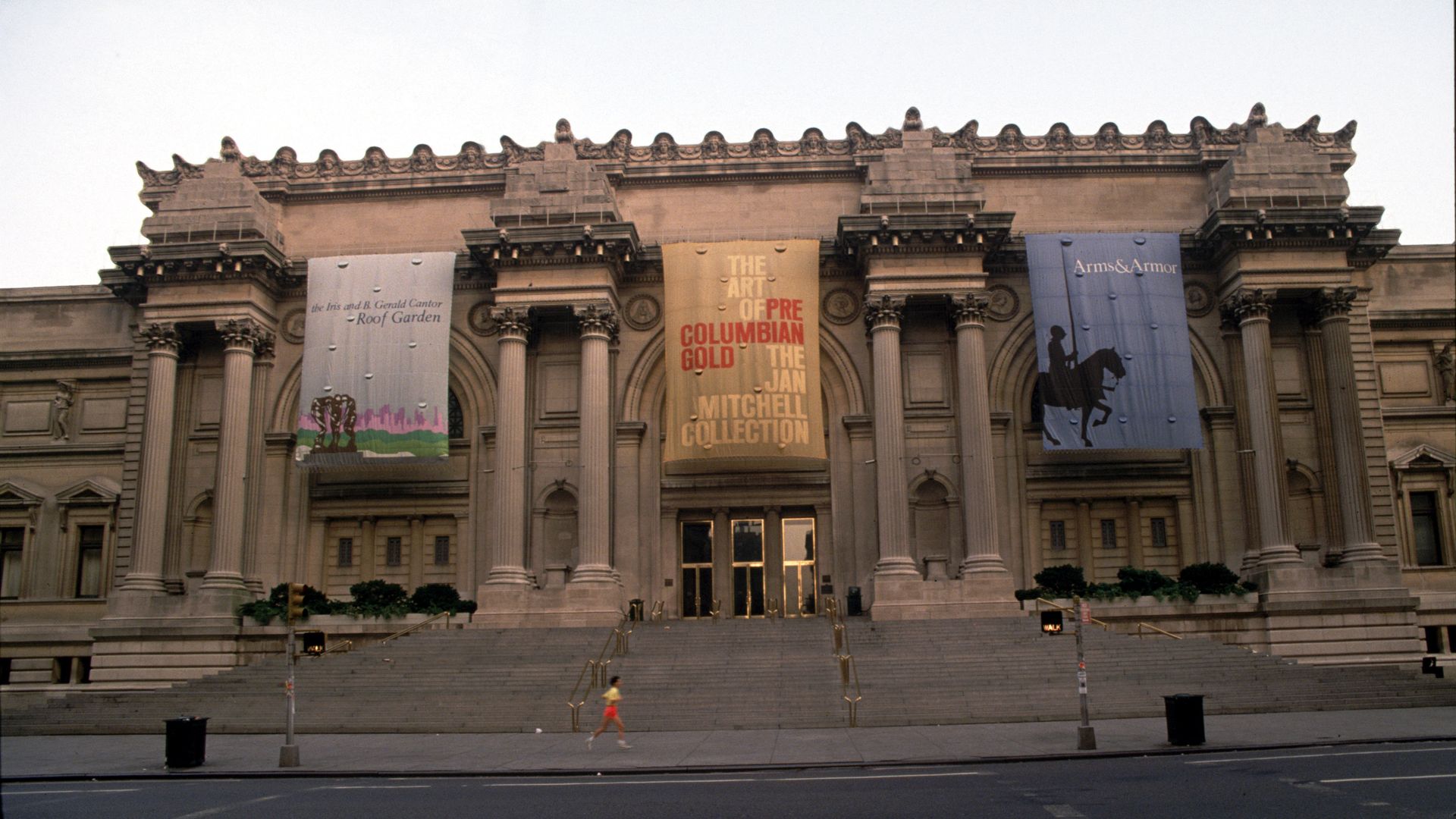
The president and director of the Metropolitan Museum of Art on Monday called President Trump's threat to target Iranian cultural sites in retaliation to a possible attack "abhorrent to the collective values of our society."
Why it matters: Targeting cultural sites is a war crime under a 1954 Hague treaty. The UN Security Council also unanimously passed a resolution in 2017 condemning the destruction of heritage sites in response to attacks by the Islamic State. Nonetheless, President Trump doubled down on his stance Sunday night.
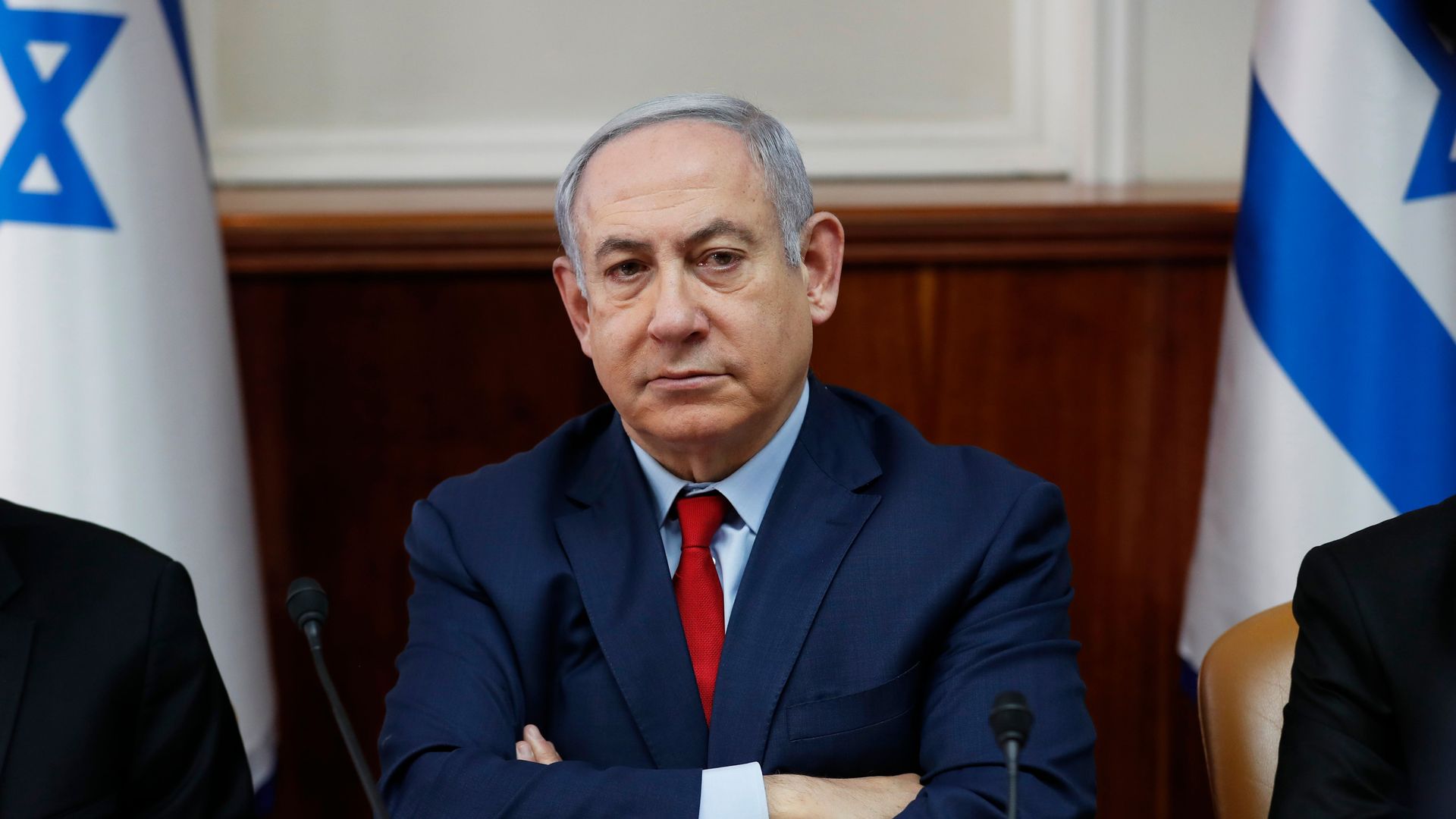
Israeli Prime Minister Benjamin Netanyahu told Security Cabinet ministers Monday that the killing of Iranian Gen. Qasem Soleimani was carried out solely by the U.S. and that Israel was not involved in any way and must not be dragged into the escalating conflict, two ministers who attended the meeting told me.
Why it matters: Like other countries in the region, Israel is concerned that Iran will retaliate against it in order to avenge the killing of Soleimani.
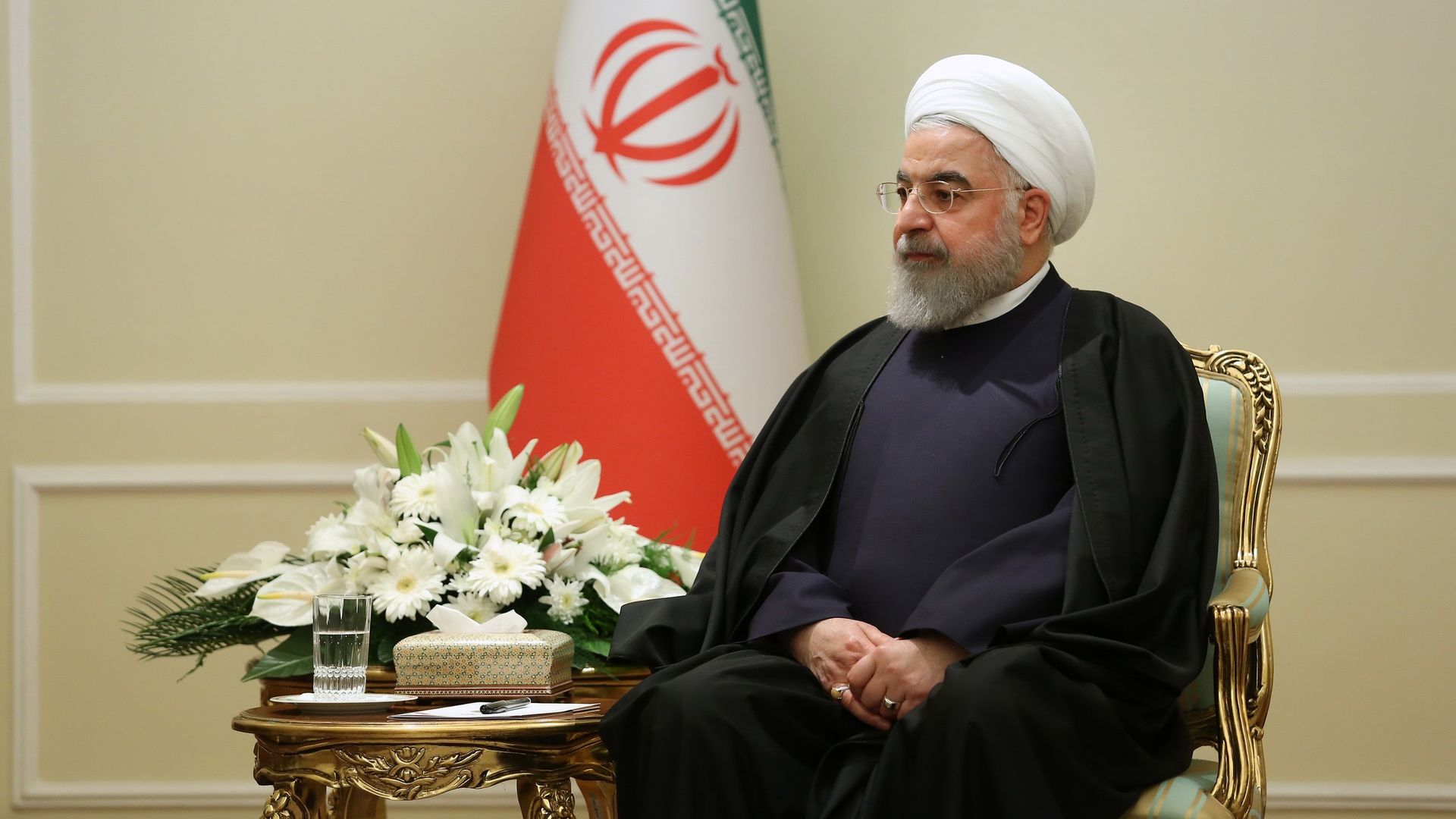
Iranian President Hassan Rouhani responded Monday on Twitter to President Trump's weekend warning that the U.S. military would target 52 Iranian sites — a reference to the number of American hostages taken during the Iran hostage crisis — if the country retaliates for the killing of Qasem Soleimani.
"Those who refer to the number 52 should also remember the number 290. #IR655 Never threaten the Iranian nation."
The context: A U.S. Navy cruiser shot down Iran Air Flight 655, a civilian airliner, over the Persian Gulf in 1988, killing all 290 passengers and crew members on board.
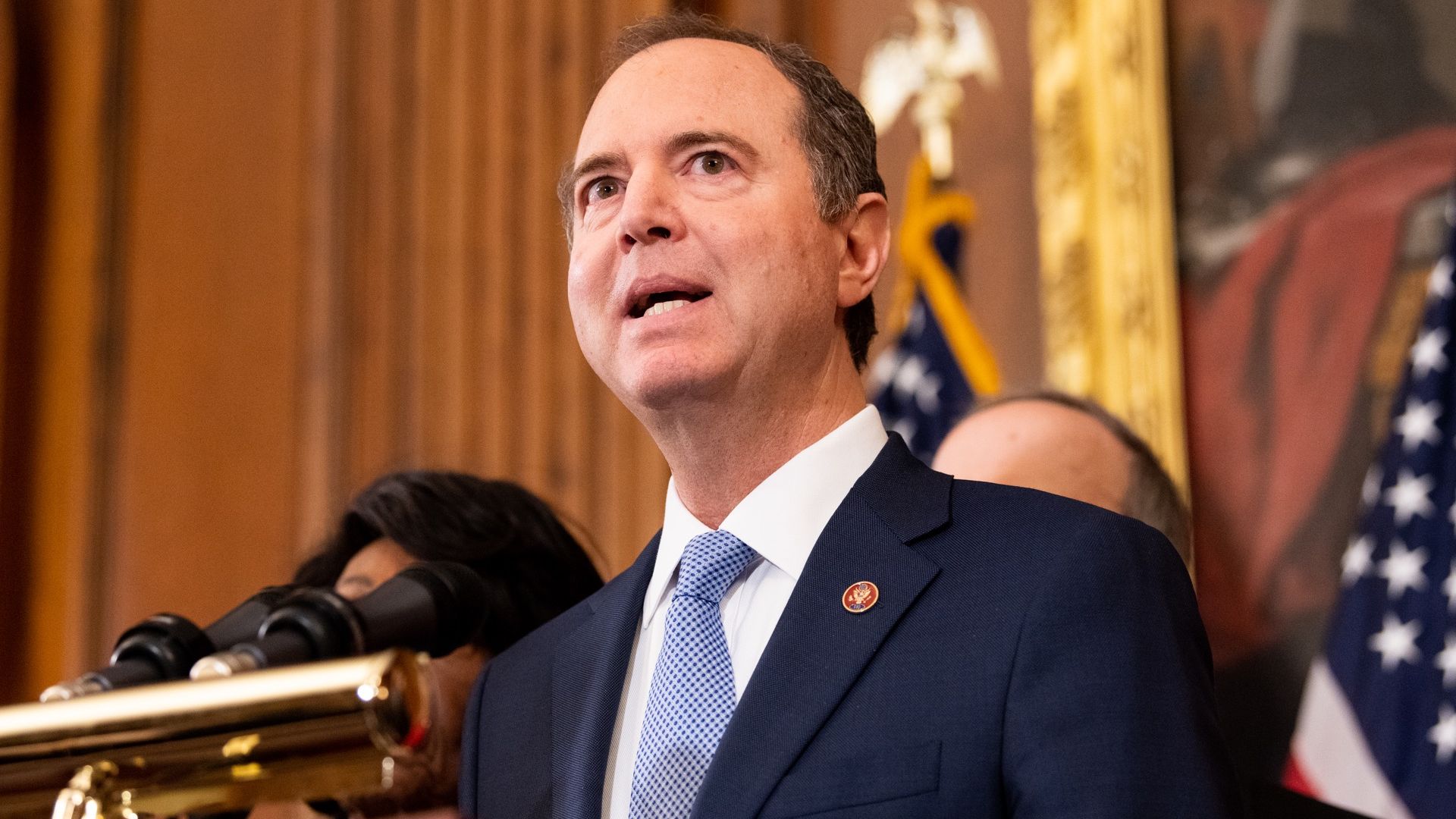
House Intelligence Chairman Adam Schiff (D-Calif.) told the Washington Post Monday that the House should hold open hearings on President Trump's decision to target Iranian general Qasem Soleimani and its ensuing aftermath.
Why it matters: Schiff's suggestion comes after Trump reiterated a threat to Iranian cultural sites as possible retaliation during an Air Force One gaggle with reporters and threatened deep sanctions on Iraq if it moves to limit the U.S. military presence there.
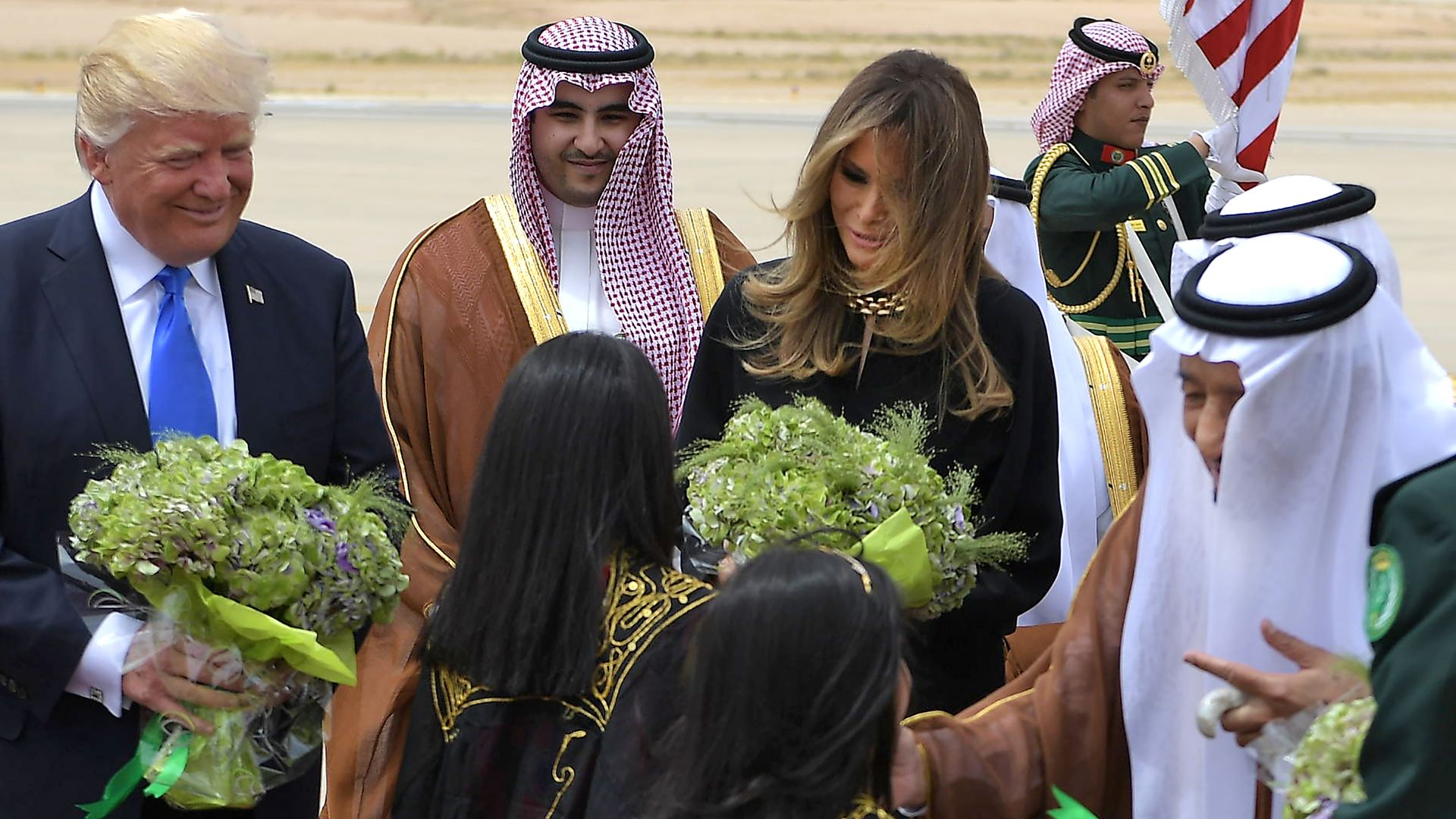
A senior Saudi envoy has arrived in Washington and will meet Monday with Secretary of State Mike Pompeo and senior White House and Pentagon officials in an attempt to de-escalate the crisis in the Gulf.
Why it matters: Saudi Deputy Defense Minister Prince Khalid bin Salman — a former ambassador to the U.S. — was urgently sent to Washington by his brother, Crown Prince Mohammed bin Salman. Saudi Arabia is deeply concerned it could become engulfed in uncontrolled escalation between the U.S. and Iran following President Trump's decision to kill Iranian Gen. Qasem Soleimani.
Economic and geopolitical trends are both cycling downward, Eurasia Group President Ian Bremmer and Chairman Cliff Kupchan write in their '"Top Risks 2020" report, out today.
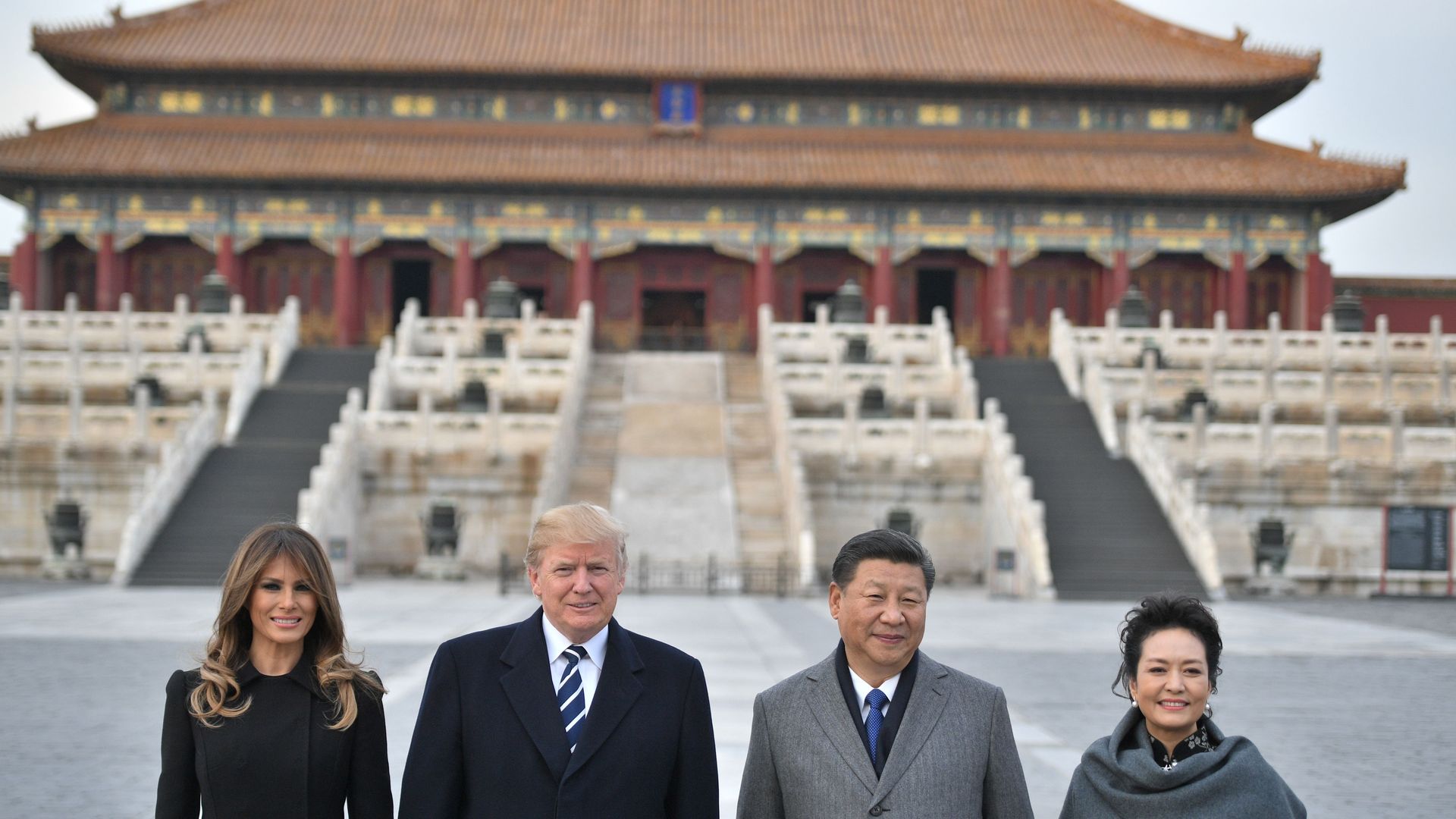
The big picture: "Globalization is key," the authors write. The global economy is steadily fragmenting into two systems as the U.S. and China decouple and weaponize global trade and supply chains, ultimately creating a "split personality" globalization.
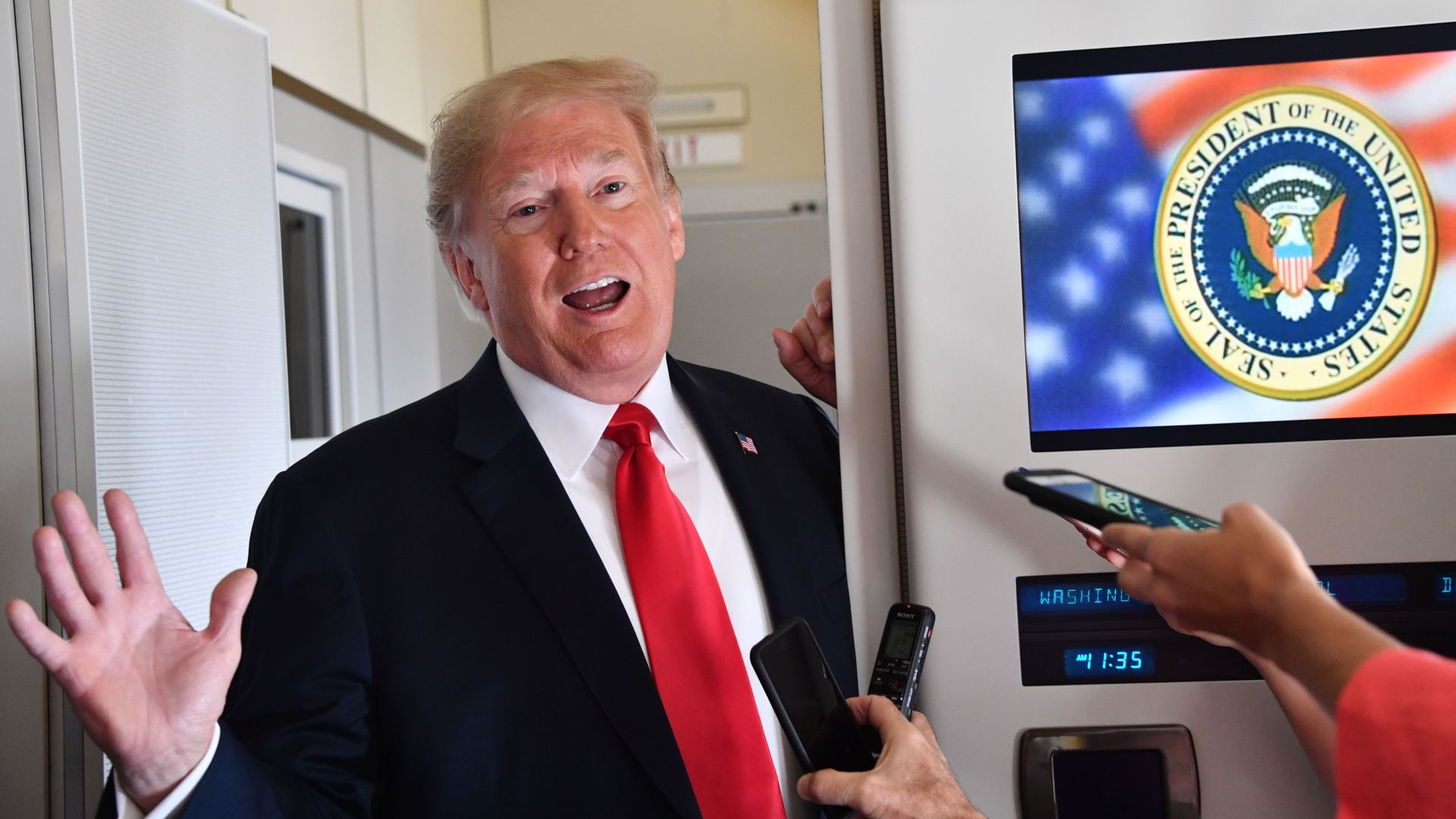
President Trump came in hot during a half-hour conversation with the White House press pool on Air Force One — most of it off the record — as he returned from Mar-a-Lago to Washington on Sunday.
What happened: He repeated his threat against Iranian cultural sites: "They’re allowed to kill our people. They’re allowed to torture and maim our people. They’re allowed to use roadside bombs and blow up our people. And we’re not allowed to touch their cultural site? It doesn’t work that way."
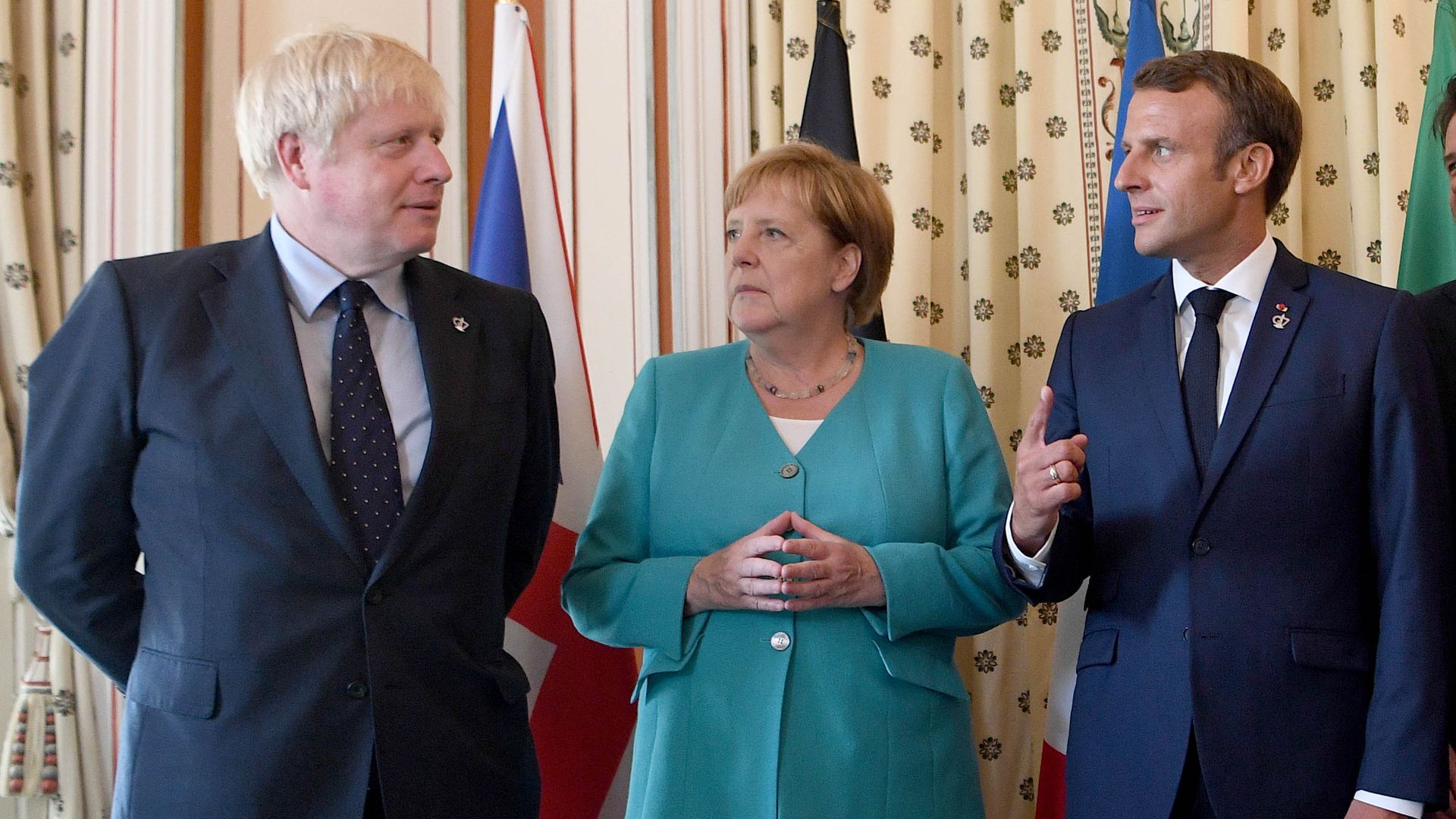
British Prime Minister Boris Johnson, German Chancellor Angela Merkel and French President Emmanuel Macron issued a joint statement Sunday night, calling for restraint following the killing of Iranian Gen. Qasem Soleimani in a U.S. airstrike in Iraq.
There is now an urgent need for de-escalation. We call on all parties to exercise utmost restraint and responsibility. The current cycle of violence in Iraq must be stopped."
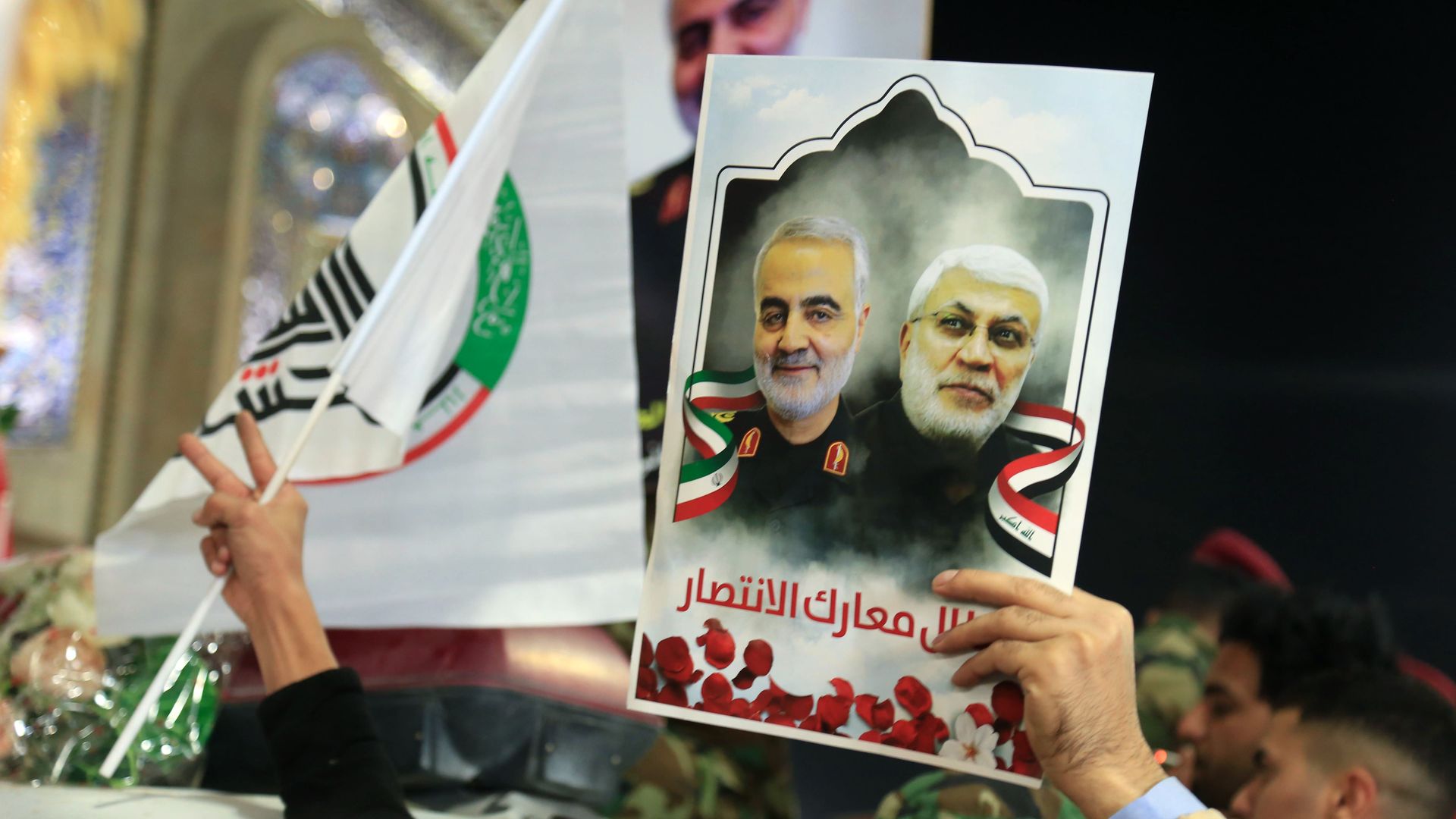
Iran's new top commander Esmail Ghaani, who replaced Gen. Qasem Soleimani after he died in a U.S. airstrike in Iraq, pledged during a televised address Monday to avenge the general's killing, AP reports.
The latest: Ghaani‘s declaration that God "has promised to get his revenge" and that "certainly actions will be taken" came hours after Iran said it would no longer abide by limits on its uranium enrichment and Iraq's parliament voted to call on the Iraqi government to expel U.S. troops from the country over Friday's airstrike.