Iran's government announced Sunday that it would no longer abide by any limits on its enrichment of uranium, according to Iranian state TV.
Why it matters: This could be the final blow to the 2015 Iran nuclear deal negotiated by the Obama administration, raising the risk that Iran will move toward a nuclear weapon. However, Iran has said it will continue to allow inspections by the International Atomic Energy Agency (IAEA) and is prepared to return to compliance with the deal if the U.S. removes sanctions.
The Trump administration tried, unsuccessfully, to persuade top Iraqi officials to kill a parliamentary effort to force the U.S. military out of Iraq, according to two U.S. officials and an Iraqi government official familiar with the situation.
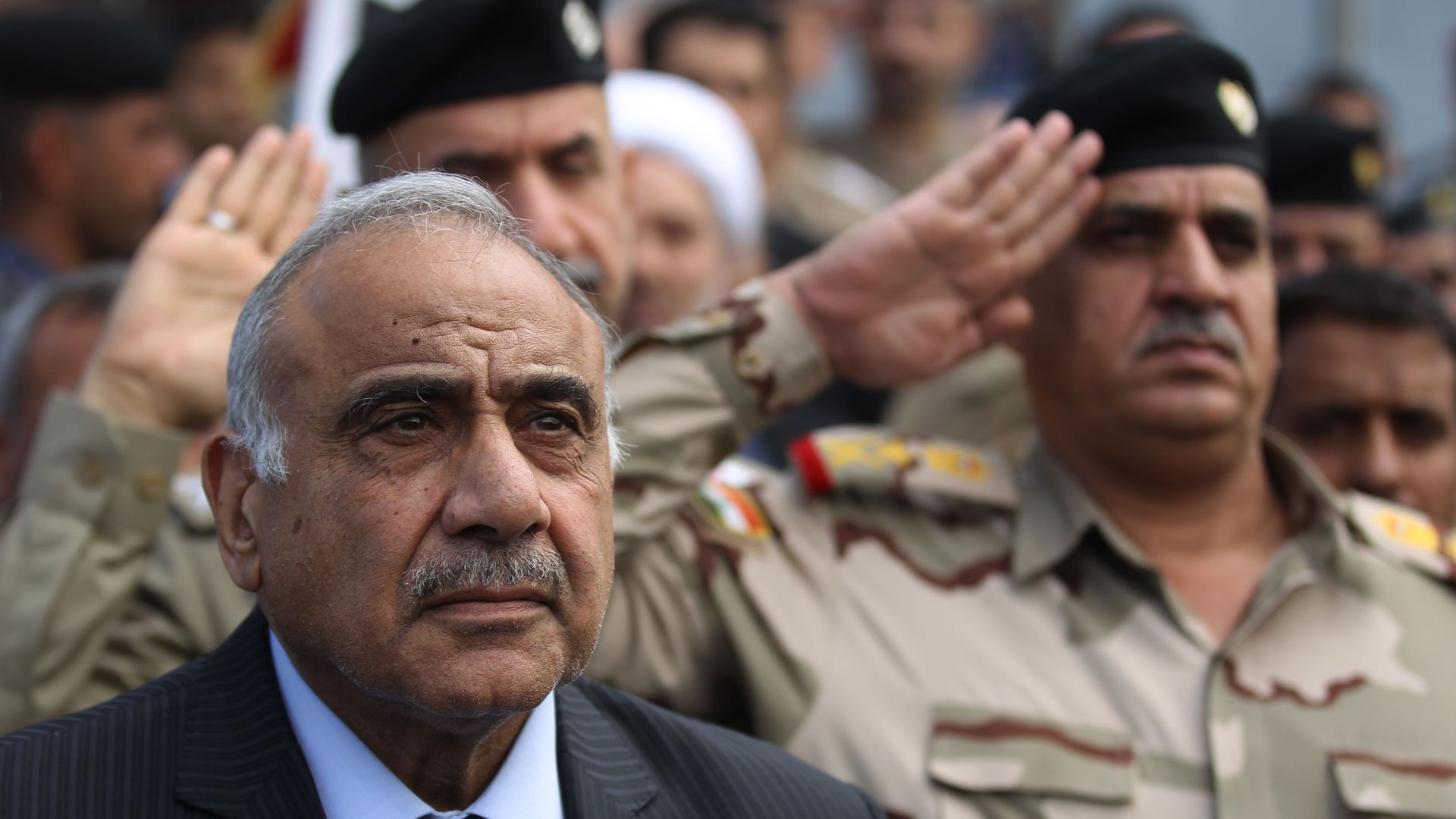
Why it matters: The Iraqi parliament passed a resolution today calling on the Iraqi government to expel U.S. troops from Iraq, after the U.S killed Iranian Gen. Qasem Soleimani and a leader of an Iraqi militia with a drone strike near Baghdad airport.
The Iraqi parliament passed a resolution Sunday calling on the government to expel U.S. troops from the country in response to the killing of Iranian Gen. Qasem Soleimani and the leader of an Iraqi militia on its soil.
Between the lines: A senior Iraqi government official told Axios' Jonathan Swan that the actual expulsion of U.S. troops is far from a certain outcome. This is a resolution and the prime minister who must sign it has already resigned, the official said.
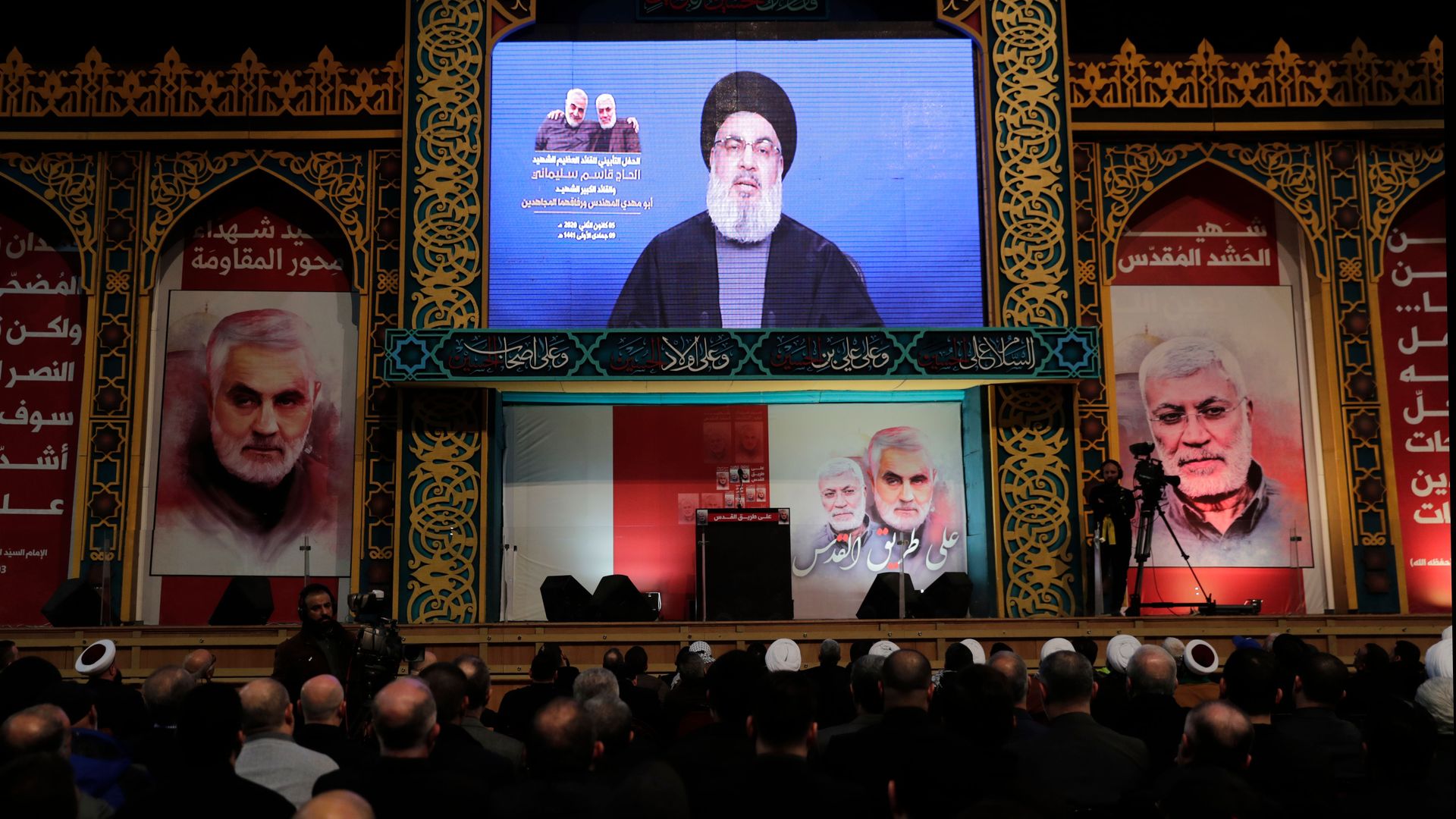
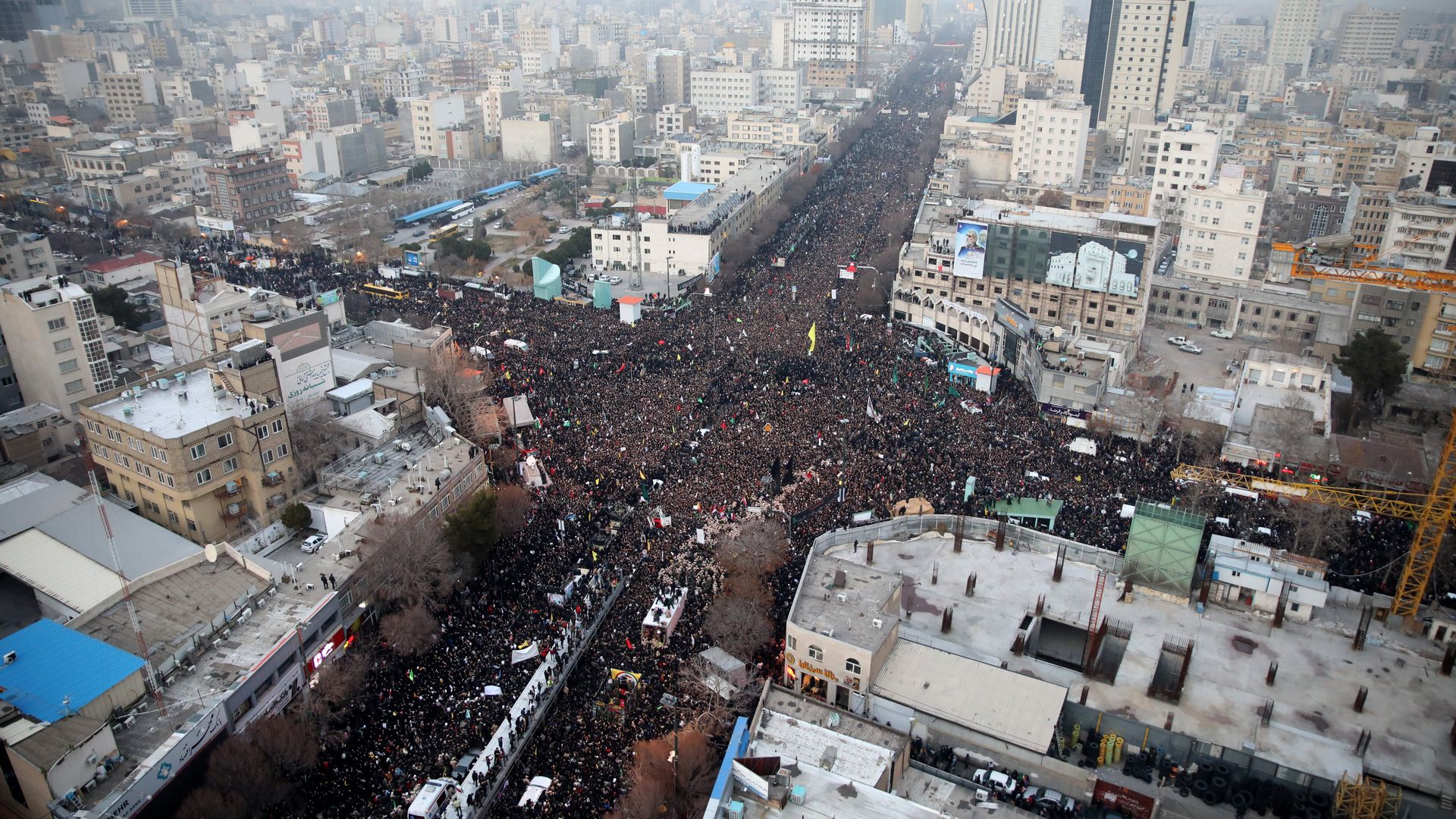
Hassan Nasrallah, the leader of Lebanon's Iran-allied Hezbollah movement, said during a speech Sunday that only U.S. military assets, not U.S. civilians, should be targeted in retaliatory attacks for the killing of top Iranian commander Qasem Soleimani, according to the Washington Post.
"It is the U.S. military that killed Haj Qasem, and they must pay the price."
— Hassan Nasrallah, using an honorific for Soleimani
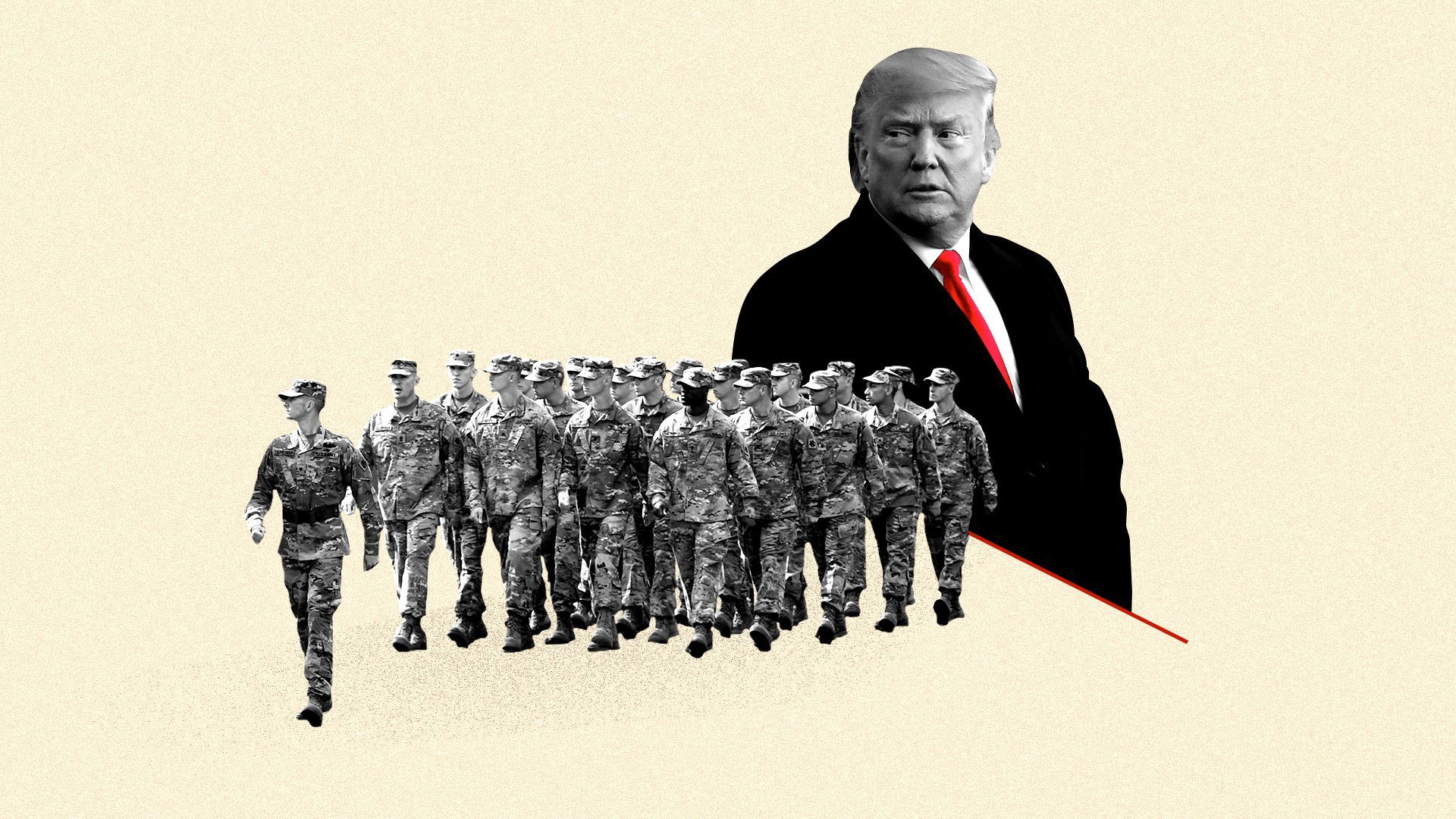
Why it matters: President Trump tweeted Saturday that the U.S. military has 52 Iranian targets in the event that Iran or its proxies strike American assets, including cultural sites. The threat prompted outrage from Iranian officials, who accused Trump of advocating war crimes.
The U.S. and Iran are trading stunningly specific threats, with President Trump tweeting Saturday night that the military could target 52 Iranian sites — including some "important" to Iranian culture — and an Iranian commander pointing to "35 U.S. targets in the region as well as Tel Aviv."
Why it matters: This rhetoric suggests the off-ramp from a hot conflict may be fading, with Trump's warning about cultural sites prompting Iranian officials to accuse the president of flouting international law and threatening war crimes.
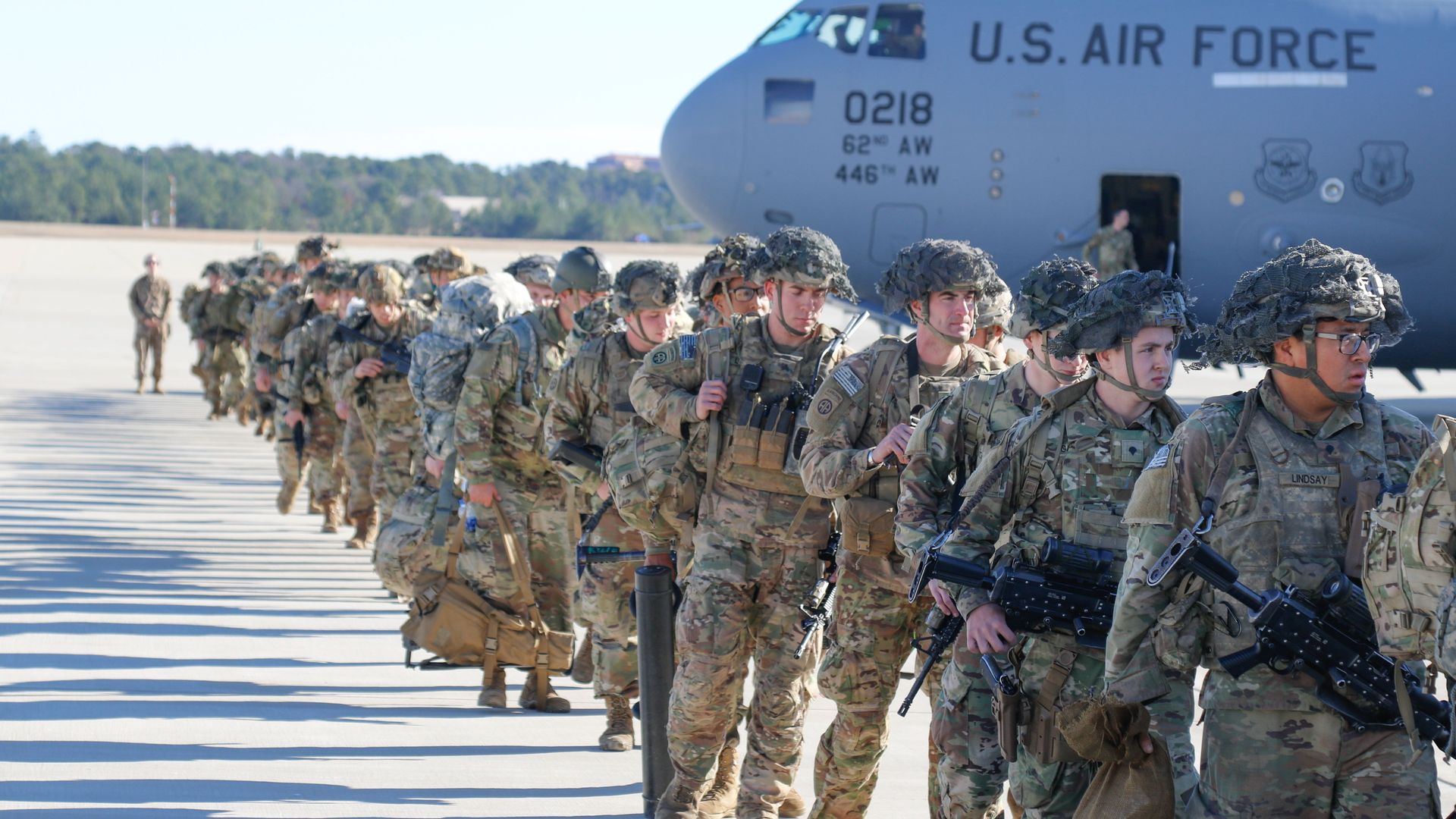
The U.S.-led military coalition created to combat the Islamic State announced Sunday that it is limiting operations against ISIS and instead is focusing on protecting Iraqi bases from potential attacks by Iran-backed militia groups in response to the killing of commander Qasem Soleimani.
Why it matters: As a result of President Trump's bold decision to take out Soleimani, American forces in Syria and Iraq must now devote resources to protecting their bases, greatly hampering the coalition's primary goal of combating ISIS.
Secretary of State Mike Pompeo downplayed President Trump's threat to target Iranian cultural sites, declining to disavow the president's tweet on the Sunday cable talk shows but stating repeatedly that the U.S. would behave within the rules of the system.
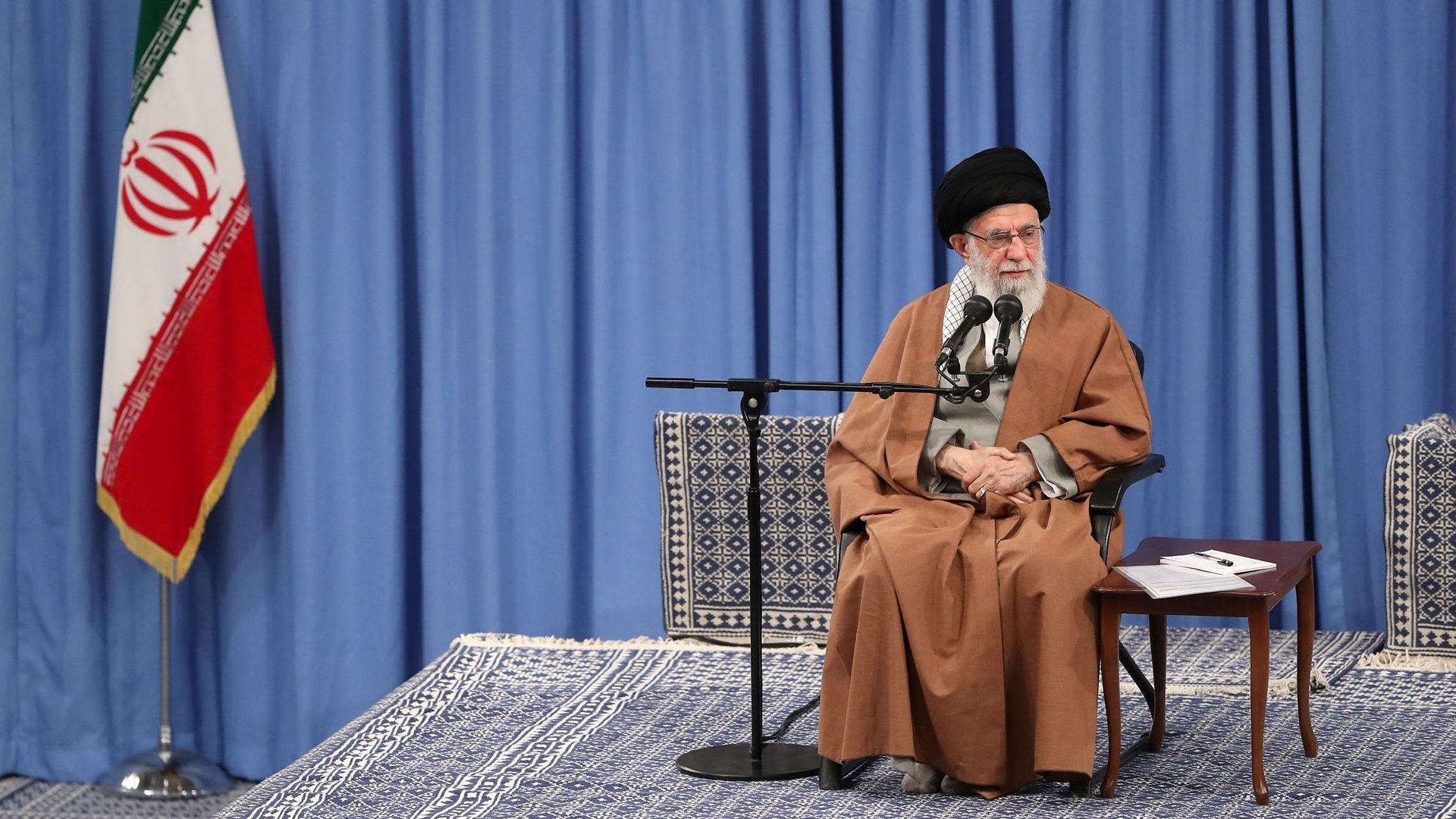
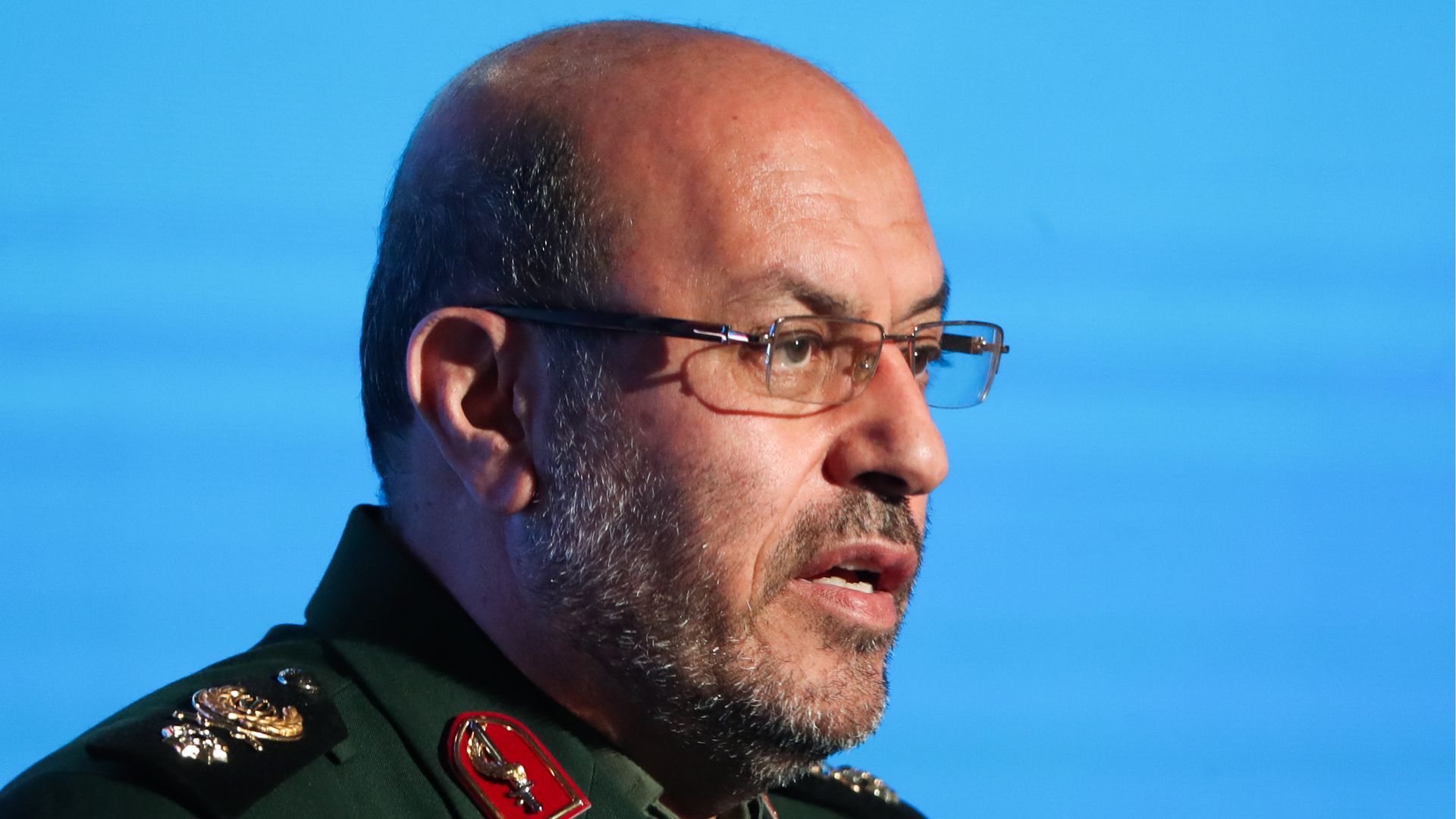
Hossein Dehghan, the military adviser to Iran's Supreme Leader Ayatollah Ali Khamenei, told CNN in an interview Sunday that Iran will target U.S. military sites in response to the killing of Qasem Soleimani, one its most influential commanders.
Why it matters: President Trump tweeted Saturday that the U.S. will attack 52 sites that are "important" to Iranian culture if the country strikes American assets. United Nations resolution 2347 makes it a war crime to target cultural heritage and religious sites.
The Chinese government replaced its top Hong Kong representative on Saturday with a senior Communist Party official known for bringing party discipline to unruly provinces, the New York Times reports, citing the state-run Xinhua news service.
Why it matters: After seven months of often violent pro-democracy protests, Beijing decided to make a change in personnel to a role that operates mainly through behind-the-scenes influence. But the selection of Luo Huining as top representative likely indicates not a softening of Beijing's position toward Hong Kongers' demands, but rather a further entrenchment of its hardline approach.
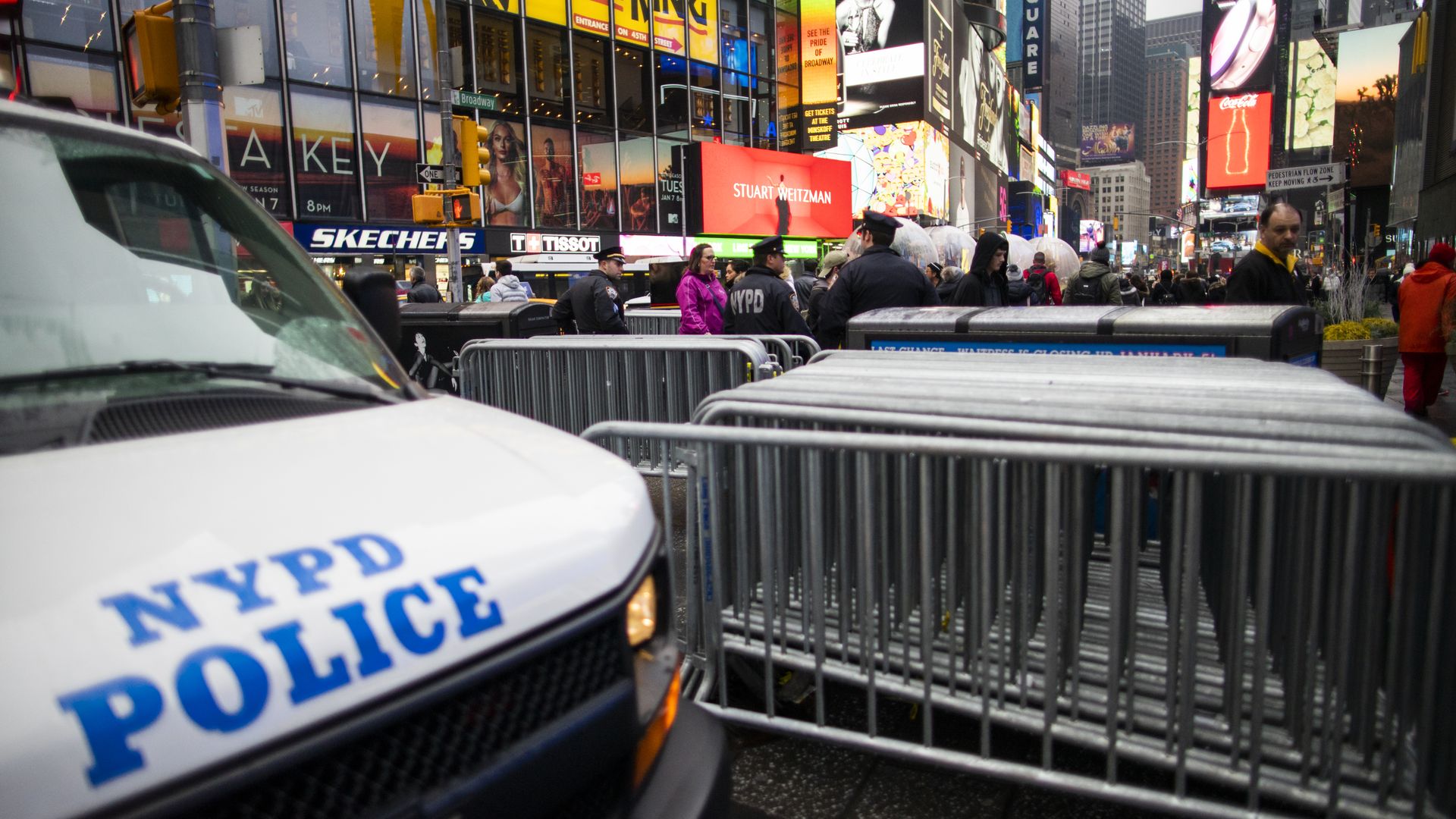
Security is tightening in New York, Washington, D.C. and San Francisco in the aftermath of the U.S. killing Qasem Soleimani, one of Iran's most powerful figures.
The big picture: Iran largely stopped targeting the West after the Iran deal, but hacking re-emerged against the U.S. as tensions escalated, with activity that appears to be more for information gathering purposes than to cause harm. This could be the regime's tool of choice for retaliating against the U.S., according to multiplereports.
The U.S. men's soccer team postponed traveling to Qatar for a scheduled January training camp "due to the developing situation in the region," the U.S. Soccer Federation announced on Friday.
Context: A U.S. airstrike in Iraq this week killed Qasem Soleimani, one of Iran's most powerful commanders. Qatar, the first Arab nation set to host the World Cup for the 2022 games, rests in the Persian Gulf.
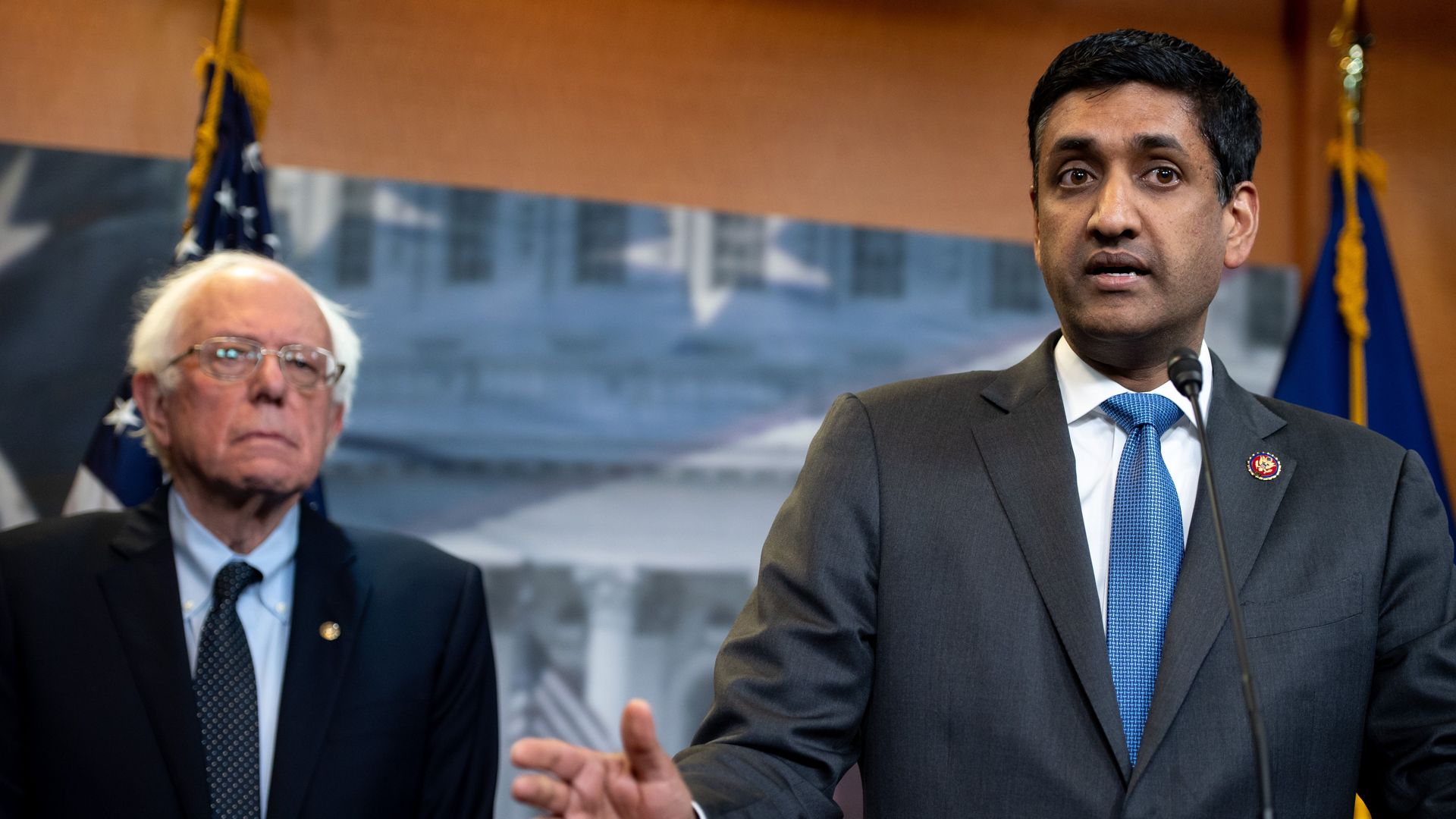
Rep. Ro Khanna (D-Calif.) and Sen. Bernie Sanders (I-Vt.) called on Friday to introduce legislation that "blocks Pentagon funding for any unilateral actions" taken by President Trump "to wage war against Iran without congressional authorization."
The big picture: Trump claimed on Friday that the U.S. airstrike that killed top Iranian commander Qasem Soleimani was not intended to start a war. Both Democrats and Republicans — such as Sens. Rand Paul (R-Ky.) and Chris Murphy (D-Conn.) — have criticized Trump for not obtaining congressional approval for the strike.