The Chinese government replaced its top Hong Kong representative on Saturday with a senior Communist Party official known for bringing party discipline to unruly provinces, the New York Times reports, citing the state-run Xinhua news service.
Why it matters: After seven months of often violent pro-democracy protests, Beijing decided to make a change in personnel to a role that operates mainly through behind-the-scenes influence. But the selection of Luo Huining as top representative likely indicates not a softening of Beijing's position toward Hong Kongers' demands, but rather a further entrenchment of its hardline approach.
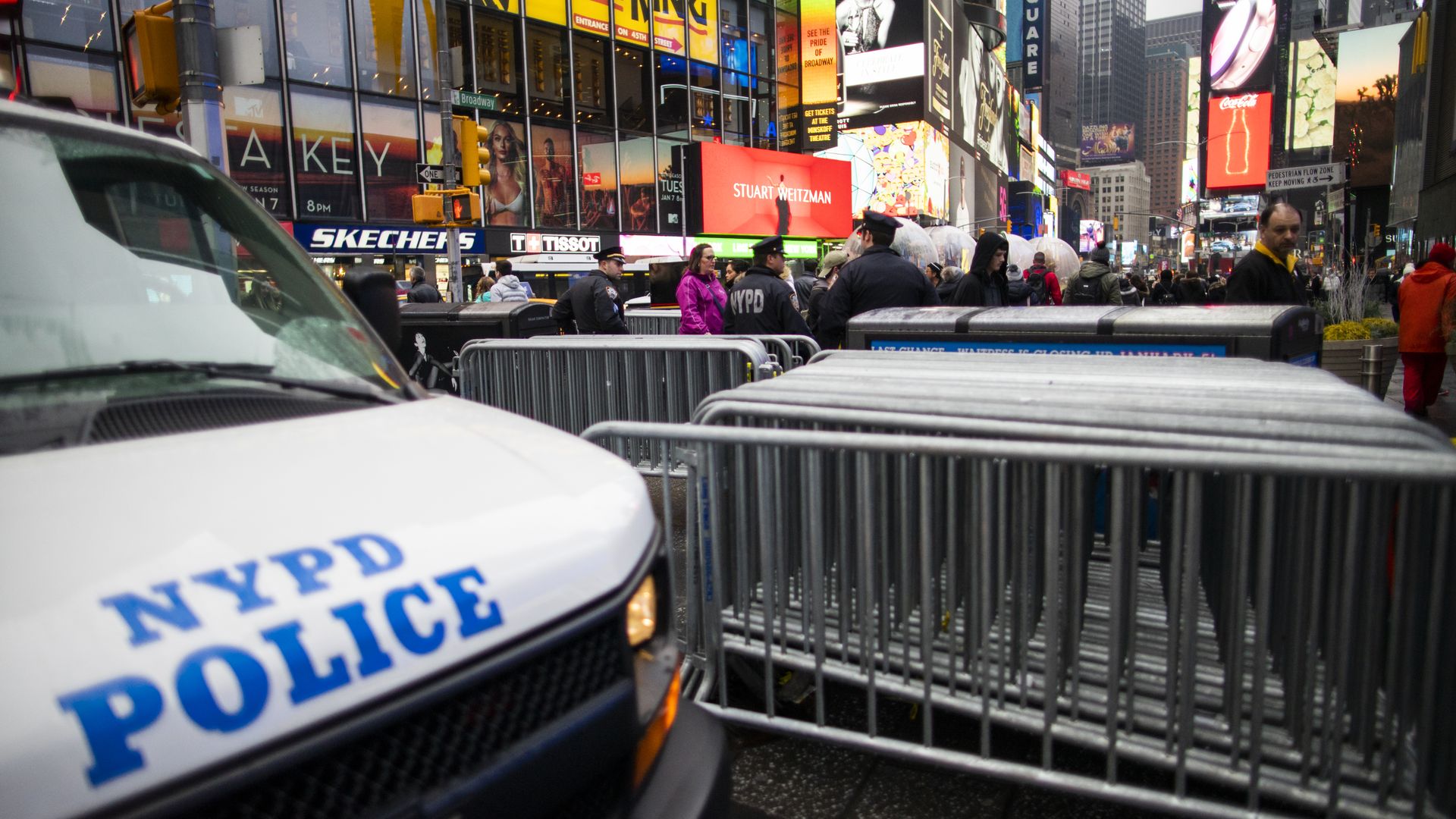
Security is tightening in New York, Washington, D.C. and San Francisco in the aftermath of the U.S. killing Qasem Soleimani, one of Iran's most powerful figures.
The big picture: Iran largely stopped targeting the West after the Iran deal, but hacking re-emerged against the U.S. as tensions escalated, with activity that appears to be more for information gathering purposes than to cause harm. This could be the regime's tool of choice for retaliating against the U.S., according to multiplereports.
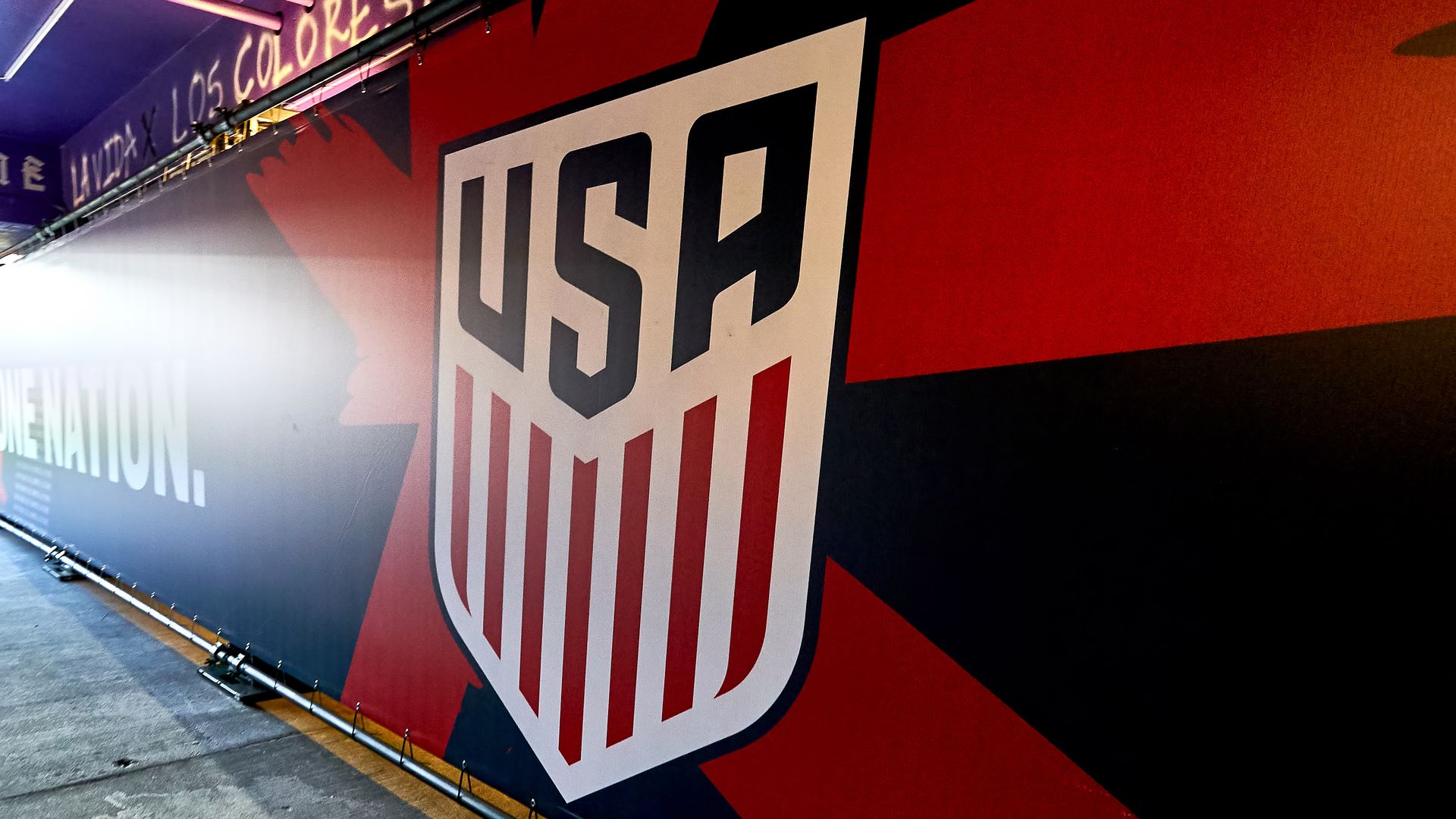
The U.S. men's soccer team postponed traveling to Qatar for a scheduled January training camp "due to the developing situation in the region," the U.S. Soccer Federation announced on Friday.
Context: A U.S. airstrike in Iraq this week killed Qasem Soleimani, one of Iran's most powerful commanders. Qatar, the first Arab nation set to host the World Cup for the 2022 games, rests in the Persian Gulf.
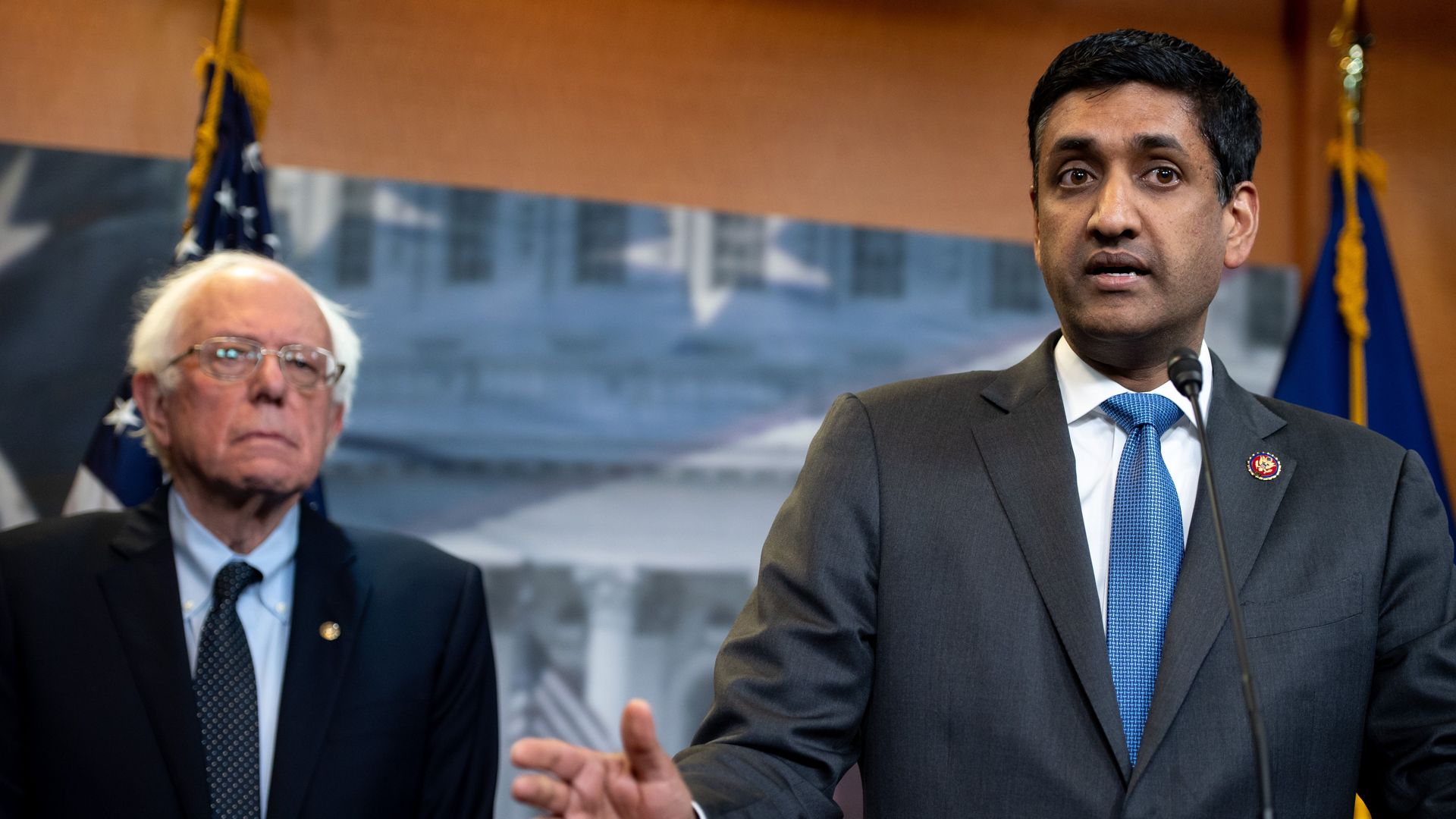
Rep. Ro Khanna (D-Calif.) and Sen. Bernie Sanders (I-Vt.) called on Friday to introduce legislation that "blocks Pentagon funding for any unilateral actions" taken by President Trump "to wage war against Iran without congressional authorization."
The big picture: Trump claimed on Friday that the U.S. airstrike that killed top Iranian commander Qasem Soleimani was not intended to start a war. Both Democrats and Republicans — such as Sens. Rand Paul (R-Ky.) and Chris Murphy (D-Conn.) — have criticized Trump for not obtaining congressional approval for the strike.
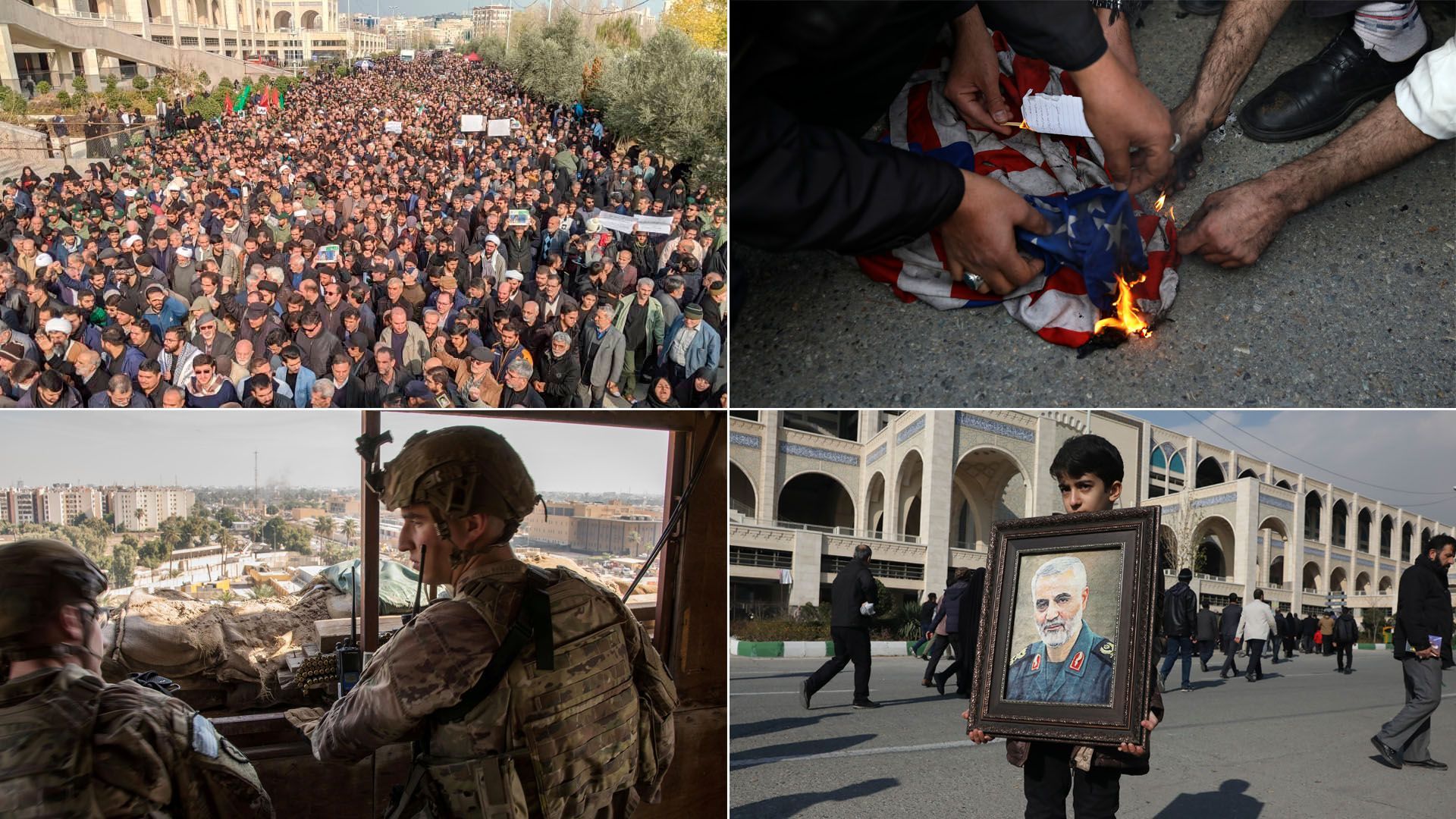
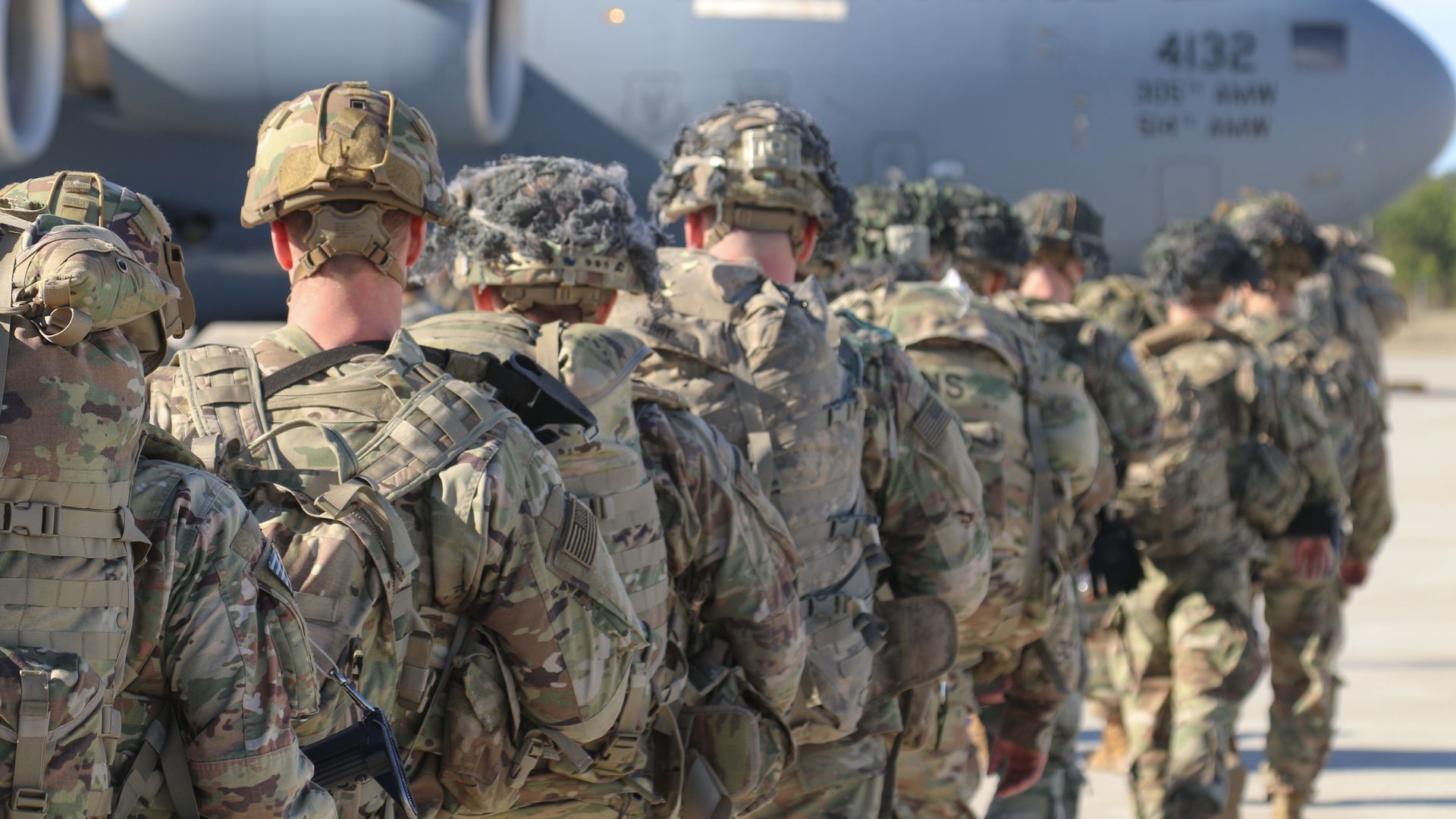
The U.S. will deploy at least 3,000 soldiers to the Middle East amid fallout from an airstrike on Thursday evening that killed the leader of the elite Quds force of the Islamic Revolutionary Guard Corps (IRGC), Qasem Soleimani, in Baghdad, NBC News reports.
Why it matters: The news comes hours after the Pentagon confirmed Soleimani had been killed. But defense officials told NBC News the deployment is not in response to the strike, but to an attack on the U.S. embassy in Baghdad by protesters and militia fighters earlier this week.
Then-citizen Donald Trump predicted in November 2011 video that then-President Barack Obama would start a war with Iran in order to get re-elected in 2012.
"Our president will start a war with Iran because he has absolutely no ability to negotiate. He’s weak and he’s ineffective. So the only way he figures that he’s going to get re-elected, and as sure as you're sitting there, is to start a war with Iran."
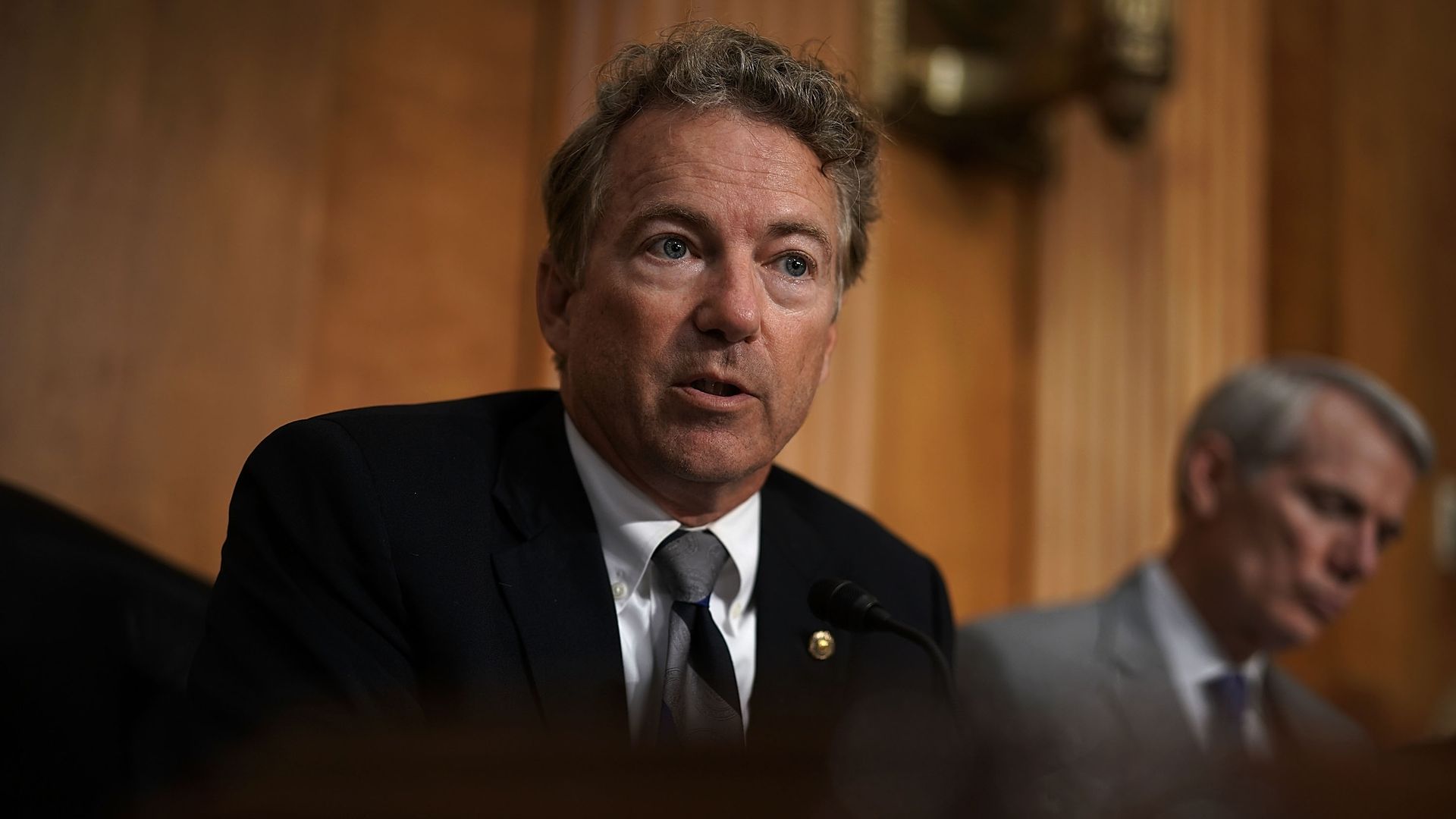
Sen. Rand Paul (R-Ky.) tweeted on Friday that President Trump should have asked for congressional approval before authorizing a drone strike that killed an Iranian military commander and one of the regime's most powerful figures, Qasem Soleimani.
"If we are to go to war w/ Iran the Constitution dictates that we declare war. A war without a Congressional declaration is a recipe for feckless intermittent eruptions of violence w/ no clear mission for our soldiers. Our young men and women in the armed services deserve better."
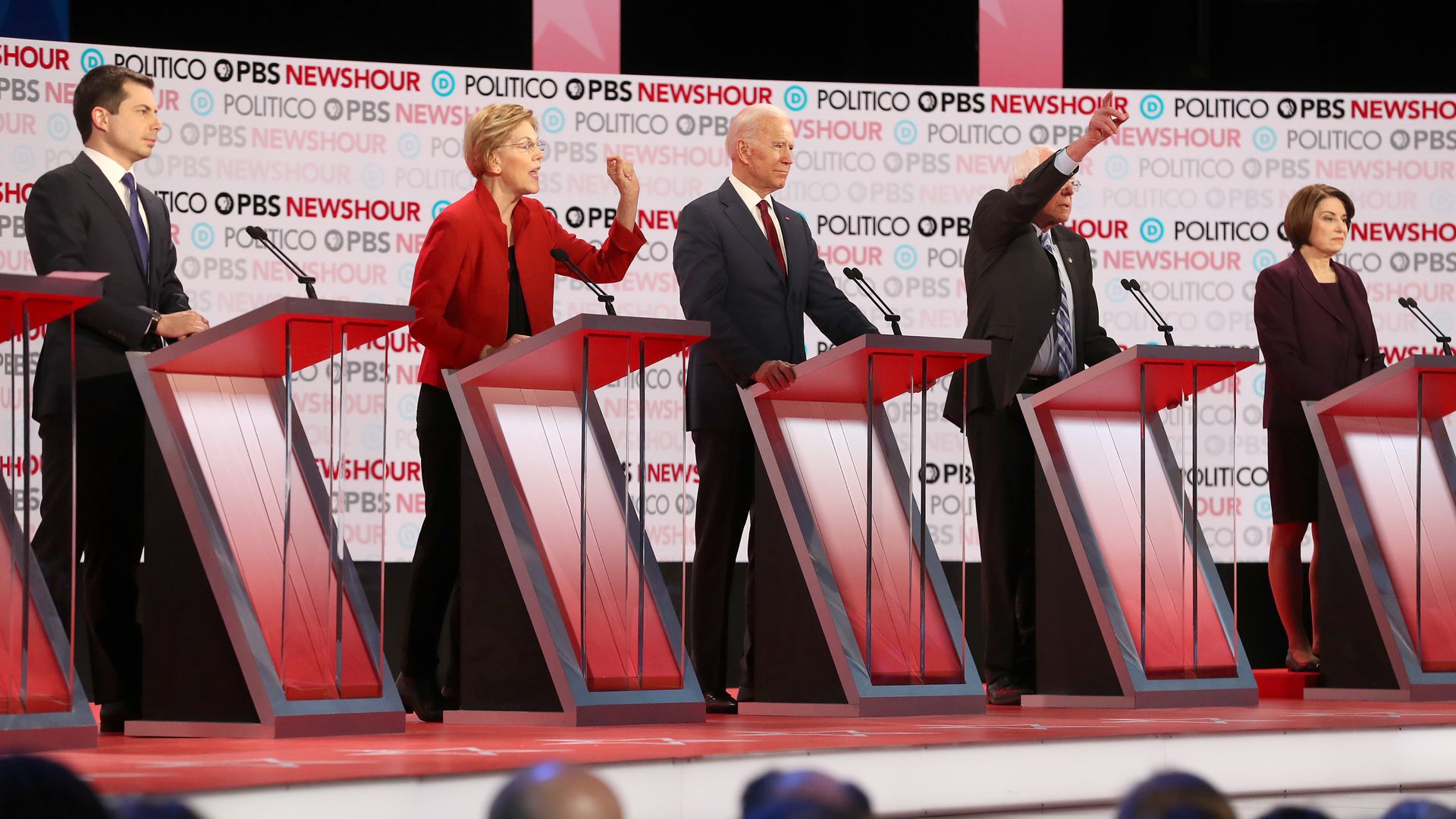
Democrats, including top 2020 presidential candidates, have condemned the process behind and possible repercussions of the U.S. airstrike in Iraq that killed Iran's top general, Qasem Soleimani.
The state of play: House Speaker Nancy Pelosi said in a statement that the Iraq strike "was taken without the consultation of the Congress" and "risks provoking further dangerous escalation of violence."
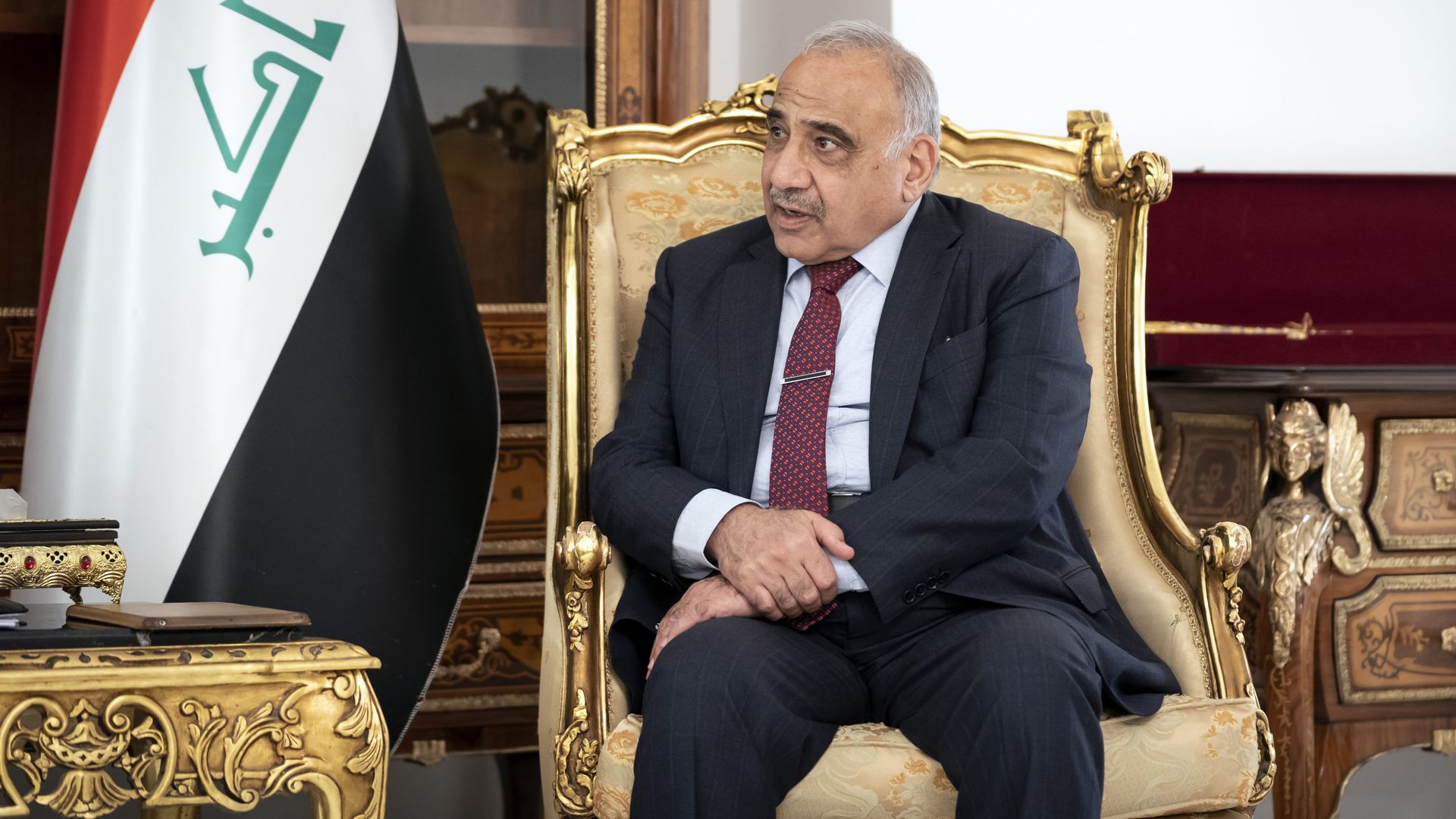
Iraqi Prime Minister Adel Abdul-Mahdi denounced Friday the U.S. airstrike that killed Iranian Gen. Qasem Soleimani and Iraqi militia commander Abu Mahdi al-Muhandis as an "act of aggression against Iraq" that would "light the fuse of war."
The latest: Mahdi, who has close ties to Iran, labeled the strike a "massive breach of sovereignty." He called an emergency parliamentary session to "take the appropriate legislative measures in a manner that preserves the dignity, security and sovereignty of Iraq."
"General Qassem Soleimani has killed or badly wounded thousands of Americans over an extended period of time, and was plotting to kill many more...but got caught! He was directly and indirectly responsible for the death of millions of people, including the recent large number of PROTESTERS killed in Iran itself. While Iran will never be able to properly admit it, Soleimani was both hated and feared within the country. They are not nearly as saddened as the leaders will let the outside world believe. He should have been taken out many years ago!"
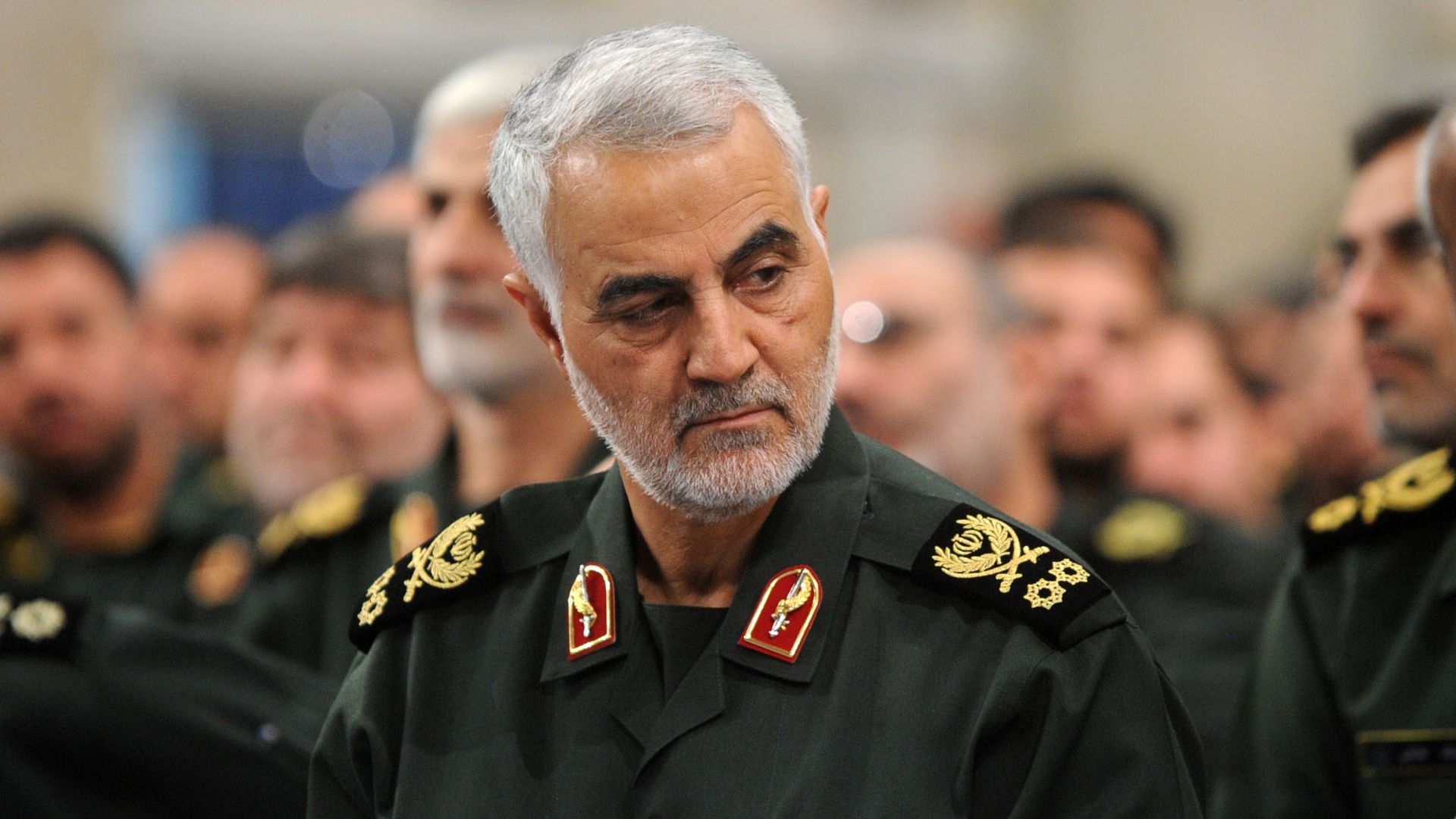
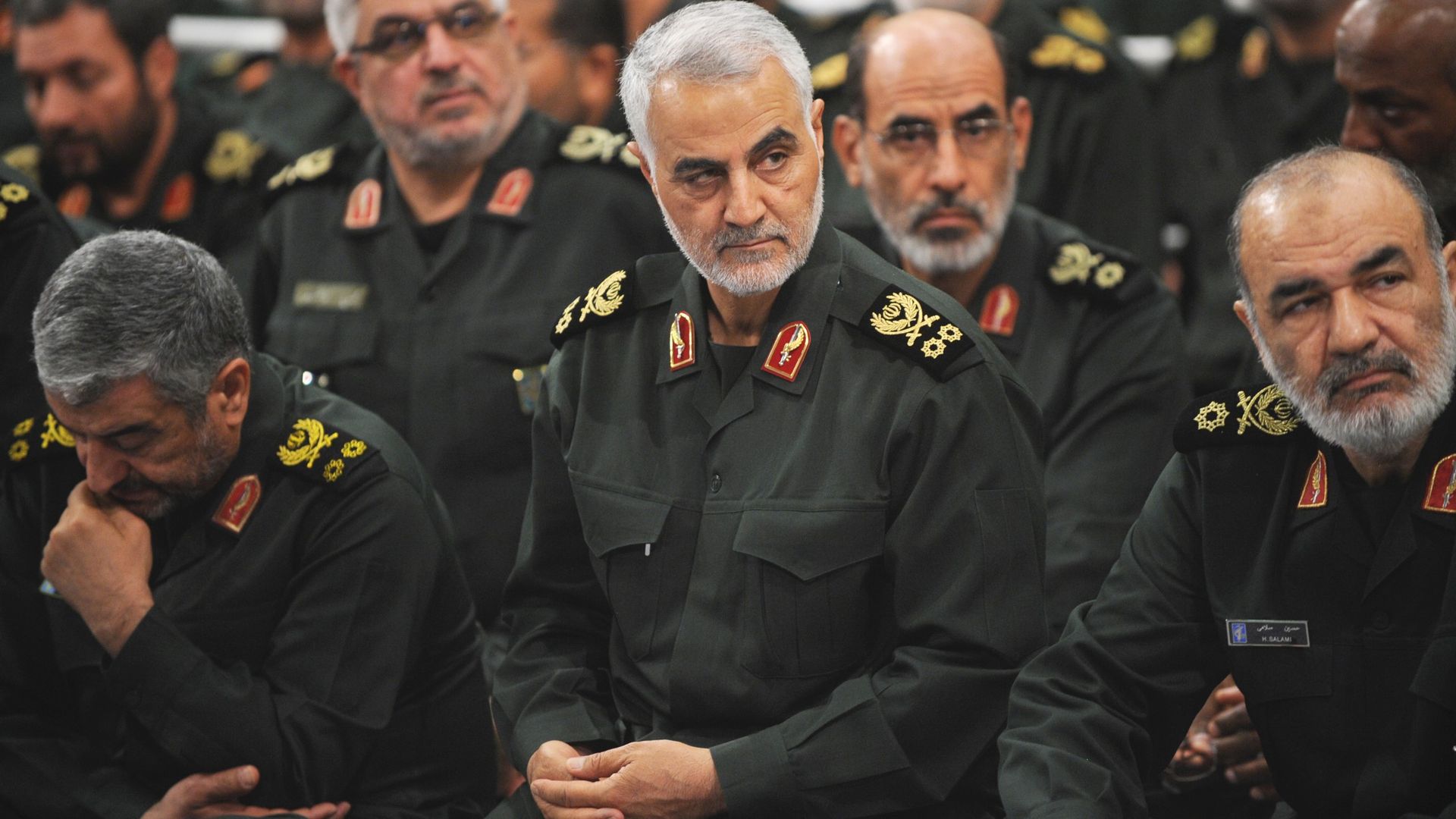
Why he mattered: As the leader of the elite Quds Force of the Islamic Revolutionary Guard Corps (IRGC), Soleimani was as revered by Iran's proxies and supporters across the region as he was reviled by Iran's foes, who considered him the mastermind of state-sponsored terrorism.
"It was the time to take this action so that we could disrupt this plot, deter further aggression from Qasem Soleimani and the Iranian regime — as well as to attempt to de-escalate the situation. The risk of doing nothing was enormous. The intelligence community made that assessment, and President Trump acted decisively last night."
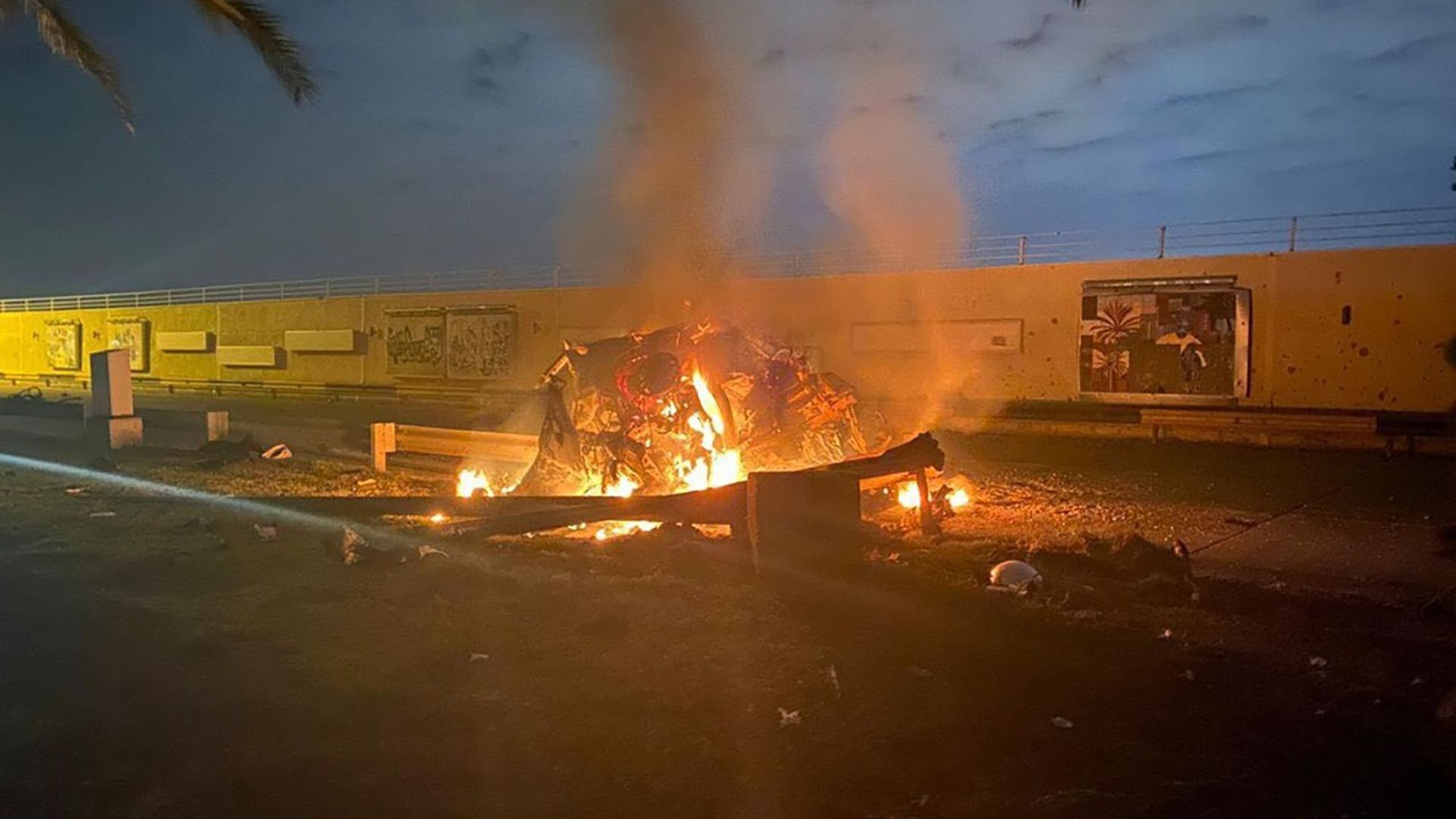
President Trump, after warning three days ago that Iran would pay "a very BIG PRICE," authorized a drone strike at Baghdad International Airport that killed Iran's top general and second most powerful official, Qasem Soleimani.
Why it matters: Soleimani had cost hundreds of American lives and was among the Middle East's most feared powers. But Iran seems certain to respond, potentially further destabilizing the world's most volatile region.
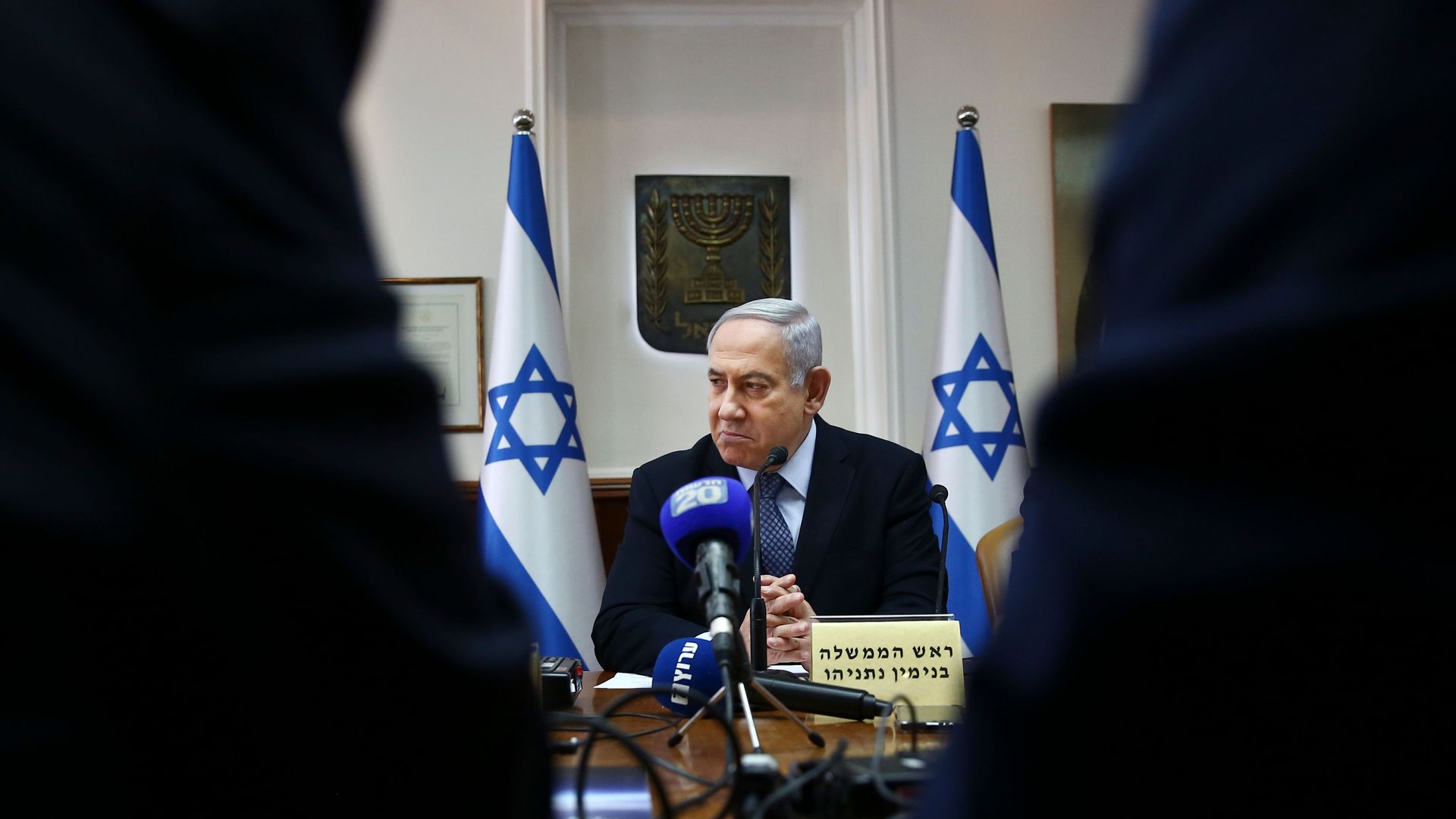
Israeli officials say the country is bracing for possible Iranian retaliation after the U.S. killing of Iranian general Qasem Soleimani — and has started taking precautionary measures.
Why it matters: Some Iranian officials mentioned Israel as a "co-conspirator" in Soleimani's death alongside the U.S. Israeli officials say Iran could retaliate against Israel as part of any larger move against the U.S. by using their proxies in Syria, Lebanon and the Gaza Strip.
The Pentagon's confirmation Thursday night that Qasem Soleimani, an Iranian military commander and one of the regime's most powerful figures, was killed in airstrike ordered by President Trump set off immediate shock waves throughout Washington.
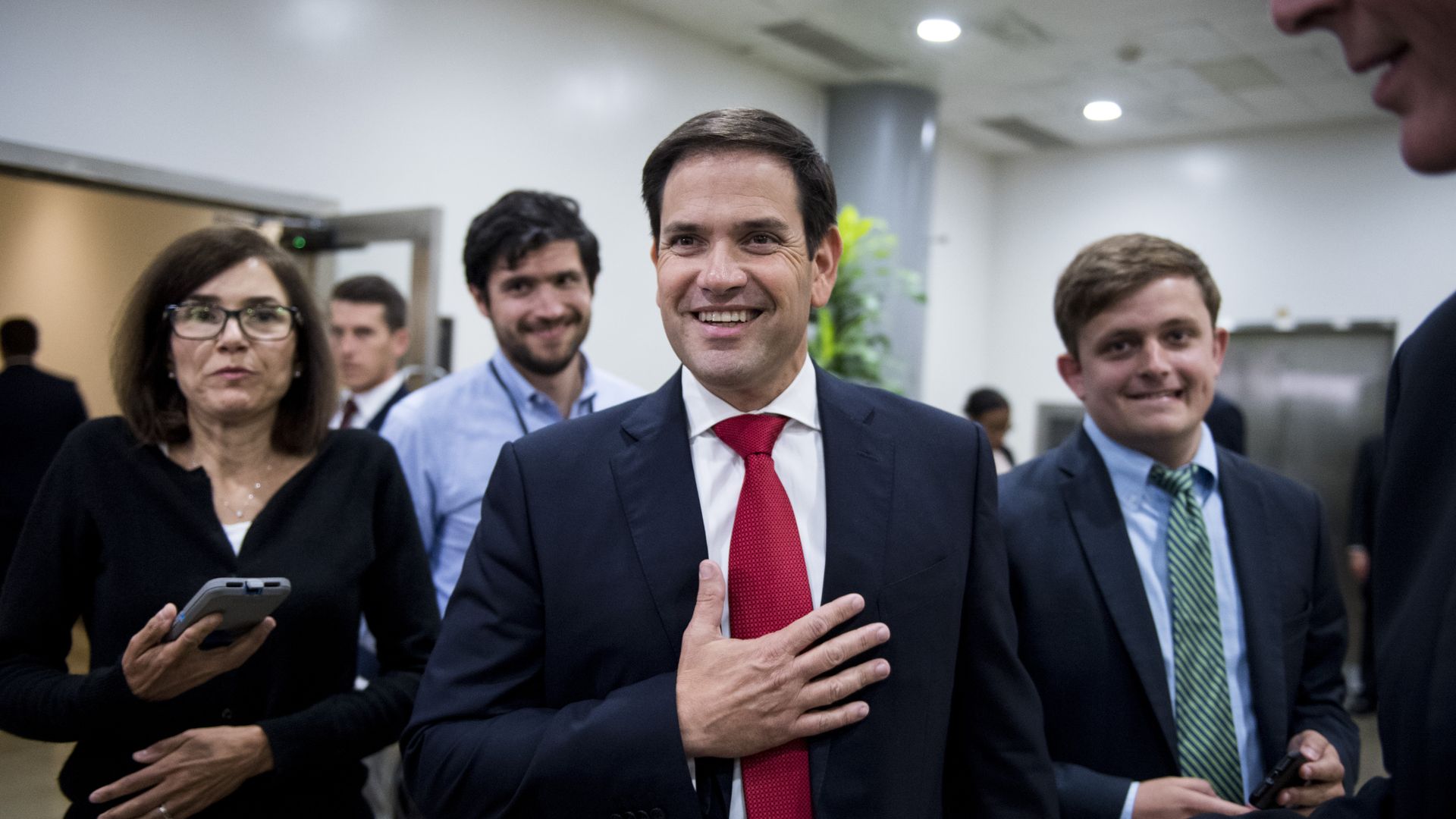
The big picture: Republican hawks like Sens. Marco Rubio (R-Fla.), Tom Cotton (R-Ark.) and Ben Sasse (R-Neb.) celebrated the assassination of a designated terrorist whose activities in the Middle East have led to the deaths of hundreds of U.S. service members. Democrats, meanwhile, warned of the potentially destabilizing effects of the operation and demanded answers about the use of force without congressional authorization.
One of the Iranian regime's most powerful figures has been killed in a U.S. airstrike near Baghdad's international airport, the Pentagon has confirmed.
Why it matters: Qasem Soleimani, the leader of the elite Quds force of the Islamic Revolutionary Guard Corps (IRGC), was as revered by Iran's proxies and supporters across the region as he was reviled by Iran's foes, who considered him the mastermind of state-sponsored terrorism.