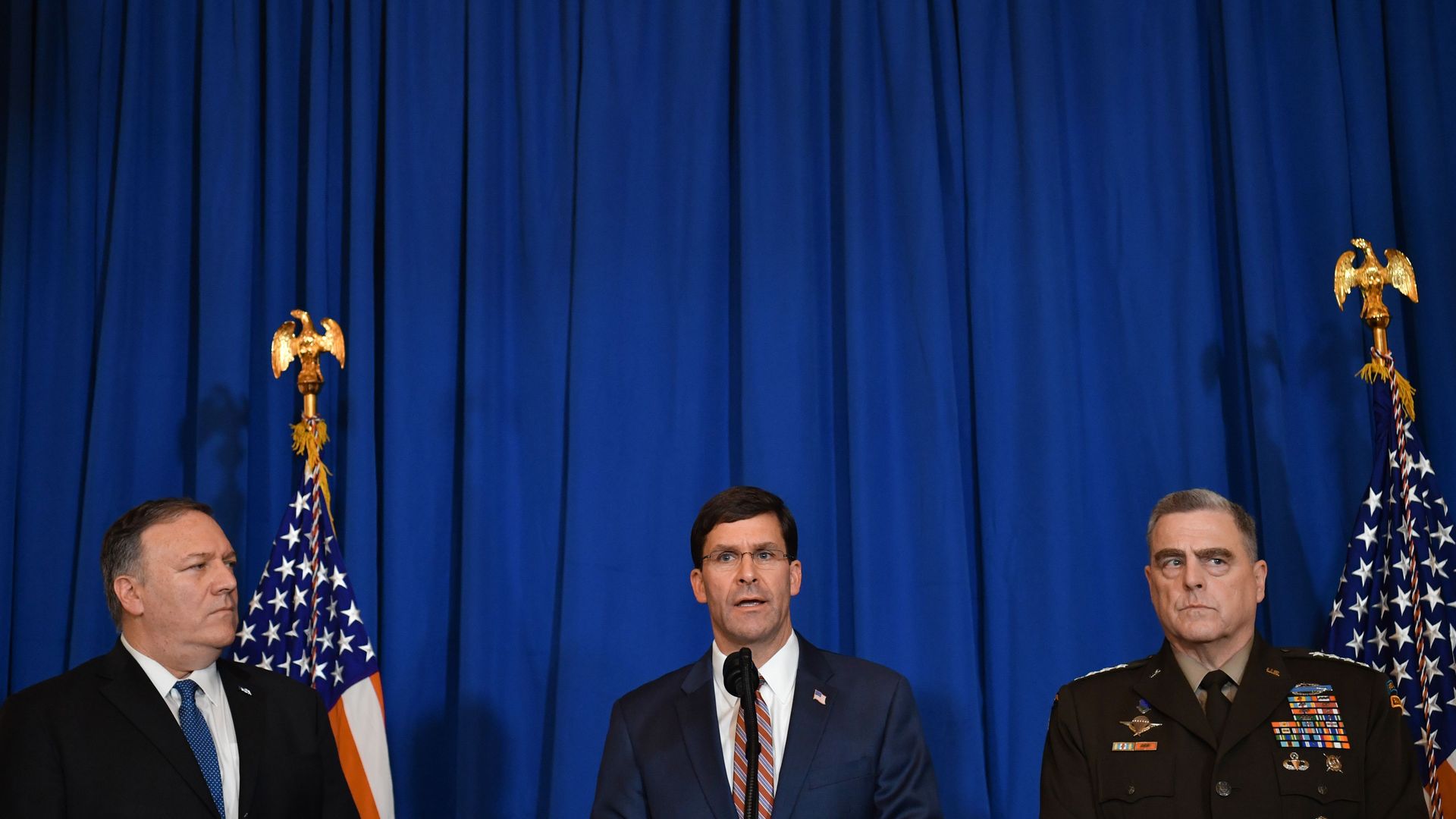
In the five days since the U.S. stunned the world by killing Iranian Gen. Qasem Soleimani, top officials and the president himself have shared varying pictures of why that decision was made — and what they plan to do next.
Why it matters: Those mixed messages have generated doubt among Americans and allies over the "imminent threat" Soleimani posed, outrage in Tehran over Trump's threat of war crimes, and confusion in Baghdad about a possible U.S. withdrawal.
President Trump said in the Oval Office Tuesday that he would obey international laws banning the targeting of cultural sites when considering how to retaliate against a potential Iranian attack.
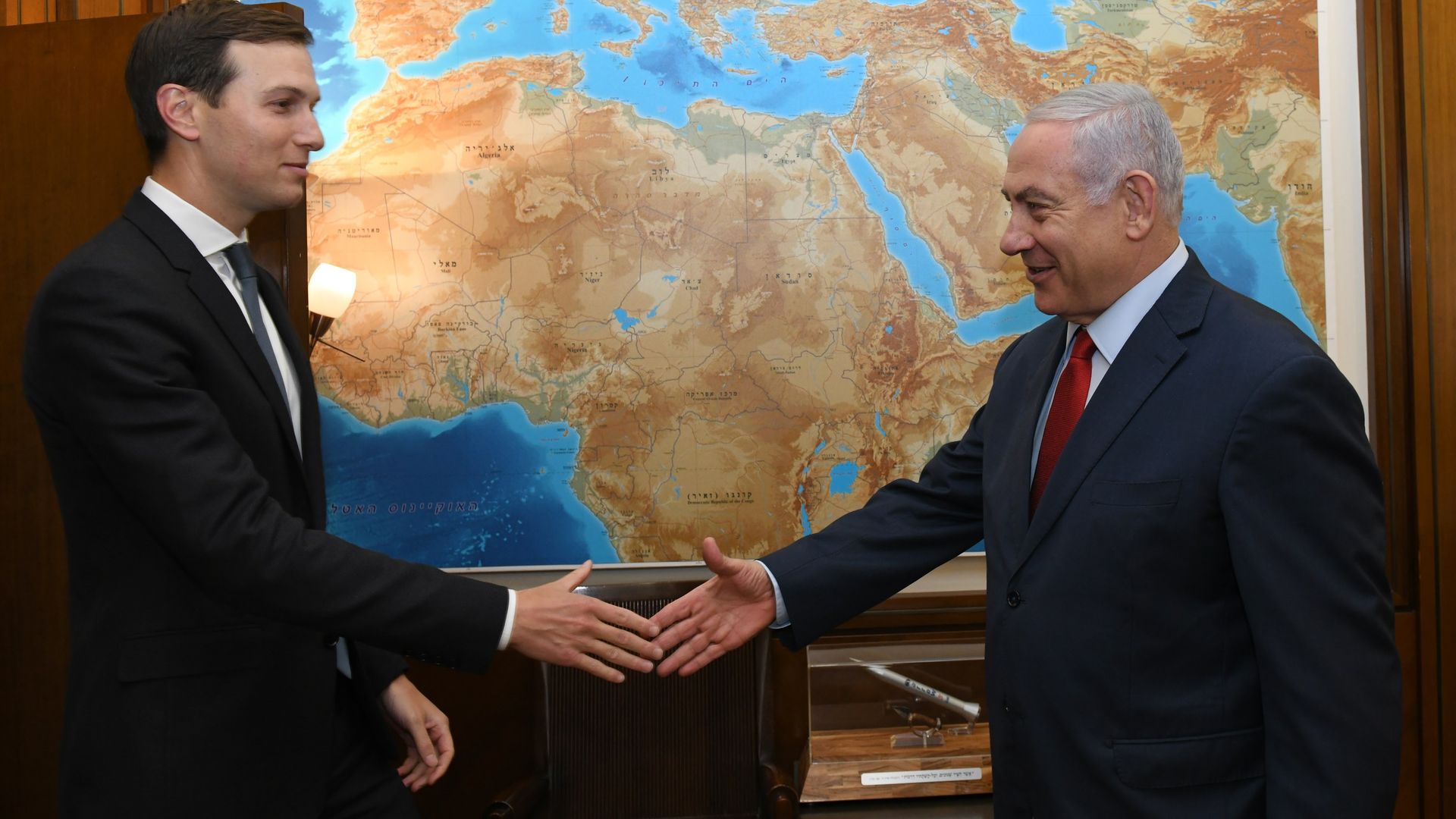
The Trump administration is considering publishing its long-awaited Israeli-Palestinian peace plan before Israel's March 2nd elections, Israeli officials tell me.
Why it matters: The plan's release would be a potential bombshell that could influence the results of the elections.
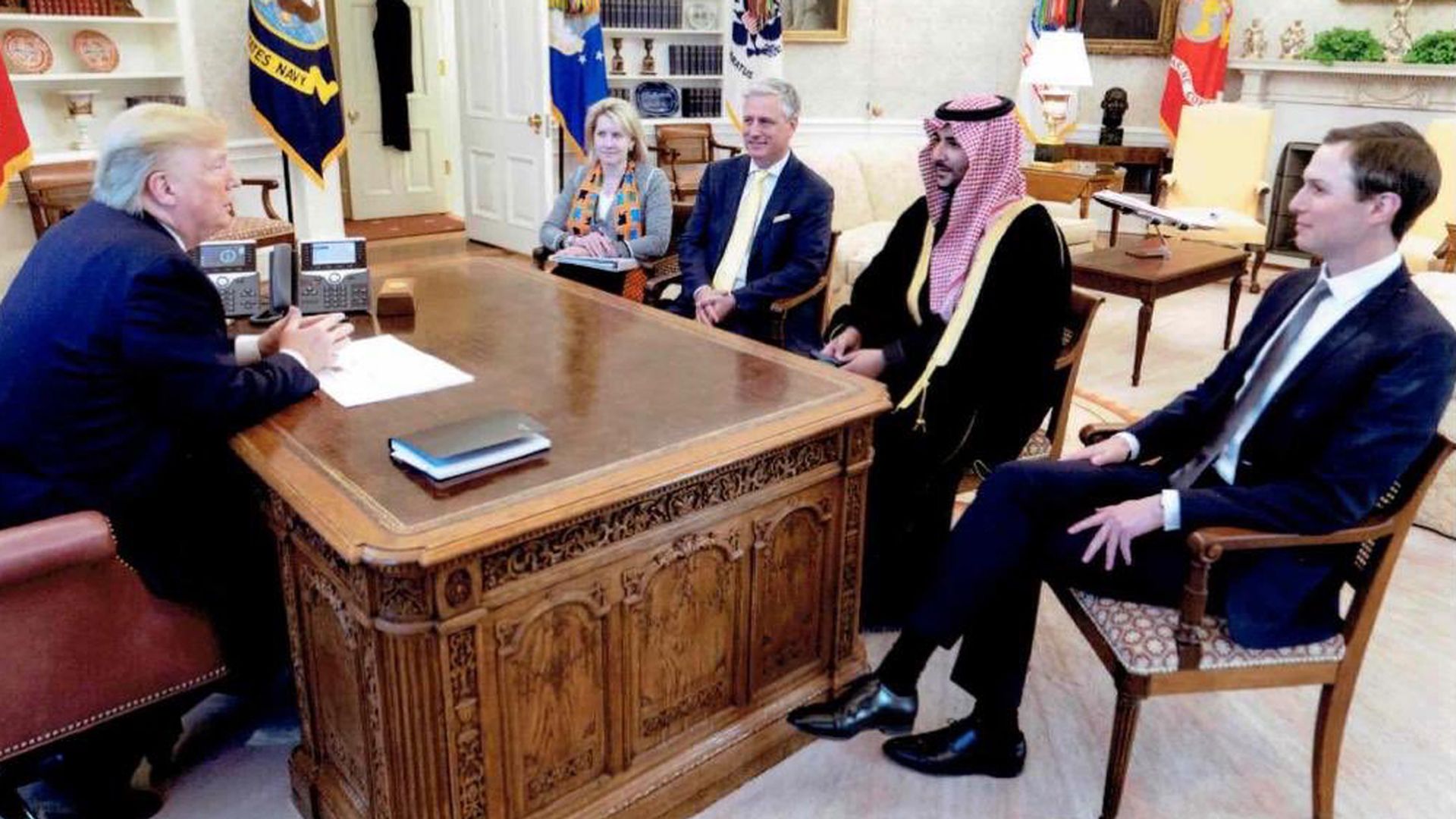
Saudi Arabia's deputy defense minister, Prince Khalid bin Salman, revealed on Twitter that he delivered a message to President Trump yesterday from his brother, Crown Prince Mohammed bin Salman.
Why it matters: Saudi Arabia is deeply concerned it could become engulfed in uncontrolled escalation between the U.S. and Iran following President Trump's decision to kill Iranian Gen. Qasem Soleimani. That explains the decision to urgently dispatch Prince Khalid to Washington.
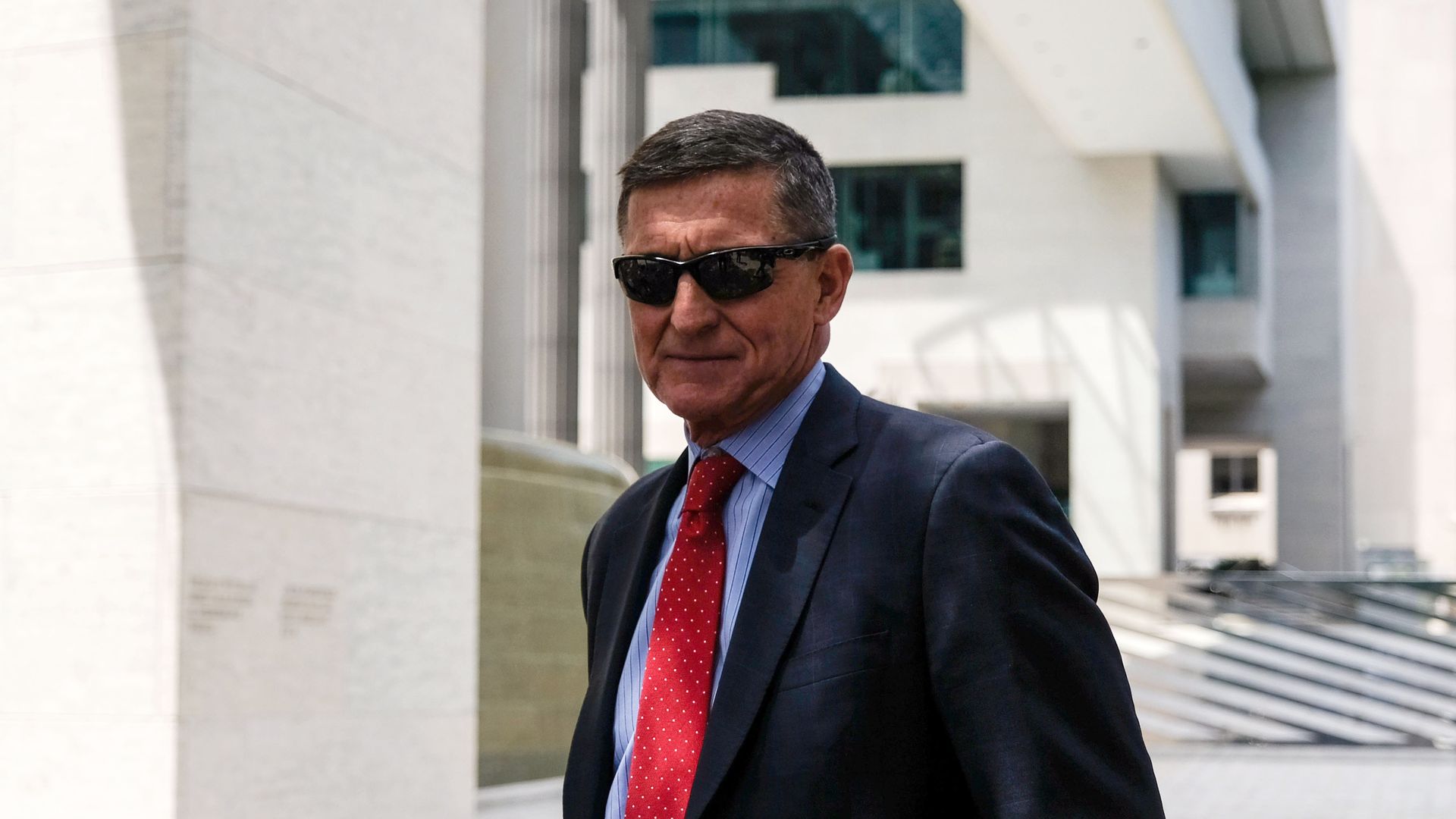
Federal prosecutors recommended in a sentencing memo Tuesday that President Trump's former national security adviser Michael Flynn receive a sentence of zero to six months in prison, arguing that he should not receive credit for cooperating after his new legal team attempted to dismiss his charges and accused the government of misconduct.
Why it matters: Flynn was the first Trump associate to face charges in the Mueller investigation, pleading guilty to lying to FBI agents in December 2017 about his interactions with the Russian ambassador.
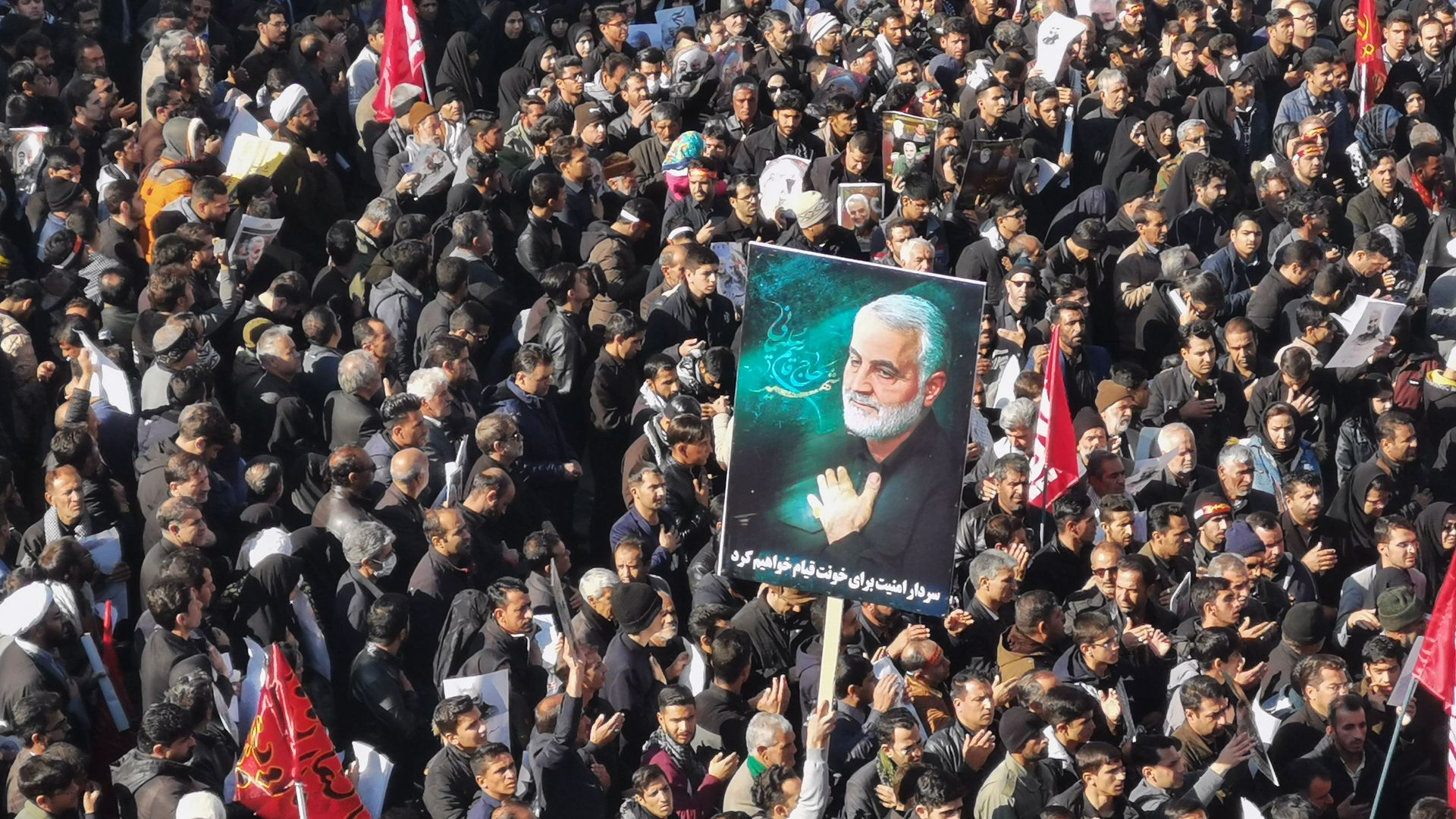
At least 56 people were killed and 21 injured in a stampede at a funeral procession for Iranian general Qasem Soleimani in his hometown of Kerman, according to the AP, citing Iranian state television.
The big picture: The hometown burial marks the end of a three-day-long mourning period for Soleimani, who was killed in a U.S. airstrike in Iraq last Friday. Funerals in cities across Iran for Soleimani and Abu Mahdi al-Muhandis, a senior Iraqi militia commander who also died in the Baghdad strike, have drawn huge crowds.
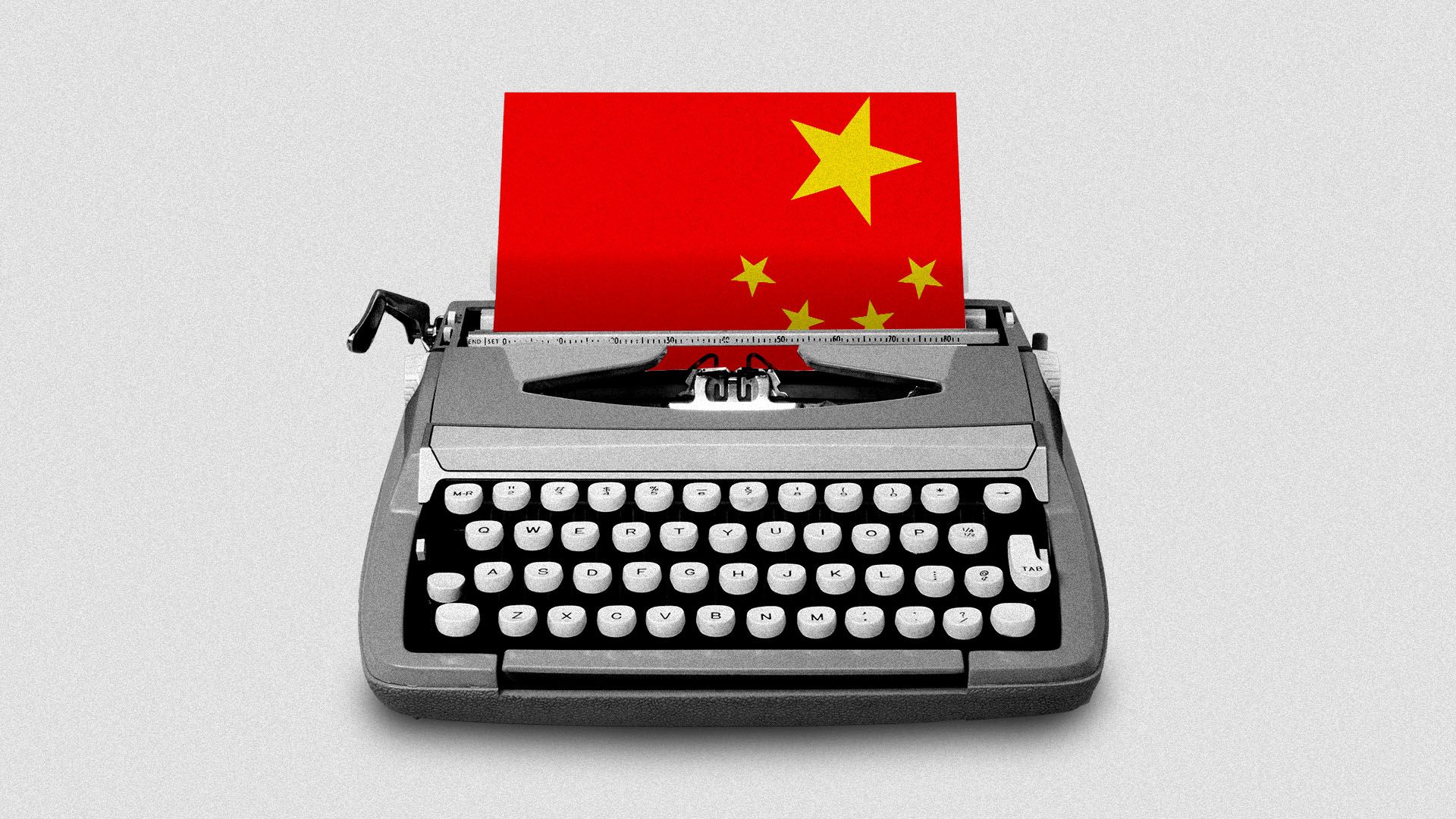
A growing number of investigative journalists and news organizations around the world are investing more resources in covering China from afar.
Why it matters: The Chinese Communist Party claims China's rise offers the world an alternative to western leadership and values. In the coming decade, journalism is vital to understanding exactly what kind of global leader China will be.
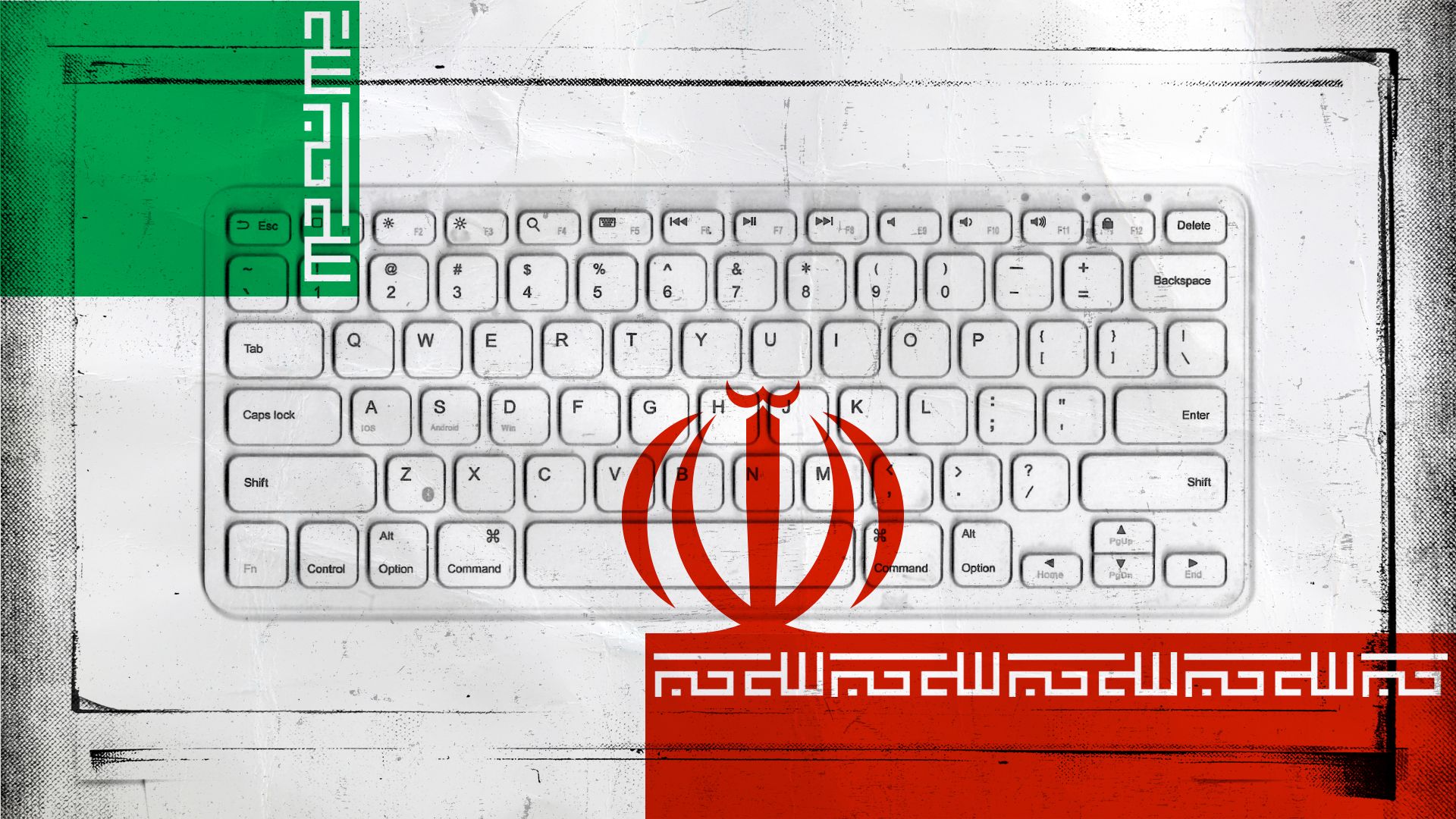
America "needs to be prepared for retaliation in the hard cyber space and soft information space" after killing Iranian general Qasem Soleimani, says a top expert at the Atlantic Council.
Why it matters: Iranian influence operations to-date have been different than other state-backed disinformation campaigns, particularly from Russia.
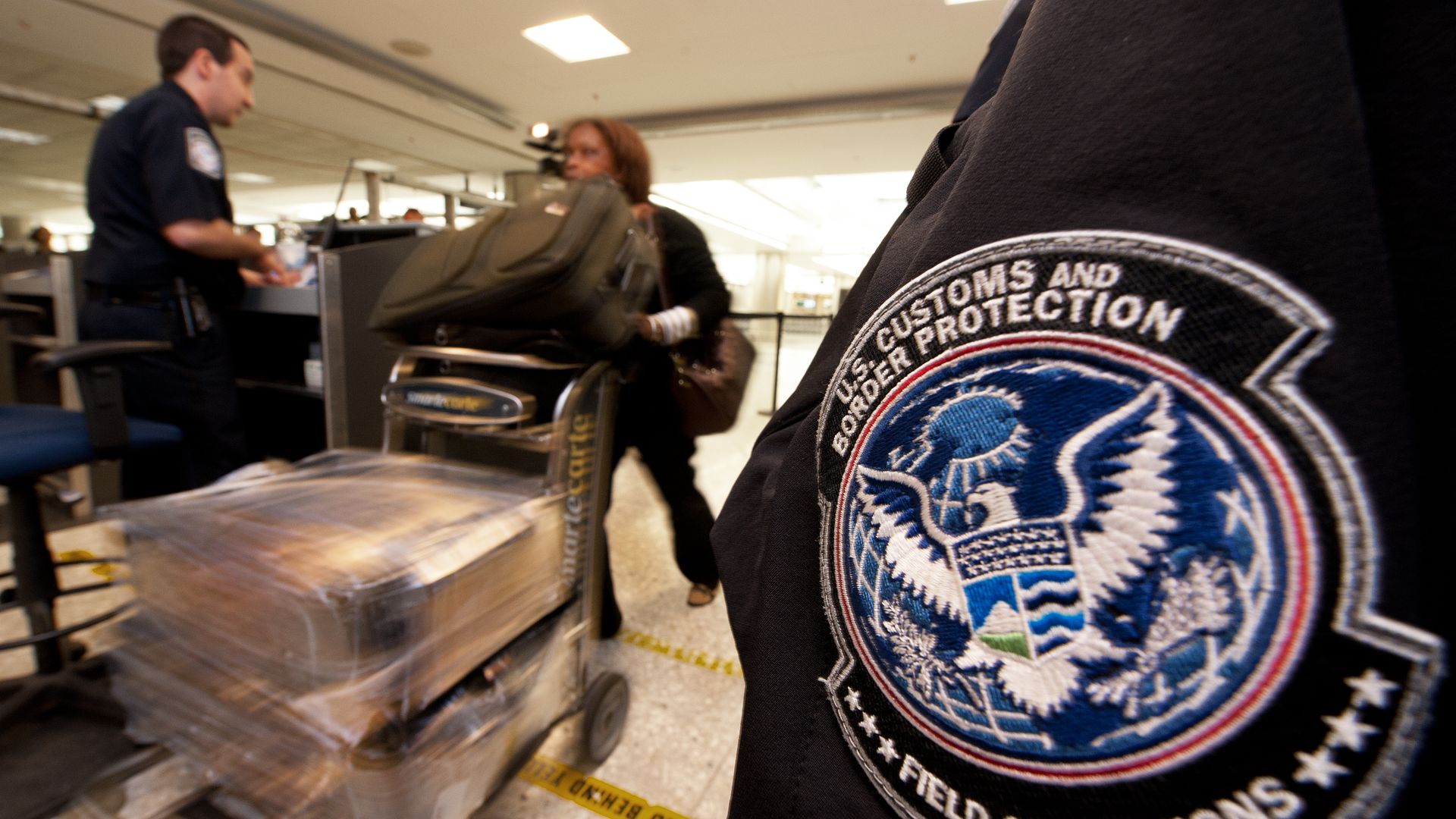
Washington Gov. Jay Inslee (D) on Monday called reports that dozens of Canadian and American citizens faced hours of questioning at the U.S.-Canada border because of their Iranian heritage over the weekend "deeply alarming." Customs and Border Protection denies the allegations.
Driving the news: Civil rights group the Council on American-Islamic Relations (CAIR) said it's been "assisting more than 60 Iranians and Iranian-Americans of all ages who were detained at length and questioned at the Peace Arch Border Crossing in Blaine, Wash."