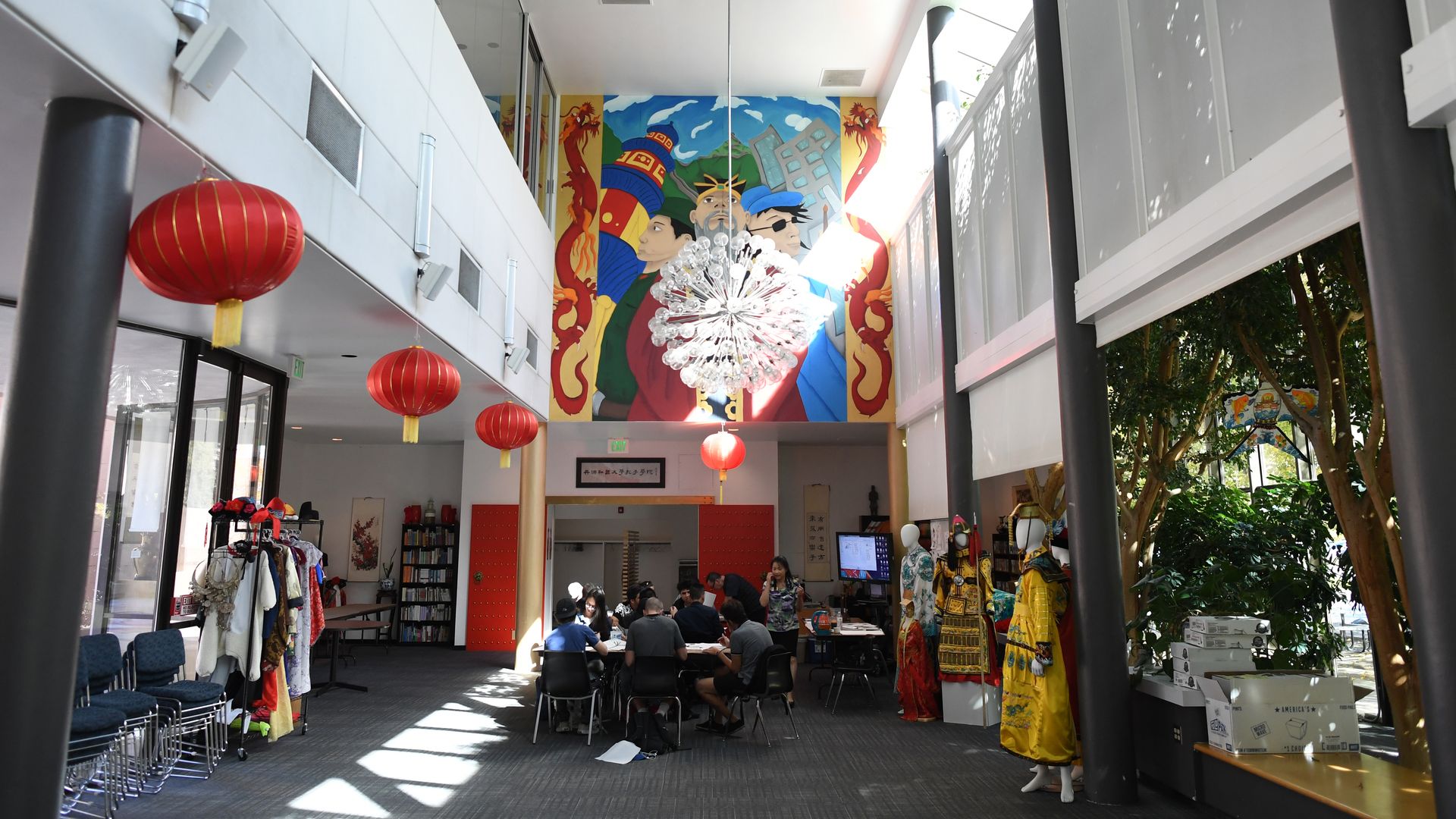
China's global influence campaigns are drawing heightened responses, from a bipartisan bill in the U.S. Senate and anti-interference laws in Australia to new legislation in Germany that would limit Chinese investment in media.
Why it matters: Under President Xi Jinping, Beijing has more openly wielded power abroad, trying to influence other countries’ political debates, media coverage and education systems. These efforts extend China's authoritarian control of information, manipulate discussions of its policies and intimidate ethnic Chinese populations around the world.
More protests are expected this weekend in Hong Kong, where a proposed rule on extradition to Mainland China is threatening the city's position as an independent global business hub. Dan digs in with Axios World editor David Lawler.
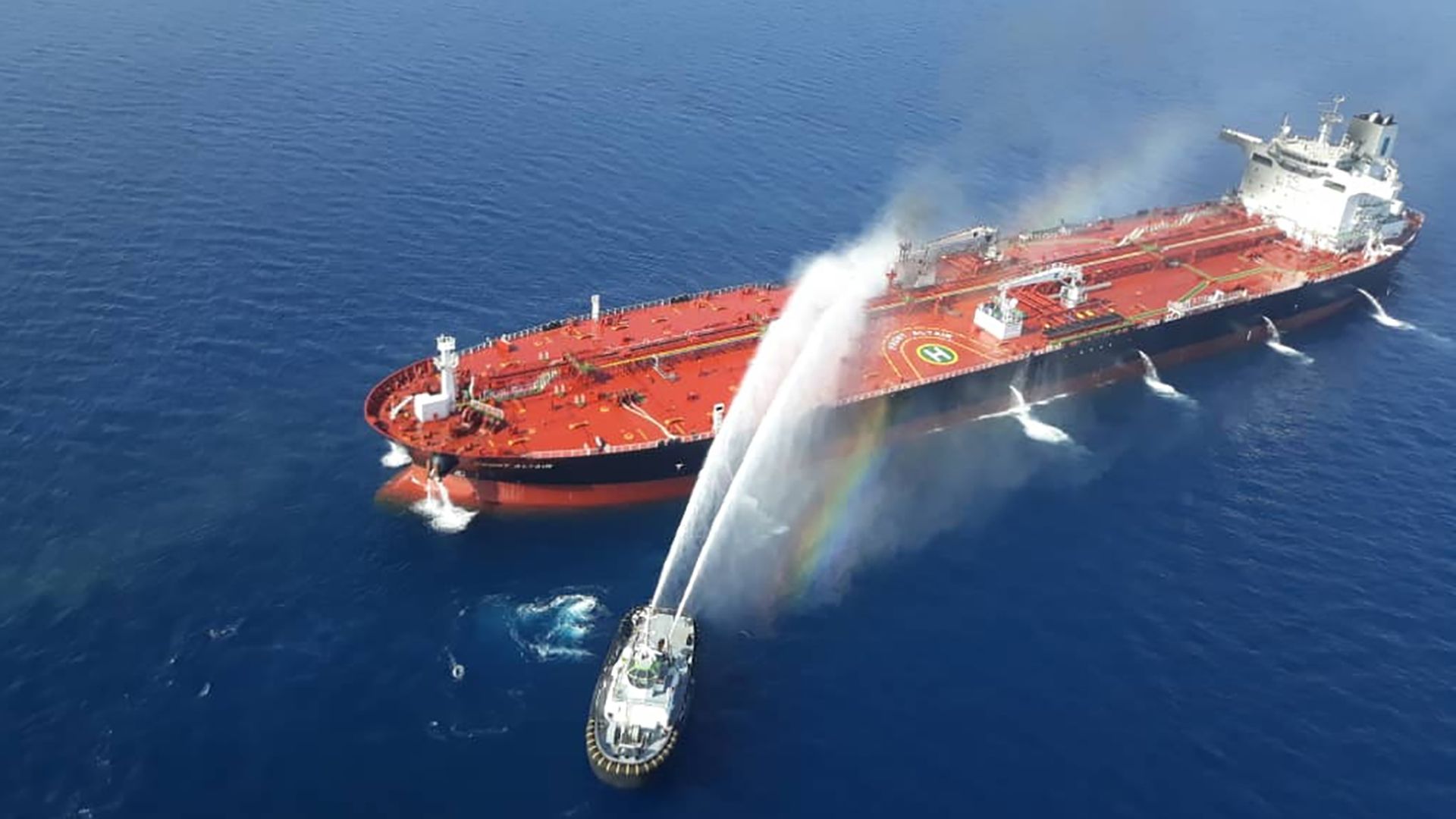
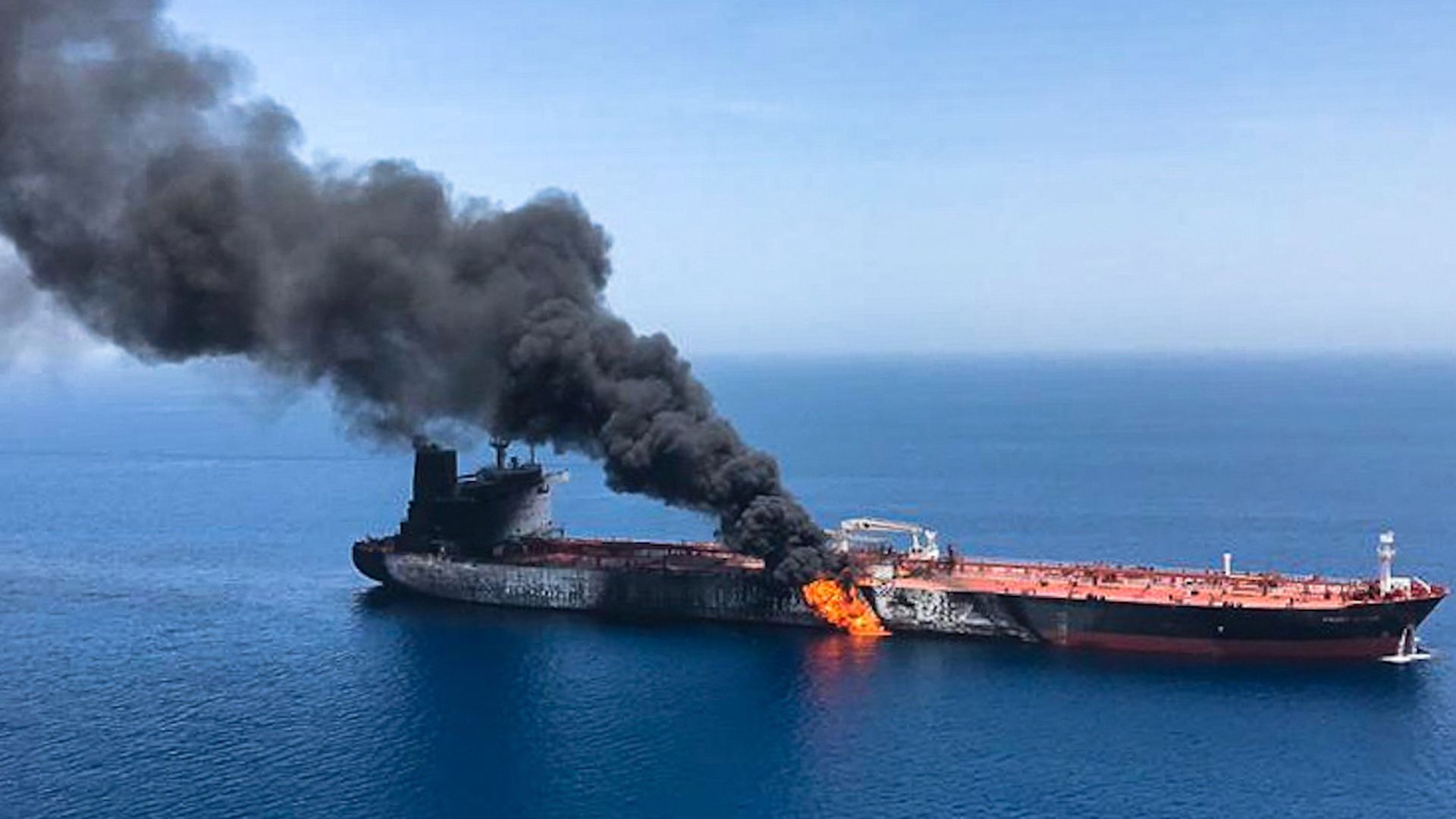
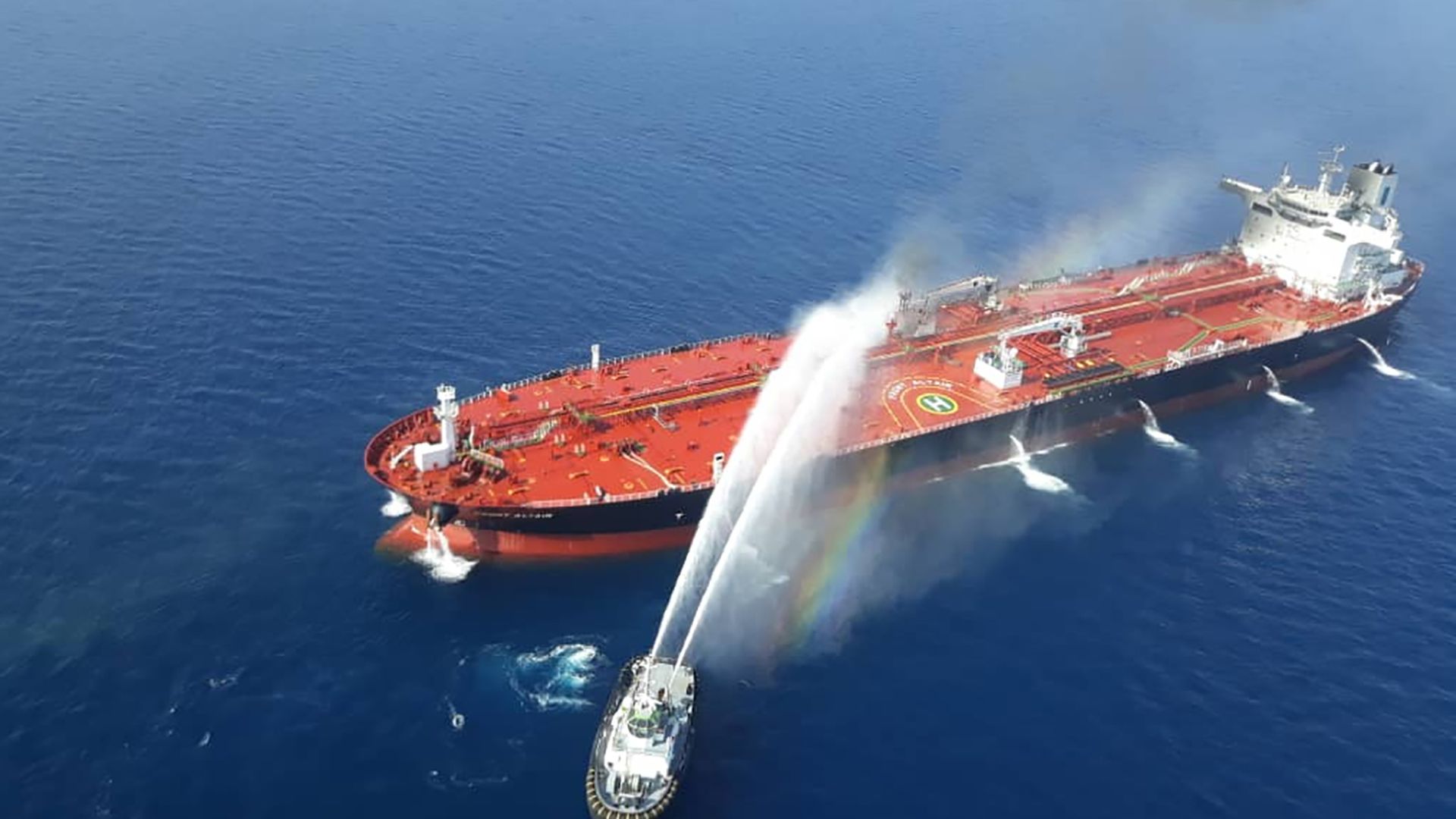
Two big forces are tugging on the global oil market: the weakening global economy and rising geopolitical tensions over tanker attacks in the Gulf of Oman.
Where it stands: The weakening economy is carrying a lot of weight despite the spike in tensions from the U.S. blaming Iran for yesterday's violence near the Strait of Hormuz, which is the world's biggest oil choke point.
The Trump administration's "economic cold war" with China has spread to the search for cancer cures, as the administration tries to rid U.S. research institutions of Chinese influence, Bloomberg reports.
The impact: "Chinese people in America, including U.S. citizens, are now targeted for FBI surveillance," Bloomberg's Peter Waldman writes.
U.S. Central Command released a statement and video on Thursday night of what the American military says depicts Iranians removing an unexploded mine from one of two targeted Japanese oil tankers attacked on Thursday in the Gulf of Oman, the Washington Post reports.
Details: U.S.military assets observed Iran's Revolutionary Guard, per Captain Bill Urban, the spokesman for U.S. Central Command, “...and recorded removing (an) unexploded limpet mine from the M/T Kokuka Courageous.”
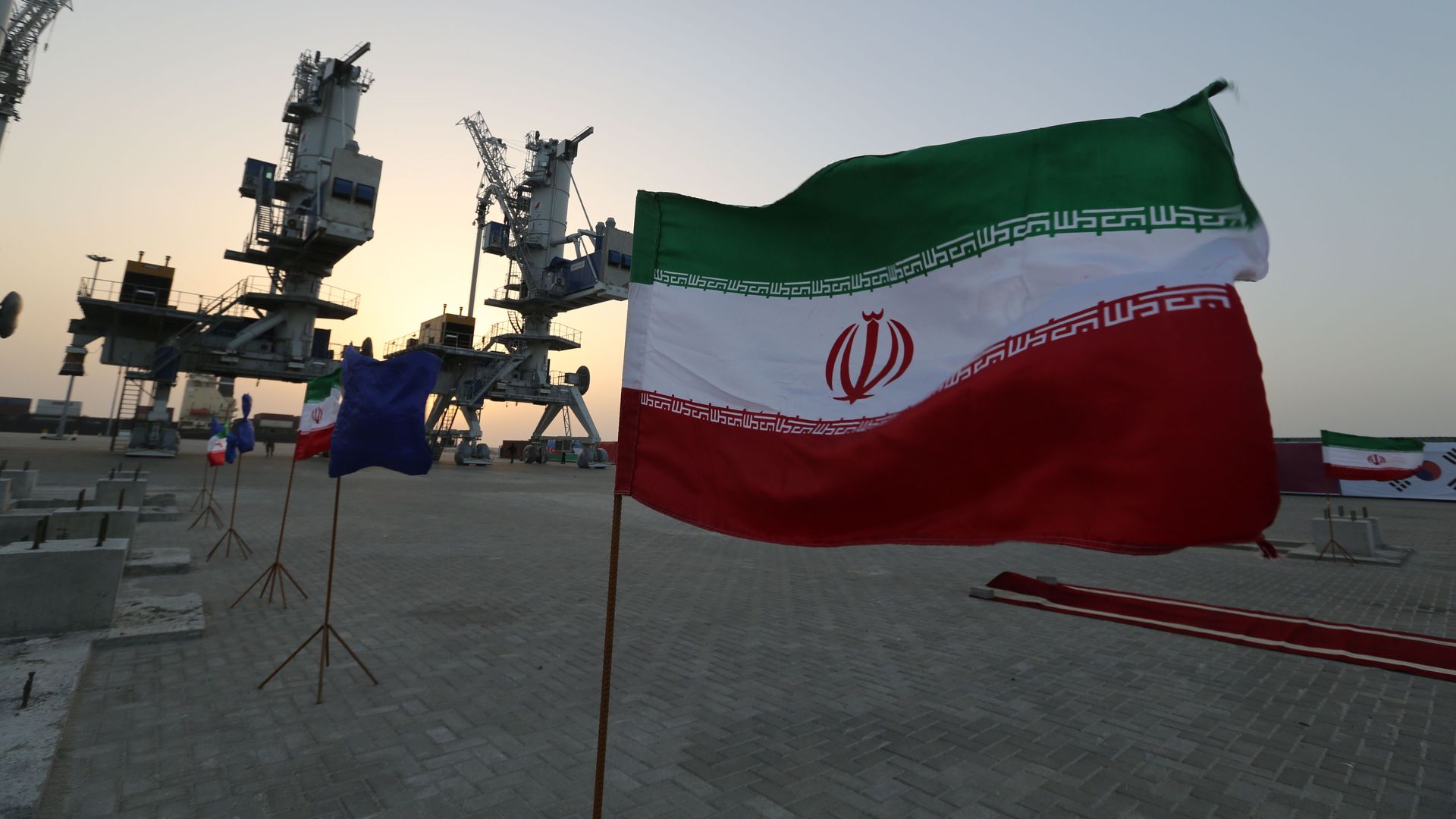
In response to the United States' claims on Thursday that Iran was responsible for attacks on 2 oil tankers near the Strait of Hormuz, the Iranian mission to the U.N. dismissed the accusation as "unfounded," and called for an immediate dialogue to reduce pressure and prevent "the reckless and dangerous policies and practices of the U.S."
Context: U.S. Secretary of State Mike Pompeo blamed Iran for the "unprovoked attacks" in the busy oil route earlier on Thursday, adding that the U.S. made its assessment based on intelligence about the type of weapons used. Already, tensions have been high following tightened sanctions on Iran — largely on the nation's oil industry and aggression.
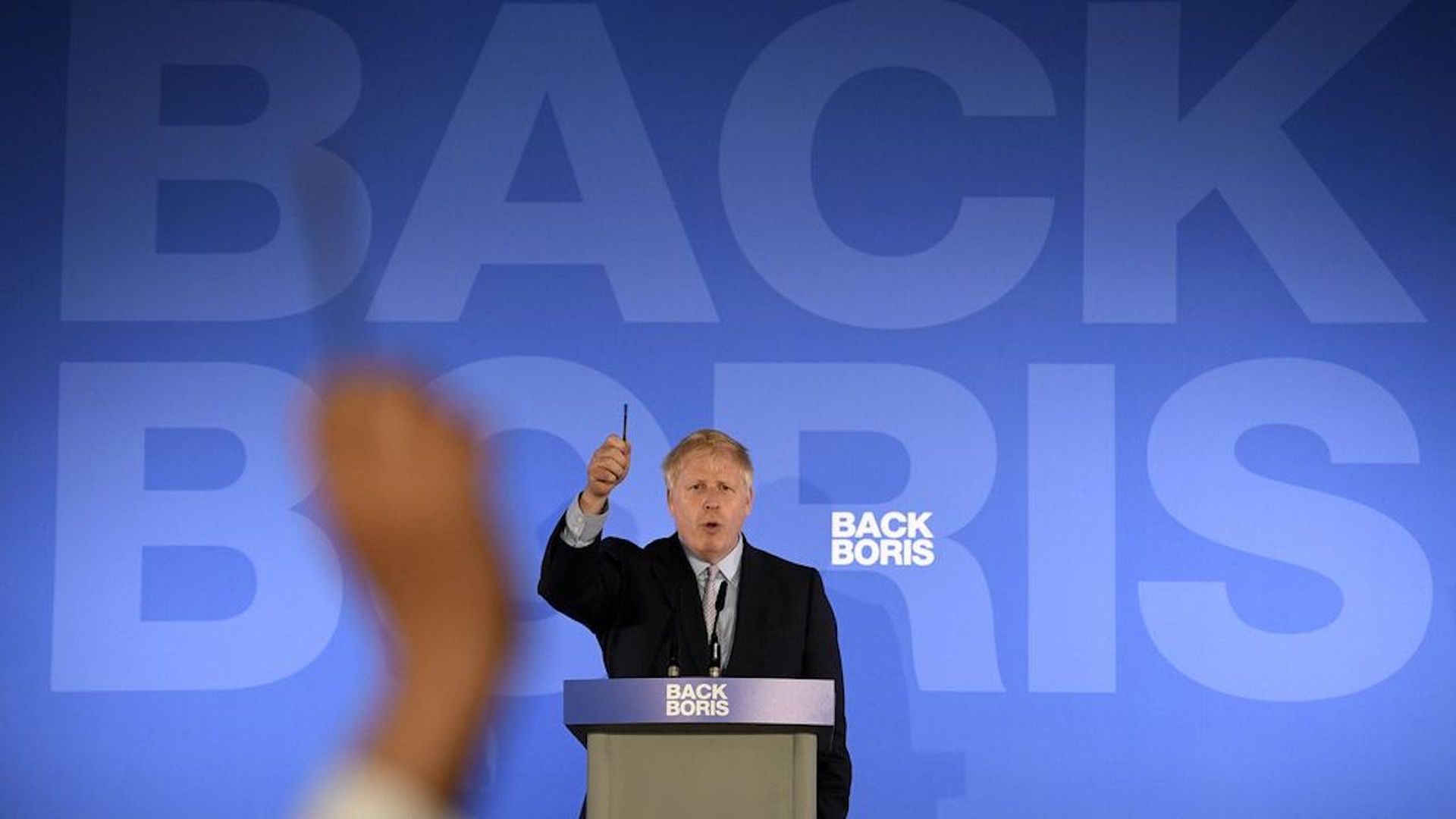
There is little standing in the way of Boris Johnson becoming Britain’s next prime minister.
Why it matters: Johnson is a brash Brexiteer who has vowed to take the U.K. out of the EU without a deal if one can’t be reached by October. He’s often praised for his charisma and criticized for his lack of substance on policy and penchant for provocative rhetoric. He also has a friend in the Oval Office.
Secretary of State Mike Pompeo on Thursday accused Iran of being responsible for attacks on oil tankers near the Strait of Hormuz and a string of other incidents, saying the regime was engaged in "an unacceptable campaign of escalating tensions."
Why it matters: Fears that the U.S. was on course for war with Iran had been reduced in recent days, with Japanese Prime Minister Shinzo Abe traveling to Tehran on a Trump-endorsed mission to reduce tensions. But Pompeo's tone was hawkish today in declaring Iran "a clear threat to international peace and security."
U.S. politics have teed up twin reckonings — one a sudden threat against the gargantuan power accumulated by Big Tech, and the second a challenge to the decades-long rise of China.
What's happening: The two, launched one after the other, appear to be on a collision course, potentially jeopardizing one or both of the risky U.S. attempts to police the market at home and maintain geopolitical primacy abroad.
Police scuffled with protesters as Hong Kong authorities shut government offices as hundreds demonstrated against plans to extradite citizens to mainland China Thursday, Reuters reports — a day after the worst violence in the territory for decades.
Details: Reuters journalists on the scene said protest numbers swelled at one stage to thousands around the legislature — where scores of people were injured in Wednesday's clashes — as demonstrators tried to stop police from removing face masks and food. The mass protests have forced legislators to delay debate on the extradition bill, which Hong Kong leader Carrie Lam backs.
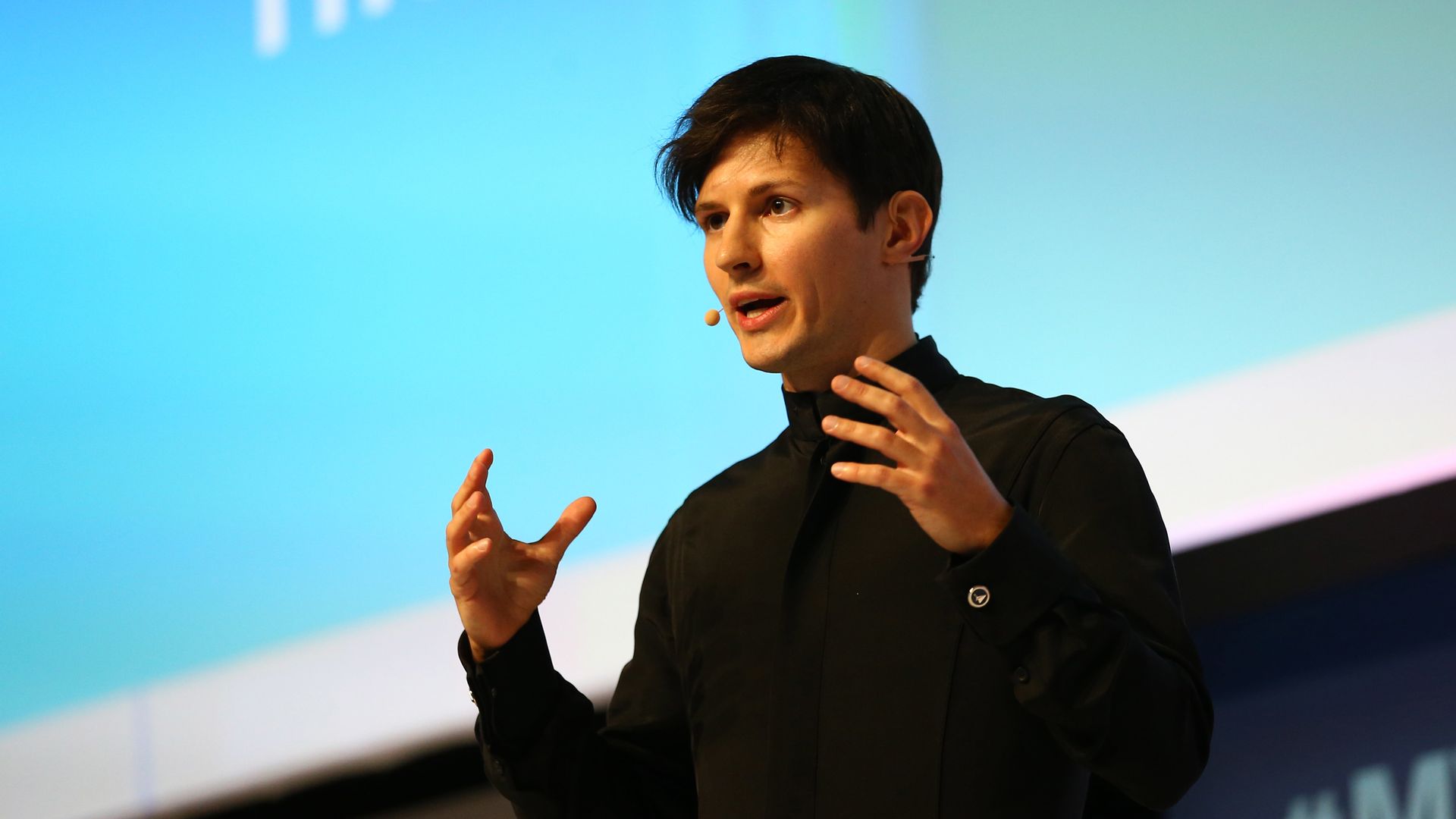
Telegram CEO Pavel Durov said in a Twitter post a powerful cyber attack that struck the encrypted messaging app on Wednesday came mostly from Chinese IP addresses and "coincided in time with protests in Hong Kong."
Why it matters: It suggests China may have been trying to disrupt huge demonstrations in Hong Kong against a bill that would expose Hongkongers to extradition to the mainland. Protesters in the territory have used apps including Telegram to organize themselves during rallies, The Next Web notes.








/2019/06/12/1560369695571.gif?w=3840)