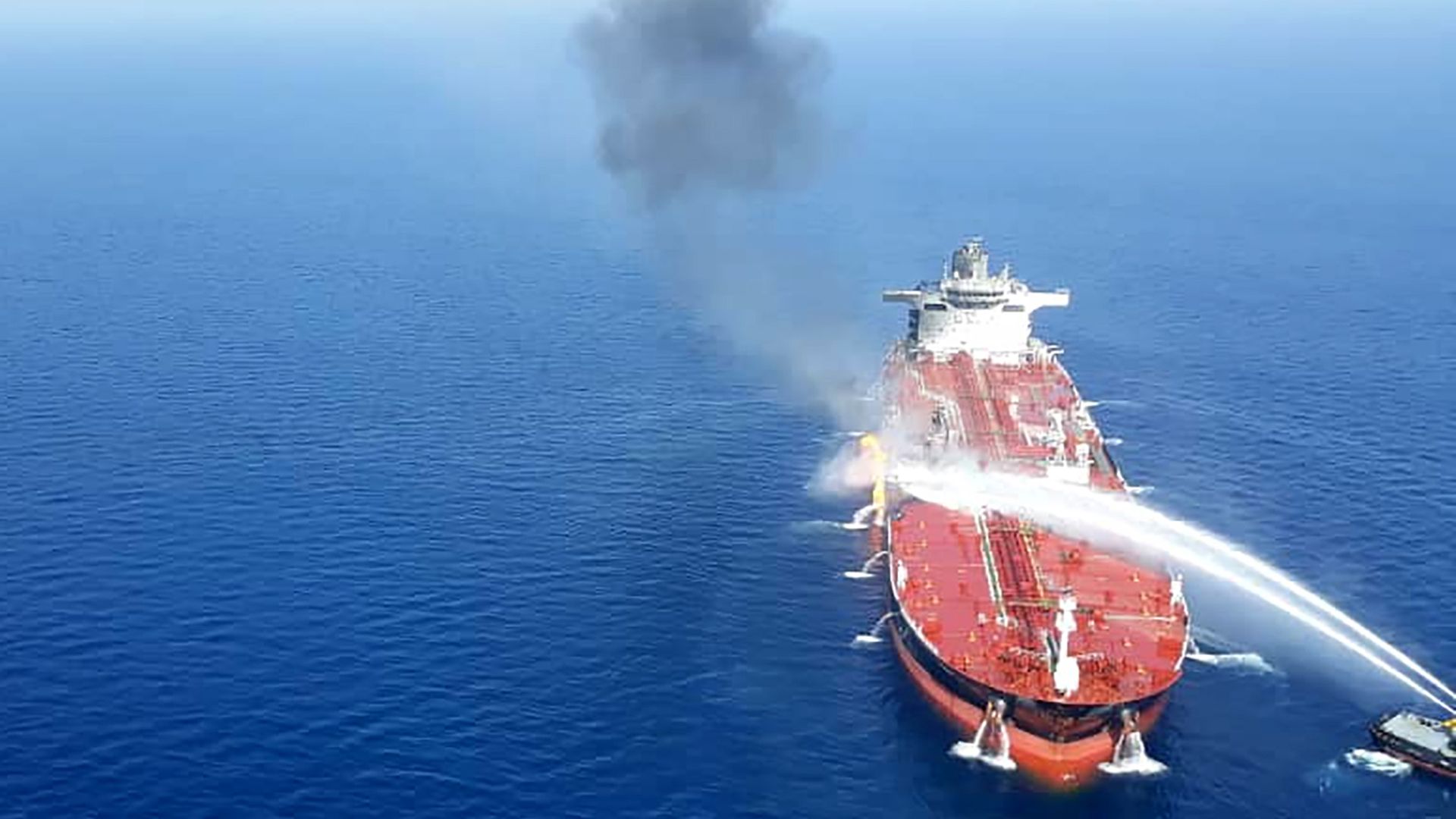
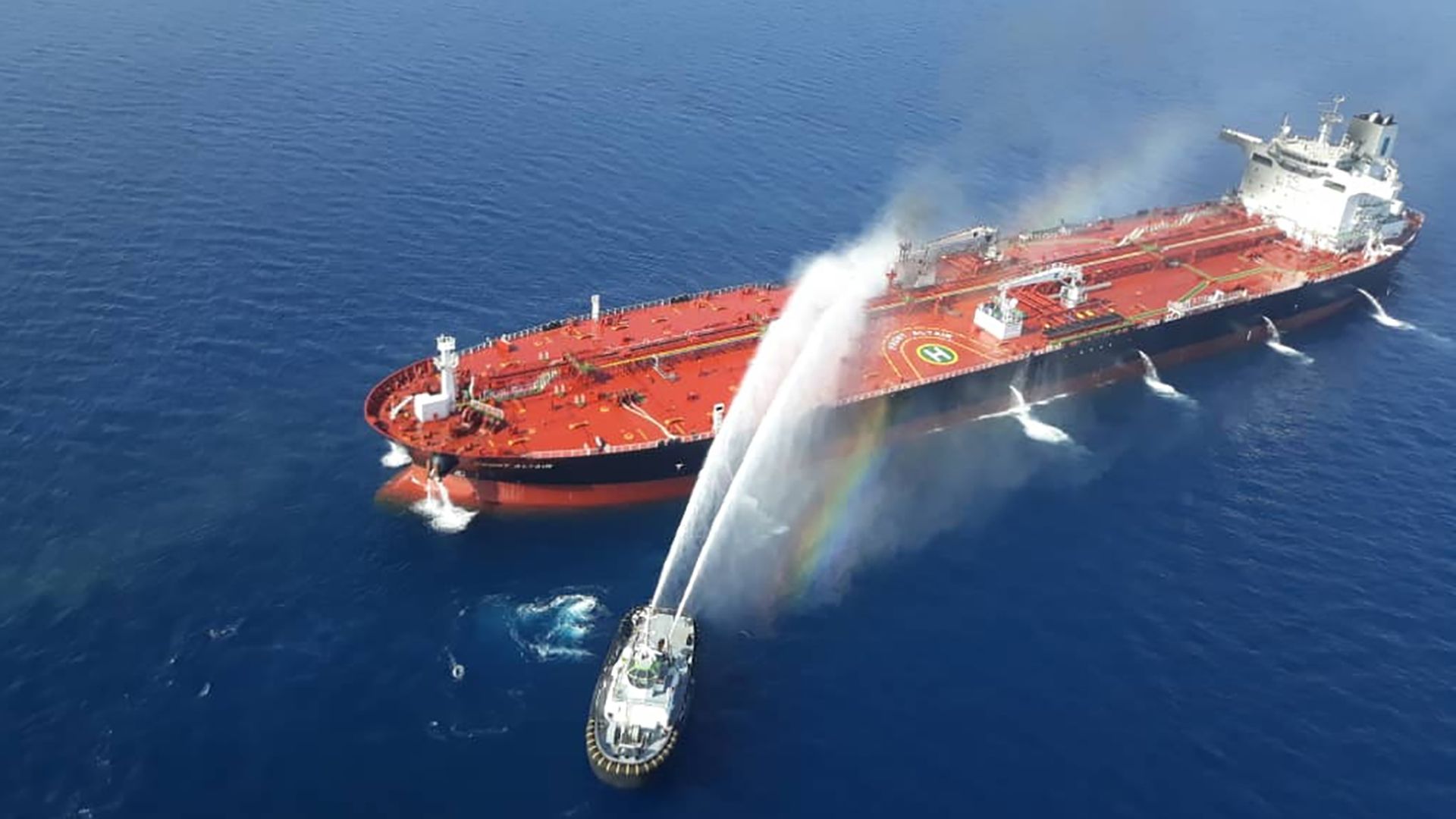
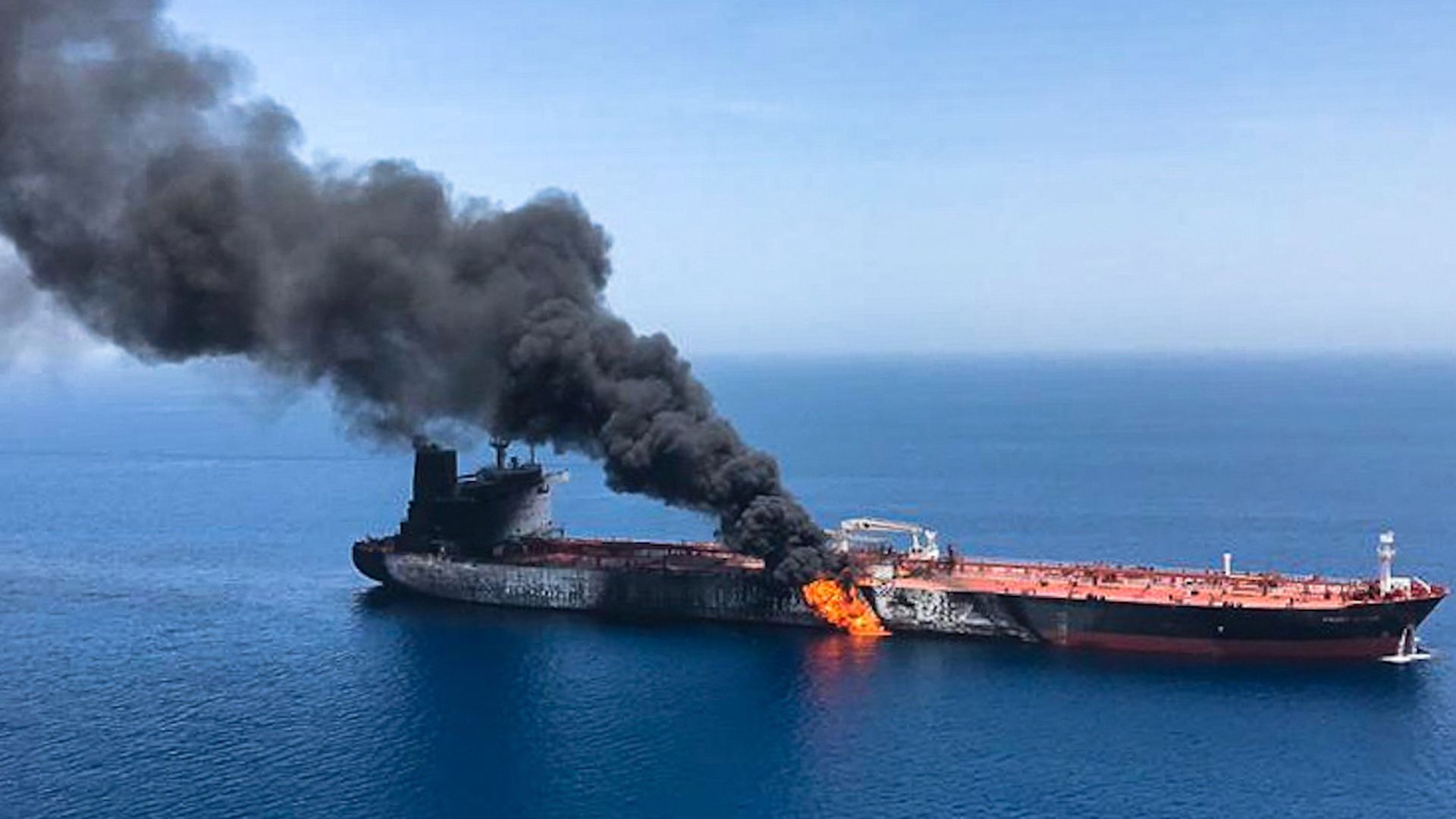
Israeli officials told me that Iran's Islamic Revolutionary Guard Corps (IRGC) is responsible for the attack against the two oil tankers in the Gulf earlier this week. Israeli officials intimately involved in policy on Iran claimed the IRGC used naval mines and a torpedo to attack the tankers.
Why it matters: Israel is the third country with advanced intelligence gathering capability on Iran to publicly point a finger at the IRGC for the attacks. In the last few days both President Trump and Secretary of State Mike Pompeo blamed the Iranians for the attack. Yesterday, the British Foreign Office announced there is high probability the IRGC is behind the attacks.
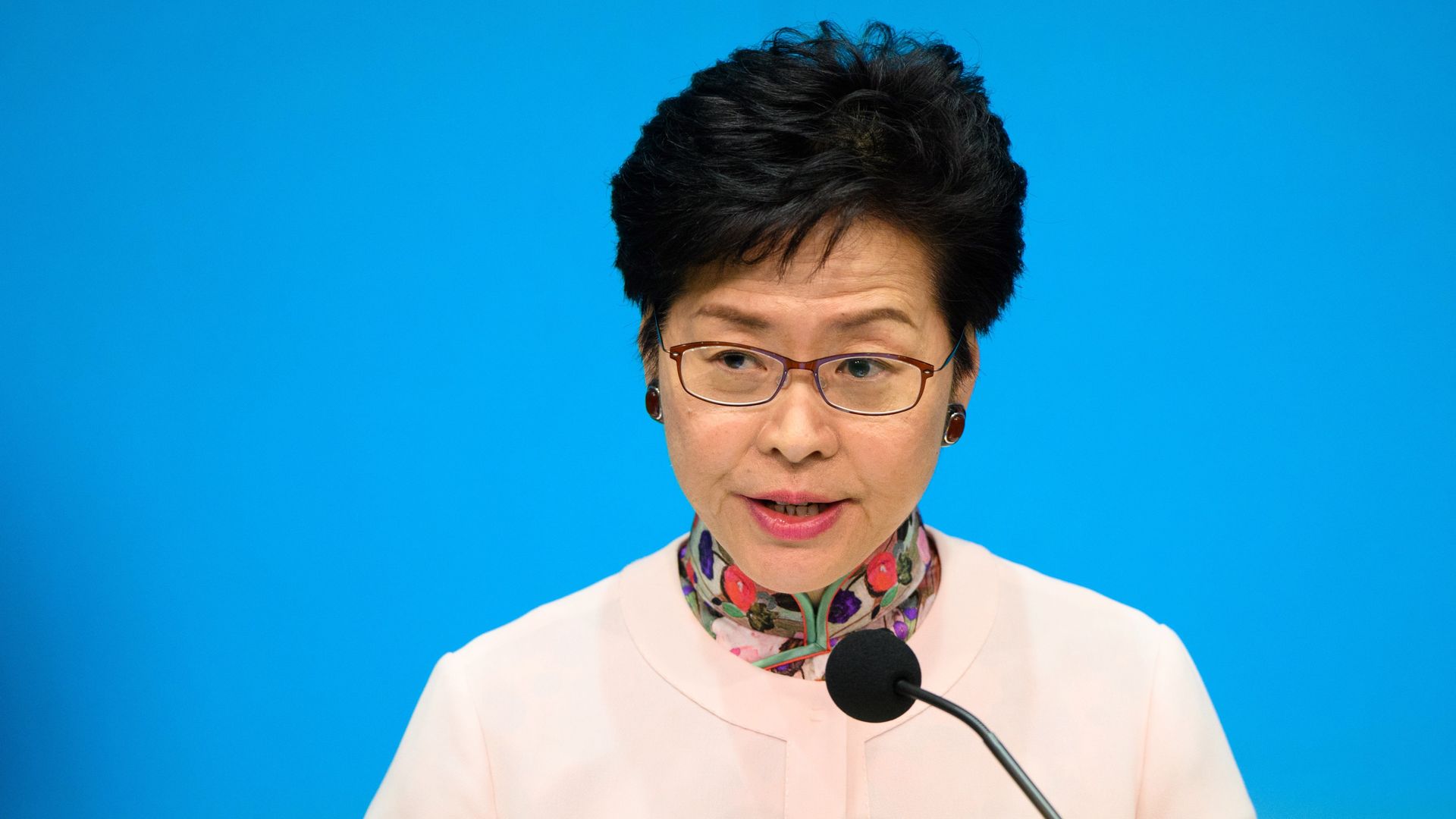
Hong Kong's leader Carrie Lam announced on Saturday that a controversial bill to allow extradition to mainland China will be indefinitely suspended, but not withdrawn, per the New York Times.
Why it matters: More than a million Hongkongers have taken to the streets in the past week to protest the extradition bill, which some fear could be used as a political ploy to arrest and try political activists who oppose the Chinese government. Activists are still demanding that Lam withdraw the bill altogether, and are planning another mass protest for Sunday.
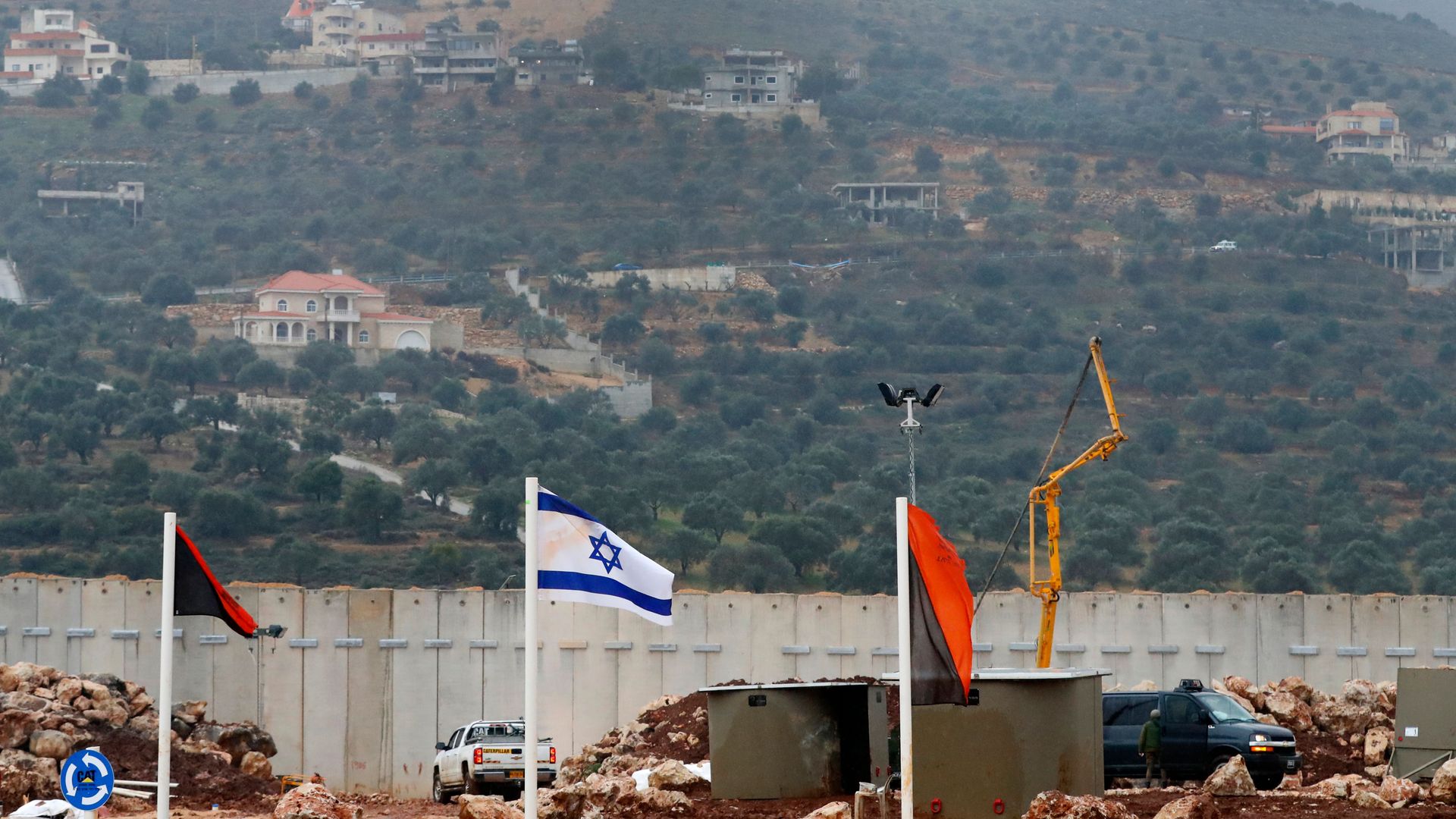
The first round of U.S.-mediated talks between Israel and Lebanon over the two countries' long-standing maritime border dispute is expected in July, a senior Israeli official told me.
Why it matters: Israeli-Lebanese talks would be a dramatic diplomatic development and a significant step forward in a long-standing conflict that has stalled natural gas exploration in the eastern Mediterranean. Solving the crisis could unlock potential natural gas reserves for both countries.
Iranian forces reportedly shot down an American MQ-9 Reaper drone in the hours before Thursday's attack on two oil tankers near the Strait of Hormuz, a U.S. official tells CNN.
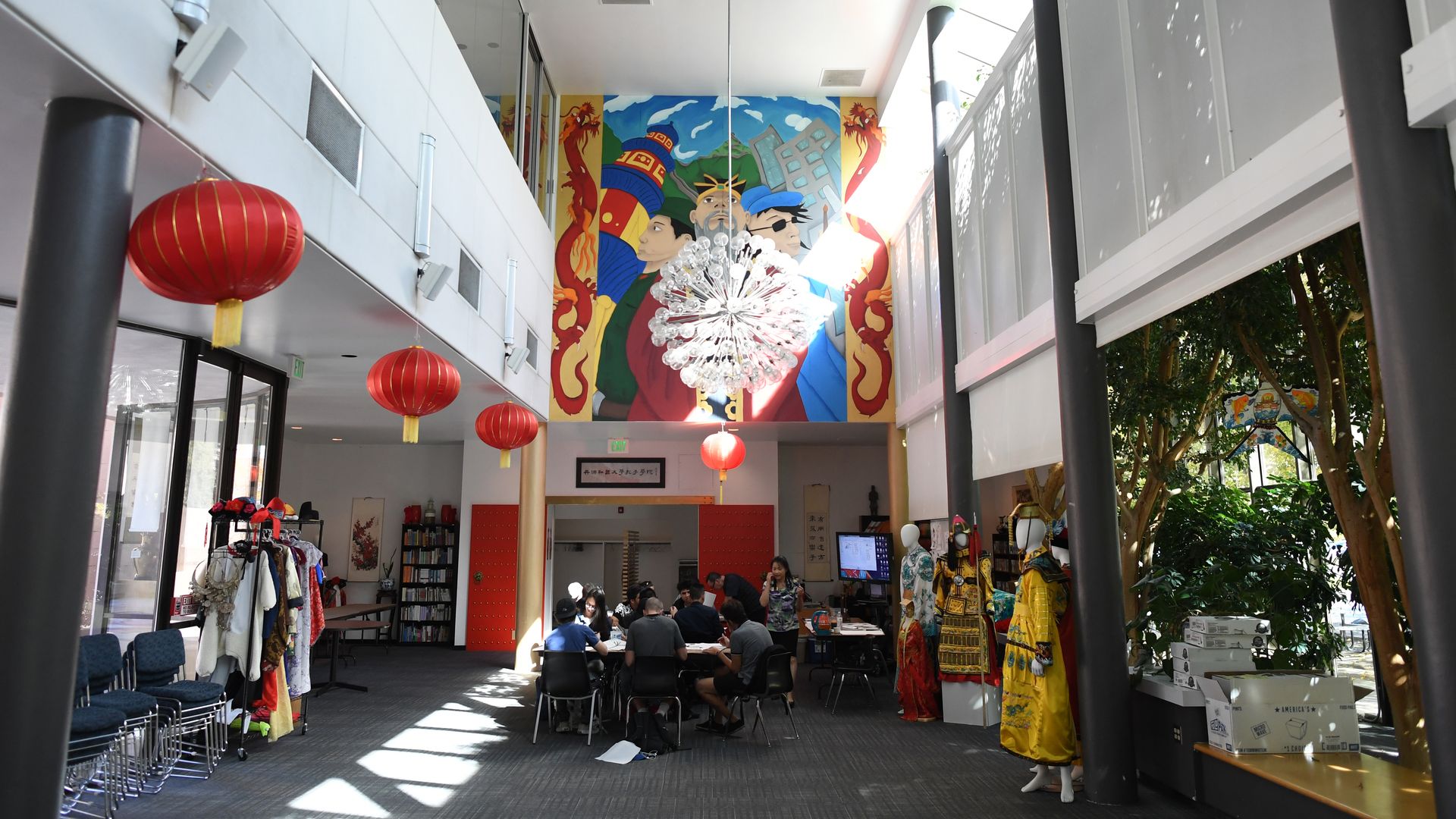
China's global influence campaigns are drawing heightened responses, from a bipartisan bill in the U.S. Senate and anti-interference laws in Australia to new legislation in Germany that would limit Chinese investment in media.
Why it matters: Under President Xi Jinping, Beijing has more openly wielded power abroad, trying to influence other countries’ political debates, media coverage and education systems. These efforts extend China's authoritarian control of information, manipulate discussions of its policies and intimidate ethnic Chinese populations around the world.
More protests are expected this weekend in Hong Kong, where a proposed rule on extradition to Mainland China is threatening the city's position as an independent global business hub. Dan digs in with Axios World editor David Lawler.
Two big forces are tugging on the global oil market: the weakening global economy and rising geopolitical tensions over tanker attacks in the Gulf of Oman.
Where it stands: The weakening economy is carrying a lot of weight despite the spike in tensions from the U.S. blaming Iran for yesterday's violence near the Strait of Hormuz, which is the world's biggest oil choke point.
The Trump administration's "economic cold war" with China has spread to the search for cancer cures, as the administration tries to rid U.S. research institutions of Chinese influence, Bloomberg reports.
The impact: "Chinese people in America, including U.S. citizens, are now targeted for FBI surveillance," Bloomberg's Peter Waldman writes.
U.S. Central Command released a statement and video on Thursday night of what the American military says depicts Iranians removing an unexploded mine from one of two targeted Japanese oil tankers attacked on Thursday in the Gulf of Oman, the Washington Post reports.
Details: U.S.military assets observed Iran's Revolutionary Guard, per Captain Bill Urban, the spokesman for U.S. Central Command, “...and recorded removing (an) unexploded limpet mine from the M/T Kokuka Courageous.”