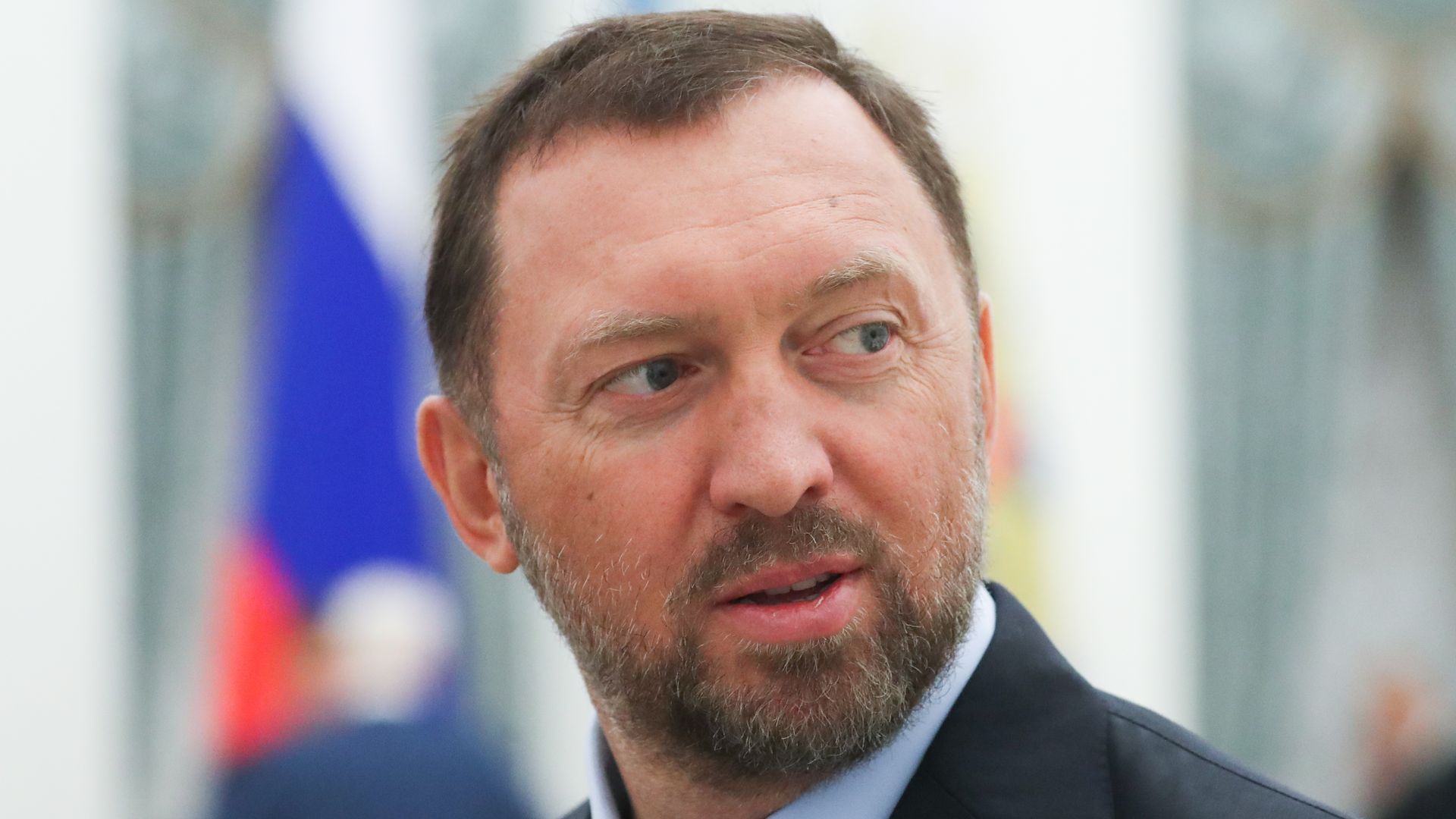
The Treasury Department announced Sunday that it had lifted sanctions on three companies linked to Russian oligarch Oleg Deripaska, including the world's second-largest aluminum producer Rusal.
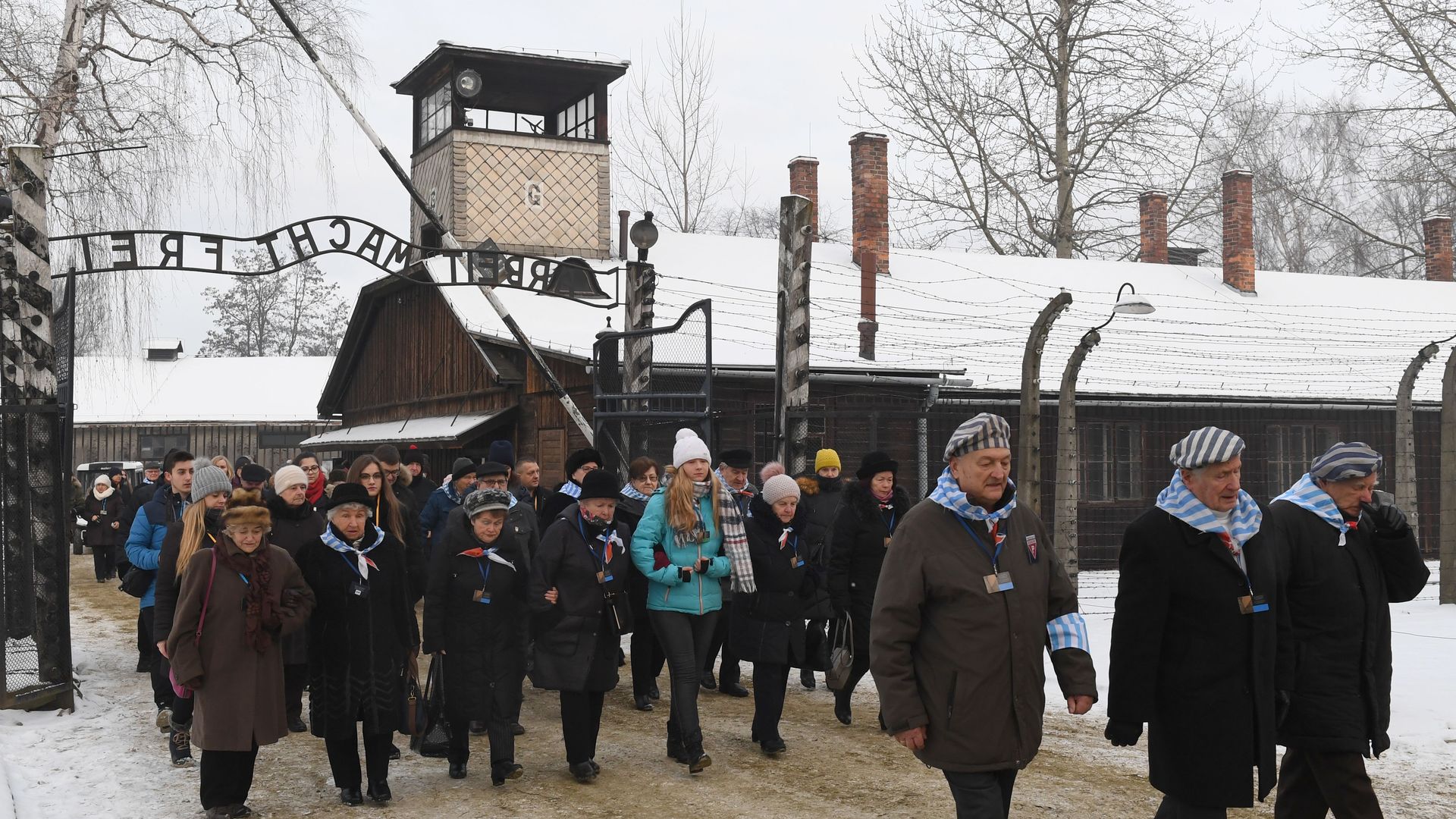
From Poland to Israel, people around the world took part in International Holocaust Remembrance Day on Sunday, marking the 74th anniversary of the liberation of the Auschwitz-Birkenau death camp and remembering the millions of Jews and countless other minorities murdered by Nazi Germany.
What they're saying: President Trump issued a presidential message, saying, "To remember these men and women — those who perished and those who survived — is to strive to prevent such suffering from happening again. Any denial or indifference to the horror of this chapter in the history of humankind diminishes all men and women everywhere and invites repetition of this great evil."
Venezuela is shaping up to become a major geopolitical flashpoint, with both Russia and China opposing the U.S. stance in very strong terms.
The big picture: Along with a large chunk of the Western Hemisphere, the U.K. stands with the U.S. and has reportedly refused a request from the Maduro government to liquidate $1.2 billion of gold reserves held at the Bank of England.
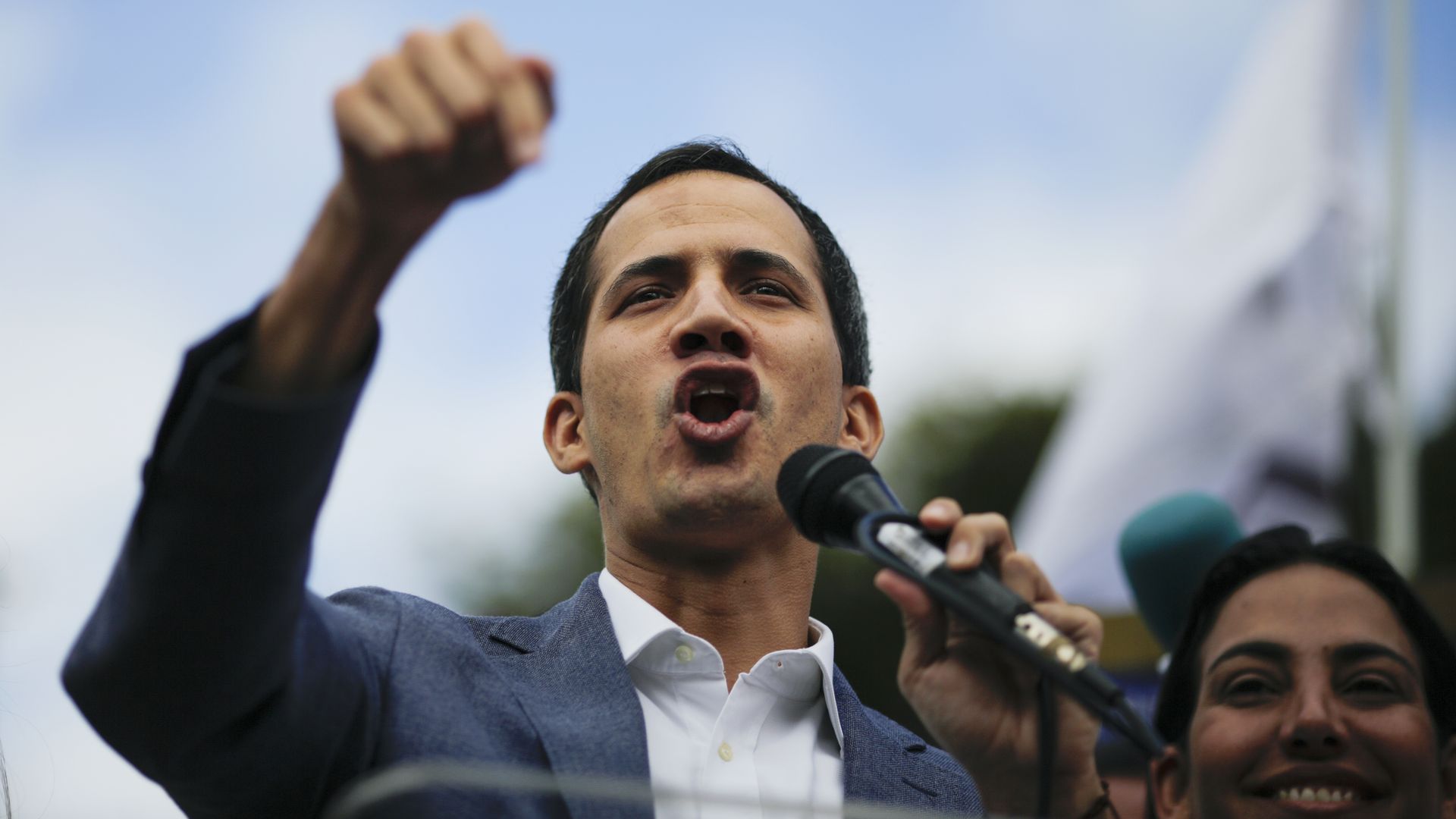
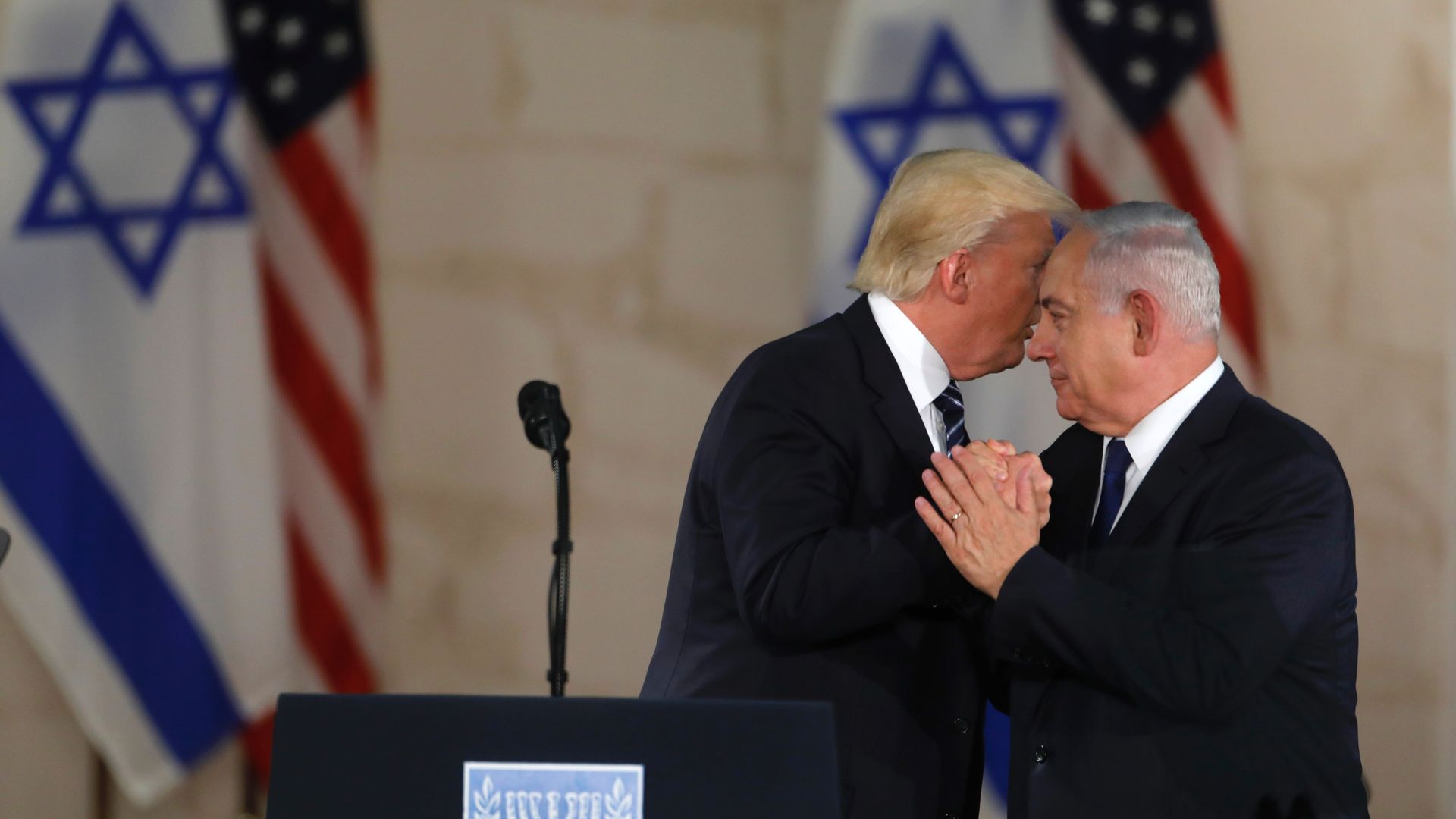
Israeli Prime Minister Benjamin Netanyahu announced Sunday that Israel would recognize Venezuelan opposition leader Juan Guaidó as the country's de facto president, joining the U.S., Canada and a host of Latin American nations.
The big picture: As I reported yesterday, the Trump administration asked Israel to support its move against President Nicolás Maduro and recognize Guaidó as president. Israel, which has no diplomatic relations with Venezuela, initially hesitated to support Guaidó amid fears that the Maduro regime would harm the Jewish community in Venezuela.
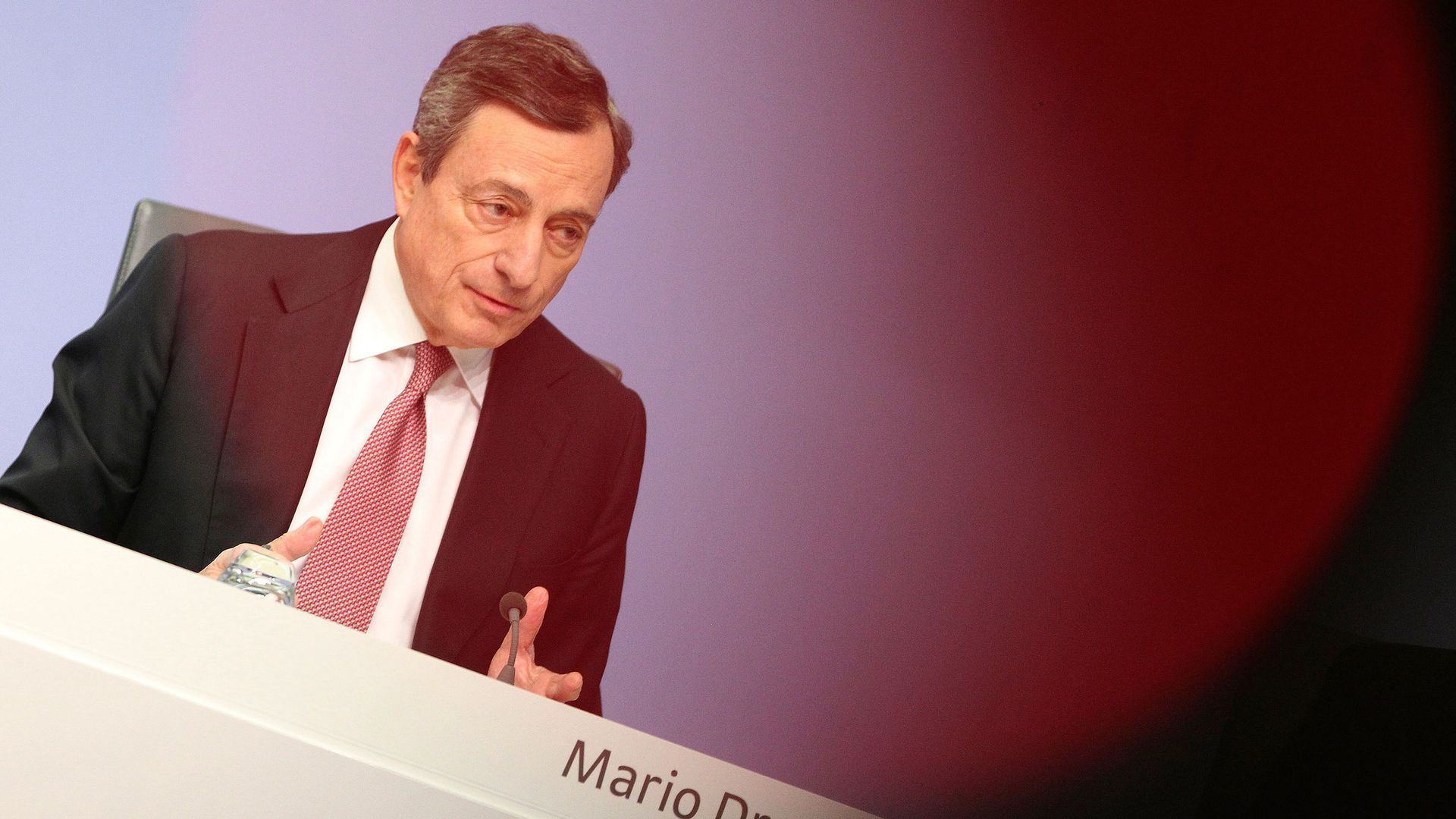
Both the European Central Bank and the Bank of Japan were expected to begin normalizing monetary policy in 2019 — reintroducing interest rates that are not at or below zero. However, it looks like both will fail and may even go in reverse, potentially adding to their stimulus programs that have so far totaled more than $2.5 trillion and $3.5 trillion, respectively.
The big picture: With China announcing new stimulus measures and the Federal Reserve on pause, the quantitative tightening theme that was supposed to reshape markets in 2019 – draining liquidity from the global financial system, shaking stock prices and popping asset bubbles – may already have come and gone.
The Trump administration has asked Israel to publicly support the U.S. push to oust Venezuelan President Nicolas Maduro and recognize the leader of the opposition, Juan Guaido, as the interim president, Israeli officials told me.
Why it matters: Israel has no diplomatic relations with Venezuela. Since Guaido declared himself president and received recognition from the U.S. earlier this week, Israel has kept silent and declined to issue any public statements. Israeli officials told me there are concerns in Jerusalem that if Israel publicly supports the opposition, the Maduro regime would harm the 6000 members of the Jewish community in Venezuela.
DAVOS, Switzerland — For two years, the global elite has fumbled for ways to defend the 7-decade-old structure of trade and diplomacy from punishing attacks. This week, they declared the system all but dead.
The main thing now, leading thinkers said, is to ensure that what replaces the system in the coming years prevents a great-power war — as the existing one has — and delivers more for millions left behind by the current economy.
The most important global issues are discussed at the World Economic Forum in Davos — but most people don’t get a chance to attend. Here is a chance to step into the goings-on.
Quick take: The world order is shifting. From the strong Chinese presence to CEOs grappling with public anger, attendees said this year’s conference felt different.
DAVOS, Switzerland — By the end of the week-long annual gathering of the world's elite here, the procession of leaders had given an inkling of the world order to come.
The big picture: "We may have to get used to a more modest definition of 'liberal world order,'" Columbia University economic historian Adam Tooze told Axios. That likely means removing liberal politics as a requirement to join the club.
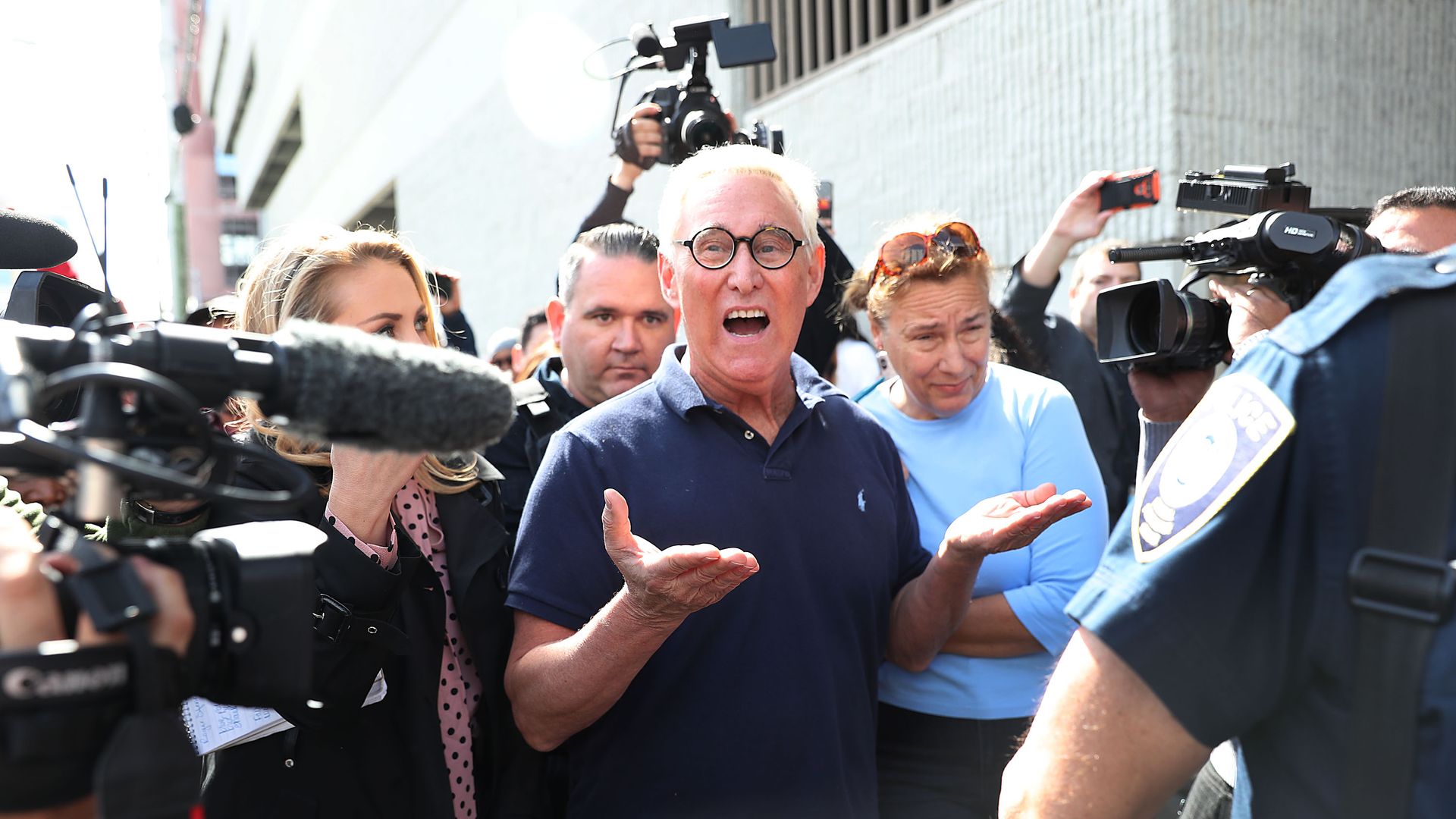
Roger Stone, the longtime Trump adviser indicted Friday in the Mueller investigation, texted me before going to bed: "I will prevail."
Stone had hitthe cable news circuit after being released on bond from a Florida courthouse, telling Fox News' Tucker Carlson: "No matter how much pressure they put on me, no matter what they say, I will not bear false witness against Donald Trump. I will not do what Michael Cohen has done and make up lies to ease the pressure on myself."
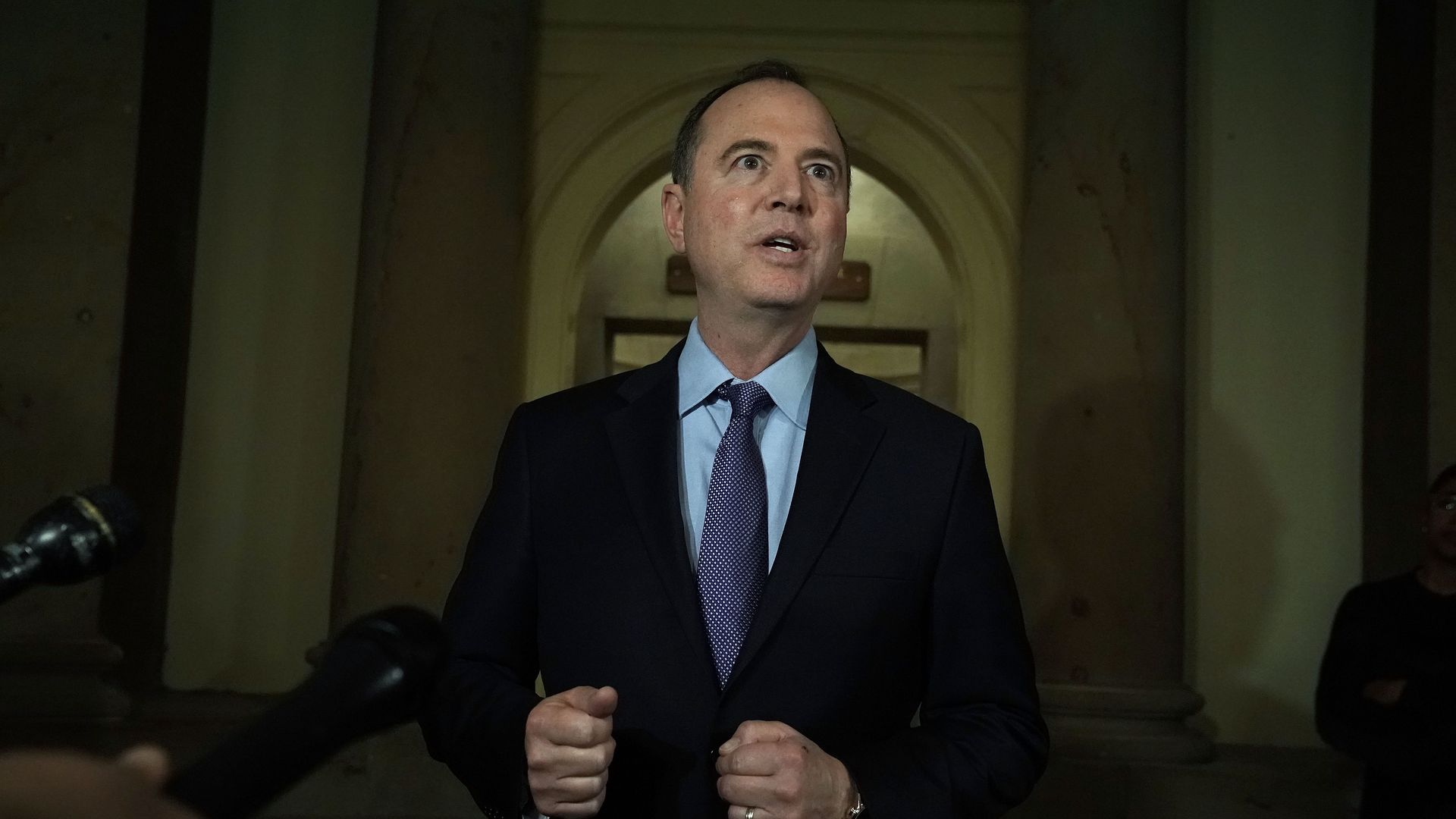
Following the indictment of longtime Trump adviser Roger Stone on Friday, House Intelligence chairman Rep. Adam Schiff (D-Calif.) said in a statement that the committee's "first order of business will be to release all remaining transcripts to the Special Counsel’s Office."
The big picture: Schiff notes that Stone is now the second witness to be indicted or plead guilty to lying before the House panel, joining President Trump's former attorney Michael Cohen — who admitted to lying about the extent of negotiations to build a Trump Tower in Moscow. The special counsel has signaled that he considers lying and obstruction of justice serious offenses, with Stone, Cohen, Michael Flynn and Paul Manafort among those now facing consequences for their alleged false statements.