There has been a lot of speculation that a big political meeting would happen this week in China, but rather than the Fourth Plenum it could be a meeting of provincial and ministerial-level officials similar to the one held the summer of 2017 before the 18th Party Congress.
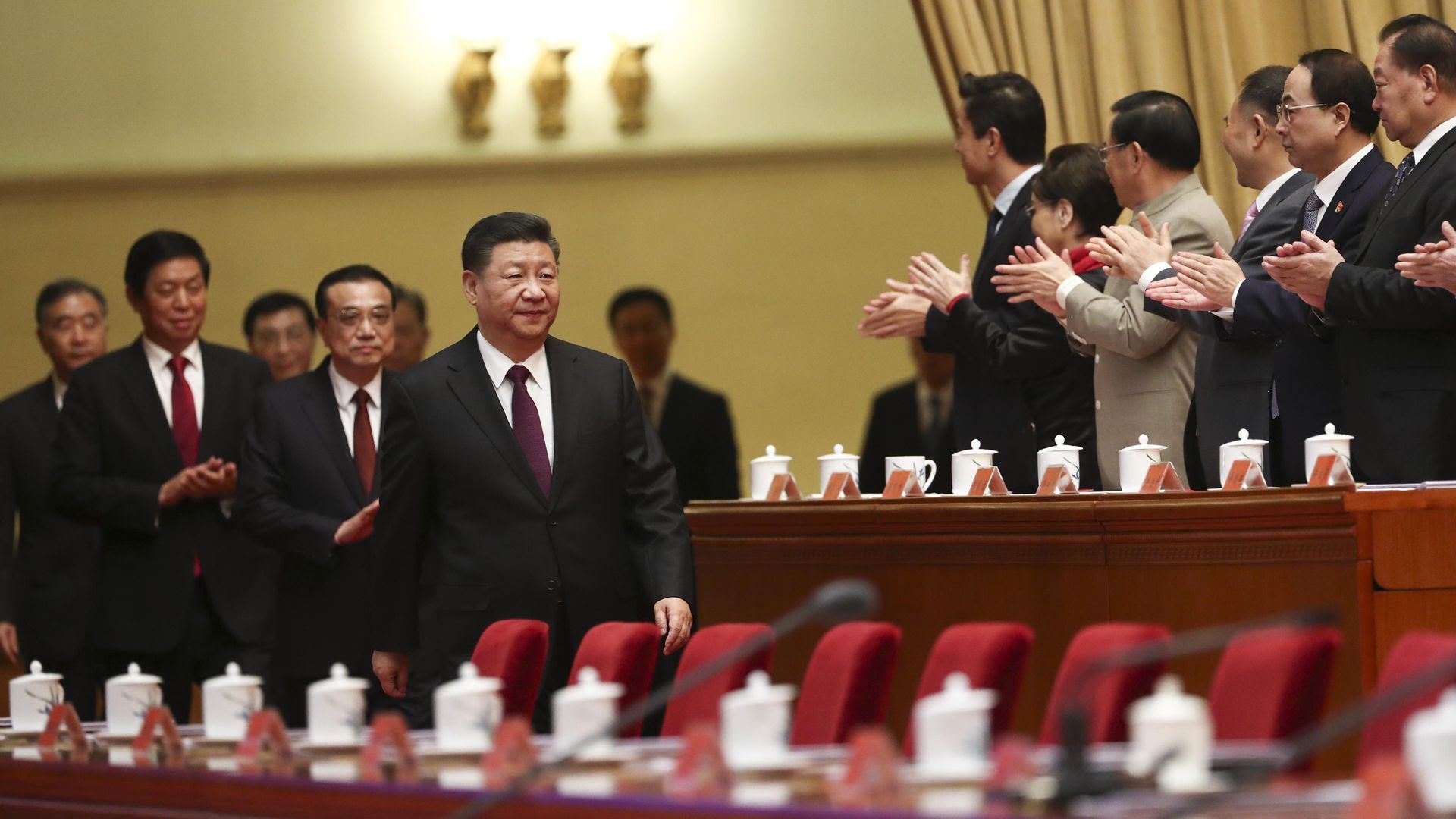
What's happening: Sure enough, Chinese President Xi Jinping convened a seminar of provincial and ministerial-level officials on “preventing and defusing major risks to ensure sustained and healthy economic development and social stability.”
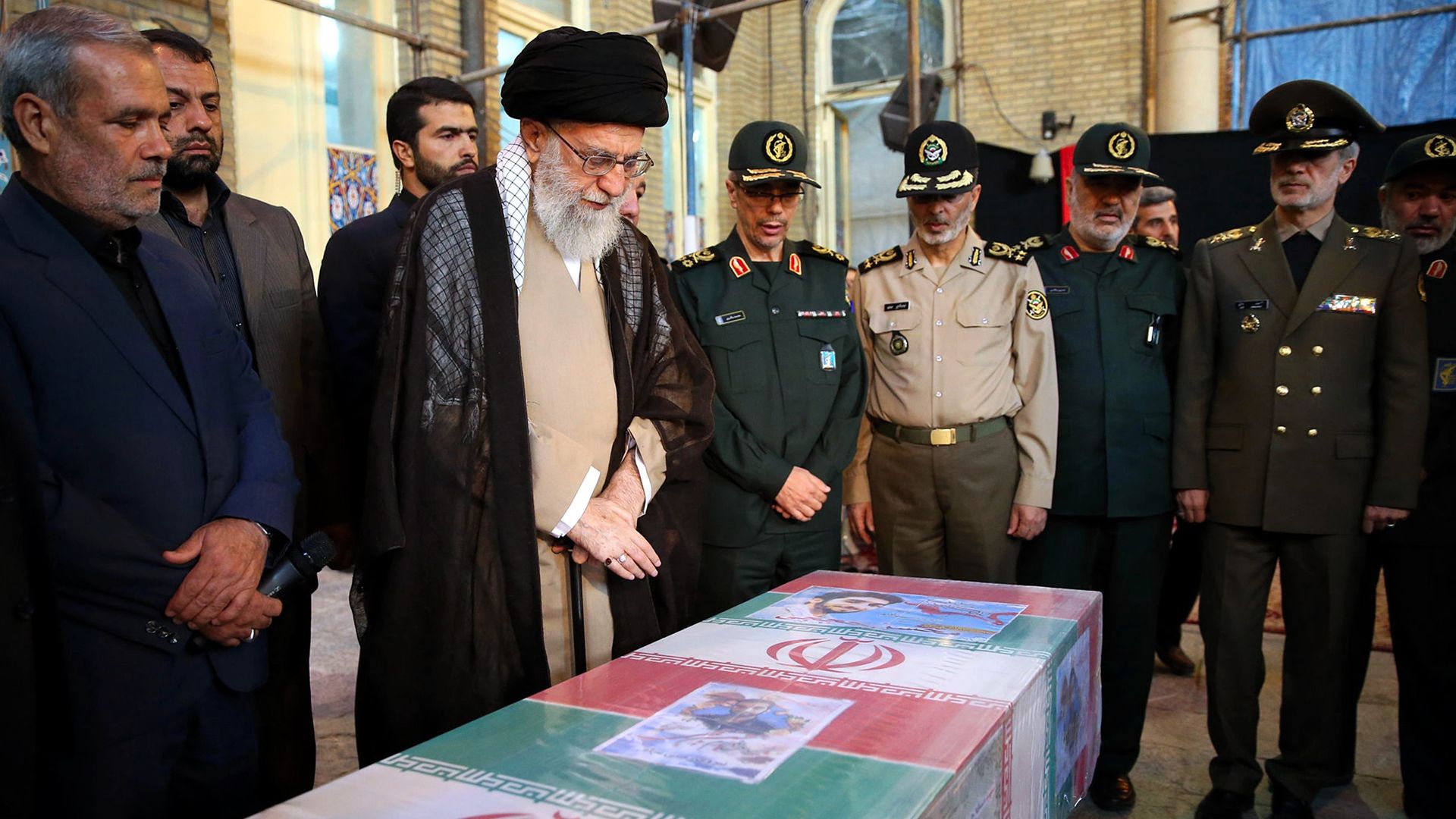
The Trump administration on Thursday took its first significant move against 2 of Iran’s non-Arab Shiite militias in Syria with two different executive orders — one related to human rights and the other to terrorism. Both groups, the Fatemiyoun and Zeynabiyoun, support Iran’s Islamic Revolutionary Guard Corps' Quds Force (IRGC-QF), which was sanctioned over a decade ago but remains active across the Middle East.
Why it matters: The U.S. Congress has attemptedseveral times to get the administration to designate Iran-backed militias, whether in Iraq or Syria, as terrorists, given their ties to the IRGC-QF. The administration’s voluntary designation of the Fatemiyoun and Zeynabiyoun therefore represents a paradigm shift, adding Iran’s agents of influence to the U.S. Treasury's financial blacklist and subjecting them to sanctions.
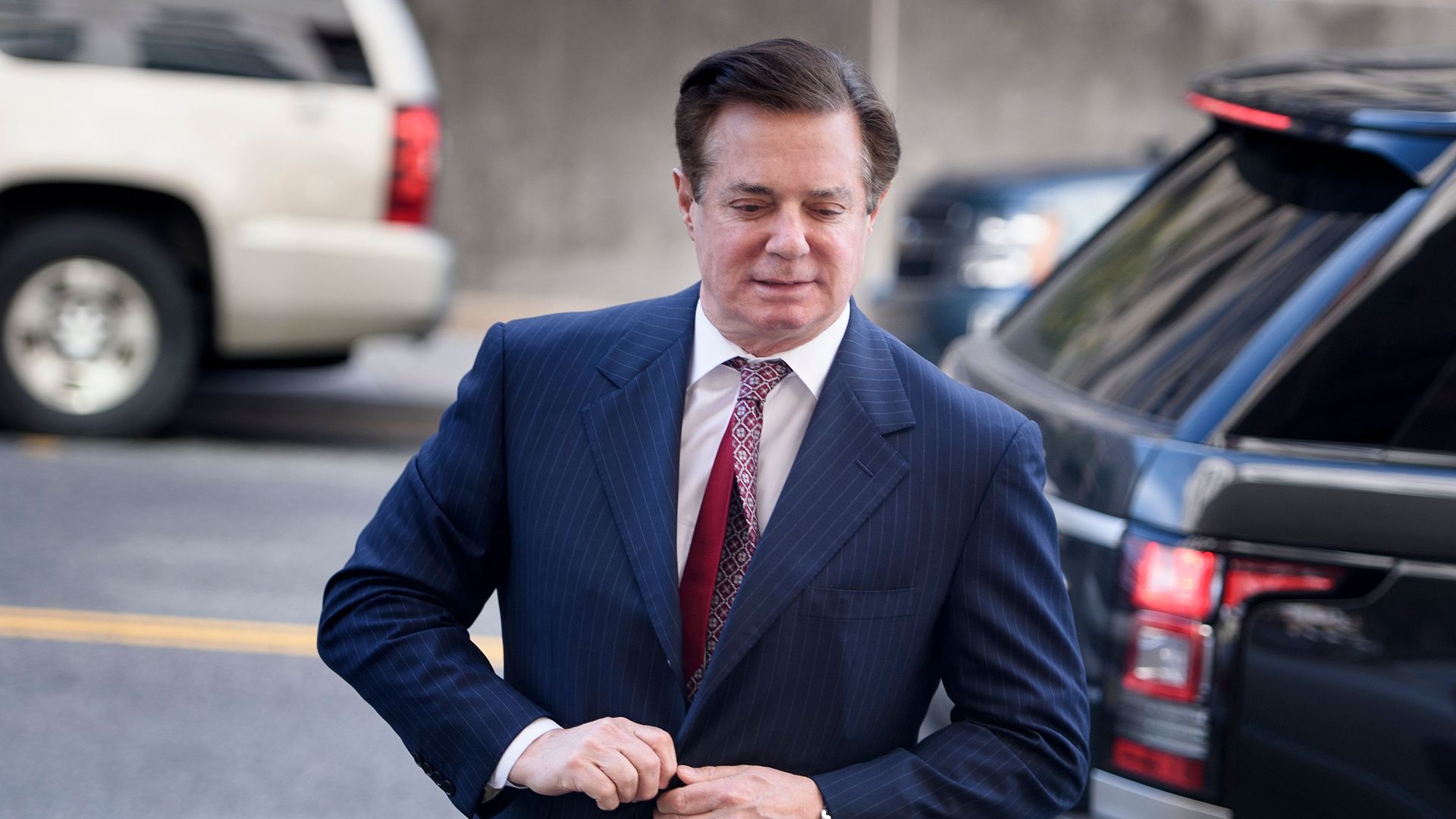
Special counsel Robert Mueller's team told a federal judge Friday that Paul Manafort, President Trump's former campaign manager, should not receive credit for cooperating in the Russia investigation because he told “multiple discernible lies” and breached his plea deal, NBC News reports.
The big picture: Manafort is due to be sentenced next month, but Judge Amy Berman said she could not proceed until the dispute over his alleged lies is resolved. A poorly redacted document filed by Manafort's attorneys this month shows that he allegedly lied— among other things — about sharing 2016 polling data with suspected Russian intelligence operative Konstantin Kilimnik. Manafort appeared in court at the same time as another Trump associate, Roger Stone, who was indicted by the Mueller investigation early Friday morning.
DAVOS, Switzerland — The question of whether China is a partner or a predator hung over the World Economic Forum this year.
One Davos veteran told Axios the Chinese participants were the "rockstars" of this year's forum. "Every panel has one or two Chinese people, speaking perfect English. They used to linger in the back. Now they are setting the agenda," she said.
DAVOS, Switzerland — At this bastion of multilateralism, a procession of world leaders has acknowledged existential threats to the global order.
Between the lines: Adam Tooze, a professor of history at Columbia University, told Axios: "We may have to get used to a more modest definition of liberal world order." That likely means removing liberal politics from the equation and being less exclusive about who's invited to the club.
China's ambitious Belt and Road Initiative, a program to fuse Asia with Africa and Europe via land and maritime networks, has the potential to forever alter the biodiversity of key habitat on multiple continents, a new study warns.
Why it matters: By connecting regions through large infrastructure projects — including ports, railways and telecommunications networks — scientists fear the project could accelerate the spread of invasive species. Such species, once established in a region, could harm biodiversity in ways that are difficult to impossible to reverse.
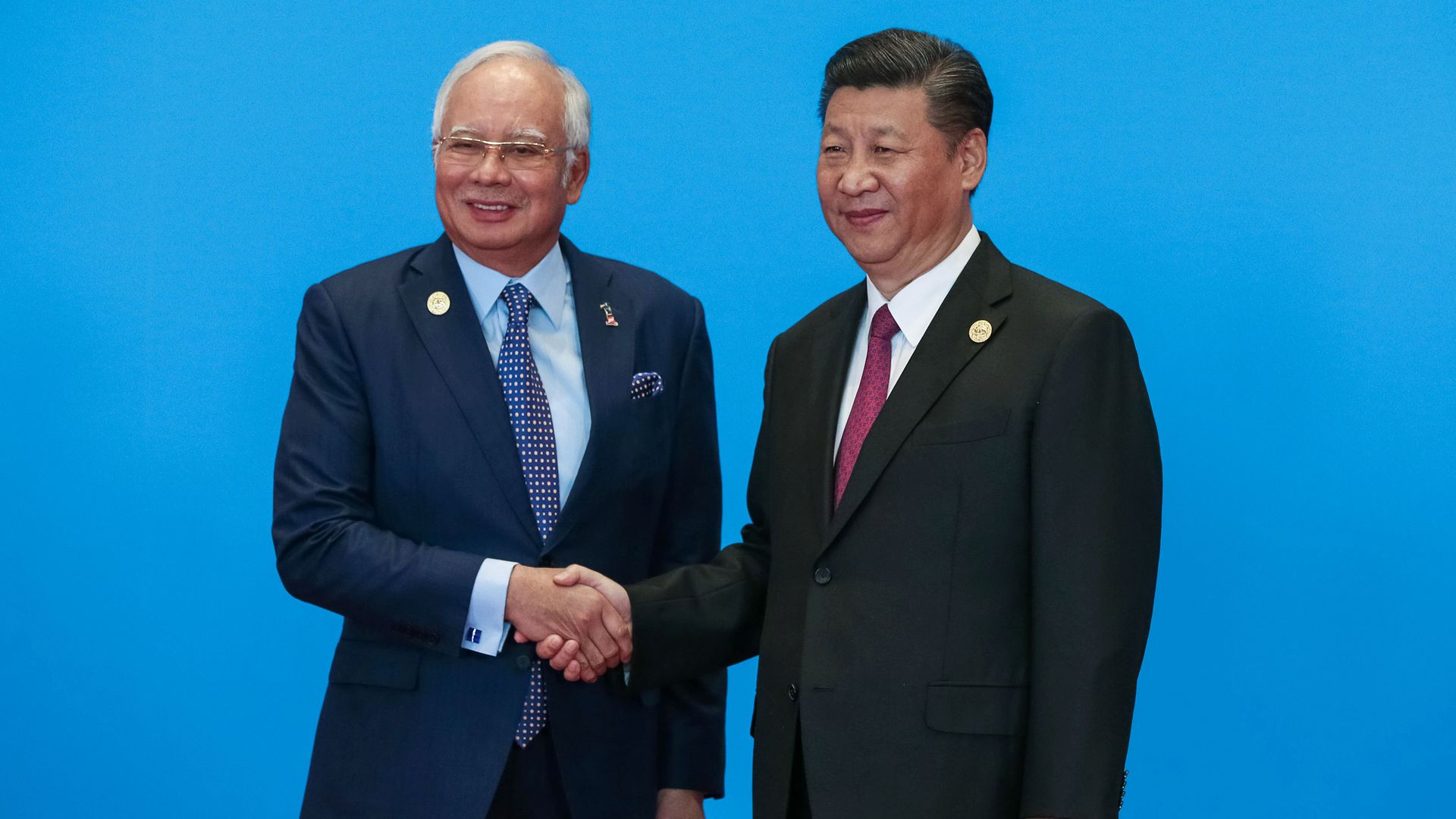
China’s Belt and Road Initiative (BRI) suffered a major setback this month when the Wall Street Journal reported that Chinese infrastructure projects were inflated to help bail out Malaysia’s state development fund. The Malaysia affair, in which several big projects were pursued for political rather than economic reasons, is just one of 17 cases cited in a new U.S. Department of Defense report that argues China's BRI "serves a greater strategic purpose" than advertised.
The big picture: According to the report, China is using infrastructure and other ostensibly commercial projects through the BRI to help promote Chinese standards in everything from 5G networks to satellite services. As the BRI proceeds, China's partners are taking a closer look at its economic risks, and China's competitors are scrutinizing its strategic implications.
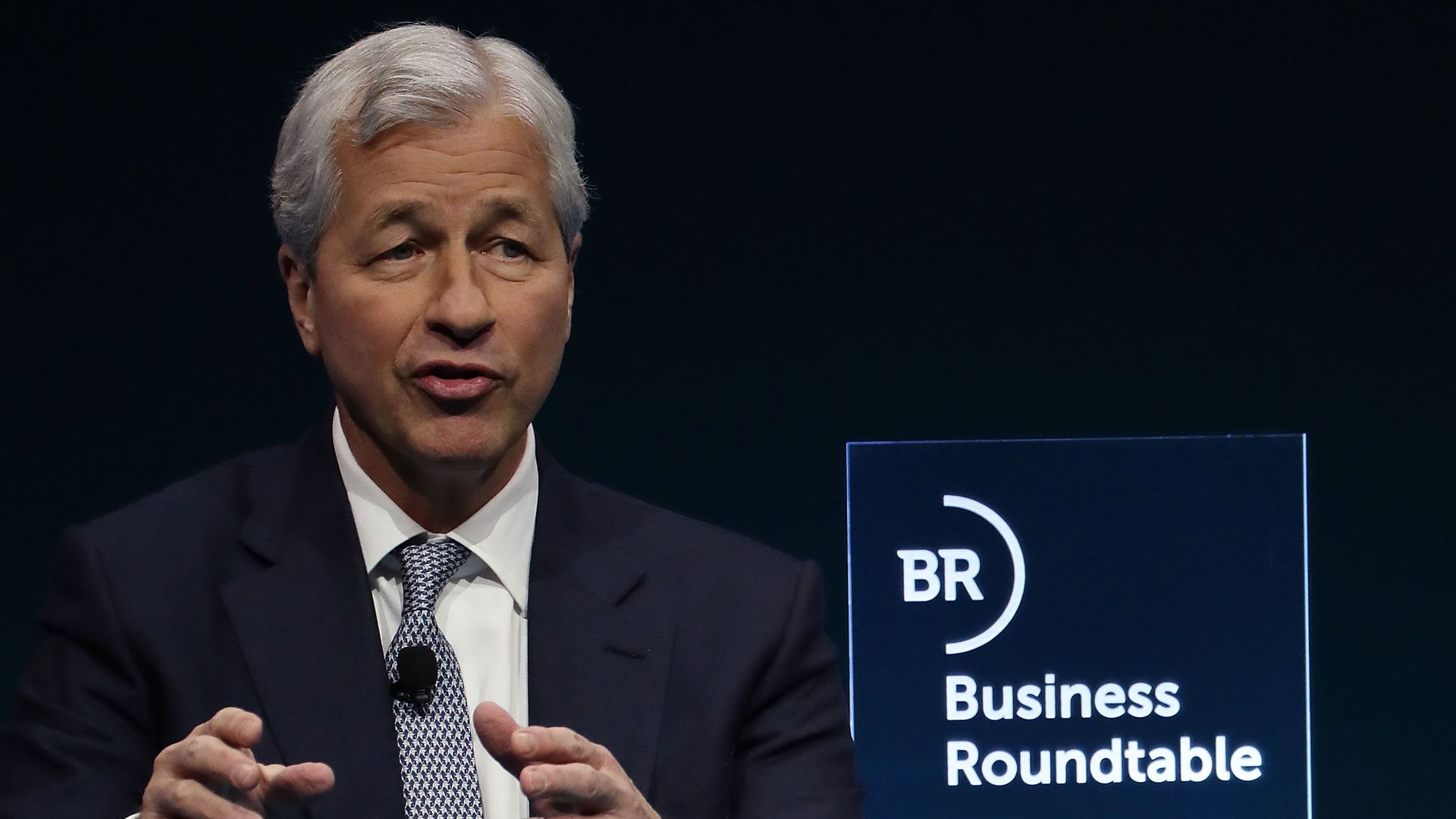
The Business Roundtable, made up of CEOs of the nation's top companies, warns in a national innovation agenda out later today that the U.S. focus on R&D is lagging, and other countries are gaining ground.
Details: The report says the U.S. government "has grown complacent — resting on legacy achievements while underinvesting in the drivers and enablers needed to build on these achievements in the future."
U.S. companies with significant exposure to China have seen their stocks tumble since President Trump's opening salvo in the trade war. But it wasn't really China or the oft-invoked trade tensions that hurt those companies.
The big picture: Chipmakers like Skyworks, Qorvo, Qualcomm and Micron, along with Wynn Resorts, top the list of S&P 500 companies that make their biggest share of revenue in China, according to data compiled by Goldman Sachs. All of those stocks are deeply in the red since Trump took the first steps toward a full-blown trade war on Jan. 22.