China's ambitious Belt and Road Initiative, a program to fuse Asia with Africa and Europe via land and maritime networks, has the potential to forever alter the biodiversity of key habitat on multiple continents, a new study warns.
Why it matters: By connecting regions through large infrastructure projects — including ports, railways and telecommunications networks — scientists fear the project could accelerate the spread of invasive species. Such species, once established in a region, could harm biodiversity in ways that are difficult to impossible to reverse.
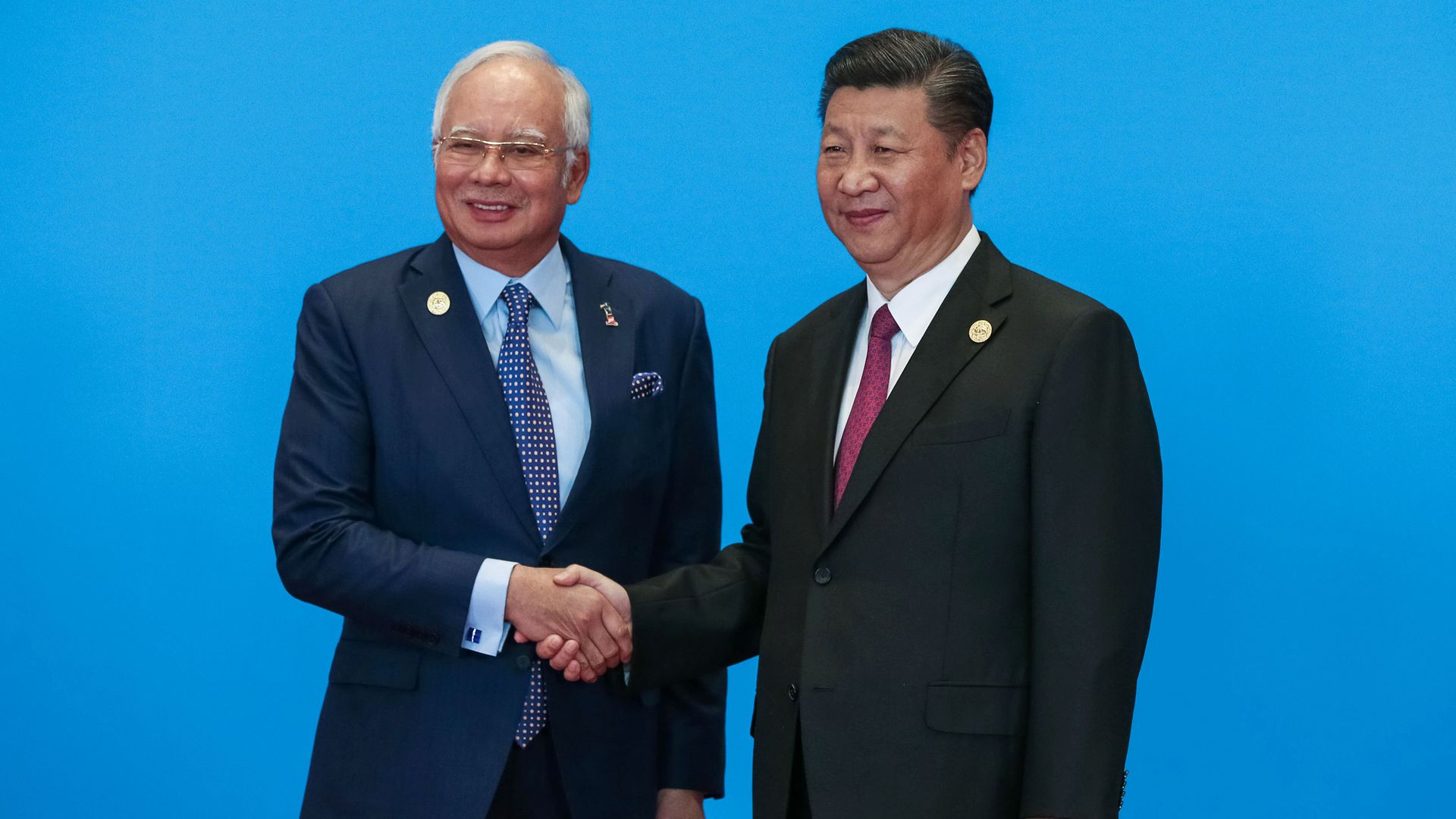
China’s Belt and Road Initiative (BRI) suffered a major setback this month when the Wall Street Journal reported that Chinese infrastructure projects were inflated to help bail out Malaysia’s state development fund. The Malaysia affair, in which several big projects were pursued for political rather than economic reasons, is just one of 17 cases cited in a new U.S. Department of Defense report that argues China's BRI "serves a greater strategic purpose" than advertised.
The big picture: According to the report, China is using infrastructure and other ostensibly commercial projects through the BRI to help promote Chinese standards in everything from 5G networks to satellite services. As the BRI proceeds, China's partners are taking a closer look at its economic risks, and China's competitors are scrutinizing its strategic implications.
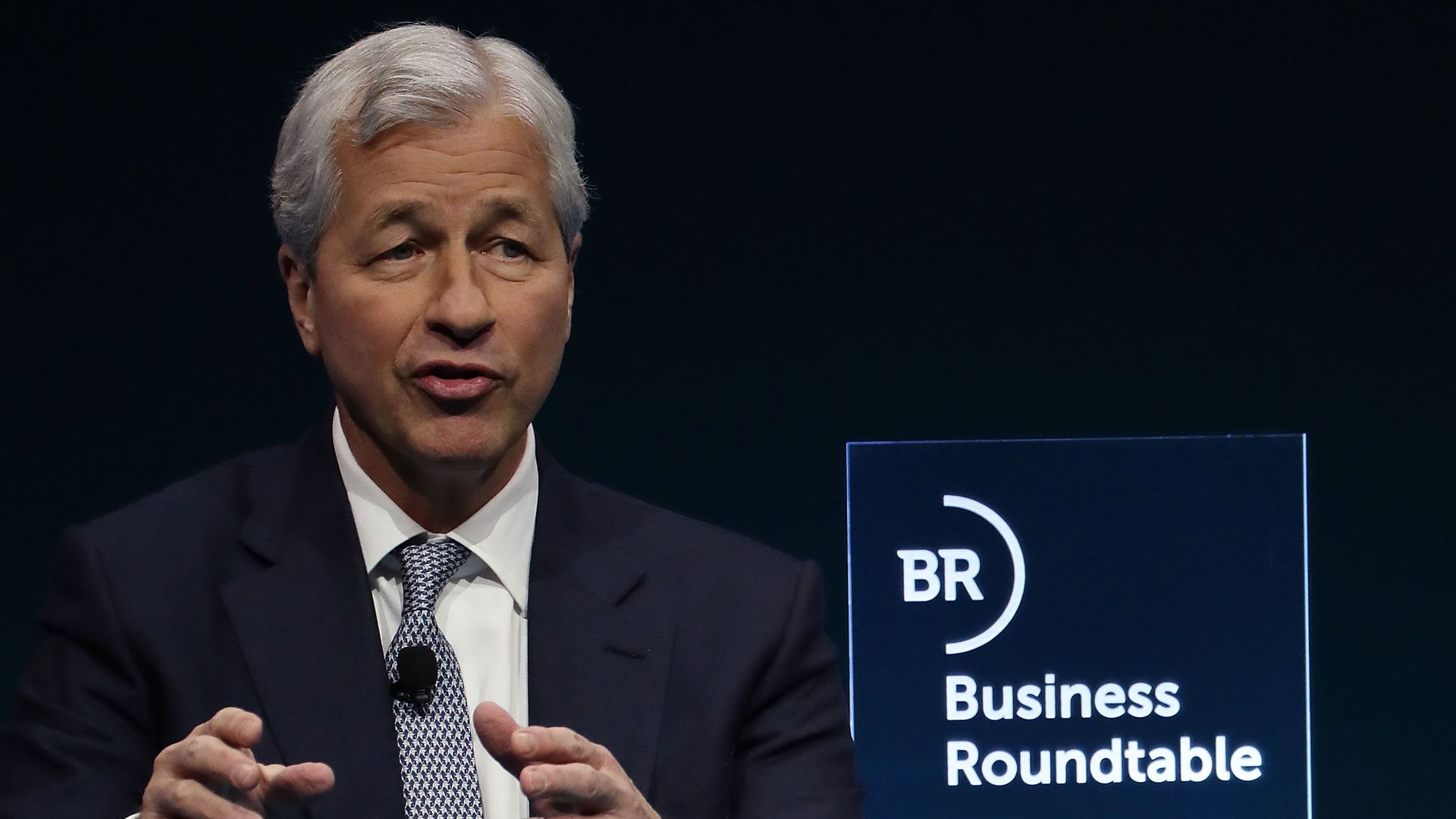
The Business Roundtable, made up of CEOs of the nation's top companies, warns in a national innovation agenda out later today that the U.S. focus on R&D is lagging, and other countries are gaining ground.
Details: The report says the U.S. government "has grown complacent — resting on legacy achievements while underinvesting in the drivers and enablers needed to build on these achievements in the future."
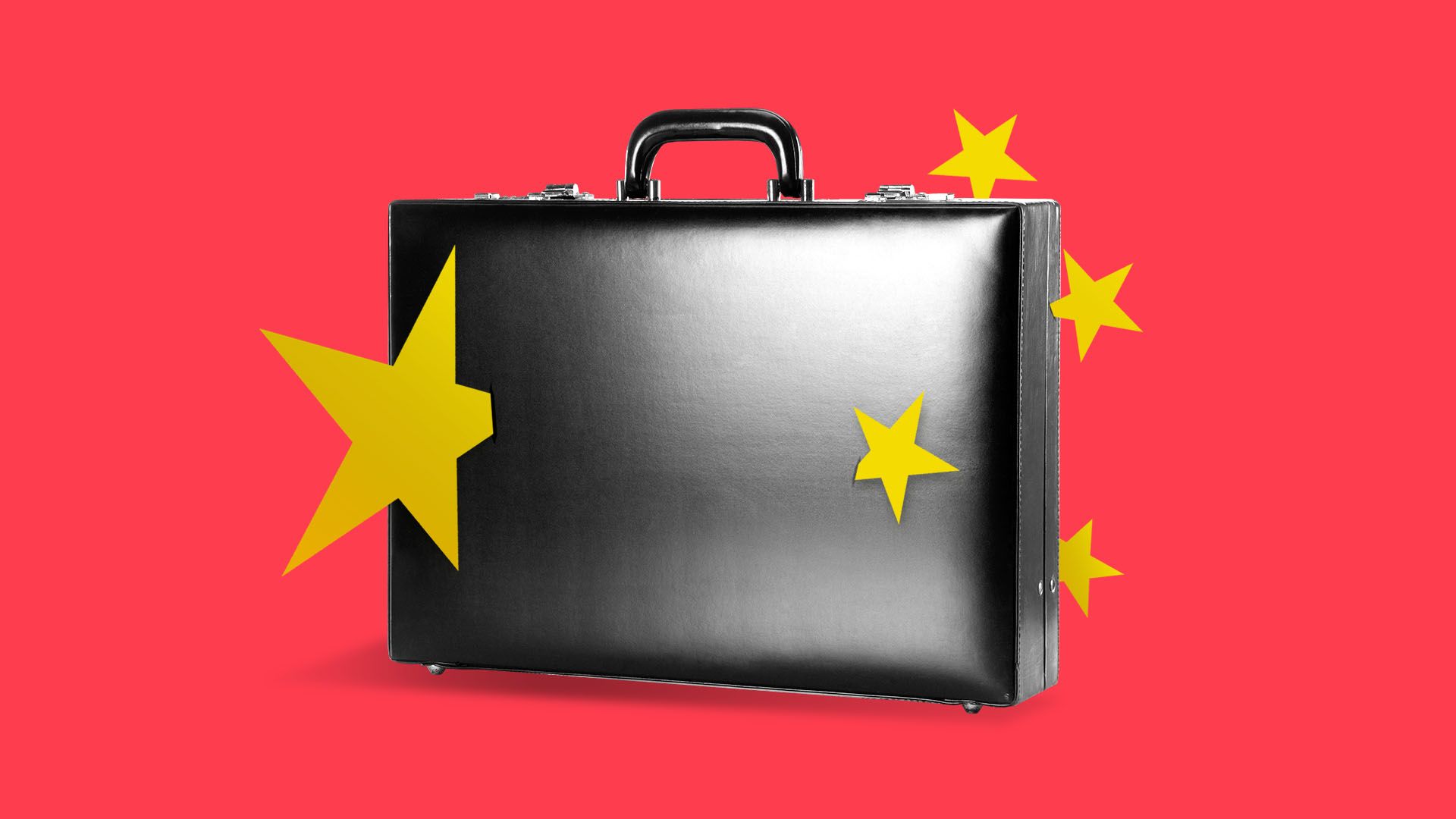
U.S. companies with significant exposure to China have seen their stocks tumble since President Trump's opening salvo in the trade war. But it wasn't really China or the oft-invoked trade tensions that hurt those companies.
The big picture: Chipmakers like Skyworks, Qorvo, Qualcomm and Micron, along with Wynn Resorts, top the list of S&P 500 companies that make their biggest share of revenue in China, according to data compiled by Goldman Sachs. All of those stocks are deeply in the red since Trump took the first steps toward a full-blown trade war on Jan. 22.
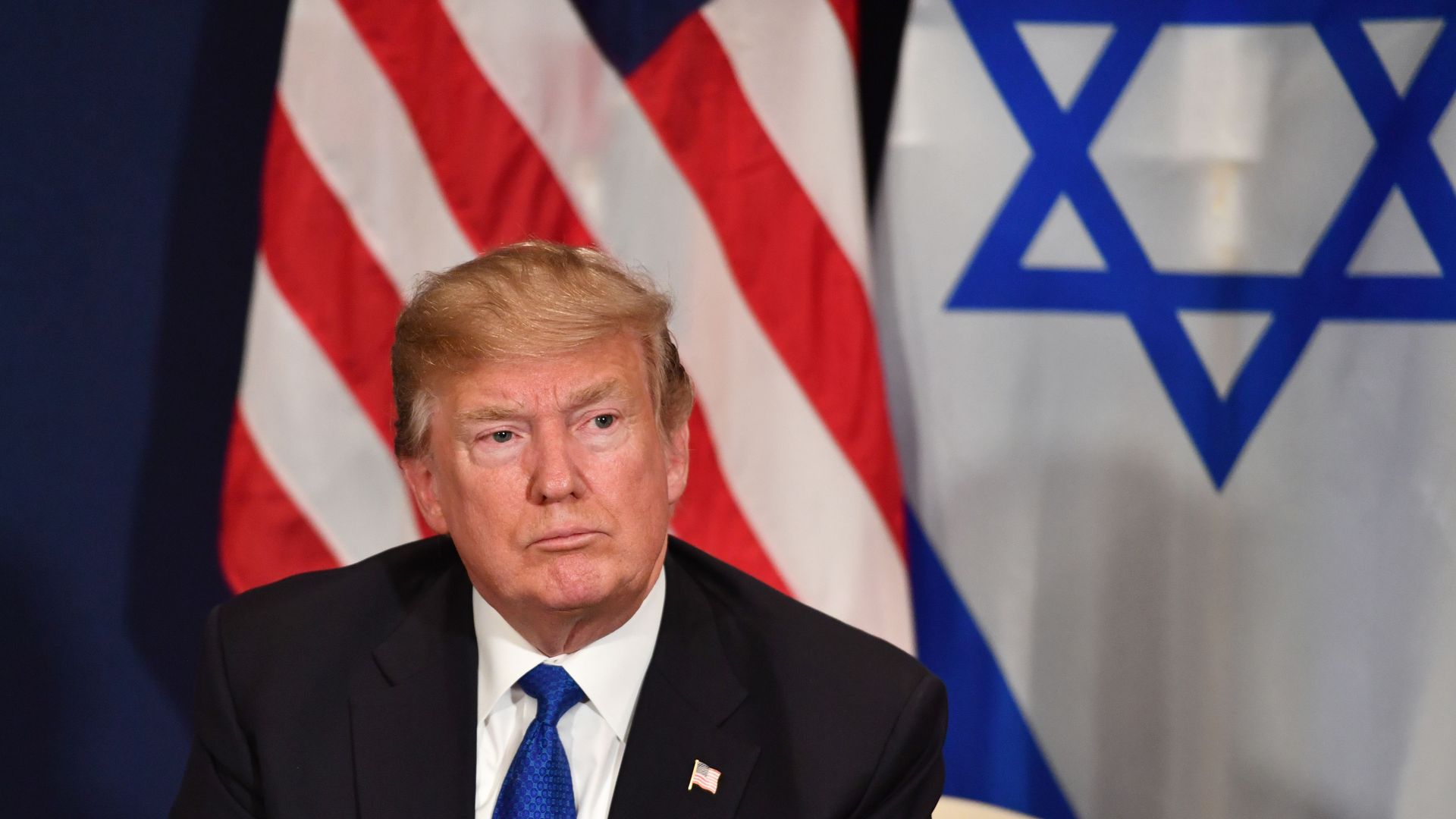
Israeli officials tell me they have asked the Trump administration to amend a law that would essentially end aid for the Palestinian Authority's security forces, who have a cooperation program with Israel that many believe has provided stability to the West Bank.
Why it matters: The law is slated to go into effect Feb. 1, and with the government shutdown continuing with no immediate end in sight, a legislative fix is not expected to be enacted in time.
This will be a perilous year for the Iran nuclear deal and for smoldering U.S.-Iran tensions, according to a report tied to the third anniversary of the deal's implementation.
The big picture: The authors of the International Crisis Group (ICG) report argue that Iran — which is still complying with the deal even though President Trump abandoned it — is unlikely to simply walk away from the pact.But it will seek to inflict pain on the U.S. as sanctions continue to bite, likely through military means. The potential sources of escalation are many, and the risks are far more acute this year than last.