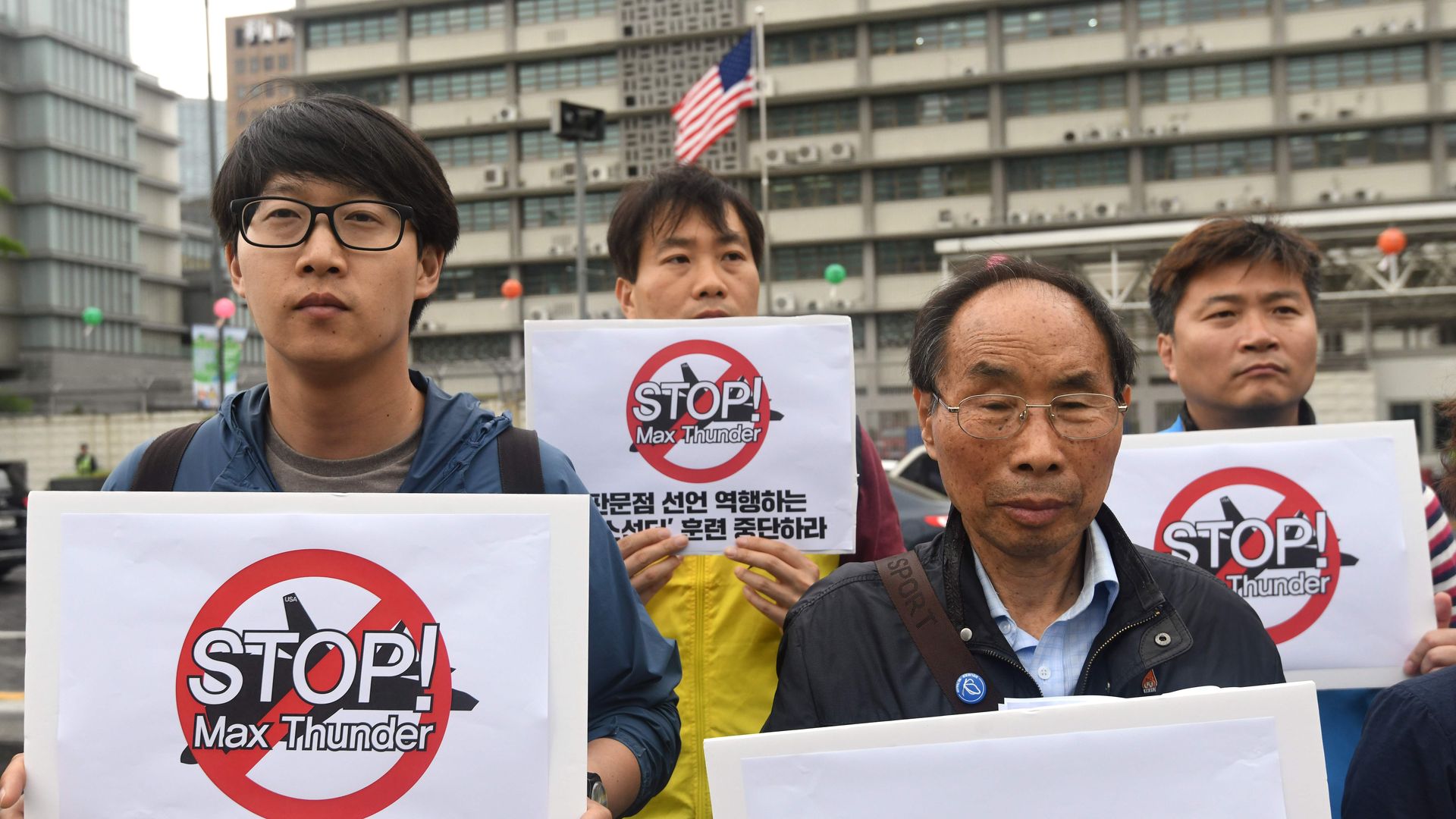
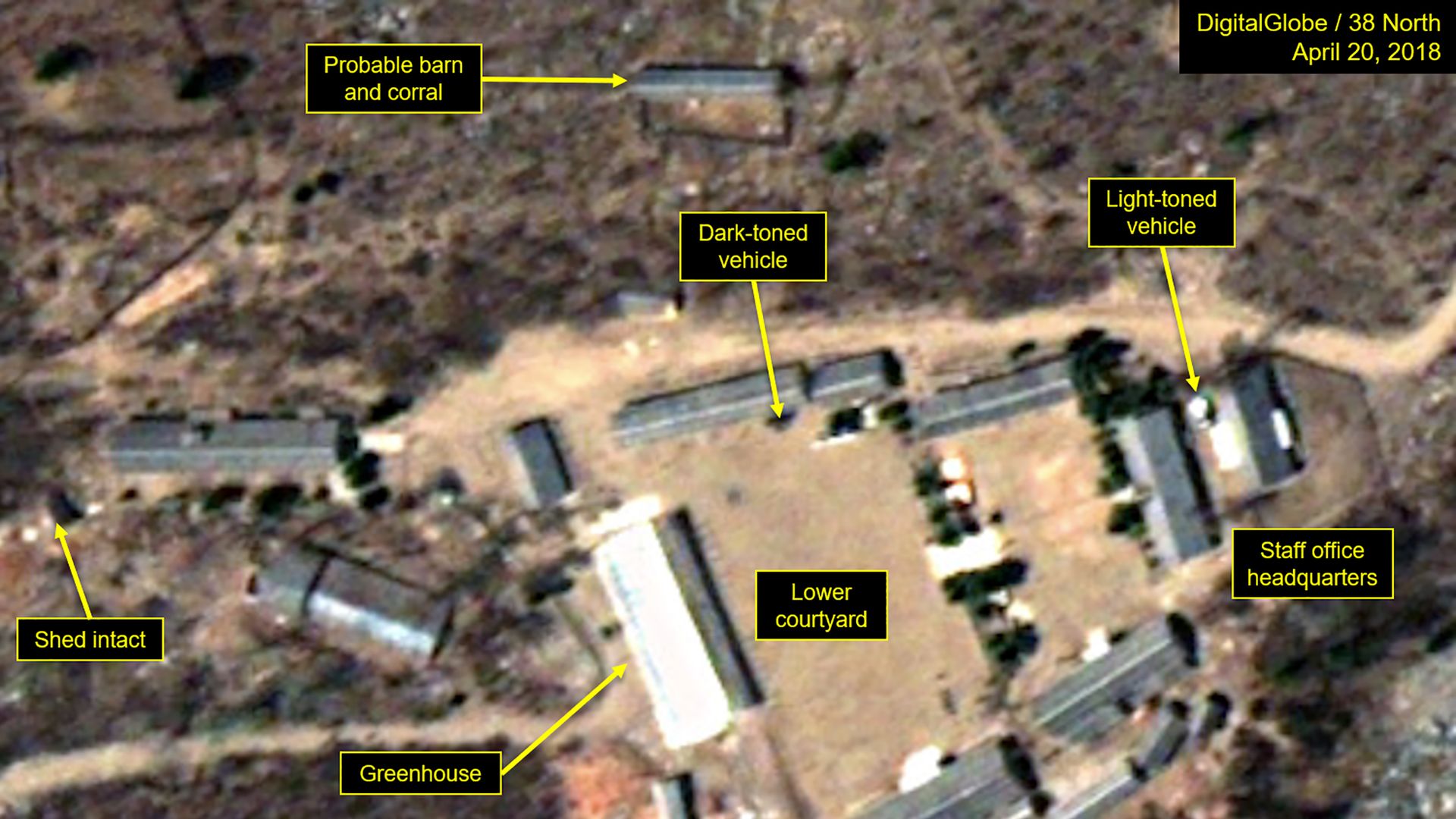
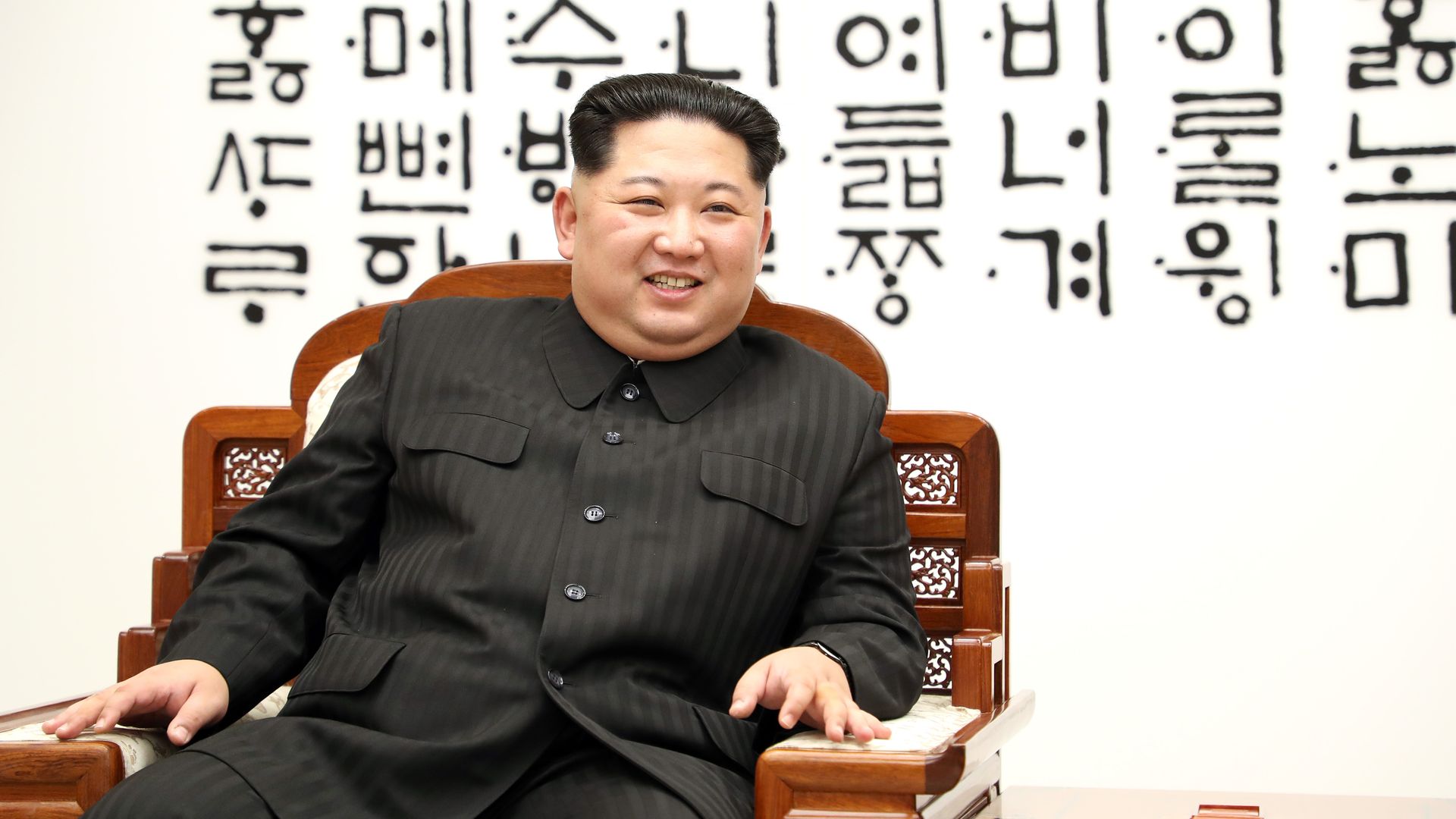
North Korea canceled talks with South Korea this week in response to joint U.S.–South Korea military drills and has also put next month's U.S.–North Korea summit in doubt.
The big picture: North Korea seems to be insisting on two conditions for the U.S. summit it believed to have been previously established: U.S.–South Korea exercises will exclude threatening military power, and the U.S. will enter denuclearization negotiations in good faith.
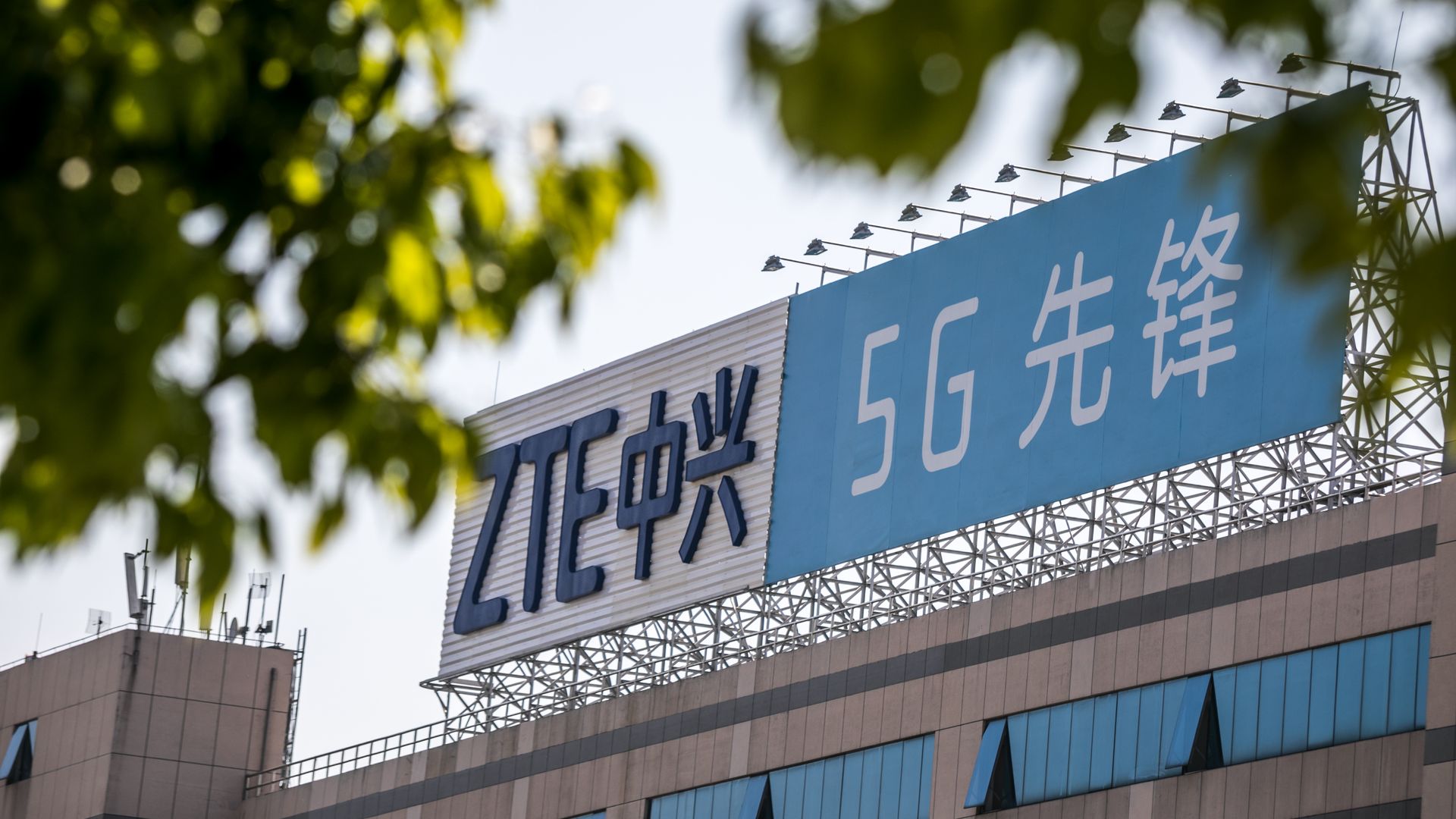
The House Appropriations Committee on Thursday unanimously agreed to include a measure in an appropriations bill that would continue sanctions against Chinese phonemaker ZTE, reports Politico.
Why it matters: The move comes as a staunch rebuke to President Trump, who signaled his intention earlier this week to attempt to reverse the effective shutdown of the company in an attempt to save Chinese jobs. The Commerce Department banned American companies from selling parts to ZTE for seven years because the Chinese company violated U.S. sanctions by selling equipment made with American parts to Iran and North Korea.
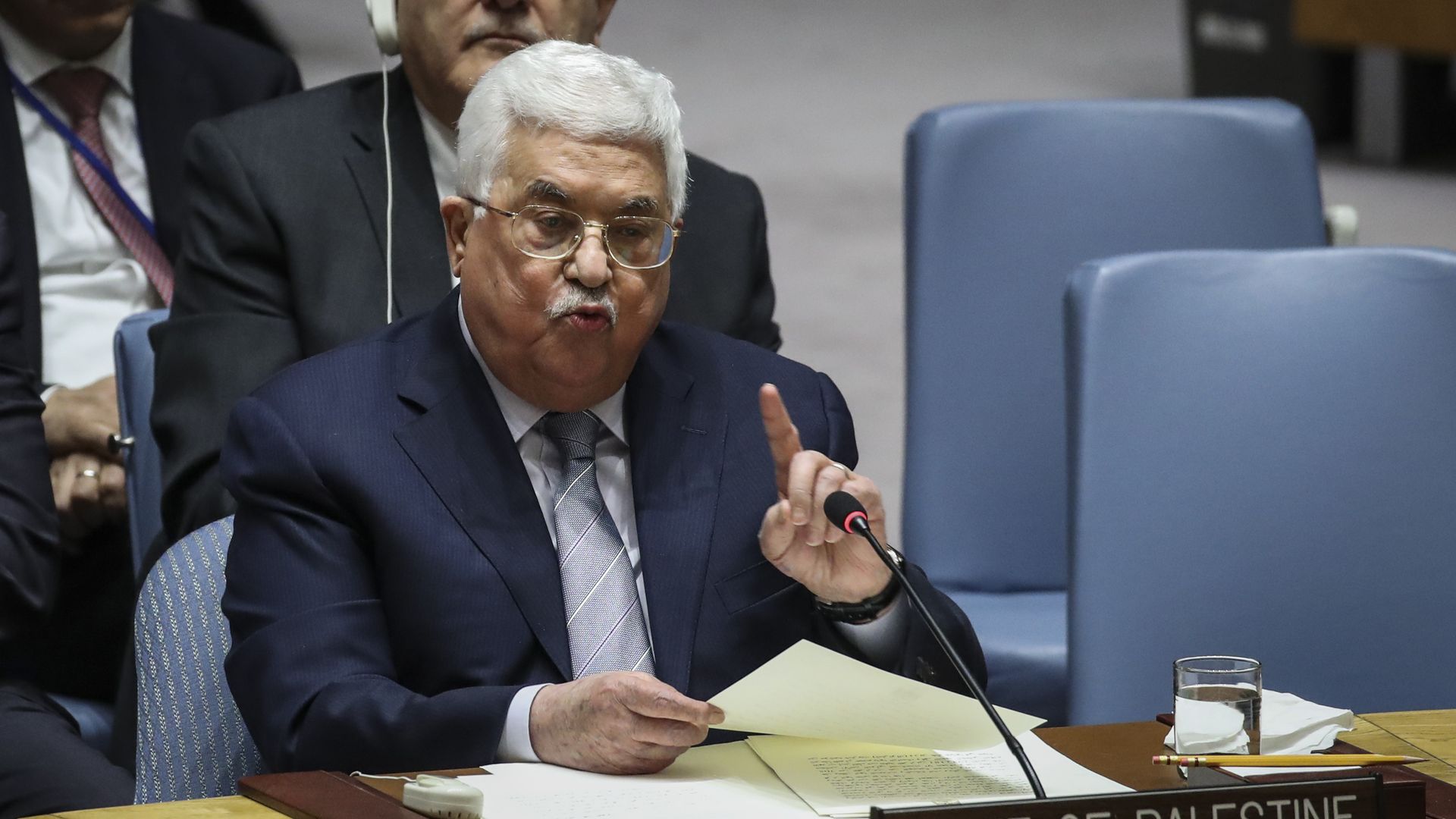
The Palestinian government is undertaking a war crimes complaint against Israel at the International Criminal Court after more than 100 Palestinians were killed by Israeli troops near the Gaza border this week, the AP reports.
The backdrop: This comes as the bloodshed on the Gaza border continues to rattle the international community and is weakening diplomatic relations between various Middle Eastern countries, Israel and the U.S.
Europe has announced it is going to revive a blocking regulation from the 90s that could, with a few supplemental measures, protect EU-based firms from U.S. sanctions against Iran now that the Trump administration has announced a withdrawal from the Iran deal, Reuters reports.
Between the lines: This could buy the Iran deal some time by bolstering the heft of its financial draw for Iran, before the deal crumbles without the U.S. Although European countries party to the Iran deal have said they will try to salvage the deal without the U.S., skeptics believe that most of the incentive Iran had to stay in the deal came from the U.S.' participation.
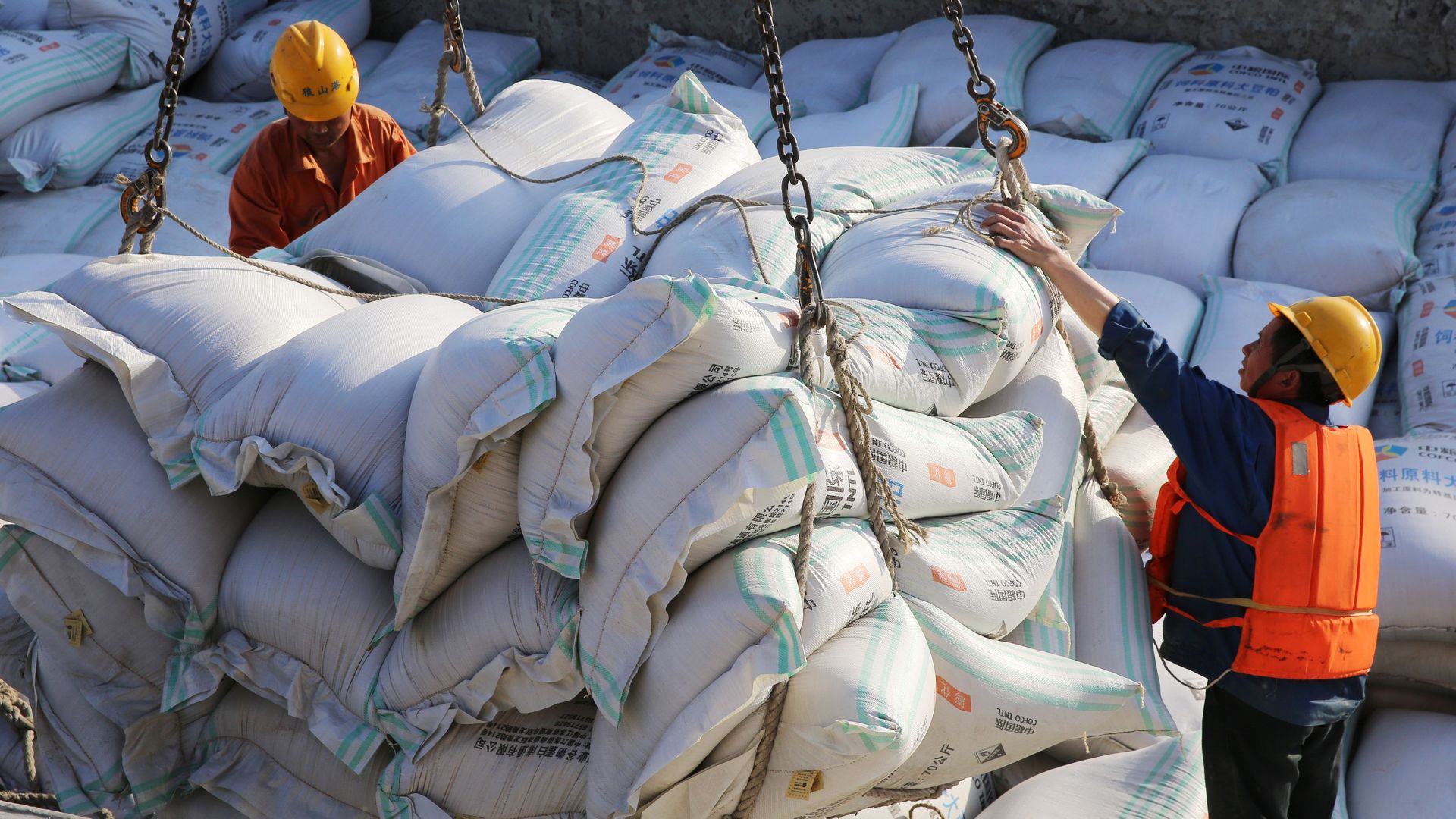
China, the world’s biggest soybean importer, has bought a record amount of soybeans from Russia while canceling multiple soy shipments from the U.S. in retaliation to the Trump administration's tariffs on Chinese goods, reports Bloomberg.
Why it matters: American farmers are heavily dependent on soybean production as a source of revenue. In 2016, soybeans accounted for 12% of exports from the U.S. to China. But that stream is now dissipating with China using subsidies incentivizing their own farmers to cut reliance on U.S. soybeans.
But, but, but: Russia supplies less than 1% of China's soybeans.
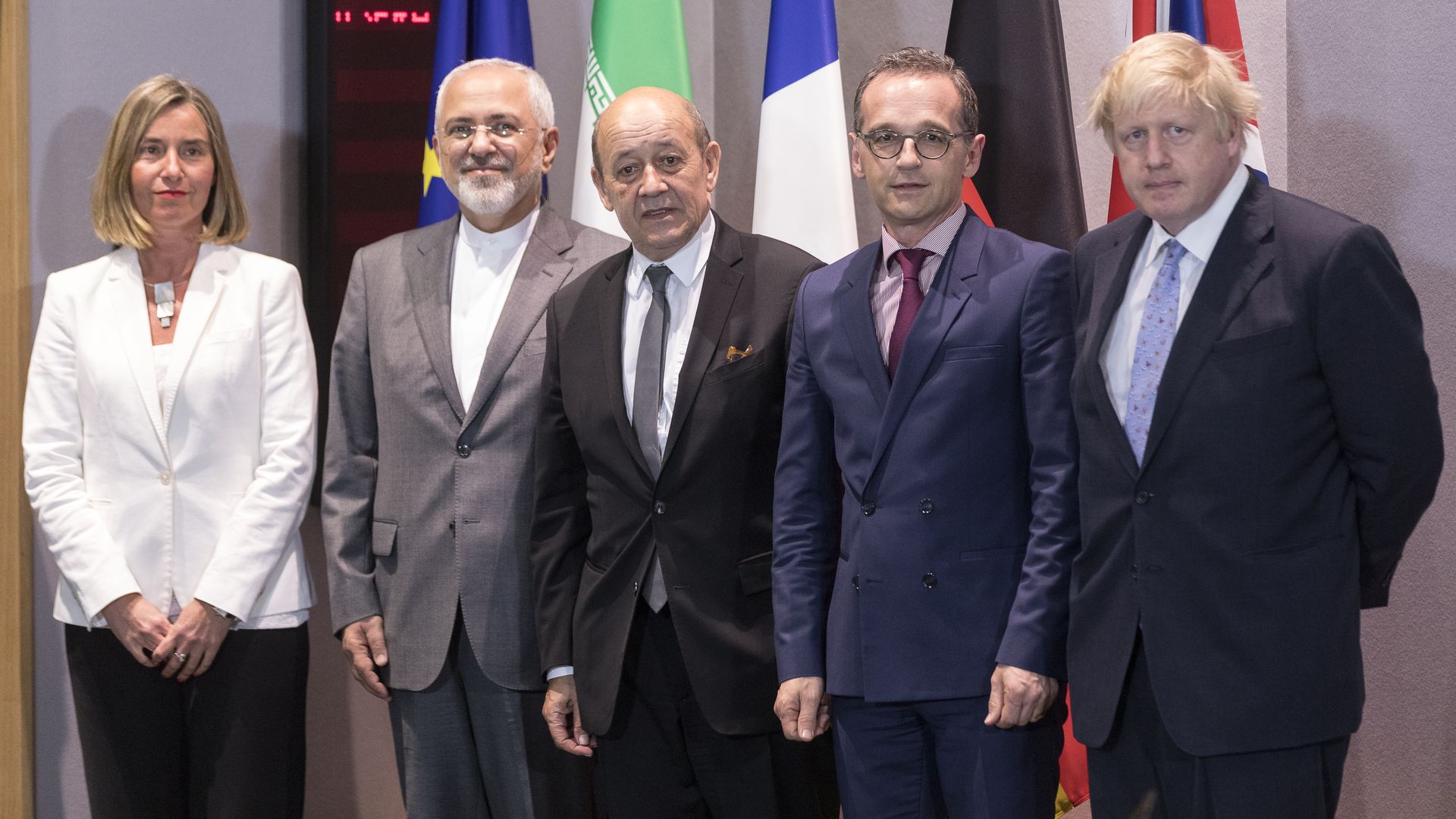
President Trump's decision to exit the Iran deal has set off a flurry of diplomacy among the deal’s remaining signatories as they try and salvage the agreement.
What's at stake? Iranian Foreign Minister Javid Zarif arrived in Brussels Tuesday, after earlier trips to Beijing and Moscow, to talk to his counterparts about the tough road ahead. If he returns home with nothing to show, domestic hardliners — who never cared for the deal in the first place — could seize the opportunity to challenge more moderate figures, only furthering the distance between Tehran and the West.
Don't forget: Trump's lawyers had initially said, over and over again, that the investigation would be wrapped up by the end of 2017. We're now a year in, and Mueller's probe could well go on for another few months. Meanwhile, Trump hasn't changed his story — he insists there was no collusion and no obstruction, and maintains the whole investigation is a witch hunt against him.
President’s Trump’s M.O. is to project confidence in every setting: Even in small groups, he's loath to reveal even a tincture of self doubt. On North Korea, though, there have been private moments when his breezy talking of "winning" has evaporated and confidants found him almost awestruck by the enormity of what he’s confronting.
Why it matters: This isn’t just a big real estate deal or even a blustery trade standoff. The stakes are infinitely beyond anything he’s dealt with, and Trump knows it. The closest the president has come to being privately rattled has been when the rhetoric with North Korea got hot last year, and the world braced for the worst.
The U.S. joined six other countries on Wednesday in imposing additional sanctions against the senior leadership of Iranian-backed Hezbollah, Hassan Nasrallah and Naim Qassem.
The big picture: Per Reuters, this "was the third round of sanctions announced...since the United States pulled out of the Iran nuclear deal." Treasury Secretary Steven Mnuchin said that by targeting Hezbollah's leadership, "our nations collectively rejected the false distinction between a so-called ‘Political Wing’ and Hizballah’s global terrorist plotting."
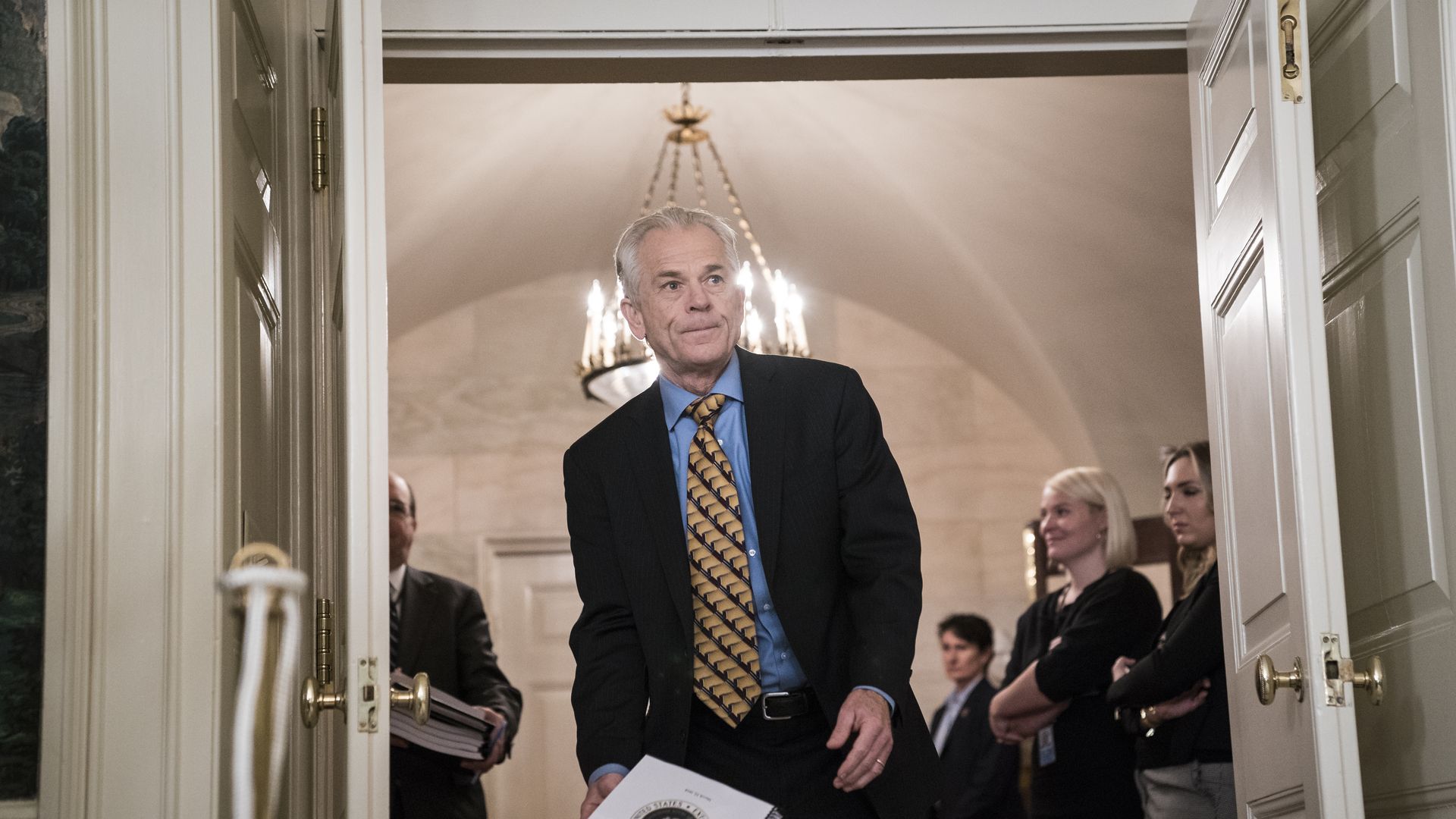
A major rift has opened up between Trump's hardline trade adviser, Peter Navarro, and Treasury Secretary Steven Mnuchin, according to five sources familiar with their encounters.
What we're hearing: On the Trump delegation's trip to China two weeks ago, Navarro exchanged sharp words with Mnuchin over his decision to participate in one-on-one talks with his Chinese counterpart Liu He. Navarro — a hardliner against China — cursed at Mnuchin and fumed about being shut out of the talks, the sources said. "It stems from his belief that Mnuchin is steering them down the wrong path, policy-wise, with China," said a source familiar with their interactions.
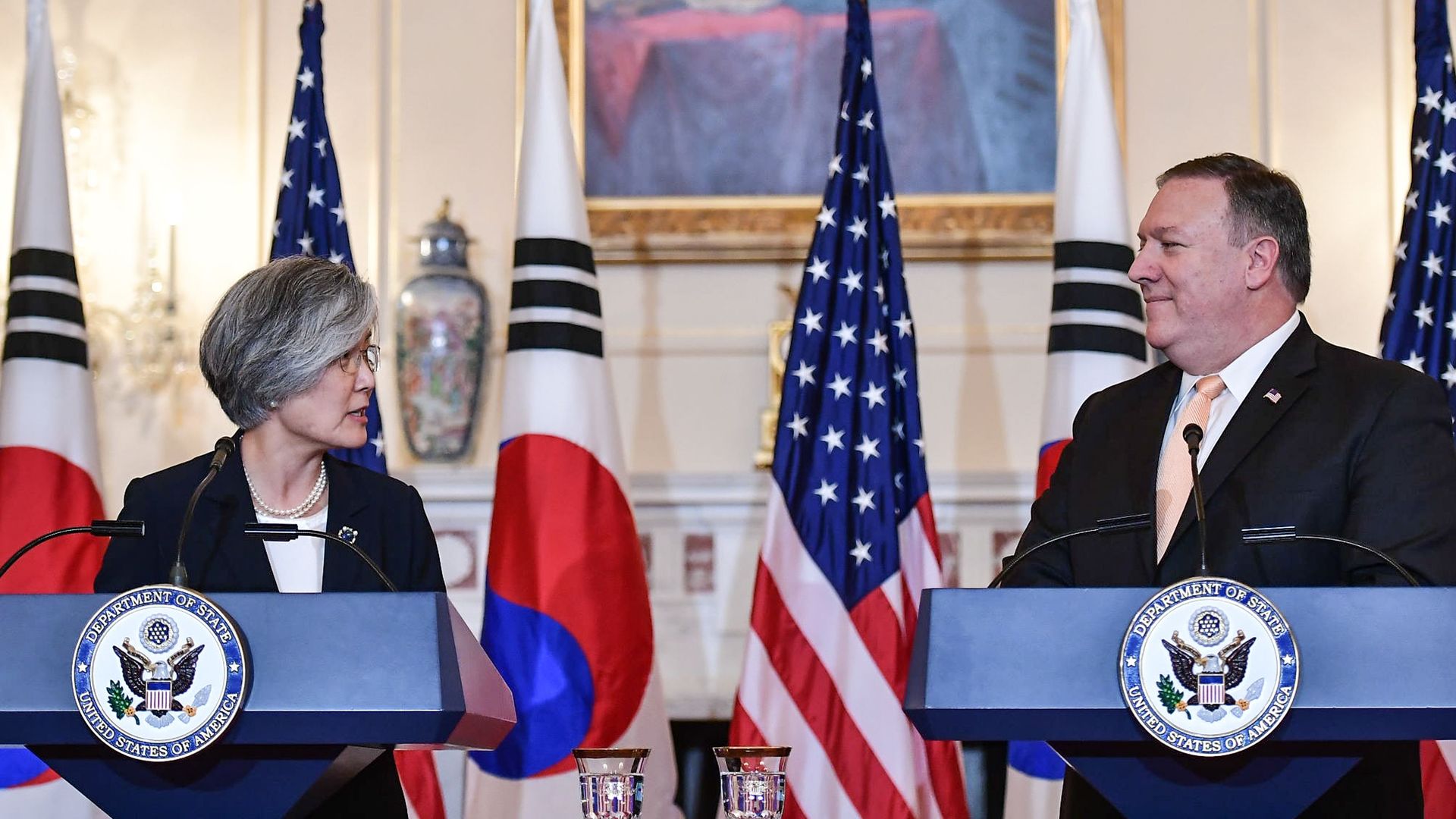
Secretary of State Mike Pompeo spoke with South Korean Foreign Minister Kang Kyung-wha last night, a State Department official tells Axios.
Why it matters: This comes after the North Koreans threatened to upend the Trump-Kim summit, scheduled for June 12th, over joint U.S.-South Korea military drills. The administration has said they'll continue to prepare for the summit.
President Trump responded for the first time Wednesday to North Korea's threat to cancel next month's summit between Trump and North Korean leader Kim Jong-un, stating that "we'll have to see what happens."
Why it matters: With less than one month until the summit, scheduled for June 12th in Singapore, North Korea's changing tone toward the White House's "maximum pressure" stance appears to be testing the Trump administration's boundaries.
"No, North Korean leader Kim Jong Un isn’t killing his summit with President Trump. Or at least, he’s highly unlikely to," AP's Kim Tong-Hyung writes from Seoul:
Why it matters: The threat "is seen as a move by Kim to gain leverage and establish that he’s entering the crucial nuclear negotiations from a position of strength."
North Korea will pull out the June 12 summit with President Trump if it is "based on 'one-sided' demands to give up nuclear weapons," the Associated Press reports.
Why it matters: This comes after reports that North Korean leader Kim Jong-un threatened to pull out of the summit with Trump in Singapore over U.S.-South Korean military drills. Reuters reported Tuesday night that North Korea said it would "never engage in economic trade with the U.S. in exchange for giving up its nuclear program."