Money, weapons and geopolitics are colliding all over the world as Russia — the world's second-biggest arms exporter — seeks to narrow the gap with the U.S.
Snapshot: Standing beside Vladimir Putin earlier this month in Ankara, Turkish president Recep Tayyip Erdoğan said the purchase of an advanced Russian S-400 air defense system was a “done deal,” despite protests from Turkey’s NATO allies. Putin said delivery of the system would actually be accelerated.
Russia has taken a slower tack on legislation that would ban imports of a list of U.S. products in retaliation for U.S. sanctions on Russian oligarchs revealed ten days ago, per Bloomberg. The vote on the plan, which was introduced Friday, is now delayed until May 15.
Why it matters: It might just be a signal for the U.S. — the Kremlin has not announced whether it backs the legislation, and per Reuters, the “Russian parliament is often used to send assertive messages to foreign states, but these do not always translate into concrete measures.” This comes the same day President Trump walked back threats of imposing more sanctions on Russia.
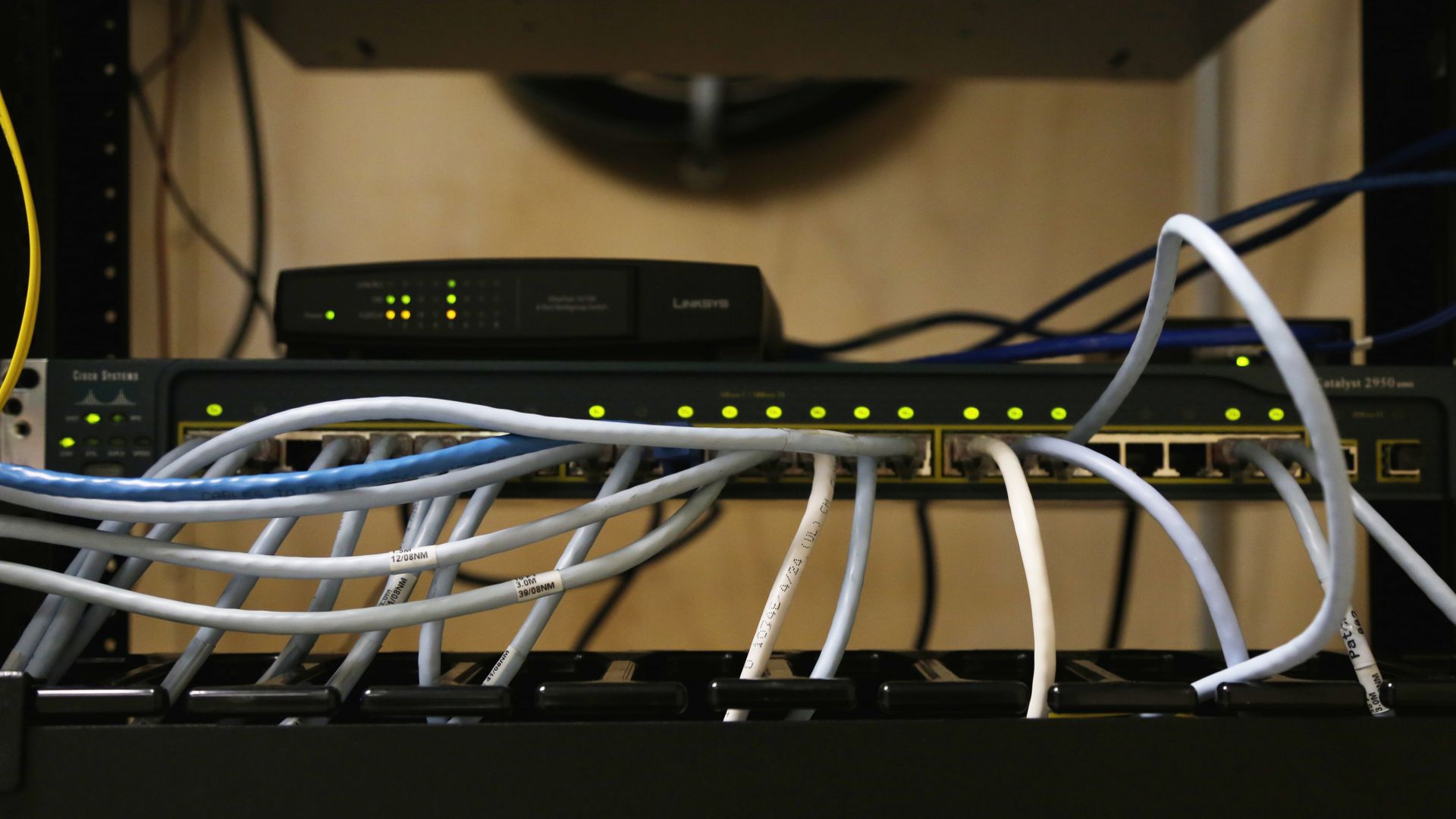
Russia is hacking routers inside U.S. and U.K. government agencies, companies, critical infrastructure, and ISPs to spy and steal data, the Department of Homeland Security, FBI, and Britain's National Cyber Security Centre announced in a rare joint Technical Alert on Monday.
Context: Russia’s relations with both the U.S. and the U.K. are at an all-time-low following the nerve agent attack in Salisbury, England and the chemical weapons attack in Syria. “This is yet another example of Russia’s disregard for international norms and global order," a U.K. government spokesperson said.
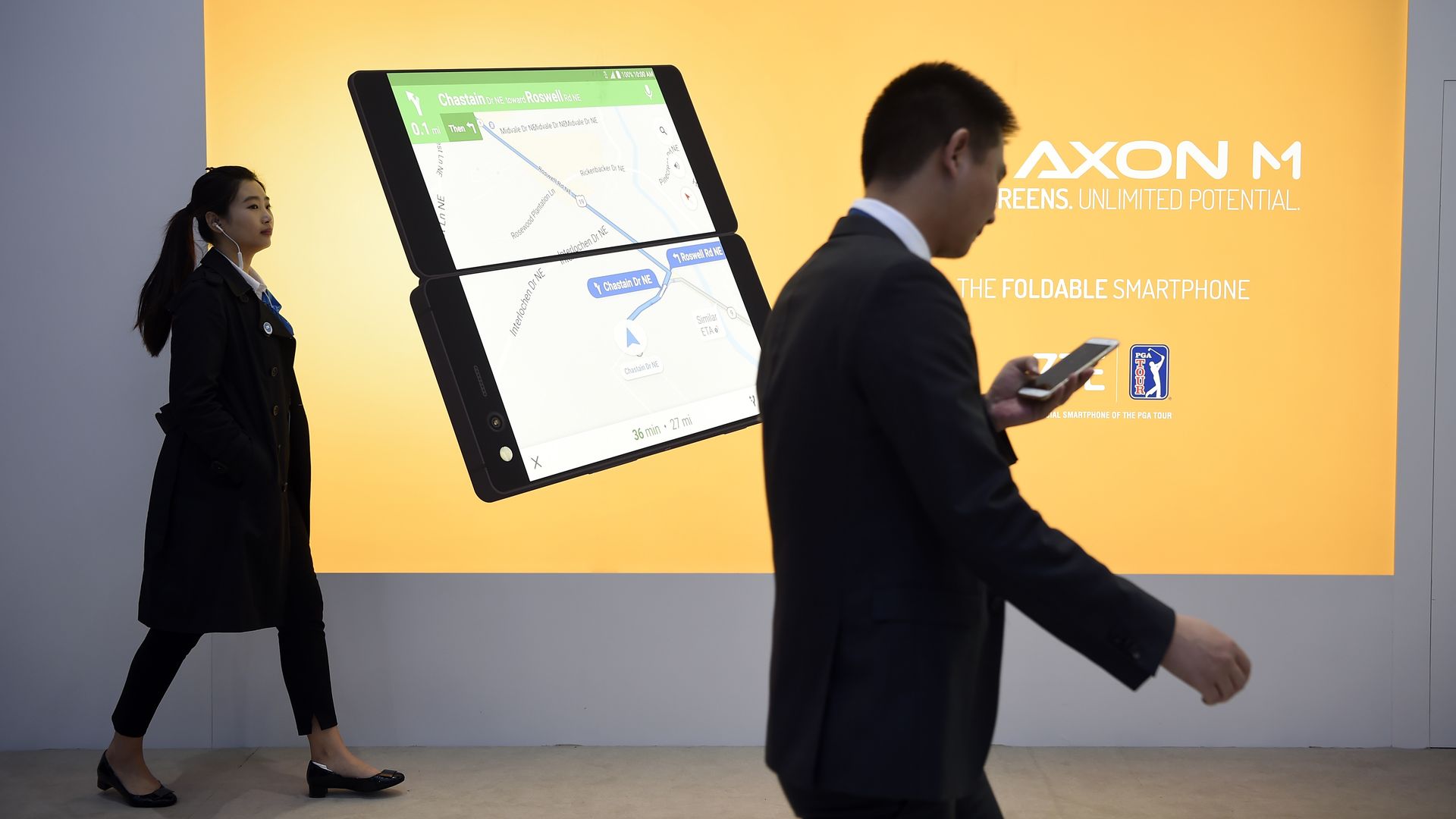
The Commerce Department is barring American companies from selling components to Chinese telecom equipment maker ZTE for seven years in retaliation to the company violating terms of a $1.19 billion sanctions settlement, the Department announced Monday
Why it matters: ZTE is atop smartphone seller in the U.S., and the ban will not only be a big hit to the Chinese company, which is reliant on U.S. products and software, but will also affect major U.S. suppliers, like Qualcomm, which will no longer be able to sell chips and other equipment to ZTE.
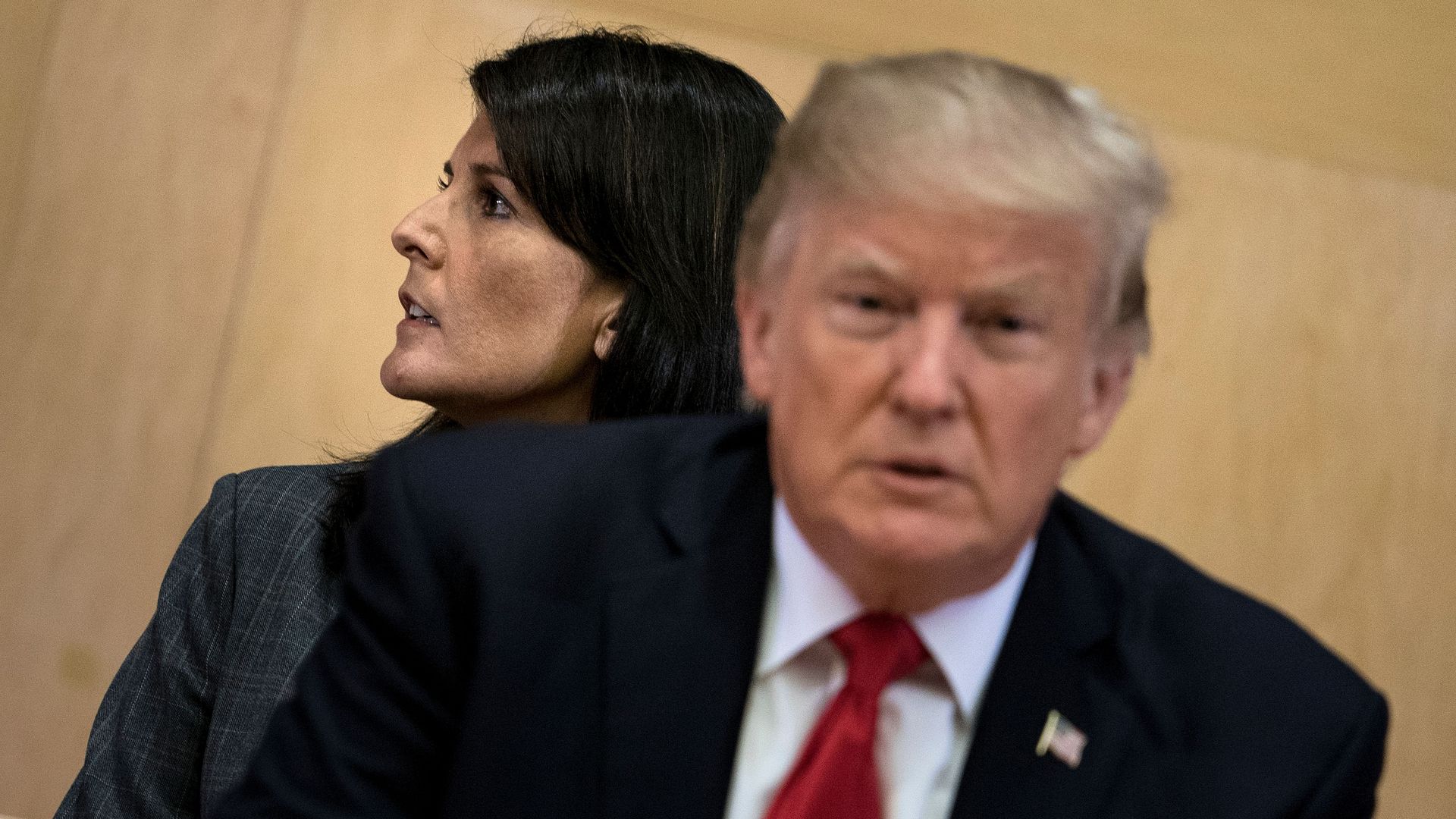
President Trump is holding off on rolling out sanctions announced yesterday by UN ambassador Nikki Haley that would punish Russian companies that manufactured equipment used by Syrian President Bashar al-Assad's government in its alleged chemical weapons attack, per The Washington Post.
Why it matters: The decision is sure to add to the perception that Trump is often unwilling to harshly punish Russia, especially after WashPost's report yesterday that detailed his anger over the scope of the expulsions of Russian diplomats from the United States in response to the Skripal nerve agent attack in England.
Weibo, China's version of Twitter, reversed its ban on "homosexual content" on Monday after a mass of complaints from its users, CNBC reports. The company had previously announced Friday it would ban homosexual content along with pornographic and violent images.
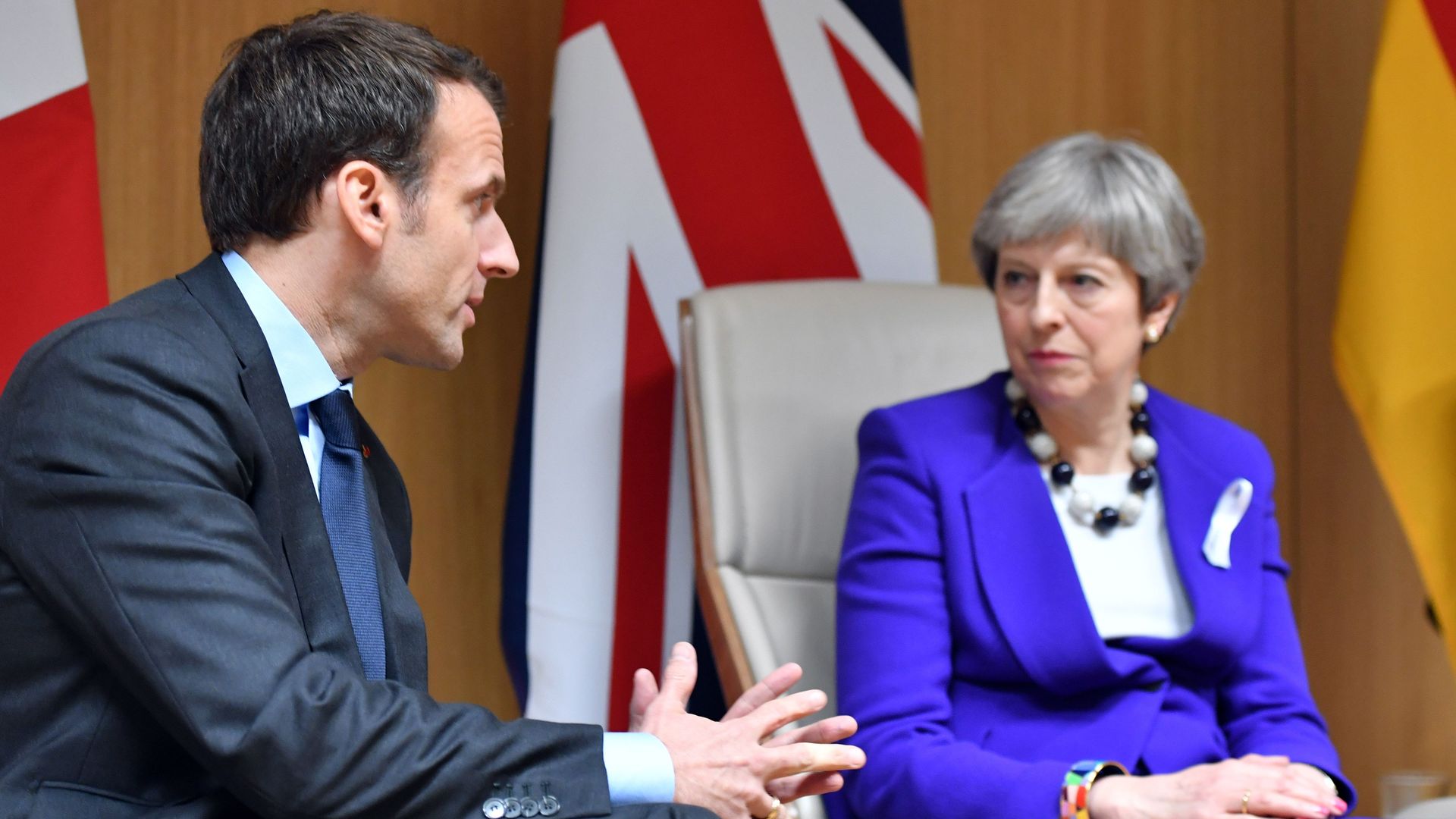
The British and French governments both took domestic political heat for joining the U.S. strikes in Syria last week. But U.K. Prime Minister Theresa May and French President Emmanuel Macron found a defender in President Trump, who praised their involvement.
Between the lines: The strikes happened to occur one month before Trump must decide whether to renew the sanction waivers of the Iran deal, which he has long disdained, or let it collapse. Britain's and France's decision to participate in the strikes may have been influenced by the need to curry his favor ahead of the deadline.
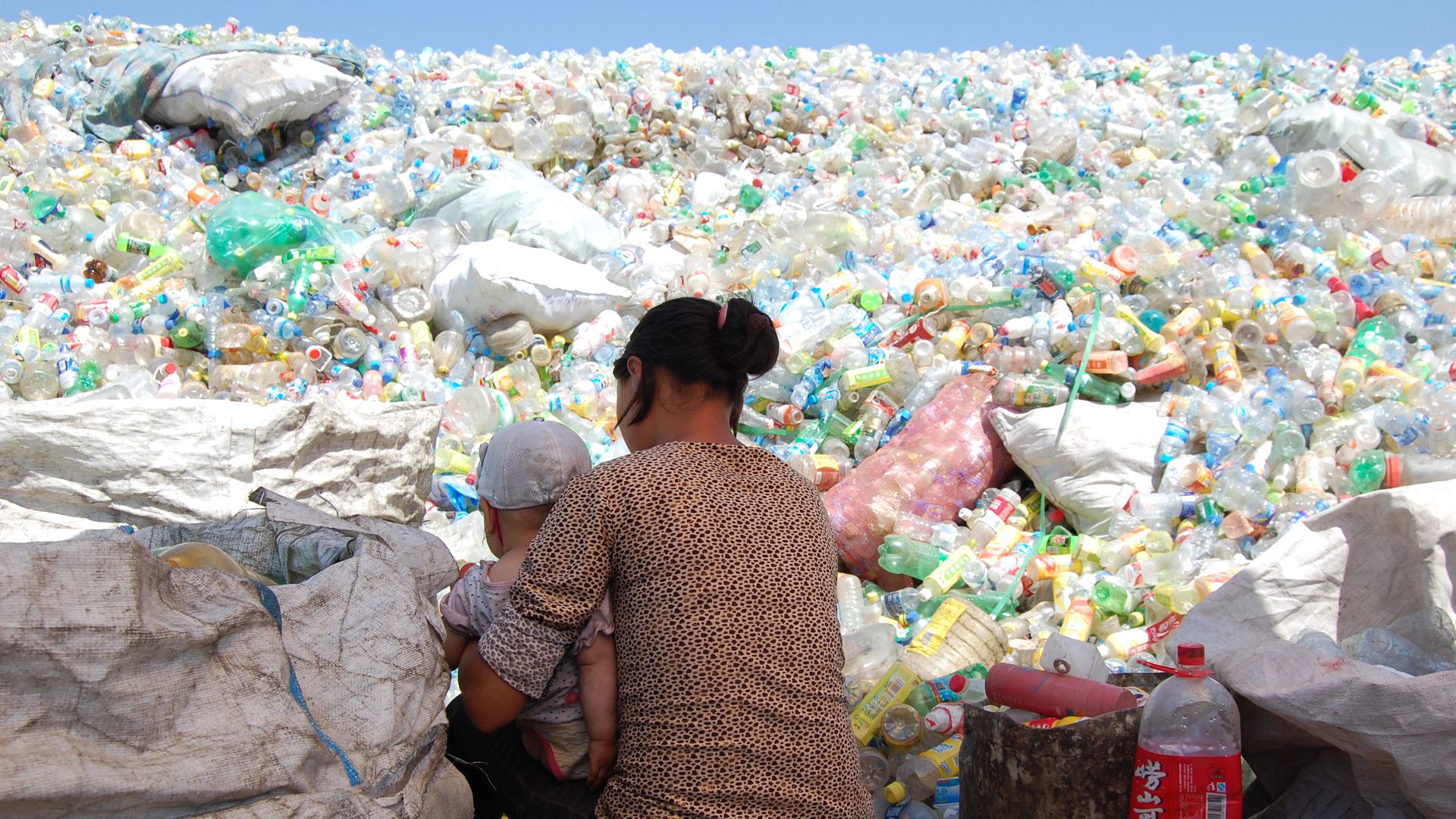
The world is reeling as China — which once imported 9 million metric tons of foreign plastic waste per year — implements new regulations that ban 24 different types of garbage from its shores, reports CNBC.
Why it matters: The measure, implemented in January, is forcing the United States, the U.K., Japan and the EU to find a new destination for their trash. Chinese customs data for the first quarter of 2018 showed that the country's solid waste imports dropped 54%.
"The American family [Charlotte, N.C.] of a prominent Chinese Christian pastor is asking for leniency after he was sentenced to prison for missionary work as the atheist ruling Communist Party exerts greater control of believers," AP's Yanan Wang reports from Beijing.
Why it matters: "Analysts say the government increasingly views Christianity’s rise in China as a threat to its rule, and may be using prominent figures such as Cao as an example to intimidate nascent movements."
A Republican foreign policy expert, who asked for anonymity so he could speak with brutal candor, describes the big picture American involvement in Syria — from Obama through Trump — as "a succession of failures divorced from reality."
What we're hearing: The source, who has decades of experience analyzing the region, emails Axios a devastating indictment of the U.S. Syria "strategy" — or lack thereof — under successive administrations: "The inevitable result was failure."
Trump declared "Mission Accomplished!" on Saturday and administration officials are trying to distance him from George W. Bush's embarrassing declaration about the Iraq War in 2003. Officials are saying Trump only meant that the narrow mission on Friday night — of destroying Syrian chemical weapons facilities — succeeded.
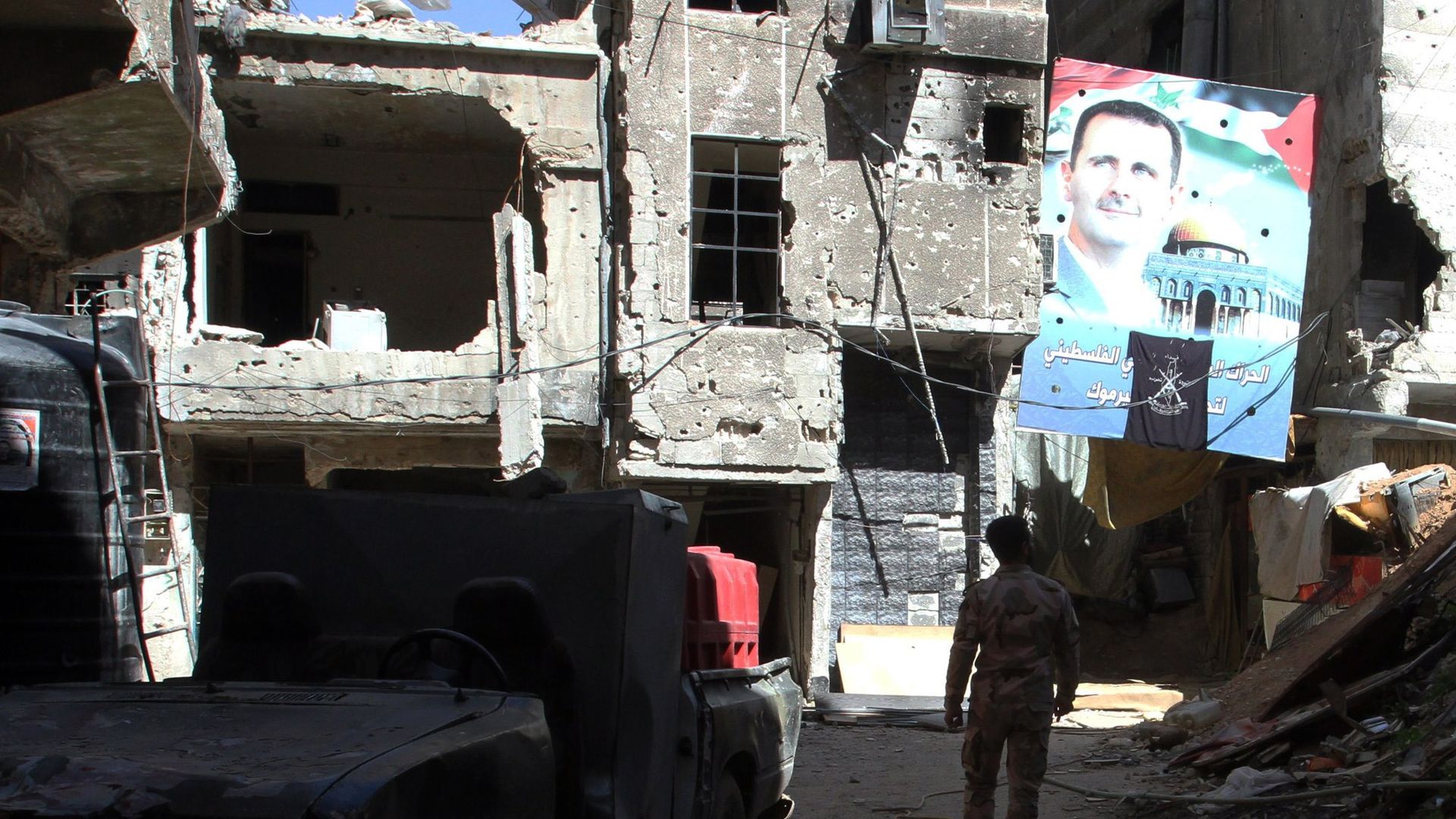
The bottom line: Syrian President Bashar al-Assad looks perfectly safe in his Russo-Iranian cocoon.
Back in December, President Trump tweeted: "After years of Comey, with the phony and dishonest Clinton investigation (and more), running the FBI, its reputation is in Tatters - worst in History! But fear not, we will bring it back to greatness."
The state of play: Now, the FBI is getting its revenge. All at once, Trump is being pounded by the bureau and its alumni, with a three-pronged threat.