A Republican foreign policy expert, who asked for anonymity so he could speak with brutal candor, describes the big picture American involvement in Syria — from Obama through Trump — as "a succession of failures divorced from reality."
What we're hearing: The source, who has decades of experience analyzing the region, emails Axios a devastating indictment of the U.S. Syria "strategy" — or lack thereof — under successive administrations: "The inevitable result was failure."
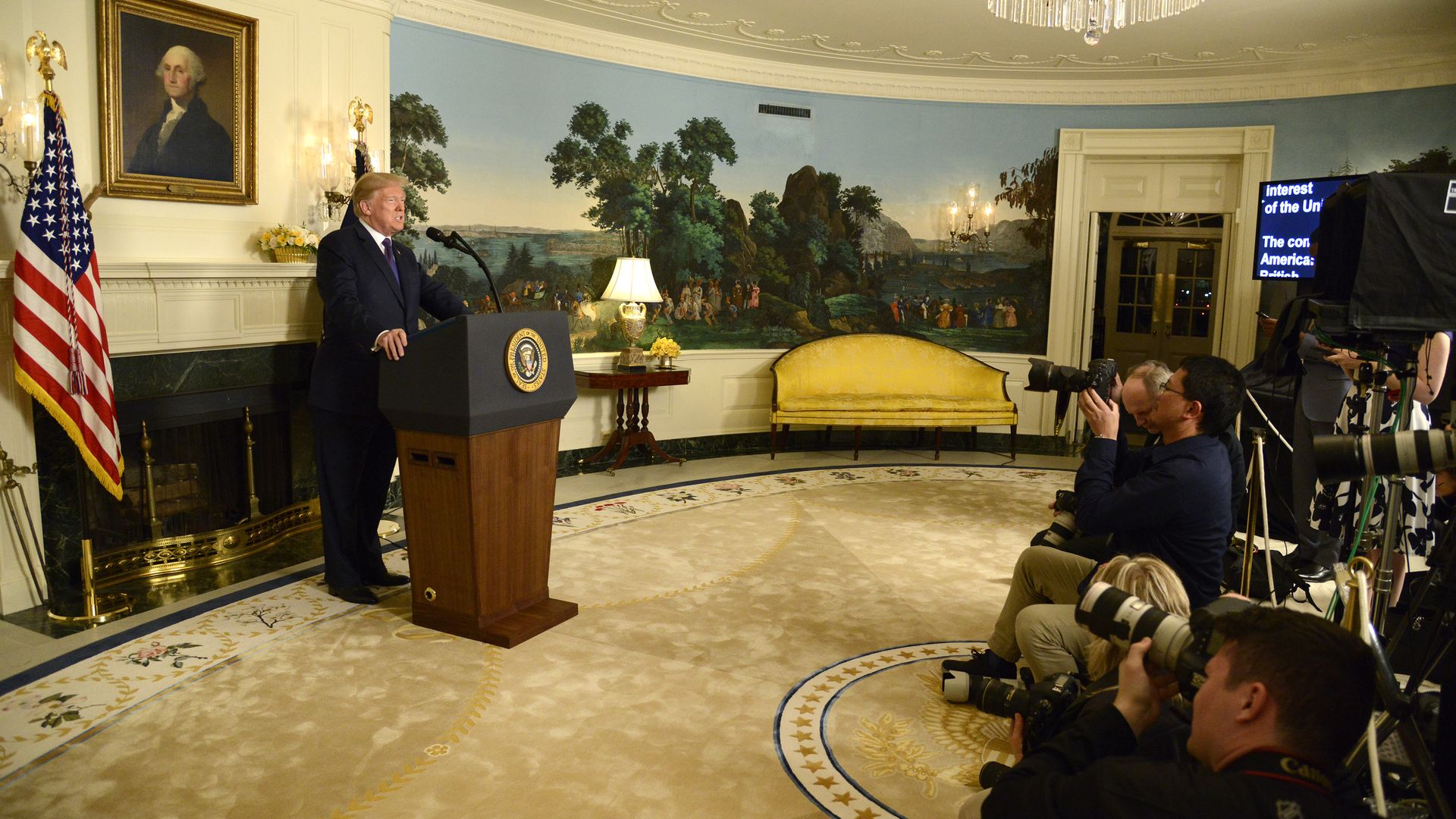
Trump declared "Mission Accomplished!" on Saturday and administration officials are trying to distance him from George W. Bush's embarrassing declaration about the Iraq War in 2003. Officials are saying Trump only meant that the narrow mission on Friday night — of destroying Syrian chemical weapons facilities — succeeded.
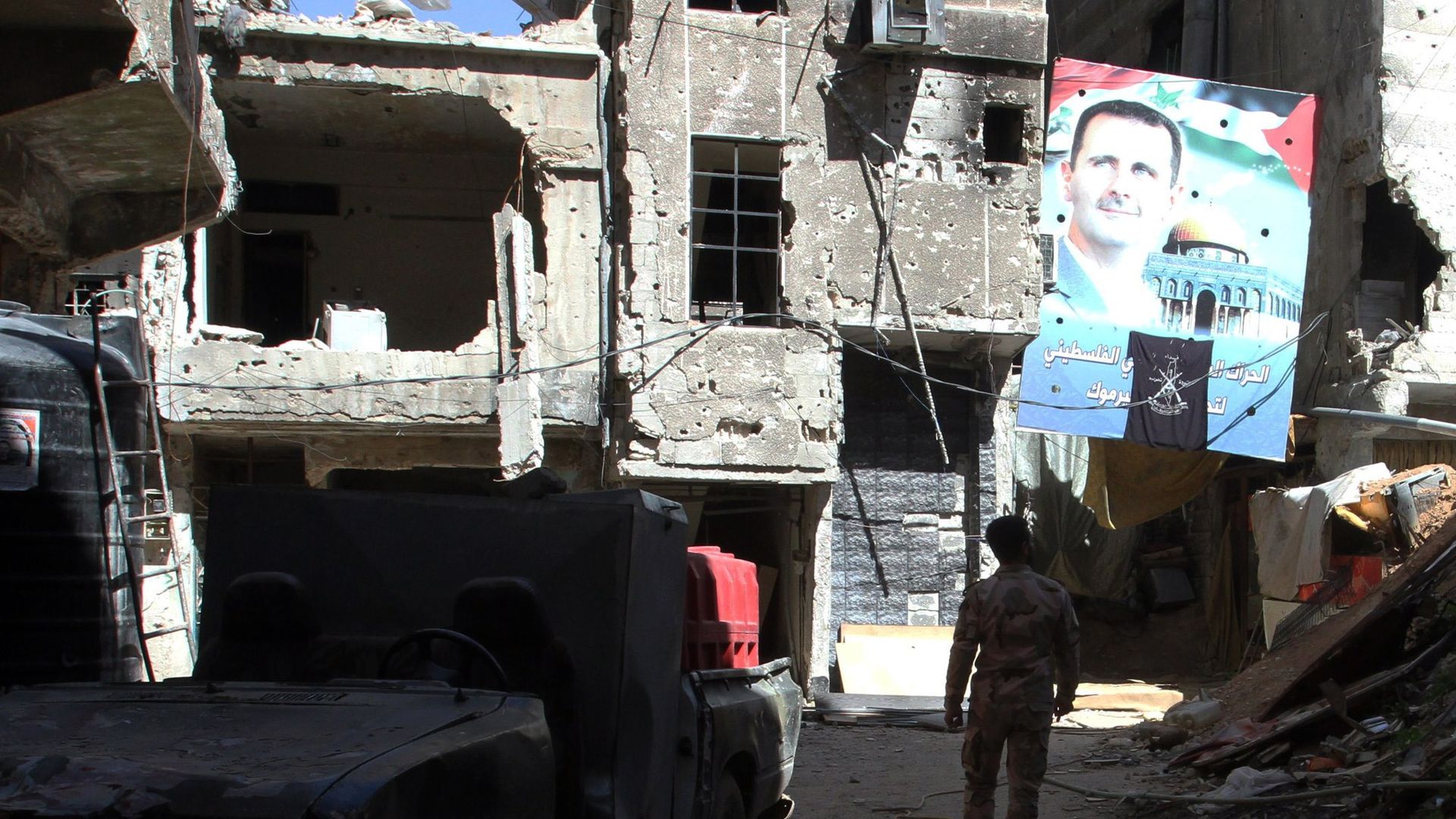
The bottom line: Syrian President Bashar al-Assad looks perfectly safe in his Russo-Iranian cocoon.
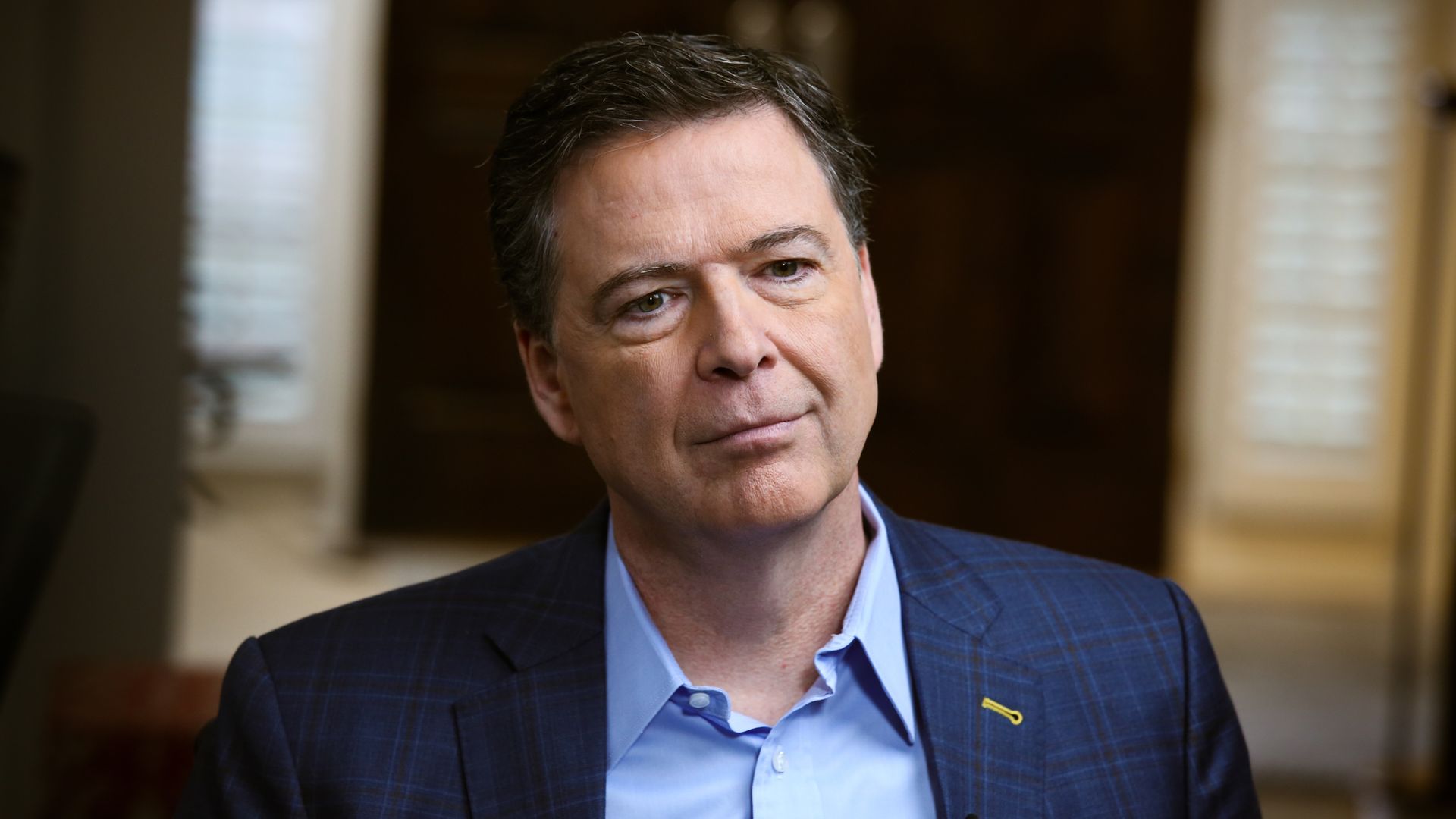
Back in December, President Trump tweeted: "After years of Comey, with the phony and dishonest Clinton investigation (and more), running the FBI, its reputation is in Tatters - worst in History! But fear not, we will bring it back to greatness."
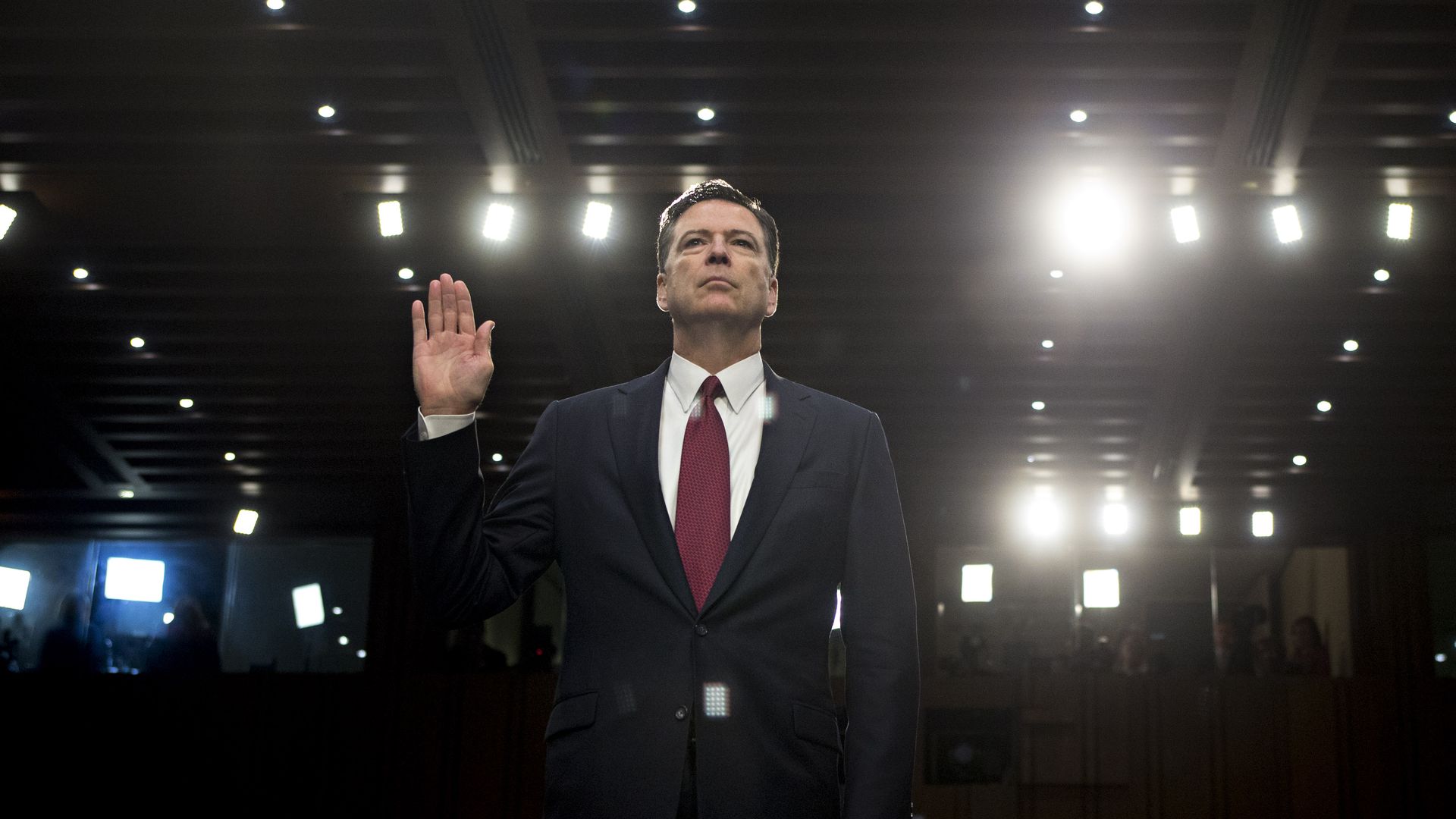
The state of play: Now, the FBI is getting its revenge. All at once, Trump is being pounded by the bureau and its alumni, with a three-pronged threat.
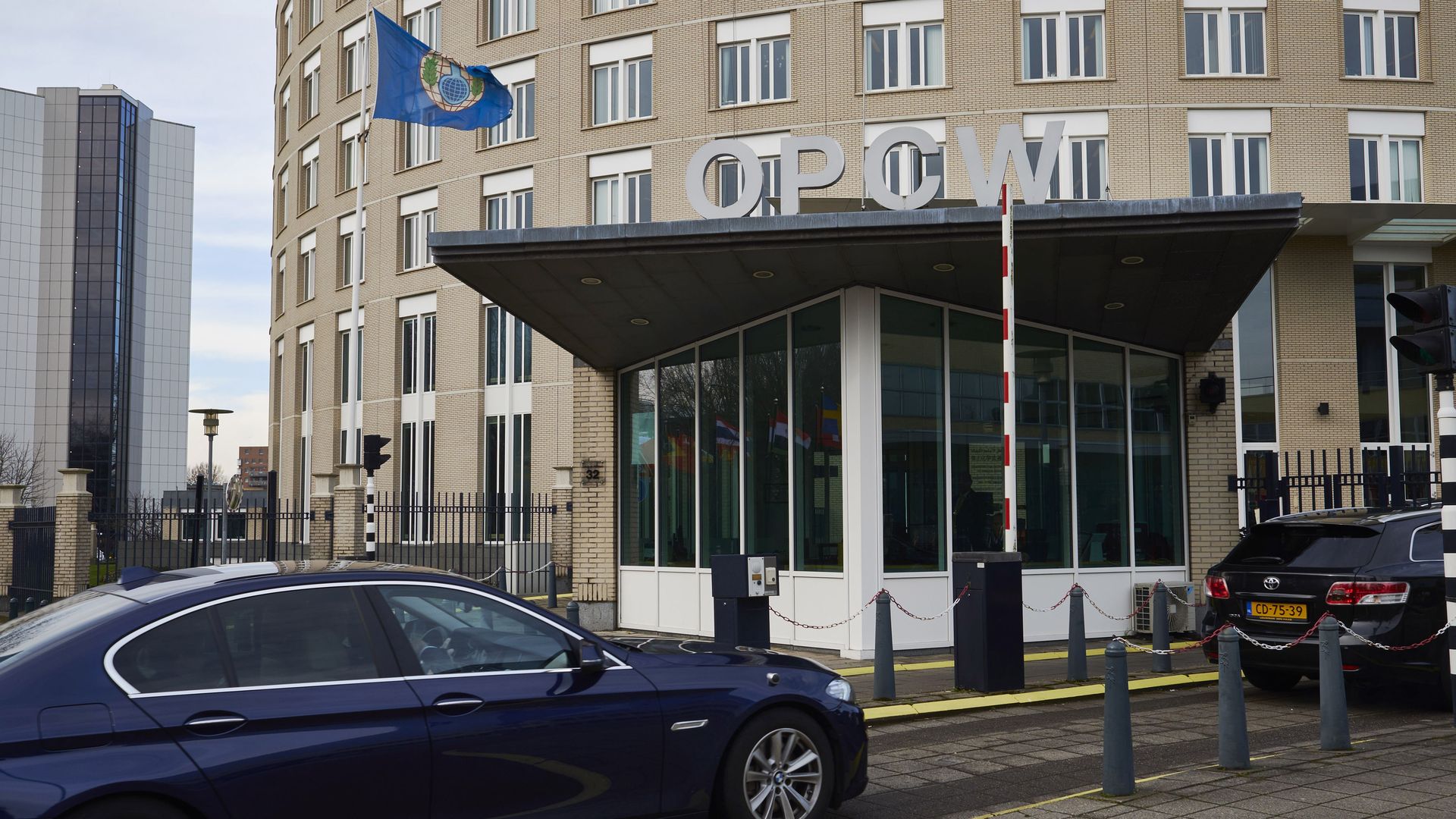
Moscow has reportedly accused the Organization for the Prohibition of Chemical Weapons (OPCW) — an international chemical warfare watchdog — of "manipulating results in Skripal probe," reports the Agence France-Presse. Sergei Skripal, and his daughter Yulia were poisoned in Salisbury, England last month with a nerve agent.
The backdrop: Earlier this month, the OPCW rejected Russia's proposal for a joint investigation into the poisoning. The U.K., along with France, Germany, and the U.S. have blamed Russia for the attack, and countries around the world have expelled Russian diplomats in retaliation. Skripal is reportedly responding to treatment and is no longer in critical condition.
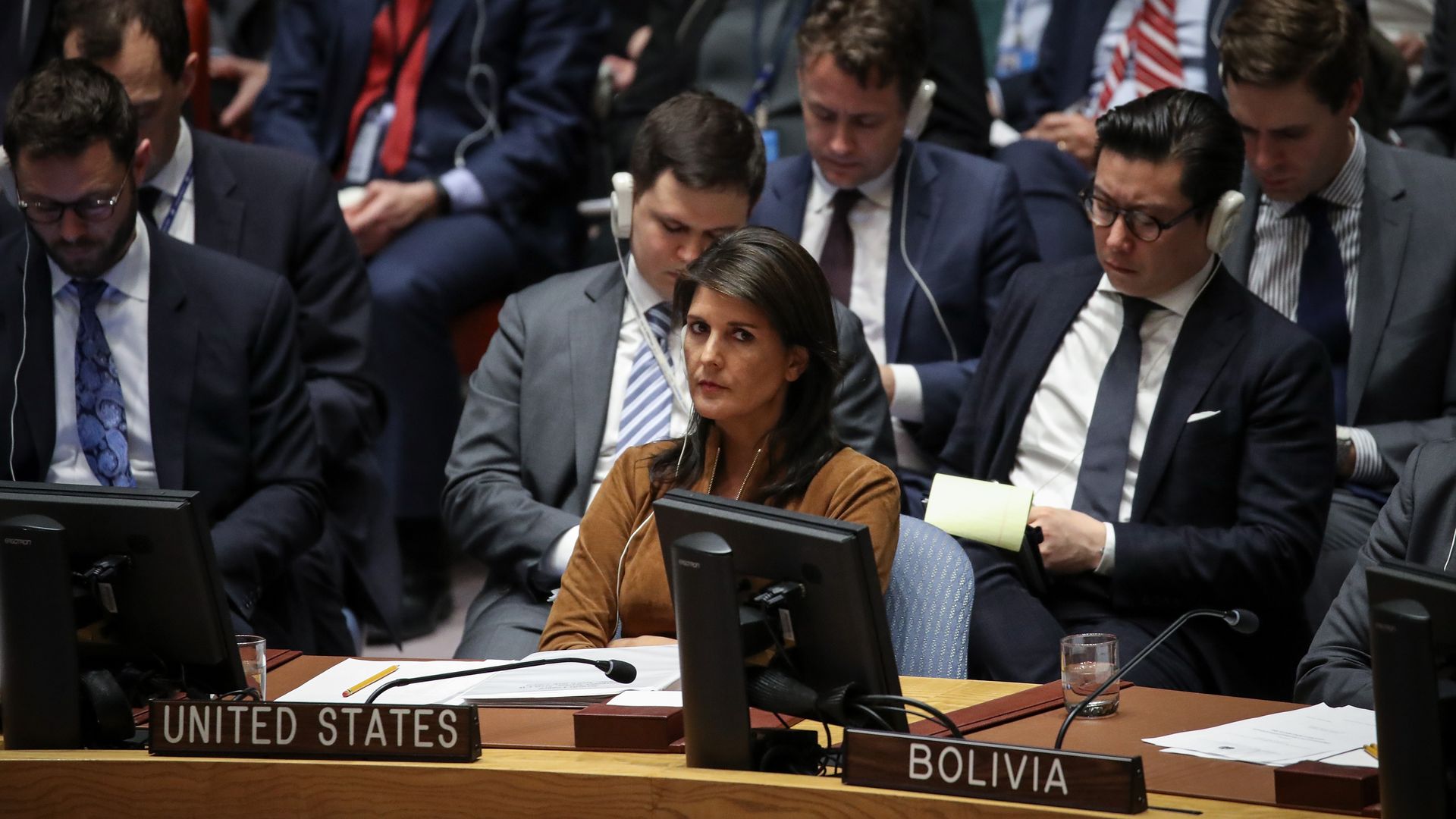
U.N. ambassador Nikki Haley said at a U.N. Security Council meeting Saturday that President Trump told her the U.S. is "locked and loaded" if Syria uses chemical weapons again.
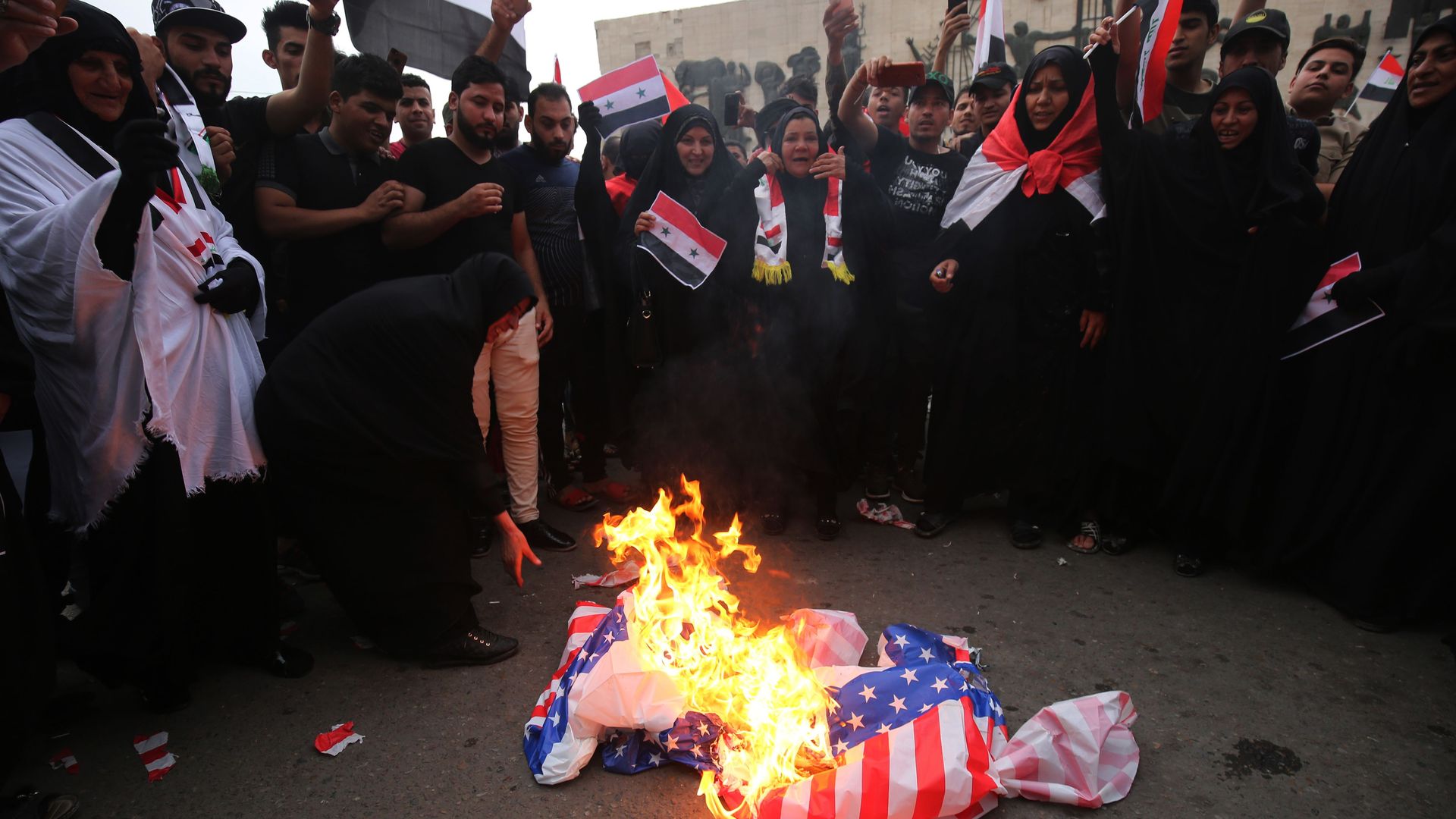
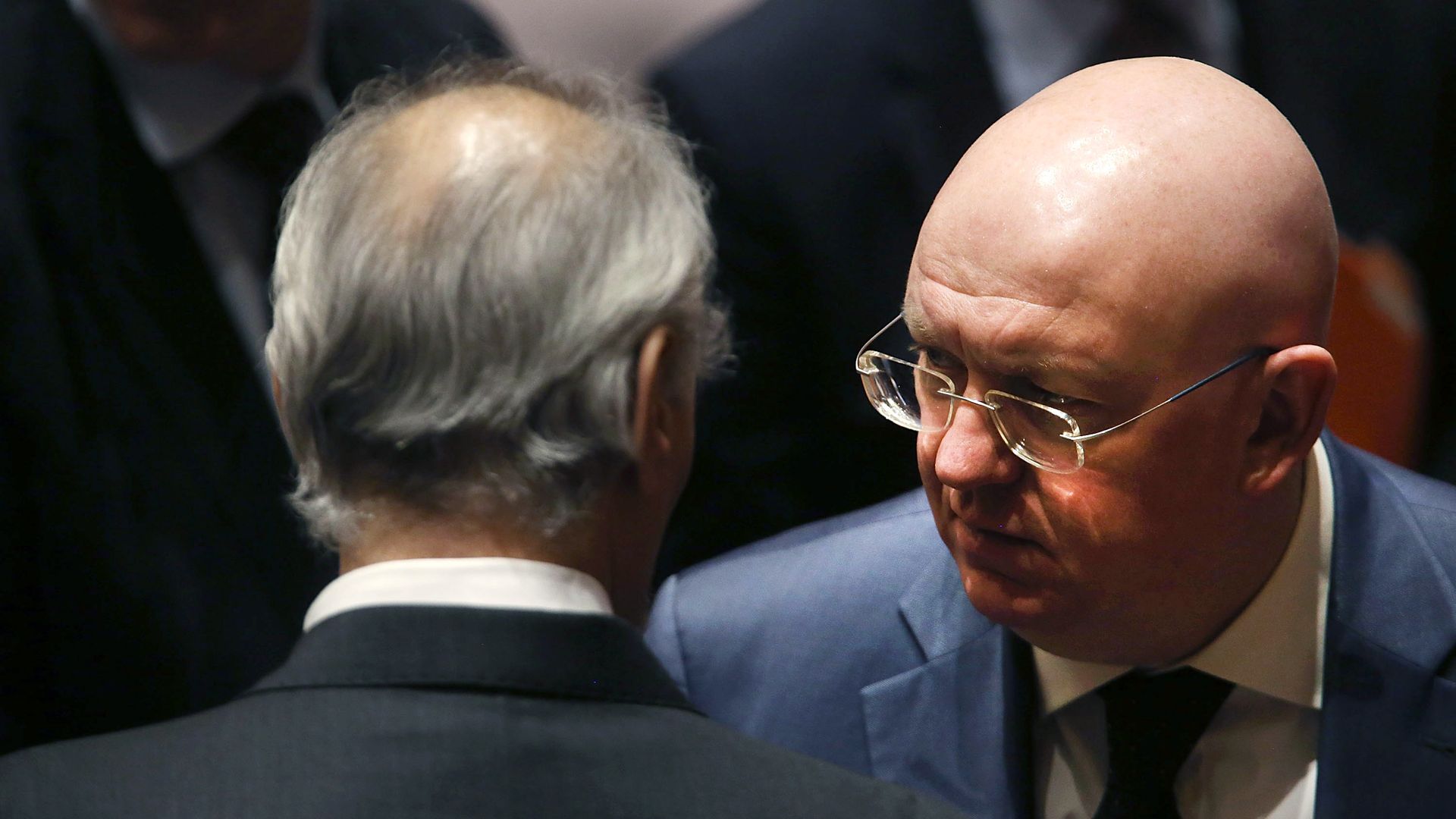
What's happening: Russia called a meeting on Saturday morning to discuss Friday night's coordinated strikes on Syria. Russia was pushing for a vote to condemn the strikes, carried out by the U.S., U.K., and France. It failed.
I asked two of the country's top foreign-policy voices to help Axios readers interpret the strikes on Syria:
CFR President Richard Haass said he thinks President Trump "was right to attack CW-related sites to send the message that CW use is unacceptable and will bring punishment."
Ian Bremmer, president of the Eurasia Group, called it "a notable escalation —more strikes than a year ago," and part of a coalition.
The U.N. Security Council will meet on Saturday morning at Russia’s request, Reuters reports, as it considers giving Syria and “other countries” S-300 missile systems following Friday night’s strikes on the Assad regime's chemical weapons plants.
The backdrop: Per Reuters, Russia declined to supply Syria with those missiles a few years ago, but Colonel-General Sergei Rudskoi said that following the U.S.-led strikes, they "consider it possible to return to examination of this issue not only in regard to Syria but to other countries as well."
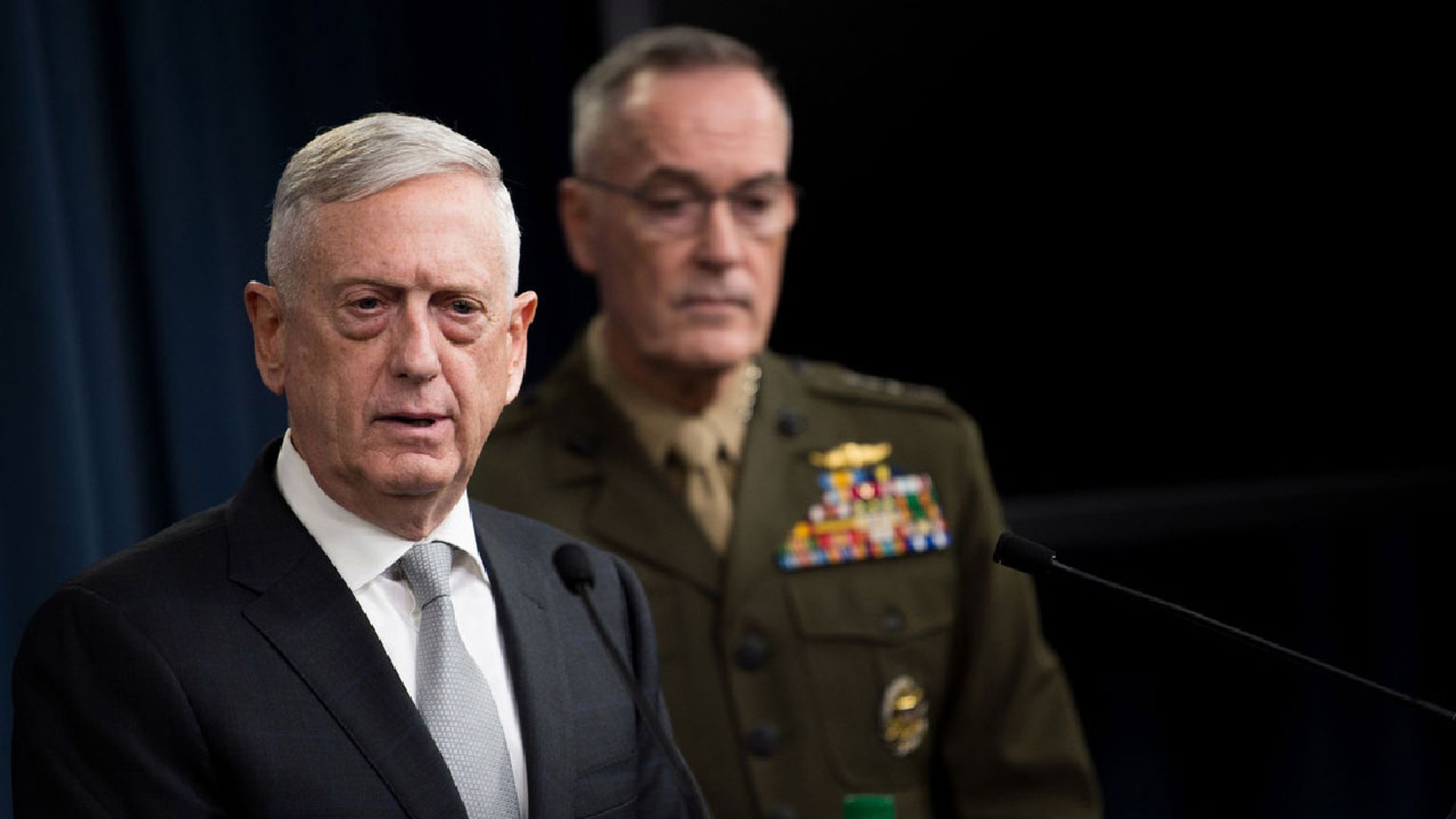
The U.S. launched coordinated strikes on Syria Friday night, in alliance with France and the U.K., in response to chemical weapons attack brought by the Assad regime. Defense Secretary James Mattis confirmed that this was a "one-time shot," and that the strike was directed solely at the Assad regime, not at Russia — a supporter of the Assad regime.