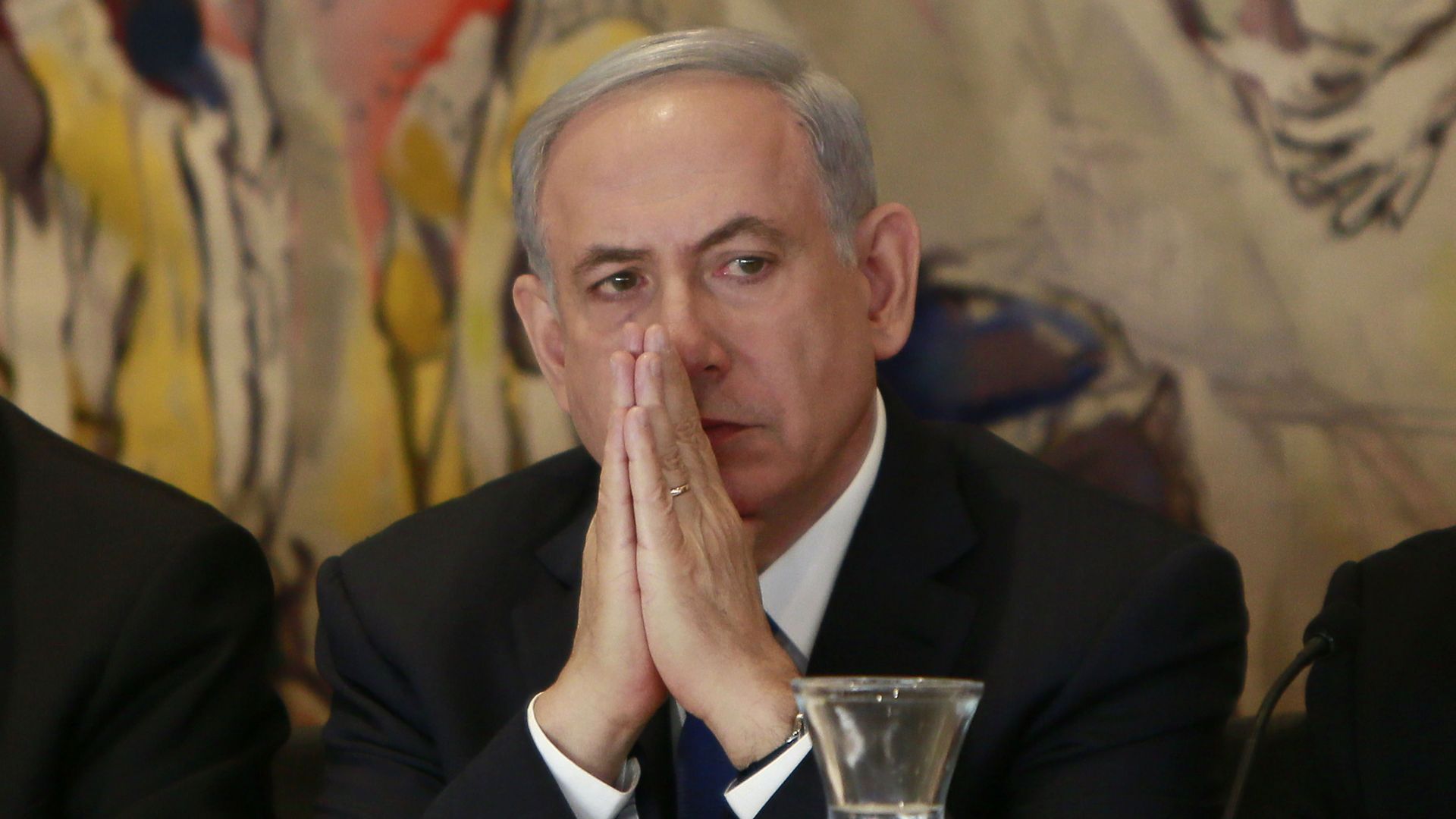
Israeli Prime Minister Netanyahu has asked members of his party in the Knesset not to press forward on a bill annexing the Jewish settlements in the West Bank until President Trump presents his Middle East peace plan.
The bottom line: Netanyahu explained that after Trump presents his peace plan and the Palestinians reject it, Israel will have a better chance to start discussing with the White House the possibility of annexing the settlements.
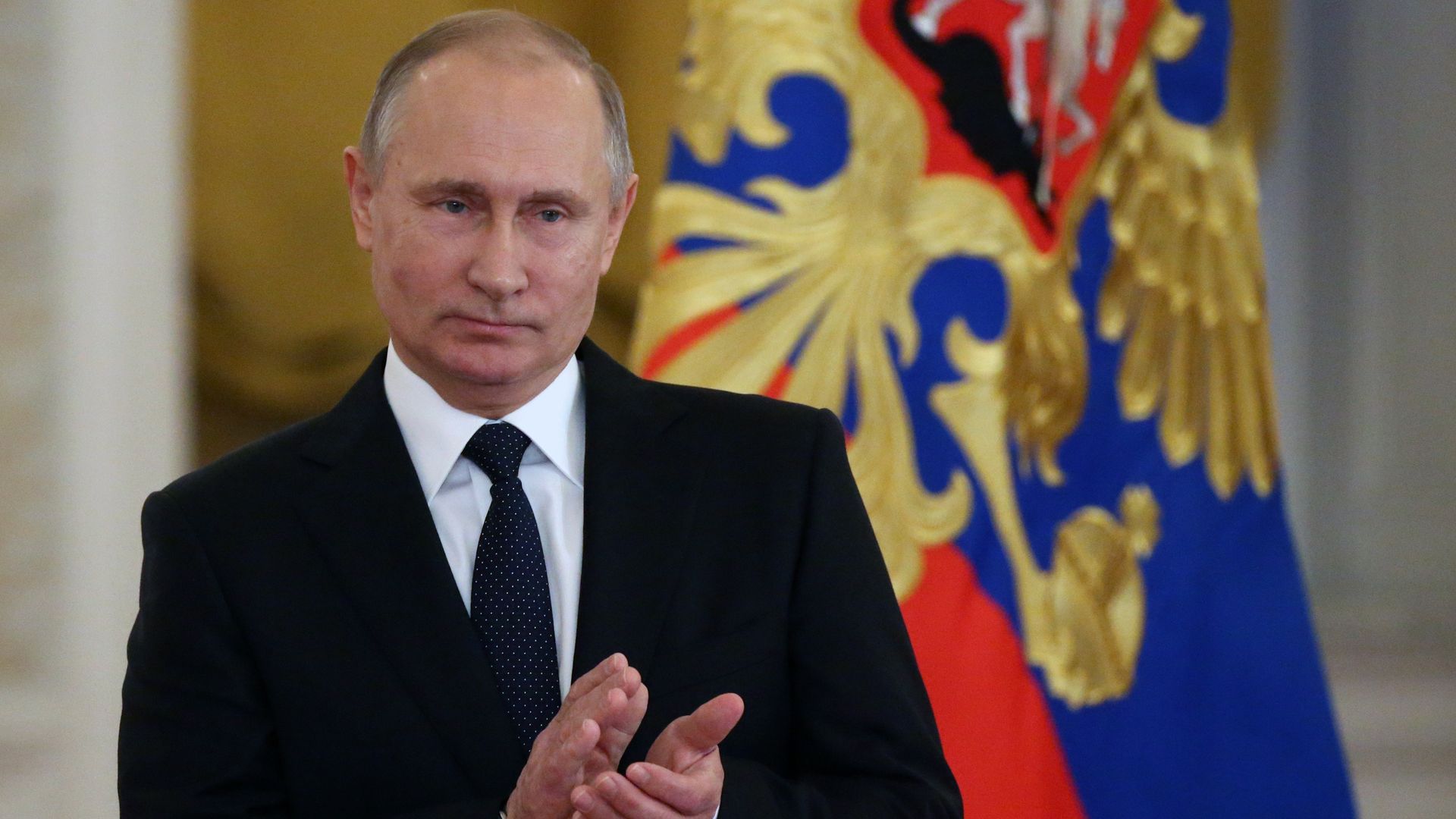
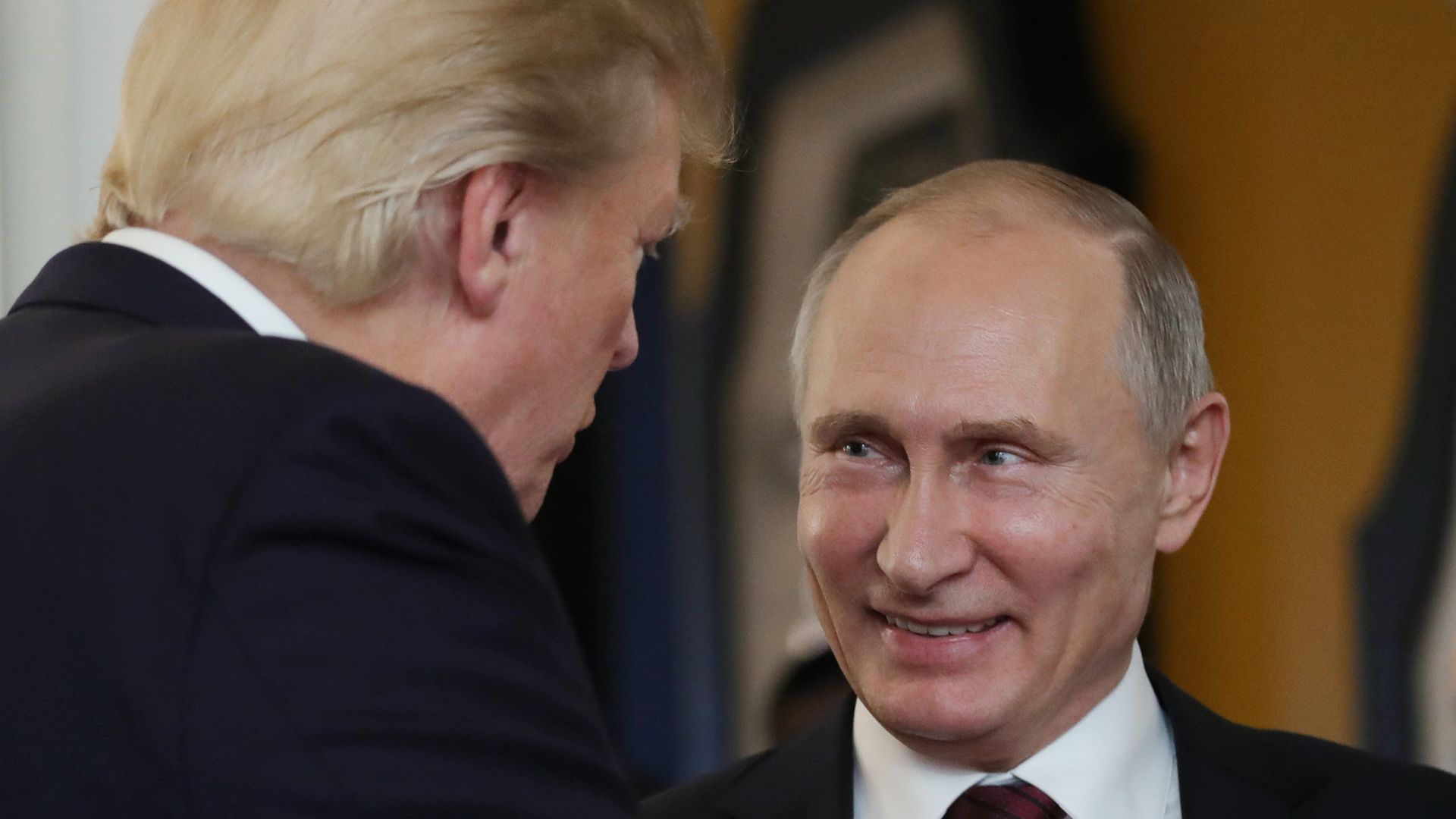
Russia's 2018 presidential elections are rapidly approaching and Vladimir Putin has some, at least nominal, competition. The election committee has registered eight total candidates for the the March 18 vote.
Why it matters, from Axios' Steve LeVine: This election won't be competitive, but it could be Putin's last and he needs a big finish to burnish his legacy as a modern-day czar. Putin depends on the support of the Russian people and is trying to put the uprising in 2012 behind him. In his current term, Putin has relied on the fumes of nationalism and xenophobia to buttress his popular support and put the relatively minor uprising in 2012 behind him. Expect him to pivot, possibly toward serious domestic challenges, ahead of his next, and possibly final, 6-year term.
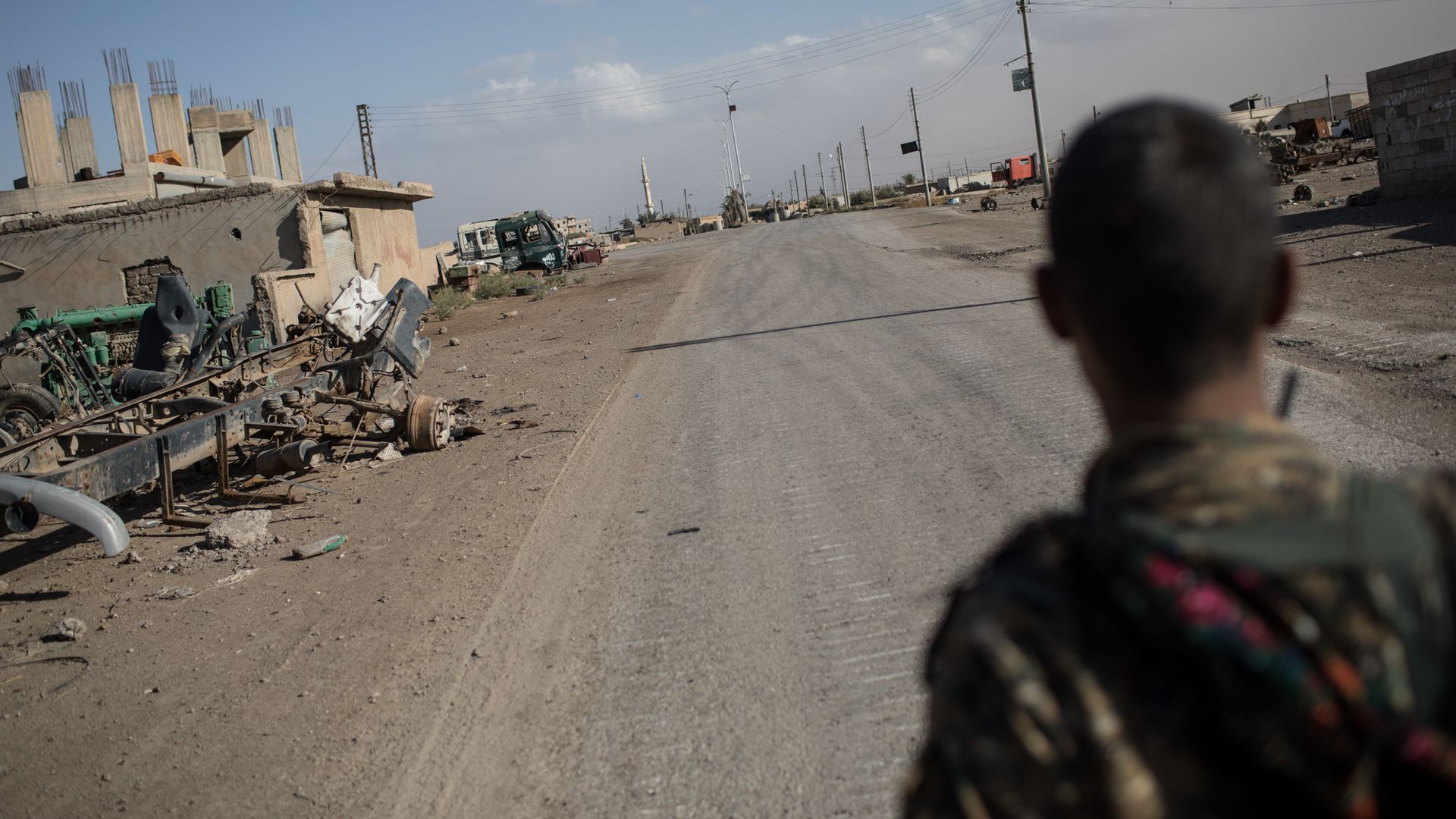
The United States and Syrian Democratic Forces coalition engaged in "a combination of air and artillery strikes" against pro-regime forces in Syria late Wednesday night, after an "unprovoked" attack, Col. Thomas F. Veale, CJTF-OIR Public Affairs Officer, told Axios.
The bottom line: This is a rare response from the U.S. in a conflict zone that has seen escalation in recent months. The Washington Post reported that the beginning of 2018 has been "one of the bloodiest periods of the conflict yet."
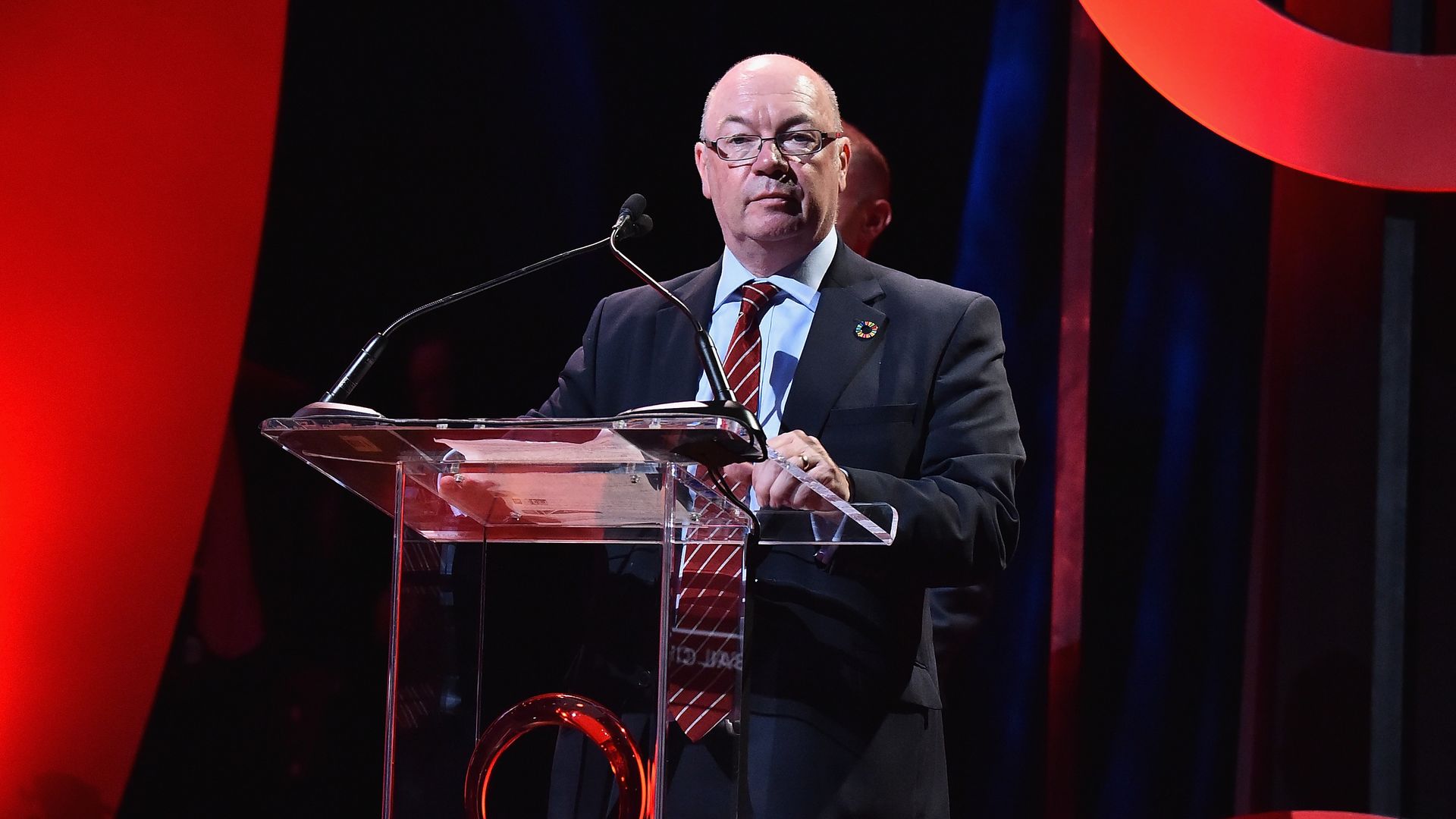
The U.K. is attempting to resolve U.S. concerns with the Iran deal along with its partners, Reuters reports from Paris. “We don’t want to see the JCPOA (nuclear deal) go down and are working with our European partners to mitigate concerns the United States may have to ensure it continues,” Alistair Burt, Britain’s Minister of State for the Middle East said at a Euromoney Iran conference Thursday.
Britain still wants the deal to work out. “We and our European partners are absolutely clear. We want the deal to succeed," Burt said. "Europeans are open to having discussions with U.S. counterparts to alleviate these concerns and address them," Ellie Geranmayeh, a senior policy advisor at the European Council on Foreign Relations with a focus on Iran and the nuclear issue, told Axios. "This doesn’t mean they’re agreeing to concessions."
U.S. arms are on sale at Asia’s largest aerospace and defense event, the Singapore Airshow, this week, per the AP. The U.S. is urging Asian countries to purchase F-35 fighter jets, two of which debuted at the airshow Tuesday.
Why it matters: Beijing and Washington have been accusing one another of a military buildup in the region, and Trump's newly released National Security Strategy prioritized countering China, a “rival” power, by reinforcing the U.S. presence in the Indo-Pacific region.
The House on Wednesday evening cleared a bill — the Ukraine Cybersecurity Cooperation Act — pushing the State Department to increase cooperation with Ukraine over shared Russian cybersecurity threats.
Why it matters: Ukraine’s efforts to separate its government from Russia have positioned the nation as a primary target of Russian cyber campaigns (and, in Crimea, military actions). The digital threats in Ukraine are also frequently interpreted as a test bed for attacks to be used across the world.
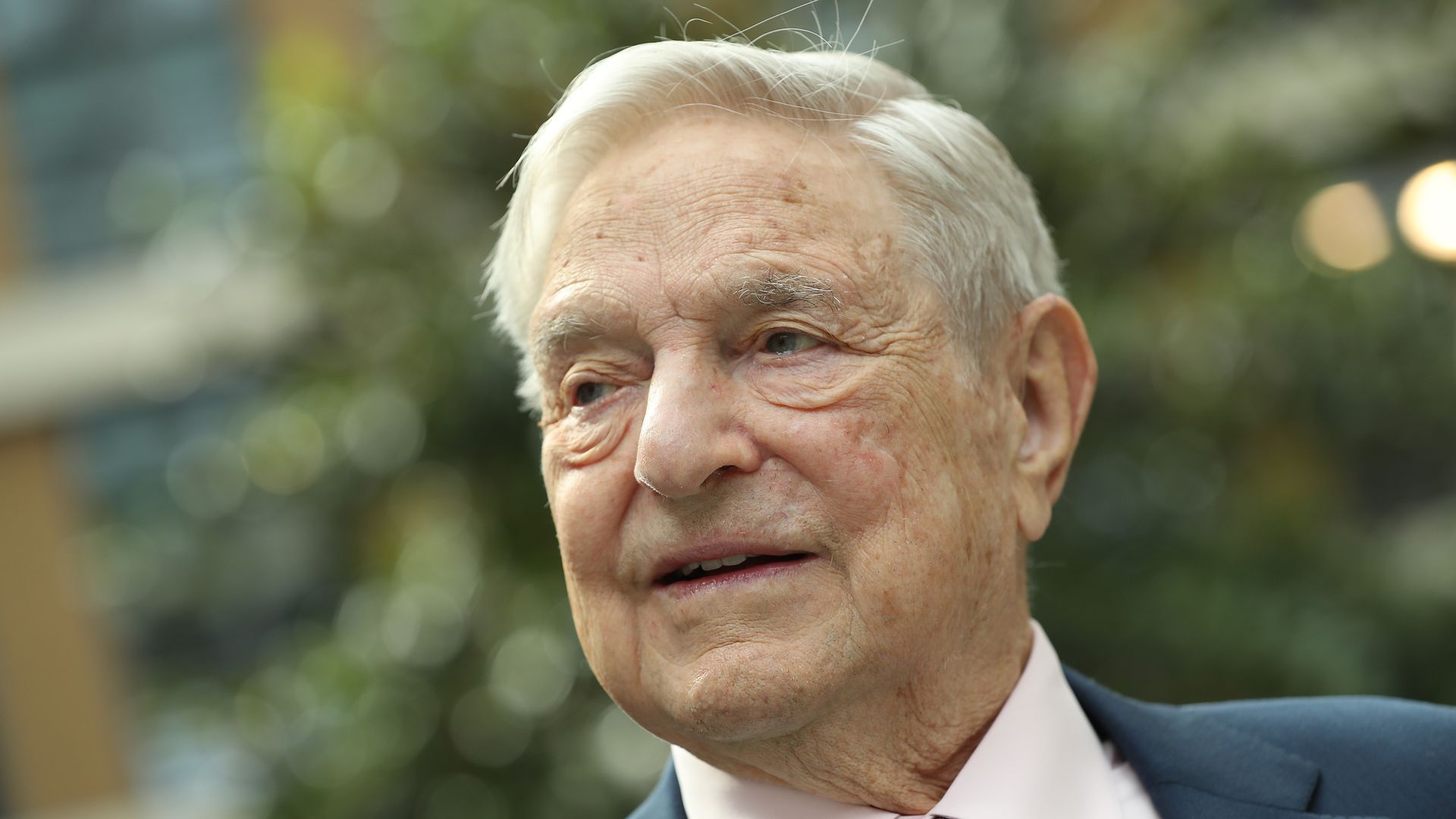
Billionaire philanthropist George Soros has given over $550,000 to the Best for Britain campaign, a group advocating for the U.K. to stop Brexit and remain in the European Union, the Guardian reports. The funds were contributed through Soros' Open Society Foundation.
The big picture: Soros' donation alone almost equals what Best from Britain raised from all of its other donors combined. The campaign plans to use the funds to run ads aimed at rallying public support and convincing members of Parliament to vote against Brexit, per BBC.
The majority of Americans (57%) think Russia will try to interfere in the 2018 midterm elections, and most (55%) aren't confident that the federal government is doing enough to stop it, according to a new NBC News SurveyMonkey poll.
Why it matters: The U.S. is still investigating the extent of Russia's interference in the 2016 presidential election, and public opinion shows they see the 2018 elections as a new threat. Secretary of State Rex Tillerson said as much Tuesday, stating that Moscow has already begun meddling.
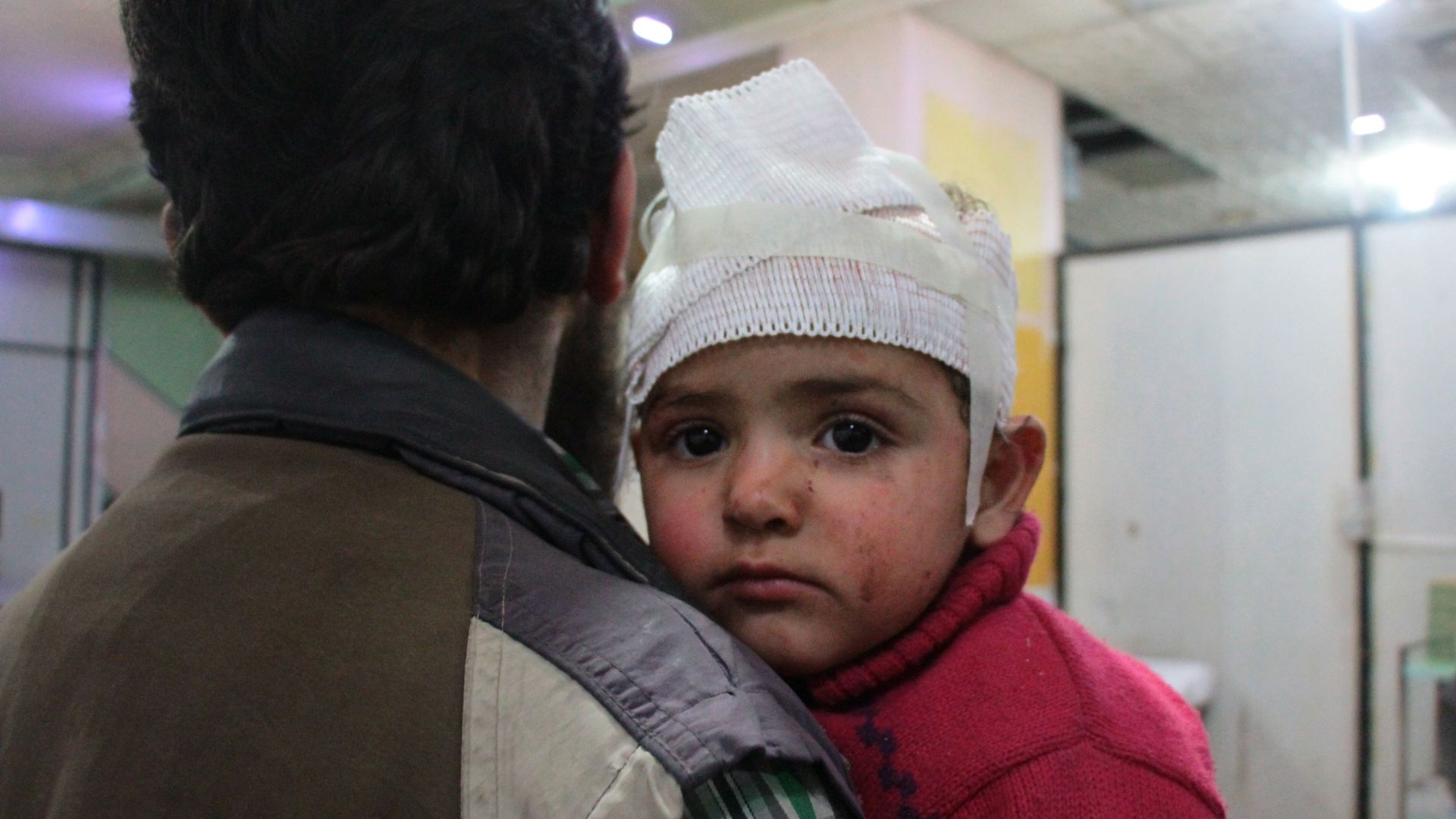
More than 130 Syrians have been killed by Assad regime airstrikes since Monday, the BBC reports, with strikes in Eastern Ghouta killing 80 people, including 21 children, on Tuesday alone.
The backdrop: U.N. senior advisor Jan Egelan has called Eastern Ghouta "the epicenter of suffering" in Syria. Al Jazeera notes that the area "is one of the last remaining opposition strongholds," making it a major target for Syrian and Russian forces.
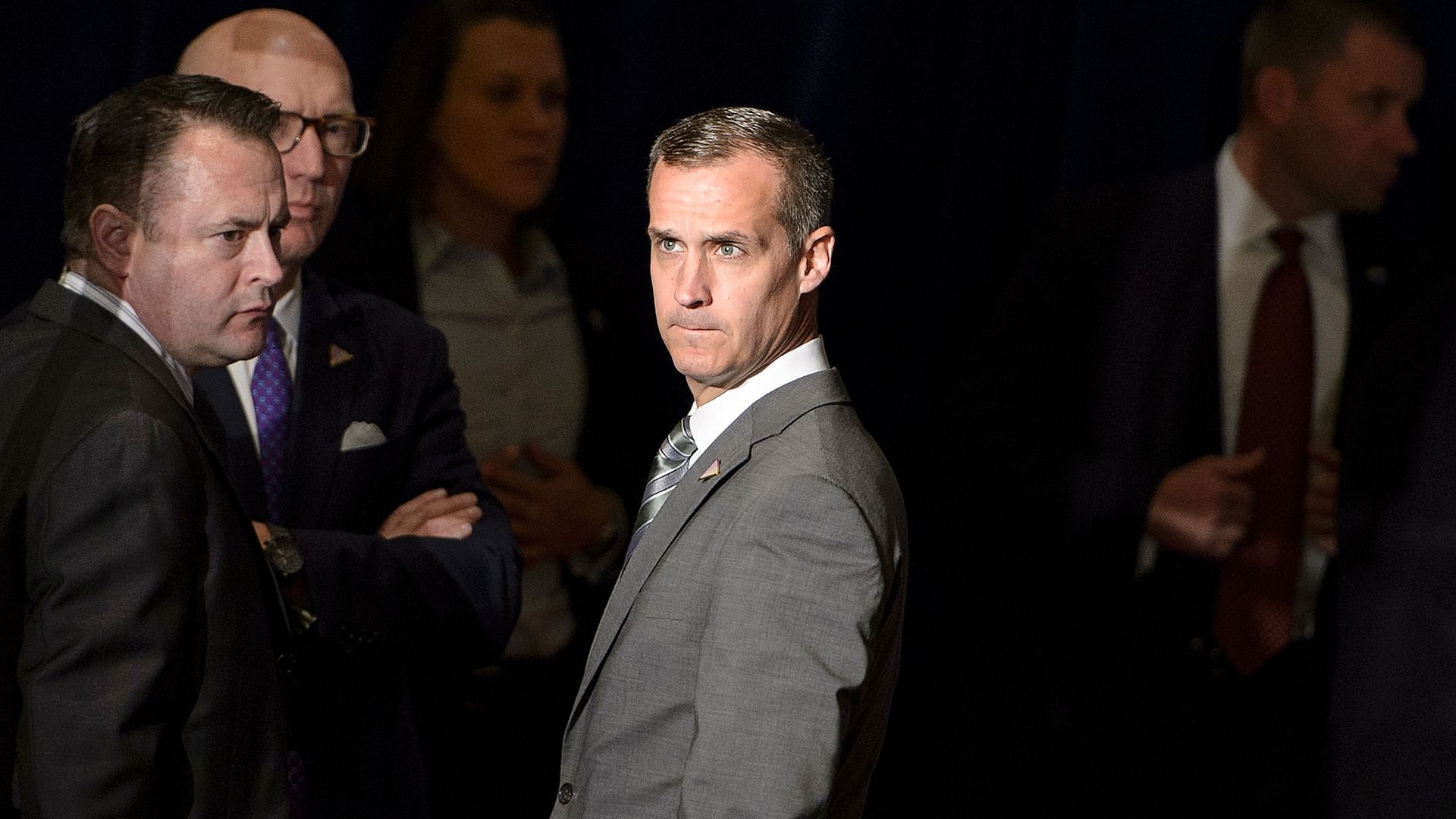
Rep. Adam Schiff, ranking Democrat on the House Intelligence Committee, released a statement on Wednesday claiming that neither Steve Bannon nor Corey Lewandowski have "articulated legitimate grounds for refusing to appear and answer questions before Congress." Schiff explained that the committee will now move to subpoena Lewandowski and enforce the existing subpoena on Bannon in order to compel them to return for questioning.
Rewind: Last week, Axios' Jonathan Swan reported that Bannon was not at risk of contempt because the committee had "agreed to delay the subpoena for another week while they try to work out proper scope of questioning with the White House." Following Schiff's call for Bannon to appear before the committee now, the delay is likely to end soon.
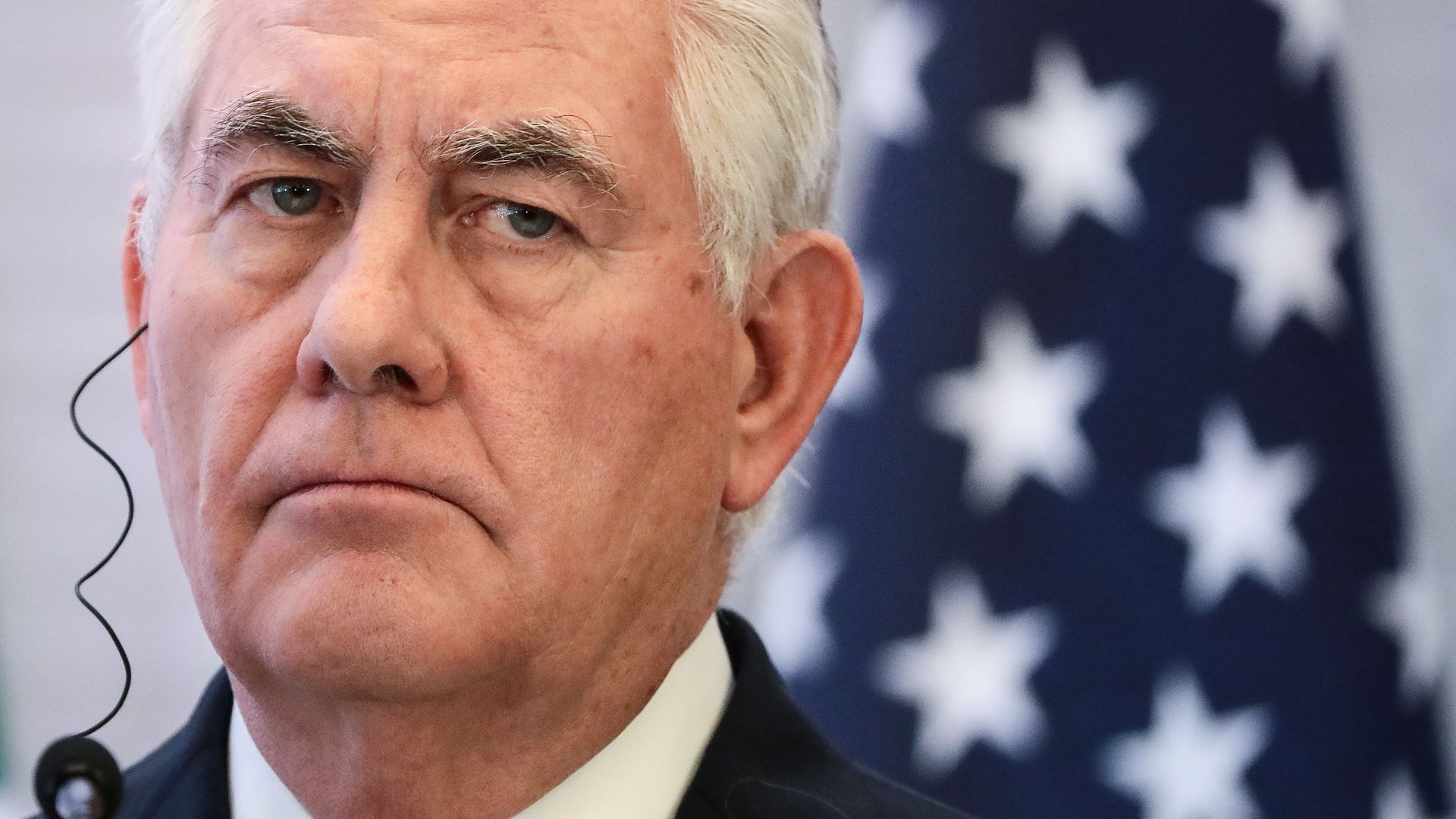
U.S. Secretary of State Rex Tillerson said Tuesday that Russia is already trying to interfere in the 2018 U.S. midterm elections, per Fox News. The secretary, who is on a South American diplomatic tour, spoke to Fox News in Bogota, Colombia and said, “The point is, if it's their intention to interfere, they are going to find ways to do that."
Tillerson is taking his warning one step further than CIA Director Mike Pompeo, who said last month that he has "every expectation" the Russians will try to meddle in the midterm elections in the U.S.
President Trump responded via Twitter to a Fox News report on newly-released texts between FBI agent Peter Strzok and former FBI lawyer Lisa Page, which highlighted a September 2, 2016 text message that said President Obama "wants to know everything we're doing" regarding the FBI's ongoing investigations.
Yes, but: As The Daily Beast's Lachlan Markay points out, "This text came three days before Obama confronted Putin about election-meddling. It's not exactly a mystery why he'd want a full account of what the FBI knew."
Saudi Arabia has approved an Air India request to fly directly from Delhi to Tel Aviv, marking the first time the country will allow flights to Israel use its airspace, reports Israeli newspaper Haaretz.
Why it matters: The new route will cut down on flight time by 2.5 hours, saving the airline money on fuel and allowing it to sell cheaper tickets to passengers. Saudi Arabian airspace has been closed to flights traveling to Israel for the past 70 years, and the historic move could signal the warming of relations between Jerusalem and Riyadh.
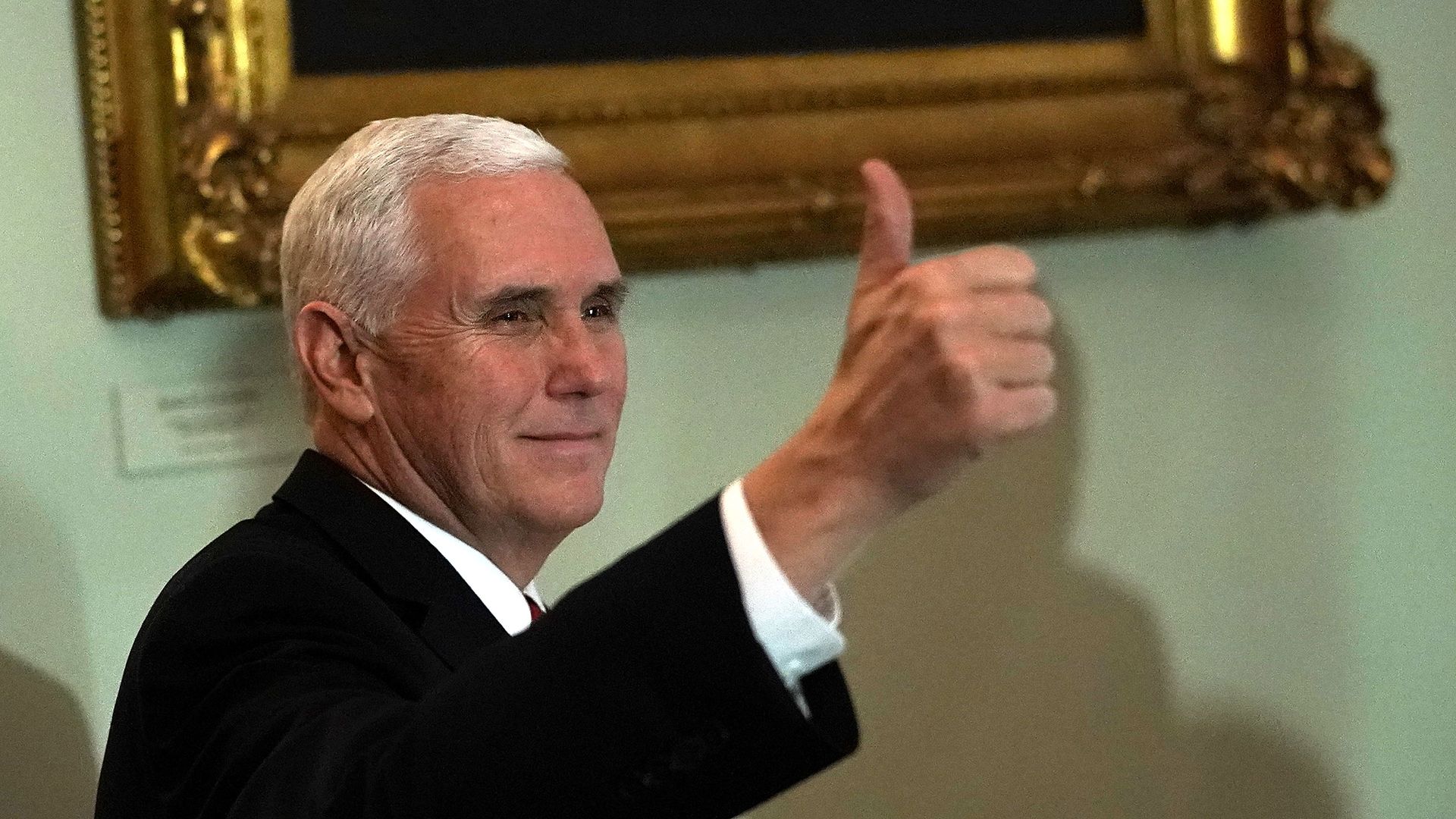
Vice President Mike Pence announced during a speech in Tokyo on Tuesday that the United States was set to unveil strict new sanctions against the North Korean regime.
The big picture: Pence, who will attend the Olympics in South Korea later this month, did not include any details about the sanctions or a timetable for implementation, but stated that the United States' ultimate goal is to achieve "complete, verifiable, and irreversible denuclearization" in North Korea.