Tuesday's technology stories


CDC: Monitoring Russian plague risk, "prepared" for any threat
The Centers for Disease Control and Prevention says it is monitoring reports of a suspected pneumonic plague case in Russia and says it is prepared for any threat that emerges.
Why it matters: Pneumonic plague is the most dangerous form of plague and is almost always fatal unless if left untreated.

Google and Constellation Energy sign latest nuclear energy deal
Google and Constellation Energy announced a deal in which Constellation will invest $4.3 billion to upgrade 11 nuclear units in three states to help meet growing demand for electricity.
Why it matters: It's the latest deal from Big Tech meant to fund new nuclear generating capacity needed to support its enormous data-center buildout.

AI tools flood into underground cybercrime markets
Hackers in underground cybercriminal forums are on shopping sprees for new AI tools, according to research shared first with Axios.
Why it matters: AI is making once-specialized hacking capabilities cheaper and easier to buy, potentially transforming far more criminals into dangerous hackers.

Emmys will move to Amazon Prime
The Television Academy and Amazon Prime Video on Tuesday announced a historic six-year deal for exclusive global rights to the Emmy Awards.
Why it matters: The deal expands the Emmys' distribution globally and gives the show a steady home for the first time in decades.


Exclusive: Fed eyes AI, tariffs, energy for inflation outlook
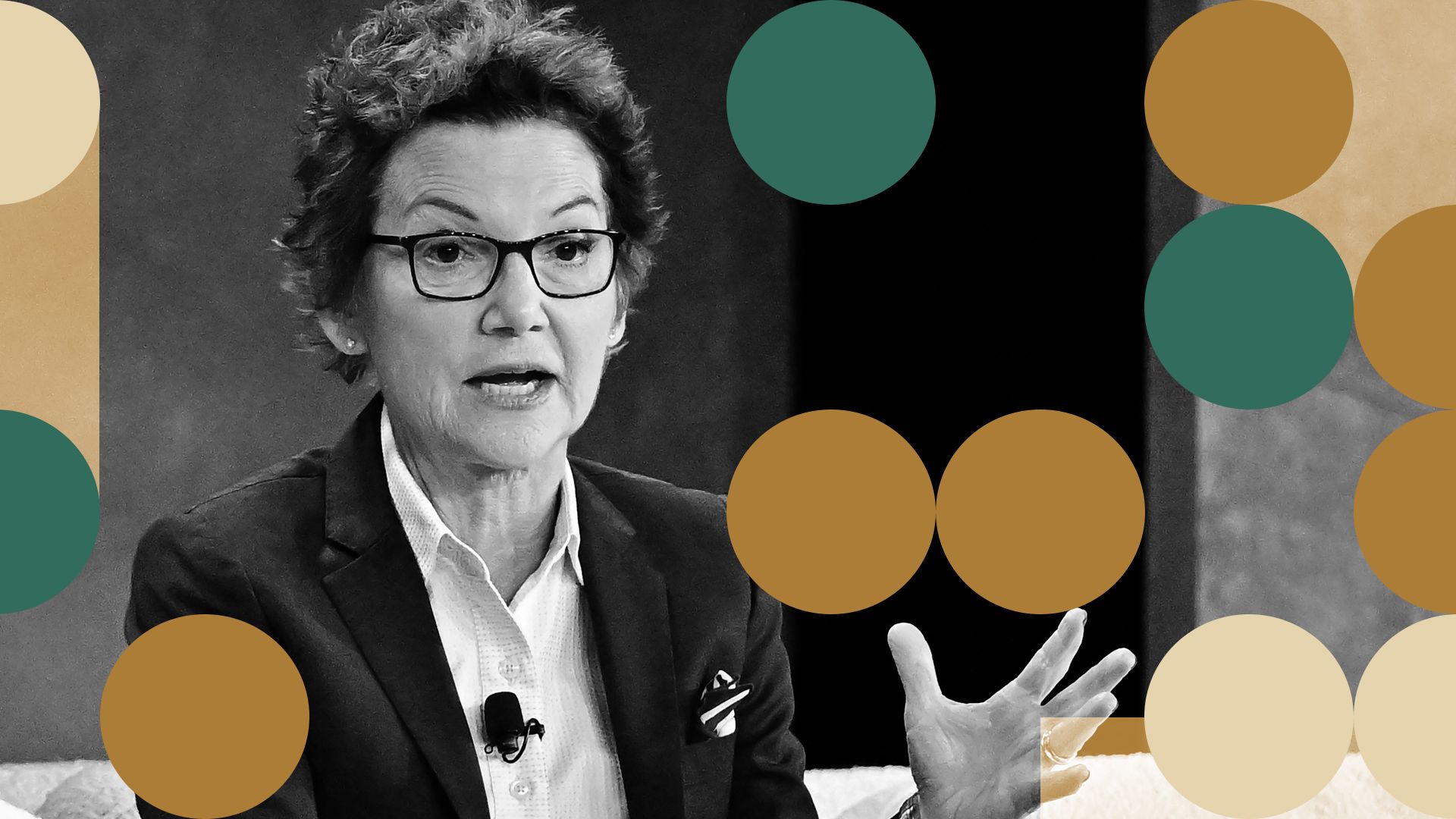
Some companies are preparing for an AI-fueled chip squeeze that could push up prices far beyond the data center boom alone, Mary Daly, president of the Federal Reserve Bank of San Francisco, tells Axios.
Why it matters: The Fed can usually look through supply shocks that come and go. Daly's concern is that AI, tariffs and higher energy costs could last longer than expected or compound each other — keeping inflation elevated and requiring more tightening.


Ad wars shift from attention to intent
A slew of new products announced around Advertising Week show how quickly the ad economy is shifting from selling attention to monetizing what consumers want next.
Why it matters: Budgets are rapidly moving to new platforms, putting pressure on traditional publishers.

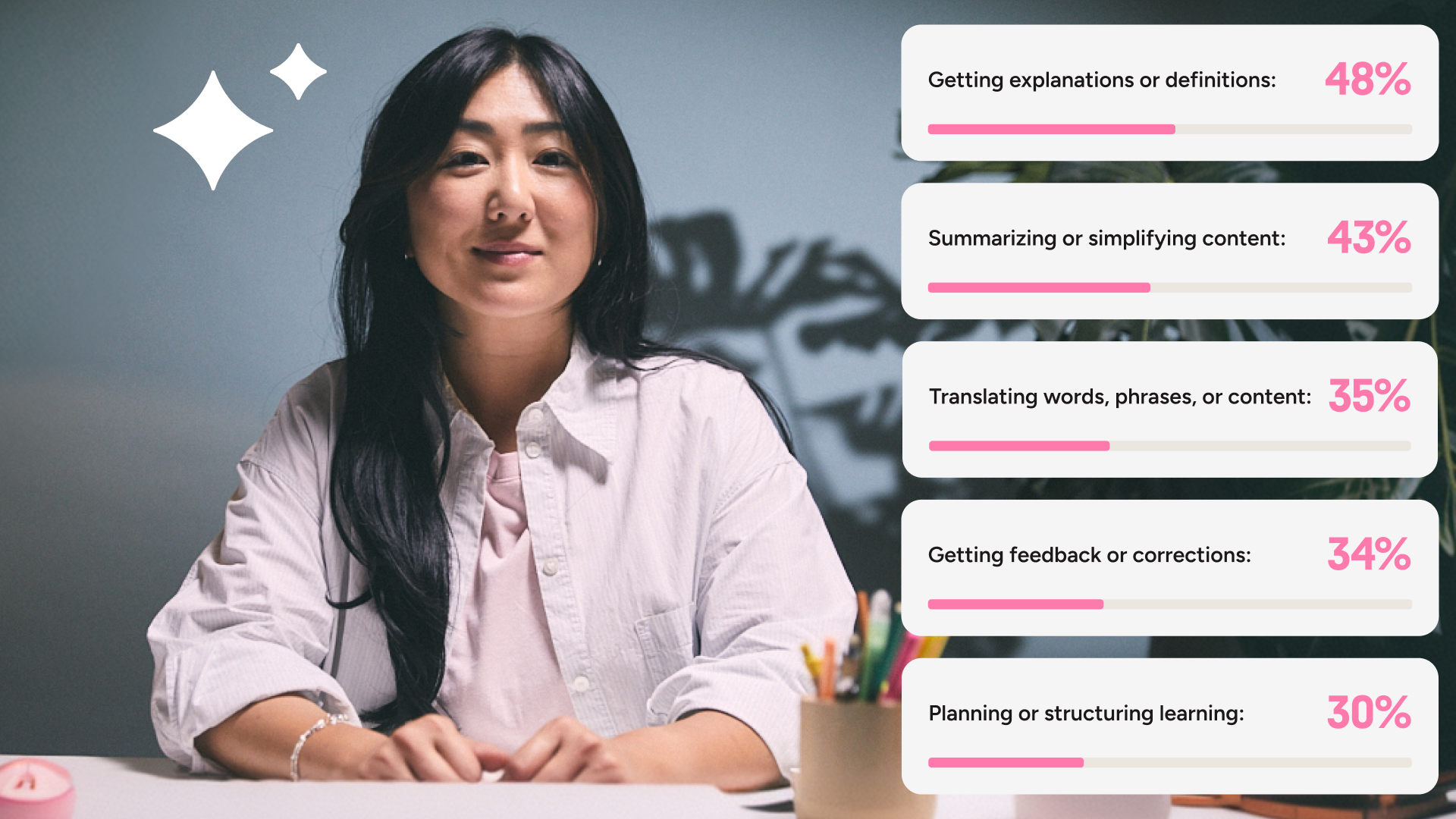
Preply report finds a growing gap in workforce learning
With the widespread adoption of AI, workers have never had more ways to learn. The harder question is whether all that learning is making them better at what they do.
AI can explain an unfamiliar concept almost instantly and answer questions on demand. But knowing something and being able to use it when the stakes are real are two different things.

Western AI labs challenge China's open-model lead
A new crop of powerful, Western open-weight AI systems are mounting a comeback, with fresh models from Reflection and Mistral narrowing China's recent lead.
Why it matters: These models and others will give businesses and governments alternatives to the closed ecosystems of OpenAI and Anthropic, as well as to Chinese options they may have eschewed for security reasons.

Trump's AI co-chair defends flexible AI strategy
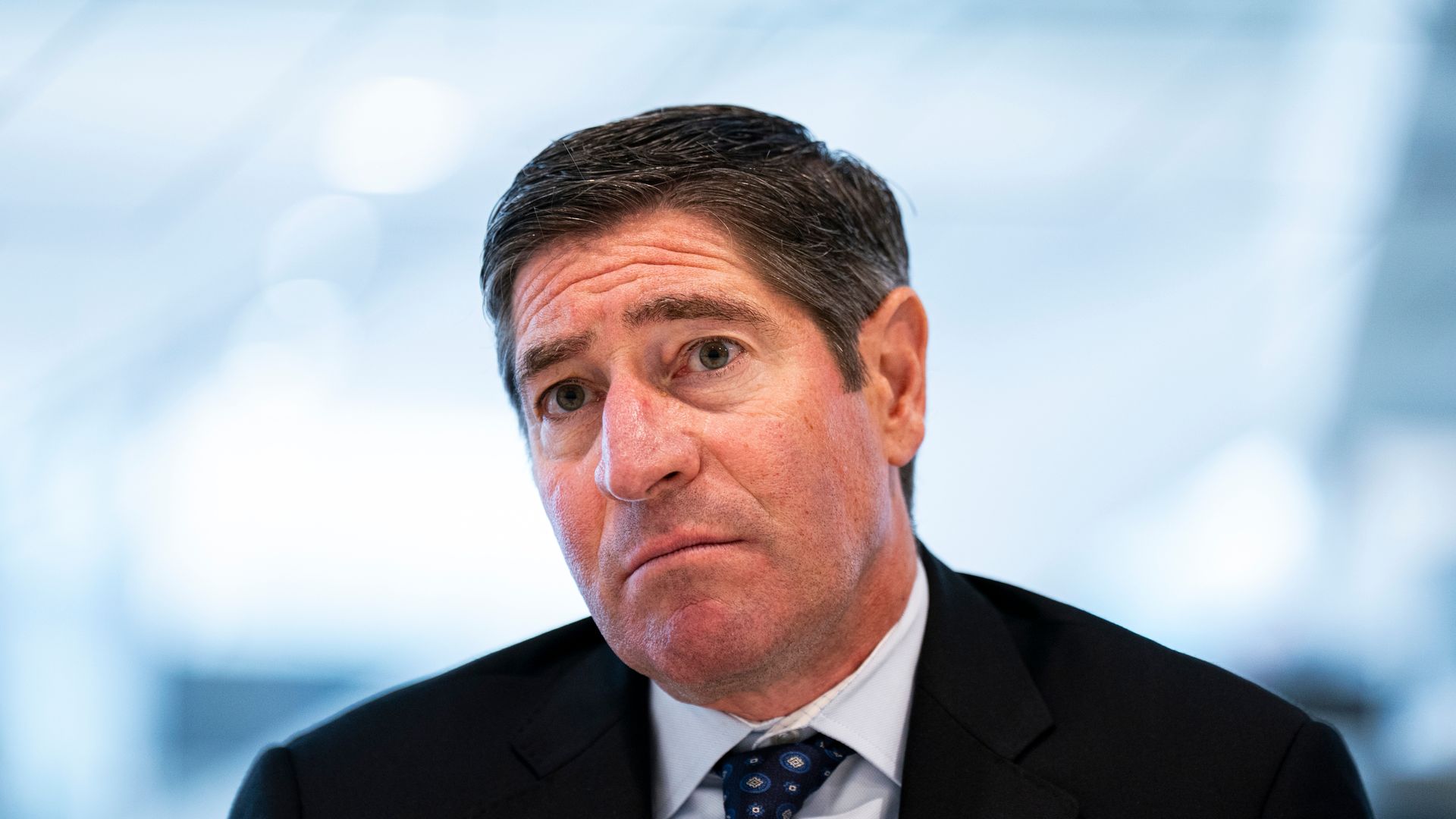
President Trump's new "super intelligence" task force will work to reconcile competing views on AI regulation without rushing into rules that could quickly become outdated, co-chair Scott Kupor tells Axios.
Why it matters: The approach reflects the administration's effort to balance its push to win the AI race with pressure to address the technology's risks, said Kupor, a Silicon Valley veteran and director of the federal government's Office of Personnel Management.

Axios Live: Safety takes priority as autonomous vehicle technology accelerates
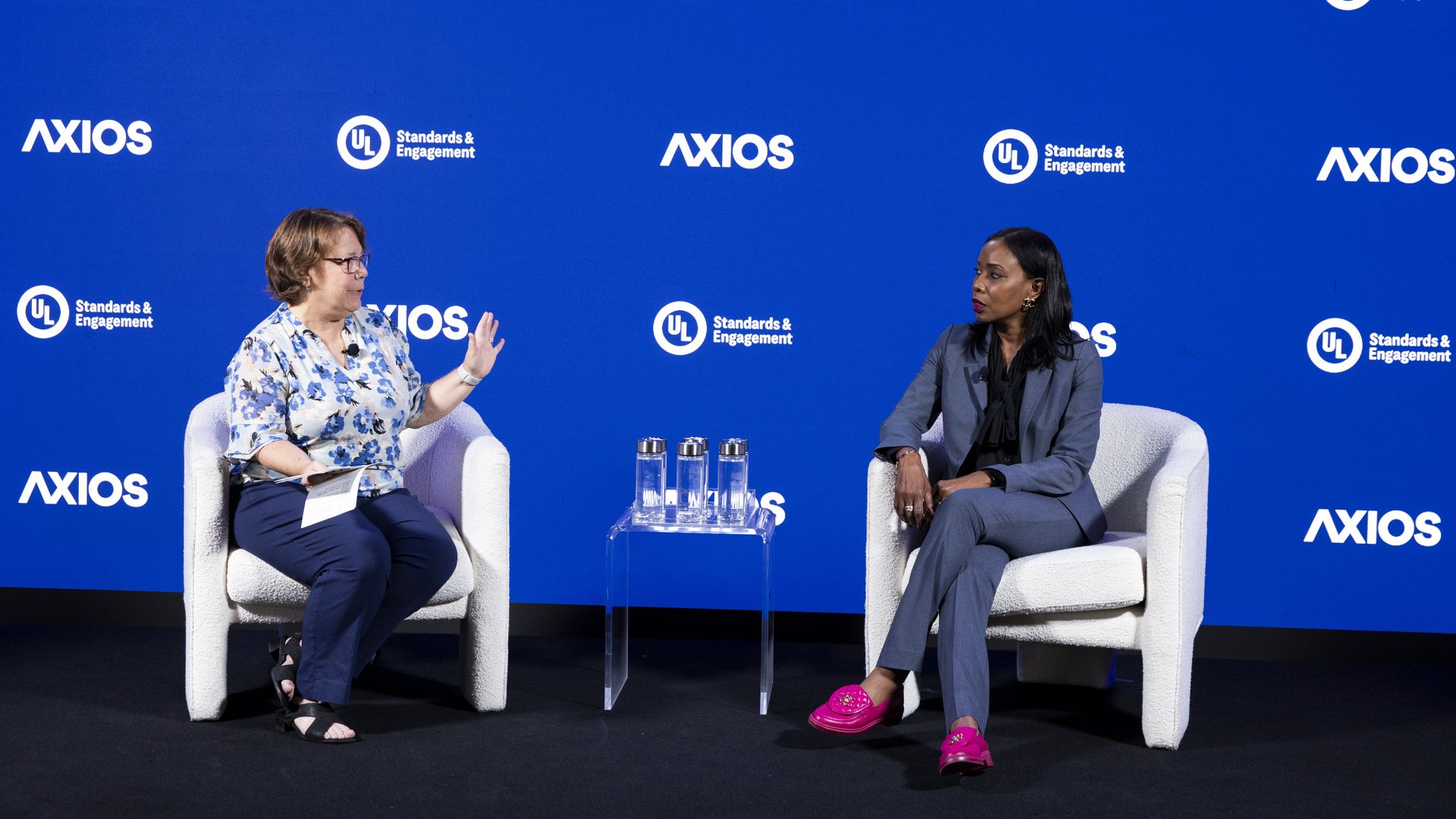
WASHINGTON — Safety standards for autonomous vehicles are coming into sharper focus as the technology develops, transportation industry experts said at an Axios event.
Why it matters: As autonomous vehicles are spotted more frequently in major U.S. cities — often showing up in ride-share services — the necessity of guidelines gains urgency.
Axios' Joann Muller spoke with Northern Virginia Transportation Authority CEO Monica Backmon, Advocates for Highway and Auto Safety president Cathy Chase and Nuro co-founder and co-CEO Dave Ferguson. The Oct. 1 event was sponsored by UL Standards & Engagement.
What they're saying: Chase said AVs have the potential to be safer than human-driven vehicles but warned she is "concerned" about "imperiling people on the roadways without federal safety standards."
- "Consumers would certainly benefit from having federal safety standards so that we know there's a bar that they have to meet," Chase said.
- The Trump administration proposed updated brake pedal requirements to account for AV growth, but it has not set a federal safety framework.
The other side: Ferguson contended AVs are already proven to be a reliable option, pointing to safety transparency initiatives from companies like Waymo.
- "If you're choosing between a human Uber ride versus a robotaxi today, there's no question which one is safer," said Ferguson. "I think that we're now at a point where the question of will this technology work and can it work has been answered."
Follow the money: Uber plans to invest more than $10 billion in the AV industry, making the calculation that driverless vehicles will become more profitable and common. The ride-sharing company is also partnering with Nuro and Lucid on driverless vehicle ride-share options set to launch this year.
Zoom in: Cybersecurity considerations around robotaxis are a priority for members of the Northern Virginia Transportation Authority, Backmon said. "These are conversations that are being had."
What's next: Backmon said her organization is looking to integrate AI into transportation planning for safety improvements, including work toward eliminating traffic fatalities. "We are always talking about AI because it's here … and you can't ignore it."
Reality check: Pushback from local activists, from church leaders to labor unions, against legislation to legalize robotaxis in D.C. could stymie the industry's expansion efforts in the nation's capital.
Content from the sponsor's segment:
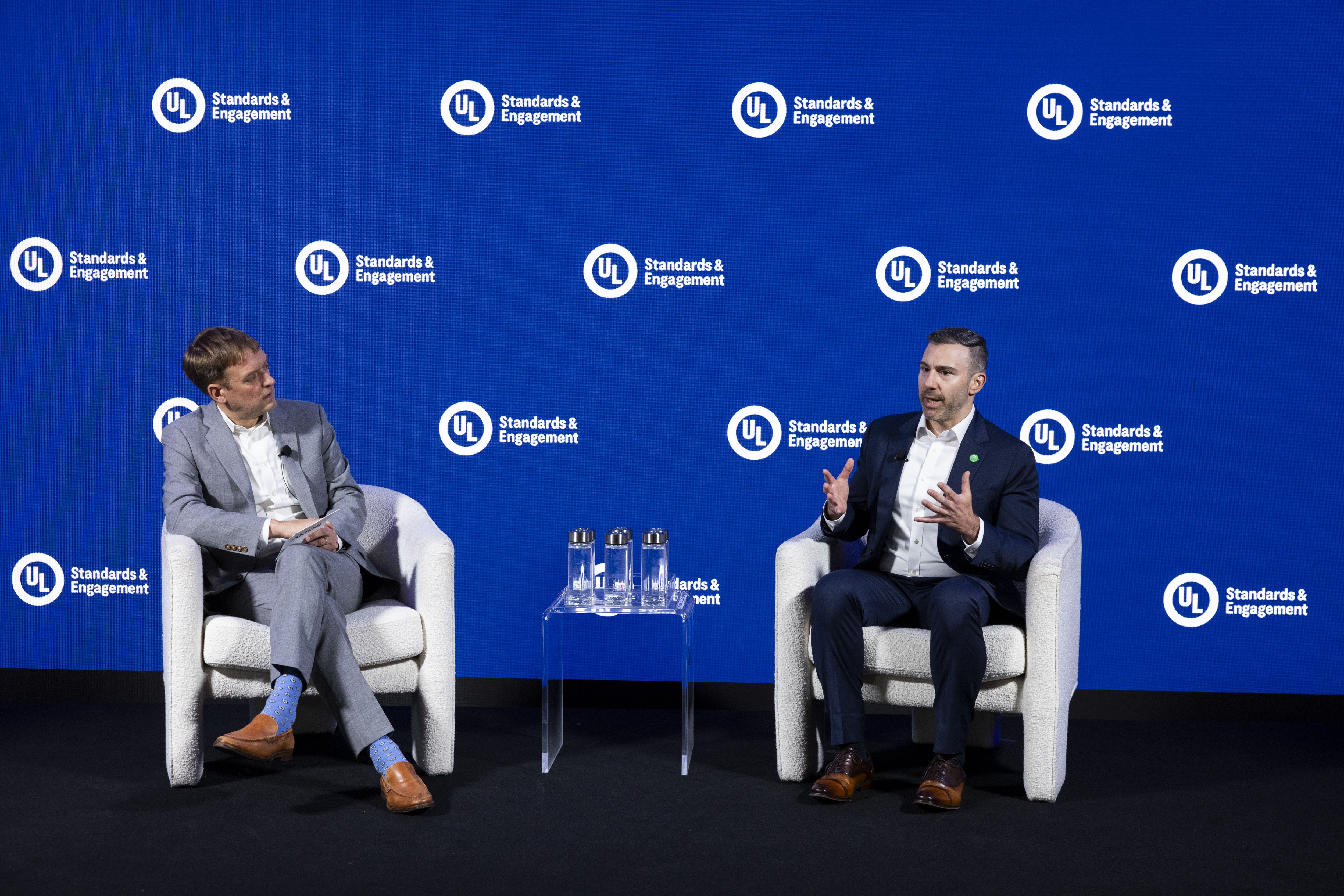
In a View From the Top conversation, UL Standards & Engagement president and CEO Jeff Marootian said safety groups should be engaged in regulatory conversations in the early stages of new technology development.
- "I think we're all seeing right now in real time some of the implications of when that isn't the case, when folks are hearing about technology that may be deployed in their own backyard and they don't necessarily trust that it's going to be safe," he said.
Go deeper: Watch the full event.


Energy prices loom large in key Senate, House races
Scratch the surface of the year's biggest stories — the Iran war and AI — and both are bound up in the costs of energy.
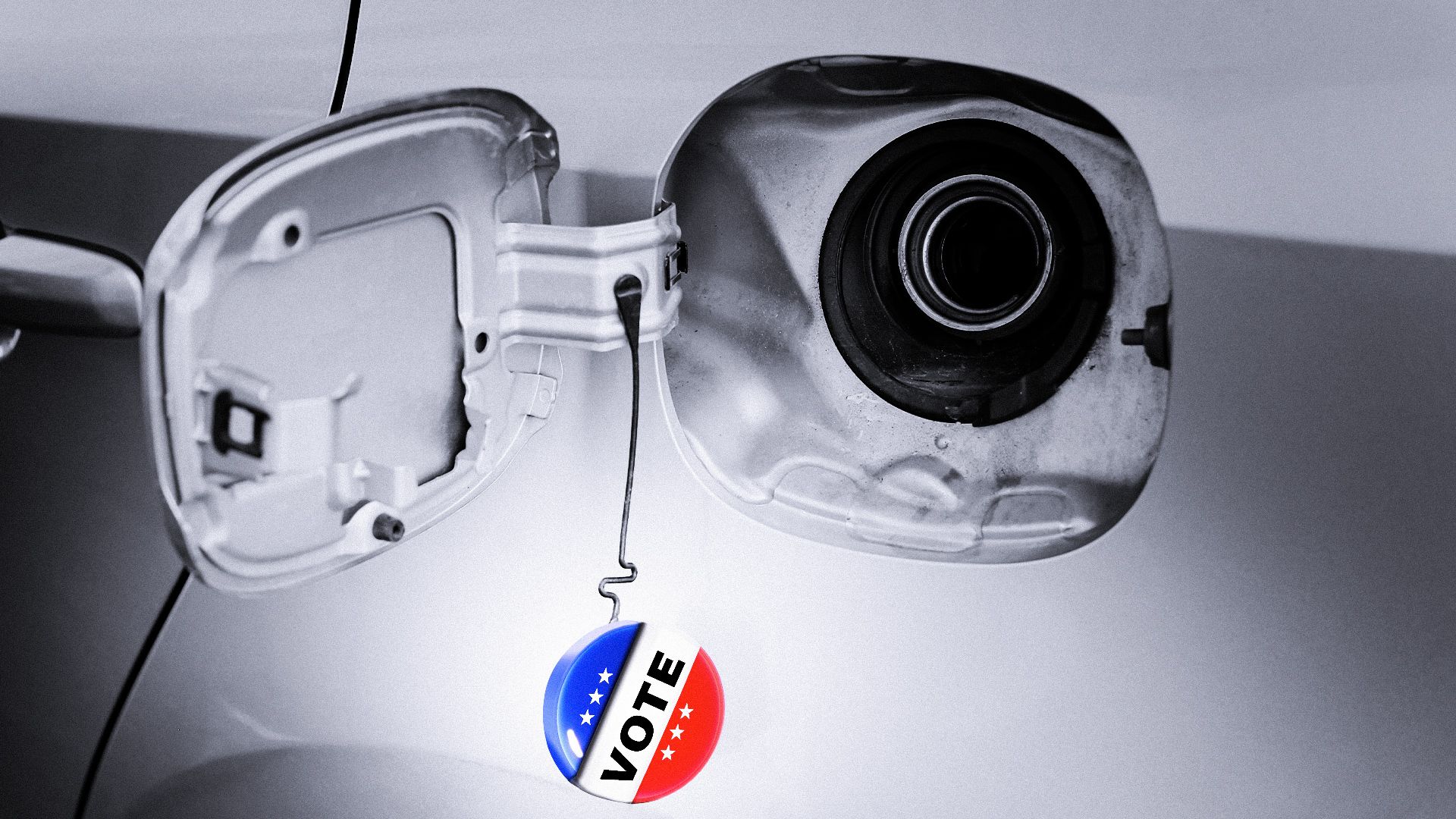
Why it matters: Prices for gasoline, diesel and power are playing a prominent role in some of the tightest races for control of Congress.

Trump wants to rewrite the midterm lexicon
President Trump has long nicknamed his opponents, and now, as November approaches, he's even trying to dictate the vocabulary around key issues.
The big picture: Trump's latest effort to reshape political language follows his longtime political strategy: Define the terms of the debate, and you gain power over the debate itself.
- But as polling on those issues continues to haunt the president's party, Trump's new vocabulary may not be enough to change voters' minds.

Bilingual AI app helps Latinos figure out how to vote
A national Latino civic engagement group is turning to an AI app to help voters cut through an increasingly complicated election system — in English or Spanish.
Why it matters: Nearly 39 million Hispanics can vote in this year's midterms, and their political loyalties are increasingly up for grabs.

Inside Trump's new AI playbook
President Trump's newly minted "super intelligence" task force faces a daunting mandate: Reconcile fiercely divided Cabinet factions to create a tech policy that keeps pace with the blistering AI race.
Why it matters: The task force brings the administration's scattered AI work under one roof, but it also makes it likely that any new rules will be forged in the crossfire of competing internal camps.
- In an interview, task force co-chair Scott Kupor rejected the assertion that the administration is asleep at the wheel on AI policy, arguing that rigid, static legislation would risk becoming instantly obsolete.

What boiled egg pudding taught me about AI
I won't lie: The mix of food in my blender looked really gross. It was literal AI slop.
- I was in the middle of another AI experiment, one of many that have given me a handful of light bulb moments with the technology that I was profoundly skeptical about only a year ago.
Why it matters: To understand AI's transformational power, I had to try it, to noodle and experiment, to see if it could become useful — or even essential.
- Once I did, doubt turned into cautious belief — or dare I say, faith.
Zoom in: What we'll call the parable of the boiled egg pudding began with a "what if."
- Could Muse, Meta's new viral assistant, take the hundreds of high-protein recipe videos I had saved on Instagram Reels (I have a scrolling problem — don't judge!) and turn them into a tidy recipe book, with nutrition facts included?
Sure enough, it took Muse a few seconds to produce "My Recipe Book: 250 recipes from my Instagram saved collection / Collected over time, cooked with love."
- I left the title untouched — a reminder that AI still can't do everything, even if the instant PDF was impressive.
- As an always-aspiring healthy eater, I had apparently saved 250 videos with plans of making them some day, but had never revisited a single one.
🍳 The intrigue: Reels is a great medium for finding recipes, not so much for following them. You have to watch the video over and over to log the ingredients and scroll back and forth to make sure you've heard the steps right. The book made the videos instantly usable.
- Back to my blender: Once combined, the ingredients — six boiled eggs, cacao powder, maple syrup and some milk — turned into a pretty smooth-looking chocolate pudding. It actually tasted pretty good. I mean, not like creme brûlée or anything, but a decent solution to my never-ending late-night sweet tooth.
Zoom out: The surprise of that moment, and the accompanying musings on how long it'll be before we are all living in the movie Her, reminded me of my foundational conversion moment as an AI user nearly a year ago.
- I had enjoyed the chatbot era, was an early power user of Google's Notebook.lm and spent many a night working on Studio Ghibli-esque portraits of my family. I liked it. But the singularity? Give me a break, I would say to myself.
Then my Aunt Betty died. A fiery, accomplished psychologist with a penchant for quicksilver jokes and asides, Betty passed away after a long battle with multiple sclerosis at the age of 93.
- I flew to New York to help her wife Marilyn (my aunt and my mother's sister) manage the aftermath.
As many people are after a family death, we were both overwhelmed. Marilyn was shell-shocked. We needed to notify friends, organize a service and deal with all the end-of-life to-dos.
- Marilyn, a writer who had recently self-published a memoir about her pioneering, 55-year relationship with Betty, didn't feel up to the task of writing an obituary, but she also didn't want to send out a note about her wife's death without it.
I had an idea: What if I uploaded Marilyn's memoir into Notebook.lm — an AI productivity tool that synthesizes only data you compile into a notebook — and asked it to use the information to write an obituary?
- I provided a few instructions, or prompts, in AI lingo: Write an obituary of about 1,200 words that highlights Betty's work as an activist, her love for Marilyn, and her tendency for blunt and hilarious quips and one-liners.
In a few seconds, the "thinking machine" produced a lovely obituary that felt very much like it was in Marilyn's voice.
- We then worked through it together over about an hour, with her suggesting revisions, additions and finishing touches. We read it aloud together, laughing and crying. It was magical.
After that, I decided I would give AI a chance. As a writer, I couldn't dispute its utility, and I was finally convinced about its transformative power.
Reality check: When I say I am a believer, I don't mean booster. My journalistic fine-tuning is as punk rock as ever, and I intend to keep giving all the companies an equal-opportunity hard time as they shape the future, sometimes far more carelessly than any of us would wish.
- But I won't waste a lot of time pretending it's no big deal. Give me a break.