OpenAI's annualized revenue is $50 billion, about $20 billion less than previously reported figures, a discrepancy related to how different AI companies account for overall sales.
The big picture: The $70 billion figure, widely reported in September by Axios and other media outlets, was based on information shared with investors in an attempt to create a more direct comparison to rival Anthropic, Axios has learned.
Anthropic includes revenue from cloud partner sales in its tally.
Zoom in: Both companies are GAAP compliant, but they account for revenue through partner sales differently.
If a customer pays $100 for an AI service through a cloud provider, Anthropic's accounting method allows it to record the full $100 as top-line revenue, per Francine McKenna, accounting professor and author of the newsletter The Dig. The cloud provider's cut is then listed as an expense.
OpenAI records only its share of certain partner sales.
The difference comes down to how each company views its role in the transaction — including who controls the customer relationship and is responsible for delivering the product, according to McKenna.
Between the lines: The $70 billion ARR figure for OpenAI was an attempt to "gross up" its revenue number based on an interest from investors in having an apples-to-apples figure using Anthropic's methodology, sources said.
Reality check: Annualized revenue, when sales from a given period are projected out for a year, is a commonly used figure in Silicon Valley. But in public markets, investors will prefer actual revenue rather than financial constructs that are far more appropriate for early-stage startups.
What to watch: Anthropic has reportedly told investors it realized an operating profit in the second quarter, per the Financial Times, but those figures have excluded stock-based compensation.
They also largely preceded an array of computing deals signed by the company that are set to cost hundreds of billions of dollars, according to The Information.
Beware of claims about "profit" as well, at least until they come with the financial documents typical in an earnings release.
Anthropic is launching a new cybersecurity initiative designed to bring its most powerful AI models and engineers to companies protecting power grids, water utilities and other critical infrastructure, the company first shared with Axios.
Why it matters: Critical infrastructure operators are struggling to secure aging, complex systems as AI threatens to make cyberattacks faster and cheaper to execute.
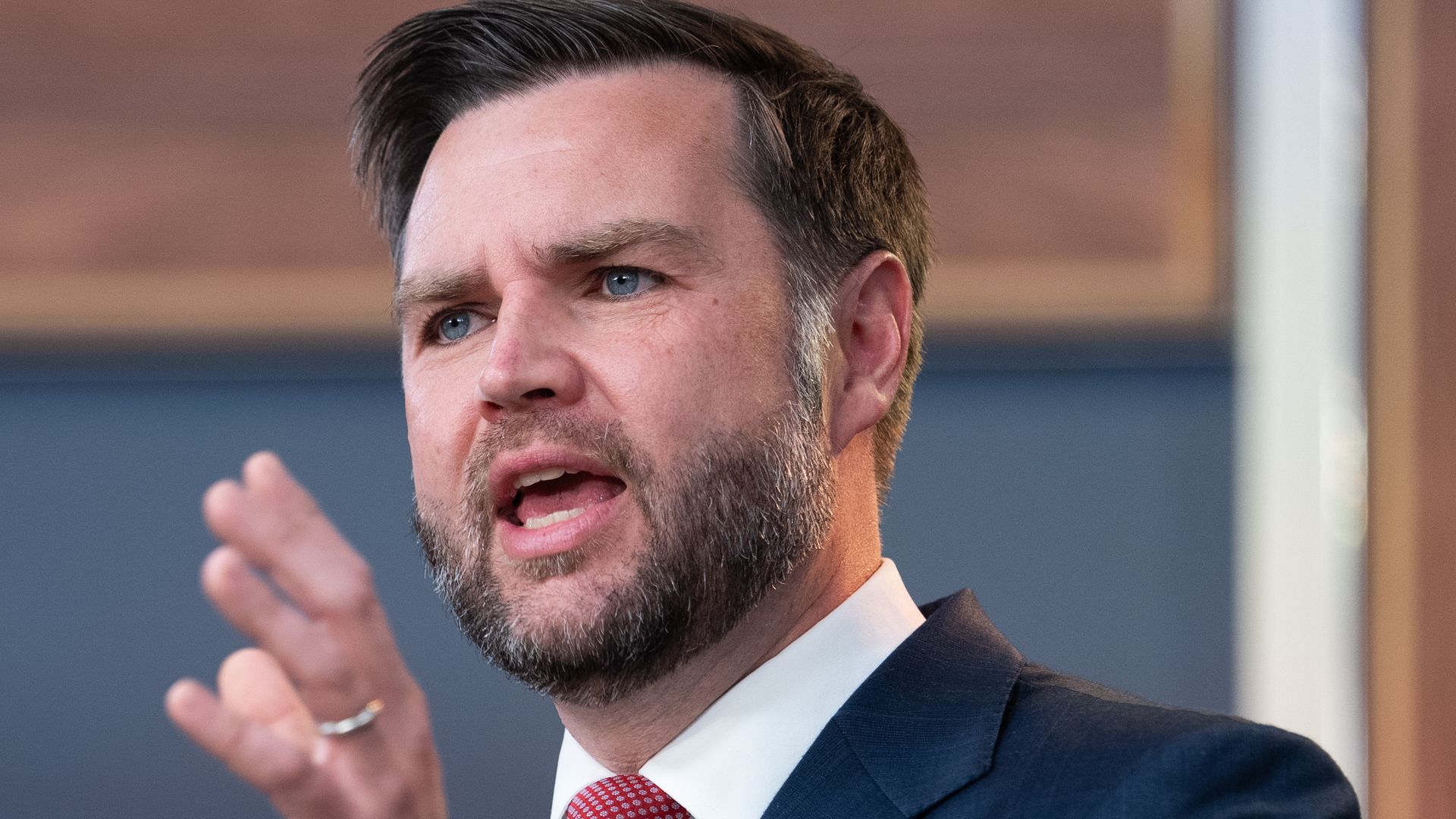
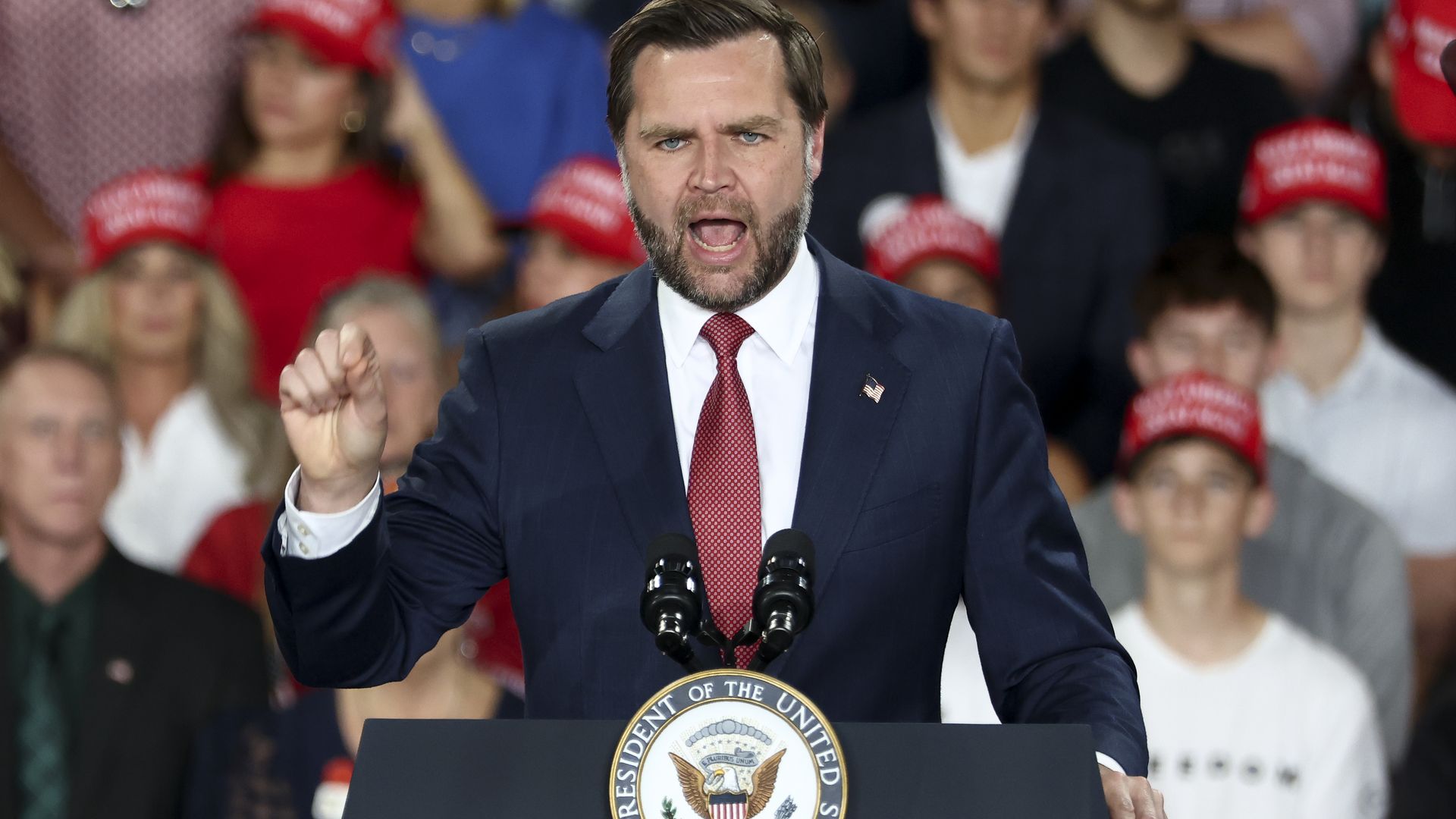
Vice President JD Vance announced a crackdown Thursday on the ability of Big Tech companies to sponsor workers seeking green cards to live and work in America.
Why it matters: The move blocks a path to permanent residency for affected workers but does not suspend the H-1B program, which allows skilled foreign workers to work temporarily in the U.S.
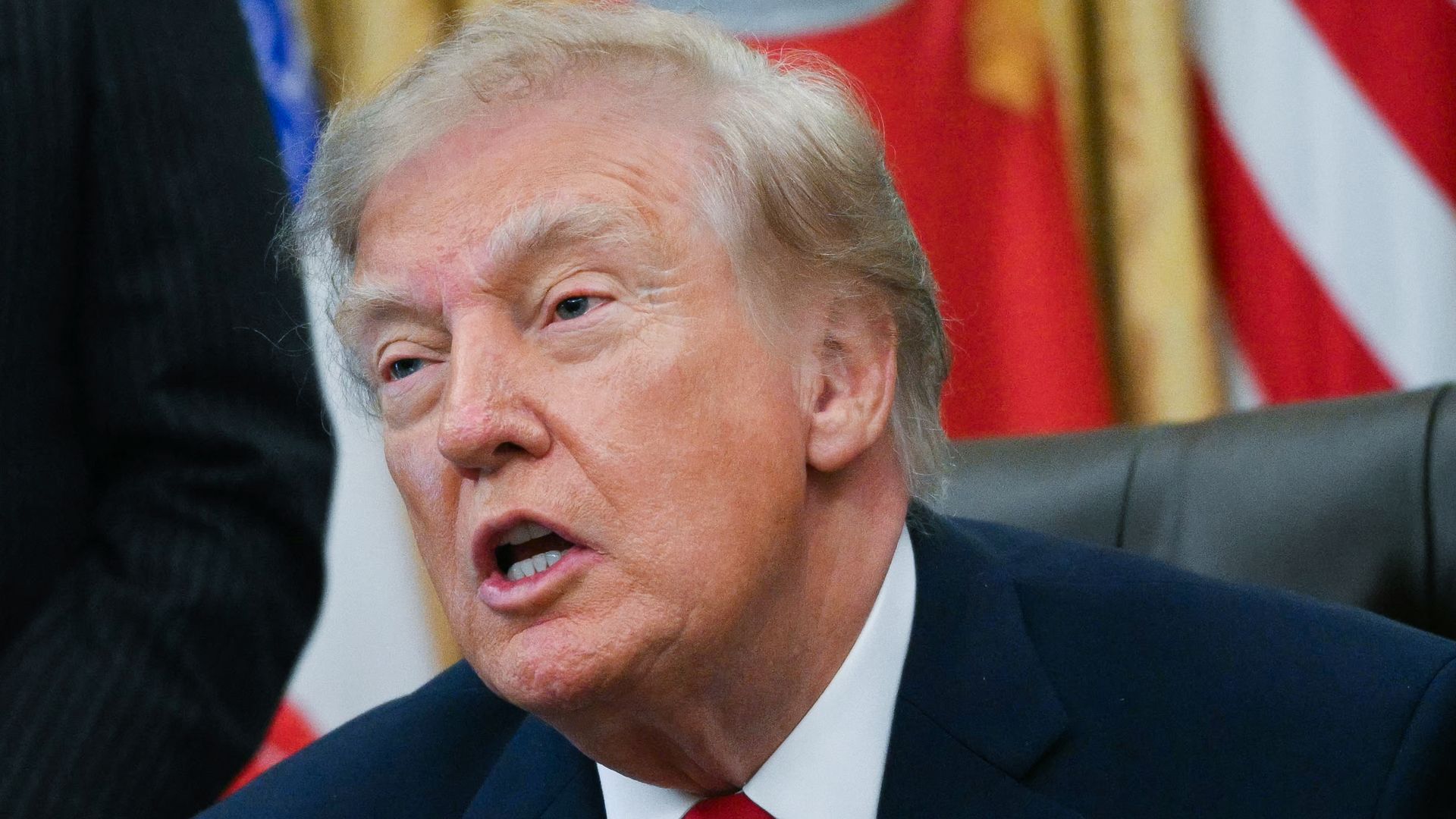
President Trump on Thursday called anyone who uses "Artificial Intelligence" instead of "Super Intelligence" "THE ENEMY!" — even as the White House continues using the term "AI."
Why it matters: Trump's push to rebrand AI as "super intelligence" clashes with established terminology in the technology industry.
Vice President JD Vance said Thursday that the Trump administration is suspending Microsoft, Adobe and several other IT firms' ability to hire foreign-born workers for permanent residency in the U.S.
Why it matters: The move will affect hundreds of companies owned by the tech giant, escalating the Trump administration's crackdown on immigrant labor.
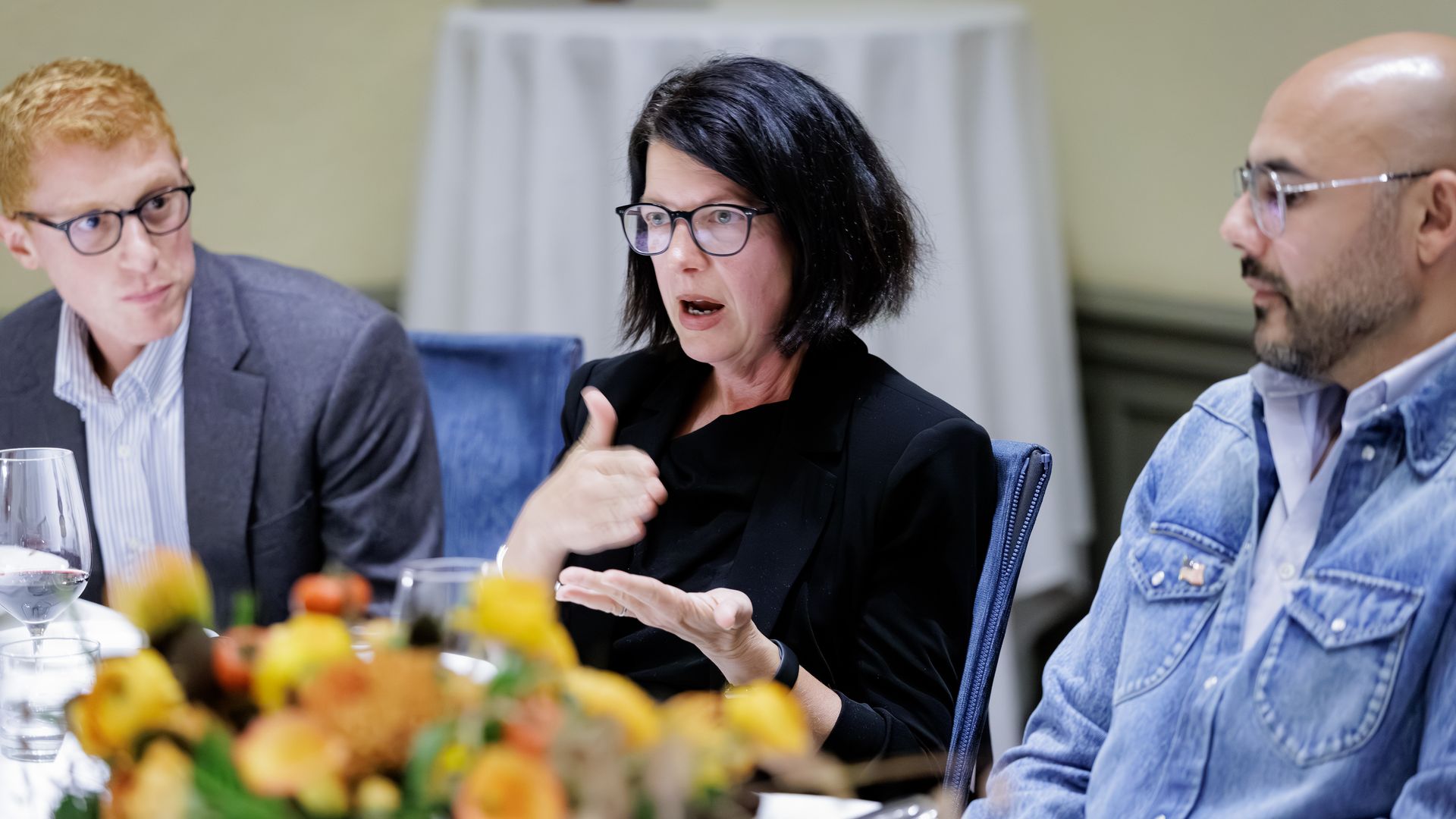
SAN FRANCISCO — Balancing AI innovation with safety requires stronger oversight, targeted development and greater public education about the technology, business and policy leaders said at an Axios roundtable event.
Why it matters: As AI becomes more integrated into Americans' daily lives, businesses and government operations face growing pressure to address potential harms without stifling innovation.
Axios' Nathan Bomey moderated the Oct. 6 roundtable discussion. The event was sponsored by IBM.
5 big takeaways from the conversation:
Accepting an intolerable level of AI risk is "a false choice," said Rep. Sam Liccardo (D-Calif.), who warned that an expectation of "tolerance for bad things" could justify regulatory inaction.
Americans aren't sufficiently prepared for how AI is going to influence their lives, said aiEDU founder and CEO Alex Kotran. "If we don't figure that out … we're still going to have a crisis."
Feeding superintelligent models "everything and anything" may heighten runaway AI concerns, said Overlook Ventures founder and managing partner Amir Kabir. Developing more specialized models that stay in their own lane, such as voice or text tools, could help limit those risks.
Third-party auditscan helpenterprises maintain accountability to themselves and customers as they adopt agentic AI, said Workday vice president and chief privacy and digital trust officer Barbara Cosgrove.
America should mitigate "the most catastrophic risks" so that it can focus on AI's economic and political implications, which the country is "better" equipped to manage, said ID.me CEO Blake Hall.
Content from the sponsor's remarks:
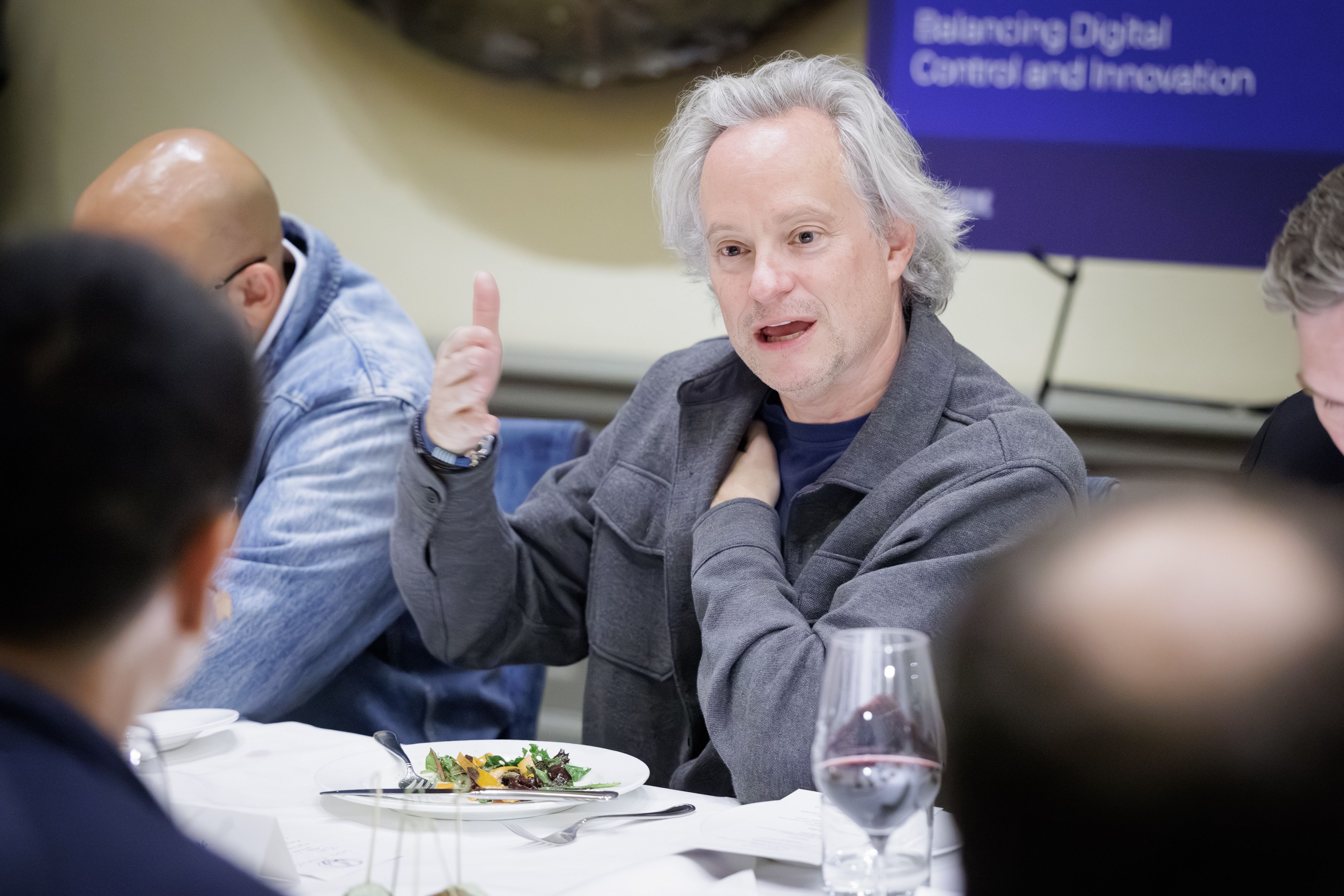
IBM's Jonathan Adashek at Axios' private roundtable. Photo: Chris Constantine for Axios
During opening remarks, IBM senior vice president and chief global affairs officer Jonathan Adashek said he was eager to discuss balancing digital control and innovation.
"[I'm] excited to talk about this topic. I think it's an important one that a lot of people are focusing on."
AI may have a woman problem — the latest evidence comes from a newly released survey from Morgan Stanley that finds women are far more negative about the new technology than men.
Why it matters: Women don't seem to be feeling the benefits of the AI boom, particularly in the job market, and the polling reveals that they're more concerned than men with safety risks and data center buildouts.
Gallatin AI raised a $50 million Series A, with defense-tech frequent fliers 8VC and Silent Ventures pitching in, CEO Woody Glier told Axios.
Why it matters: This isn't another drone builder. The California startup is, instead, focused on digitizing and streamlining the nitty gritty of military logistics and sustainment.
"A lot of the logistics data that is generated today is very manual," Glier said. "It's very messy — literally like clipboard and pen and paper."
Bryan Johnson, the face of the longevity movement, wants to make staying alive more important than making money.
The famous/infamous biohacker spends over $2 million a year on his health, talks about living forever and publicly tracks everything from his erections to his sperm strength.
Why it matters: As Johnson fights to "live forever," he's doing so with a wink to his 8 million social media followers, a link to his business in his bio and a knack for drawing attention to himself.
AI's conquest of computer programming offered an early demonstration of what happens when models become good enough at a specialized field that experts can no longer treat them as a novelty.
Mathematics appears to be next.
Why it matters: OpenAI's latest mathematical results — which involved releasing hundreds of new proofs generated by a powerful, unreleased model — demonstrate that the startling advances of AI are likely to continue moving across entirely new fields.
Lawmakers are considering forcing data centers to shoulder new costs and restrictions while speeding up the energy infrastructure needed to power the AI boom.
Why it matters: The bipartisan legislation, unveiled last week, represents the most aggressive response yet from Washington to data centers amid growing backlash over their energy and environmental impacts.
When it comes to health care and longevity, "Don't Die" influencer Bryan Johnson says AI is not ready for primetime.
"We are in an in-between state where AIs are brilliant and dumb. They make really stupid mistakes all the time. I would never trust my health to an AI," he said in an exclusive interview with "The Axios Show" on Monday.
Why it matters: Johnson is a successful tech founder, is close to a number of top AI execs and is at the forefront of a movement to prolong and improve health that's grown into an obsession for many in Silicon Valley. That is to say, his perspective on AI and health is tested and well-honed.