The European Commission fined Google the equivalent of about $1 billion Thursday for manipulating its search results to hurt competitors and blocking app developers from directing customers to cheaper deals outside its Play store.
Why it matters: The penalty lands a day before the White House is expected to impose a new round of tariffs and follows a warning to the EU from U.S. Trade Representative Jamieson Greer to stop imposing fees on U.S. tech companies.
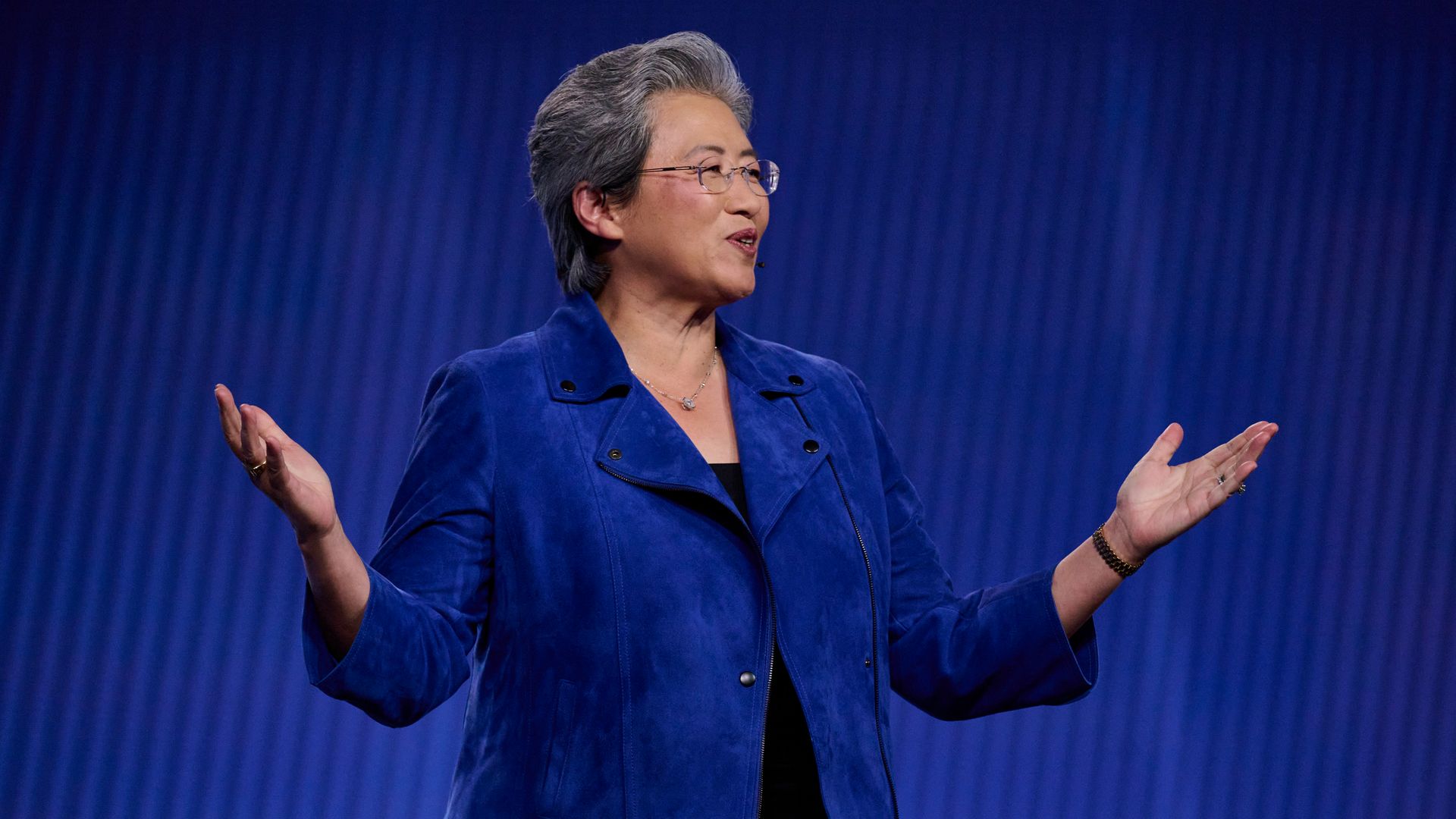
AMD on Thursday announced a partnership with Cerebras that will let customers split AI inference workloads across the companies' systems.
Why it matters: Inference is the part of AI computing that turns a trained model into a response, making it central to the speed and cost of everyday AI services.
The relentless run-up in Treasury yields reflects the globe's new economic reality: It takes a much richer reward to persuade investors to lend their money, especially for the longer run.
Why it matters: Unlike previous bond sell-offs driven by inflation fears, this one reflects a world in which governments and companies are scrambling for enormous amounts of capital to finance wide fiscal deficits, the AI infrastructure buildout and more.
Brands are increasingly tapping graffiti, hip-hop music and other connections to cultural communities to create campaigns that don't feel like traditional advertising.
Why it matters: Communication leaders overseeing these efforts need to walk a fine line of participating in a community without coming off as exploitative.
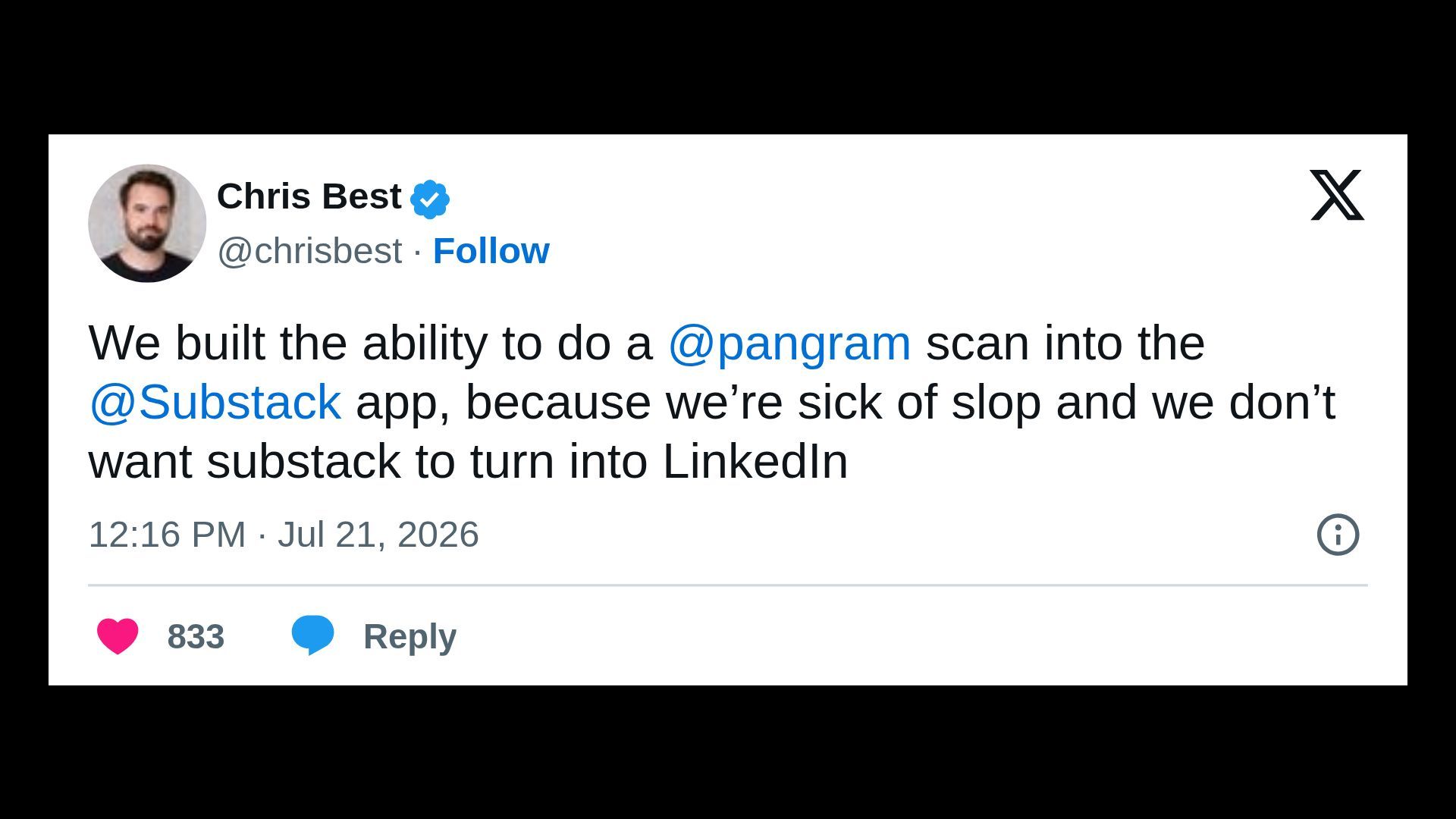
Substack is betting that subscribers, and the sponsors they attract, value authenticity and are willing to pay for content that is verifiably created by humans.
Driving the news: The media platform is partnering with Pangram, an AI-detection tool, to allow users to estimate how much text on the platform — including posts and comments — was made with AI.
The last timethis few Americans were filing for unemployment benefits, Creedence Clearwater Revival topped the music charts, while "Butch Cassidy and the Sundance Kid" was the star of the box office.
Driving the news: Only 187,000 people filed new claims for unemployment insurance benefits last week, pointing to an astoundingly low level of firings across the economy. It was the lowest since September 1969.
The labor force was much smaller then, too, so relative to the number of workers, this is easily the lowest number of jobless claims on record.
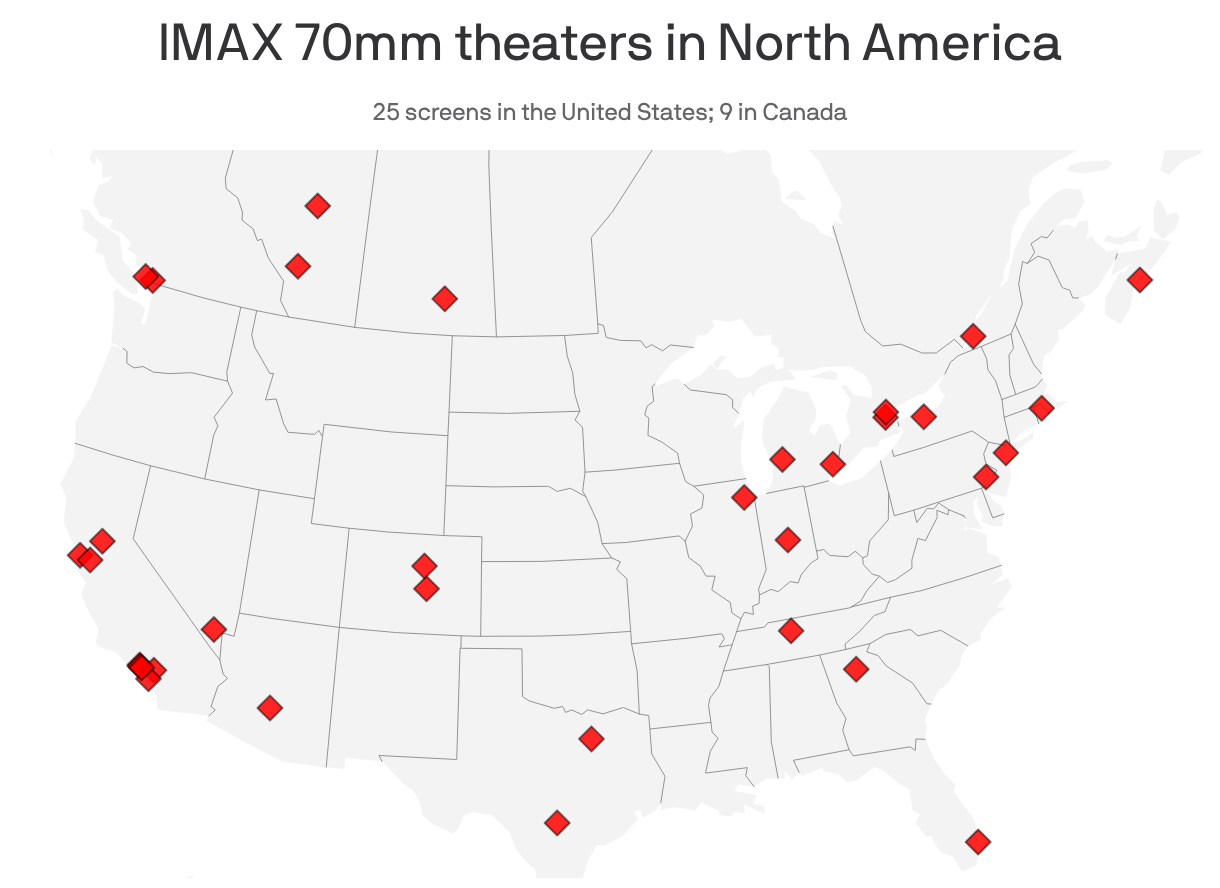
Just 26 theaters in the U.S. can project "The Odyssey" in IMAX 70mm, the giant-format film technology, and they're not equally spread out across the country.
Why it matters: Movie fans hoping to experience the film exactly as director Christopher Nolan intended might have to embark on an odyssey of their own.
Poor morale among employees is contributing to delayed model releases from Google's DeepMind AI lab, according to conversations with half a dozen current and former Google DeepMind employees.
Why it matters: As the company's cash flow just turned negative, investors and competitors are questioning Google's standing in the AI race.
Yelp is licensing reviews, photos and other business information to OpenAI, giving ChatGPT a new source of real-time local recommendation data, the company tells Axios exclusively.
Why it matters: The partnership is an acknowledgment that chatbots are increasingly taking market share from traditional search as consumers turn to AI models for everyday queries.
AI use has spread across a broad range of occupations, but it has yet to become the job-automating force many workers fear, according to a new Google study of nearly 15 million interactions with Gemini.
Why it matters: The report offers a broad snapshot of real-world AI use, highlighting the gap between jobs that could be affected by AI, jobs where workers are using AI and tasks being automated.
Meta CEO Mark Zuckerberg on Thursday laid out an optimistic view of the agentic future, arguing the company's focus on connecting the world will only be strengthened with new AI tools and technologies.
Why it matters: His position is framed as a stark contrast to some of Meta's AI competitors, who — according to a video ad posted with Zuckerberg's comments — promote fear and a dystopian vision of the future.
Nvidia CEO Jensen Huang wants Washington to stop letting "science fiction" about AI influence policy — telling me in an hourlong interview that overreaction could slow adoption and weaken America's competitive edge.
Why it matters: Huang is influential with the Trump administration, putting him at the center of a debate with enormous consequences for America's AI future.
A markets mystery has perplexed some analysts this year: Why are stocks sitting near all-time highs while the global economy is rocked by geopolitical conflict and inflation pressures?
Why it matters: The usual retort is that the stock market is not the economy, buta new report from Moody's offers a more nuanced explanation.
Markets have adjusted to the new economic world order — you just have to know where to look.
Frontier AI models are getting scary good at breaking rules in ways their creators didn't anticipate.
Why it matters: Forget AGI and superintelligence timelines. Today's models are already slipping past guardrails, carrying out sophisticated, multistep cyberattacks and — in at least one case — compromising real-world infrastructure, sometimes before their creators know what happened.
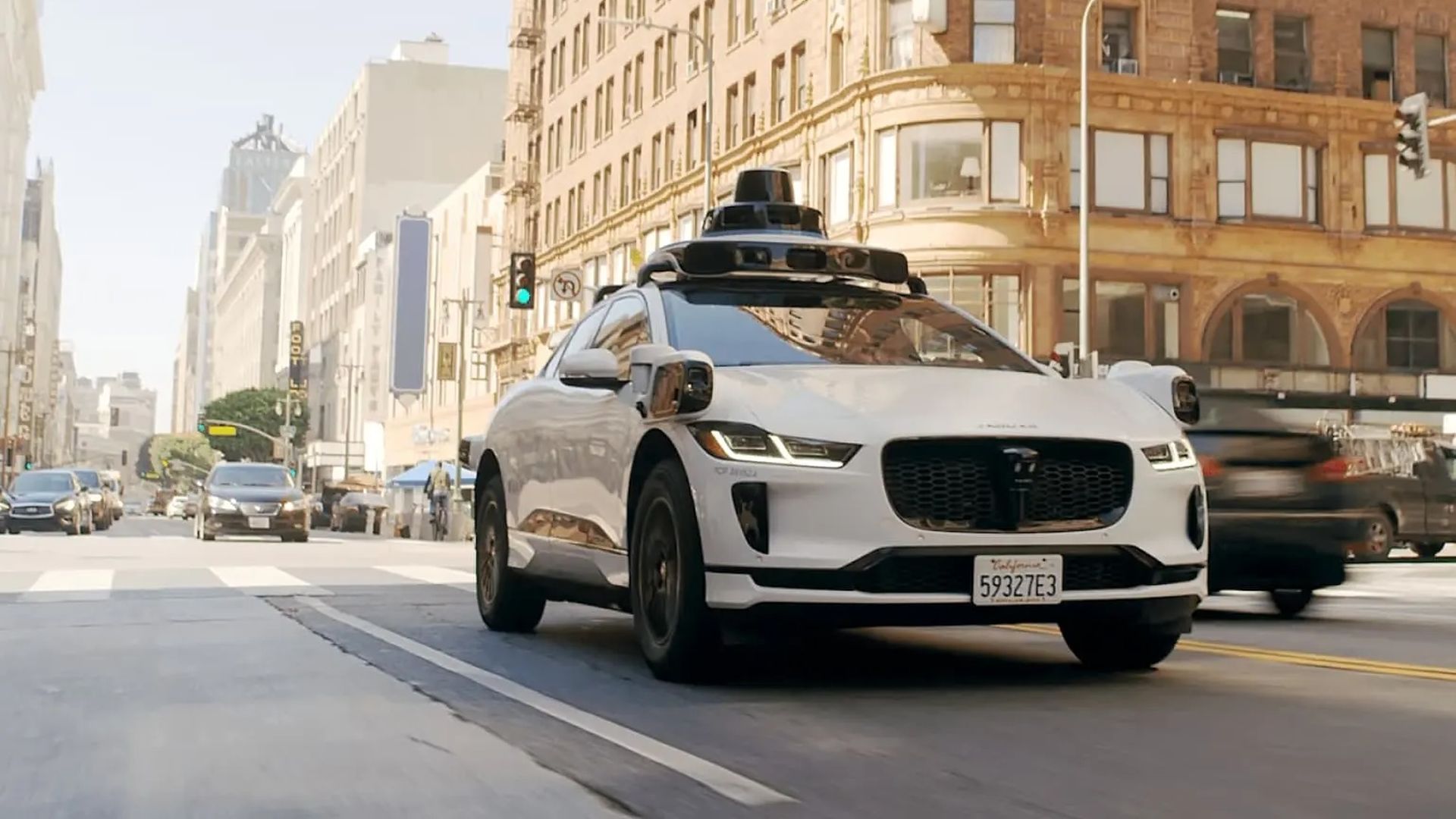
An independent study finds Waymo's robotaxis are involved in fewer crashes than human drivers — a key milestone for earning public trust.
Why it matters: The research from the Insurance Institute for Highway Safety offers some of the strongest evidence yet that driverless vehicles can outperform human drivers on safety.