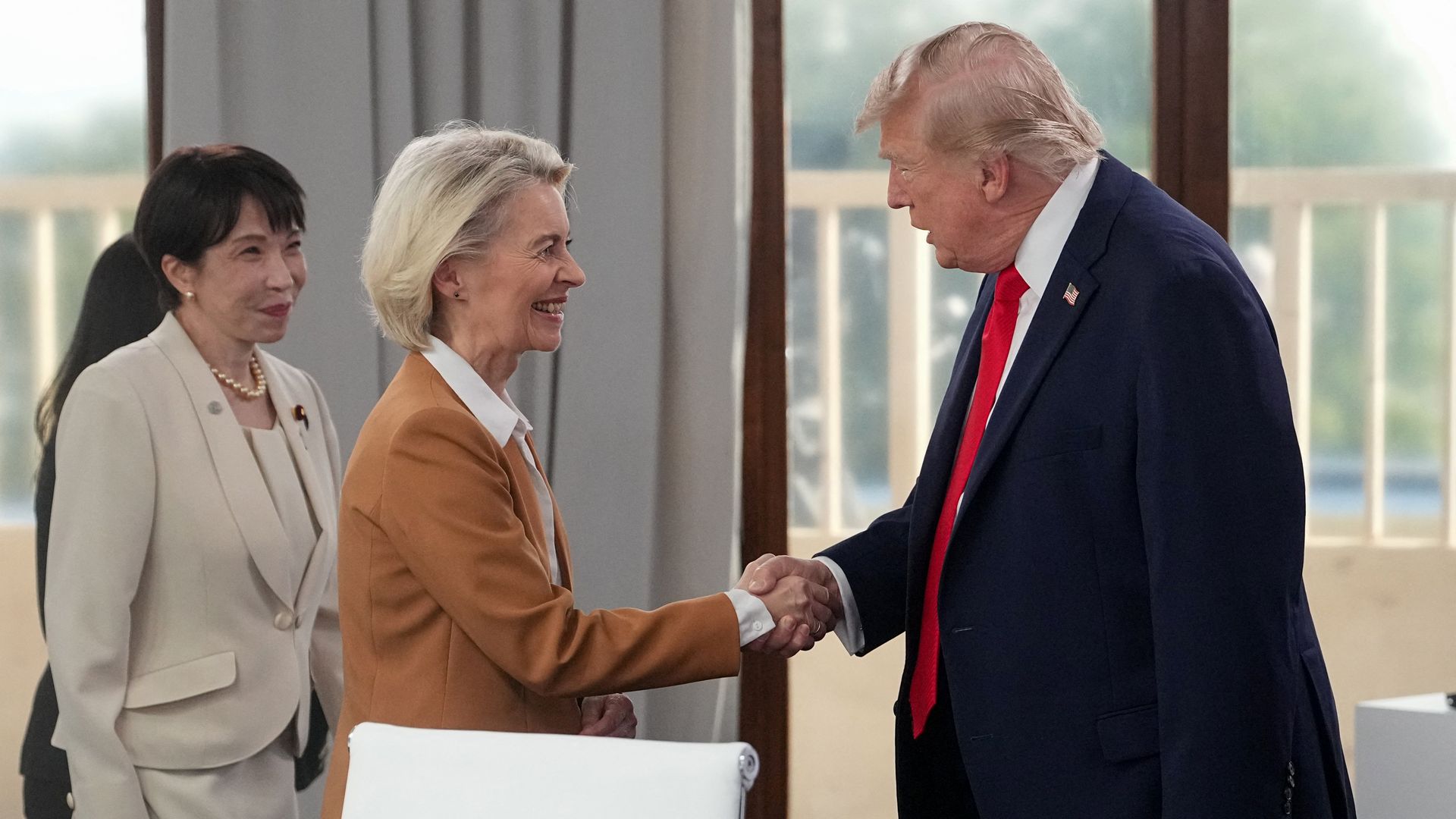
President Trump threatened Friday to impose "a substantial tariff" on the European Union over the bloc's penalties against U.S. technology companies.
Why it matters: It opens a new front in the transatlantic trade dispute, with Trump signaling he's willing to use tariffs to retaliate against European regulation of American tech giants.
Anthropic on Friday is releasing Claude Opus 5, a new AI model designed to deliver performance close to its most powerful model, Fable, on many tasks at half the price, the company said.
Why it matters: Opus 5 is Anthropic's fourth Claude 5 model release in less than two months, underscoring how AI deployment has shifted from blockbuster launches to rapid improvements on capability, cost and speed.
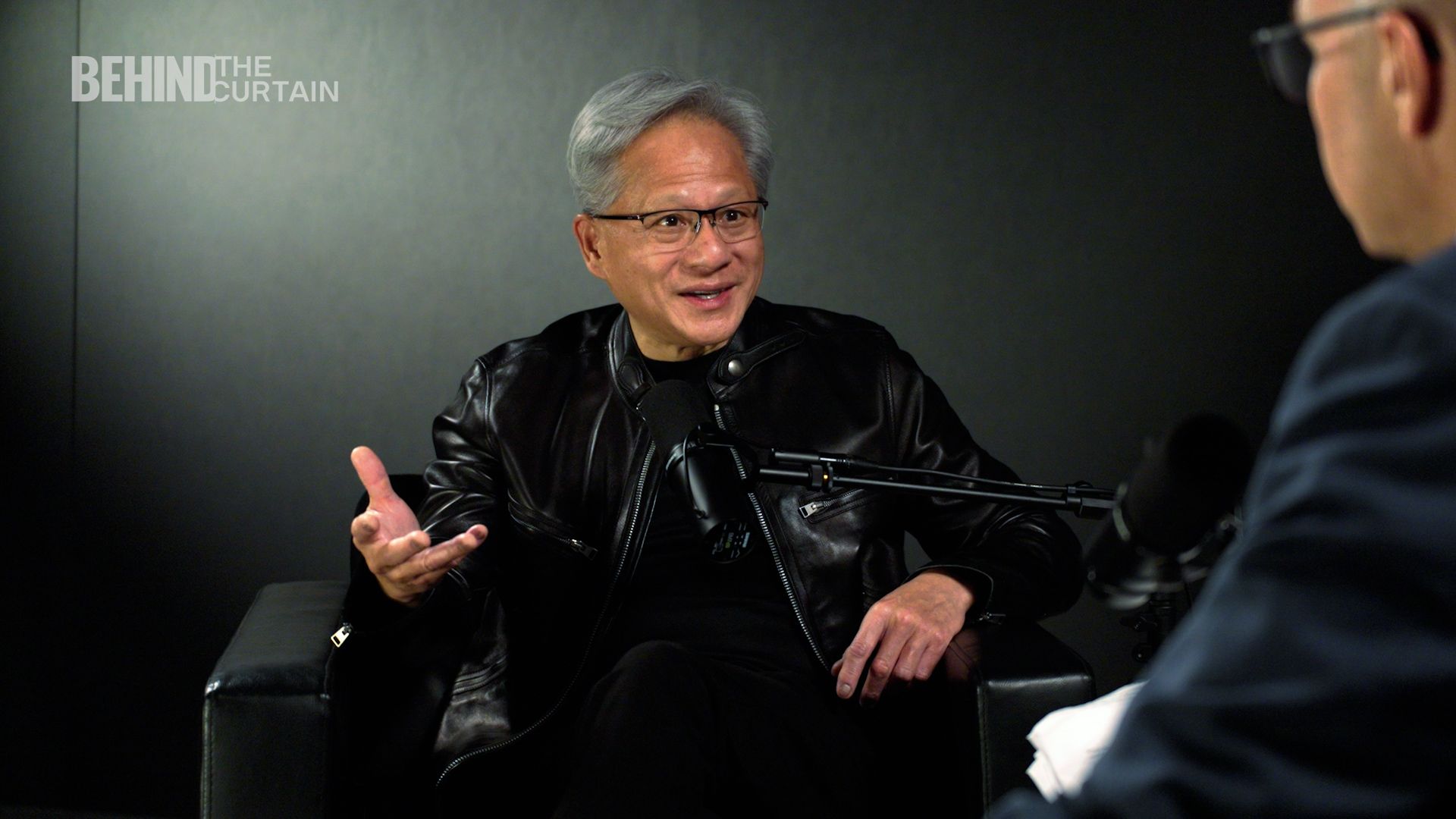
Nvidia CEO Jensen Huang thinks the artificial intelligence revolution is a wellspring of new jobs, rather than a labor market grim reaper set to bring on the employment apocalypse.
The big picture: Huang's optimism puts him at odds with the dire warnings of a white-collar bloodbath.
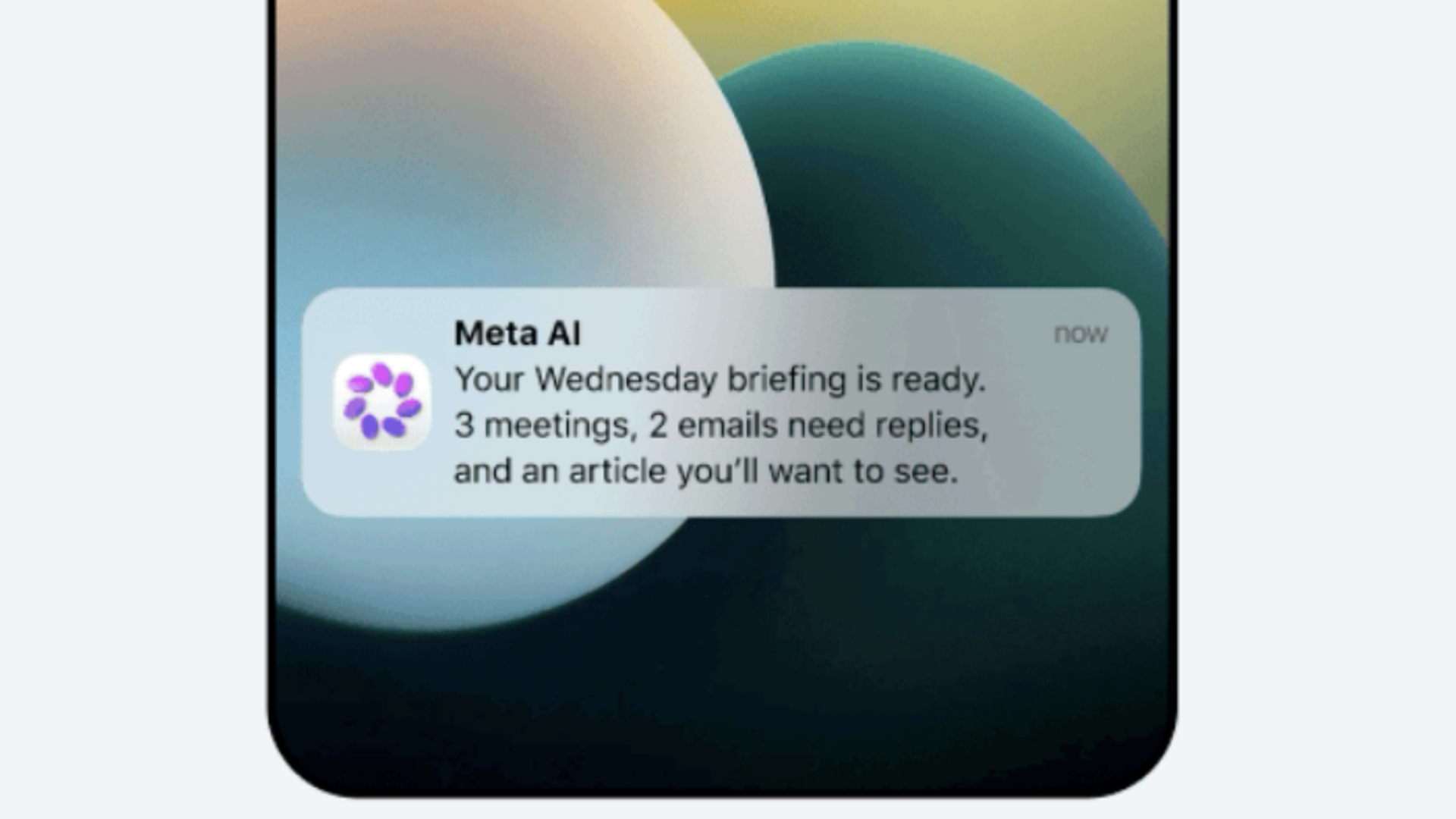
Meta is giving its AI assistant new agent-like capabilities powered by Muse Spark 1.1, its latest model.
Why it matters: The effort is part of the "personal superintelligence" vision outlined by CEO Mark Zuckerberg, though the company's AI software remains less powerful than that of rivals.
The wars in Iran and Ukraine show how the drone tech revolution makes it easier — and cheaper — to interrupt energy supplies by striking refineries and oil tankers.
Why it matters: It's an important reason why oil traded at $100 per barrel this week and gasoline and diesel fuel are so expensive these days.
Nvidia CEO Jensen Huang says that despite the chip industry's long history of boom-and-bust behavior, "this time is different."
Why it matters: As the leader of the world's most valuable public company and the most important maker of AI semiconductors, Huang's words carry weight when it comes to an industry that is increasingly driving the markets and the economy.
We ask almost every AI architect and leader the same thing in private: What AI risk worries you most?
Almost all of them fire back the same response: a killer pathogen, spreading too silently, widely and quickly to stop.
Why it matters: The rare agreement among AI experts flows from the belief these advanced models could help a bad actor create a deadly pathogen before the government and industry perfect detection and prevention systems.
The Trump administration this week staked out a new position that could reshape its approach to AI policy, accusing Chinese companies of stealing U.S. technology even as it defends open AI development.
Why it matters: That distinction could become the foundation for U.S. action against Chinese AI companies without broadly restricting the open-weight models that businesses, researchers and startups increasingly rely on.