LONDON — It was national-security concerns, not commercial aircraft buys, driving the conversation at the Farnborough International Airshow this year.
Why it matters: It's a sign of the (increasingly prickly) times.
Russia continues to bombard Ukraine. The U.S. and Iran are exchanging deadly salvos. NATO has pledged more spending and more munitions. And industrial players are elbows out on some of the flashiest contracts.
Driving the news: Several people Axios chatted with said this year's defense-contractor presence and announcement cadence were the most they had experienced at the airshow.
"Based on the world right now and where the money's being spent, it's no surprise," Doug Martens with Honeywell Aerospace said.
"The defense sector is booming right now."
Zoom in: Even the commute — by train or by car or by foot — was cluttered with defense-tech ads: drones at the train station, satellites at the bus stop, radars in the roundabout.
Follow the money: Here are some of the latest deals and technologies that have people talking:
BAE Systems revealed Brontanax, a loyal-wingman drone that's roughly the same size as the company's Hawk trainer aircraft. It's a product of FalconWorks and is expected to fly for the first time next year.
General Atomics and MBDA will work together to outfit the former's unmanned aircraft, like MQ-9B and Gambit 6, with the latter's miniature cruise missile, Spear.
Beta debuted itsMV250, a hybrid-electric vertical-takeoff-and-landing aircraft. Others involved in the project include GE Aerospace (propulsion) and Sikorsky (autonomy).
QinetiQ said it's investing £20 million, or nearly $27 million, into the development of laser weapons and associated products. The company is part of the U.K.'s DragonFire consortium, alongside MBDA and Leonardo.
Venus Aerospace and Lockheed Martin are teaming up on rotating detonation rocket engines. The two are interested in applying RDREs to long-range precision fires.
Rolls-Royce, Avio Aero and IHI Corporation said they are one step closer to ground-testing an engine for the Global Combat Air Program, which Canada recently joined as an observer.
Tekever unveiled AR6, a line of heavy-lift drones. Both military and civilian markets are being targeted, the company said.
What's next: Many more defense bazaars and summits, including Paris Air Show in 2027.
AI's impact on American life isn't just at work. It's also at home, where it's helping with dinner and bedtime, learning our routines, overhearing arguments and never clocking out.
Why it matters: The AI debate has largely focused on jobs and productivity. But a quieter shift is unfolding at home, where AI is also evolving from an on-demand assistant into an always-on presence that remembers, anticipates and increasingly acts like a member of the family.
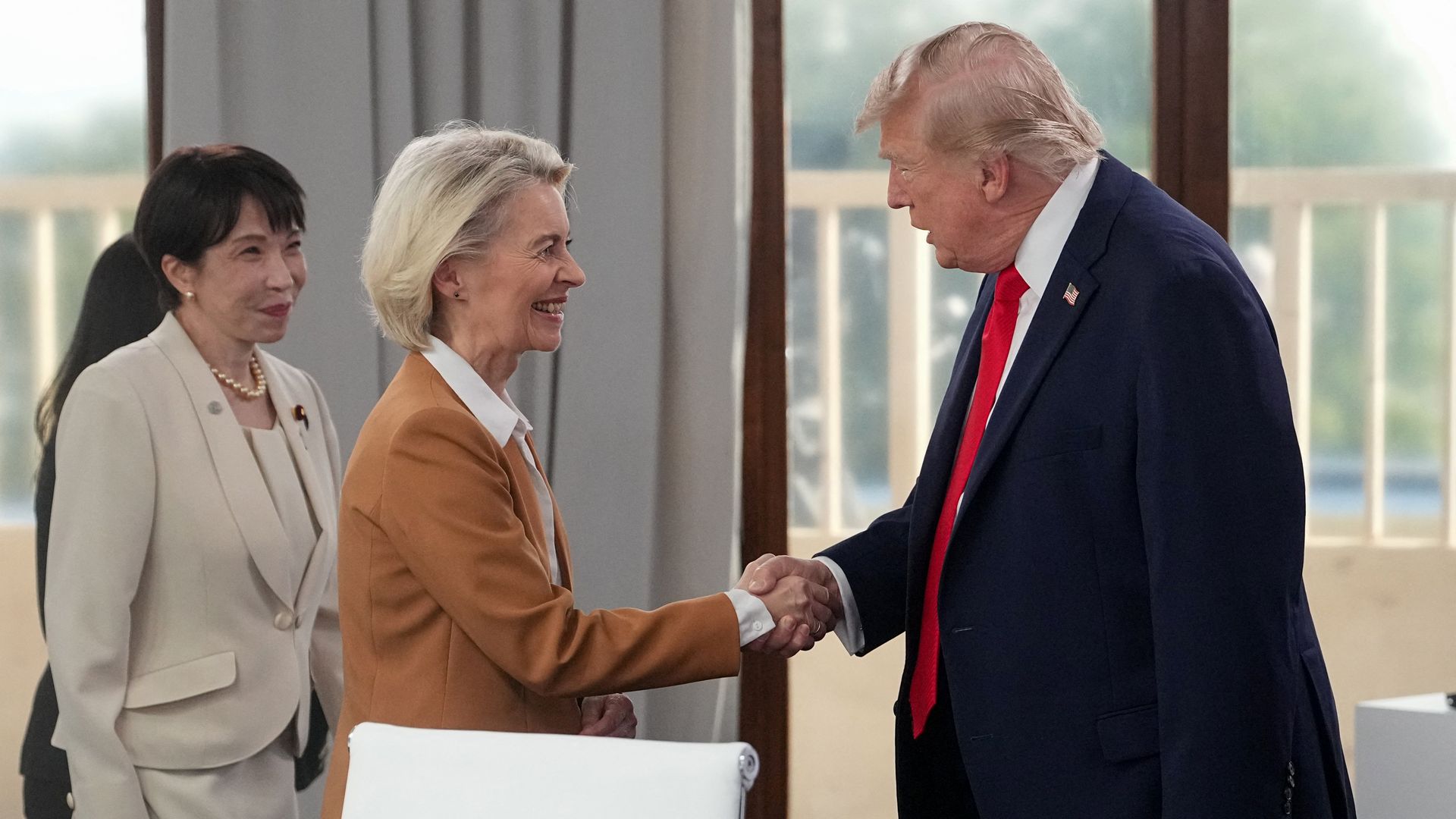
President Trump threatened Friday to impose "a substantial tariff" on the European Union over the bloc's penalties against U.S. technology companies.
Why it matters: It opens a new front in the transatlantic trade dispute, with Trump signaling he's willing to use tariffs to retaliate against European regulation of American tech giants.
Anthropic on Friday is releasing Claude Opus 5, a new AI model designed to deliver performance close to its most powerful model, Fable, on many tasks at half the price, the company said.
Why it matters: Opus 5 is Anthropic's fourth Claude 5 model release in less than two months, underscoring how AI deployment has shifted from blockbuster launches to rapid improvements on capability, cost and speed.
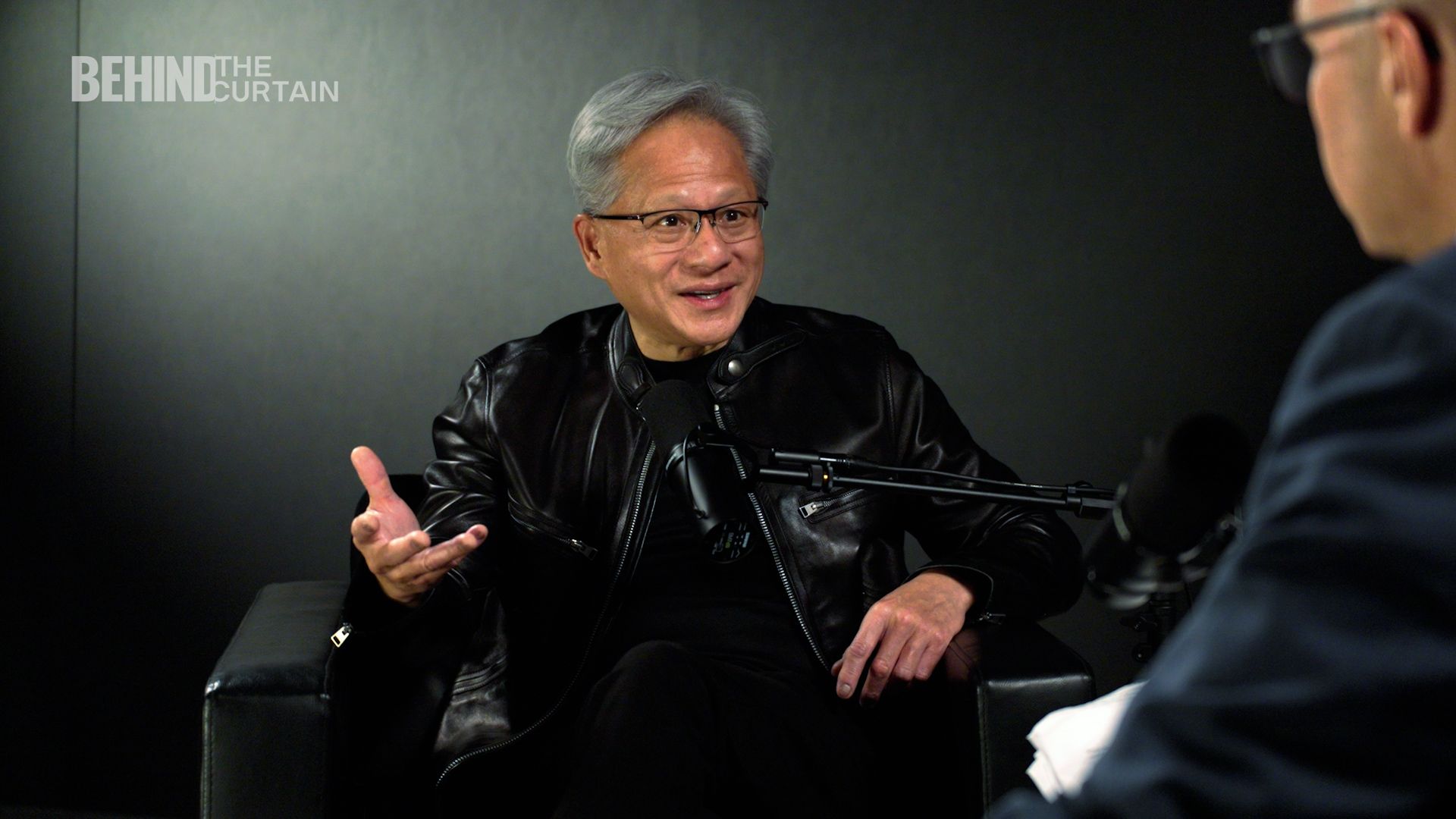
Nvidia CEO Jensen Huang thinks the artificial intelligence revolution is a wellspring of new jobs, rather than a labor market grim reaper set to bring on the employment apocalypse.
The big picture: Huang's optimism puts him at odds with the dire warnings of a white-collar bloodbath.
Meta is giving its AI assistant new agent-like capabilities powered by Muse Spark 1.1, its latest model.
Why it matters: The effort is part of the "personal superintelligence" vision outlined by CEO Mark Zuckerberg, though the company's AI software remains less powerful than that of rivals.
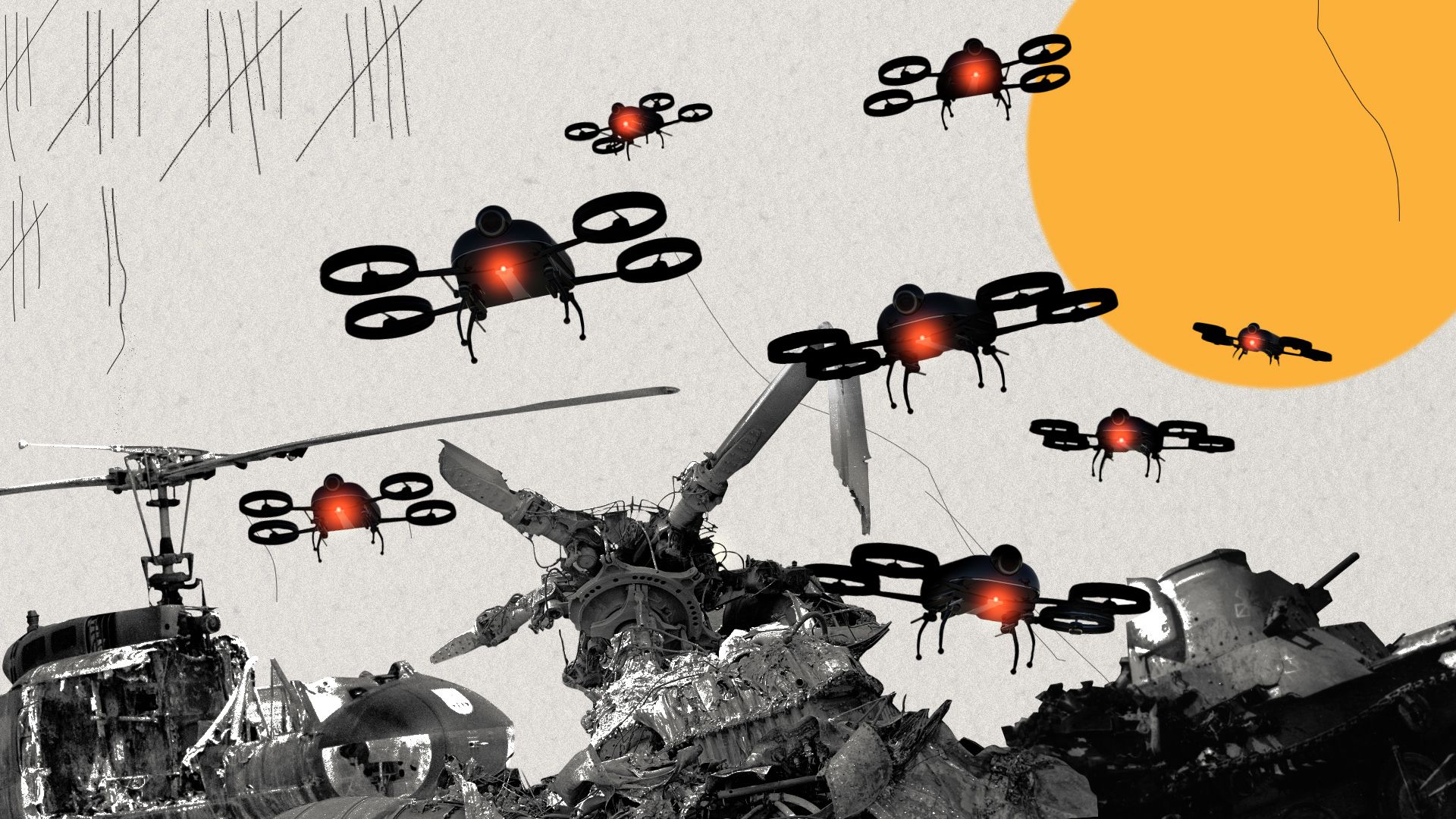
The wars in Iran and Ukraine show how the drone tech revolution makes it easier — and cheaper — to interrupt energy supplies by striking refineries and oil tankers.
Why it matters: It's an important reason why oil traded at $100 per barrel this week and gasoline and diesel fuel are so expensive these days.
Nvidia CEO Jensen Huang says that despite the chip industry's long history of boom-and-bust behavior, "this time is different."
Why it matters: As the leader of the world's most valuable public company and the most important maker of AI semiconductors, Huang's words carry weight when it comes to an industry that is increasingly driving the markets and the economy.
We ask almost every AI architect and leader the same thing in private: What AI risk worries you most?
Almost all of them fire back the same response: a killer pathogen, spreading too silently, widely and quickly to stop.
Why it matters: The rare agreement among AI experts flows from the belief these advanced models could help a bad actor create a deadly pathogen before the government and industry perfect detection and prevention systems.
The Trump administration this week staked out a new position that could reshape its approach to AI policy, accusing Chinese companies of stealing U.S. technology even as it defends open AI development.
Why it matters: That distinction could become the foundation for U.S. action against Chinese AI companies without broadly restricting the open-weight models that businesses, researchers and startups increasingly rely on.
The pace of AI development combined with soaring compute costs is squeezing the AI researchers responsible for evaluating frontier models — just as those models' capabilities are becoming harder to measure.
Why it matters: When safety testing can't keep pace, models capable of hacking companies or aiding in the development of bioweapons could reach the public before anyone knows what they can do.