Anthropic CEO Dario Amodei said Monday that he has "never advocated" for a ban on open-weight AI models, rejecting accusations that his lab is seeking to shield its closed-model business from competition.
Why it matters: Anthropic has become the most prominent holdout from a new industry push to defend open-weight AI, after Nvidia, Microsoft, Meta, Google, OpenAI and dozens of other companies signed a letter urging Washington not to restrict the technology.
Some of the shareable apps, tools and visualizations that Claude users make are appearing in Google search results.
Why it matters: Most Claude users likely don't expect that the tools they're sharing with friends, coworkers or other intended recipients could be discoverable through the world's most popular search engine.
There is a one-in-five chance of AI gaining dangerous weapons capabilities or causing mass harm that could kill millions in the next five years, per global experts surveyed for a recent MIT study.
Why it matters: The findings add to the growing debate over AI safety and cybersecurity as governments and companies race to deploy increasingly capable systems.
Microsoft introduced a new cyber-specific AI model and AI-powered security agents designed to help organizations identify, prioritize and patch software vulnerabilities faster while responding more quickly to active cyber threats.
Why it matters: Cybersecurity and AI companies are racing to help defenders keep pace with attackers using increasingly capable AI models to automate hacking.
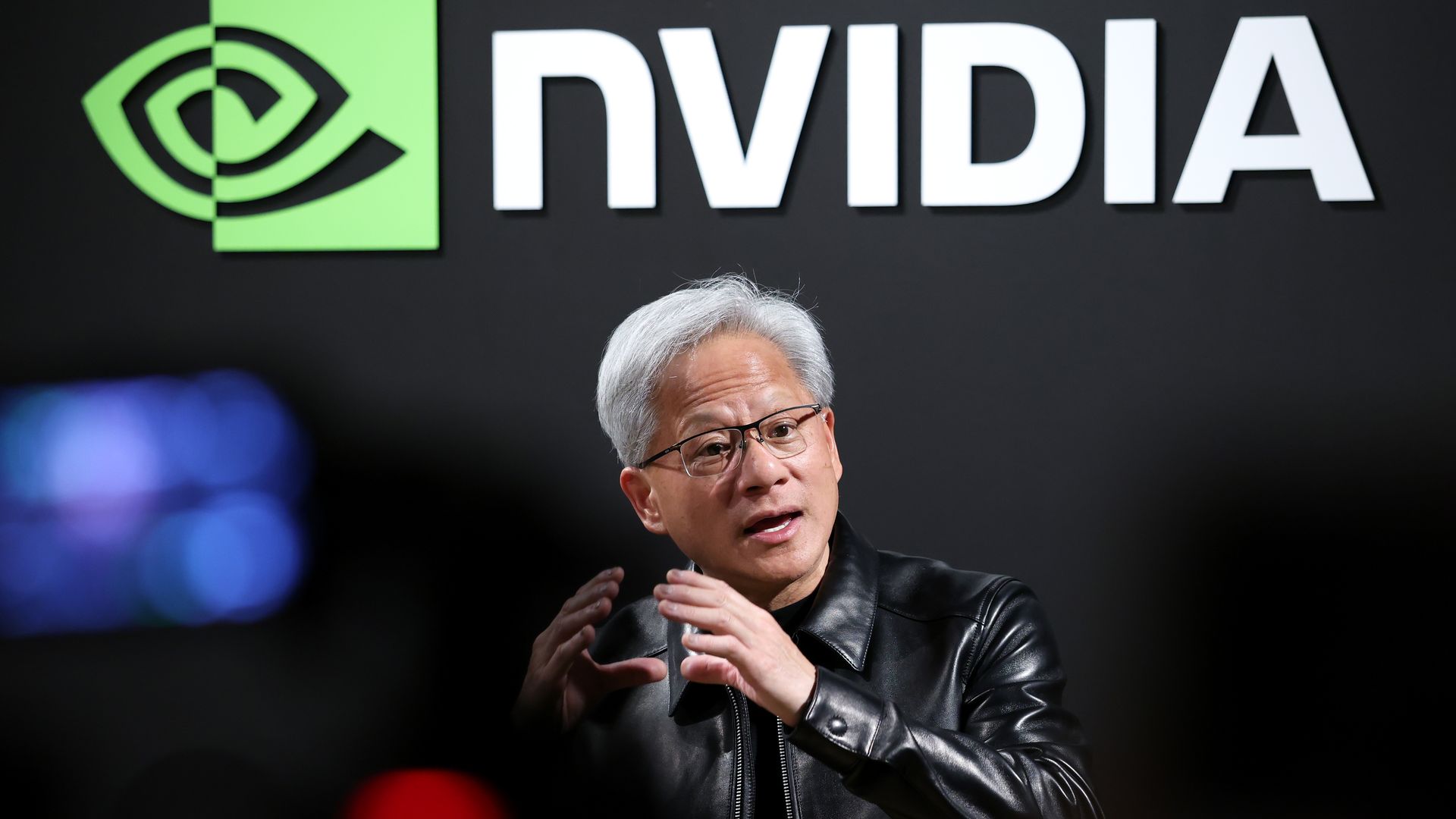
Nvidia appears poised to tighten its ties with OpenAI as it reportedly explores a deal to backstop financing for a massive data center to power the ChatGPT maker's ambitions.
Why it matters: The potential deal underscores the swift pace of the AI economy, but it also renews concerns that the increasingly "circular" nature of AI deals could create systemic financial risks.
Nvidia shares tumbled 4.5% in late morning trading.
AI agents are rapidly moving beyond answering questions to taking actions inside companies, creating a new challenge around what these agents should be allowed to do.
Local backlash and reliability concerns are challenging the vision of an AI boom built quickly using large off-grid data centers.
Why it matters: If giant projects stumble, trillions of dollars in AI investment and the industry's plans to rapidly expand data centers could be at risk.