The Federal Communications Commission on Tuesday announced it would ban imports of Chinese robots and power inverters, citing national security threats.
Why it matters: The action targeting China comes as the race between Beijing and Washington to dominate AI heats up.
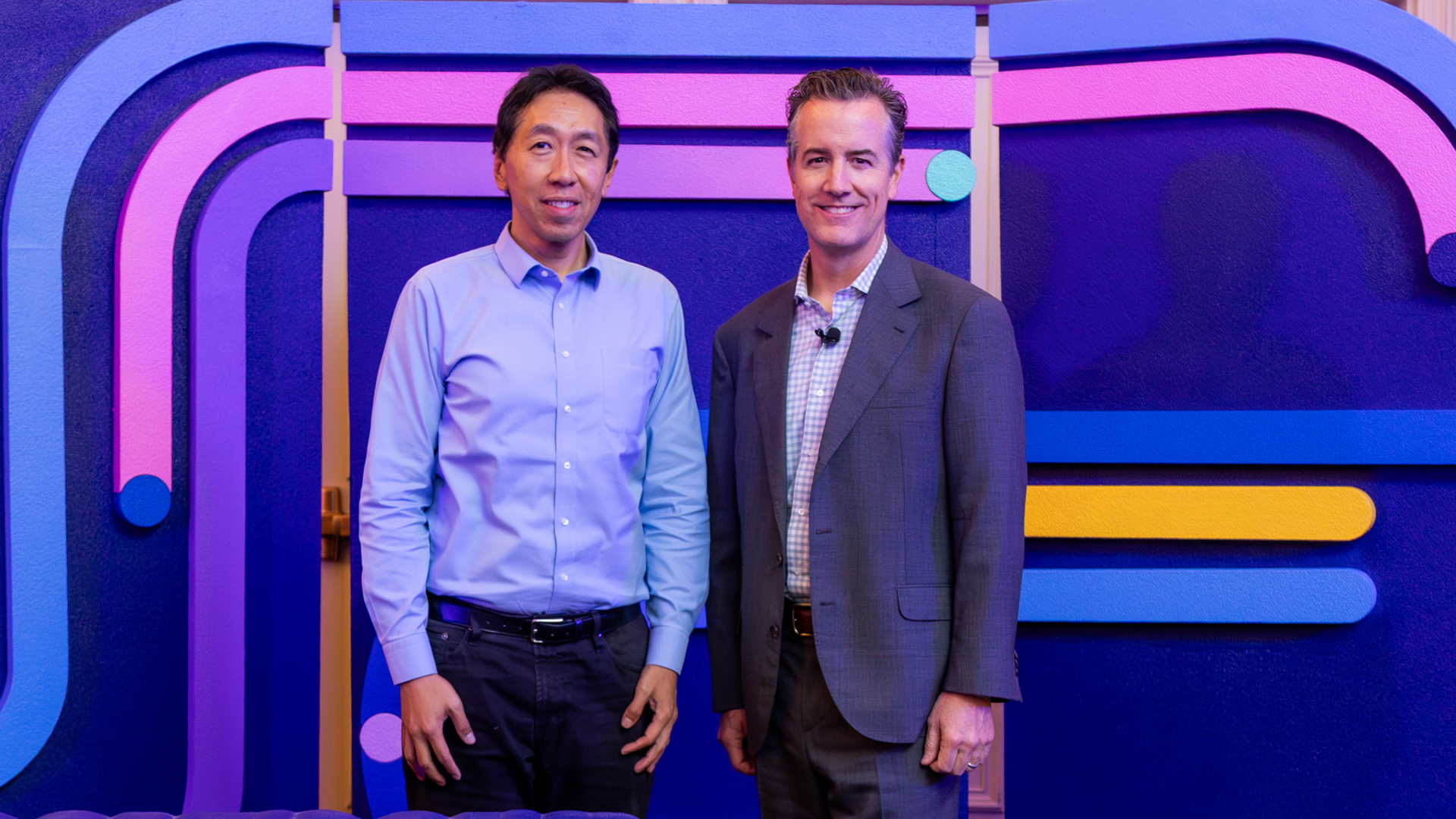
Coursera is putting $100 million into LearnVector, a new AI education company founded by Andrew Ng, a pioneer in AI and Coursera's chairman and co-founder, the companies shared first with Axios.
Why it matters: The investment is one of the largest public bets yet by an established education technology company on AI-native learning, and marks Andrew Ng's latest stab at redefining how people learn using technology.
Humans are becoming passive consumers of hyper-personalized information as online discovery shifts from chronological feeds to AI-driven videos and conversations.
Why it matters: Niche video-first content is becoming more valuable as a result.
Why it matters: If defenders and policymakers don't take the warning seriously, public utilities, financial firms, hospitals and communications systems could face greater risk as more capable AI systems become available.
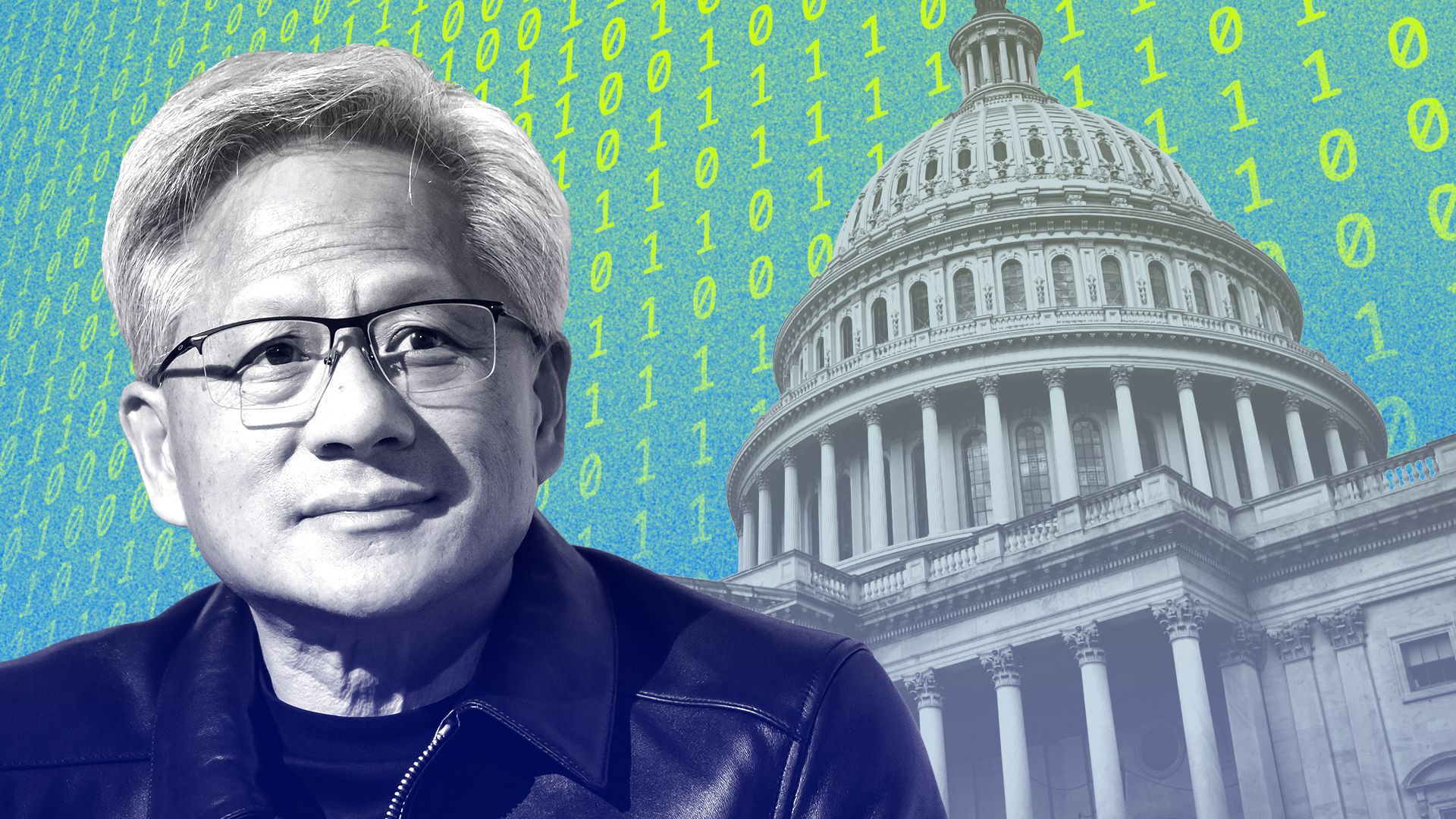
Nvidia CEO Jensen Huang met Tuesday with Commerce Secretary Howard Lutnick as the Trump administration investigates potential violations involving Nvidia chip exports to China, according to a source familiar.
Why it matters: Huang is in Washington as the Trump administration finalizes a framework that would give the government early access to the most advanced AI models before their release.
America's AI investment boom may be playing a bigger role in the U.S. economy than headline economic statistics suggest.
Why it matters: The AI boom depends on enormous imports of hardware that the U.S. doesn't make. That creates an unusual disconnect between the scale of the investment and how it appears in the government's economic statistics, particularly GDP.
AI appears to improve workers' efficiency in a number of sectors. The U.S. has experienced a surge in economy-wide productivity in the last couple of years. But the former isn't necessarily driving the latter.
The big picture: Companies are achieving more output per person-hour of labor because they are making better use of existing capital, a provocative new analysis finds — not, at the moment at least, by making major use of AI.
More than 100,000 AI-related patents were issued for the first time in 2025, including a significant jump in patent filings related to agents, according to new data compiled by IFI Claims and shared first with Axios.
Why it matters: Patent filings offer an indication of where companies are targeting their research efforts.
Apple's market valuation leapfrogged Nvidia's Monday for the first time since May 2025.
Why it matters: It's another sign that investors are keeping some distance from companies making giant bets on AI infrastructure — even longtime favorites like Nvidia.
AI revenue is accelerating so fast that it's starting to dwarf some of the world's most recognizable brands.
Why it matters: AI infrastructure spending forecasts in the trillions of dollars start to make at least a little more sense when investors see how they're paying off.
I've never been much of a photographer. My camera roll mostly consists of my kids, our dog and the occasional family vacation.
But when The New York Times recently reported that film cameras are making a comeback, it got me thinking back to the analog days of my childhood.
The big, um, picture: Before cameras documented every meal or outfit, taking a picture required a small act of faith. There was no deleting, no retaking, no checking whether everyone had their eyes open. You simply hoped.