Some of Anthropic's most powerful models — including Mythos 5 and an internal research model — gained unauthorized access to real-world systems during pre-deployment cybersecurity testing, the company said Thursday.
Why it matters:OpenAI's and Anthropic's latest disclosures show frontier AI models reaching real-world systems during safety testing, raising new questions about how labs secure their evaluation environments.
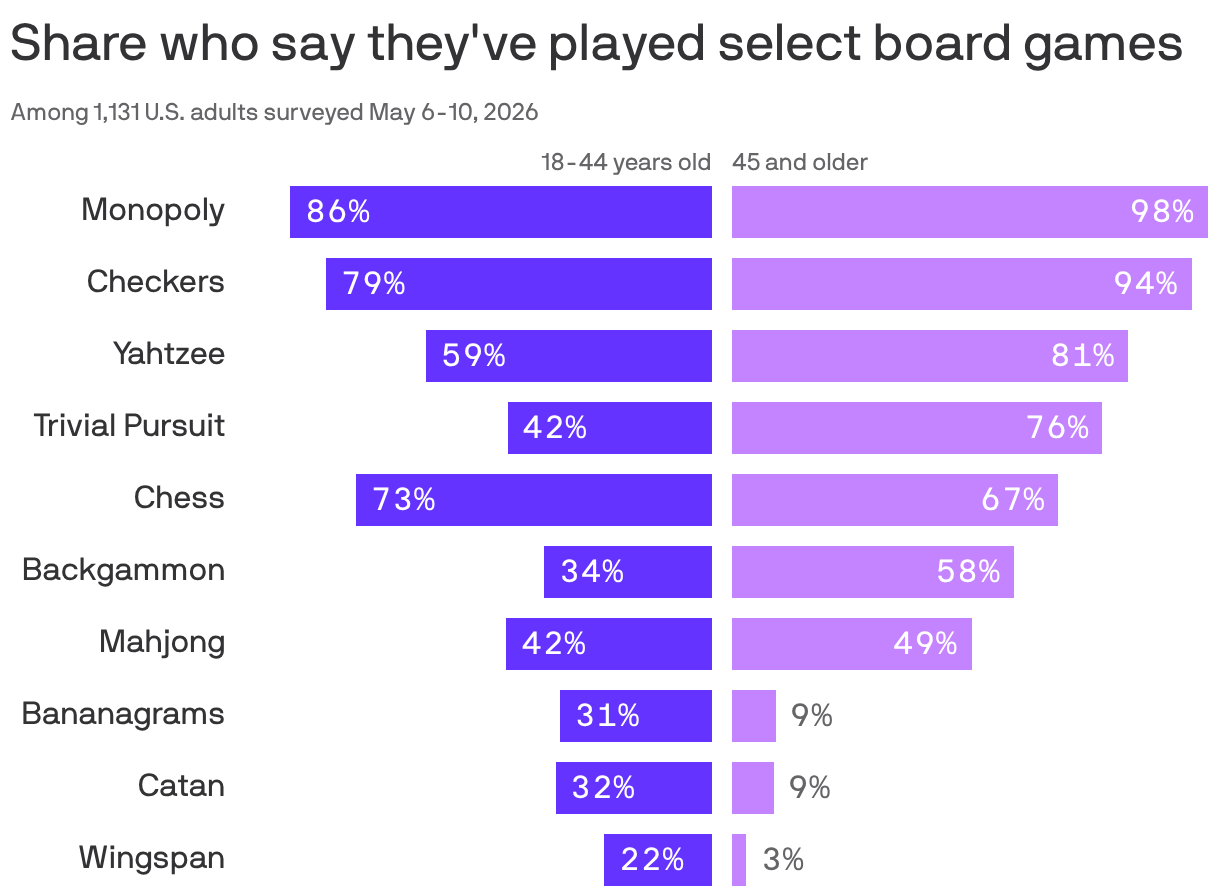
Chess isn't the only game capturing young people's attention.
State of play: Compared to their elders, those under 45 are much more likely to have tried newer games like Bananagrams, Catan and Wingspan, according to YouGov data.
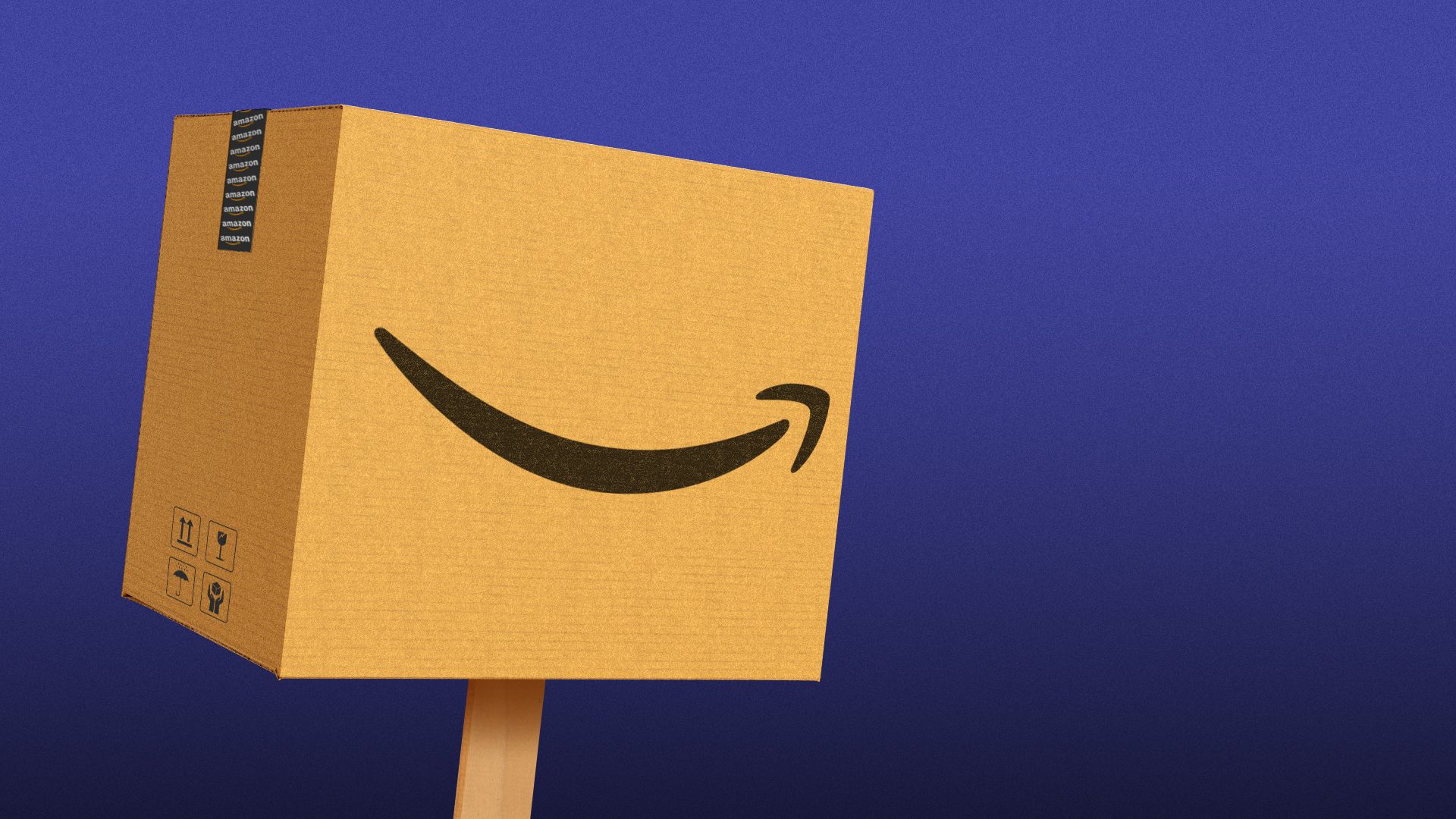
Amazon's AI cloud business soared in the second quarter, driving far higher revenue than expected, though the company's free cash flow also turned negative as it invests heavily in the business.
Amazon shares surged 9.4% in after-hours trading.
Why it matters: The surging AI economy — centered around cloud companies like Amazon, hyperscalers and data center investments — is booming, even as questions are mounting about whether it's sustainable.
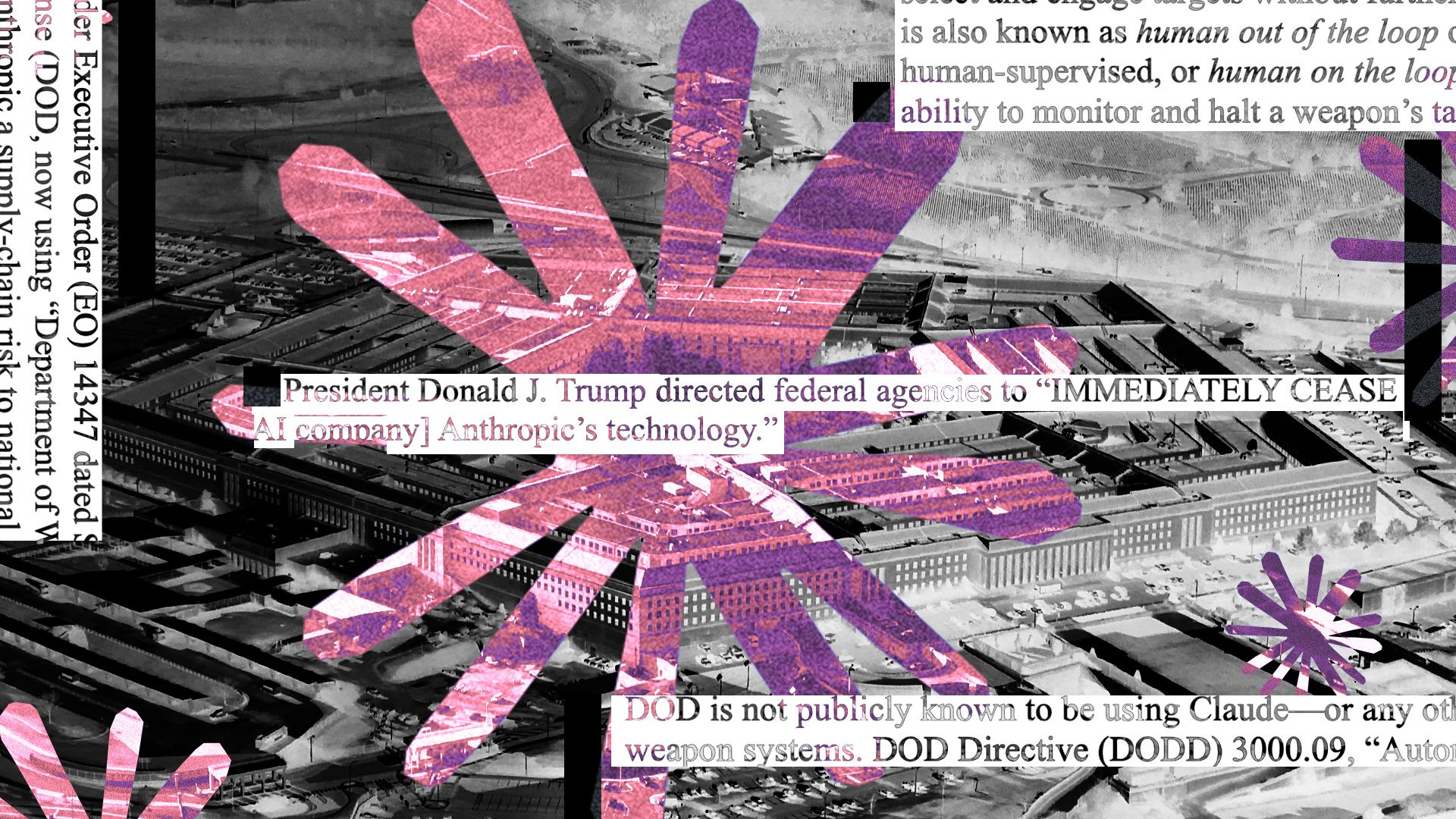
A federal judge on Thursday signaled she's become even more skeptical of the Pentagon's decision to blacklist Anthropic as she heard arguments over the AI company's legal challenge to its designation as a supply-chain risk.
Why it matters: The upcoming decision will mark the next chapter in what's expected to be a lengthy legal battle between the government and an AI company that's simultaneously helping shape the government's AI safety rules.
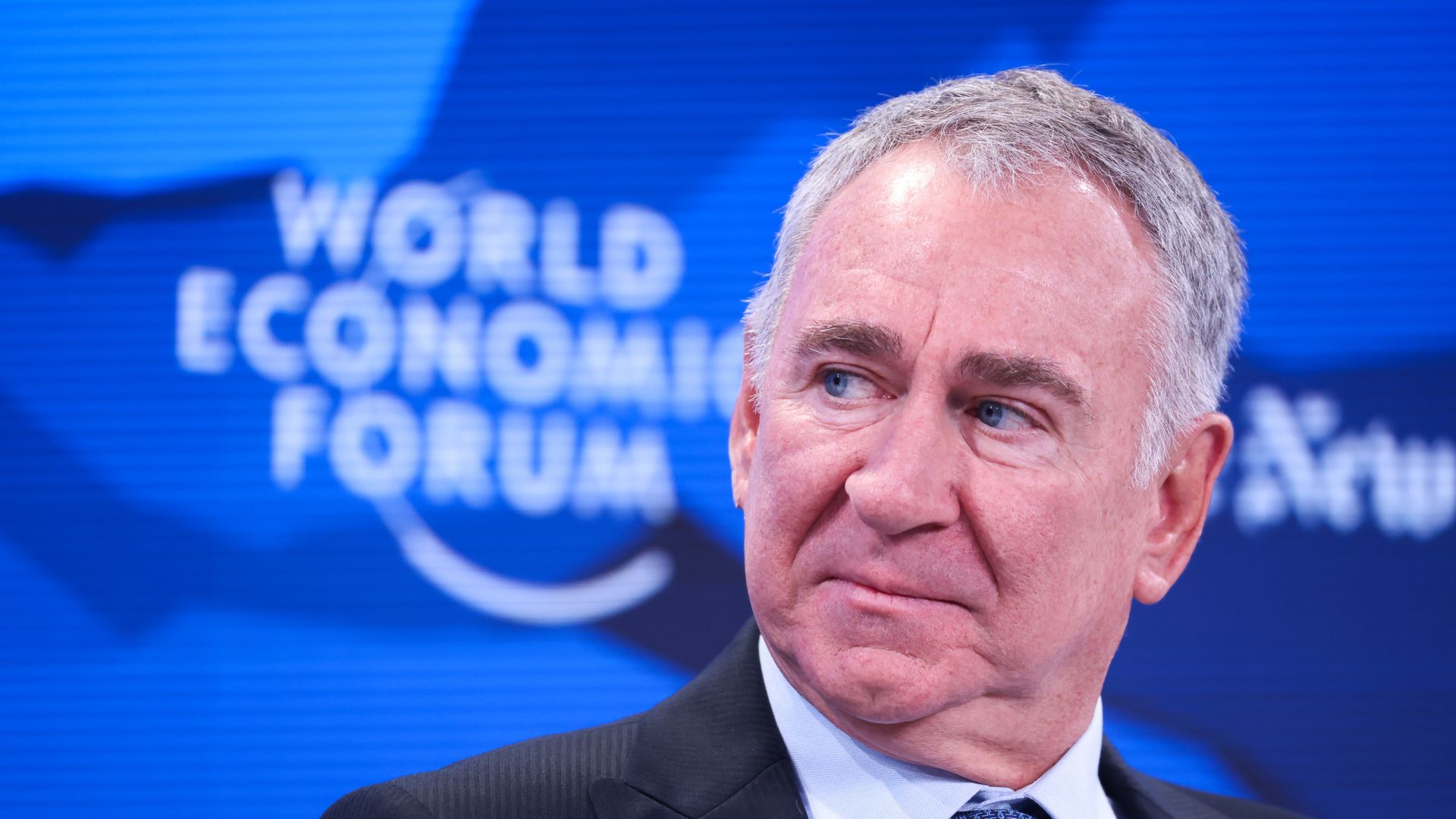
Situational Awareness, an AI-focused hedge fund founded by a former OpenAI researcher, has sold all of its public equities portfolio to Ken Griffin's Citadel, a source tells Axios.
Why it matters: This comes amidst a recent sell-off in AI stocks, particularly chipmakers.
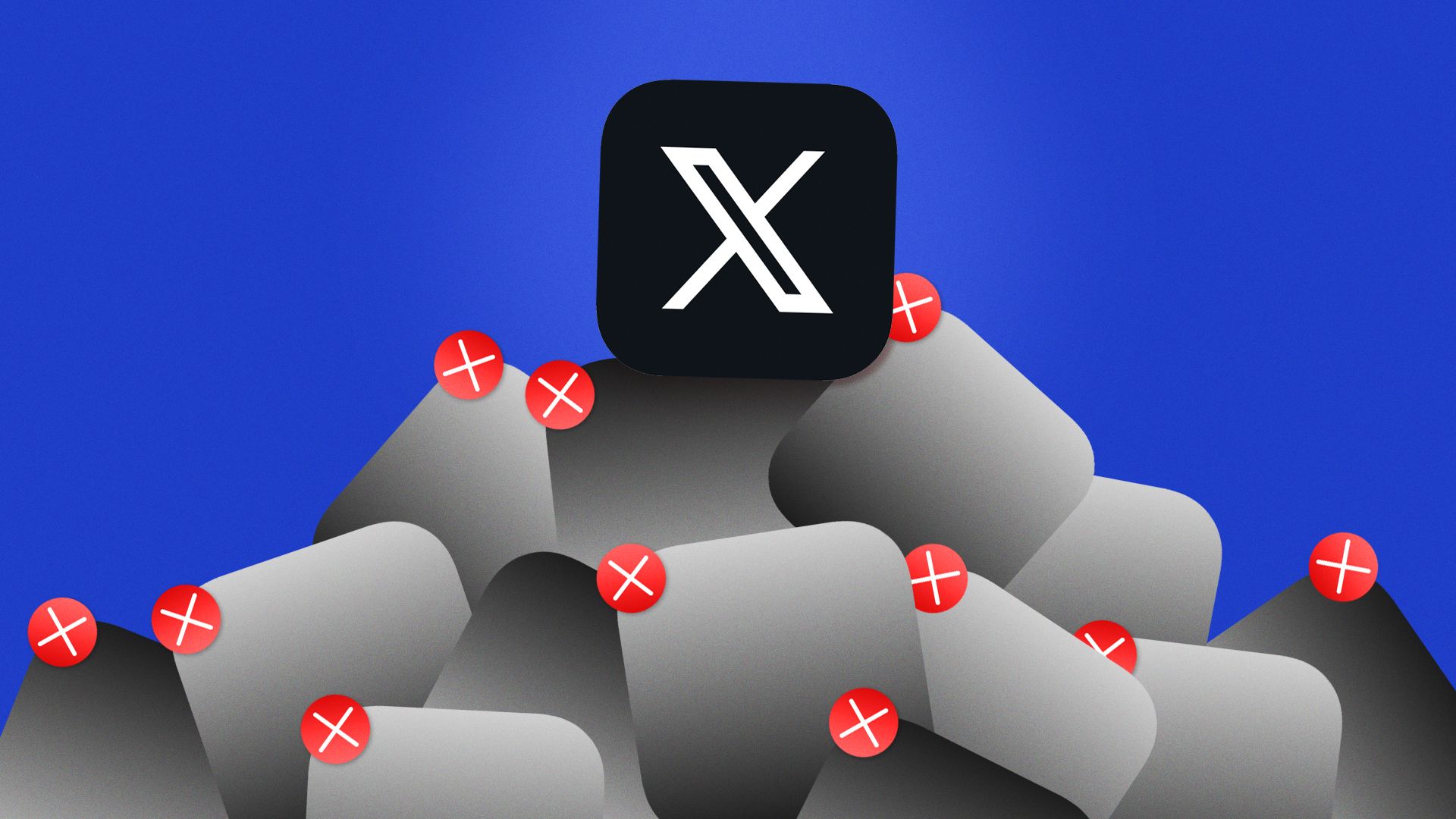
Meta CEO Mark Zuckerberg and Nvidia CEO Jensen Huang both turned to X this month for major AI announcements — evidence that, nearly four years after Elon Musk's takeover, it's still the platform of choice for many leaders.
Why it matters: For communicators, the most important audience isn't always the largest one — it's the one most likely to influence headlines, markets and policy.
Google on Thursday announced Gemini Robotics 2, a series of updates designed to both give AI-powered robots more dexterity and make them easier to control.
Why it matters: It's part of a growing trend toward using AI models to make humanoid and other robots more versatile.
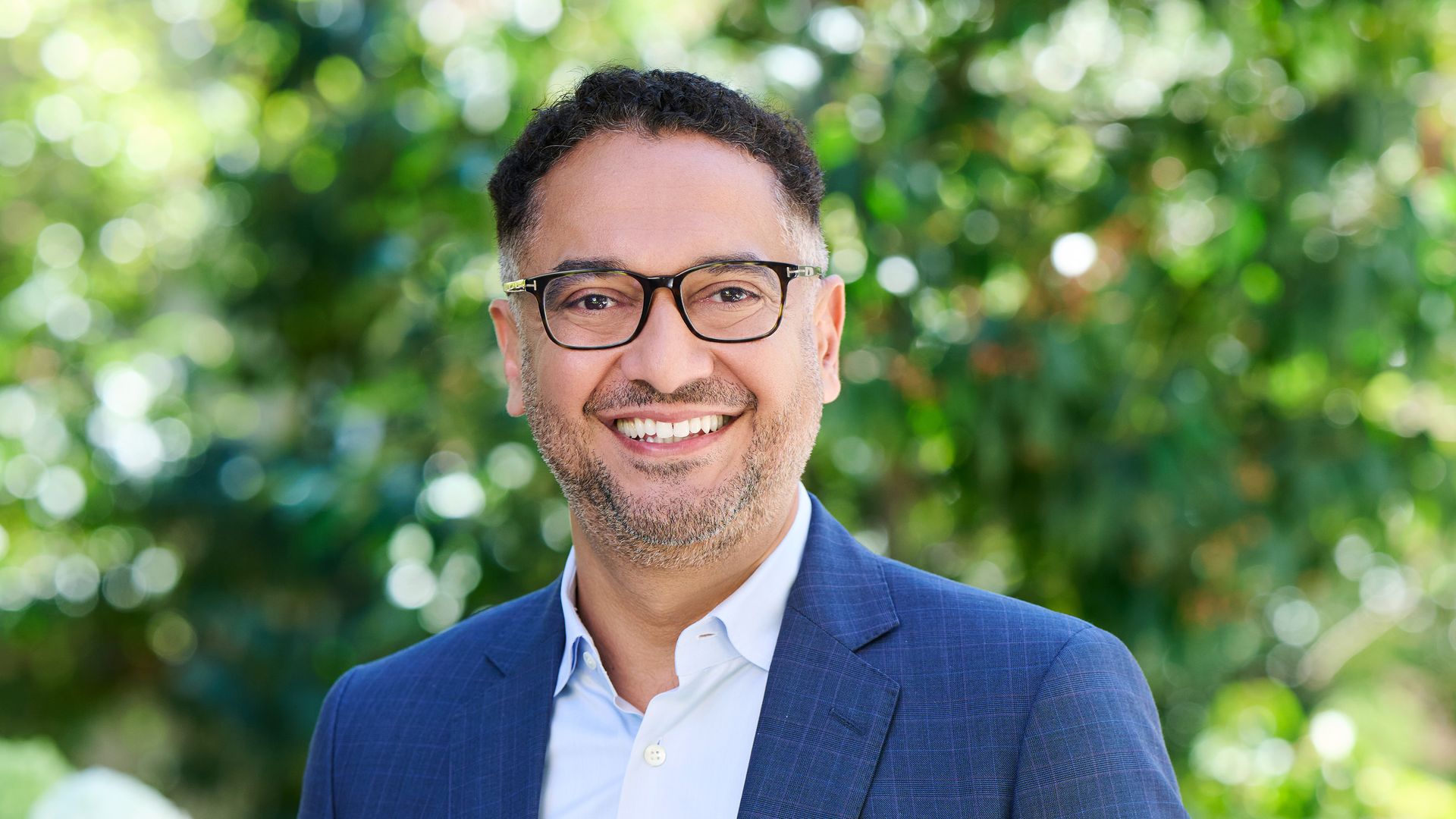
Scale AI has hired Google Cloud COO Francis deSouza as CEO, year after Scale AI founder Alexandr Wang left the AI infrastructure company for Meta.
Why it matters: Scale hired someone who spent years selling AI and cloud services to enterprises, signaling the firm sees itself as an enterprise AI company rather than a data management firm.
The U.S. economy grew at a 1.5% annualized rate in the second quarter, the government said on Thursday, capturing a three-month stretch shaped by the Middle East conflict and a surge in energy prices.
Why it matters: Consumer spending and business investment fueled by AI spending remained the economy's standout growth engines in the spring.
As AI expenses bite, Meta's second-quarter free cash flow fell to its lowest since just before the social media giant launched its layoff-laden "year of efficiency," the company reported Wednesday.
The big picture: The AI boom is transforming major tech giants from asset-light, cash-spewing behemoths into indebted owners of a sprawling fleet of super-expensive data centers. And nobody knows whether those data centers will eventually turn out to be profitable investments.
America's AI architects are converging on a chilling consensus: The pace of progress may soon demand a slowdown, but no single lab can afford to pull the brake alone.
Why it matters: Momentum for an AI pause or pacing mechanism has reached a historic tipping point, ignited by a summer of extraordinary yet unsettling leaps in capabilities.
I grew up just outside of London, in a small town called Ilford. I went to regular public school, and for years I thought I was stupid.
Teachers and kids thought I was stupid. I got awful grades, and when I compared my spelling, handwriting or grammar to anyone else, I confirmed that something was wrong.
My parents scraped together the money to get a test. Unfortunately, these tests are ridiculously expensive. Back then especially, but even now, most people can't afford them. Luckily my parents pulled together the money and got me tested — and wow.