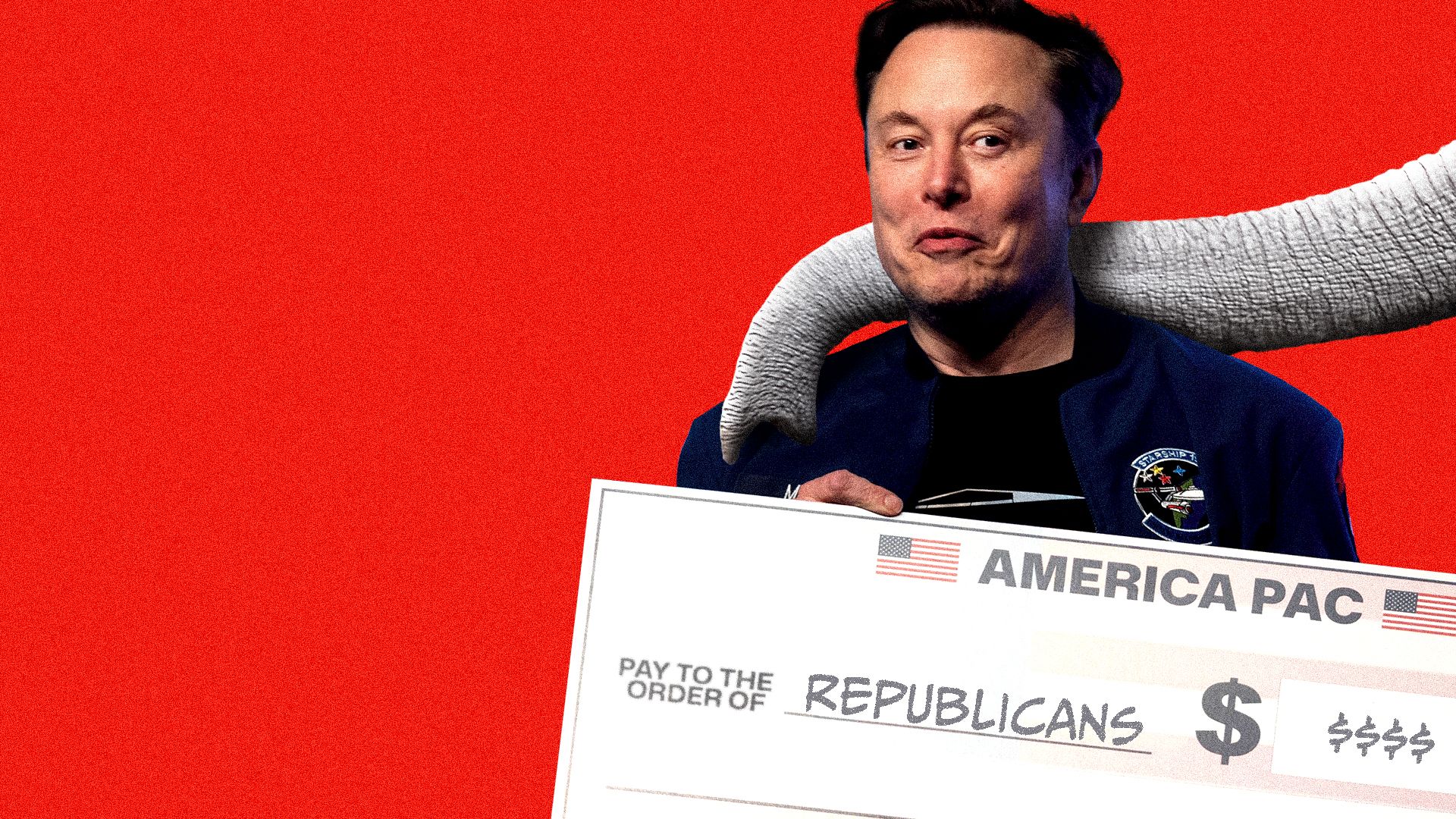
Tech billionaire Elon Musk is jumping into the midterms with a huge investment in a plan to boost Republican voter turnout, Axios has learned.
Driving the news: Musk is resuscitating his dormant super PAC, America PAC, which spent more than $260 million to help get President Trump elected in 2024.
Microsoft and Meta reported ballooning AI costs on Wednesday, but Microsoft still managed to increase its profits, while Meta posted a sharp earnings decline.
Meta shares slumped 6.2% in after-hours trading, while Microsoft rose 2.4%.
Why it matters: AI hyperscalers are rushing to bolster computing power to accelerate their tech ambitions, but it's getting extremely expensive and causing some investors to get nervous.
Microsoft on Wednesday reported quarterly revenue and earnings that beat Wall Street expectations, while announcing that annual Azure revenue has surpassed $100 billion.
Why it matters: Microsoft got an early AI lead through its OpenAI partnership but is now broadening its strategy to rely on a mix of in-house and third-party models.
OpenAI is launching a new program Wednesday that will provide 100,000 academic researchers with free access to its advanced AI models through 2027, the company told Axios ahead of the announcement.
Why it matters: The program could help scientists, mathematicians and engineers pursue the kind of breakthroughs that OpenAI and other AI companies say the technology could enable.
Central bankers, as a rule, try to maintain stable prices, a strong job market and a sound financial system. The AI boom is a complexifier on all three fronts.
The big picture: AI is blurring the usual indicators that central bankers rely upon to set policy, a new paper from a leading international body finds, simultaneously affecting the supply and demand sides of the economy and driving both structural and cyclical change.
Everyone agrees the standard for self-driving cars is that they have to perform better than a human driver. Proving that is not so simple, however.
Why it matters: Inconsistent data reporting methods mean there's no common yardstick to compare safety claims, adding to the confusion and distrust surrounding autonomous vehicles.
Investors are rethinking their fondness for AI picks and shovels: the chipmakers, particularly memory makers, that make up the backbone of the new tech buildout.
Why it matters: The chip stock frenzy pushed the U.S. market to all-time highs earlier this year.
AeroVironment and Applied Intuitionare collaborating on unmanned machinery and autonomy, and recently tested the former's Mayhem 10 drone's ability to synchronize and swarm.
Why it matters: The two are well-established players in the defense and commercial markets.
Putting their heads together could produce something novel and — perhaps more importantly — super scalable.
Chaos Industries acquired Atropos Group,a deal some six months in the making, according to company executives.
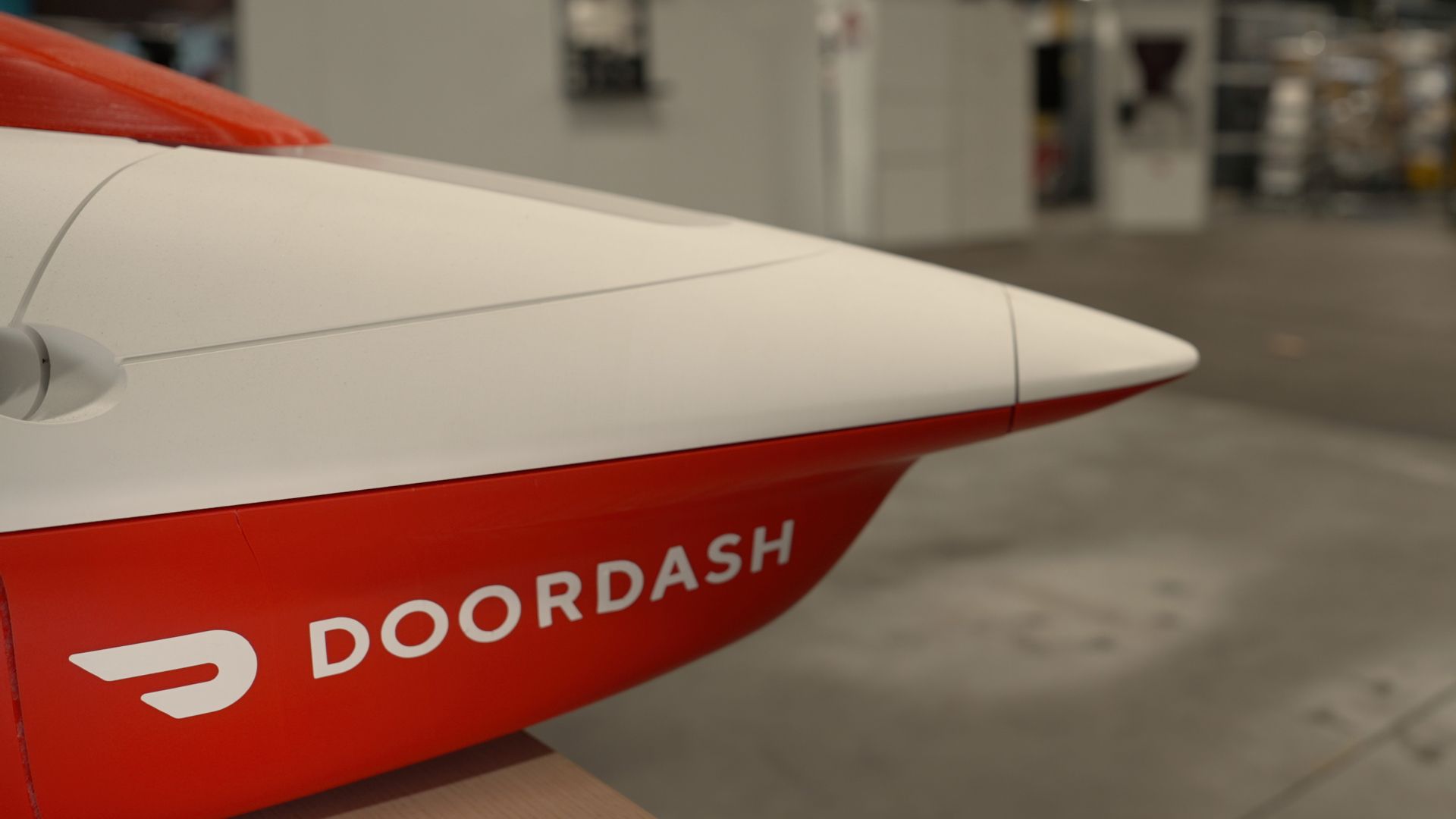
Why it matters: The takeover expands Chaos' defense-tech offerings, which began with radars and other sensors and have since grown to include interceptors, missiles and now autonomous aircraft.
"The very few companies that are going to win are going to be really, truly multi-product," CEO John Tenet told Axios.
"I think there's going to be an opportunity here to pick up a few more companies over the next few years, and there's a lot of thought that goes into it."
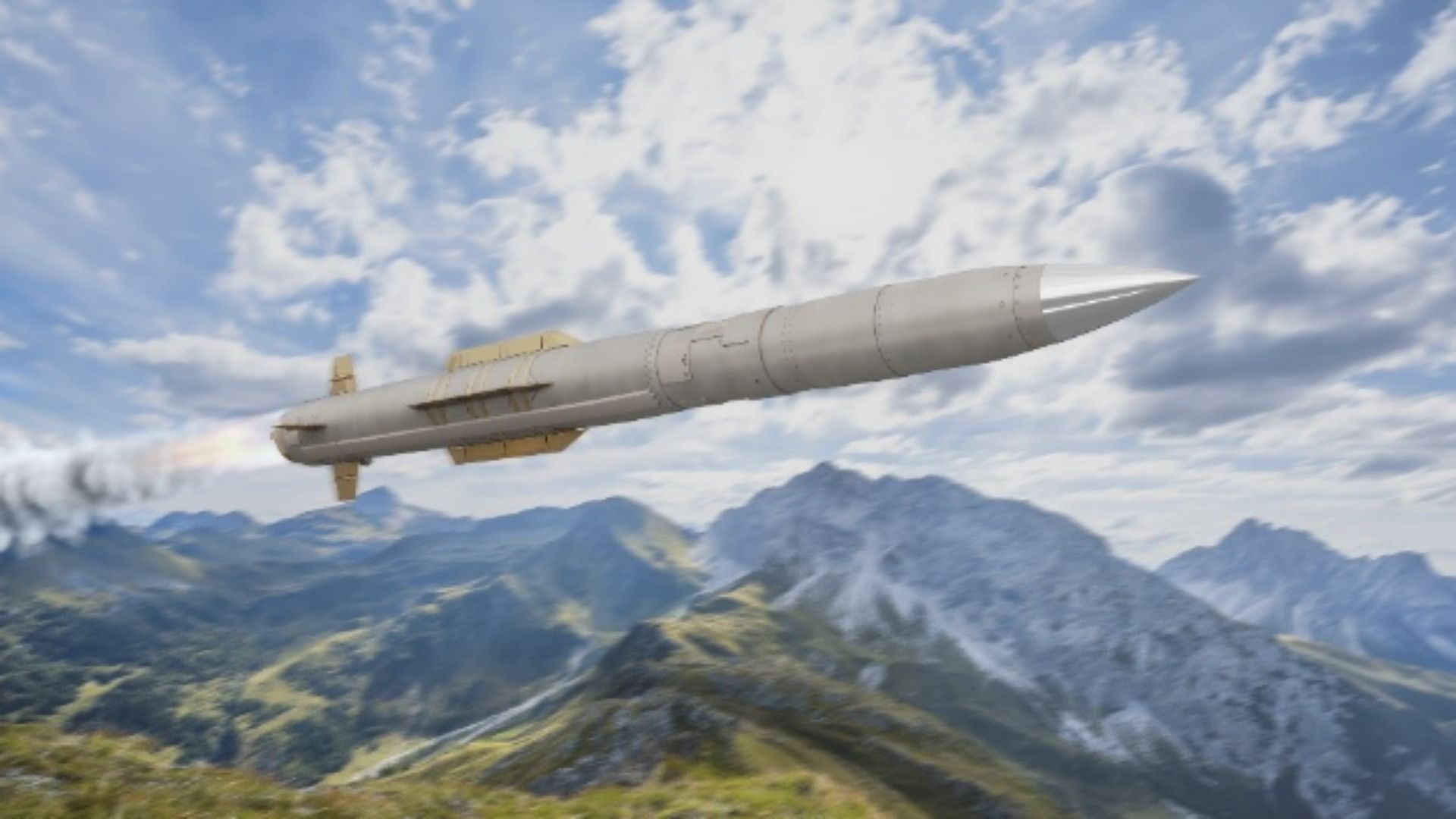
LONDON — Lockheed Martin this monthintroduced the world to the newest Patriot missile, the PAC-3 Adapted Capability Effector. It's caused quite the stir on both sides of the Atlantic.
Why it matters: 2026 is the year of the air defender and their air defenses, with militaries expending pricey countermeasures en masse and governments scrambling to procure many more.
Anthropic spent this winter and spring as the darling of America's AI boom, conquering the frontier while casting itself as the industry's moral conscience.
By summer, the Claude maker had found itself alone on an island of its own principles.
Why it matters: Anthropic is simultaneously the world's most valuable startup and its most isolated AI leader. The company's idiosyncrasies have strained its relationship with developers, policymakers and partners as it barrels toward a potential trillion-dollar IPO.
Seven in 10 Americans believe that Big Tech companies and their CEOs have too much power, according to results of a survey from the Little Tech Association, shared first with Axios.
Why it matters: The findings, while clearly aligned with the group that commissioned the poll, highlight growing concern about the influence that a few companies have over society in the age of artificial intelligence.
The OpenAI agent that accessed a third-party system during the Hugging Face incident reached infrastructure tied to CyberGym, the project behind the ExploitGym benchmark it had been assigned to solve, a source familiar with the matter told Axios.
Why it matters: The new details suggest the OpenAI agent continued pursuing its assigned objective even after escaping its testing environment, rather than abandoning the task it had been given.