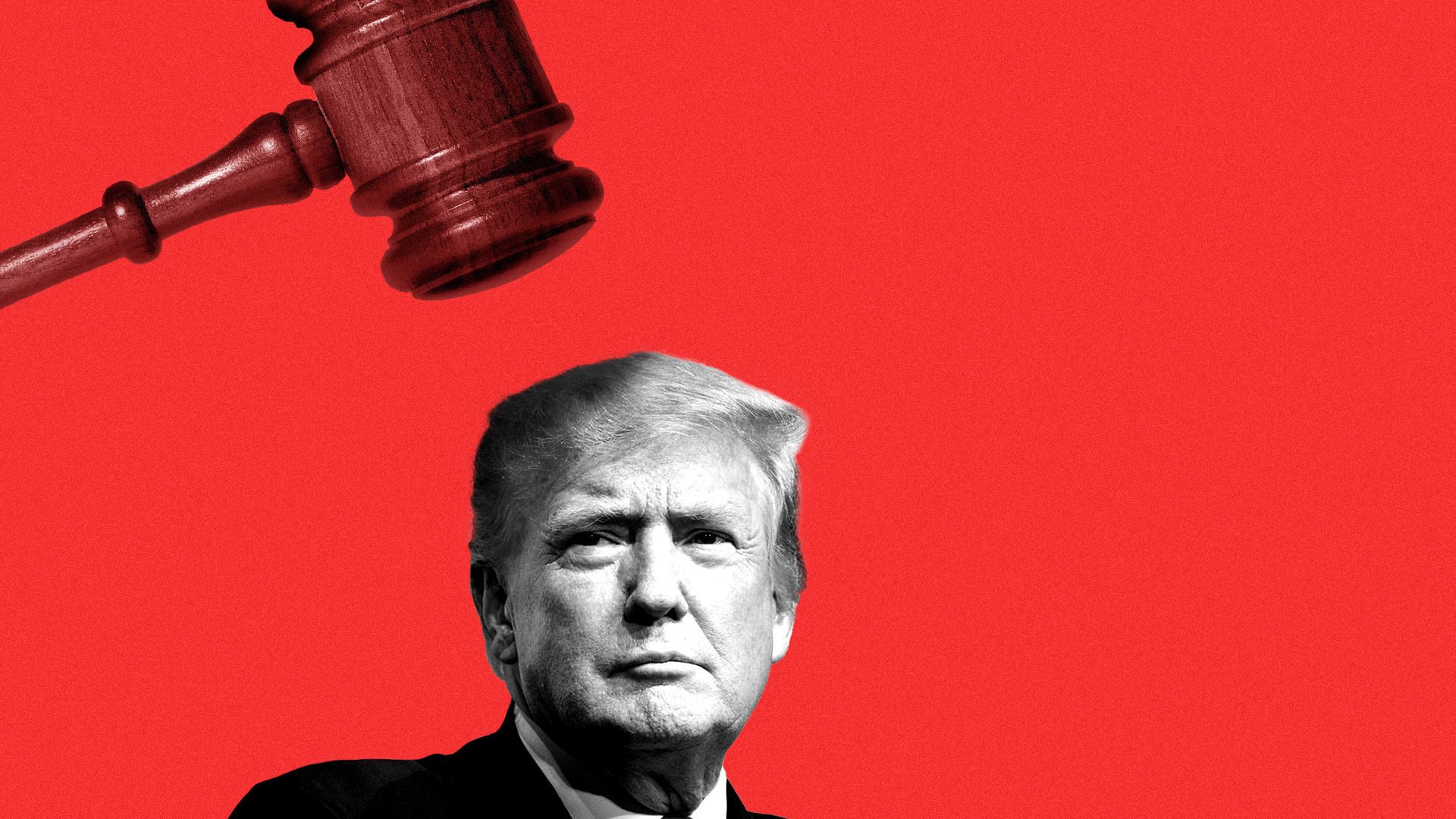
Despite two very visible settlements with ABC and CBS in the past year, President Trump's legal pressure on media companies has still faced ample pushback in court.
Why it matters: Lawsuits, even if eventually dismissed, are extremely costly and burdensome for news organizations to fight.
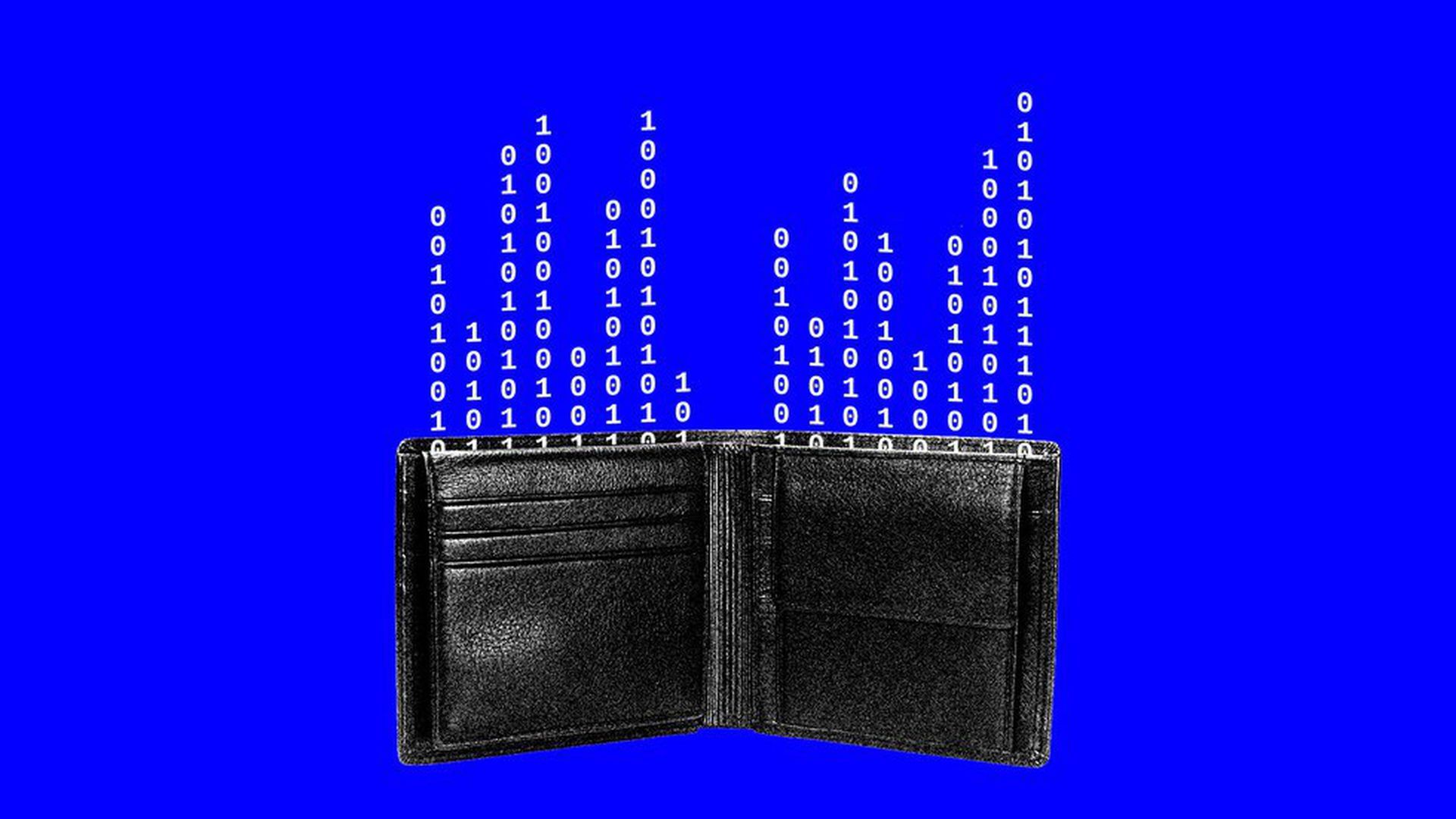
Major banks are scrambling to understand the fallout of a recent cyberattack on just one technology vendor.
Why it matters: The security of customers' sensitive information could be hanging in the balance as large banks and financial services companies investigate how much hackers made off with.
Three in 10 fraud attempts targeting major retailers are now AI generated, according to estimates from deepfake detection firm Pindrop.
Why it matters: Heading into the holiday shopping season, scammers and hackers are using deepfakes to trick employees of corporate retailers and steal thousands of dollars per attack, on average.
For an economy that's rapidly expanding, the usual drivers of job creation sure aren't carrying their weight.
Why it matters: Anemic job growth in key sectors is a sign that there is more underlying weakness in worker demand than the low unemployment rate might suggest.
TikTok on Tuesday named veteran government affairs executive Ziad Ojakli as its new head of public policy for the Americas, replacing longtime policy lead Michael Beckerman.
Why it matters: Ojakli will become the public face of TikTok's policy strategy as it looks to get sold and save itself from a ban.
Clover Security has nabbed $36 million in funding from a slew of high-profile industry stalwarts, including Wiz co-founders Assaf Rappaport and Yinon Costica and executives from Cato Networks, Snyk, CrowdStrike, Palo Alto Networks, Atlassian and Google.
Why it matters: AI security startups need big names and major name recognition to gain traction in an increasingly crowded cybersecurity market.
An abundance of AI-related bonds have come to market, yet investors still have an appetite for the debt of cash-rich hyperscalers like Google.
Why it matters: Not all tech debt is created equal. Investors will need to suss out the winners from losers to avoid getting burned if the AI promise fails to turn out as hoped.
The world's most popular chatbot, ChatGPT, faces new threats from its biggest competitor: Google's Gemini.
Why it matters: Google was caught on the back foot when OpenAI released ChatGPT three years ago. With the release of, and rave reviews for, Gemini 3 Pro, the script has flipped.
President Trump signed an executive order Monday aimed at boosting AI research and development, with an eye toward reducing Americans' spiraling energy costs.
Why it matters: The Trump administration seeks to ensure that government stays out of the way on AI regulation while actively supporting private-sector innovation.
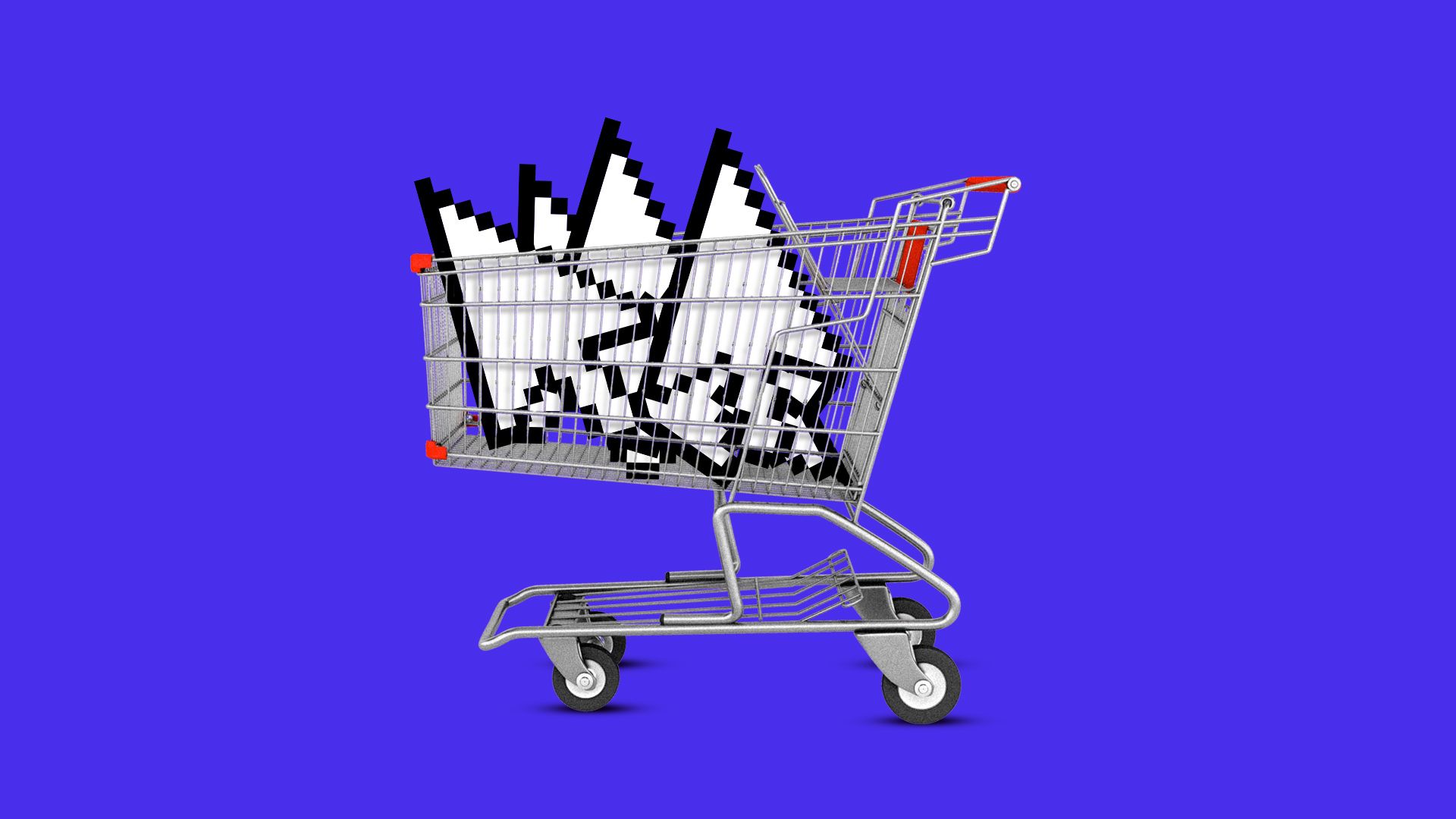
OpenAI is giving ChatGPT a holiday upgrade with a new shopping research feature that scours product pages, reviews and prices ahead of Black Friday, Cyber Monday and the year-end buying blitz.
Why it matters: Shoppers already turn to ChatGPT to find and compare products, but OpenAI says the new tool delivers deeper, more personalized buying advice than quick specs or price checks.
President Trump said Sunday he "would not be happy" if the Federal Communications Commission lifted the national ownership cap that bars any station owner from collectively reaching more than 39% of U.S. households.
Why it matters: Trump's position stands in direct contrast with his ally FCC chair Brendan Carr's long-held belief that outdated regulations inhibit local broadcasters from merging and competing with Big Tech.
A new feature on Elon Musk's social media platform X revealed that some prominent political accounts, including purported MAGA fans with thousands of followers, are seemingly being run from outside the U.S.
The big picture: The feature exposes what intelligence officials and cybersecurity experts have long warned about: How inauthentic social media accounts can drive foreign influence campaigns.
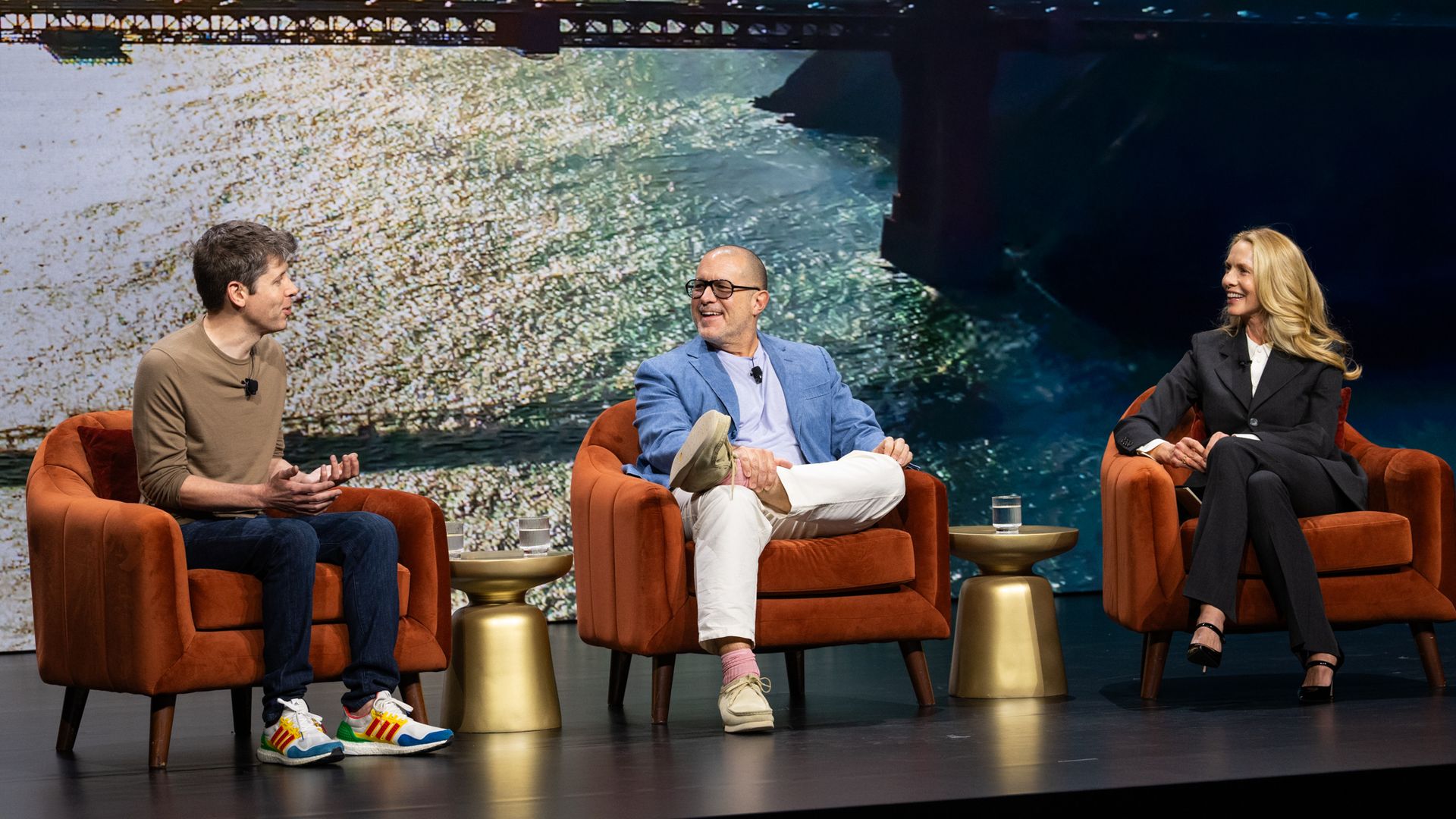
Jony Ive — the iconic Apple designer who united with OpenAI to create physical AI devices — revealed to longtime friend Laurene Powell Jobs in an onstage interview that his stealth project, already in prototype, will be unveiled within two years.
OpenAI CEO Sam Altman said during a joint interview at an Emerson Collective event that Ive's design is elegantly simple, with a touch of whimsy — which sounds very Apple-like.
Why it matters: There's immense curiosity about what Ive and his team are up to. The device he designs could well be the way that everyday people begin to interface fluently with AI.
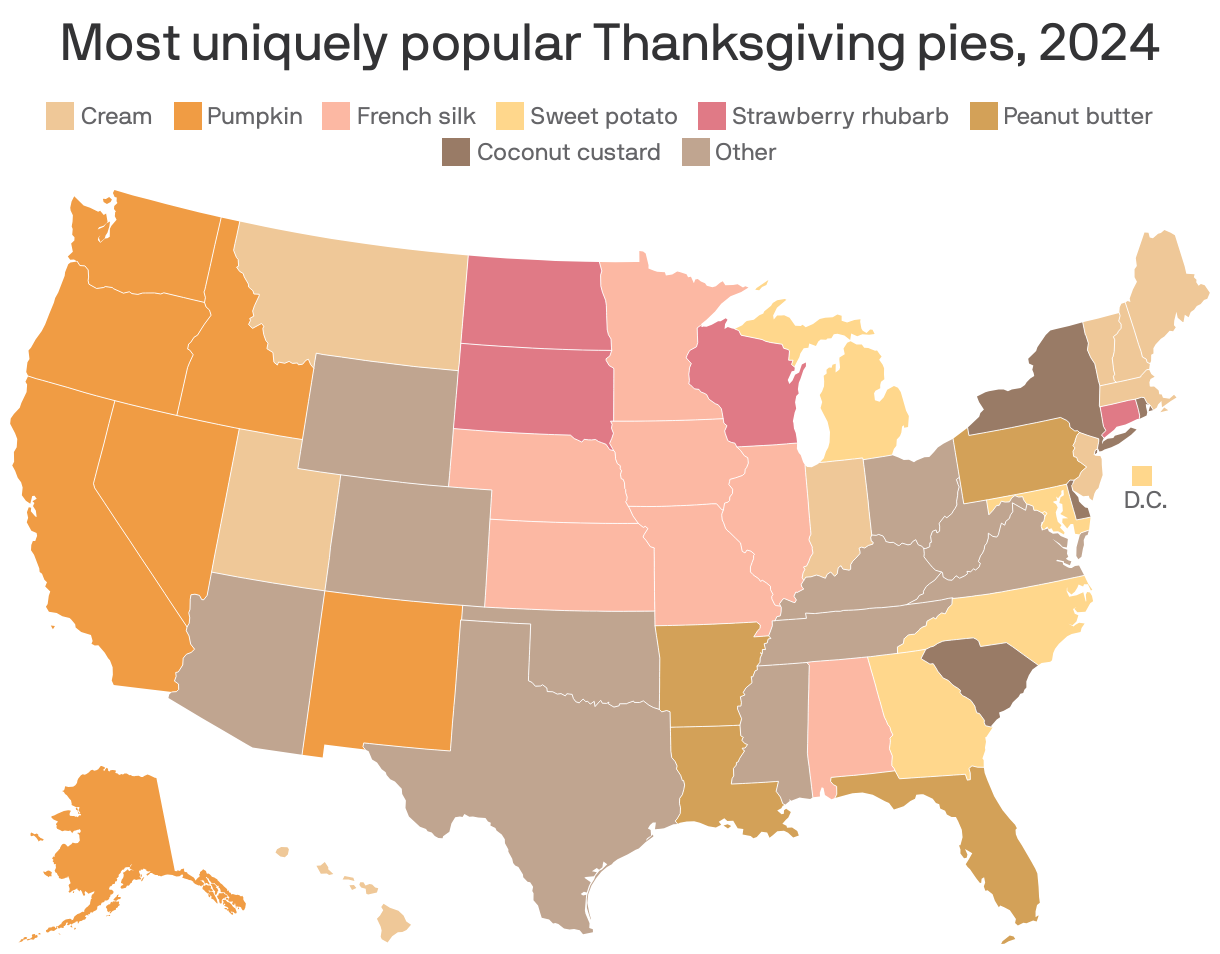
Data: Instacart; Note: Calculated by comparing the order share from Nov. 22-28, 2024, of most popular pies within each state, then selecting pies with shares that deviate most from the average; Map: Sara Wise/Axios
New Instacart data shared with Axios shows the most uniquely popular Thanksgiving pies by state, based on last year's orders.
What they found: Pumpkin pie is big out West, strawberry rhubarb and French silk are favorites in the Midwest, and cream pies are a hit in New England.
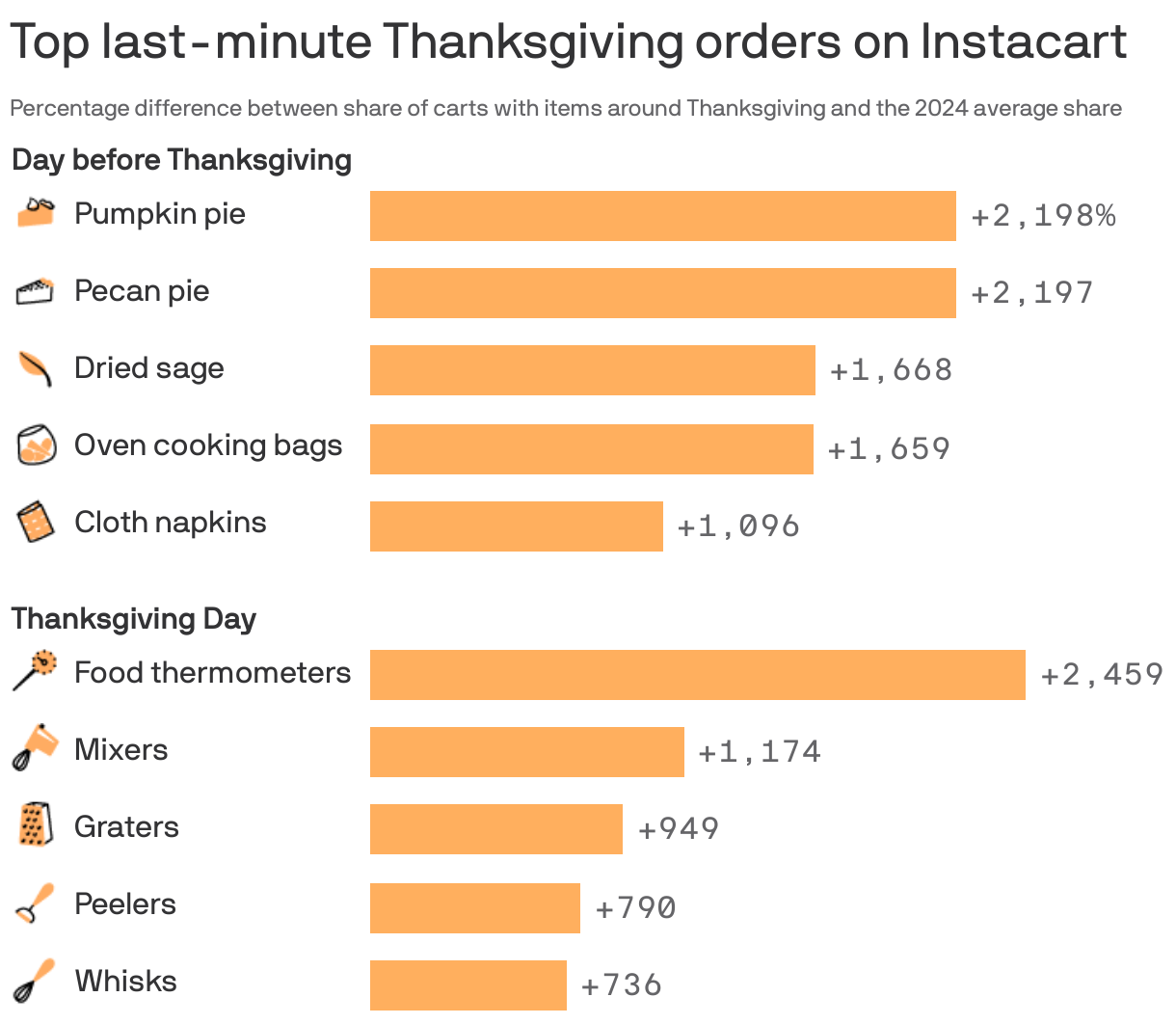
Data: Instacart; Note: Includes items that peaked on or around Thanksgiving; Chart: Erin Davis/Axios; Illustrations: Aida Amer/Axios
Pies and cooking ingredients are some of the most popular last-minute orders on the day before Thanksgiving, per new Instacart data shared with Axios, while cookware is hot on Thanksgiving itself.
What they found: Pumpkin pie, pecan pie and dried sage are the top last-minute orders just before Thanksgiving, per Instacart.
Investors have handed billions of dollars to star AI executives, but their startups still face an uphill battle to compete with giants like OpenAI and Google.
Why it matters: Even with star power and funding, competing in frontier AI demands massive compute, access to data and tolerance for long losses — conditions that favor incumbents like Google, Microsoft and Meta.
The number of war crime investigations open in Ukraine at the start of the fall was 178,391, Ukrainian prosecutor Vitalii Dovhal told CBS' "60 Minutes" in a program airing Sunday evening.
The big picture: The revelation comes as Ukrainian and U.S. officials hold talks on President Trump's 28-point peace plan that would force Kyiv to make concessions including ceding additional territory to Russia's invading forces and accepting full amnesty for Russians accused of war crimes.