The Biden administration's AI directive is a green light to the Pentagon, intelligence agencies and their eager suppliers.
The documents enshrine the technology as a defense imperative. Expect greater investment, including in energy and workforce, with check-ins along the way.
It also validates the high-risk, high-reward work of early movers.
Why it matters: This signals a more a hands-off approach, which should help allay private-sector worries about cumbersome guardrails.
What they're saying: If the U.S. fails to deploy AI more extensively and at a quicker pace than its adversaries, advantages earned over decades in land, air, sea, space and cyber could be erased, national security adviser Jake Sullivan warned Thursday.
There's an enthusiasm gap between senior executives and the general workforce when it comes to incorporating AI into the workplace, according to a new report from stakeholder solutions firm Penta.
Why it matters: The communication industry is trying to be a first-mover when it comes to integrating AI into the work, but the lack of training is leaving younger workers behind.
Russia helped propagate disinformation about Hurricanes Helene and Milton in order to deepen political divisions in the U.S. and undermine America's support for Ukraine, according to a new analysis.
Why it matters: The findings underscore Russia's ability to manipulate political discourse in the U.S. The study noted that Kremlin-backed actors appear to be stepping up their efforts in the final stretch of the U.S. presidential race.
Google DeepMind is open-sourcing its tool for identifying AI-generated text, and detailed a real-world evaluation of it in a paper published on Wednesday.
Why it matters: AI-generated text is fueling plagiarism, copyright violations and misinformation, prompting calls for a way to determine whether material was created by a human or an algorithm.
Anthropic's Tuesday announcement that it's giving its Claude model a new "computer use" capability has the AI world buzzing.
Why it matters: This doesn't mean that bots have busted free of the chat box to run loose on the desktop and in the browser — but that day looks much closer, and increasingly inevitable.
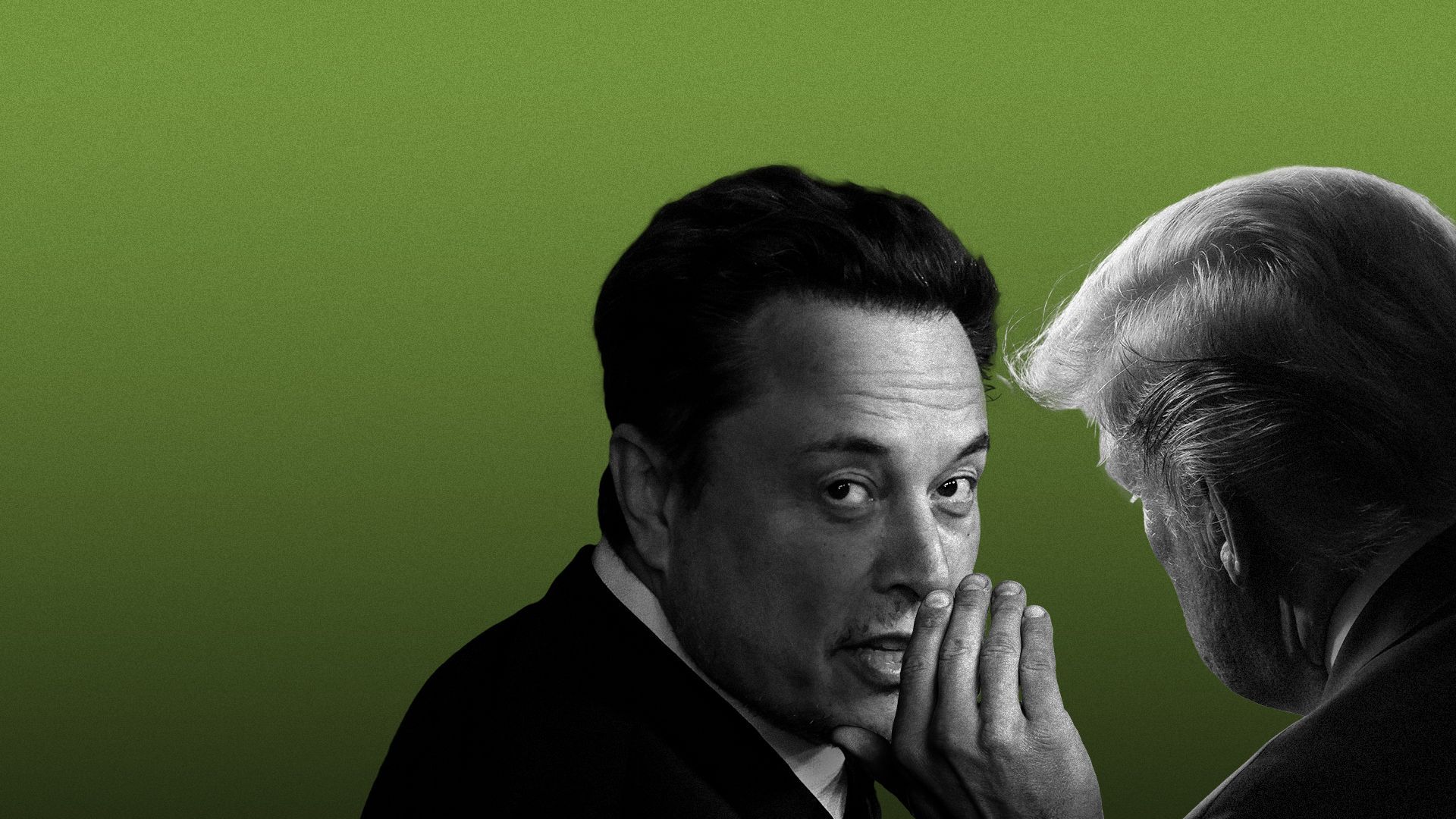
Elon Musk and other Tesla executives avoided all talk of this year's U.S. presidential election on a call with Wall Street analysts on Wednesday afternoon.
Why it matters: Investors have grown increasingly worried that the CEO's highly public political engagement is taking a toll on Tesla sales.
A Florida mother is suing AI startup Character.AI after her son died by suicide following an emotional attachment to a chatbot, as reported by Mostly Human Media.
The big picture:AI companion app creators often claim that their bots are a cure for loneliness, but there's little evidence to back up this claim and the apps are still largely unregulated.
The Russia-Ukraine and Israel-Hamas wars are among the most publicly visible conflicts in history. Drone feeds and body-worn cameras are much to blame.
The big picture: From Hamas chief Yahya Sinwar's last moments, caked in dust and limply wielding a stick, to troops in Eastern European trenches being blown apart, grisly videos are just a click away.
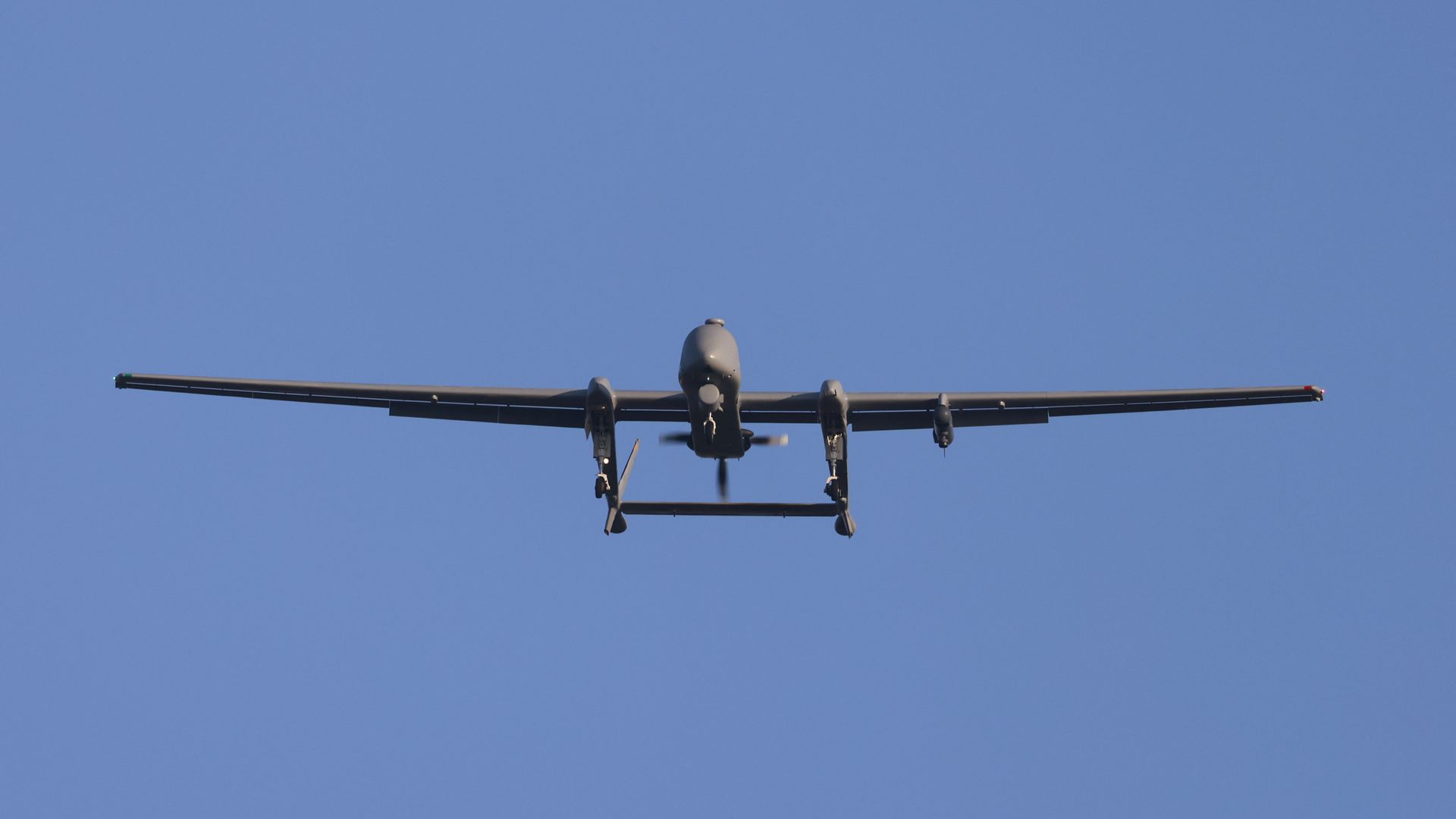
The drone conversation is impossibleto avoid in defense-tech circles. How to make them. How to price them. How to operate alongside them — and how to blast them.
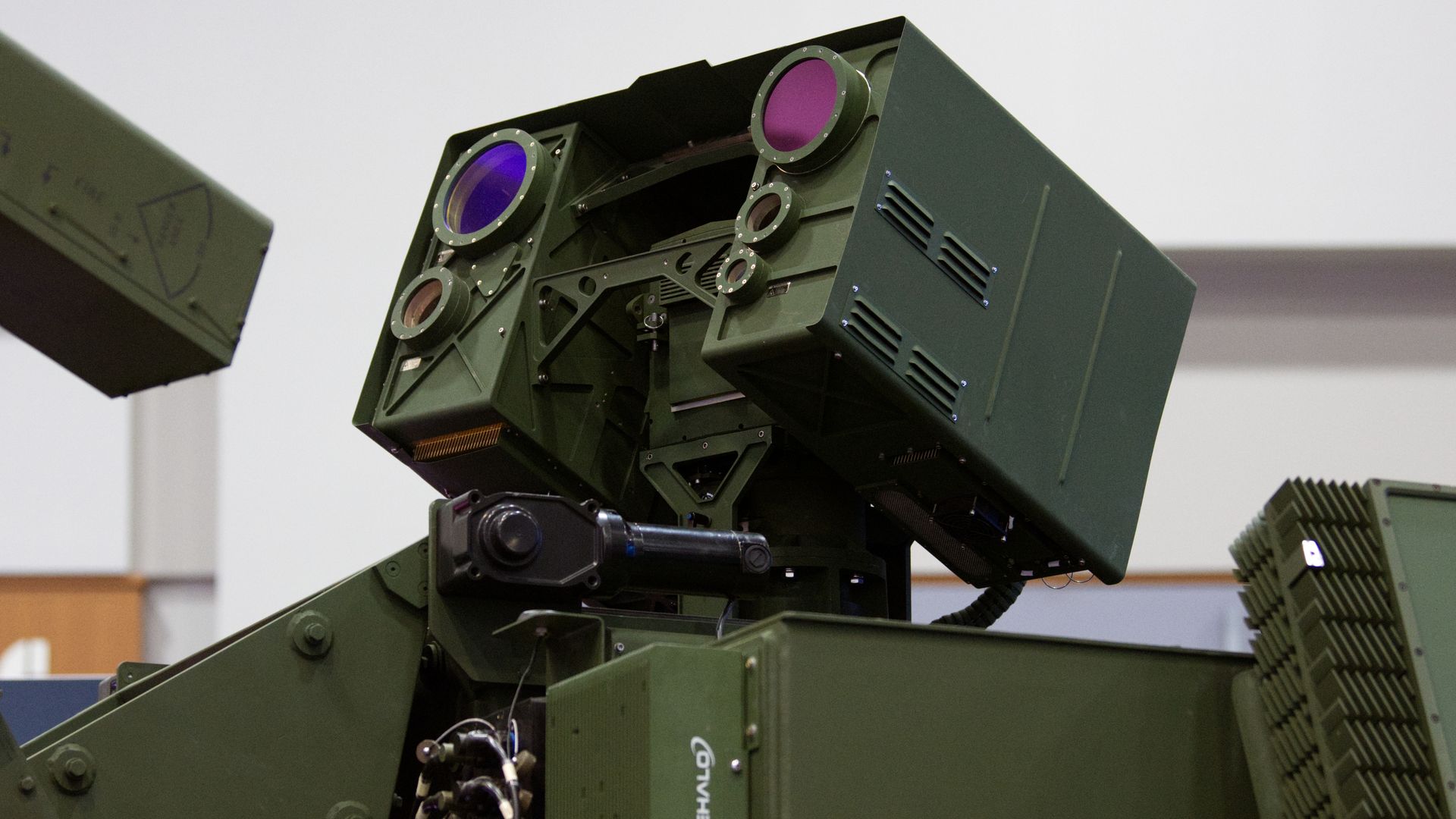
Last week, the halls and booths of the Association of the U.S. Army conference were choked with counter-drone armaments.
Why it matters: Unmanned vehicles are wreaking havoc across the world, from Ukraine to the Red Sea to Sudan. It's time to pay attention to fighting back.
A group of 13 Philadelphia-area health systems is ending the inclusion of race in screening algorithms that help make clinical decisions for lung, kidney and OB-GYN care, saying they incorporate outdated assumptions about biological differences between races.
Why it matters: It's part of an intensifying push to root out systemic biases in clinical tools as AI models take on a bigger role in diagnosis and treatment.
In the closing days of what he says is his last campaign, Donald Trump has launched a strategy combining splashy, attention-getting stunts with dark, apocalyptic messaging.
Why it matters: It's a scaled-up version of a familiar Trump routine — stay in the news, be provocative, deflect.












/2024/10/22/1729636026023.gif?w=3840)