Thousands without water, 1 week on from hurricane hitting Florida

Add Axios as your preferred source to
see more of our stories on Google.
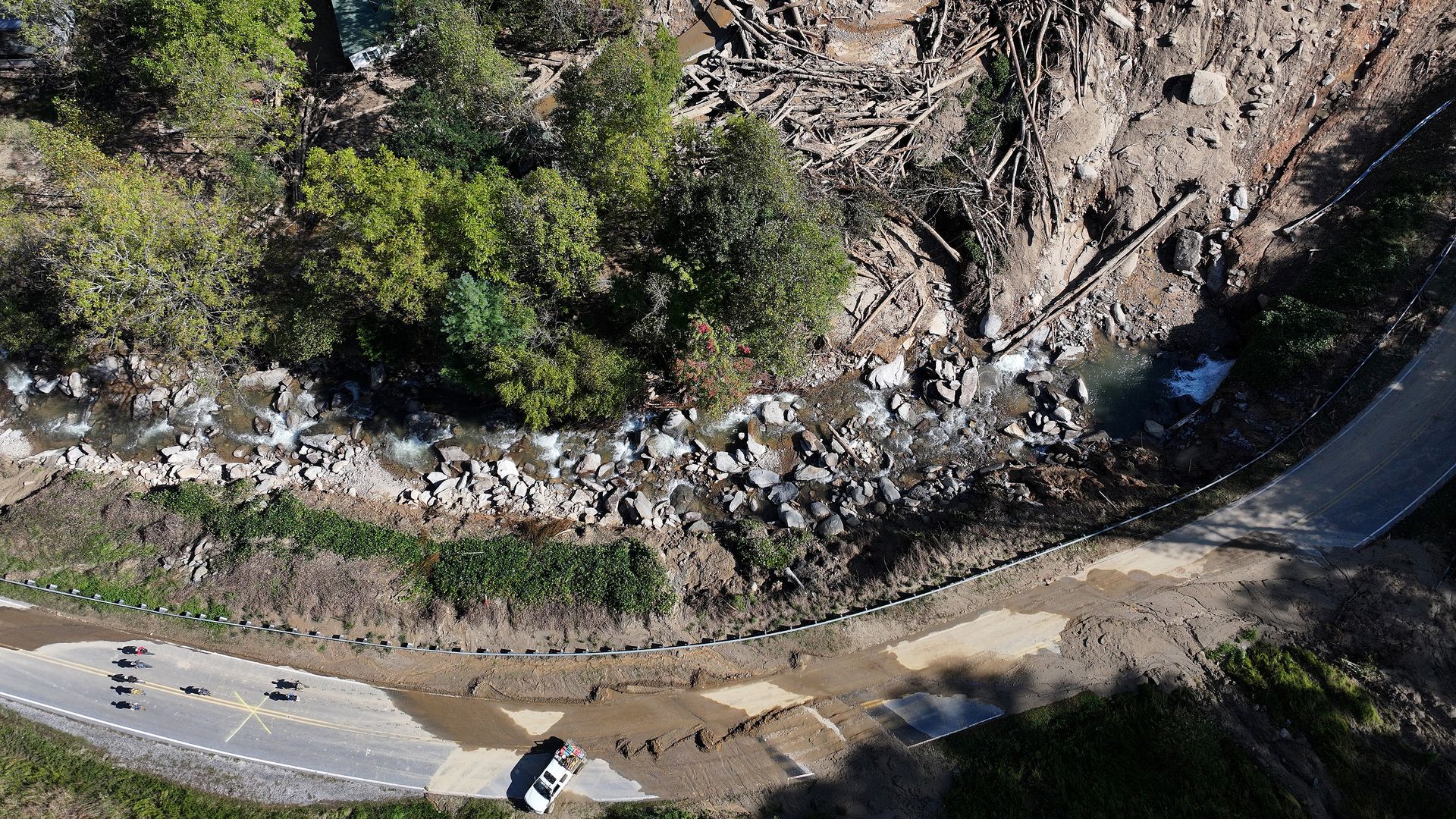
An aerial view of volunteers (lower left) making their way on foot past a mudslide caused by flooding wrought by Hurricane Helene, on their way to deliver supplies to residents, on Oct. 3 near Bat Cave, North Carolina. Photo: Mario Tama/Getty Images
Hurricane Helene's abating floodwaters have enabled residents across storm-hit Southeastern states to return home, but health officials warn survivors now face threats including contaminated water and mold.
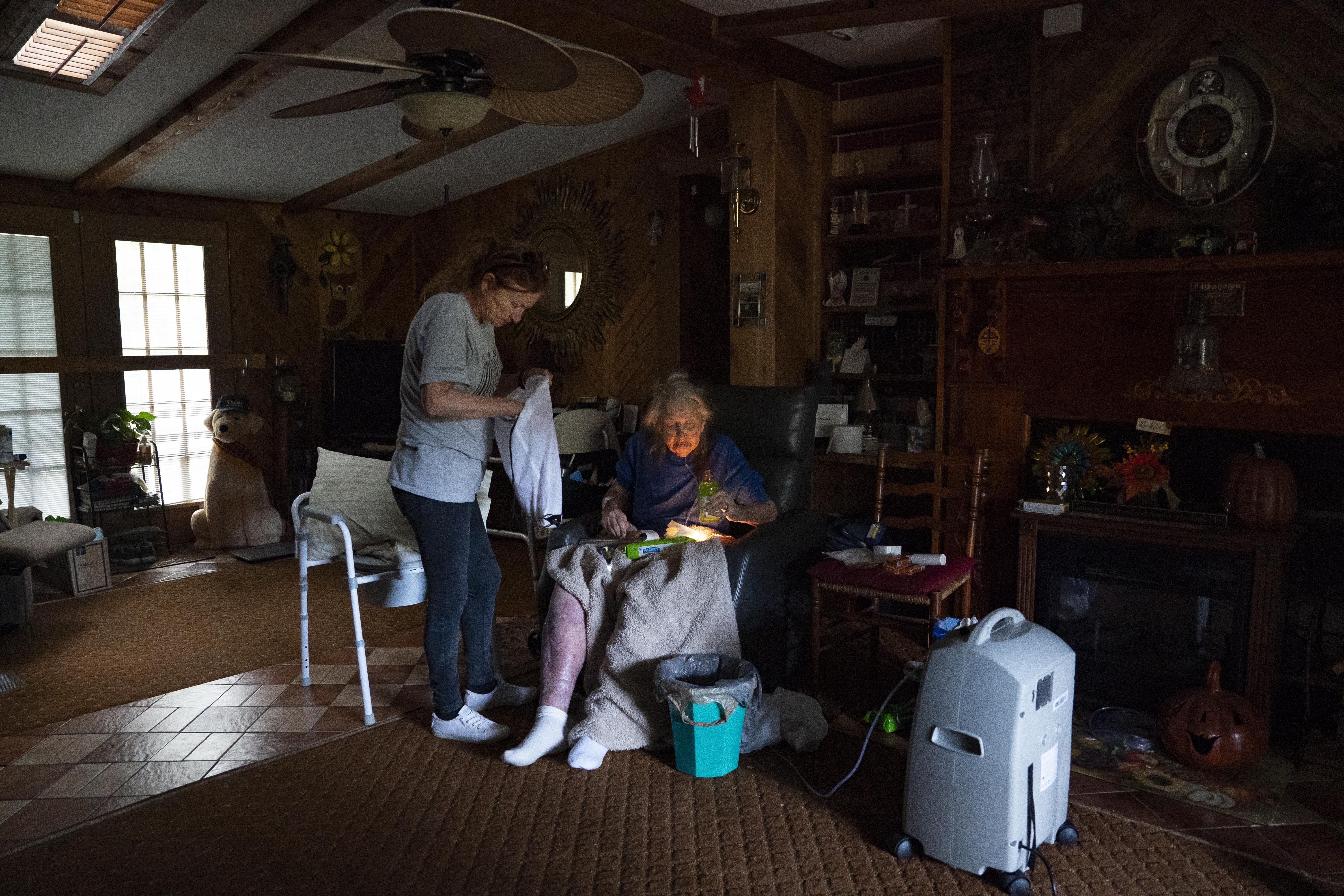
The big picture: At least 215 storm-related deaths have been confirmed as teams continue searching for those missing. Thousands remain without power or access to clean water one week after the hurricane made landfall in Florida, dumping flooding rains across the Southeast.
- "Access to safe and potable water remains a top concern in Western North Carolina," per a Tuesday statement from the N.C. Department of Health and Human Services that noted about 160 boil water advisories were in effect and 27 water plants closed and were not producing water due to the storm.
- Asheville's nearly 100,000 residents may have to wait "weeks" for clean water, city officials said.
Meanwhile, boil water and conservation notices were also in effect in Florida, Georgia, Tennessee and Virginia.
Threat level: "Access to clean water is one of the most urgent health concerns after a flood. People need water for drinking, preparing food, cleaning, bathing, even flushing toilets. Contact with contaminated water can cause serious illnesses," wrote disaster epidemiologist Jennifer Horney in The Conversation on Wednesday.
- "Floodwater with sewage or other harmful contaminants in it can lead to infectious diseases, particularly among people who are already ill, immunocompromised or have open wounds," added Horney, who's originally from N.C. and now works as an epidemiology professor at the University of Delaware.
- Symptoms from infection with waterborne pathogens "can include gastrointestinal upset, diarrhea, nausea, vomiting, fever, and headache," according to a statement from Alasdair Cohen, an assistant professor of environmental epidemiology with the Virginia-Maryland College of Veterinary Medicine.
Floodwaters pose risks like gastrointestinal illness, dehydration and carbon monoxide poisoning from improper generator use, per a statement from Julia Gohlke an associate professor in the Department of Population Health Sciences at the Virginia-Maryland College of Veterinary Medicine.
- "Pregnant women face an increased risk of premature labor or preterm birth, and long-term mold exposure can exacerbate asthma."
State of play: Hurricane Helene made landfall in Florida's Big Bend region as a Category 4 storm late last Thursday, unleashing heavy rains across the Southeast even as it weakened.
- The extreme weather event that researchers said was tied to climate change left a trail of death and destruction across the Sunshine State, North Carolina, South Carolina, Tennessee, Virginia and Georgia.
- Federal help has arrived across flood-hit regions and the Biden administration has said more help is on its way, including to bolster search and rescue operations, Axios' Jen Ashley, Katie Peralta Soloff and Michael Graff report.
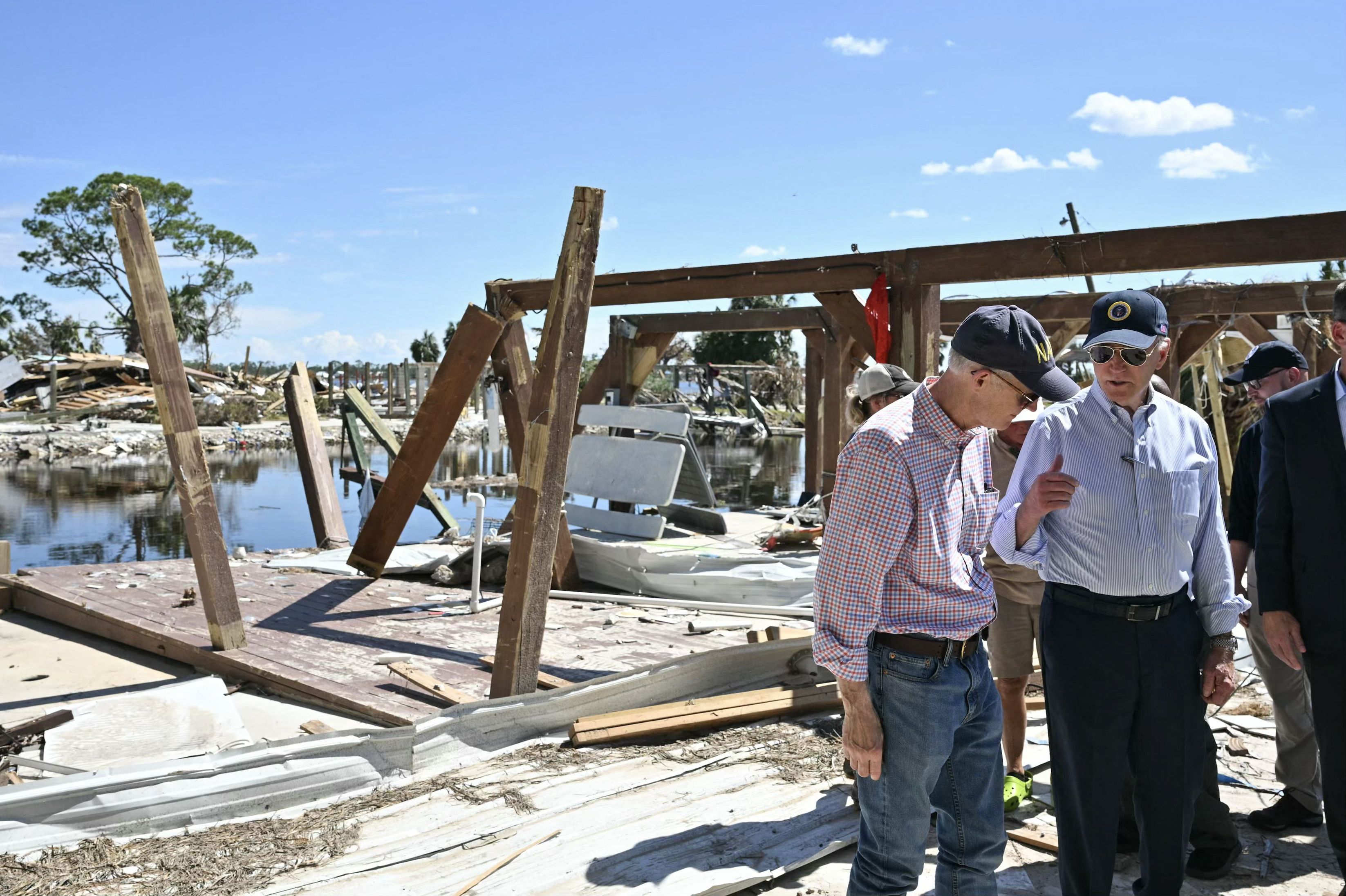
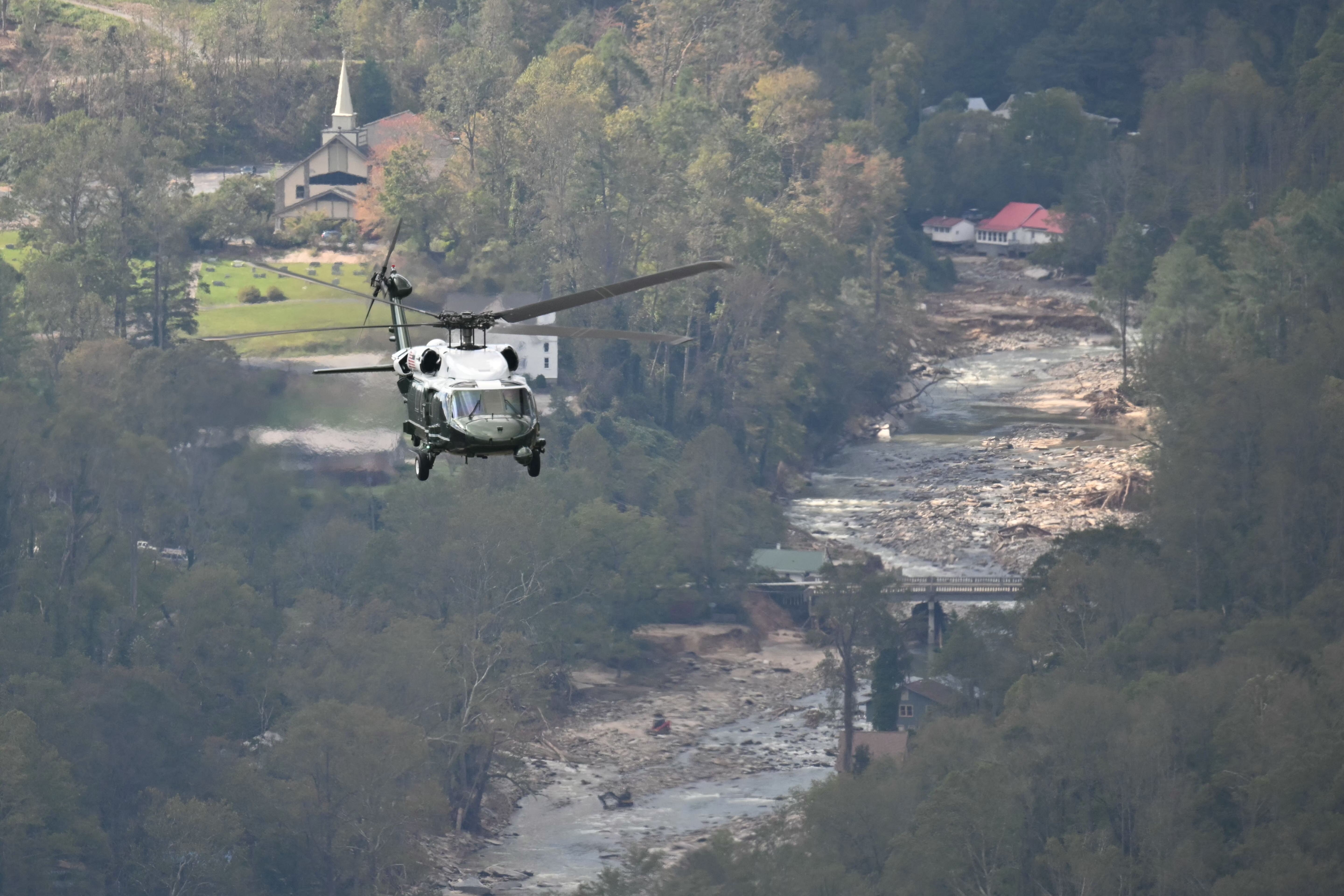
- Both President Biden and Vice President Kamala Harris visited storm-affected communities on Wednesday. Biden also met with state and local officials in Florida on Thursday.
- Officials expect recovery efforts to take months and Horney noted that flooded regions "will need long-term help."
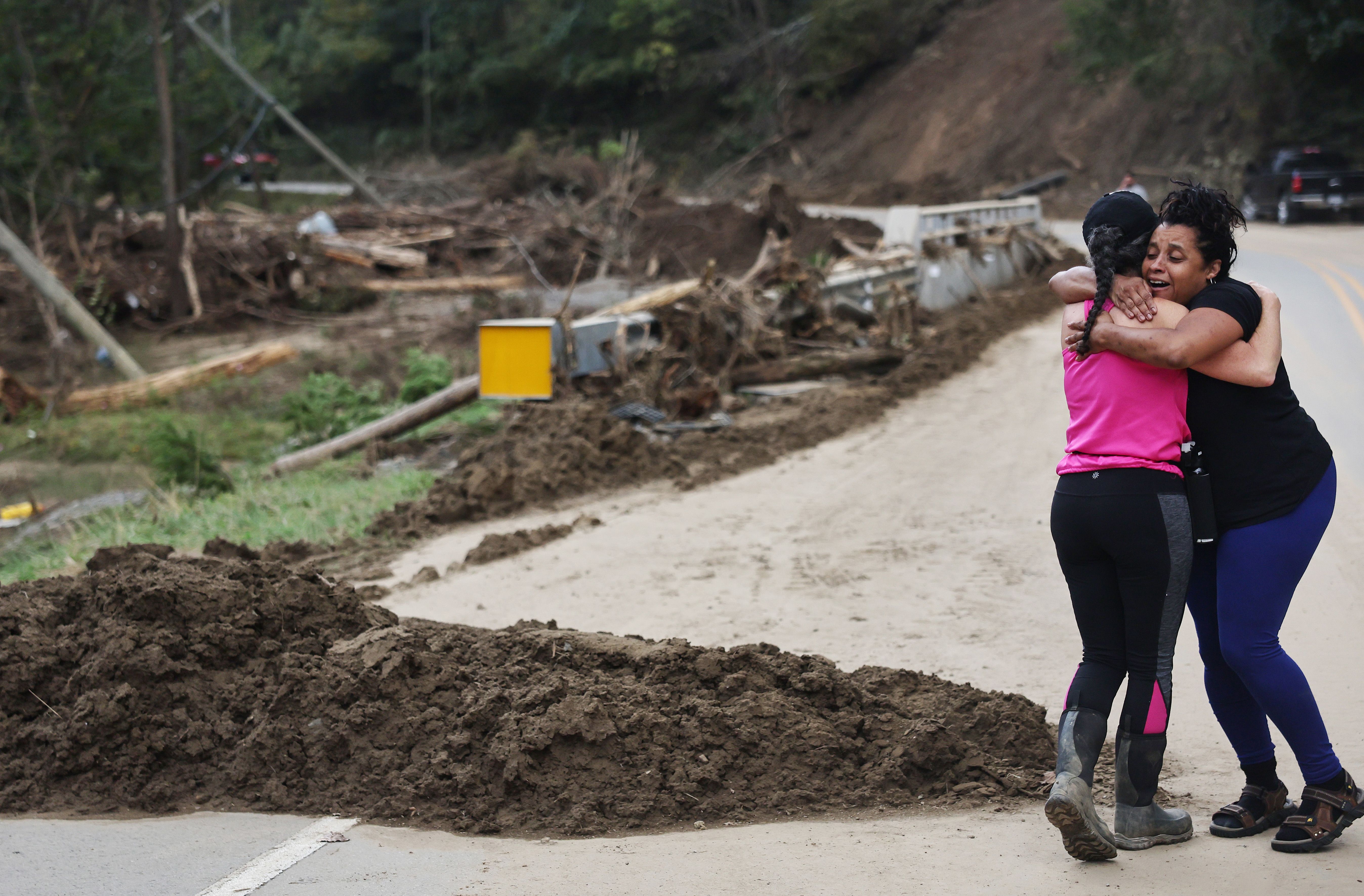
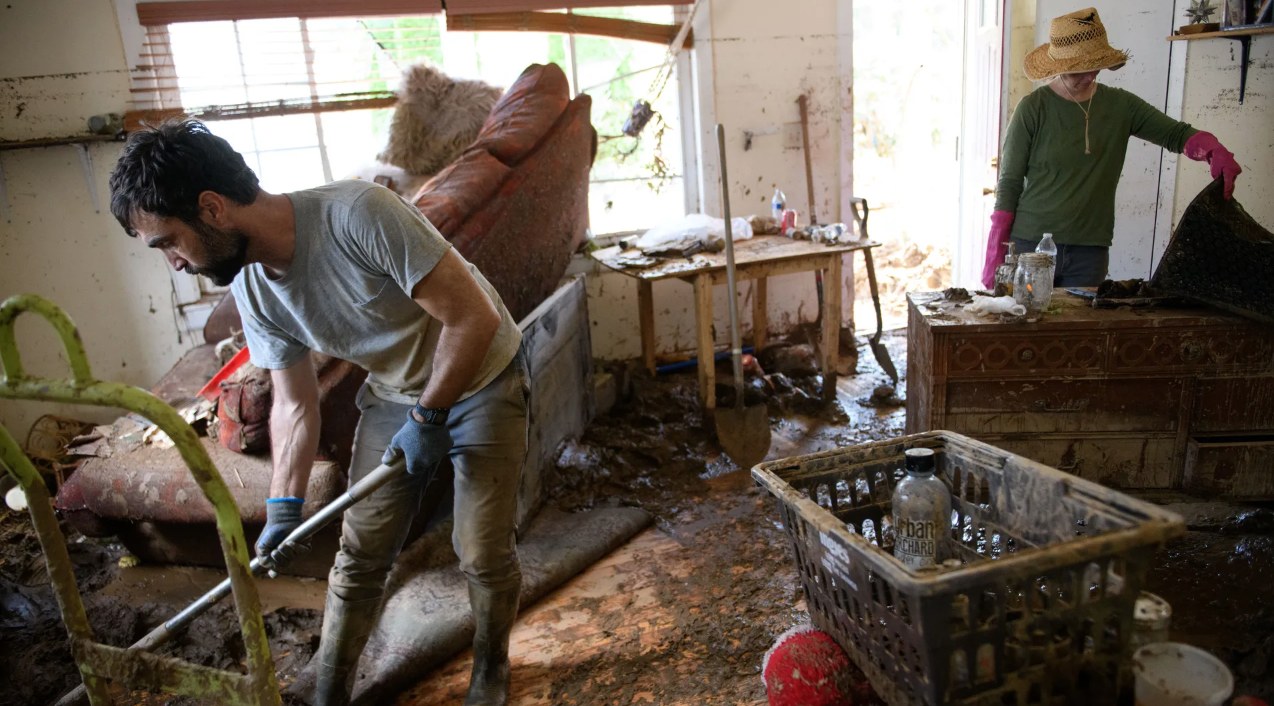
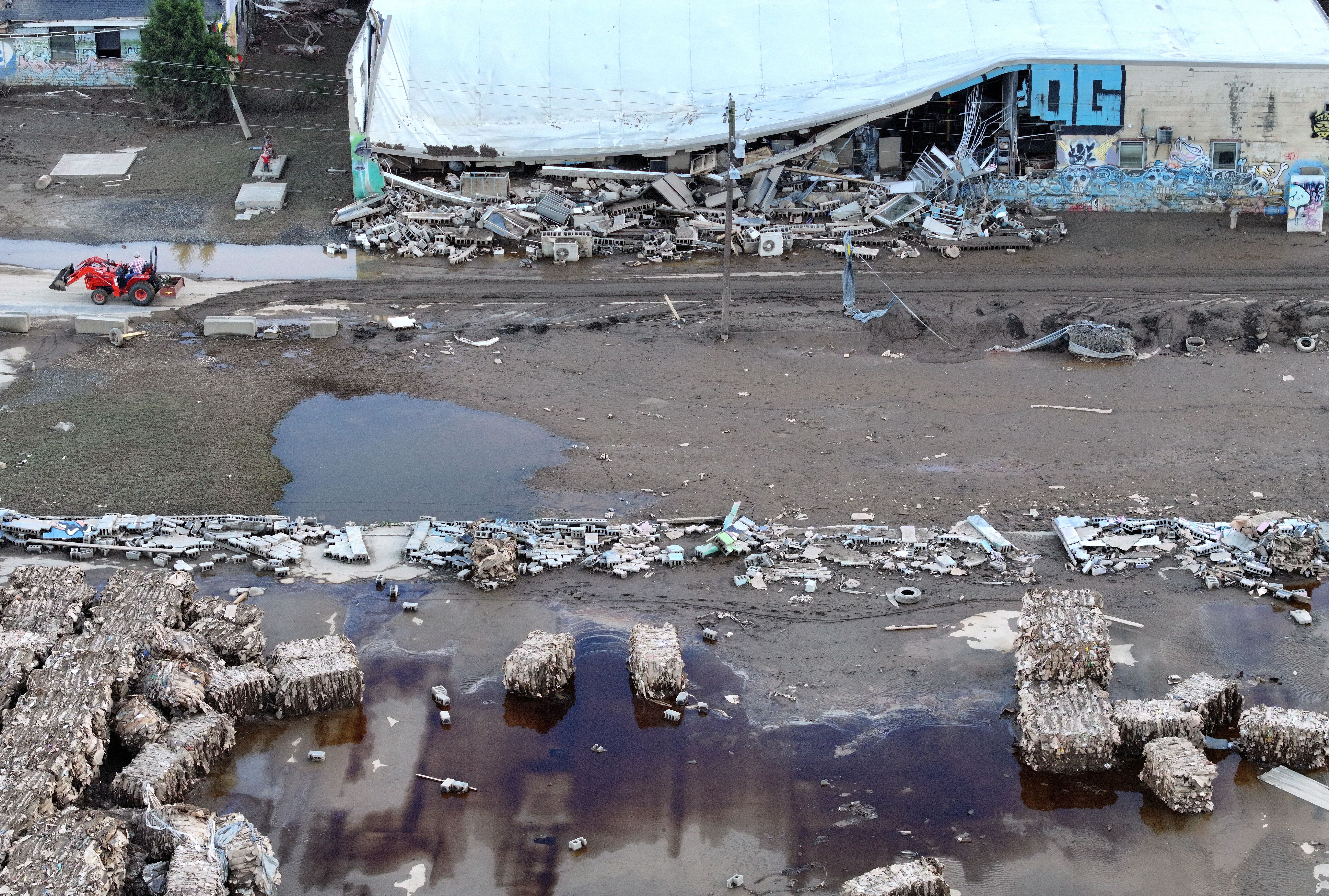
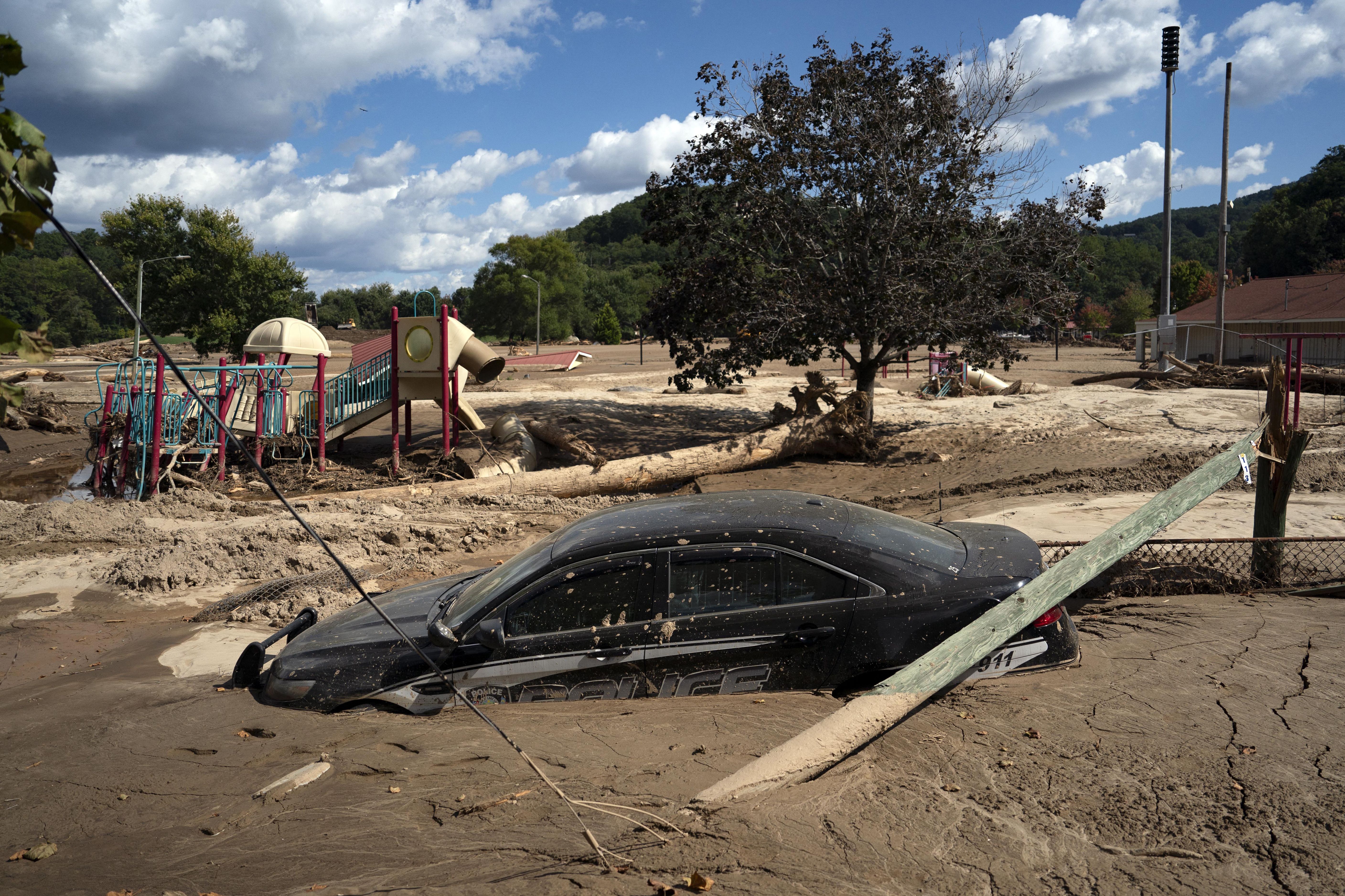
In photos: Aftermath of Hurricane Helene

More from Axios:
- Helene blows climate change into prime time
- Hurricane Helene damages could hit $35 billion
- Study reveals thousands of long-term deaths from hurricanes
- View from space shows path of power outages from Hurricane Helene
Editor's note: This article has been updated with more photos and additional details on the storm response
