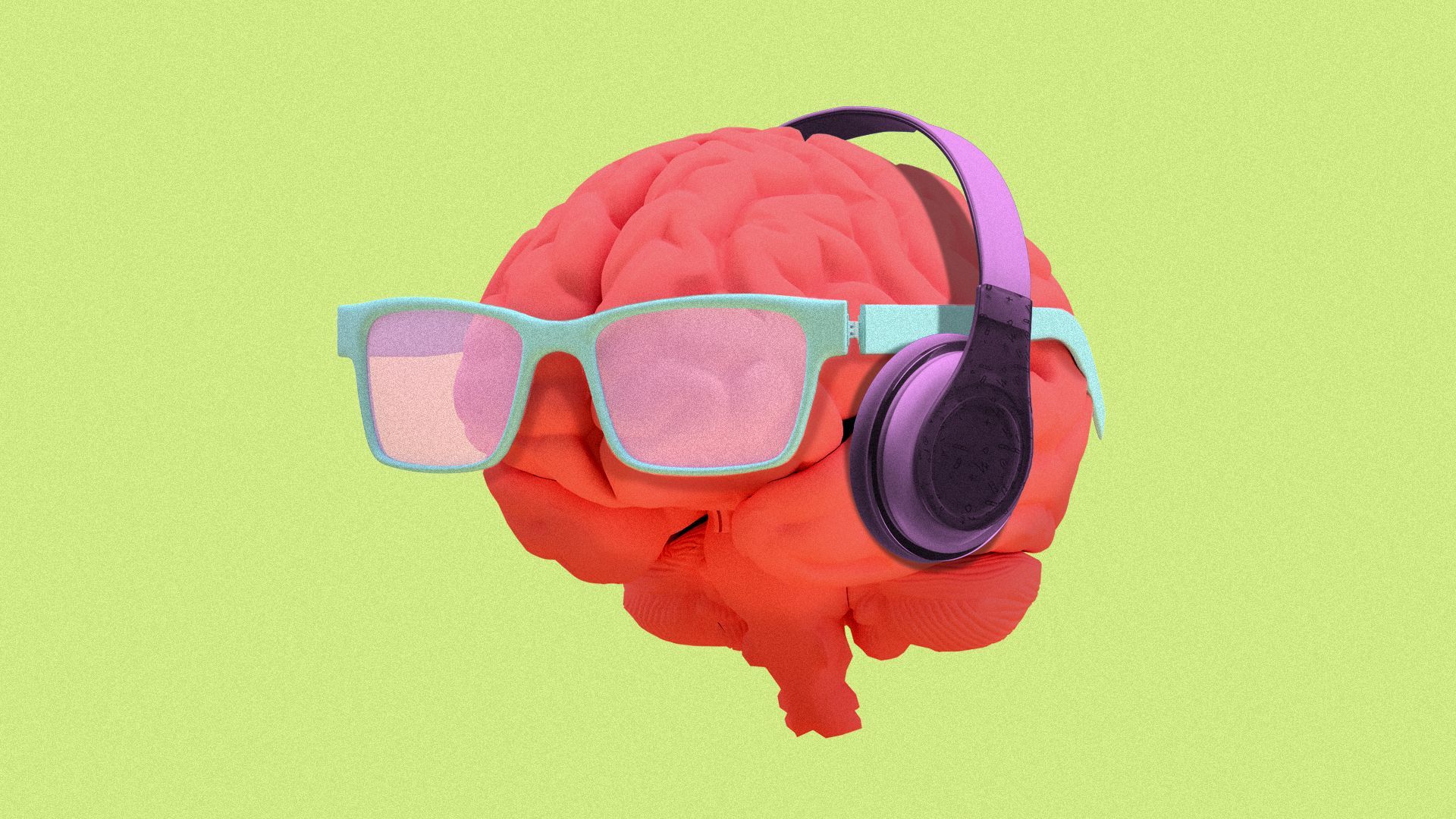
Can "sound therapy" actually help you focus, relax or drift off to sleep? Color me skeptical — until I tried it.
Why it matters: Sound therapy, in which specially designed sounds are used to trigger desired psychological outcomes, is an emerging field with increasingly big bucks behind it, as Axios' Aaron Weitzman has reported.
NEW YORK CITY - Greenhouse co-founder and president Jon Stross says he does not consider getting help from AI to write resumes or cover letters for prospective employers "to be a problem."
Why it matters: The implementation of AI across industries is on the rise and is changing the way people approach the workforce.
Axios' senior business reporter Hope King and global technology correspondent Ryan Heath moderated the event, which was sponsored by Autodesk.
Stross thinks using AI can be beneficial for those who use English as a second language.
For e-commerce platform Etsy, implementing an AI sales assistant for their 92 million active buyers is "going to be amazing," says CEO Josh Silverman.
How it works: He says buyers will answer a few questions and the AI sales assistant will be able to suggest the "perfect" product based on those answers.
Yes, but: The initial test run of the AI sales assistants ended up annoying customers, but Silverman thinks it'll take time for customers to get used to it.
In a separate interview, Reshma Saujani, the founder and CEO of Moms First and the founder of Girls Who Code, says the lack of child care and paid leave support in the U.S. makes it "so damn hard to be a mother and a worker. And we have to fix that."
When it comes to accessing New York's paid leave benefits specifically, she says, "The problem is the government sucks at customer service. So when I go on the website, I can't figure out: 'Am I eligible? How much money will I get? What's the deal?' And I give up. Most poor women give up."
This led Saujani to spearhead the new platform PaidLeave.ai, which helps New York residents navigate their paid leave benefits.
Content from sponsored segment below:
In a View from the Top conversation, Autodesk president and CEO Andrew Anagnost says "there's no doubt" AI is going to change the way people work over the next five to ten years.
He says there's a "capacity problem" in industries where there's not enough "money, material, or people," and that AI can help with this problem.
The leaders of America's largest banks are convinced that AI will transform their businesses, but they're mostly struggling to implement more than a handful of AI products, even internally, and can't agree on what counts as a win.
Why it matters: The massive banking industry is a crucial testbed for transforming the AI industry's promises into real-world results.
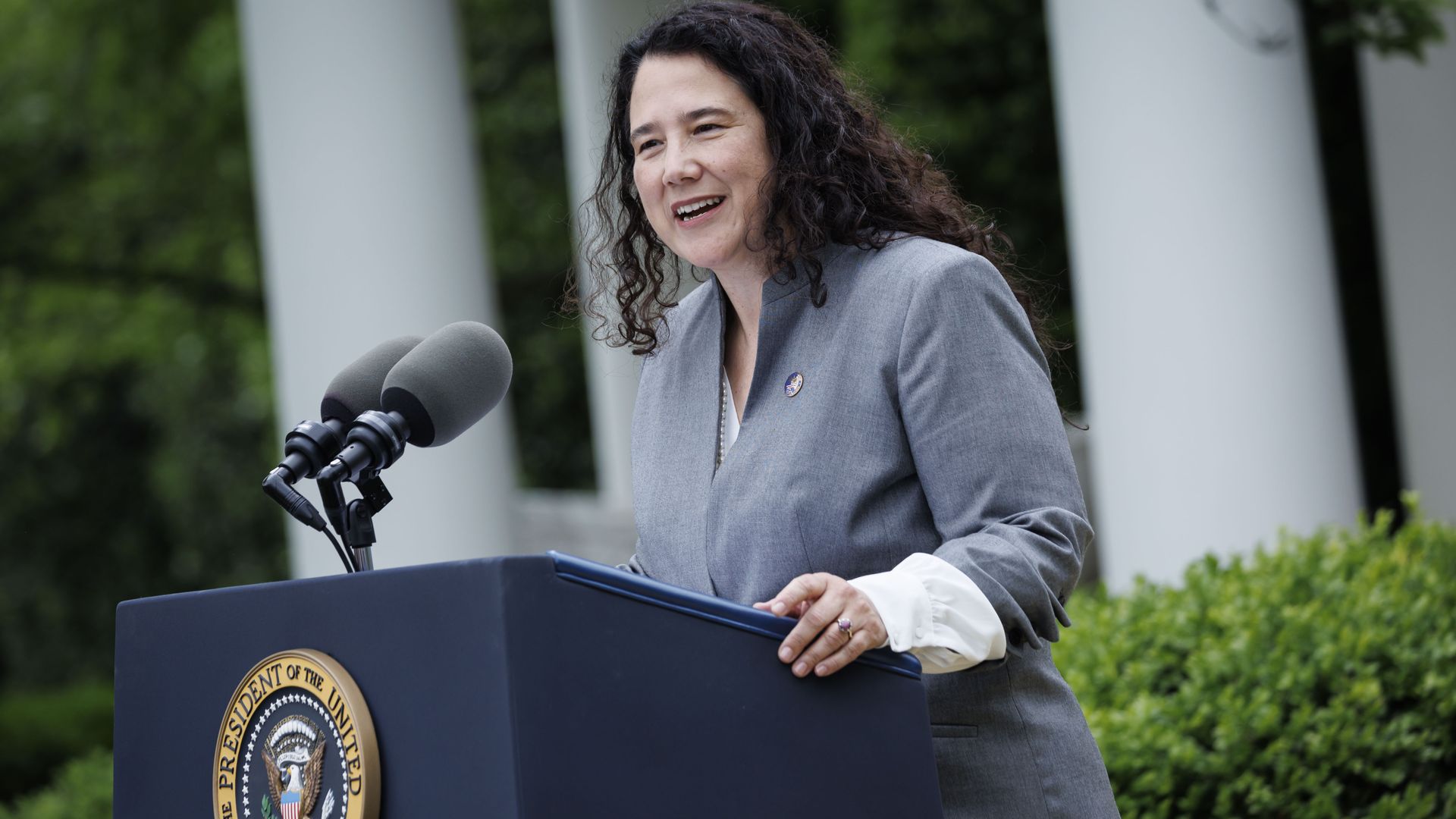
New business applications filed since the start of 2021 reached 17.2 million in the U.S. as of March, Isabel Casillas Guzman, head of the Small Business Administration, told Axios in an exclusive interview on Thursday.
Why it matters: It's the highest-ever level under any presidential term, according to the SBA.
The FBI is growing increasingly concerned about a potential attack in the U.S. similar to last month's Russia concert hall shooting, bureau director Christopher Wray said Thursday.
The big picture: "As I look back over my career in law enforcement, I would be hard-pressed to think of a time where so many threats to our public safety and national security were so elevated all at once," Wray told lawmakers as he urged Congress to reauthorize Section 702 of the Foreign Intelligence Surveillance Act (FISA).
Hiring platform Greenhouse doesn't "have some magic AI" that judges applicants, Jon Stross, the company's co-founder and president, tells Axios.
Why it matters: Being among the first to apply to a job, being relevant to the role and having an internal referral all help to make an applicant stand out, he says.
Russian intelligence hackers stole emails between federal agencies and Microsoft and potentially collected login credentials during a recent breach of the tech company, a top U.S. cyber official said Thursday.
Why it matters: Microsoft has said that the hacking group, known as Midnight Blizzard, is continuing to target its networks in an effort to steal its source code and its customers' secrets.
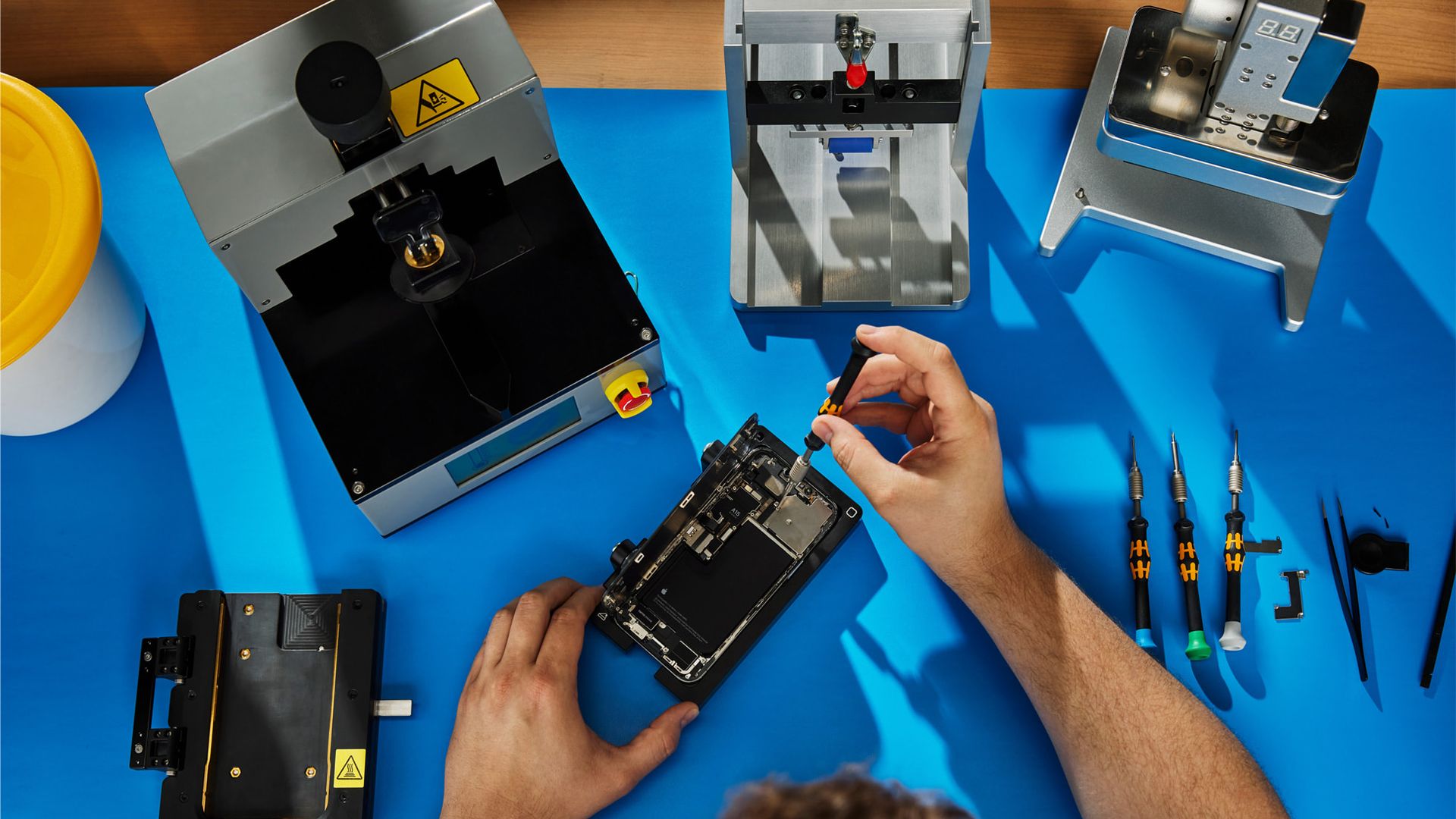
Apple is making a big change to its repair process starting this fall that will see more used parts in select iPhones, the tech giant announced Thursday.
Why it matters: The move is a major victory for the "Right to Repair" movement, which Apple had vociferously opposed, that should make it easier and cheaper for consumers to fix their phones.
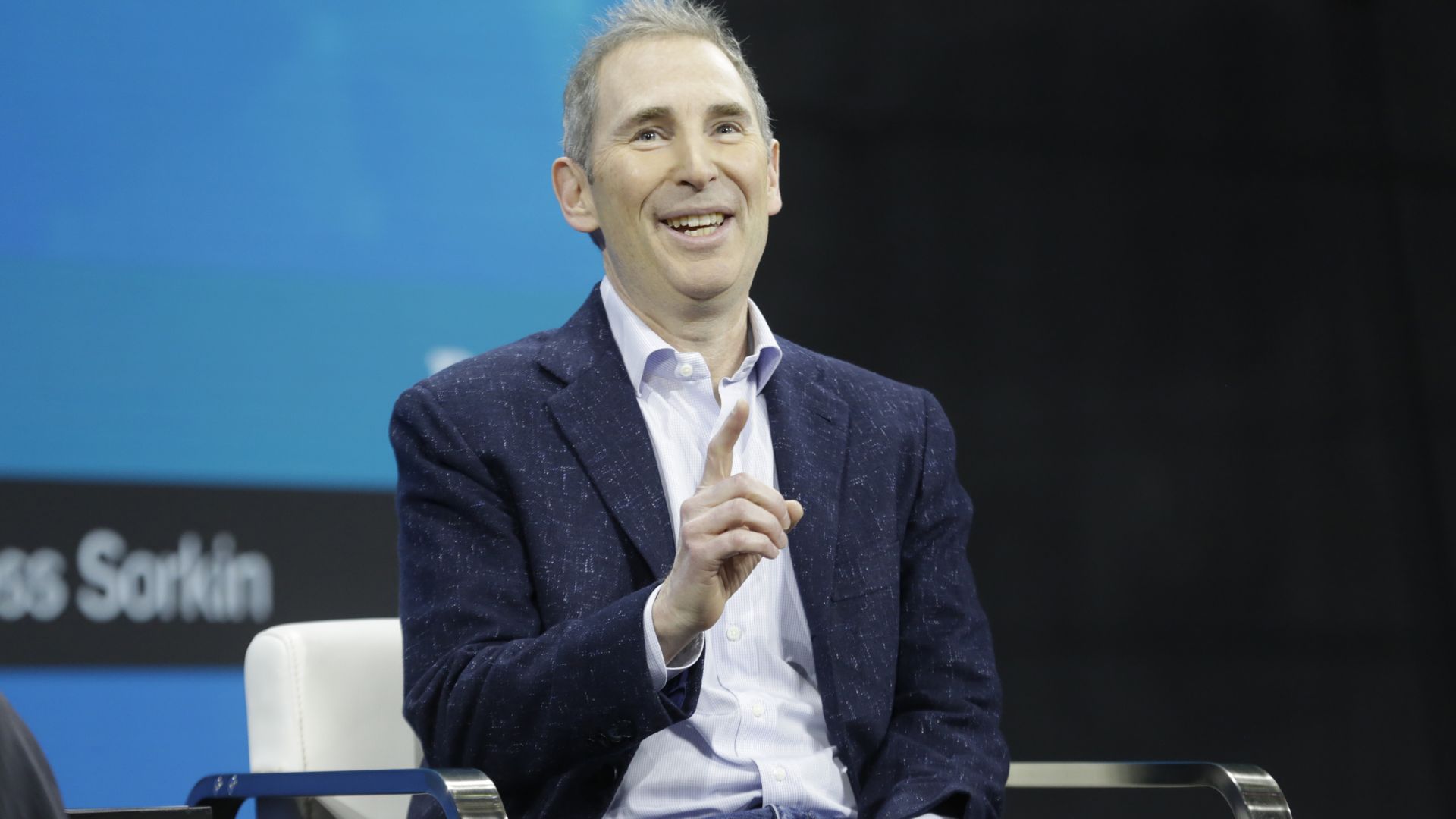
Amazon CEO Andy Jassy revealed details about the company's investments in generative AI in his annual shareholder letter published Thursday morning.
Why it matters: It costs money to make money and before many companies can reap outsized rewards from selling new AI products and services, they are expected to outlay enormous sums to build them.
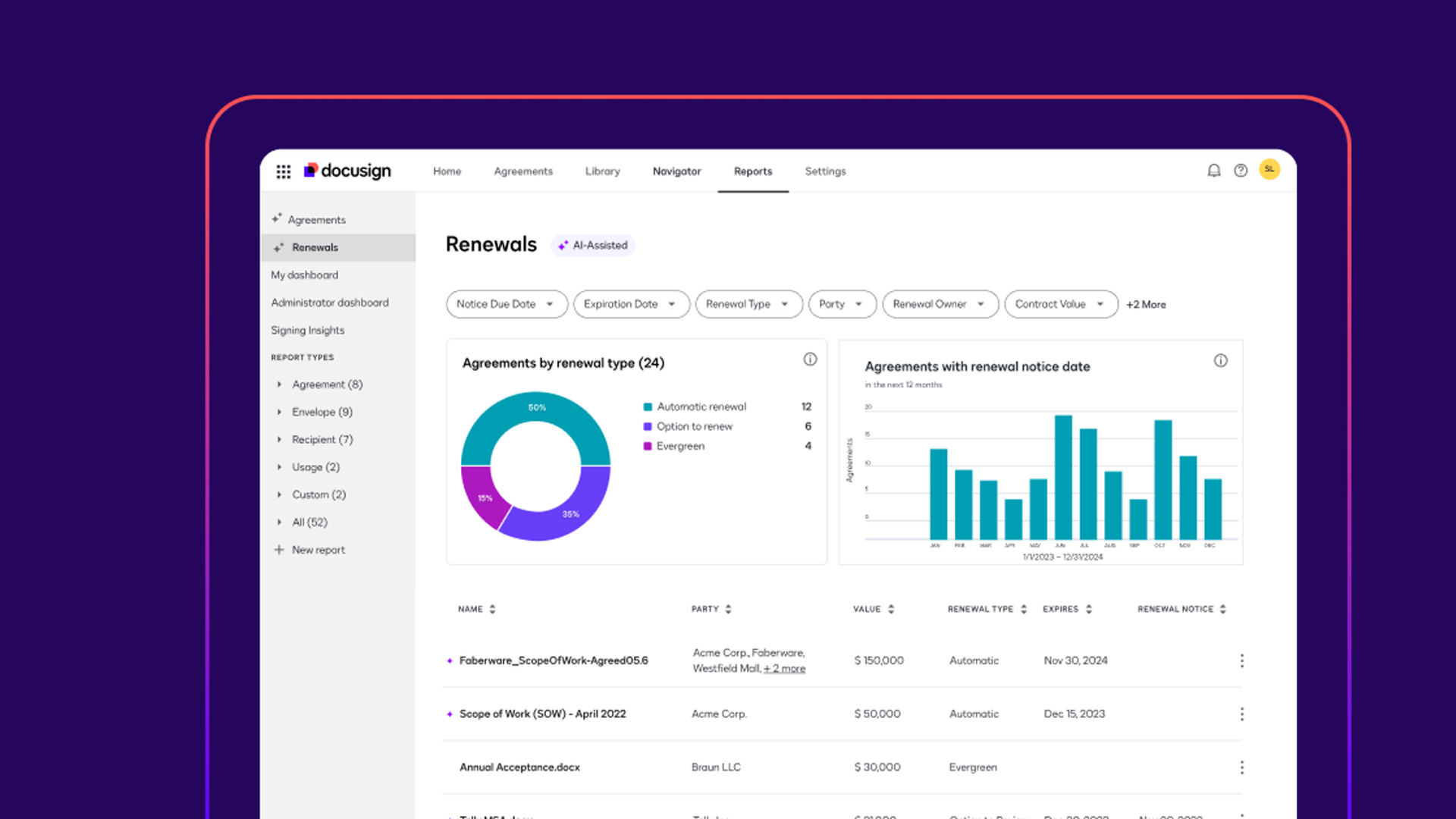
Docusign, the e-signature giant, announced Thursday it is moving into a new software category — contracts — and will soon offer an AI-powered "intelligent agreement management platform."
Why it matters: Contracts are at the heart of most businesses, but they're a frequent pain point.
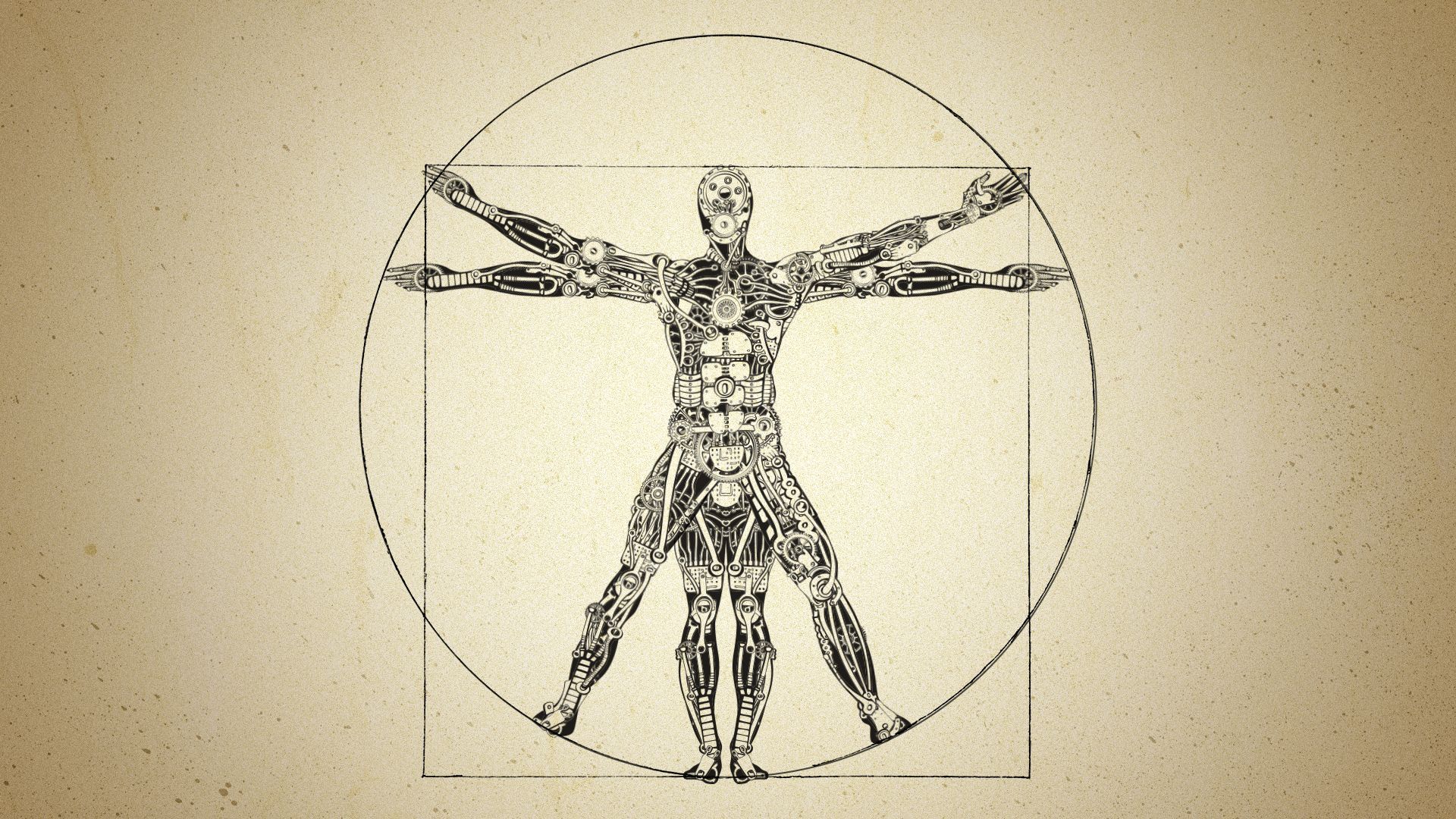
Some of the tech industry's loudest voices — most recently Elon Musk — keep aiming for AI to become "smarter than humans," yet there isn't agreement on what that bar is.
Why it matters: If we obsess over this fuzzy human-centric yardstick for AI's abilities, we could miss out on promising — but decidedly non-human — ways machines could meet actual human needs.
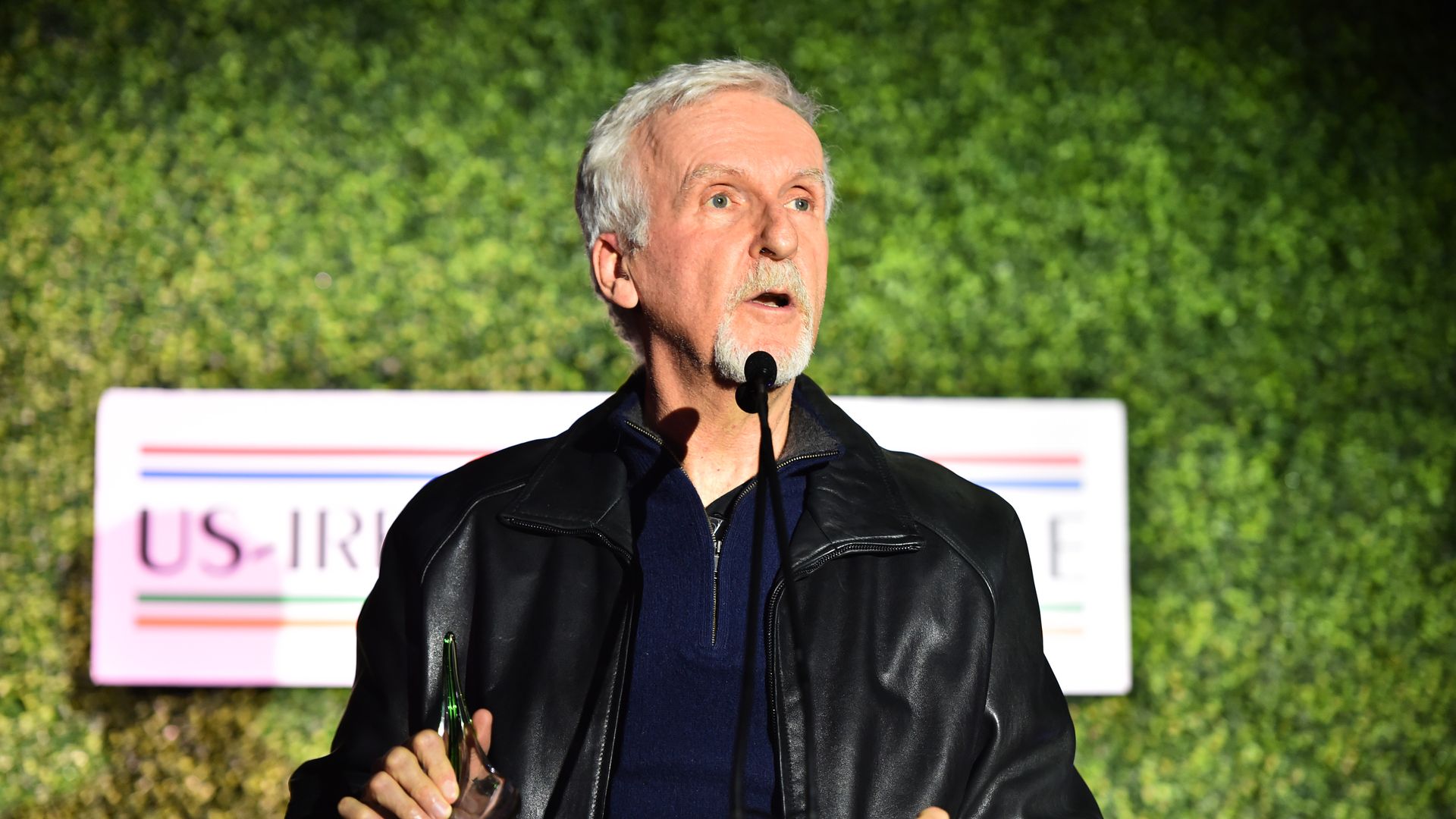
James Cameron is challenging himself to create the next "Terminator" movie, the filmmaker told Axios in an interview Wednesday night.
Why it matters: His depiction of AI gone horribly wrong has helped shape the public's fear of the technology since the first "Terminator" was released 40 years ago.