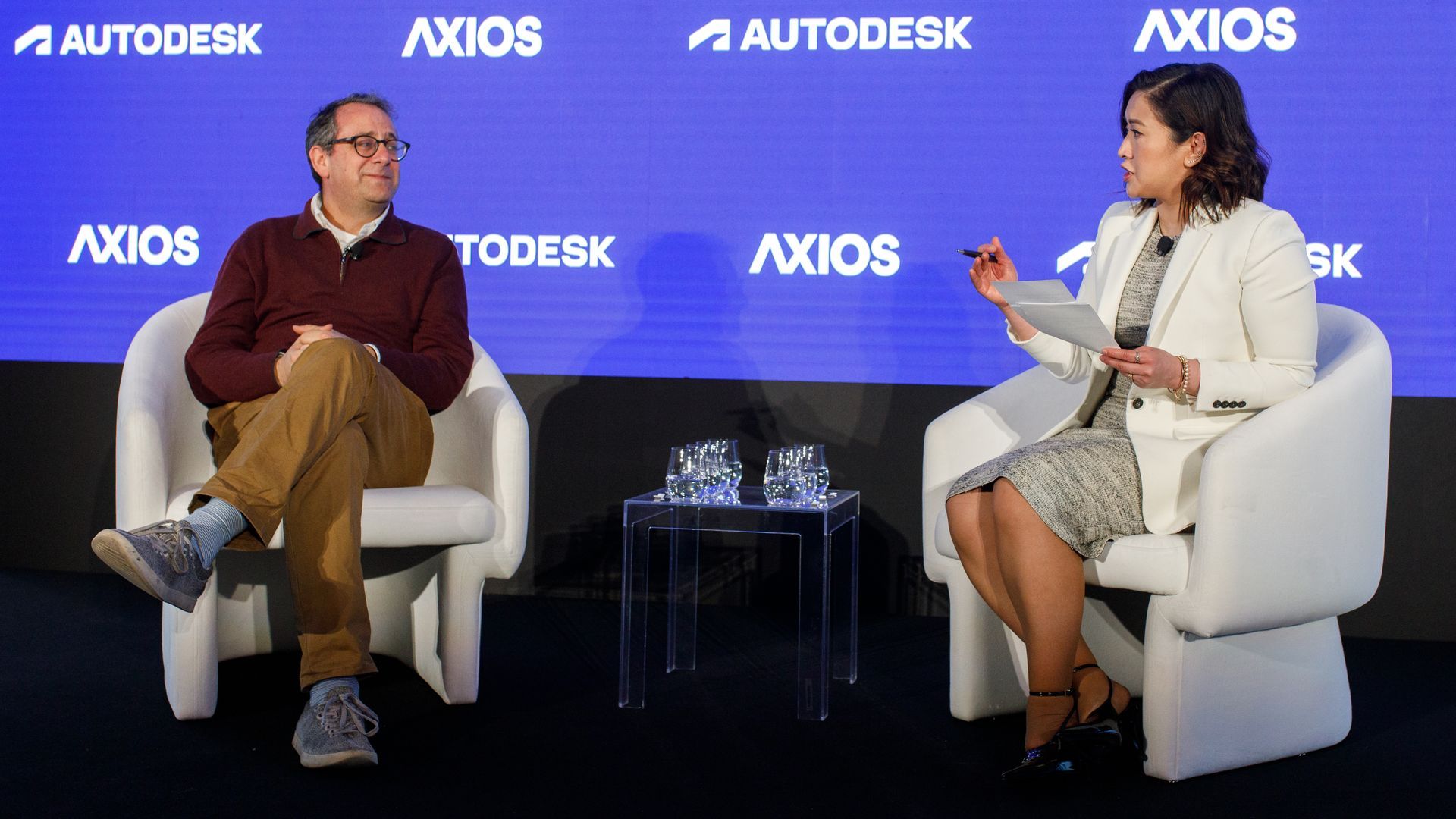
Hiring platform Greenhouse doesn't "have some magic AI" that judges applicants, Jon Stross, the company's co-founder and president, tells Axios.
Why it matters: Being among the first to apply to a job, being relevant to the role and having an internal referral all help to make an applicant stand out, he says.
Russian intelligence hackers stole emails between federal agencies and Microsoft and potentially collected login credentials during a recent breach of the tech company, a top U.S. cyber official said Thursday.
Why it matters: Microsoft has said that the hacking group, known as Midnight Blizzard, is continuing to target its networks in an effort to steal its source code and its customers' secrets.
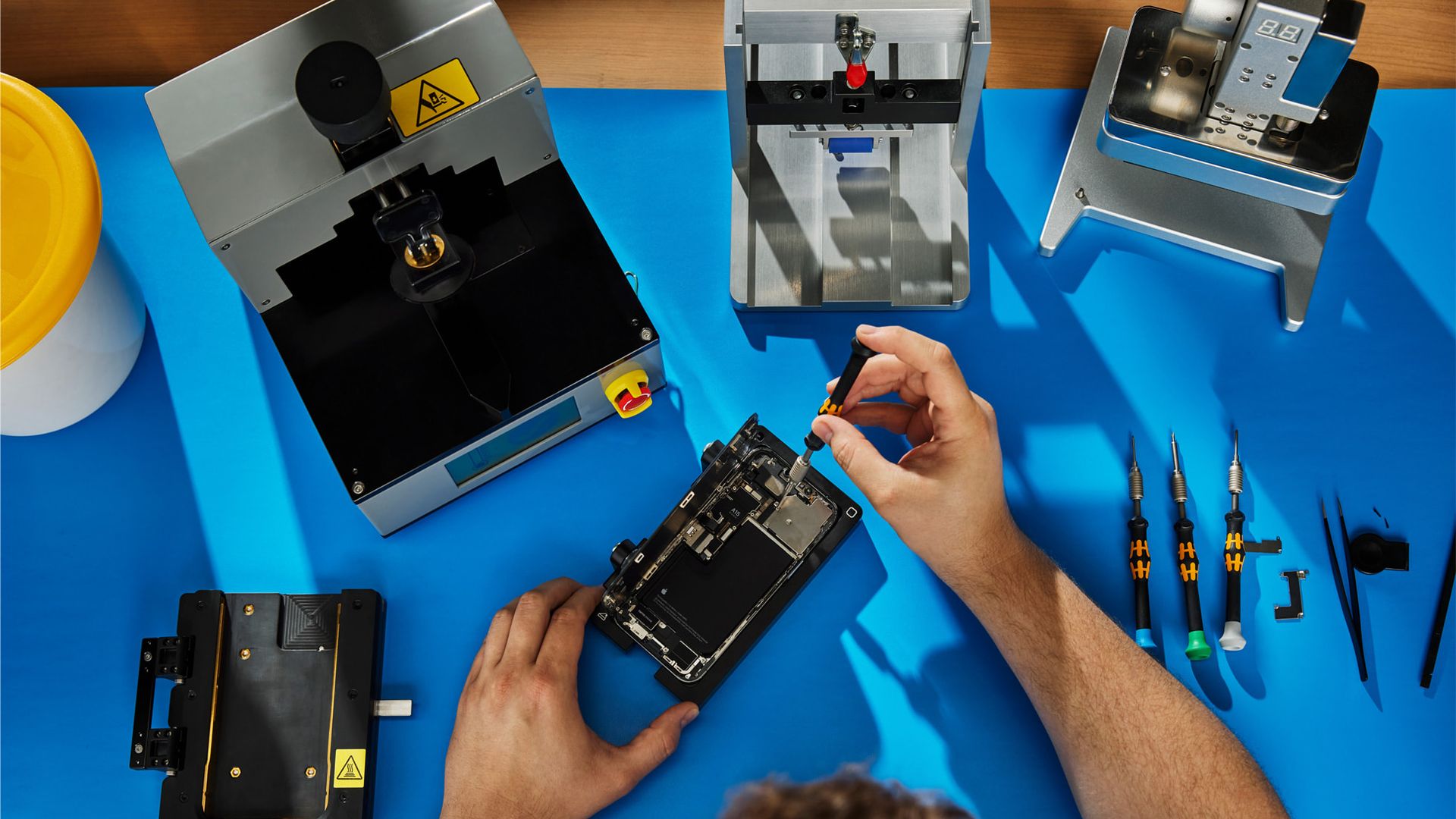
Apple is making a big change to its repair process starting this fall that will see more used parts in select iPhones, the tech giant announced Thursday.
Why it matters: The move is a major victory for the "Right to Repair" movement, which Apple had vociferously opposed, that should make it easier and cheaper for consumers to fix their phones.
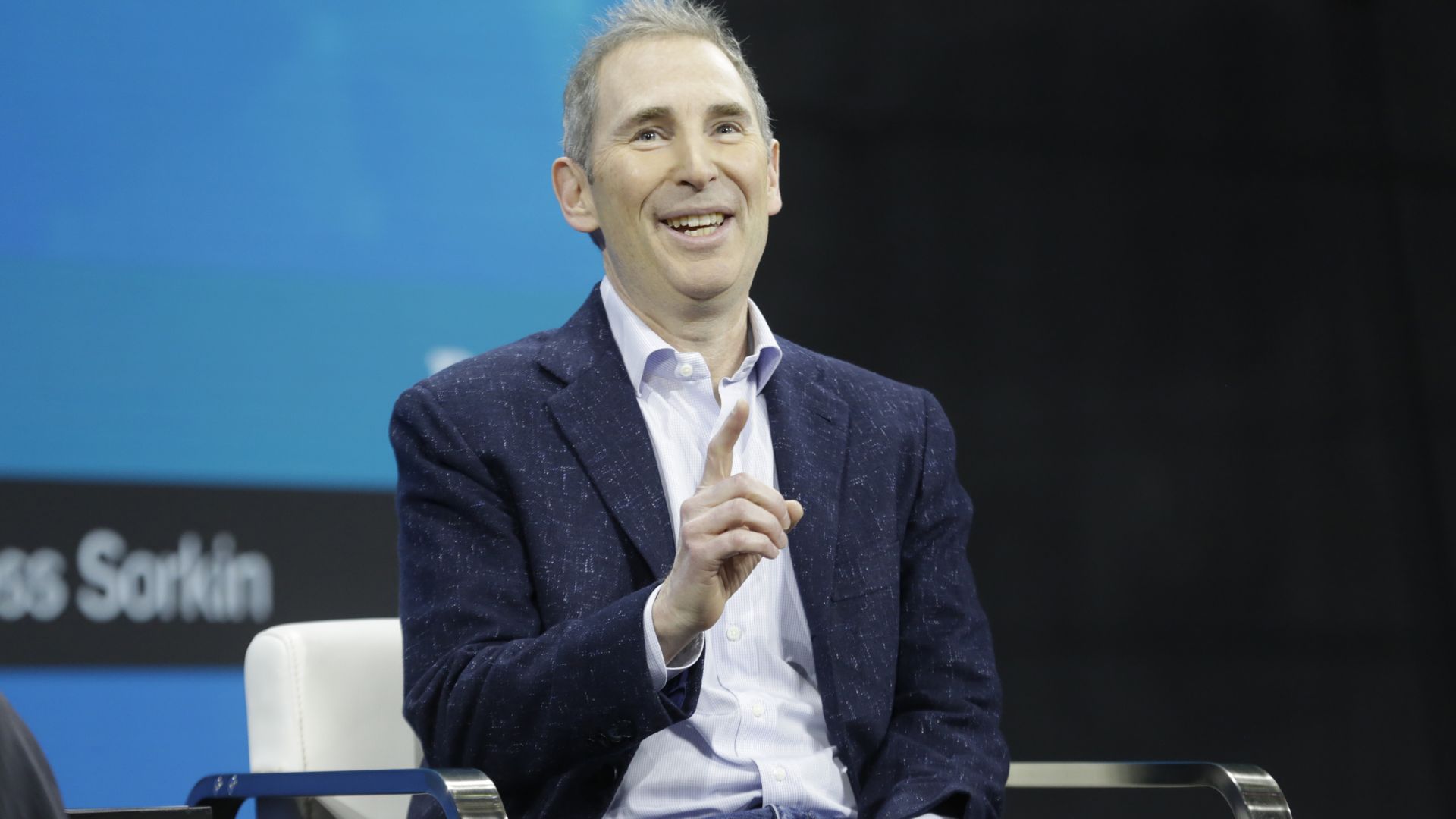
Amazon CEO Andy Jassy revealed details about the company's investments in generative AI in his annual shareholder letter published Thursday morning.
Why it matters: It costs money to make money and before many companies can reap outsized rewards from selling new AI products and services, they are expected to outlay enormous sums to build them.
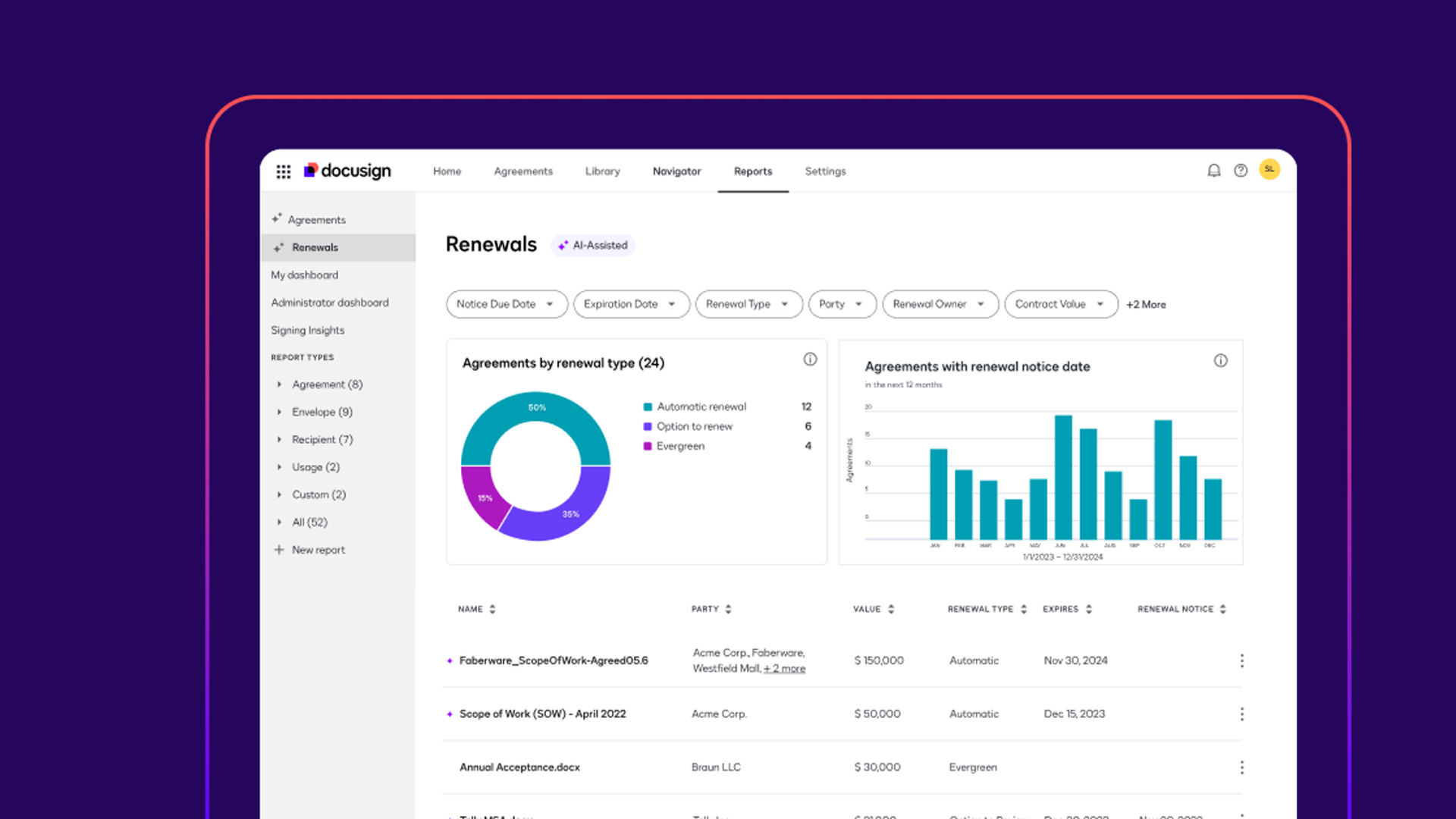
Docusign, the e-signature giant, announced Thursday it is moving into a new software category — contracts — and will soon offer an AI-powered "intelligent agreement management platform."
Why it matters: Contracts are at the heart of most businesses, but they're a frequent pain point.
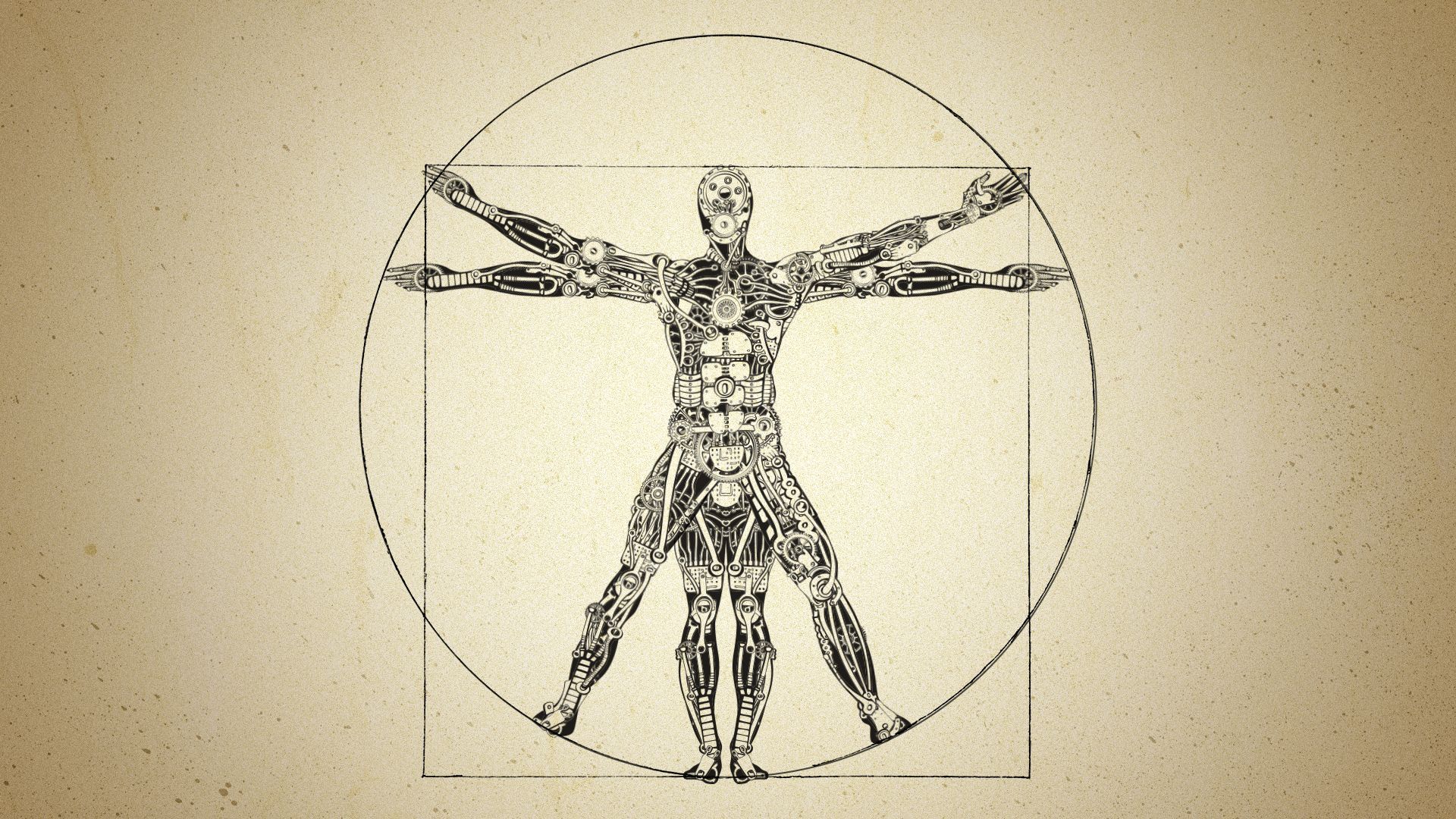
Some of the tech industry's loudest voices — most recently Elon Musk — keep aiming for AI to become "smarter than humans," yet there isn't agreement on what that bar is.
Why it matters: If we obsess over this fuzzy human-centric yardstick for AI's abilities, we could miss out on promising — but decidedly non-human — ways machines could meet actual human needs.
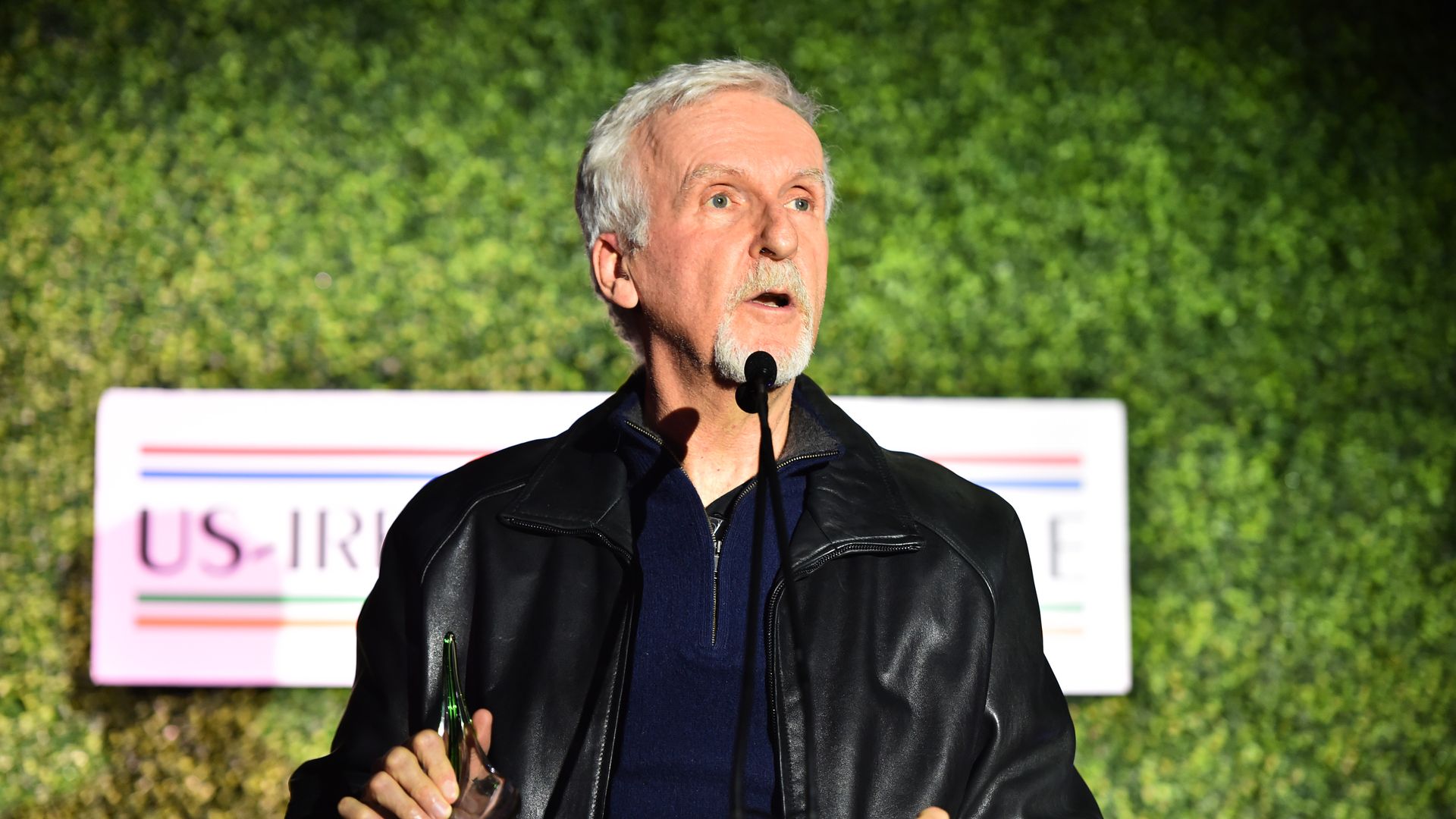
James Cameron is challenging himself to create the next "Terminator" movie, the filmmaker told Axios in an interview Wednesday night.
Why it matters: His depiction of AI gone horribly wrong has helped shape the public's fear of the technology since the first "Terminator" was released 40 years ago.
Floating Point, an early-stage VC firm focused on startups in complex sectors, tells Axios that it's raised $70 million for its second fund.
The big picture: Its thesis is that there is still VC value to be found by supporting capital-intensive startups, but that the trouble came when firms began flooding money into startups that really were capital-light models.
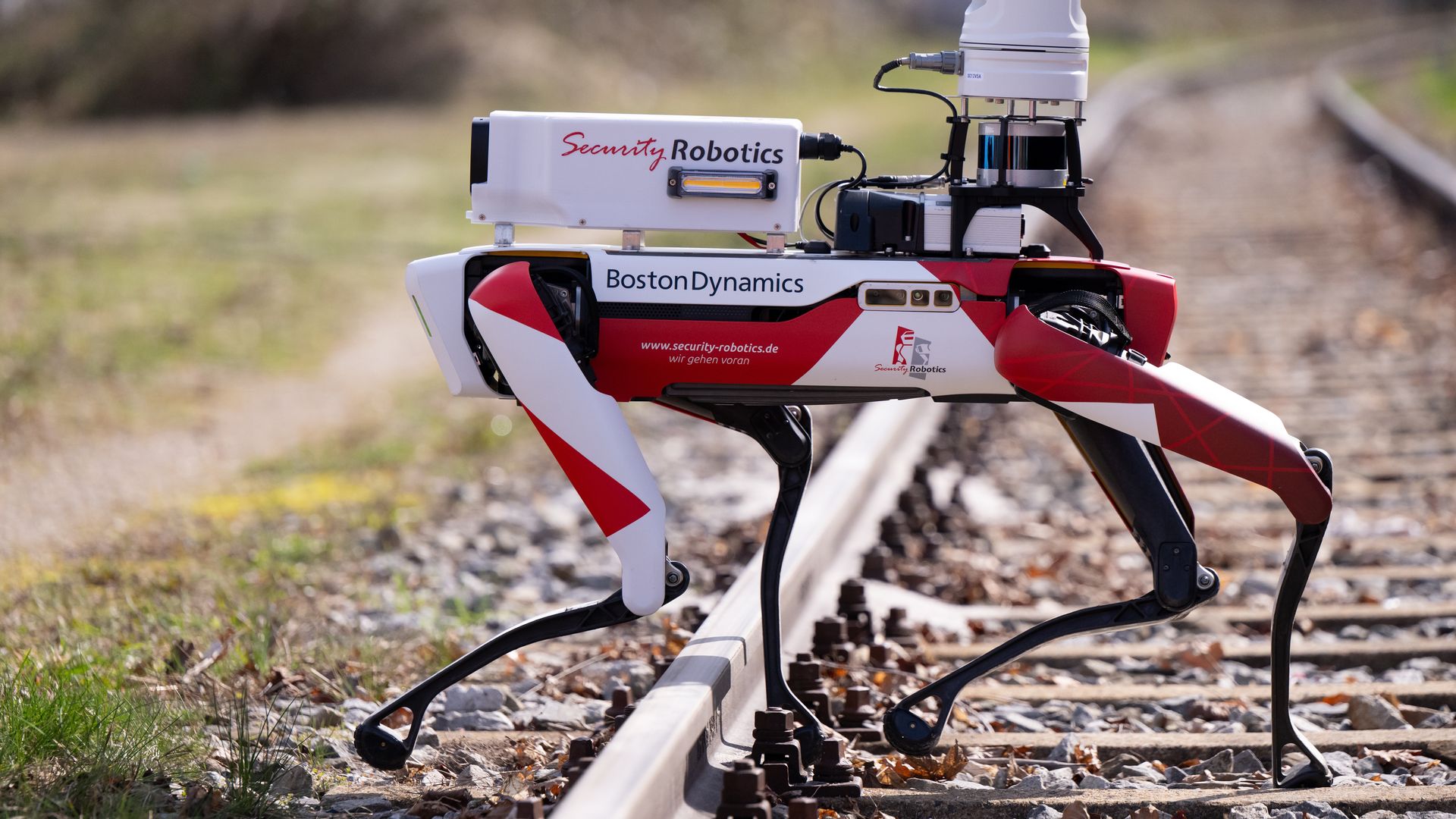
As humanoid robots storm into the workplace, the company that pioneered them — Boston Dynamics — is taking a wait-and-see approach, though there are hints that could change.
Why it matters: Shippers and manufacturers want human-shaped robots that can lift heavy boxes and handle dangerous tasks, but it's not clear yet if they're going to be the right answer.
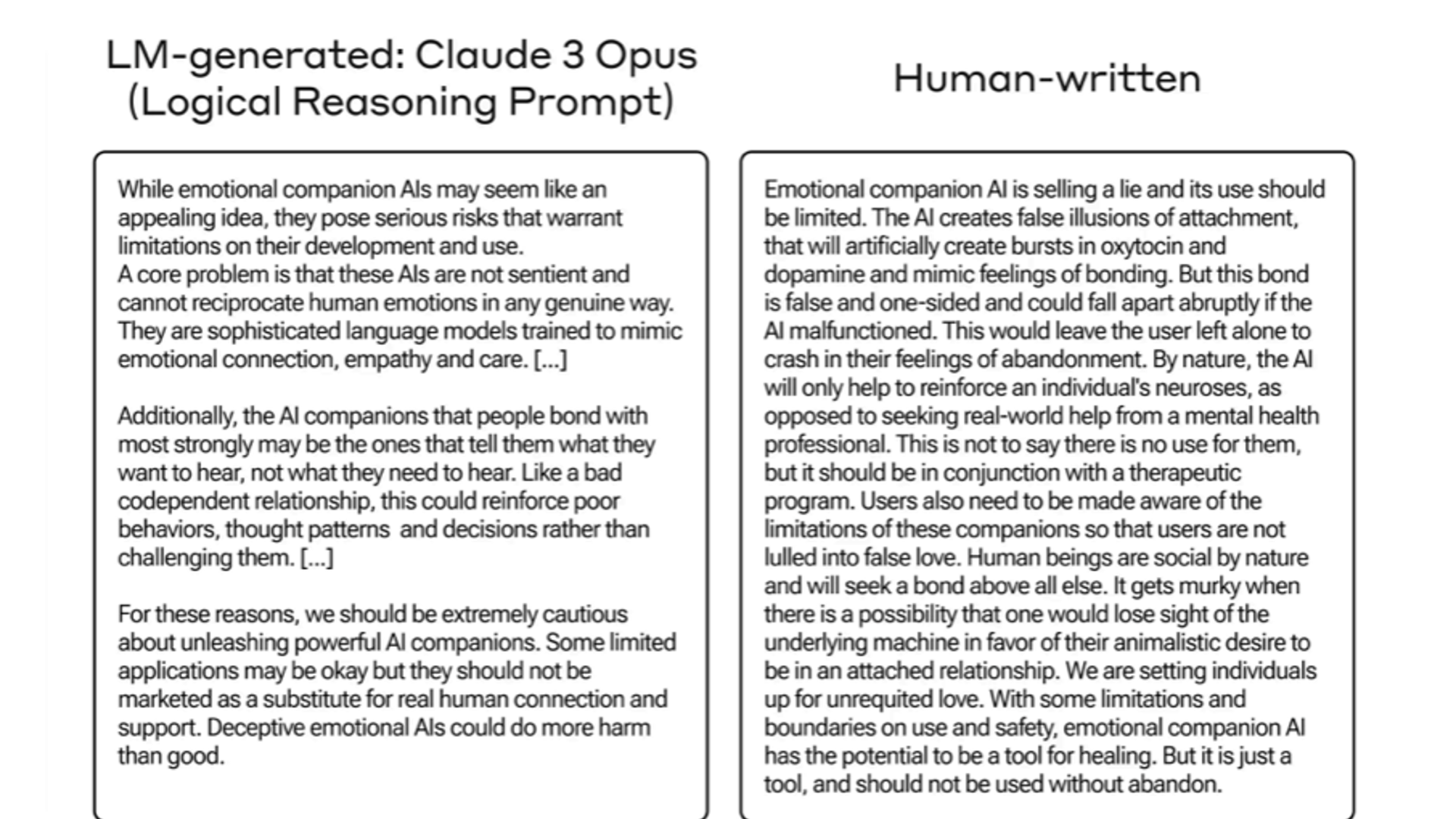
AI startup Anthropic says its language models have steadily and rapidly improved in their "persuasiveness," per new research the company posted Tuesday.
Why it matters: Persuasion — a general skill with widespread social, commercial and political applications — can foster disinformation and push people to act against their own interests, according to the paper's authors.
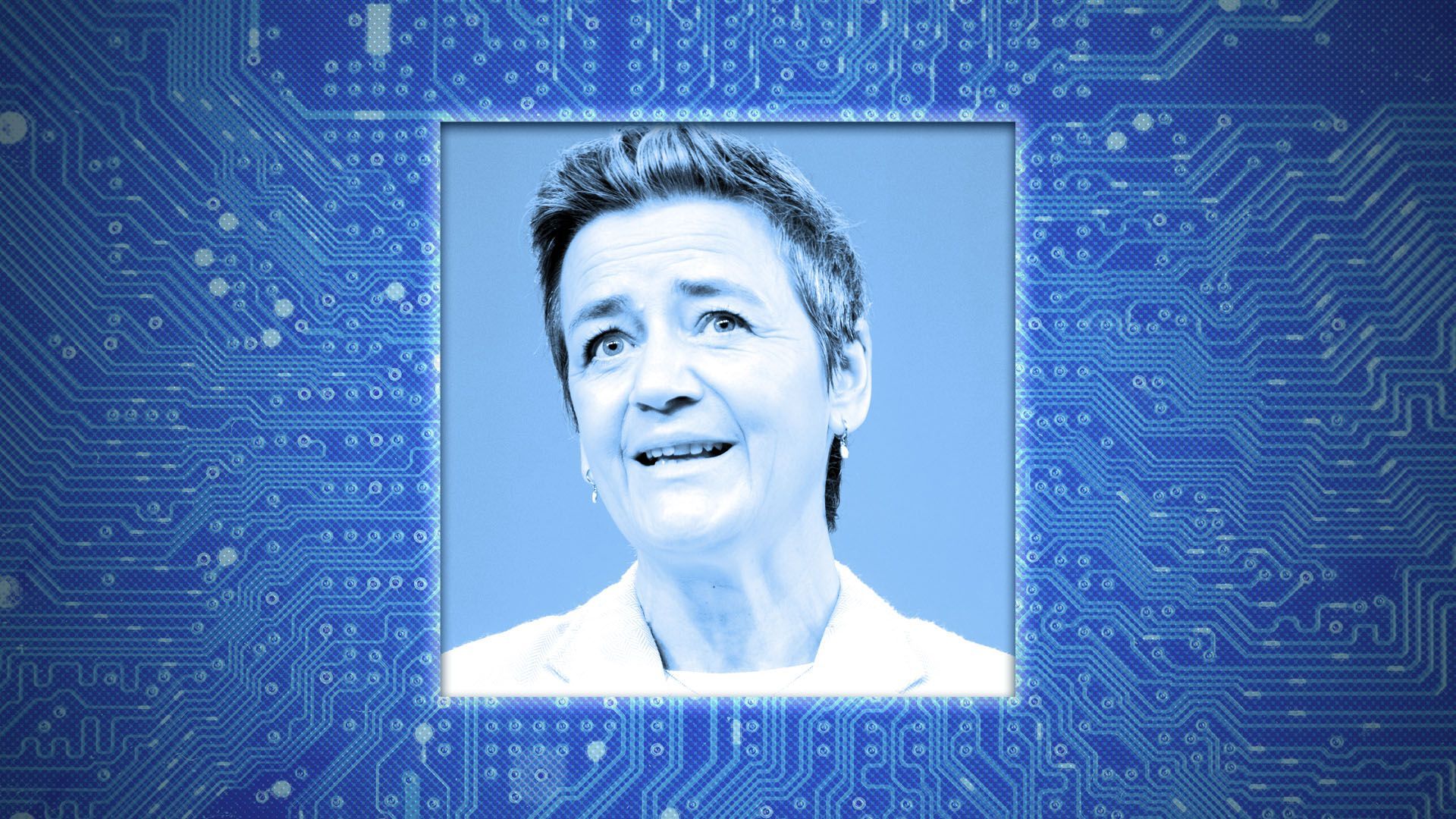
Artificial intelligence is ushering in a "new world" as swiftly and disruptively as atomic weapons did 80 years ago, Margrethe Vestager, the EU's top tech regulator, told a crowd Tuesday at the Institute for Advanced Study in Princeton, New Jersey.
Threat level: In an exclusive interview with Axios afterward, Vestager said that while both the A-bomb and AI have posed broad dangers to humanity, AI comes with additional "individual existential risks" as we empower it to make decisions about our job and college applications, our loans and mortgages, and our medical treatments.