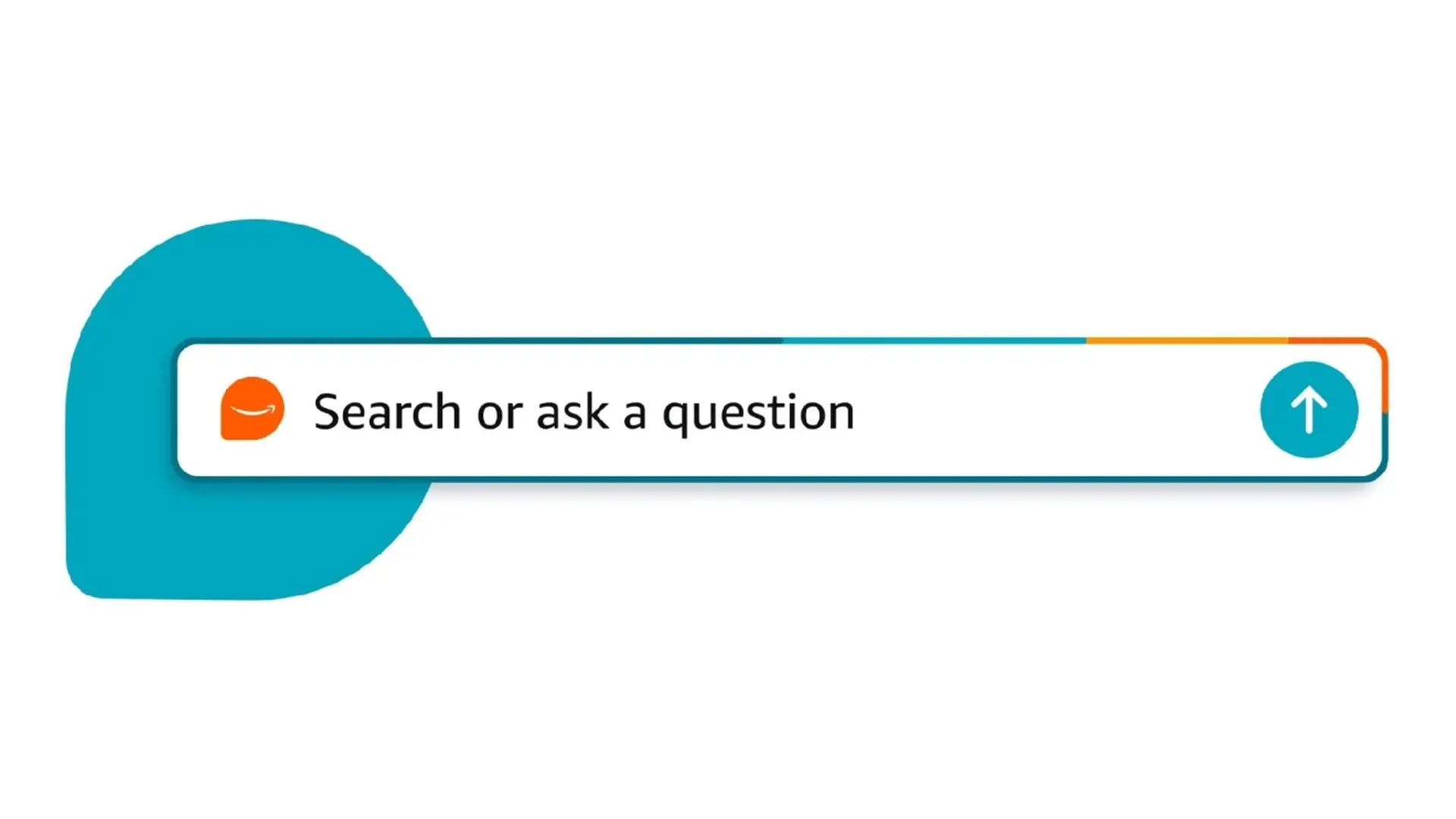
Amazon is adding a new AI-powered shopping assistant named Rufus to its mobile app, the company announced Thursday.
The big picture: Rufus launched in beta to a small subset of customers and will continue to roll out to the rest of Amazon's U.S. customers in the coming weeks, the company said.
Shares in Meta skyrocketed more than 12% in extended trading Thursday after the tech giant said it declared its first-ever quarterly dividend of $0.50 per share. It also authorized a $50 billion stock buyback to increase the value of its shares.
Why it matters: The moves are a sign of maturity for Meta, which has grown to become one of the most powerful companies in the world since it went public in 2012.
On Apple's earnings call Thursday, CEO Tim Cook said the company continues to work and invest in artificial intelligence and added, "We're excited to share the details of our ongoing work in that space later this year."
Why it matters: While far from an announcement of specific products or strategy, Cook's comment represents Apple's most concrete suggestion to date that it is planning its own response to the tech industry's generative AI frenzy.
Wednesday's Senate hearing about protecting kids on social media focused on regulating yesterday's and today's technology — but lawmakers failed to grill executives on the rise of AI and the new problems it is generating.
Why it matters: The hearing, like those that preceded it, looked for solutions to longstanding problems — failures in content moderation, age verification, protection of teens' mental health and enforcement of laws against child sexual abuse material (CSAM) — but the tech industry keeps inventing new services that get put to bad use.
Sen. Josh Hawley wrote to Meta CEO Mark Zuckerberg Thursday asking him to personally bankroll a victims' compensation fund for families of children who say they were exploited by Meta's platforms, per a letter shared exclusively with Axios.
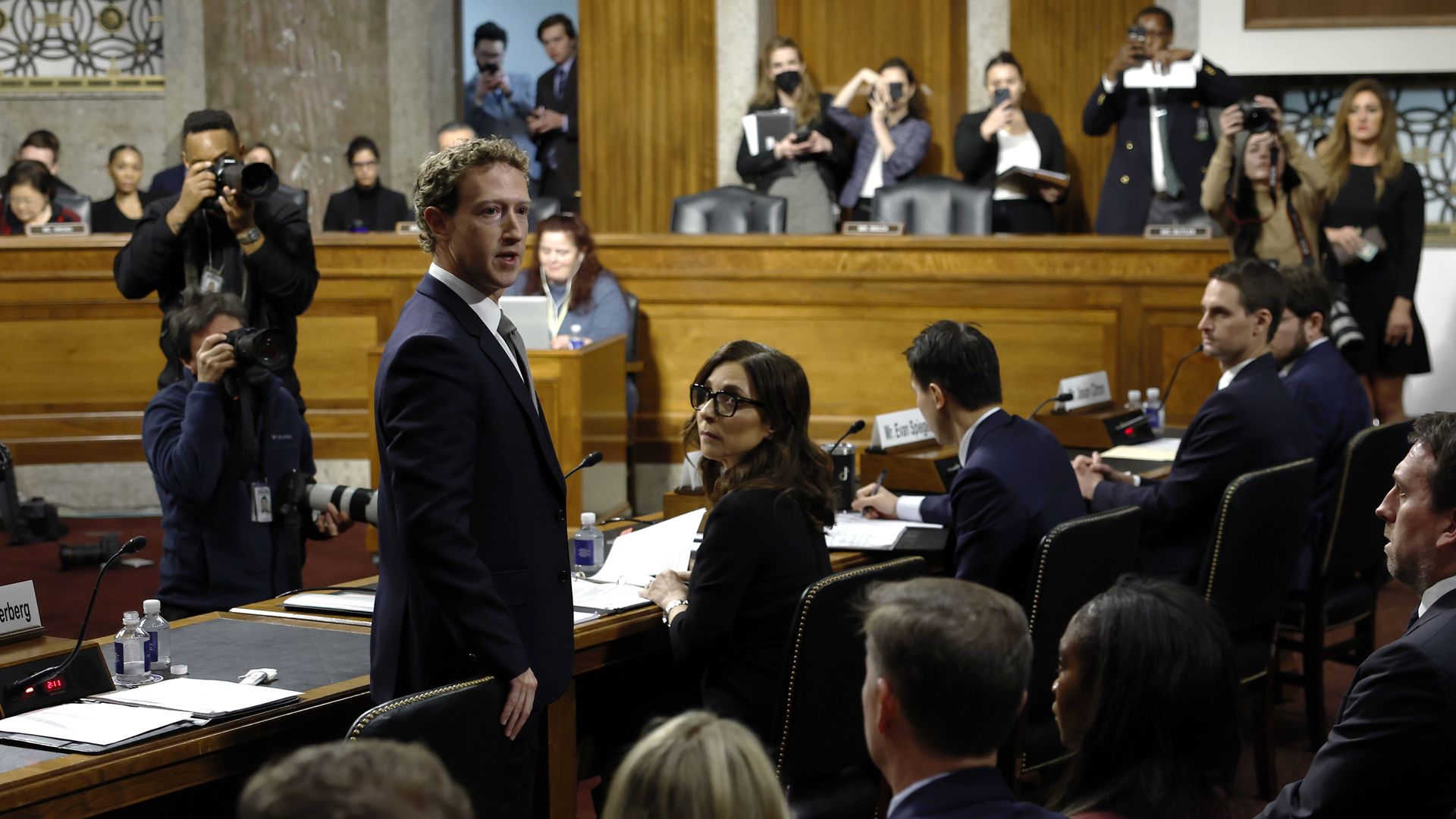
Driving the news: On Wednesday Hawley prompted Zuckerberg to stand up and apologize to families at a Senate Judiciary hearing about online harms for children and the role of social media.
The Allen Institute for AI (AI2) released a fully open-source large language model designed to help researchers better understand what's taking place under the hood.
Why it matters: The move comes as some have argued open-source alternatives are needed to avoid concentration of power, while others worry that such models could be harder to regulate.
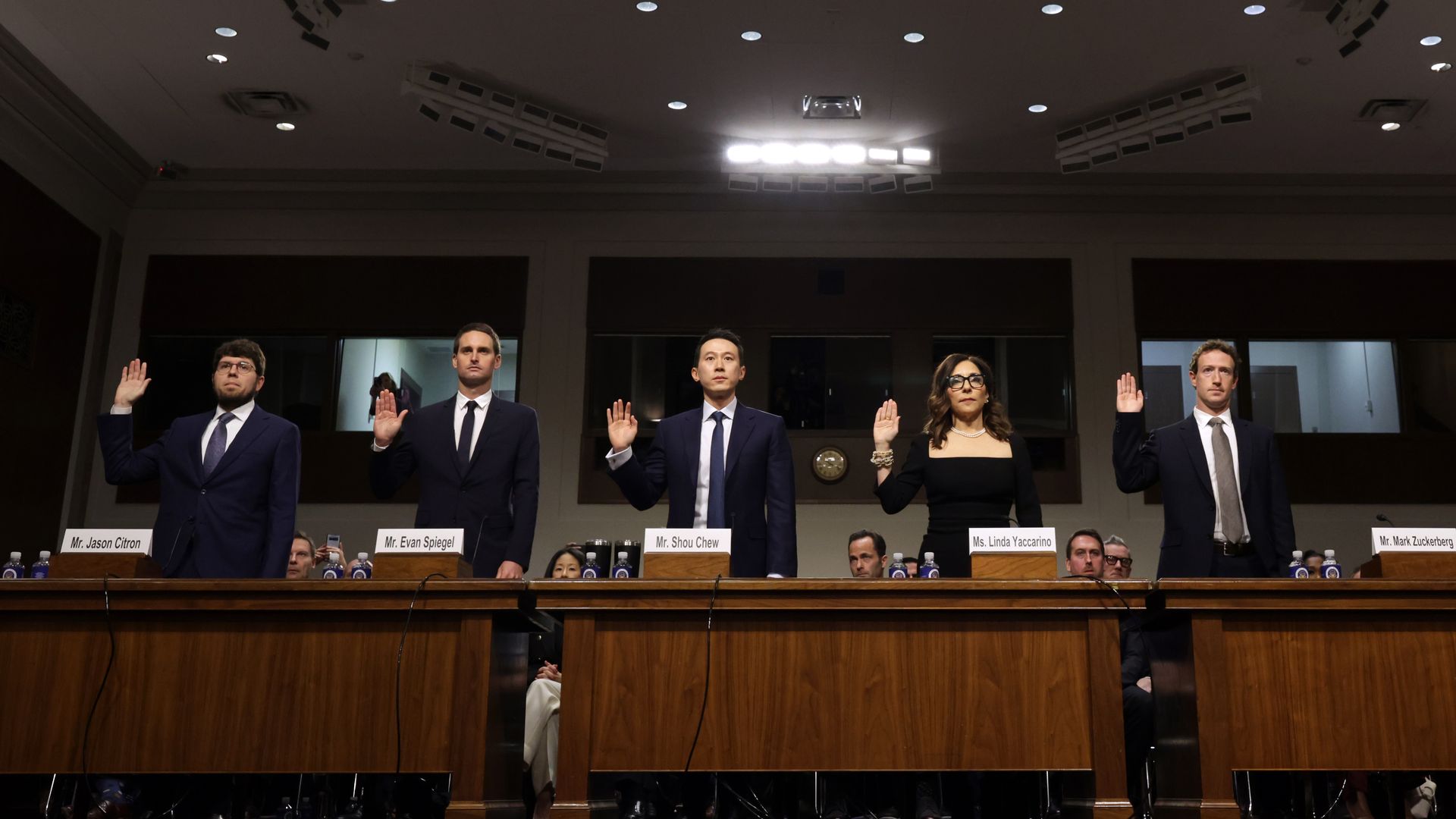
Why it matters: Legislators spent nearly four hours grilling Meta CEO Mark Zuckerberg along with the CEOs of TikTok, X, Snap and Discord on the sexual exploitation of children on their platforms — but outrage directed at social media from both sides of the aisle has yet to produce new laws to solve the problem.
China-backed hacking campaigns have shown a persistent willingness to shut down U.S. critical infrastructure and incite societal panic, top U.S. officials told lawmakers during a congressional hearing Wednesday.
Why it matters: As tensions escalate between the U.S. and China, officials worry that Beijing could wreak havoc on basic services, including access to clean water and electric power.
U.S. senators during a Judiciary Committee hearing Wednesday admonished the CEOs of large tech and social media companies including Meta and TikTok for harming young users.
Why it matters: Social media giants have been under pressure to address concerns about what kids are seeing on their platforms, as well as the risks associated with adolescent social media usage.
Why it matters: TikTok's viral video algorithm relies heavily on sound, and more specifically, songs it has licensed from labels like Universal for its users to record with.
There's one thing uniting big and small tech companies operating in Europe: they can't stand Apple's approach to complying with the European Union's new Digital Markets Act.
Why it matters: The DMA forces Apple to make sweeping changes to its app store, after years of resistance citing user security and privacy.
General Motors is racing to diagnose and fix software issues that have caused flickering screens, looping error messages and glitchy charging in some of its most important new electric vehicles (EVs).
The big picture: Similar problems are plaguing the entire auto industry as vehicles morph into battery-powered "supercomputers on wheels."
"Sesame Street" favorite Elmo's wellness check-in post on X asking "How is everybody doing?" has been met with thousands of responses this week.
The big picture: Many made clear in the comments section that they're not doing so well — with some citing being laid off, feeling tired or noting they're "depressed and broke."