AI has made it easy to generate realistic-looking fake porn, and the targets of malicious deepfakes are finding they have little recourse.
Why it matters: When everyone with a computer can create a convincing and harmful image, anyone from high school teens to the world's biggest pop star could fall victim to these potentially damaging deepfakes.
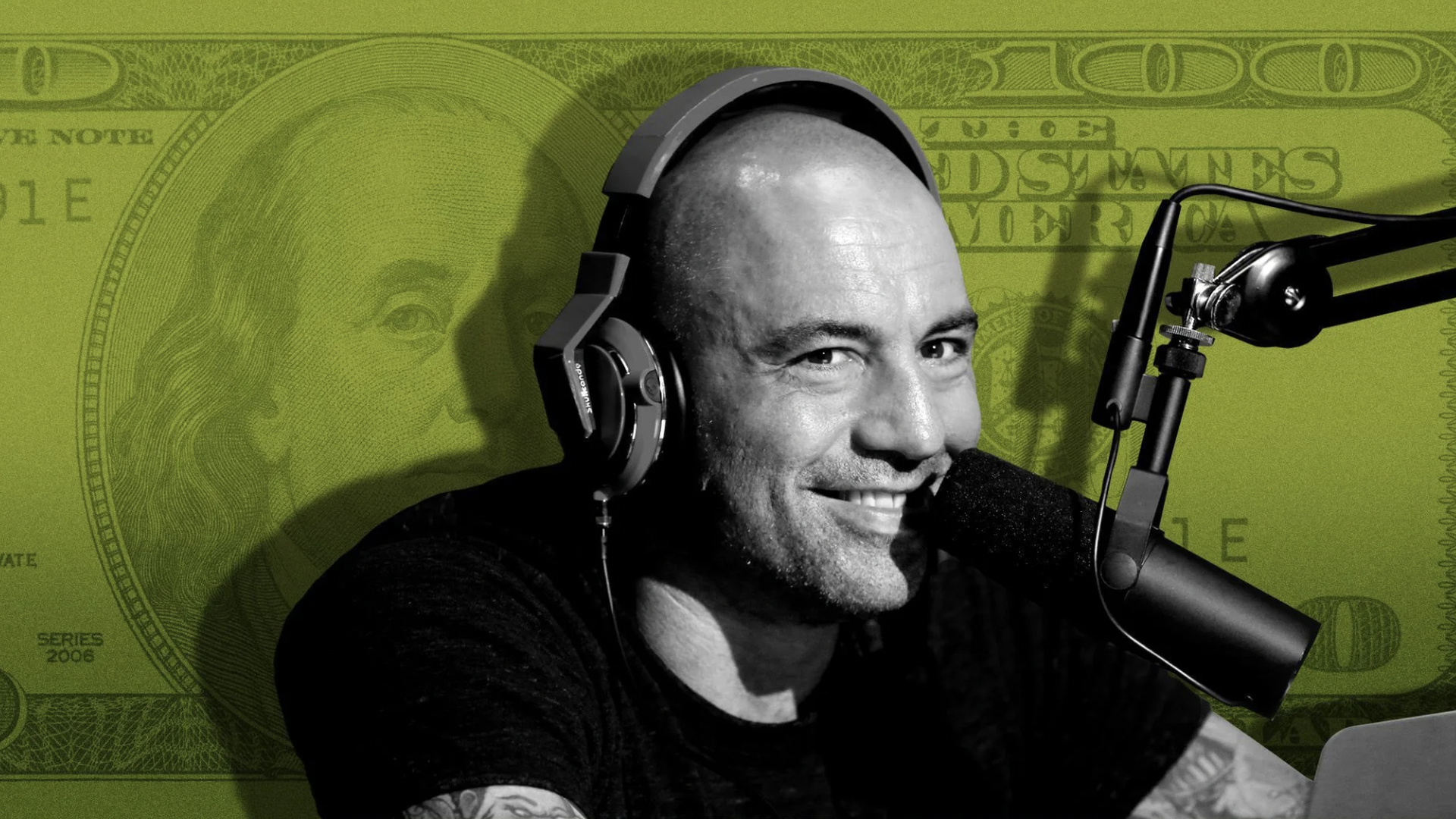
Spotify on Friday announced a new multiyear deal to distribute "The Joe Rogan Experience" podcast exclusively, while still allowing the show to be available on other platforms, including Apple, Amazon and YouTube.
Why it matters: The deal represents a shift in Spotify's podcast strategy toward owning the distribution and monetization rights to the show across its platform and others.
Federal agencies have until midnight Friday, Feb. 2 to disconnect all Ivanti Connect Secure and Policy Secure devices under a new emergency directive.
Why it matters: Nation-state and cybercriminal hackers are actively exploiting security flaws in the two Ivanti VPN products — which could allow attackers to bypass authentication protocols and remotely navigate a victim's network.
China's hacking operations pose the biggest existential threat to the safety of U.S. critical infrastructure — but despite years of investment, the U.S. is far from nailing the cyber basics.
Why it matters: U.S. cyber officials warned Congress this week that China has shown a persistent interest in not only stealing state secrets, but also disrupting basic services, like access to clean water and electricity.
Joe Biden and Xi Jinping agreed at last year's APEC summit in San Francisco to open a bilateral channel for AI consultation, but analysts say the U.S. and China can't even agree on what problems they're trying to solve.
Why it matters: As China and the U.S. compete for global AI dominance across civil and military applications, it's increasingly important for the countries to find common ground on AI safety.
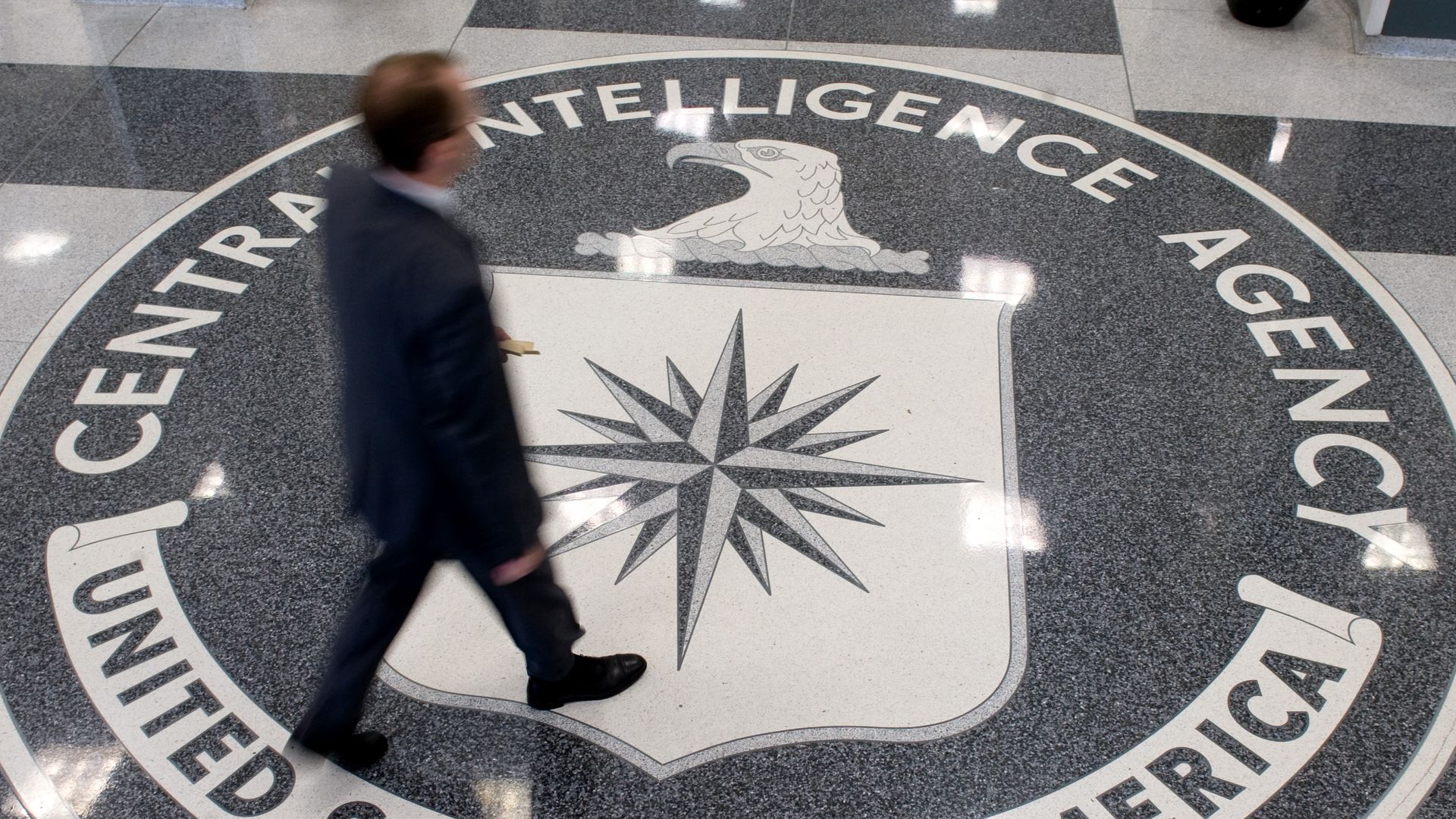
A former CIA software engineer who was convicted of carrying out the largest data breach in the agency's history was sentenced to 40 years in prison on Thursday, the Department of Justice announced.
The big picture: Joshua Adam Schulte's "transmission of that stolen information to WikiLeaks is one of the largest unauthorized disclosures of classified information in the history of the United States," the DOJ noted in a statement.