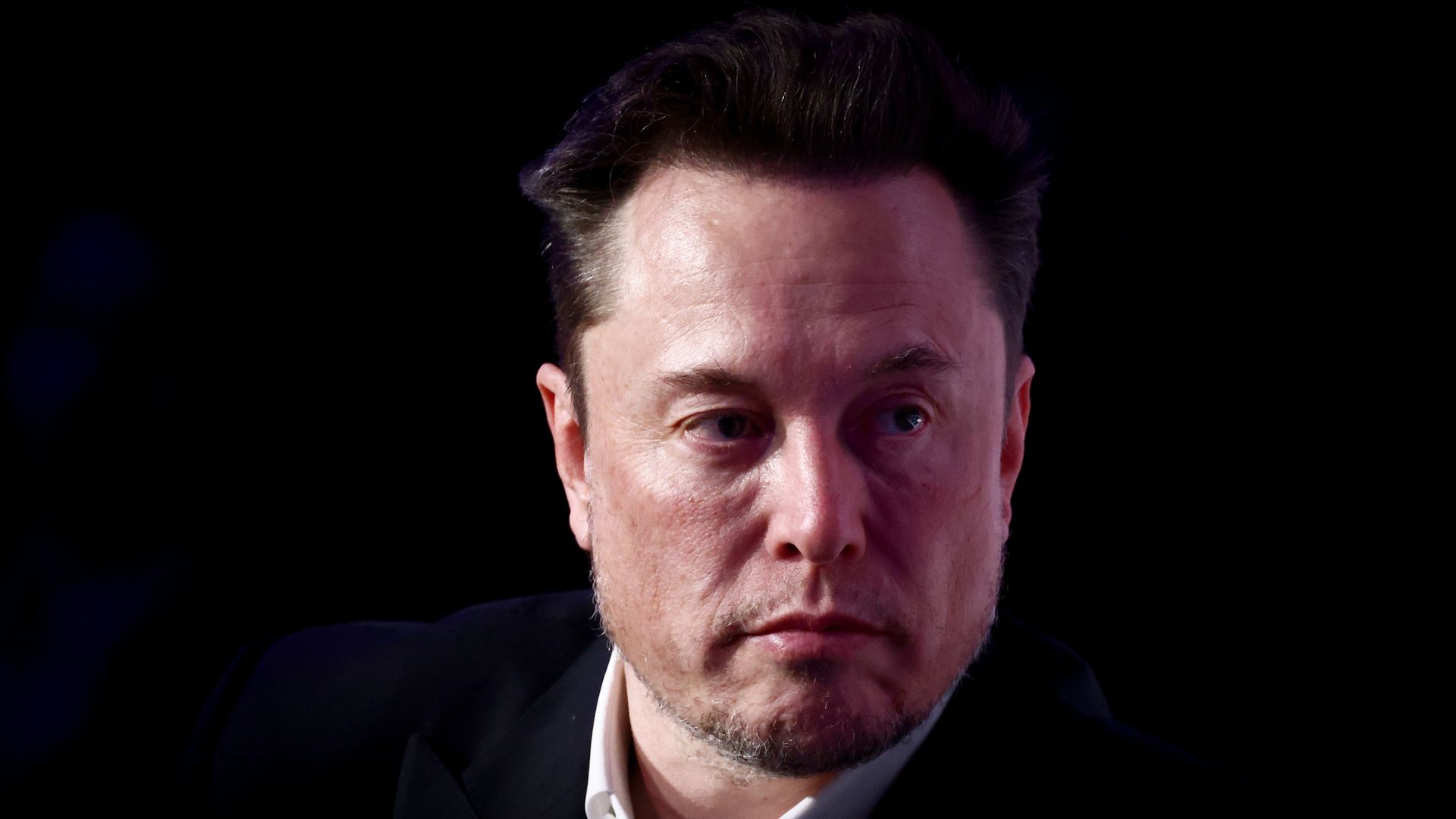
Elon Musk's claim his brain-machine interface startup Neuralink implanted a device in its first live human subject comes after the company navigated a rigorous approval process, with some bumps along the way.
Why it matters: If successful, Neuralink says its technology will allow users to operate devices like a phone using only brainpower, and could be used to treat neurological diseases. While the technology is unproven, starting human testing is a major step.
PayPal will lay off around 9% of its global workforce, the company's president and CEO Alex Chriss announced in a letter to employees Tuesday.
The big picture: PayPal is just the latest tech giant to slash jobs as more than 25,000 tech workers across nearly 100 companies have already been let go in 2024, according to tracking site Layoffs.fyi.
Fake job offers are now one of the most prolific and fastest-growing scams in the U.S.
The big picture: Generative AI and the growth of more informal work communication have given scammers new and increasingly sophisticated ways to target people looking for work, particularly those who have recently been laid off.
Microsoft on Tuesday reported quarterly earnings and revenue that topped analyst's expectations led by another period of strong growth in Azure and cloud computing.
Why it matters: The company has surged in value over the past months amid enthusiasm that investments in artificial intelligence will pay off via faster growth.
AI developers whose models pose risks to national security are now starting to report "vital information," including safety test results, to the Department of Commerce before releasing their models to the public, the White House said Monday.
Why it matters: This marks the start of the first formalized safety and security information-sharing program between some of the most powerful AI model developers and the federal government.
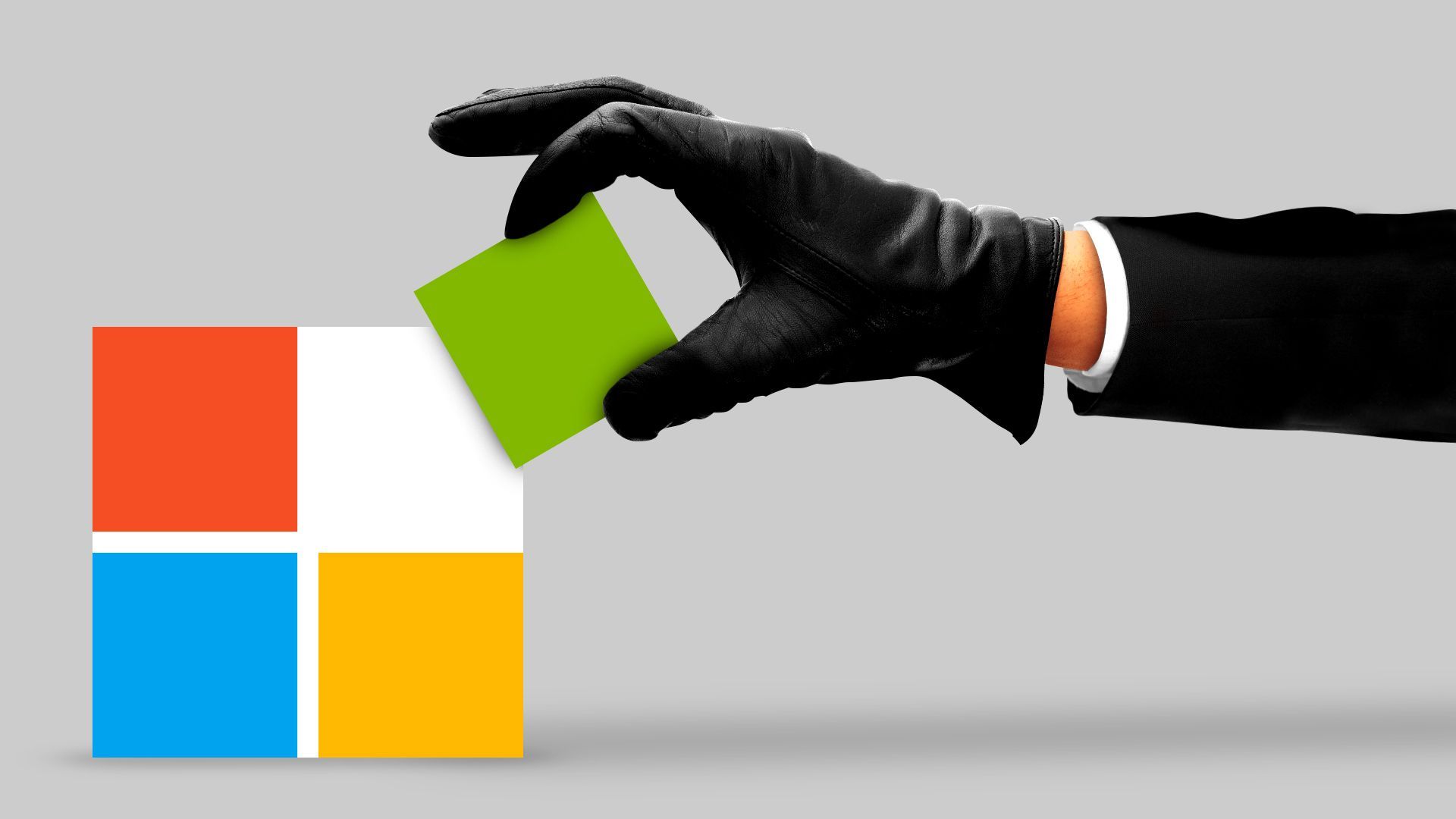
A team of security researchershas uncovered a flaw in Microsoft's code development and testing environment that could affect upward of 70,000 open-source projects, according to a report first shared with Axios.
Why it matters: Researchers at Legit Security said in a report today that they've found a flaw in popular testing tool Azure Pipelines that would allow hackers to inject malicious code into source code and other projects hosted in code testing environments.
A startup best known for offering AI companions for romance and friendship is expanding into coaching, yoga and meditation — the latest inthe AI industry's effort to encourage personal relationships with chatbots.
Why it matters: The idea that talking to a computer can make people feel less lonely may seem counterintuitive, but there is some evidence chatbots can do just that.
iRobot shares fell nearly 9% on Monday, after its $1.4 billion takeover by Amazon was scuttled by European antitrust regulators, and was down even further in early Tuesday trading.
Zoom in: The Roomba maker also announced plans to lay off 31% of its employees, which represents around 350 people, and said that it no longer plans to work on non-floorcare products like autonomous lawn mowers.
Rebellions, a Seoul-based artificial intelligence chipmaker, has raised $124 million in Series B funding led by Korean telecom giant KT.
Why it matters: This is partially an effort to eat into the market share of Nvidia, whose stock price has more than doubled over the past year, but it's more a bet that the overall market for AI chips will grow exponentially.
A new, powerful, well-funded political movement is rising fast in America: the techno-optimists.
Why it matters: This group — mostly rich, white, middle-aged men with tech jobs, companies or investment funds — is building impressive, if unorganized, political muscle through social media, podcasts, new journalism projects, and political donations and activism.
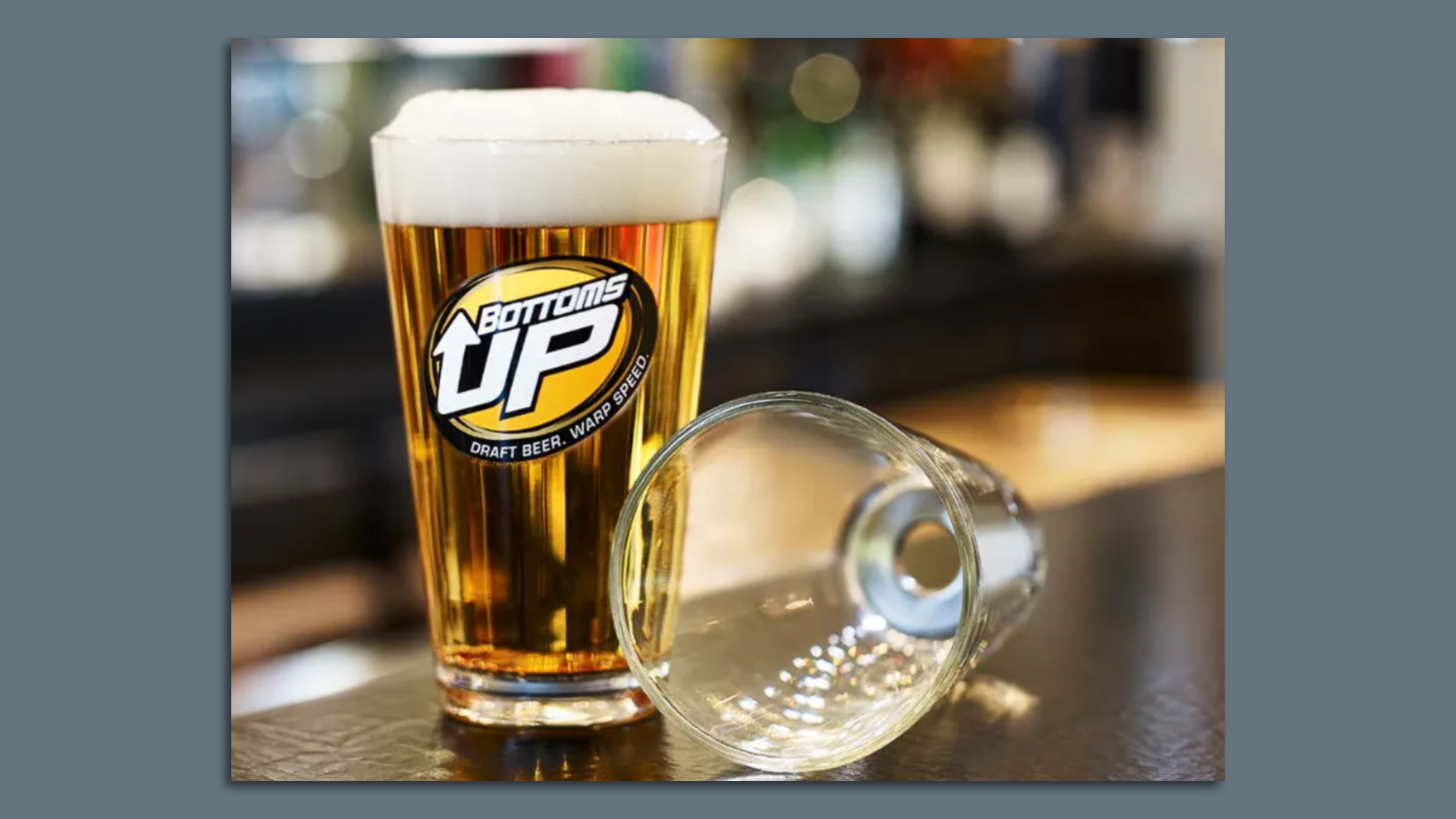
Your next beer glass might have a hole in the bottom — the better to fill it from the base up.
What's happening: A new breed of beer dispenser fills cups from the bottom, injecting the liquid to the right level automatically and leaving bartenders free for other tasks.
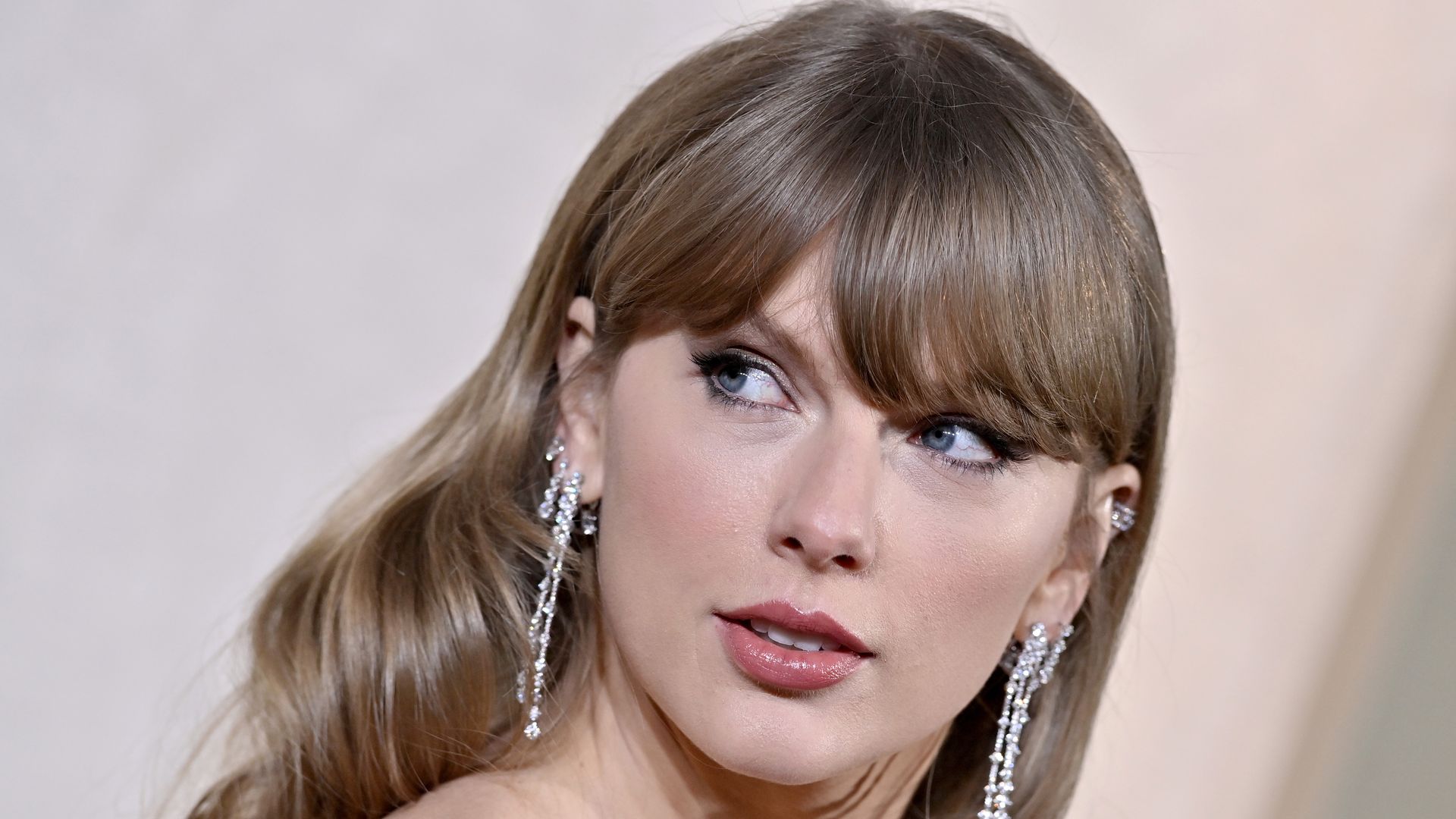
X blocked searches for Taylor Swift after fake sexually explicit AI-generated images of the singer circulated on the social media platform, an executive said on Sunday.
The latest: Joe Benarroch, head of business operations at X, said in a statement to media Monday: "Search has been re-enabled and we will continue to be vigilant for any attempt to spread this content and will remove it if we find it."