The United States is leading a new diplomatic push at the United Nations to mobilize all governments to support "AI for good and for all," U.S. Ambassador Linda Thomas-Greenfield tells Axios.
Why it matters: Despite the need for new tools to tackle urgent problems like climate change, the richest and most powerful governments that back international responsible-AI initiatives have steered away from the deeply divided UN as an AI forum — until now.
Los Angeles — Netflix is happy building its gaming business quietly, but that doesn't mean the effort lacks ambition, the company's head of gaming, Mike Verdu, tells Axios.
Why it matters: Netflix's gaming efforts have been a headscratcher to some and a no-brainer to others. But its success so far has been low-key, at best.
Google Cloud CEO Thomas Kurian says this week's launch of Gemini for businesses comes as many companies are looking to reduce their dependence on a single vendor, such as OpenAI.
Why it matters: Google, though a pioneer in the research that led to the current generative AI boom, has been seen playing catch-up to Microsoft and OpenAI.
ChatGPT parent OpenAI has struck a deal with Axel Springer, parent to a slew of German and U.S. media outlets, to “help provide people with new ways to access quality, real-time news content through our AI tools,” OpenAI COO Brad Lightcap announced Wednesday.
Why it matters: The deal marks a new milestone in the relationship between journalism companies and artificial intelligence firms — one that involves not just providing data to train ChatGPT’s models, but also using vetted journalism to bolster the accuracy of ChatGPT’s responses.
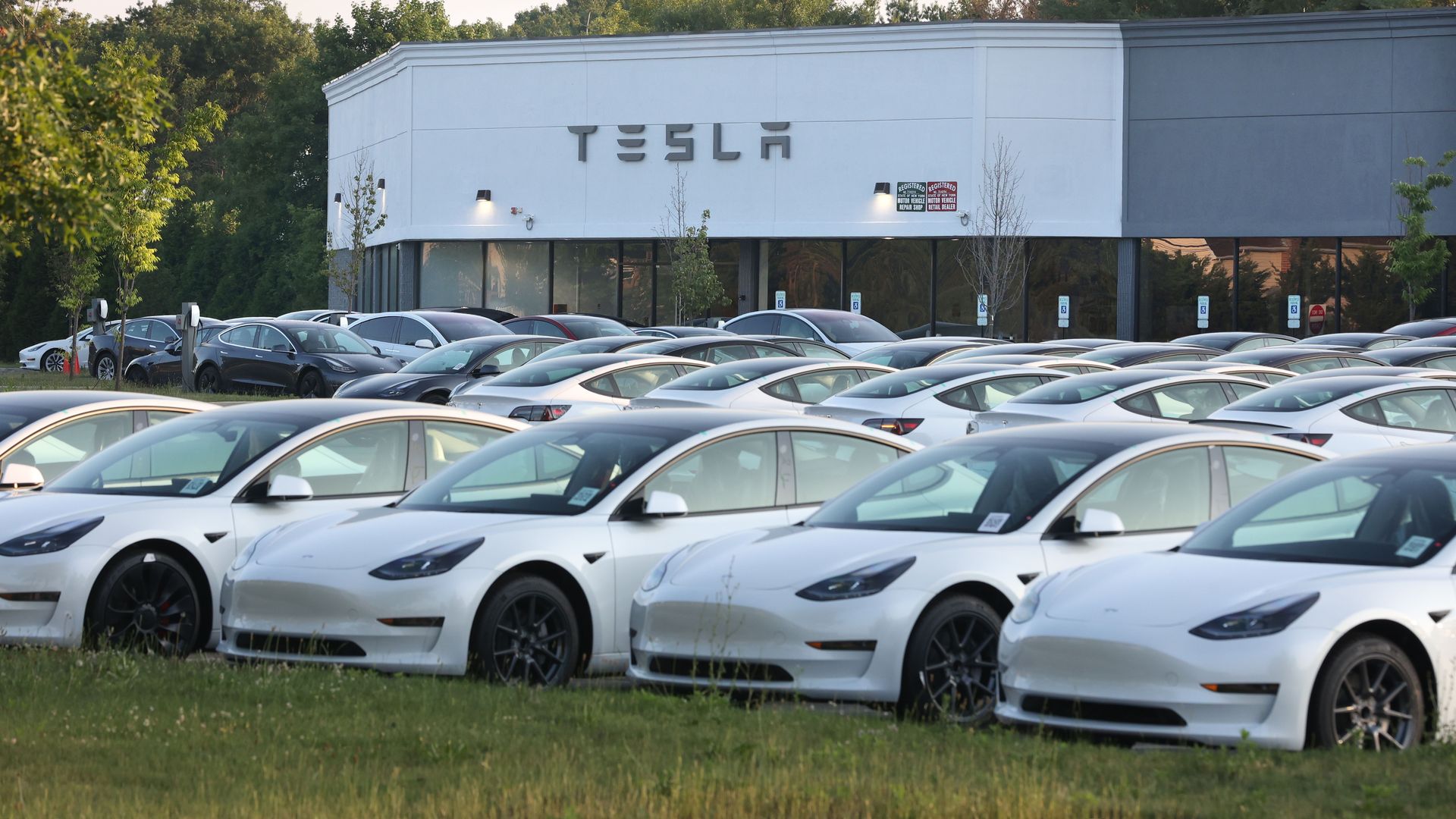
Tesla issued a recall covering almost all of the cars it has sold in the U.S. over a software defect in a system that's meant to monitor whether drivers are paying attention while using the vehicle's Autopilot feature.
Why it matters: The recall of roughly 2 million vehicles is the latest sign that U.S. safety regulators are getting tougher on Tesla after multiple investigations were opened in recent years into collisions involving the Autopilot technology.
Why it matters: AI's ownership structure and intellectual-property rules will shape how it evolves — and government's choices today to promote or restrict open source versions of AI will set a course for decades to come.
Zulily, an online retailer owned by private equity firm Regent LP, is shutting down and blaming Amazon via an antitrust lawsuit.
Why it matters: This isn't the first time that an e-commerce company has accused Amazon of abusing its market power, although it's the first to leverage information contained in the FTC's recent lawsuit.
The Senate voted 59-40 on Tuesdayto confirm Harry Coker, Jr. as the U.S.'s next national cyber director.
Why it matters: Coker, once sworn in, will spearhead a range of the Biden administration's cybersecurity priorities, including implementation of the president's national cybersecurity strategy and an effort to harmonize a patchwork for federal cyber regulations.
Why it matters: The new position comes as media organizations look to leverage artificial intelligence in the newsroom and experiment with the technology, while still grappling with ethical choices to protect public trust.
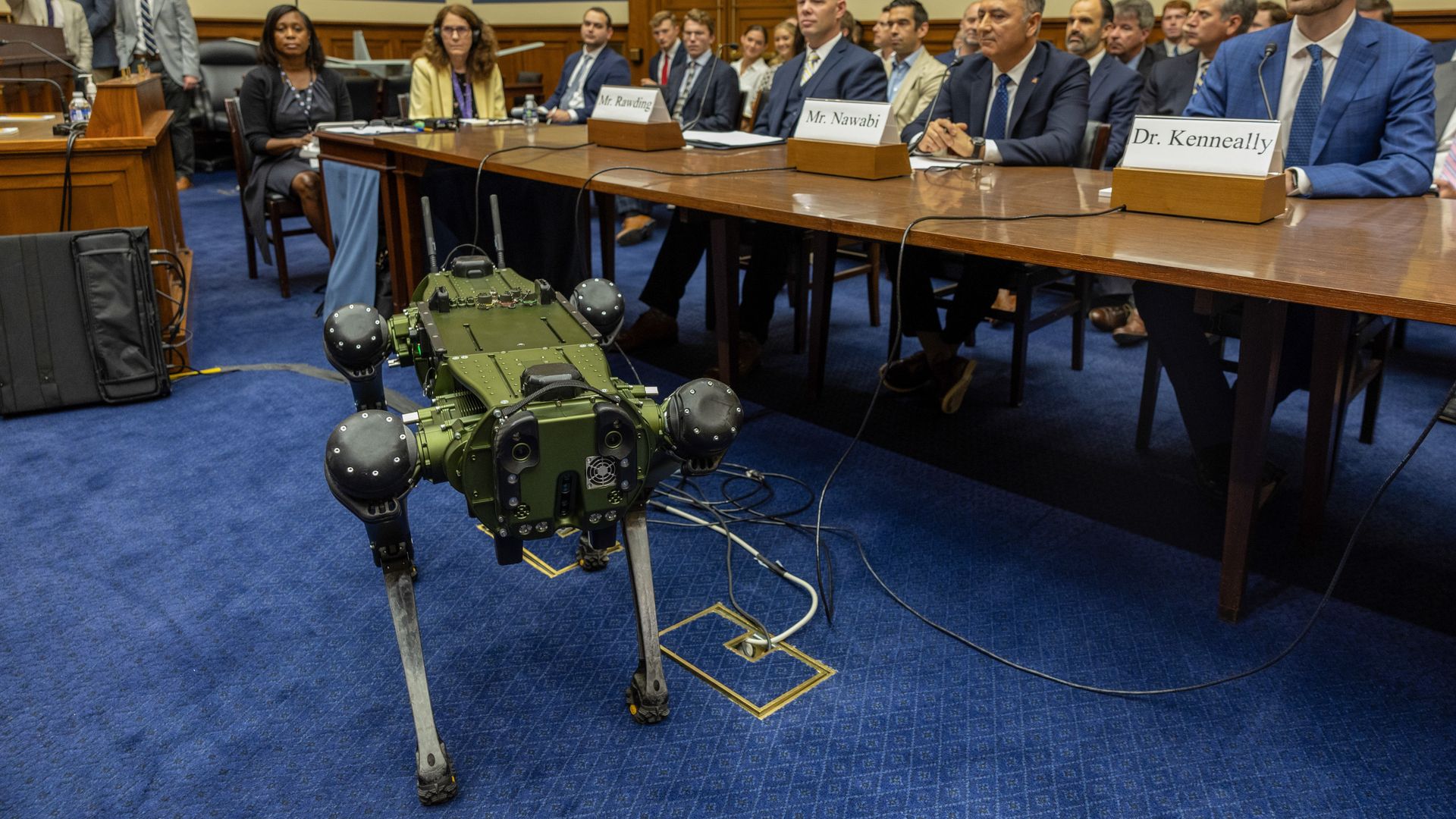
The future of border security includes robot dogs and AI-powered border inspectors.
Driving the news: U.S. Customs and Border Protection announced last week it had awarded Virginia-based Pangiam a contract to build an artificial intelligence tool to scan vehicles and cargo crossing the U.S.-Mexico border.
ChatGPT and similar tools aren't just helping craft letters to Santa — scammers are also using them to perfect their phishing lures with fake discount codes and shopping deals.
Why it matters: The end-of-year holiday shopping season has long been a popular time for cyberattacks and online scams targeting retailers and shoppers.
As AI begins powering workplaces from ports to casinos, labor unions are notching substantial contract wins and beginning to piece together an AI-focused safety net.
Why it matters: Workers say they're open to AI that improves job outcomes and safety, but around half of American adults tell an Axios Morning Consult poll they're worried that AI will cost them or their loved ones their jobs.
The U.S. government is building a "virtual wall" at the southern border by erecting hundreds of high-tech surveillance towers — some of which use artificial intelligence — to detect people in an effort to reduce drug smuggling and sky-high unauthorized migration.
Why it matters: A record-high number of people have entered the U.S. through the southern border this year, resulting in multiplecrises and exacerbating U.S. Customs and Border protection staffing shortages. But the new surveillance technology is giving rise to concerns over civil liberties, digital watchdogs say.
Google's Play Store violates antitrust laws, a federal jury found Monday, deciding a lawsuit filed by Epic Games.
Why it matters: For years, Google and Apple have argued that their app stores' rules and restrictions exist to benefit consumers. This decision, if it survives the appeal process, could upend how the two major mobile operating systems control the distribution of third-party apps on devices.









/2023/12/13/1702430339778.gif?w=3840)









/2023/12/12/1702342901493.gif?w=3840)