Disney is "just starting" when it comes to pairing its top franchises with the industry's best game development studios, the company's longtime head of gaming, Sean Shoptaw, told Axios in Los Angeles last week.
Why it matters: Disney is once again a rising force in the gaming industry, not by making its own games but by offering its biggest characters to a who's who of competing publishers and elite developers looking to craft a winner.
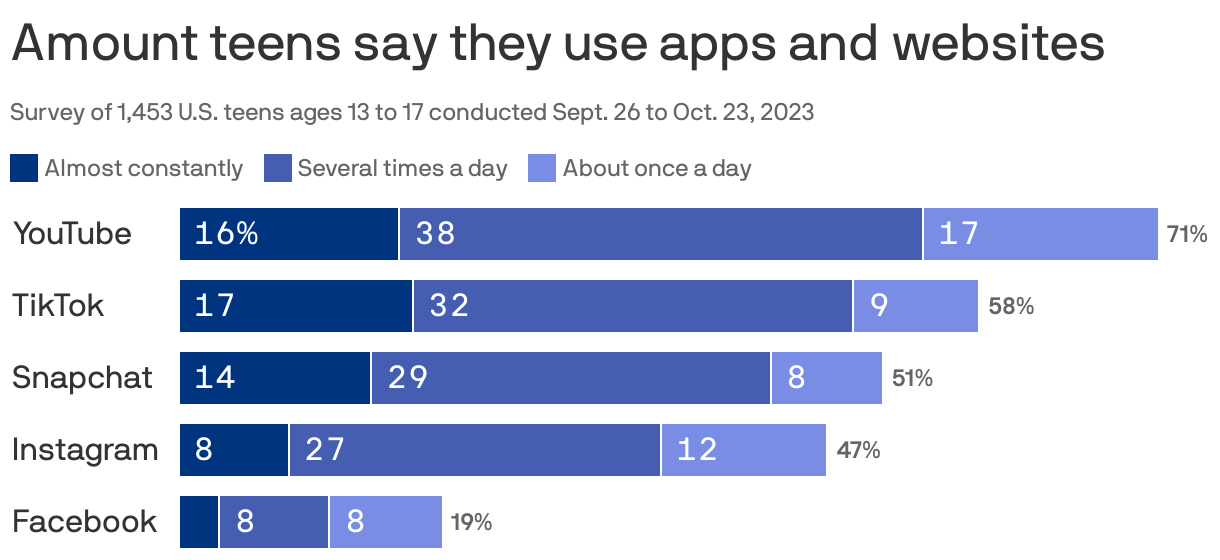
Nearly 1 in 5 teens say they're on YouTube or TikTok "almost constantly," according to a Pew Research Center report.
Why it matters: The report paints a picture of a rising generation whose lives are dominated by a handful of social platforms — amid ongoing debate over the possible mental health harms that could result.
A new project from Stanford University aims to help policymakers get their heads around a range of fast-developing new technologies, from AI and cryptography to robotics and synthetic biology.
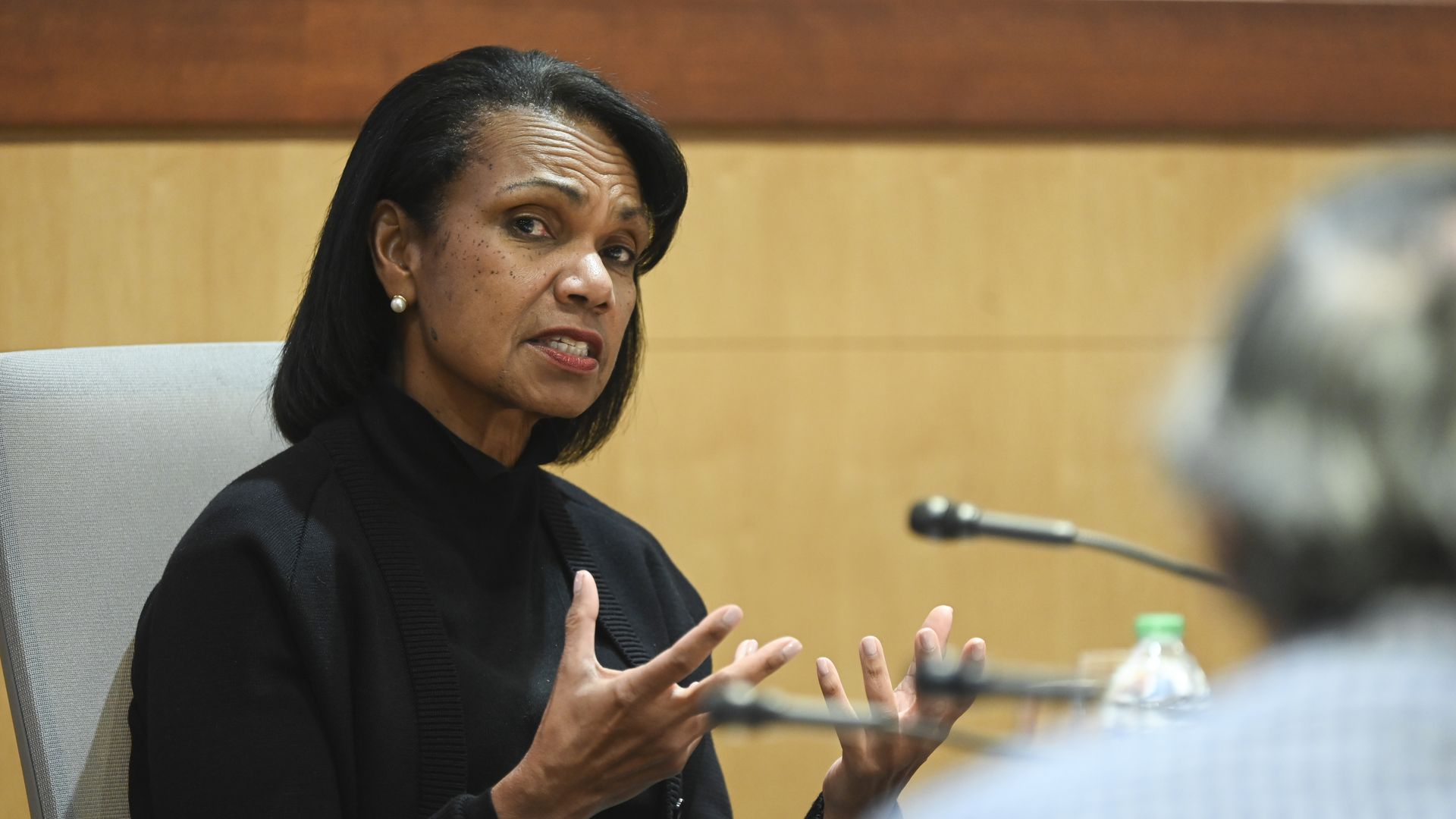
Why it matters: A similar effort by an earlier generation brought policy experts together with scientists to navigate the dangers of the nuclear era, Hoover Institution director and former U.S. Secretary of State Condoleezza Rice told reporters at Stanford.
The European Union's comprehensive AI regulations, finalized Friday after a 36-hour negotiating marathon, come with a catch: The EU is stuck in a legal void until 2025, when the rules come into force.
Why it matters: As the first global power to pass comprehensive AI legislation, the EU is once again setting what could become worldwide regulatory standards — much as it did on digital privacy rules — but the transition could be bumpy.
Why it matters: Jones, most famous for promoting the conspiracy that the 2012 Sandy Hook school shooting was a hoax, was permanently banned from the platform in 2018.